In This Guide
- Best Toronto RV Itinerary for rv rental beginners — Overview
- 7-Day Classic Route in Toronto
- 14-Day Extended Journey in Toronto
- Recommended RVPlan Trip for Toronto
- Must-See Stops Along the Way (Avi Bandana Picks)
- Daily Driving Distances & Drive Times in Toronto
- Best RV Class for This Itinerary — Couple & Family Picks
- Can you rent an RV to drive across Canada?
- What is the 3 3 3 rule for RV travel?
- How much does it cost to rent an RV in Toronto?
- What is the 4 4 4 rule for rving?
- Can you park an RV on the street in Toronto?
- Is RV rental cheaper than hotel?
- Where can you park an RV in Toronto?
Best Toronto RV Itinerary for rv rental beginners — Overview
A memorable RV trip to Toronto for first-timers typically spans 7 to 14 days, allowing ample time to explore both the vibrant city and its stunning natural surroundings. The best season for embarking on a Toronto motorhome adventure is late spring to early fall, specifically from May to October, when the weather is mild and outdoor attractions are fully accessible. This itinerary focuses on the Greater Toronto Area (GTA) and easily reachable destinations like Niagara Falls, Algonquin Park, and Prince Edward County. For current availability and pricing, start with our RV Rental Toronto - Complete Guide 2026 guide. To ensure a relaxed and enjoyable experience, especially for RV rental beginners, Avi Bandana recommends an average daily driving distance of no more than 100-150 km (60-90 miles). This allows for spontaneous stops and deeper immersion in each location, embodying our slow travel philosophy. Planning your route is essential, and with Bandana RV, you get full transparency on rental costs, ensuring no hidden fees or surprises along the way.7-Day Classic Route in Toronto
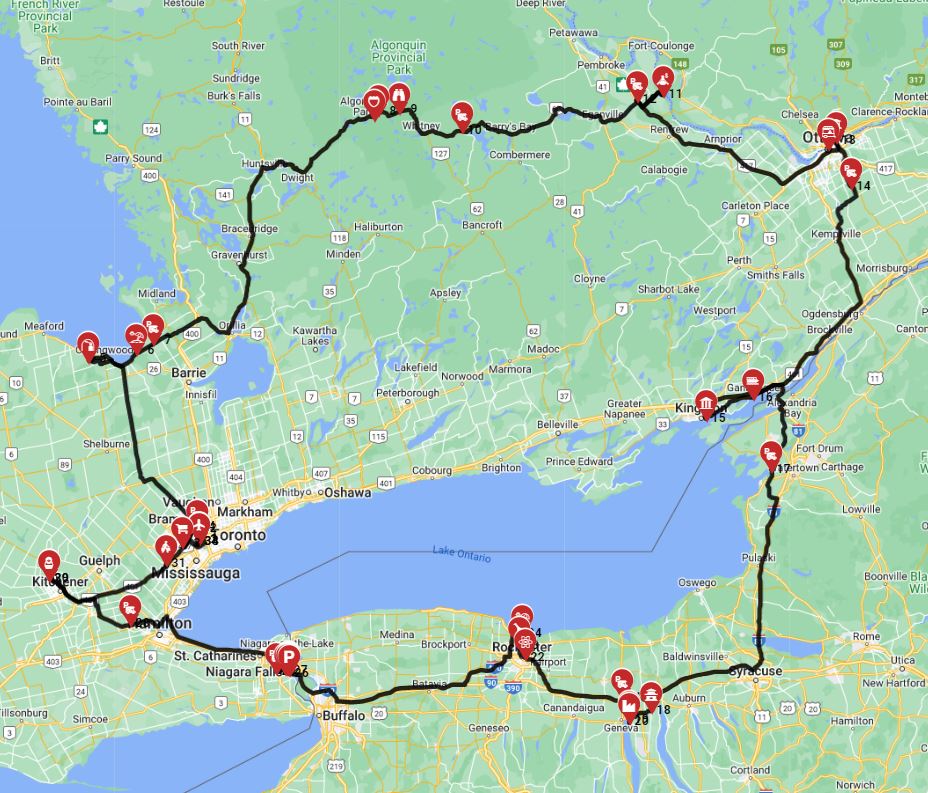
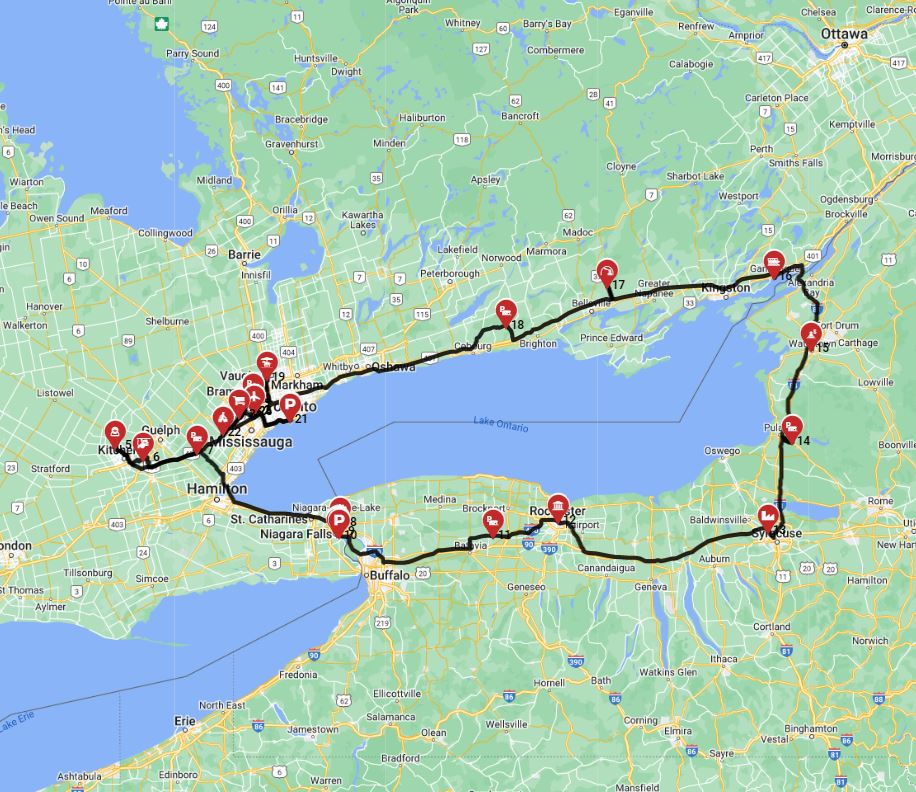
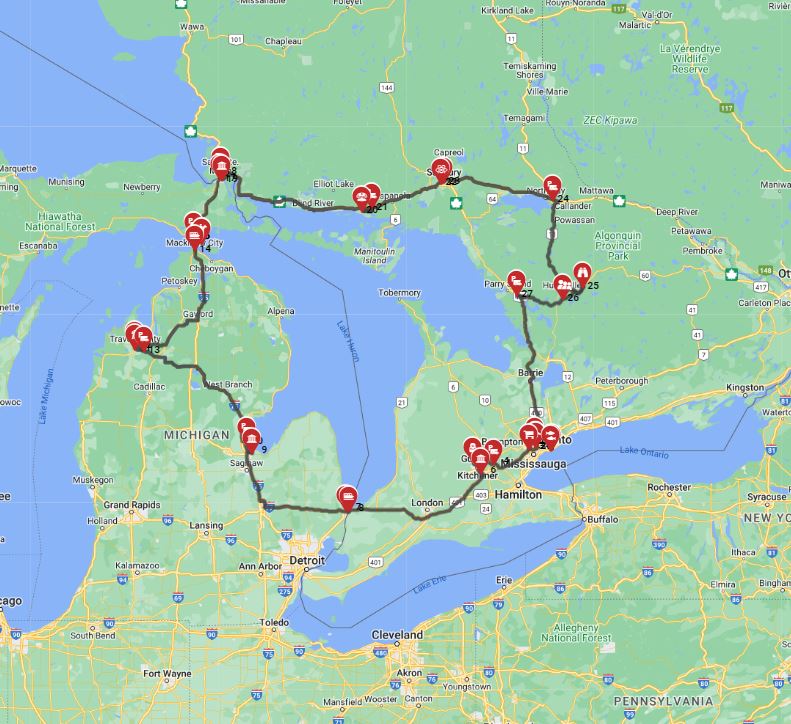
A 7-day RV itinerary for beginners in Toronto offers a balanced blend of city exploration and natural escapes. On Day 1, travelers arrive in Toronto, pick up their rented RV, and settle into a welcoming campground just outside the city, such as Glen Rouge Campground, which offers convenient public transit access. Days 2 and 3 are dedicated to exploring Toronto’s iconic city attractions like the CN Tower, Ripley's Aquarium, and Kensington Market, easily reached via public transportation from your peripheral campground. Remember, driving slowly and carefully allows you to drive almost anywhere without issues. Days 4 and 5 involve a scenic drive to the Niagara Falls area, approximately 130 km from Toronto. Here, you can marvel at the spectacular falls, enjoy the lively Clifton Hill, and wander through the charming streets of Niagara-on-the-Lake. Popular RV parks in this region include Yogi Bear's Jellystone Park or Campark Resorts, offering excellent amenities. For meals on the go, making use of your RV's kitchen can be a delightful experience; find inspiration in our RV-friendly recipes playlist. On Day 6, the journey continues towards the Collingwood/Blue Mountain area, about 160 km further, where you can relax at Wasaga Beach or explore Scenic Caves Nature Adventures. Craigleith Provincial Park is an ideal spot for camping. Finally, Day 7 brings you back to the Toronto area, approximately 150 km, for RV return, concluding your first adventure with cherished memories. This route is perfectly tailored for first-time RV renters, keeping daily drives manageable and highlights easily accessible.14-Day Extended Journey in Toronto
For those seeking a more in-depth exploration of Toronto and Ontario, a 14-day RV itinerary offers expanded opportunities to connect with nature, culture, and local food. On Days 1-2, settle your rented motorhome at an RV-friendly campground like Glen Rouge Campground or Toronto North / Cookstown KOA, utilizing public transit to discover Toronto's urban gems such as the St. Lawrence Market and the Distillery District. Stocking up on groceries at large stores with easy RV access is key for enjoying home-cooked meals on the road. Days 3-5 take you to Niagara Falls and the surrounding wine country, a journey of approximately 130 km. Explore the majestic Falls, indulge in local wine tours, and stay at well-equipped RV parks such as Campark Resorts or Niagara Falls KOA. From Days 6-8, head north about 160 km from Niagara to the Georgian Bay and Blue Mountain region. Hike the Bruce Trail or relax at Wasaga Beach, camping at provincial parks like Awenda or Craigleith. Days 9-11 immerse you in the wild beauty of Algonquin Provincial Park, approximately 200 km from Blue Mountain. This park is renowned for canoeing, hiking, and wildlife spotting; book your spot well in advance at campgrounds like Lake of Two Rivers or Mew Lake. Then, Days 12-13 lead you south to Prince Edward County, about 250 km from Algonquin, known for Sandbanks Provincial Park, exquisite wineries, and artisan shops. Again, early booking for Sandbanks is highly recommended. The journey concludes on Day 14, driving back about 200 km to the Toronto area for your RV return. Remember to plan for waste disposal and water refill points before returning your RV.Recommended RVPlan Trip for Toronto
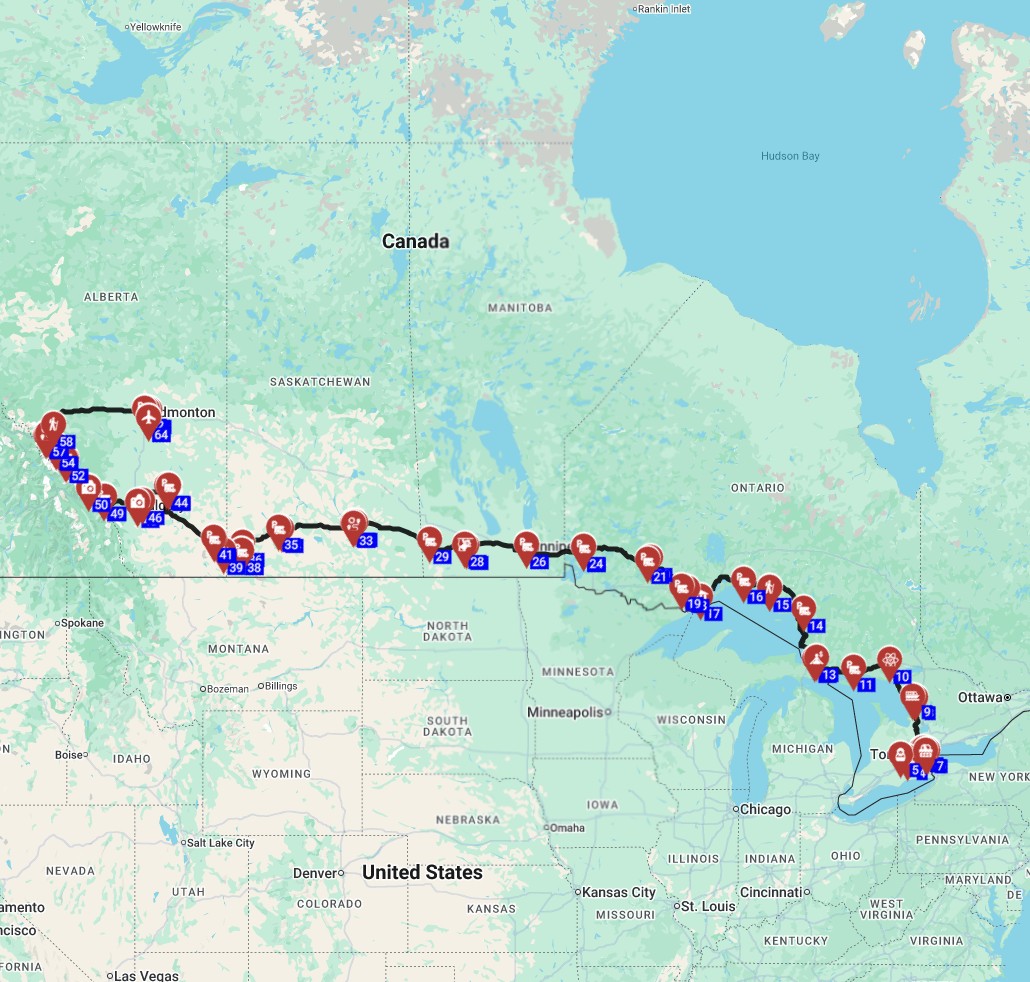
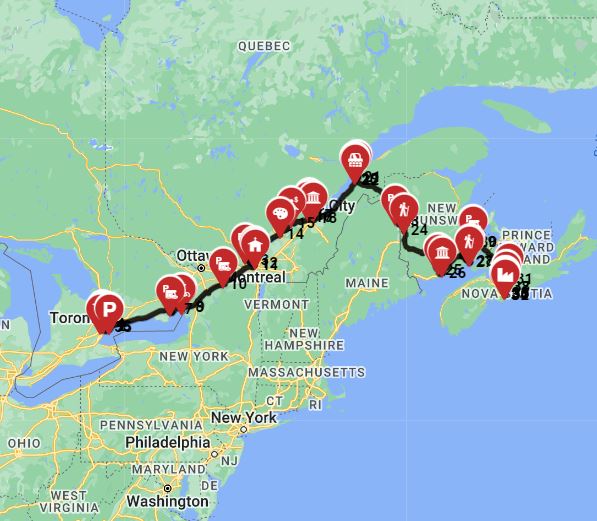
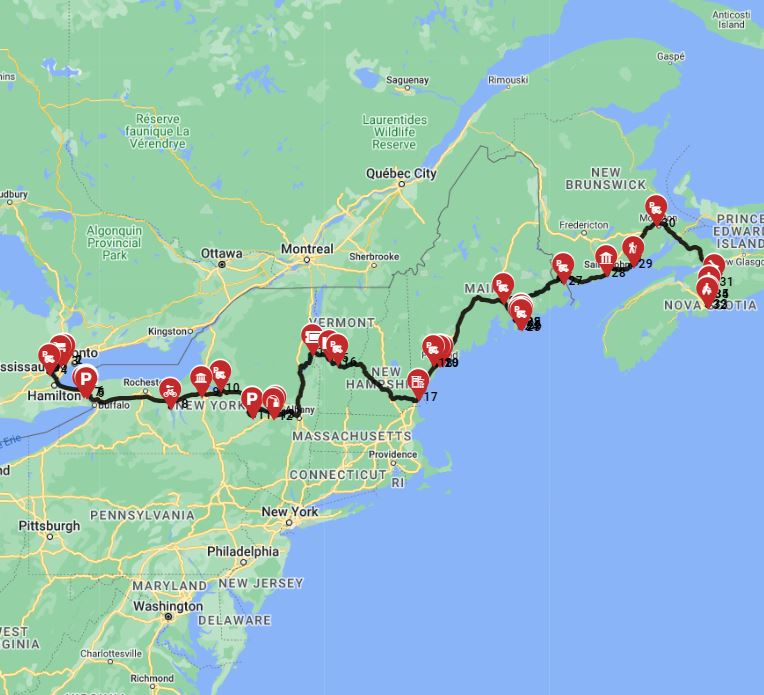
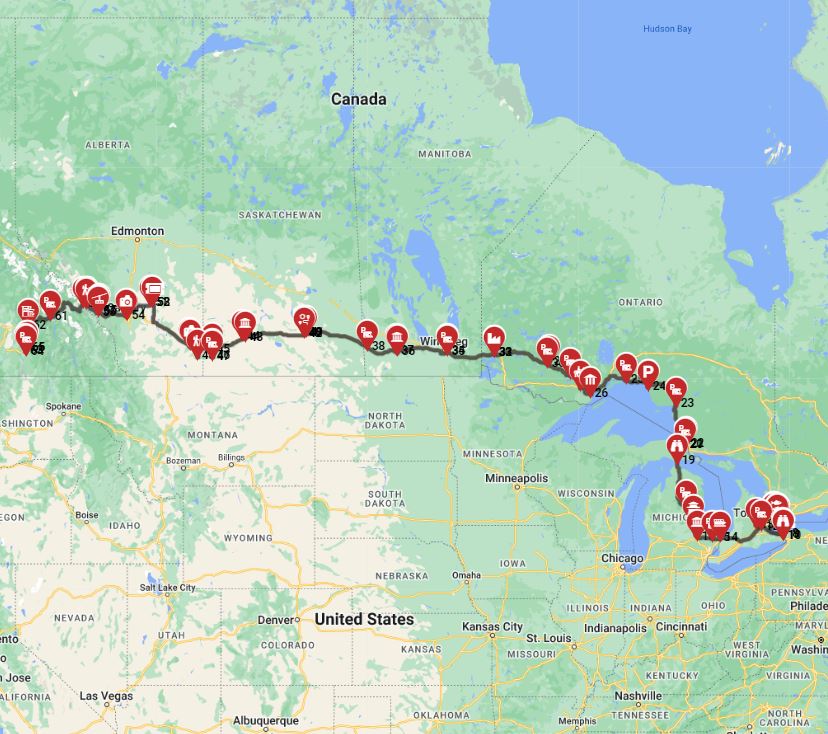
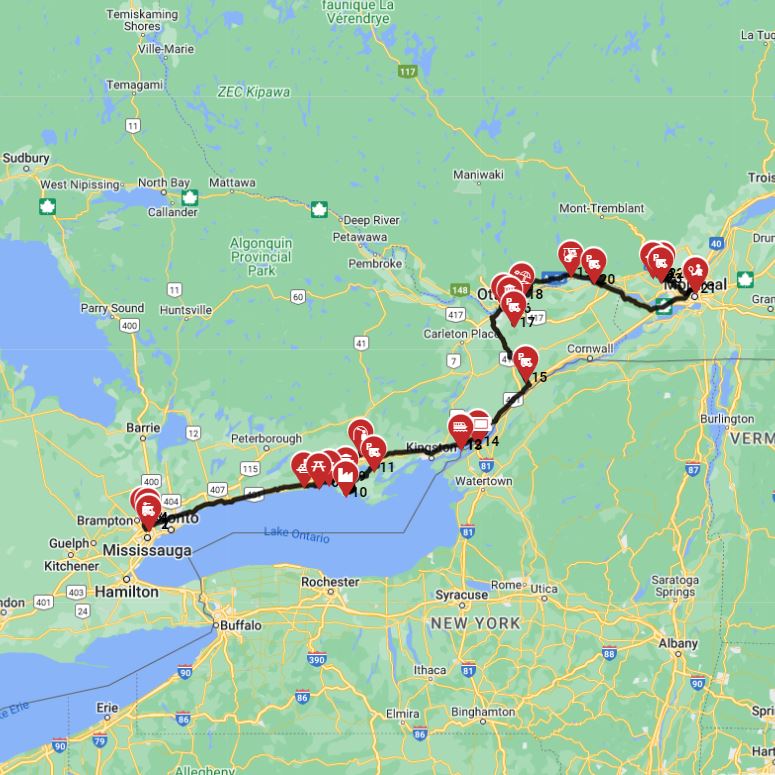
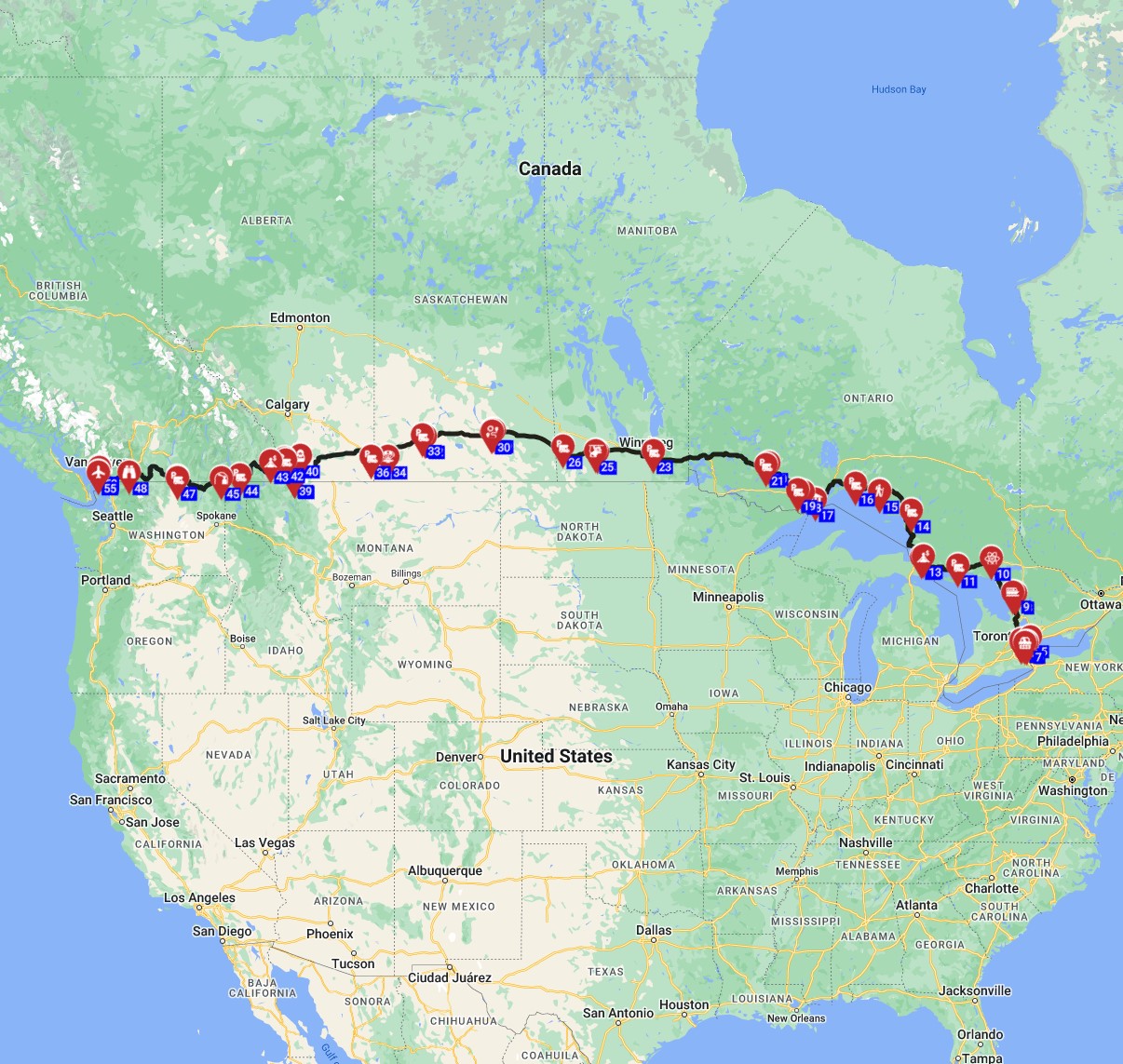
For those craving an epic journey that culminates in the vibrant city of Toronto, Avi Bandana highly recommends the extensive "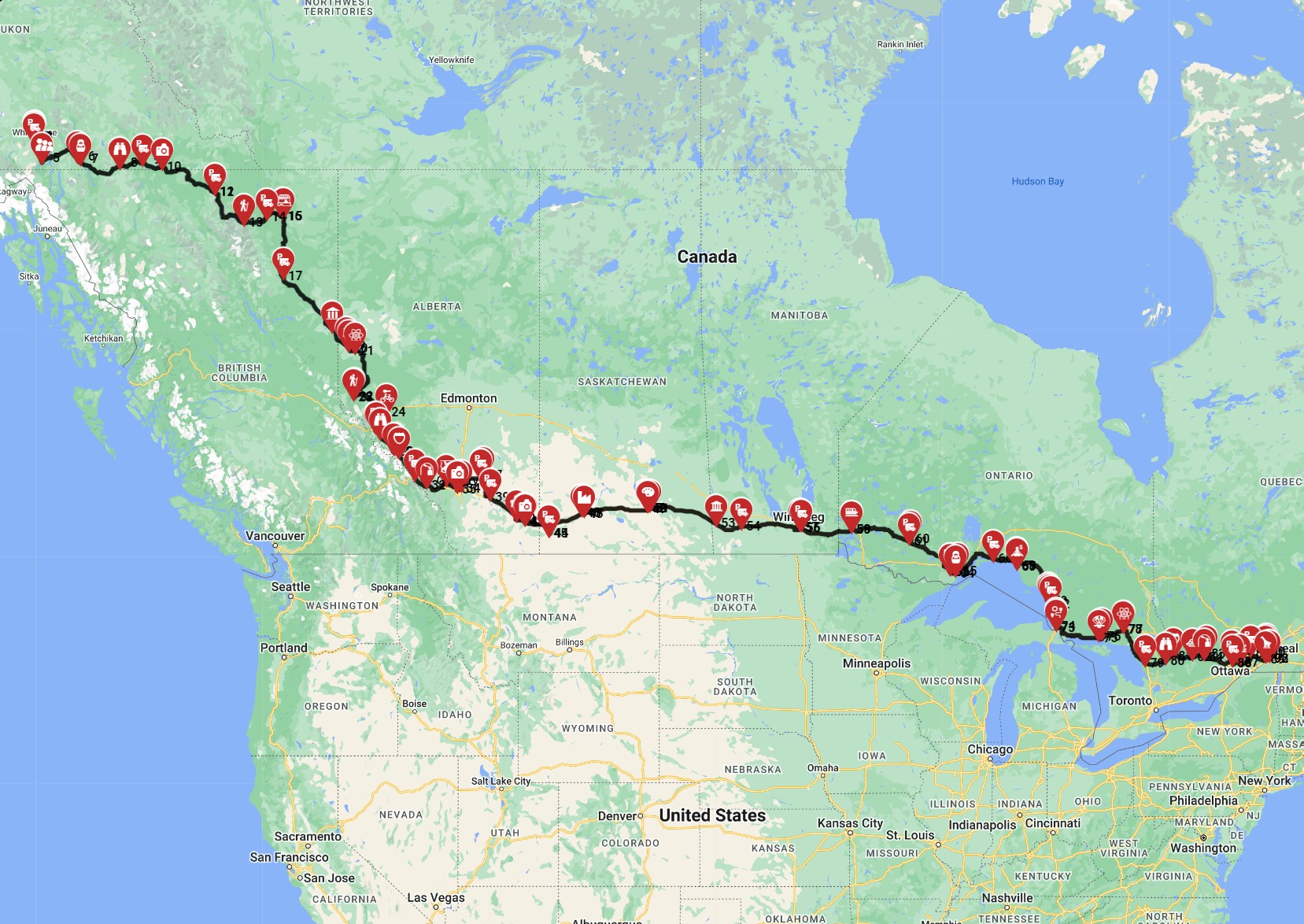
Whitehorse to Montreal - The Great Canadian Adventure
Must-See Stops Along the Way (Avi Bandana Picks)
Beyond the iconic landmarks, Toronto and its surrounding regions offer unique experiences that Avi Bandana, our founder and RV travel expert, insists shouldn't be missed. Seek out heritage sites and cultural centers to delve into Ontario's rich history, from pioneer villages to vibrant Indigenous cultural experiences, enriching your understanding of the local landscape. Exploring local craft breweries, cideries, or artisanal food producers that dot the landscape outside Toronto, especially in regions like Prince Edward County or Niagara, provides a delicious taste of regional specialties. Make sure to visit traditional markets in smaller towns or Toronto's famous St. Lawrence Market to experience local flavors and source the freshest produce for your RV kitchen. While the convenience of cooking in your rented campervan is wonderful, Avi also recommends indulging in unique local culinary experiences. Look for traditional restaurants or fine dining establishments, particularly in areas renowned for farm-to-table cuisine or specific regional dishes that showcase the local bounty. These curated stops will transform your Toronto RV rental journey into a truly authentic cultural and gastronomic adventure.Daily Driving Distances & Drive Times in Toronto
Avi Bandana consistently recommends maintaining a relaxed pace of a maximum of 100 miles or 150 km per day on average for RV travelers, particularly for RV rental beginners in Toronto. This conservative approach ensures ample time for sightseeing, prevents driver fatigue, and allows for unexpected detours or discoveries along your route. Driving a motorhome through Toronto city traffic can be challenging due to its density and complexity, so planning routes to explicitly avoid rush hour (generally 7-9 AM and 4-6 PM) is crucial for a stress-free experience. For city excursions in Toronto, it's often more practical to park your RV at a peripheral campground, such as Indian Line Campground near the airport, and utilize public transit for downtown access. This strategy eliminates the stress of navigating tight city streets and finding RV-friendly parking. Here are some approximate drive times for common RV routes from the GTA outskirts, assuming non-rush hour conditions: Toronto (GTA outskirts) to Niagara Falls is about 1.5 - 2 hours (130 km); Toronto (GTA outskirts) to Algonquin Provincial Park is roughly 3 - 4 hours (250-300 km); and Toronto (GTA outskirts) to Blue Mountain/Collingwood takes approximately 2 - 2.5 hours (160 km). Drive slowly and carefully, and you can drive almost anywhere without issues. No need to stress - just use common sense and pay attention.Best RV Class for This Itinerary — Couple & Family Picks
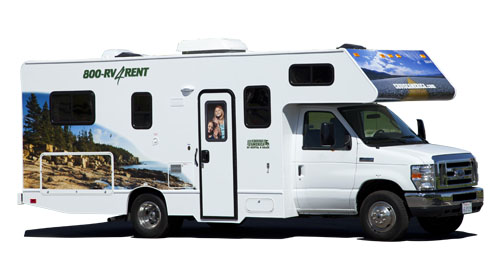
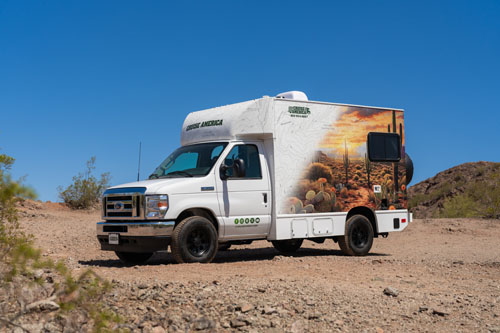
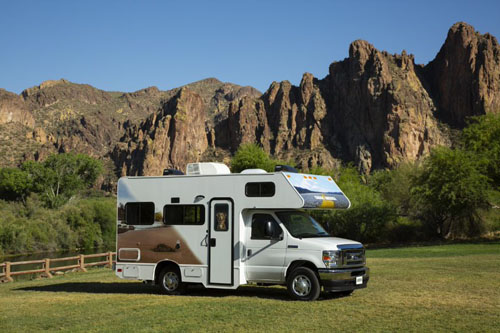
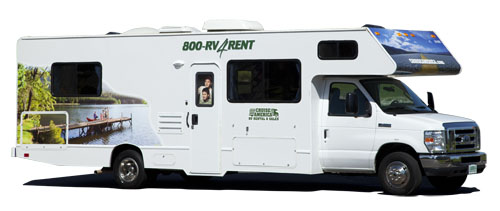
Choosing the right RV class significantly enhances your first-time RV rental experience in Toronto. For couples, Avi Bandana often recommends a **Class TC - Truck Camper** due to its compact size, maneuverability, and fuel efficiency. These vehicles, like a 'Patagonia Camper 4x4 double cab', average around 6 meters in length, comfortably sleep 2 adults, and typically consume 12–17 liters per 100 km, making them ideal for navigating both highways and smaller provincial park roads in Ontario. Their nimble nature allows for easier parking and access to more remote natural areas. For families, the **Class C - Alcove** is an excellent choice, providing more generous space and sleeping capacity while remaining relatively easy to drive for beginners. Our Toronto-local Class C - Alcoves, similar to a '24' Class C Motorhome', average 8.2 meters in length, comfortably accommodate around 4 adults (sleeping up to 6), and average approximately 25 liters per 100 km. These models often feature a popular overhead bunk bed that kids adore, adding a fun element to the trip. To truly remove planning headaches and receive a pre-planned route with your rental, consider the Rent&Plan service by Avi Bandana, which offers RV rentals combined with ready-made itineraries crafted by travel experts, providing full access to comprehensive trip-planning software and a 25% planning discount. We are true RV specialists, not just a travel agency side department.Can you rent an RV to drive across Canada?
Yes, it is generally possible to rent an RV to drive across Canada, offering an incredible way to experience the vastness of the country. However, careful planning for one-way rentals, potential extra fees, and varying provincial regulations is absolutely essential for a smooth journey. Many Bandana RV rental partners offer one-way rentals between major Canadian cities, such as from Vancouver to Toronto or Whitehorse to Toronto, though these typically incur significant drop-off fees that must be budgeted for. Our One-Way RV Rental in Toronto - Price Guide 2026 can provide more details. Before booking, ensure your rental agreement specifically permits the extensive travel distances involved in a cross-Canada trip, which can cover thousands of kilometers. You will also need to budget for substantial fuel costs, as RV fuel consumption is higher, often ranging from 12-25 liters per 100 km depending on the vehicle size. Crossing provincial borders within Canada is typically seamless, but it's wise to be aware of differing provincial park reservation systems and local road conditions, especially if traveling during shoulder seasons. For a broader overview of RV travel in the region, consult our RV Rental Ontario - Complete Guide 2026.What is the 3 3 3 rule for RV travel?
The 3/3/3 rule for RV travel is a widely recommended guideline designed to promote a relaxed and enjoyable pace, especially beneficial for RV rental beginners exploring Toronto and beyond. This rule suggests driving no more than 300 miles (approximately 480 km) in a single day, arriving at your chosen campsite by 3 PM, and ideally staying at least 3 days in each location. Adhering to the "no more than 300 miles" guideline helps reduce driver fatigue and stress, allowing travelers to savor the journey and scenery rather than rushing from point to point. The "arrive by 3 PM" component is practical, ensuring you secure a spot at popular campgrounds and have ample daylight to comfortably set up your rented motorhome, hook up utilities, and explore your immediate surroundings. The "stay at least 3 days" aspect encourages deeper exploration of local attractions, culture, and nature, reducing the constant packing and unpacking that can make a trip feel rushed. This approach aligns perfectly with our philosophy: travel slowly, take time to feel the place, connect to the culture, the food, and the scenery.How much does it cost to rent an RV in Toronto?
The cost to rent an RV in Toronto varies significantly based on several factors, including the RV class, rental duration, season, and selected additional packages. Typically, daily rates for a motorhome can range from $150 to $400+ CAD per night. A detailed budget should always include more than just the base rental fee; essential additions often comprise insurance, which can add $30-70 CAD per day, and fuel costs, given that RVs have higher fuel consumption, typically between 12-25 liters per 100 km. Other potential expenses include campground fees, which can range from $40-80 CAD per night for serviced sites in popular provincial or private parks, propane for cooking and heating, dump fees at non-campground facilities, and tolls on certain routes like Highway 407 ETR. Mileage packages, if not unlimited, will also add to your total. Booking during peak season (summer) or for shorter durations will generally result in higher per-night rates, while longer rentals or off-peak travel can offer better value. For a comprehensive overview, explore our RV Rental in Toronto - Prices and Best Deals 2026 guide. We pride ourselves on full transparency with no hidden fees or surprises, and with RV PLANET routes, you can itemize and track every expense for easy budgeting.What is the 4 4 4 rule for rving?
The 4/4/4 rule for RVing is another popular guideline, offering a slightly more flexible approach compared to the 3/3/3 rule, especially for those who prefer to cover a bit more ground daily. This rule suggests driving a maximum of 400 miles (approximately 640 km) per day, stopping by 4 PM, and staying for a minimum of 4 nights at each location. The extended daily driving distance may appeal to experienced travelers or those with a tighter schedule, but it's important for RV rental beginners to assess their comfort and energy levels with a larger vehicle. Similar to the 3/3/3 rule, arriving by 4 PM helps ensure you have adequate time to set up your rented campervan and enjoy the evening, which is particularly beneficial during seasons with shorter daylight hours. The recommendation to stay for a minimum of 4 nights at each location further enhances the ability to fully experience a region, reducing travel fatigue and the effort of frequent relocation. This allows for deeper cultural immersion and more leisurely exploration, aligning with our emphasis on slow travel to truly connect with the destination.Can you park an RV on the street in Toronto?
Parking a rented RV on the street in Toronto is generally restricted and not recommended, particularly for overnight stays, due to specific city bylaws. Toronto's municipal code typically prohibits vehicles over a certain length or weight from parking on residential streets for extended periods, making street parking for RVs challenging and potentially risky for beginners. Violations can result in fines or even towing, adding unnecessary stress to your trip. While you might find temporary parking for shorter durations in some commercial areas, it is always advisable to consult the City of Toronto's parking bylaws for the most current information. For peace of mind and compliance, always opt for established RV parks or campgrounds located on the periphery of the city center. These designated facilities offer dedicated parking, hookups, and necessary services, ensuring a secure and hassle-free experience. Drive slowly and carefully, and you can drive almost anywhere without issues. No need to stress - just use common sense and pay attention to signs and local regulations.Is RV rental cheaper than hotel?
Whether renting an RV is cheaper than staying in a hotel largely depends on the length of your trip, the number of travelers in your group, and the specific amenities and experiences you desire. For families or groups of 4-6 people on extended journeys, an RV rental often becomes more cost-effective. While the upfront rental cost of a motorhome might initially appear higher than a single night at a hotel, RVs offer the significant benefit of a fully equipped kitchen, drastically reducing dining out expenses compared to the cost of multiple restaurant meals for a group. Factors such as fuel consumption (which is higher for RVs, around 12-25 liters per 100 km), campground fees ($40-80 CAD/night for serviced sites), insurance options, and potential mileage charges can add to the total RV cost, making a direct comparison complex. For couples or solo travelers on short weekend trips, a hotel might indeed be more economical. However, for a week-long trip or a two-week adventure exploring multiple destinations around Toronto and Ontario, an RV provides not only better value but also unparalleled flexibility and the unique experience of a mobile home. We offer full price transparency, so you'll never encounter hidden fees or surprises.Where can you park an RV in Toronto?
Parking a rented RV directly within Toronto's bustling city center is extremely limited and generally not recommended due to height restrictions, narrow streets, and strict parking bylaws. Instead, RV rental beginners should prioritize seeking out dedicated RV-friendly campgrounds and provincial parks strategically located on the periphery of the Greater Toronto Area (GTA). These locations offer the necessary space and amenities for larger vehicles. Recommended local campgrounds include Glen Rouge Campground, which is uniquely situated within Toronto's eastern limits and provides convenient access to public transit (TTC) for city exploration. Other excellent options outside the immediate core are Toronto North / Cookstown KOA Holiday, offering comprehensive amenities, and Indian Line Campground, located closer to Toronto Pearson International Airport (YYZ), ideal for pick-up and drop-off. Provincial parks like Sibbald Point Provincial Park or Darlington Provincial Park are also fantastic choices within a reasonable driving distance, providing full hookups and a serene natural setting away from urban congestion. From these peripheral locations, travelers can comfortably use public transit or drive a smaller personal vehicle to access Toronto's myriad attractions, mitigating the challenges of navigating and parking a large RV in the city.Final Thoughts
Embarking on your first RV rental adventure in Toronto is an exciting opportunity to explore the city's vibrant culture and Ontario's breathtaking natural beauty at your own pace. With careful planning, a flexible mindset, and the right information, you're set for an unforgettable journey. Remember to embrace the slow travel philosophy, allowing yourself to truly connect with every destination along your route, from the urban delights of Toronto to the serene landscapes of Algonquin Park. Bandana Caravan is here to support you every step of the way, offering transparent pricing, expert-curated itineraries through RV PLANET, and the peace of mind that comes from booking with true RV specialists. We're passionate about making RV travel accessible and enjoyable for everyone. So, pack your bags, choose your ideal motorhome, and get ready to create lasting memories on the open road. Find Motorhome Rentals in TorontoOn the routes offered through RV PLANET routes, you can itemize and track every expense along the way for easy budgeting.