In This Guide
- Best South Europe RV Itinerary for rv rental beginners — Overview
- 7-Day Classic Route in South Europe
- 14-Day Extended Journey in South Europe
- Recommended RVPlan Trip for South Europe
- Must-See Stops Along the Way (Avi Bandana Picks)
- Daily Driving Distances & Drive Times in South Europe
- Best RV Class for This Itinerary — Couple & Family Picks
- How much does it cost to rent an RV in Europe for a month
- What is the best way to travel around South Europe
- Can you wild camp in South Europe
- What are the best places for an RV in Europe
- What is the best RV for South Europe
- What should I know before renting an RV in Europe
- Is it easy to park an RV in Europe
Embarking on your first rented RV adventure through South Europe promises a journey filled with breathtaking landscapes, rich history, and vibrant cultures. As true RV specialists, we at Bandana RV understand that planning your initial road trip can feel a little overwhelming, especially in a new region. Our goal is to make your first foray into RV travel as seamless and enjoyable as possible, offering full transparency with no hidden fees and supportive assistance before, during, and after your booking. For live availability and current prices, start with our RV Rental South Europe - Complete Guide 2026 guide.
Best South Europe RV Itinerary for rv rental beginners — Overview
A recommended beginner RV itinerary in South Europe typically spans a minimum of 7 days, focusing on a relaxed pace to immerse travelers in scenic routes and cultural experiences. The best seasons for this type of trip are Spring (April-June) and Autumn (September-October), which offer pleasant average temperatures of 18-25°C and fewer crowds than the summer months. To truly experience the region, we advise maintaining an average daily driving distance of no more than 100 miles (150 km), allowing plenty of time to explore charming towns, enjoy local cuisine, and simply relax. This slower approach helps first-timers become comfortable with their rented motorhome while savoring every moment of their journey. For an even more structured approach to planning your trip, consider browsing RV PLANET routes, which offer detailed itineraries tailored by professionals, allowing you to itemize and track every expense along the way for easy budgeting.7-Day Classic Route in South Europe
A classic 7-day RV itinerary in South Europe offers a fantastic introduction, with a focus on Spain and Portugal's highlights. On Day 1, start in Barcelona, Spain, then enjoy a coastal drive of approximately 100 km to Tarragona, where you can explore impressive Roman ruins and relax on the beach before sleeping at a campsite in Cambrils. Day 2 takes you from Tarragona to Valencia, a journey of about 250 km, allowing you to discover the futuristic City of Arts and Sciences before settling into a campsite near Valencia. Day 3 involves a longer drive of approximately 500 km from Valencia to Granada, where the Alhambra Palace awaits (remember to book tickets well in advance!), with an overnight stay at an 'Aire de Servicio Los Chopos' service point. Day 4 is a shorter, 130 km drive from Granada to Malaga, perfect for visiting the Alcazaba and Picasso Museum before a relaxing night at a coastal campsite. Day 5 covers about 200 km from Malaga to Seville, immersing you in the Giralda and Plaza de España before sleeping at a campsite in Dos Hermanas. On Day 6, cross into Portugal with a 200 km drive from Seville to Faro, where the stunning Algarve beaches beckon, and an overnight stay at a Faro campsite. Finally, Day 7 concludes your journey with a 280 km drive from Faro to Lisbon, allowing you to explore iconic sites like Belém Tower and Jerónimos Monastery before finding a campsite in the Lisbon periphery. This route balances travel with sightseeing, ensuring a memorable first-time RV experience.14-Day Extended Journey in South Europe
An extended 14-day RV journey through South Europe allows for deeper immersion and more leisurely exploration across Spain and Portugal. Days 1-3 focus on coastal Catalonia and Valencia, beginning in Barcelona to explore the Costa Dorada, Roman Tarragona, and the modern marvels of Valencia, emphasizing fresh seafood and vibrant local markets. During Days 4-6, venture into the Andalusian Wonders of Spain, driving inland to historic cities like Granada (Alhambra), Cordoba (Mezquita), and Seville (Alcázar); for city parking, utilize outskirts campsites with convenient public transport. Days 7-9 bring you to the Algarve's Golden Coast in Portugal, discovering its stunning beaches, grottoes, and charming towns from Faro to Lagos, with ample time for leisurely drives and ocean views. For cooking on board with local ingredients, our RV-friendly recipes playlist offers great ideas. Days 10-12 are dedicated to Central Portugal and Lisbon, heading north through Alentejo's olive groves and cork forests, then spending two days absorbing Lisbon's vibrant culture, Fado music, and historic neighborhoods. Finally, Days 13-14 lead to Porto and the Douro Valley, known for port wine and scenic drives through vineyards, concluding your adventure before a return south or continuing your exploration. This comprehensive route, balancing driving with rich cultural stops, is an excellent option for those seeking a more profound experience.Recommended RVPlan Trip for South Europe
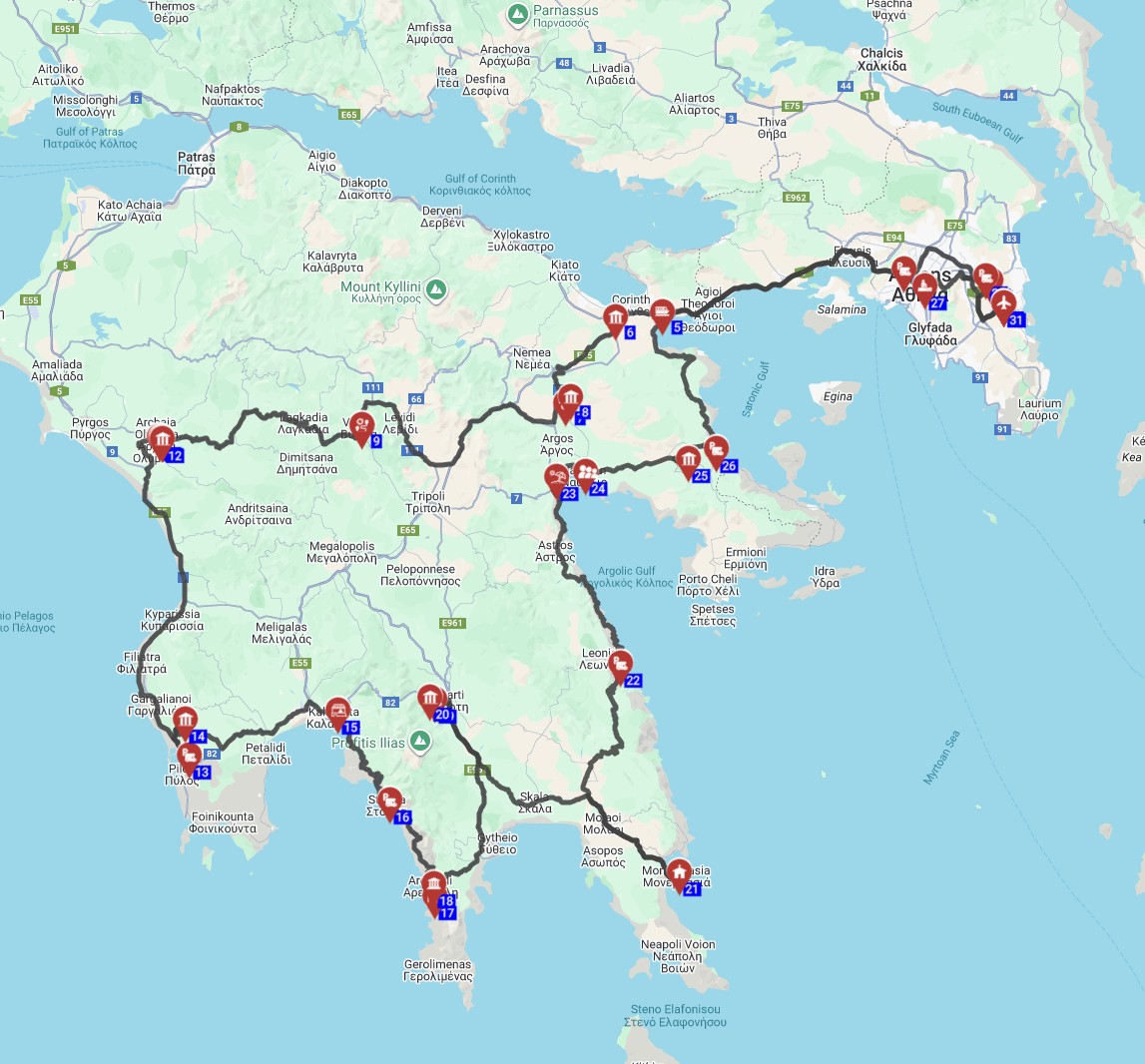
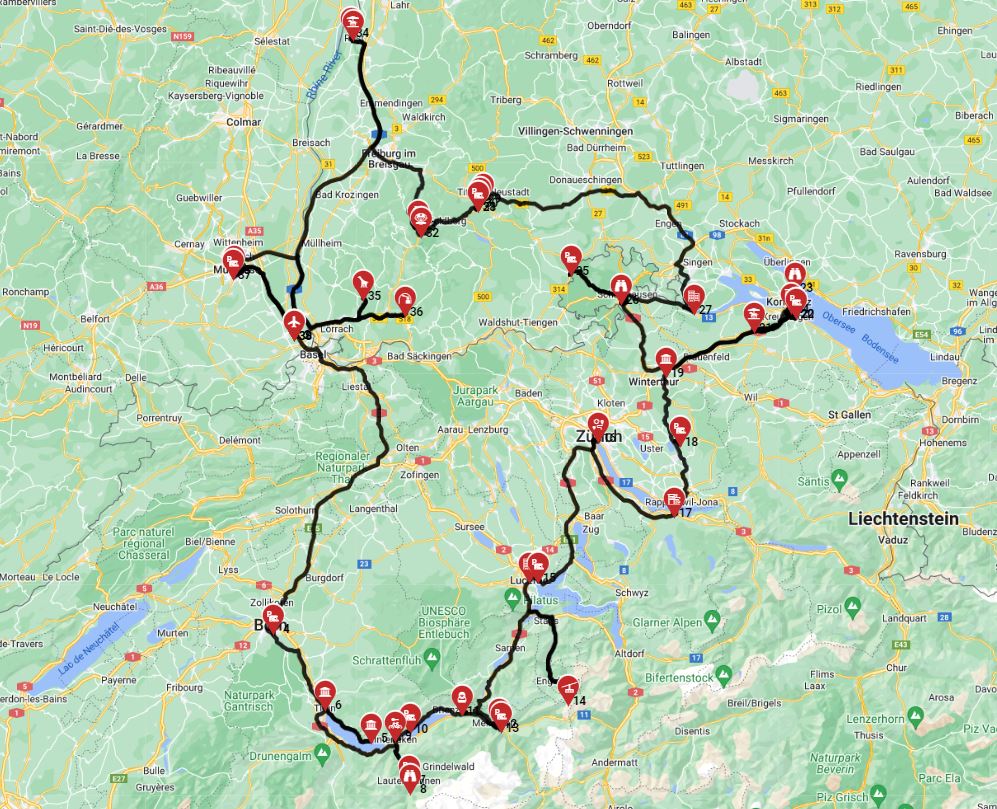
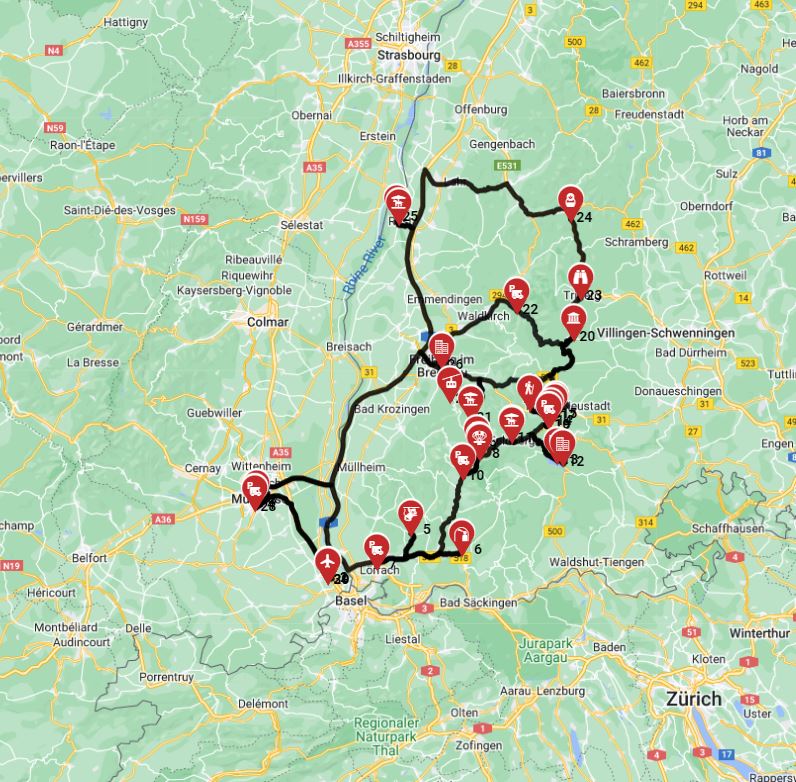
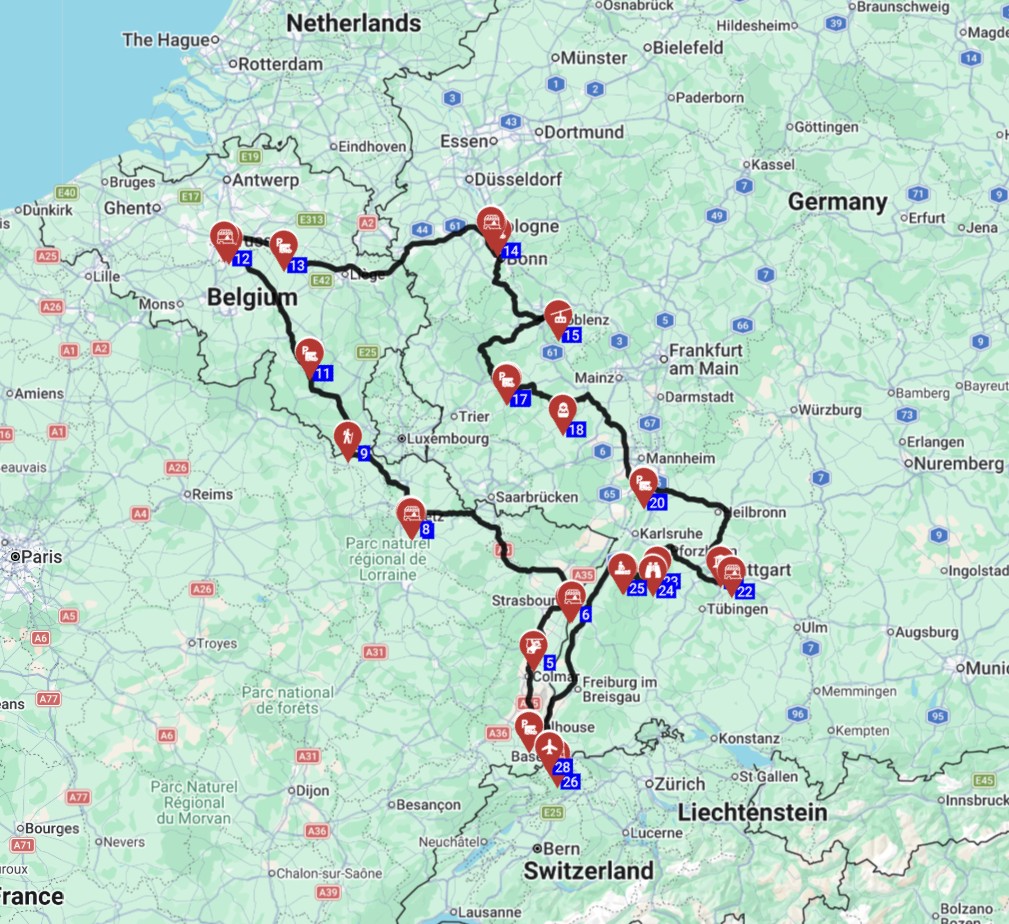
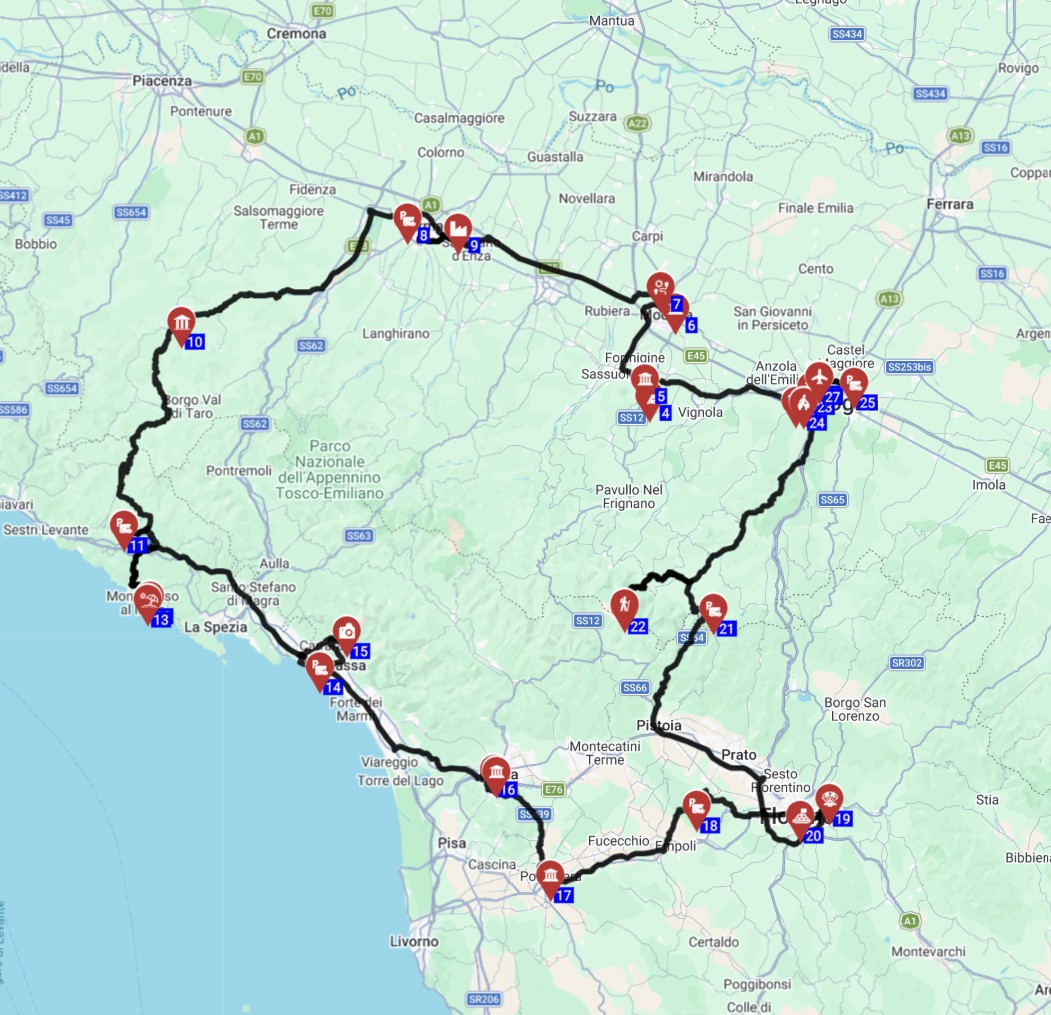
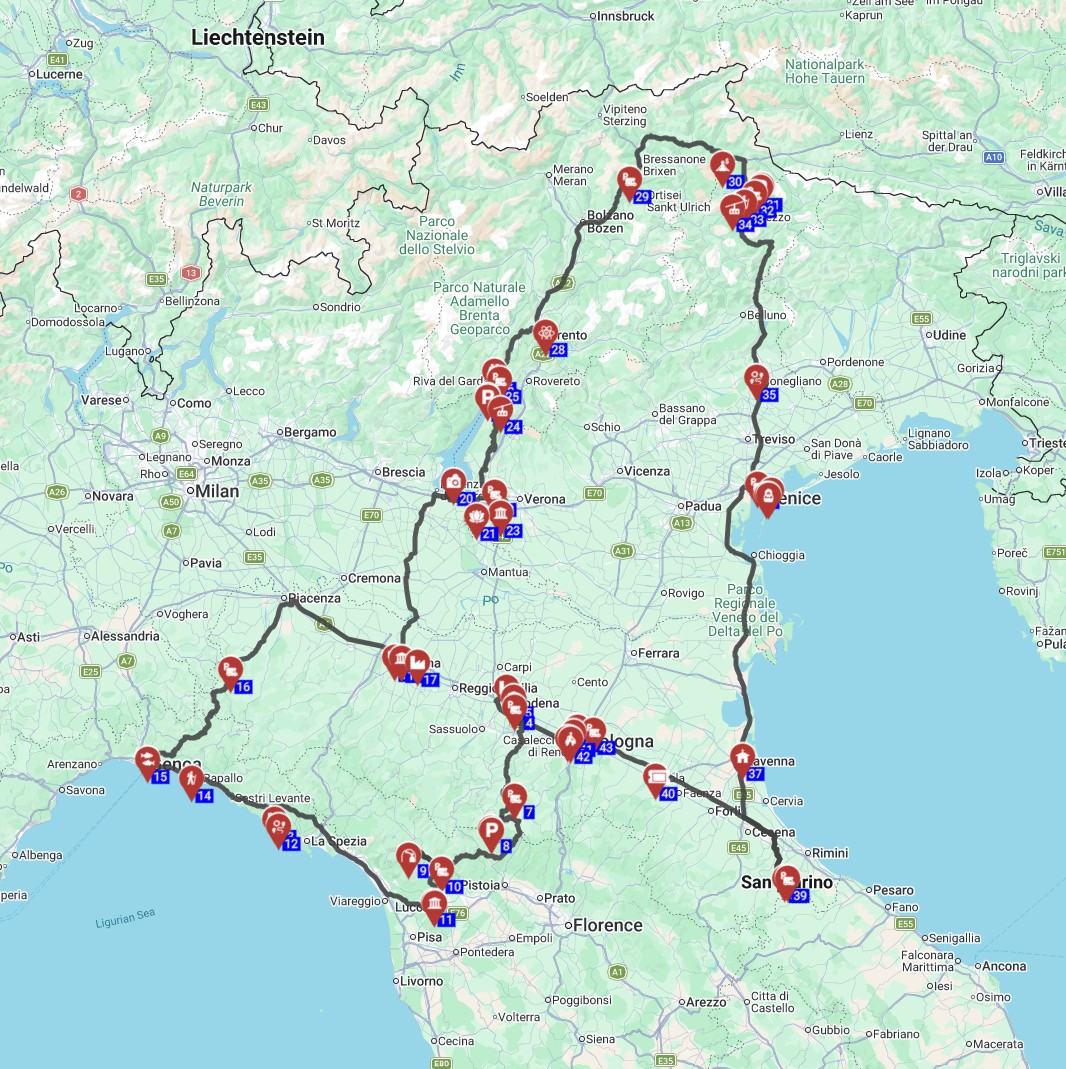
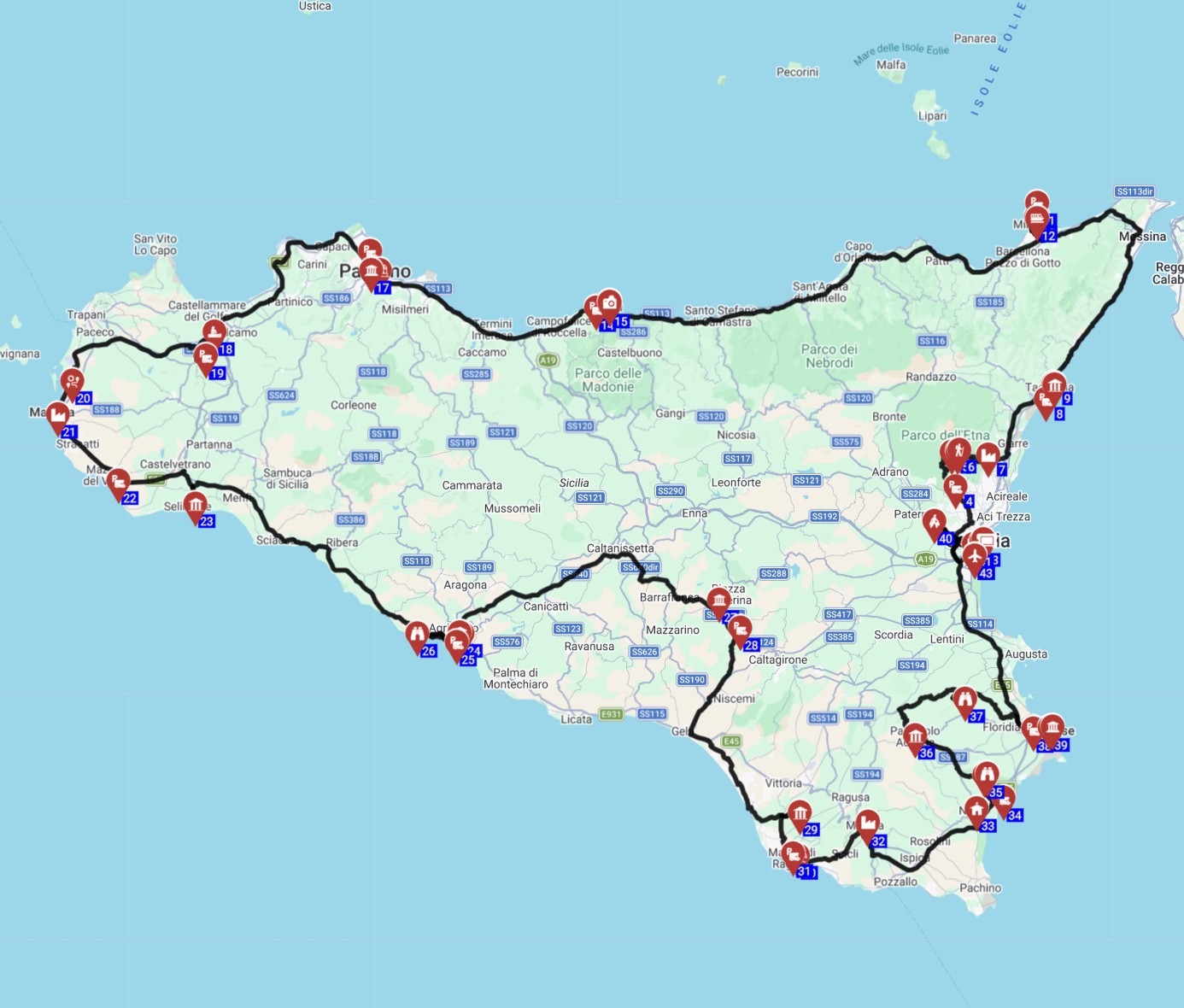
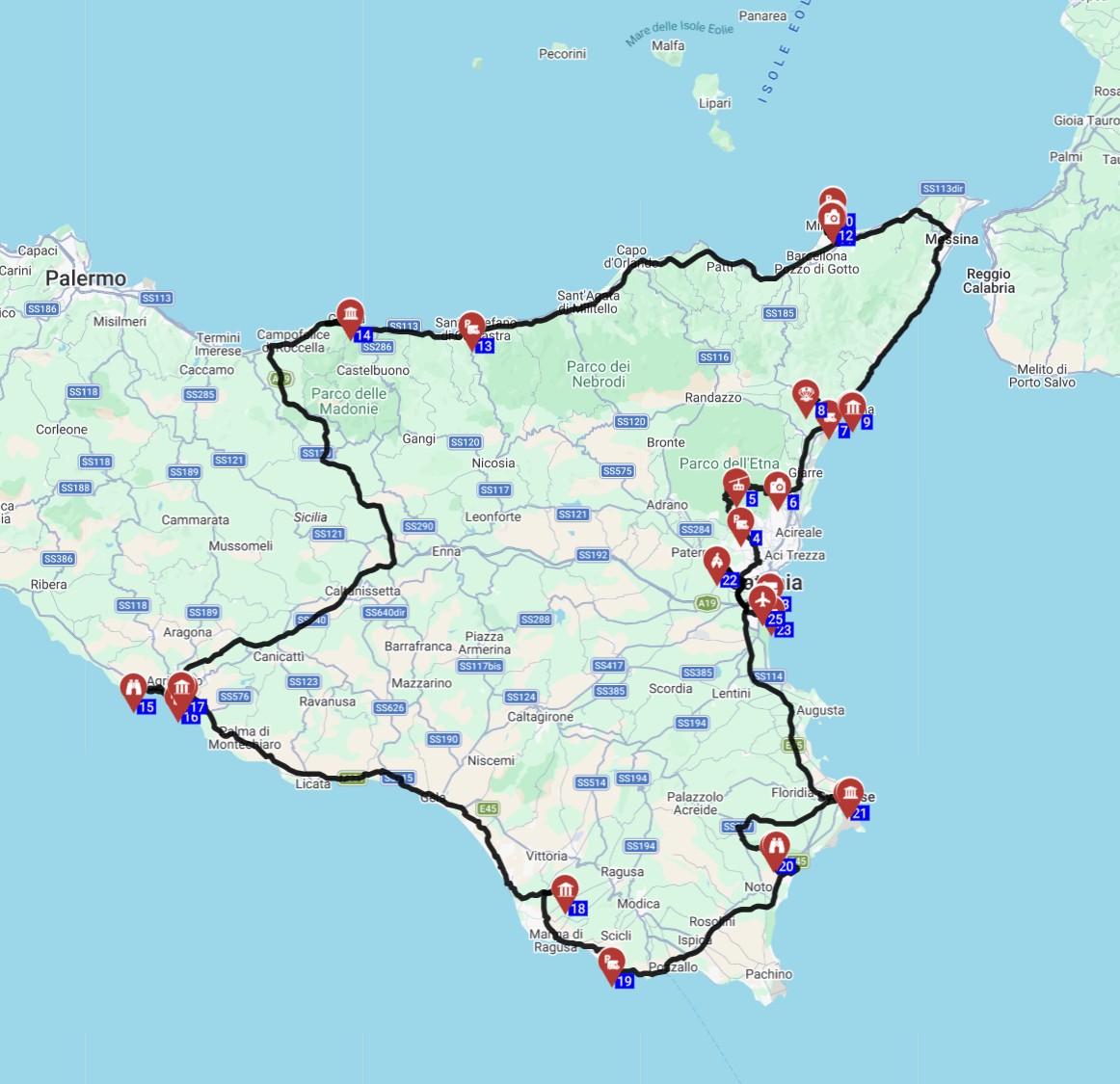
While a specific RVPlan trip dedicated entirely to South Europe isn't explicitly available at this very moment, Avi Bandana, our founder and a seasoned RV travel expert, strongly recommends exploring our professionally curated RVPlan trips for other destinations for inspiration and methodology. These itineraries are designed by travel experts and provide full access to our trip-planning software on rvplan.net, enabling you to effortlessly customize your journey, discover unique points of interest, and plan all your stops with maximum enjoyment. This invaluable tool helps remove the stress of organizing a complex itinerary, ensuring a seamless and personalized RV adventure tailored to your preferences, whether it's navigating different countries or local regions. With a 25% planning discount for using rvplan.net, it’s truly a smart way to begin your RV exploration.Must-See Stops Along the Way (Avi Bandana Picks)
Instead of generic tourist traps, Avi Bandana, a true RV specialist with over two decades of experience, suggests focusing on authentic local experiences and hidden gems across South Europe. First, seek out bustling traditional markets in small towns, such as Mercado de Bolhão in Porto, Portugal, or local weekly markets in rural Andalusia, Spain, to truly experience local life and taste regional produce. Second, prioritize traditional restaurants, often called 'tascas' in Portugal or 'tabernas' in Spain, which are frequently tucked away from main squares and offer authentic, home-style cuisine, showcasing the true culinary heritage of the region. Third, explore local industry sites like olive oil mills in Andalusia, cork factories in Alentejo, or small vineyards in the Douro Valley, as many offer tours and tastings, providing deeper cultural insight beyond typical sightseeing. Finally, dedicate time to visiting lesser-known historic villages or natural parks that may not be on every tourist map; these spots often provide a more serene and genuine interaction with the local landscape and culture, enhancing your overall rented RV experience.Daily Driving Distances & Drive Times in South Europe
Avi Bandana recommends limiting daily driving to a maximum of 100 miles or 150 km on average when RVing in South Europe. This slower pace allows for ample time for exploration and relaxation, preventing the feeling of rushing through a destination. For example, the drive from Barcelona to Tarragona, approximately 100 km, takes about 1 hour and 15 minutes, leaving a full day to explore Roman ruins and coastal towns without stress. Spreading a longer journey, like Lisbon to Faro (approximately 280 km), over two relaxed days means breaking it down into two 140 km segments, each taking around 1.5-2 hours of driving, interspersed with scenic stops along the Alentejo coast. This approach ensures beginners can comfortably navigate new roads, find suitable parking, and genuinely immerse themselves in each location, making the most of their rented motorhome adventure. Travel slowly and carefully, and you can drive almost anywhere without issues. No need to stress — just use common sense and pay attention.Best RV Class for This Itinerary — Couple & Family Picks
The ideal RV class for exploring South Europe depends significantly on your group size and preferred travel style. For couples, a Class B campervan, like the "rv rental denver example Category Van" which is ideal for a couple, averages 5.8 meters in length and comfortably sleeps up to 3 people, making it perfect for navigating South Europe's charming, often narrow, roads and city centers. This compact size, combined with a typical fuel consumption of 8-10 Liters/100 km from Bandana's global fleet, makes it agile for parking in smaller towns and more economical for longer trips. For families, the Class C Alcove, similar to the "24' Class C Motorhome" which sleeps 5 and features a 166 Liter fresh water tank, provides ample space and comfort, with an average length of 7.5 meters and sleeping 5-6 people, making it highly suitable for families averaging 4-5 adults. Its larger capacity accommodates more passengers and gear, perfect for family adventures, with a common fuel consumption from Bandana's global fleet of 10–12 Liters/100 km, offering a balance of space and manageable driving. Avi Bandana offers a unique 'Rent&Plan' service, combining your RV rental with a ready-made itinerary crafted by travel experts, providing full access to trip-planning software and removing the stress of organizing your South European adventure.How much does it cost to rent an RV in Europe for a month
Renting an RV in South Europe for a month typically ranges from €1,500 to €4,000, depending on the RV class, season, and how far in advance you book. This base rental fee is just one component of a comprehensive budget for your adventure. Expect rental costs to be highest in peak season (July-August) and lowest in off-season (November-February); longer rentals, such as for a full month, often qualify for discounts. Fuel is a significant expense; budget for 10-12 Liters/100 km for most rented RVs (e.g., Bandana's Class C Explorer averages 11 Liters/100 km), with current diesel prices in South Europe typically ranging from €1.60-€2.00/liter. Tolls and vignettes are also a factor; European countries have diverse toll systems (Spain and Portugal often use electronic tolls requiring transponders, while Italy has manual booths), so budget €5-€30 per major leg, varying by route and country. For campsites, expect to pay an average of €20-€50 per night for amenities, though wild camping is often free but subject to strict national and local regulations. Groceries and dining out can add €20-€40 daily for self-catering, while dining out might add €20-€50 per person per meal; local markets are excellent for fresh, affordable produce. Finally, always factor in a buffer for unexpected costs, such as travel insurance for medical needs or potential fines for Low Emission Zones (LEZs) if your rented RV isn't compliant. Remember that prices are dynamic, changing daily based on availability, seasonality, and supplier decisions, with the final price set at actual booking time. For managing all these ancillary costs, RV PLANET routes allow you to itemize and track every expense.What is the best way to travel around South Europe
Traveling South Europe by rented RV is arguably the best way to experience its diverse landscapes and cultures, offering unparalleled flexibility and access to both popular sites and off-the-beaten-path destinations. A rented motorhome allows you to wake up to a new view daily, prepare your own meals using fresh, local ingredients from traditional markets, and adapt your itinerary spontaneously, offering much more freedom than rigid train or flight schedules. This mode of travel provides the flexibility to explore ancient ruins one day, relax on a hidden beach the next, and immerse yourself in a charming village festival, aligning perfectly with desires for authentic and adventure-focused routes. While public transport and rental cars are certainly options, a rented RV minimizes accommodation costs and provides a unique blend of adventure and comfort, making it ideal for those seeking deeper cultural immersion and the ability to access locations where other vehicles might not typically go, provided a suitable RV type is chosen.Can you wild camp in South Europe
Wild camping, often referred to as 'free camping,' in a rented RV across South Europe is generally restricted and governed by specific national and local regulations, which vary significantly by country and even by region. In Spain, wild camping is largely prohibited in coastal areas, national parks, and urban zones, but 'tolerated' overnight parking (not camping, meaning no outdoor setup like awnings or chairs) is often possible in non-restricted areas if you arrive late and leave early, often referred to as 'pernocta.' Portugal's official laws strictly prohibit wild camping, especially along the coast, so designated motorhome service areas (aires) and paid campsites are the safest and legal options to avoid significant fines. Italy also largely prohibits wild camping, particularly near beaches and in protected areas, making reliance on official campsites or designated RV parks essential. Greece is the most restrictive, where wild camping is strictly forbidden and can result in hefty fines, meaning campsites are the only legal option for overnight stays in a rented RV. Always research the specific regulations for each region you plan to visit, use apps like Park4Night for approved overnight spots, and be mindful of Low Emission Zones (LEZs) when planning routes near cities, as these can also affect where you can legally drive and park your RV.What are the best places for an RV in Europe
For RV travelers, South Europe offers a wealth of incredible destinations, with particular highlights for scenic routes, cultural immersion, and varied terrain. Portugal's Atlantic Coast and Alentejo region provide stunning experiences; while the Algarve's dramatic cliffs and golden beaches are popular, venturing inland to the Alentejo reveals rolling plains, historic towns like Évora, and cork forests, offering less crowded, authentic encounters. Spain's Andalusia and Northern Coast are equally compelling; Andalusia boasts stunning natural parks (e.g., Sierra Nevada), historic cities (Granada, Seville), and vibrant culture, while the greener northern coast (Asturias, Galicia) offers rugged beauty and unique culinary traditions, which are best accessed via winding coastal roads suitable for smaller RVs. Italy's Tuscany and Dolomites are perfect for distinct experiences; Tuscany's iconic rolling hills, vineyards, and medieval towns are ideal for slow RV travel, though navigating narrow village roads demands a compact vehicle. For more rugged adventures, the Italian Dolomites present breathtaking mountain drives and hiking opportunities, best suited for RVs equipped for mountain terrain. Beyond these popular regions, consider seeking out rural villages, lesser-known national parks, and local festivals, which are often easier to access and enjoy with the freedom a rented RV provides, offering truly unique cultural immersion away from the crowds. For more detailed itineraries in this region, our "RV Rental Europe - Complete Guide 2026" offers comprehensive information.What is the best RV for South Europe
The best RV for South Europe largely depends on your travel style and group size, but a smaller, more agile vehicle is generally preferable for navigating the region's diverse terrain and historic city centers. For couples or solo travelers, a Class B campervan (such as the "V3", averaging 6.36m length and sleeping 2, with a 100 Liter fresh water tank) is highly recommended. Its compact size makes it perfect for narrow mountain roads, maneuvering through medieval towns, and finding easier parking. For families or small groups, a Class SI - Semi-integrated RV, like the "2 Berth Tamar" (a medium-sized RV, which is automatic transmission and ideal for a couple, but can be adapted for small families), offers a good balance of space and maneuverability. It provides more amenities and sleeping capacity than a campervan without the bulk of a large alcove model, making it suitable for varying road conditions. It is advisable to avoid large integrated (Class A) or alcove (Class C) RVs if you plan to frequently visit historic city centers or remote villages, as their size can lead to significant parking challenges and difficulty on smaller roads. If you do choose a larger RV, be prepared to park on the outskirts of towns and use public transport or bicycles for exploration.What should I know before renting an RV in Europe
Before renting an RV in South Europe, understanding local regulations, connectivity options, and emergency preparedness is crucial for a smooth and enjoyable trip. Familiarize yourself with European road signs, which are largely standardized across the continent but can differ from other regions; pay close attention to speed limits (often lower for RVs) and specific signs for tunnels, mountain passes, and historic centers. Many European cities have Low Emission Zones (LEZs) (e.g., Madrid, Barcelona, Rome, Milan, Lisbon), so ensure your rented RV meets emission standards or purchase required permits or vignettes in advance, as entering without one can result in heavy fines. Staying connected is easy with a local SIM card from providers like Vodafone, Orange, or Movistar, offering generous data plans; for remote work, a portable Wi-Fi hotspot is beneficial, as campground Wi-Fi can be unreliable, and eSIMs offer convenient alternatives for travelers. Know the local emergency number (112 across the EU) and carry essential documents such as your passport, driving license, an International Driving Permit (recommended for non-English speakers but not always mandatory), your rental agreement, and insurance details. Have a clear plan for breakdowns, including contacting your rental company's roadside assistance. Lastly, while English is spoken in tourist areas, learning basic phrases in Spanish, Portuguese, or Italian will greatly enhance local interactions and can be invaluable in unexpected situations or rural areas, complemented by translation apps.Is it easy to park an RV in Europe
Parking a rented RV in South Europe can range from straightforward in designated areas to challenging in historic city centers and popular tourist spots, requiring careful planning and choice of vehicle. The easiest parking options are typically at official campsites or 'aires de services' (motorhome service points), which are common in countries like France, Spain, and Portugal, offering dedicated, safe spaces often with amenities like fresh water and waste disposal. Parking a large RV, such as a "Glamys 40" (which sleeps 5 and has an 110 Liter fresh water tank), in medieval towns or bustling city centers is generally difficult and often prohibited due to narrow streets and limited space. It is highly recommended to park on the outskirts of cities, often at dedicated RV parks or campsites with convenient public transport links, and use smaller means of transport like bicycles or public transit to explore the urban areas. Smaller RVs, like Class B campervans with an average length of 5-6 meters, have a significant advantage in parking due to their car-like dimensions, allowing them to fit into standard parking bays more easily. Utilizing specialized apps such as Park4Night, Campercontact, or iOverlander, which provide user-generated information on suitable parking spots, service areas, and even tolerated overnight spots, is crucial for planning your stops effectively.What You Shouldn't Miss
- **Explore Lisbon's Historic Tram 28:** Experience the charm of Lisbon by riding the iconic Tram 28 through its oldest districts, offering a unique perspective on the city's vibrant streets and historic neighborhoods.
- **Hike the Caminito del Rey in Andalusia, Spain:** For the adventurous, traverse the breathtaking pathways of Caminito del Rey, a dramatic walkway pinned along the steep walls of a narrow gorge, offering incredible views (book tickets well in advance).
- **Discover Matera, Italy's Cave City:** Wander through the ancient Sassi di Matera, a UNESCO World Heritage site where houses and churches are carved into the rock face, providing a truly unique historical and architectural experience.
- **Savor Fresh Seafood in the Algarve, Portugal:** Head to a local fishing village like Olhão or Fuseta to enjoy a true taste of Portugal, with freshly grilled fish and seafood caught that very morning.
- **Looking for expert insights from Avi Bandana?** Top 5 Adventures — recommendations from Avi Bandana
- **Visit the Meteora Monasteries in Greece:** Witness the awe-inspiring monasteries perched atop towering rock formations in Meteora, a UNESCO site offering spectacular views and a profound spiritual atmosphere.
🎬 Video coming soon
Final Thoughts
Embarking on a rented RV adventure through South Europe as a beginner is an incredibly rewarding experience, opening up a world of freedom and discovery. With careful planning and the right mindset, you'll find yourself navigating charming towns and stunning coastlines with ease, creating memories that last a lifetime. Remember to embrace slow travel, allowing yourself to truly connect with the places you visit. At Bandana Caravan, we're passionate about making your RV dreams a reality. Our expertise and transparent approach ensure you’re well-prepared for your journey, from selecting the perfect motorhome to understanding all the practicalities. So, take the leap, choose your ideal route, and get ready to experience the magic of South Europe from the comfort of your own mobile home. Get inspired for your next trip! Discover top destinations and planning tips all in one place. Plan a trip itinerary in advance with minimal effort and maximum enjoyment using rvplan.net, where you can also find invaluable tools for locating campsites and campgrounds during your trip.On the routes offered through RV PLANET routes, you can itemize and track every expense along the way for easy budgeting.