In This Guide
- Best Morocco RV Itinerary for RV Rental Beginners — Overview
- 7-Day Classic Route in Morocco
- 14-Day Extended Journey in Morocco
- Recommended RVPlan Trip for Morocco
- Must-See Stops Along the Way (Avi Bandana Picks)
- Daily Driving Distances & Drive Times in Morocco
- Best RV Class for This Itinerary — Couple & Family Picks
- How Do I Plan an RV Trip in Morocco?
- Is It Safe to Travel in Morocco by Motorhome?
- What Kind of RV Should I Rent for Morocco?
- How Much Does an RV Trip to Morocco Cost?
- Where Can I Wild Camp with an RV in Morocco?
- What Are the Road Conditions Like for RVs in Morocco?
Best Morocco RV Itinerary for RV Rental Beginners — Overview
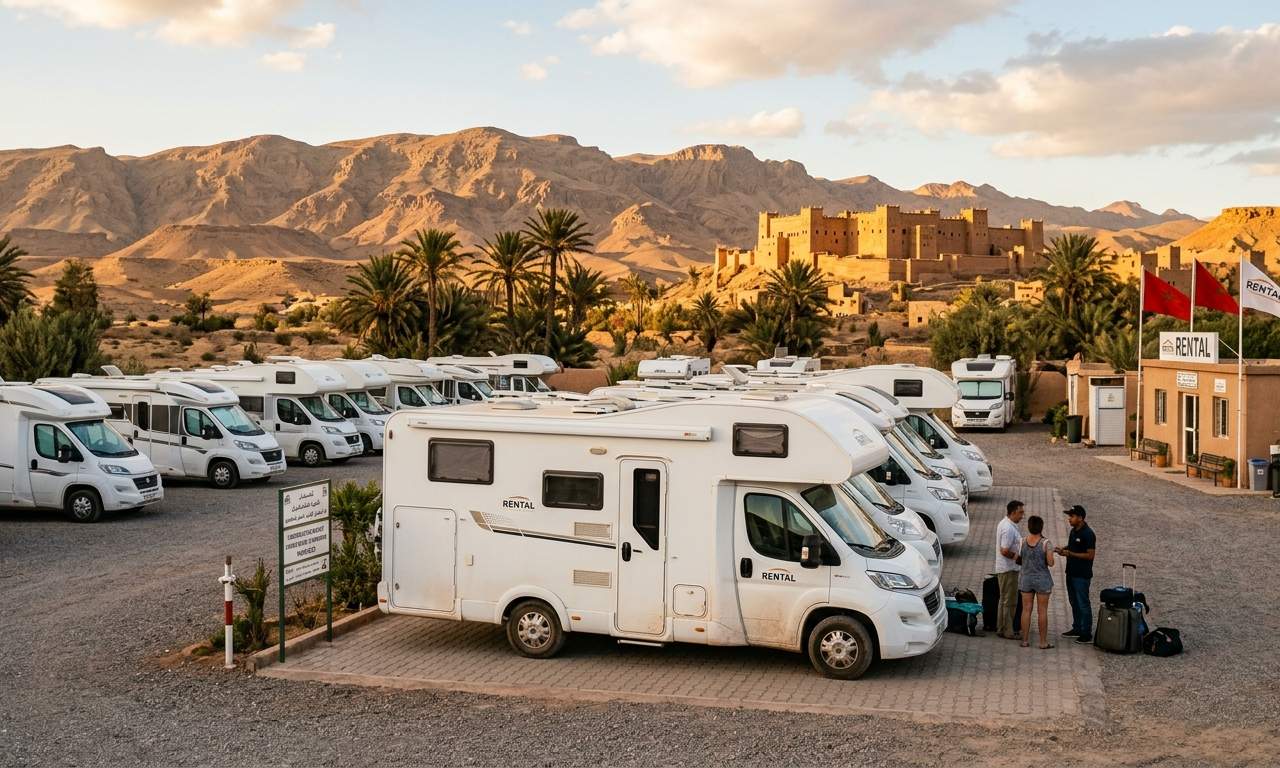
This beginner-friendly RV itinerary in Morocco offers a total journey of approximately 700-800 km (435-500 miles) over a recommended minimum duration of 7 days, ideally extended to 14 days for a richer experience. The best season for RV travel in Morocco is typically from September to May, avoiding the intense heat of summer and focusing on the mild, pleasant weather of spring and autumn. Travelers can expect a mix of vibrant cities, serene coastal towns, and stunning mountain landscapes, emphasizing slow travel and cultural immersion. For live availability and current prices, start with our RV Rental Morocco - Complete Guide 2026 guide. This guide provides practical insights into vehicle choice, local etiquette, and essential planning for a successful first-time RV adventure in Morocco.
7-Day Classic Route in Morocco
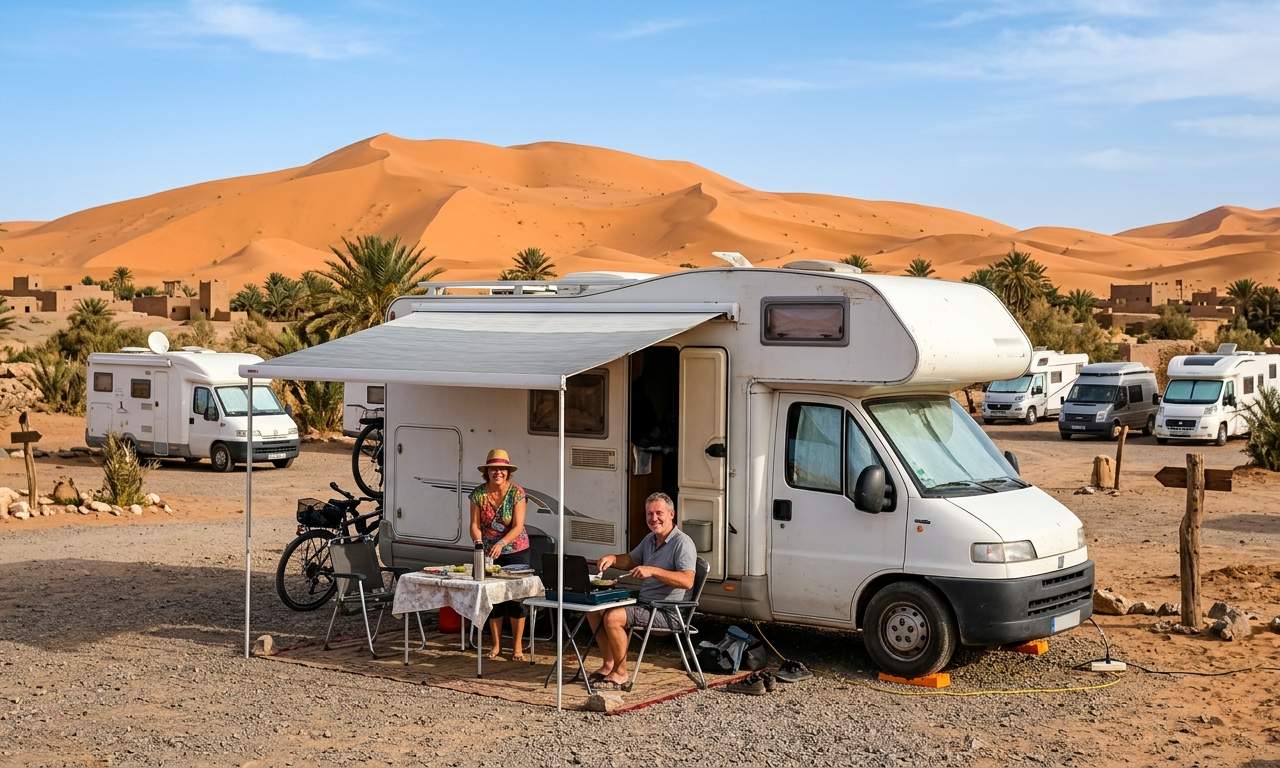
This classic 7-day route is perfect for first-time RV renters in Morocco, offering a taste of the country's diverse landscapes and vibrant culture. The itinerary focuses on the Atlantic coast, providing manageable driving distances and ample opportunities for exploration.
- Day 1: Casablanca (RV Pick-up) → El Jadida (approx. 100 km / 62 mi). Highlights: Explore the historic Portuguese city, walk along its ramparts. Sleep: Campsite near El Jadida.
- Day 2: El Jadida → Oualidia (approx. 70 km / 43 mi). Highlights: Relax by the serene lagoon, indulge in fresh oysters, a regional specialty. Sleep: Campsite in Oualidia.
- Day 3: Oualidia → Safi (approx. 70 km / 43 mi). Highlights: Visit the renowned potters' quarter, explore the bustling fishing port. Sleep: Campsite in Safi.
- Day 4: Safi → Essaouira (approx. 130 km / 81 mi). Highlights: Arrive in the 'Wind City,' discover its vibrant UNESCO-listed medina and picturesque port. Sleep: Campsite near Essaouira.
- Day 5: Essaouira (Explore). Highlights: Enjoy the beach, wander through the souks, perhaps try windsurfing or kitesurfing. Sleep: Campsite near Essaouira.
- Day 6: Essaouira → Marrakech outskirts (approx. 180 km / 112 mi). Highlights: Prepare for the vibrant energy of Marrakech; enjoy panoramic views on the approach. Sleep: Campsite near Marrakech (this is a longer driving day, plan for an early start).
- Day 7: Marrakech (Explore) → RV Drop-off. Highlights: Immerse yourself in the famous Djemaa el-Fna square, visit the stunning Bahia Palace. Sleep: Return RV.
14-Day Extended Journey in Morocco
For a more in-depth experience, this 14-day itinerary builds upon the coastal route by incorporating the majestic Atlas Mountains and further inland exploration, offering a comprehensive immersion into Morocco's beauty and culture.
Atlantic Coast & Marrakech (Days 1-8):
- Day 1: Casablanca (RV Pick-up) → El Jadida (approx. 100 km / 62 mi). Highlights: Portuguese City, coastal charm. Sleep: Campsite near El Jadida.
- Day 2: El Jadida → Oualidia (approx. 70 km / 43 mi). Highlights: Oyster capital, lagoon activities. Sleep: Campsite in Oualidia.
- Day 3: Oualidia → Safi (approx. 70 km / 43 mi). Highlights: Pottery, fishing port. Sleep: Campsite in Safi.
- Day 4: Safi → Essaouira (approx. 130 km / 81 mi). Highlights: Wind City, UNESCO Medina. Sleep: Campsite near Essaouira.
- Day 5: Essaouira (Explore). Highlights: Beach, souks, fresh seafood. Sleep: Campsite near Essaouira.
- Day 6: Essaouira → Chichaoua (approx. 100 km / 62 mi). Highlights: Rural stop, experience a local market. Sleep: Designated parking.
- Day 7: Chichaoua → Marrakech outskirts (approx. 70 km / 43 mi). Highlights: Transition to the imperial city; prepare for Medina exploration. Sleep: Campsite near Marrakech.
- Day 8: Marrakech (Explore). Highlights: Djemaa el-Fna, palaces, serene gardens. Sleep: Campsite near Marrakech.
Atlas Foothills & Inland (Days 9-14):
- Day 9: Marrakech → Ourika Valley (approx. 60 km / 37 mi). Highlights: Explore the Atlas foothills and traditional Berber villages. Sleep: Campsite.
- Day 10: Ourika Valley → Asni/Imlil (approx. 50 km / 31 mi). Highlights: Enjoy mountain views, gateway to hiking trails. Sleep: Campsite.
- Day 11: Asni → Takerkoust Lake (approx. 50 km / 31 mi). Highlights: Relax by the lake, enjoy watersports. Sleep: Lakeside Campsite.
- Day 12: Takerkoust Lake → Ben Guerir (approx. 90 km / 56 mi). Highlights: Discover the phosphate region and local life. Sleep: Designated parking.
- Day 13: Ben Guerir → Casablanca outskirts (approx. 70 km / 43 mi). Highlights: Begin the return journey, enjoy city views. Sleep: Campsite near Casablanca.
- Day 14: Casablanca → RV Drop-off. Highlights: Savor a final Moroccan breakfast before departure.
Recommended RVPlan Trip for Morocco
While a specific RVPlan trip for Morocco isn't available to embed at this moment, Bandana Caravan encourages beginners to explore our comprehensive RVPlan trip itineraries directly on our sister site, rvplan.net. These expert-curated plans offer detailed routes, points of interest, and practical tips, significantly simplifying the planning process for your Moroccan adventure. Use these resources to discover the best way to navigate Morocco with your rented RV.
Must-See Stops Along the Way (Avi Bandana Picks)
Avi Bandana's personal picks for an authentic Moroccan RV experience go beyond typical tourist spots, focusing on unique cultural and local encounters for beginner RVers. These experiences offer a deeper connection to the heart of Morocco.
- Explore a Traditional Market (Souk): Beyond the main medinas, seek out weekly rural souks in towns like Asni or Chichaoua. These markets offer a genuine glimpse into local trade and artisanal crafts. Look for traditional produce, aromatic spices, and handmade goods.
- Dine at a Local Restaurant (Riad/Auberge): Instead of large tourist restaurants, Avi recommends trying family-run auberges or riads, especially outside the major cities. Here, you can savor authentic tagines, pastilla, and mint tea prepared with recipes passed down through generations, often in a more intimate setting that offers insight into Moroccan hospitality.
- Witness Local Industry: Discover traditional pottery workshops in Safi, learn about argan oil production at a women's cooperative near Essaouira, or visit a local olive oil press in the Ouirgane Valley. These experiences provide a deeper appreciation for Moroccan craftsmanship and the local economy.
Daily Driving Distances & Drive Times in Morocco
For a relaxed and immersive RV journey in Morocco, especially for beginners, Avi Bandana recommends averaging a maximum of 100 miles or 150 km per day. This 'slow travel' philosophy allows you to truly absorb the Moroccan landscape and culture without feeling rushed. Remember that drive times can often be longer than expected due to varying road conditions, frequent stops for photos, or navigating through smaller towns and villages. Planning your daily distances with buffer time is key to an enjoyable trip.
Example Drive Time Estimates:
- Casablanca to El Jadida (approx. 100 km): Expect 1.5 to 2 hours of driving, depending on traffic.
- Essaouira to Marrakech (approx. 180 km): While slightly over the recommended daily maximum, this drive typically takes 2.5 to 3 hours. Consider an early start or breaking it into two shorter days if you prefer a more leisurely pace.
- Marrakech to Ourika Valley (approx. 60 km): This shorter drive usually takes around 1 hour, allowing you ample time to explore the valley upon arrival.
Best RV Class for This Itinerary — Couple & Family Picks
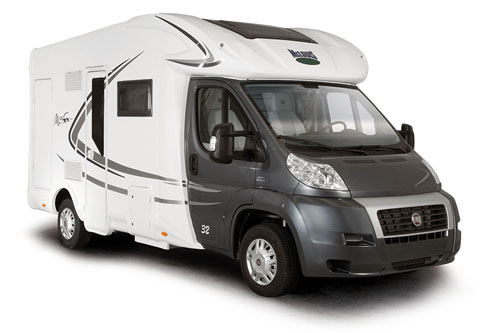
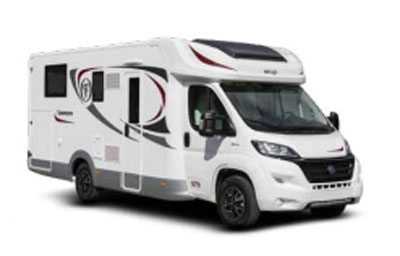
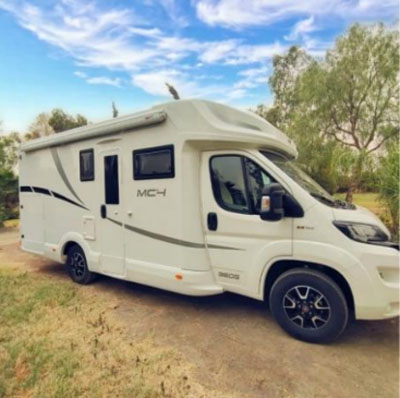
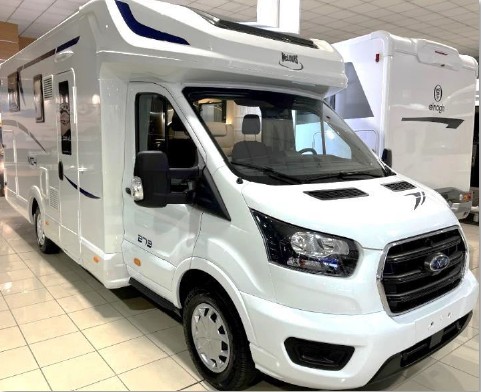
Choosing the right RV for your Moroccan adventure hinges on your group size and comfort preferences. Bandana's global fleet averages provide reliable guidance for beginners navigating Morocco.
For a Couple (Avi Bandana's Pick): Class B - Camper Van
- A Camper Van, like those in Bandana's fleet averaging 5.8 meters in length, is ideal for couples traveling in Morocco. With an average of 3.2 sleeping places and accommodation for 2.7 adults, these vehicles are compact, making them easier to maneuver through busy medina outskirts and on narrower rural roads. Their smaller size also offers better fuel efficiency (typically 8-10 Liters/100 km) and greater flexibility for parking, a significant advantage in Moroccan cities.
For a Family (Avi Bandana's Pick): Class C - Alcove
- For families, a Class C - Alcove RV provides the necessary space and comfort, with Bandana's fleet averaging 7.5 meters in length. These RVs typically offer 5.8 sleeping places and comfortably accommodate 4.4 adults, making them suitable for families with children or small groups. The dedicated sleeping areas, including an over-cab alcove, offer more privacy and room to relax after a day of Moroccan exploration. While larger, they still handle well on main roads and offer a good balance of comfort and practicality for family travel, with fuel consumption around 10-12 Liters/100 km.
Bandana Caravan's 'Rent & Plan' service simplifies your journey further by combining your RV rental with a ready-made itinerary crafted by travel experts, providing full access to trip-planning software and removing the headache of organizing your Moroccan adventure.
How do I plan an RV trip in Morocco?
Planning an RV trip to Morocco as a beginner involves carefully outlining your route, understanding vehicle requirements, preparing essential documentation, and budgeting for diverse expenses. This section covers the key aspects to ensure a smooth start to your Moroccan adventure. On the routes offered through RV PLANET routes, you can itemize and track every expense along the way for easy budgeting.
Essential Documents and Border Crossings:
- Vehicle Import Procedures: For EU citizens, a temporary import permit is typically issued at the border, requiring your RV's registration document, proof of ownership, and often a green card for international insurance valid in Morocco. Non-EU citizens should verify specific visa and vehicle import regulations well in advance.
- Specific Documents: Ensure you have your passport (valid for at least six months beyond your stay), your national driver's license, an International Driving Permit (recommended and often required alongside your national license for RVs), and a printed copy of your RV rental agreement or ownership papers.
- Ferry Logistics: Book ferry tickets well in advance, especially during peak travel seasons. Popular routes include Algeciras (Spain) to Tangier Med (Morocco) or Tarifa (Spain) to Tangier Ville. Costs vary, but expect around €200-€400 for a one-way RV passage. Arrive early for check-in and allow ample time for customs and immigration procedures, as typical wait times can range from 1 to 4 hours.
Initial Budget Planning: While a detailed breakdown is provided later, factor in rental costs, ferry fees, fuel, camping fees, local food, activities, and a contingency fund for unexpected expenses. Morocco is generally affordable, but costs for RV travel can add up quickly.
Staying Connected: Purchase a local SIM card upon arrival for affordable data and calls. Maroc Telecom, Inwi, and Orange are major providers. Signal coverage can be intermittent in remote areas like the Atlas Mountains or deep desert, but major towns and campgrounds usually have Wi-Fi.
On-the-Road Preparations & Basic Maintenance: Familiarize yourself with your RV's basic functions before departing. Carry a basic toolkit for minor repairs. For more complex issues, reliable repair services can be found in larger cities; always use official workshops or trusted local mechanics. Access to specific RV parts can be challenging, so cautious driving and preventative checks are key.
Is It Safe to Travel in Morocco by Motorhome?
Traveling by motorhome in Morocco is generally considered safe for beginners, provided you exercise common precautions, respect local customs, and adhere to responsible travel practices. Morocco is a welcoming country, and with a rented RV, you can explore its diverse beauty with confidence.
Safety Tips:
- Secure Parking: Prioritize official campsites or guarded parking lots, especially overnight in cities. Avoid leaving valuables visible in your RV when parked.
- Road Safety: Drive defensively, be aware of varied road conditions, and watch for pedestrians, animals, and unpredictable drivers, especially in rural areas. It's advisable to avoid driving long distances at night.
- Personal Safety: Be mindful of your belongings in crowded areas. While Moroccans are generally hospitable, petty crime can occur in tourist hubs.
RV-Specific Cultural Etiquette:
- Dress Modestly: Especially when visiting religious sites or rural areas. Women should aim to cover their shoulders and knees.
- Greetings: Learning a few basic Arabic or Berber greetings (e.g., 'Salam Alaikum') is a sign of respect and is always appreciated.
- Photography: Always ask permission before photographing people, particularly women and children.
- Bargaining: It's customary in souks but should be done respectfully and light-heartedly.
Responsible Wild Camping Practices: If opting for wild camping, choose discreet, safe locations away from villages or private property. Always practice "Leave No Trace" principles, taking all rubbish with you and respecting the environment.
Waste Disposal Protocols: Utilize designated waste disposal points at official campsites. Avoid dumping gray or black water in undesignated areas, as access to proper disposal facilities can be limited outside established campgrounds.
Reliable Potable Water Refilling Points: Official campsites are the most reliable source for refilling potable water tanks. In smaller towns, look for public taps (often near mosques or community centers) or purchase bottled water. Always filter and purify water from unknown sources before consumption.
What Kind of RV Should I Rent for Morocco?
The ideal RV for a beginner's trip to Morocco depends significantly on your group size, comfort preferences, and the specific terrains you plan to traverse. Considering vehicle suitability for varying Moroccan landscapes is crucial for a successful trip.
Vehicle Suitability for Different Moroccan Terrains:
- 2WD vs. 4WD RVs: Most rental RVs are 2WD, which is perfectly adequate for the main paved roads and accessible tourist routes. A 4WD RV is generally unnecessary for a beginner's itinerary unless you specifically plan to venture deep into the Sahara desert on unpaved tracks, which is not recommended for first-timers.
- Ground Clearance Considerations: While main roads are generally well-maintained, secondary roads, especially those leading to smaller villages or some wild camping spots, can be uneven, potholed, or gravelly. An RV with decent ground clearance (most semi-integrated and alcove models are sufficient) is preferable to avoid undercarriage scrapes.
- Maneuvering in Medinas: Large RVs can be extremely challenging to navigate and park near medinas (old city centers) due to narrow streets and dense traffic. It's often best to park outside the city walls at designated lots or campsites and use taxis or walk. Smaller camper vans (Class B) offer the most agility for navigating towns and parking, while larger Class C or A RVs will require more cautious driving and often parking further afield.
How Much Does an RV Trip to Morocco Cost?
The cost of an RV trip to Morocco is highly variable, influenced by factors such as the RV rental period, fuel prices, camping fees, local food choices, activities, insurance specifics, and how well you manage unexpected expenses. A well-planned budget is essential for a stress-free journey.
Comprehensive Budgeting Guide & Granular Cost Breakdowns:
- RV Rental: This is typically your largest expense. Prices fluctuate seasonally and vary by RV class. Expect anywhere from €80-€200+ per day for a mid-range RV. Booking in advance can often secure better rates.
- Ferry Costs: A round trip from Spain for an RV generally costs between €400-€800, depending on the route, season, and vehicle size.
- Fuel (Diesel): Morocco's fuel prices are generally lower than in Europe, but still represent a significant cost given the distances traveled. Bandana's fleet typically consumes 8-12 Liters/100 km. Budget approximately €0.90-€1.10 per liter (prices can fluctuate). For a 14-day trip covering 1500 km at 10L/100km, you could budget around €150 for fuel.
- Camping Fees: Official campsites are quite affordable, usually ranging from €5-€15 per night for an RV pitch, often including basic services like water and electricity. Wild camping is free but requires discretion and adherence to local customs.
- Local Food & Dining: Eating locally is very inexpensive. Street food or meals at small local restaurants can cost between €3-€10 per meal. Groceries for self-catering are also budget-friendly when purchased at local markets. Budget €20-€40 per person per day for food and drinks.
- Activities & Entrance Fees: Most historical sites and attractions have modest entrance fees, typically €2-€7. Excursions like a camel ride in the desert can range from €20-€50. Budget €10-€20 per person per day for activities.
- Insurance Specifics: Ensure your RV rental includes comprehensive insurance valid for Morocco. Consider purchasing additional travel insurance for personal coverage, medical emergencies, and unexpected trip cancellations.
- Managing Unexpected Expenses: Always allocate a contingency fund (10-15% of your total budget) for unforeseen repairs, medical needs, or impulse purchases. Having local currency (Dirhams) in small denominations is useful for daily transactions. Remember to use RV PLANET routes to itemize and track every expense along the way for easy budgeting.
Where Can I Wild Camp with an RV in Morocco?
Wild camping with an RV in Morocco is possible in many rural and remote areas, but it requires adherence to strict cultural etiquette, responsible practices, and proactive planning for waste disposal and potable water refilling. Always prioritize discretion and respect.
Preferred Wild Camping Spots:
- Designated Aires de Service: While not always official campsites, these are often gas stations or large parking areas (sometimes with basic services) that welcome overnight RV stays.
- Coastal Areas: Many undeveloped stretches along the Atlantic coast offer secluded spots, but be mindful of local fishing communities and their activities.
- Atlas Mountains & Desert Fringes: Remote areas provide stunning views and a sense of solitude. Ensure the ground is stable and accessible for your RV. Always camp away from villages or cultivated land to maintain privacy and respect.
RV-Specific Cultural Etiquette & Responsible Practices:
- Seek Permission (if applicable): If you are near a village or a farmer's field, always politely ask for permission from locals. A small offering or token of appreciation can go a long way.
- Discretion: Choose spots that are out of sight and do not block access for locals or private property. Avoid overly visible or prominent locations.
- Leave No Trace: This is paramount. Take all your waste with you, including toilet paper. Bury human waste properly if no facilities are available (dig a cat hole far from water sources).
- Respect Privacy: Do not camp directly next to homes or where people tend to gather.
Waste Disposal Protocols: Only empty black/gray water tanks at designated dump stations, primarily found at official campsites. Never dispose of waste water in the wild. Always carry rubbish bags and dispose of waste in designated bins in towns or at campsites.
Reliable Potable Water Refilling Points: Official campsites are the safest and most reliable source for refilling potable water tanks. In smaller towns, look for 'fontaines publiques' (public fountains), but always filter and purify this water before consumption. Keeping a supply of bottled water for drinking, especially when wild camping, is a good backup.
What Are the Road Conditions Like for RVs in Morocco?
Road conditions for RVs in Morocco can vary significantly. Main highways are generally well-maintained, resembling European standards, allowing for comfortable cruising. However, secondary and rural roads can present challenges for beginners, directly influencing vehicle suitability for different Moroccan terrains.
Main Highways (Autoroutes & N-roads): These are generally smooth, paved, and in good condition, allowing for faster travel between major cities. Toll roads (Autoroutes) offer the most direct and efficient routes.
Secondary Roads (R-roads & P-roads): The quality here can be variable, ranging from decent tarmac to sections with potholes, cracks, or gravel. These roads often feature winding mountain passes, narrower sections, and can be slower going. Exercise caution, especially when driving through the Atlas Mountains.
Rural Tracks & Off-Road: Beyond paved roads, tracks are unpaved, dusty, and can be rocky or sandy. These are generally unsuitable for standard 2WD rental RVs, especially for beginners, as they pose a risk of vehicle damage or getting stuck.
Traffic & Obstacles:
- City Traffic: Major cities like Marrakech and Casablanca can experience dense, chaotic traffic, requiring patient and defensive driving. Navigating near medina perimeters can be particularly challenging due to narrow streets and significant pedestrian activity.
- Pedestrians & Animals: Be vigilant for pedestrians, cyclists, donkeys, and other livestock, as they often share the road, especially in rural areas and when passing through villages.
- Road Hazards: Watch out for unexpected speed bumps (often unmarked), loose gravel, and occasional debris on the road.
Specific Advice on Vehicle Suitability:
- 2WD RVs (Standard Rentals): These are perfectly capable for the itineraries outlined, covering main cities, coastal routes, and accessible mountain passes. You generally won't need a 4WD for a typical beginner RV trip in Morocco.
- Ground Clearance: Opt for an RV with reasonable ground clearance to handle occasional uneven surfaces or small speed bumps without scraping the undercarriage. Most semi-integrated and alcove models are suitable.
- Maneuvering: Smaller RVs (like camper vans) are advantageous for navigating smaller towns and finding parking. Larger RVs will require more cautious driving and often necessitate parking further from town centers.
What You Shouldn't Miss
- Coastal Drives: The stretch between Safi and Essaouira offers stunning ocean views and charming seaside towns, perfect for slow travel in your rented RV.
- Marrakech Medina Exploration: Park your RV outside the medina and immerse yourself in the bustling souks, discover hidden riads, and experience the vibrant atmosphere of Djemaa el-Fna.
- Atlas Mountain Scenery: Take a day trip or overnight in a campsite near the Ourika Valley or Imlil for breathtaking mountain landscapes and a glimpse into traditional Berber life.
- Essaouira's Artistic Vibe: Explore the art galleries, enjoy fresh seafood by the port, and wander through the blue and white streets of this coastal gem.
- Local Souk Experiences: Visit a less touristy, weekly souk outside of the main cities for authentic interactions and to purchase unique crafts and local products.
- Stargazing in the Desert Fringe: If your itinerary allows, venturing slightly towards the desert edges can reward you with incredible night skies, a truly magical experience for RV travelers.
Final Thoughts
Embarking on an RV adventure in Morocco is an incredible way to experience its rich culture, diverse landscapes, and warm hospitality. With careful planning and the right preparation, your first-time RV journey through this captivating country promises to be unforgettable. Embrace the slower pace of travel, savor the local flavors, and let the magic of Morocco unfold before you from the comfort of your rented RV.
We're here to support you every step of the way, from comparing RV rentals to offering pre-planned routes through RV PLANET. Get inspired for your next trip and discover the ease of planning a memorable RV adventure with Bandana Caravan!
For ideas you can prep on the road, watch our RV-friendly recipes playlist on YouTube.