In This Guide
- Best Germany RV Itinerary for RV Rental Beginners — Overview
- 7-Day Classic Route in Germany
- 14-Day Extended Journey in Germany
- Recommended RV Plan Trip for Germany
- Must-See Stops Along the Way (Avi Bandana Picks)
- Daily Driving Distances & Drive Times in Germany
- Best RV Class for This Itinerary — Couple & Family Picks
- What is the Best Time of Year to RV in Germany?
- How Much Does it Cost to RV in Germany?
- What Do I Need to Know Before Driving an RV in Europe?
- Is it Easy to Drive an RV in Germany?
- Do I Need a Special License to Drive an RV in Germany?
- Can I Drive an RV in Germany with a US License?
- What Are the Rules for Camping in Germany?
- Are RV Parks in Germany Safe?
- What is the Best Way to Rent an RV in Germany?
Best Germany RV Itinerary for RV Rental Beginners — Overview
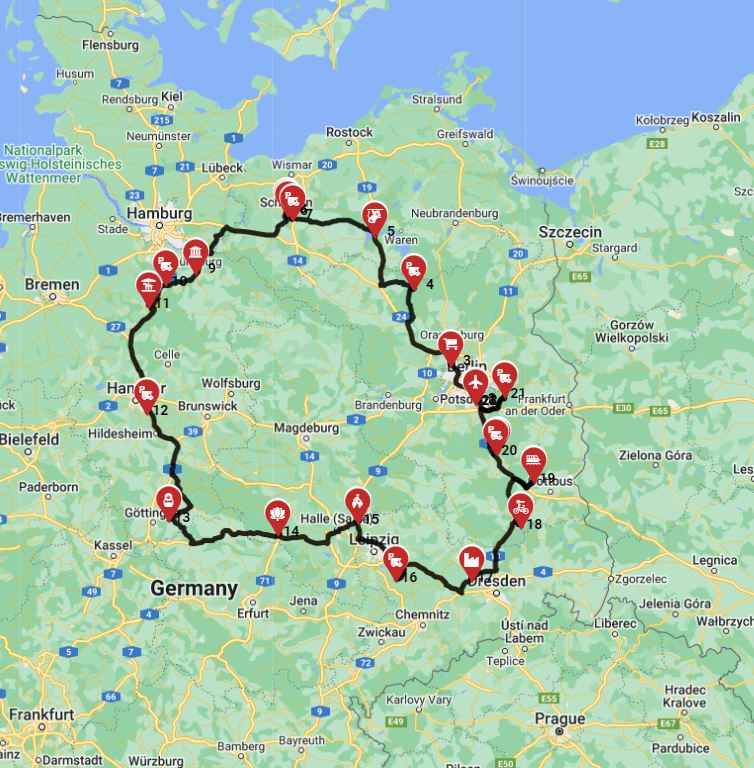
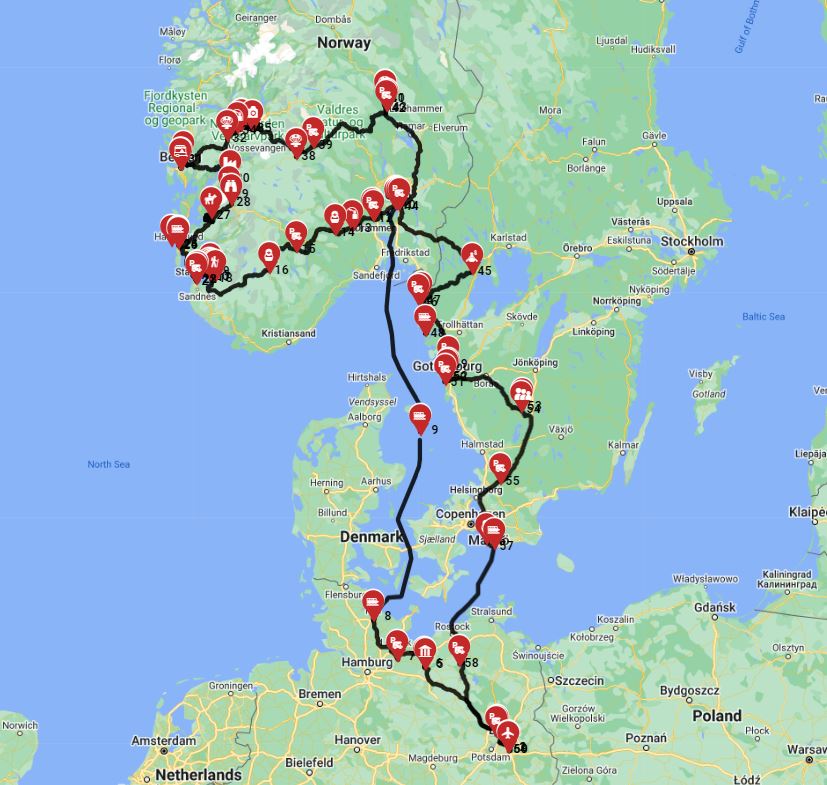
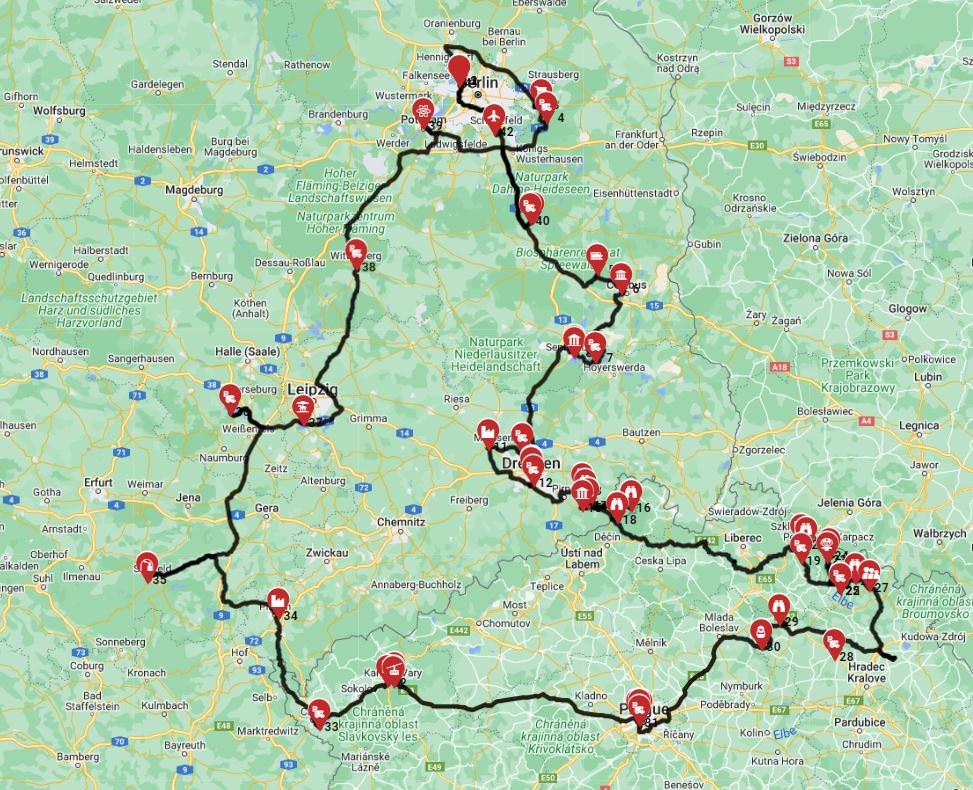
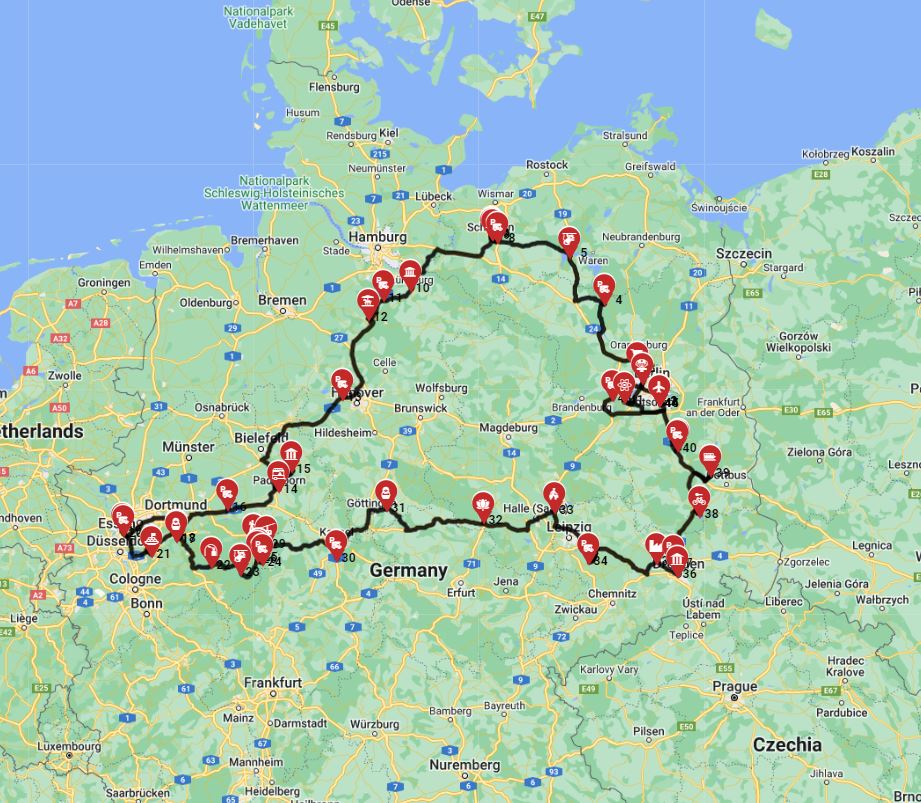
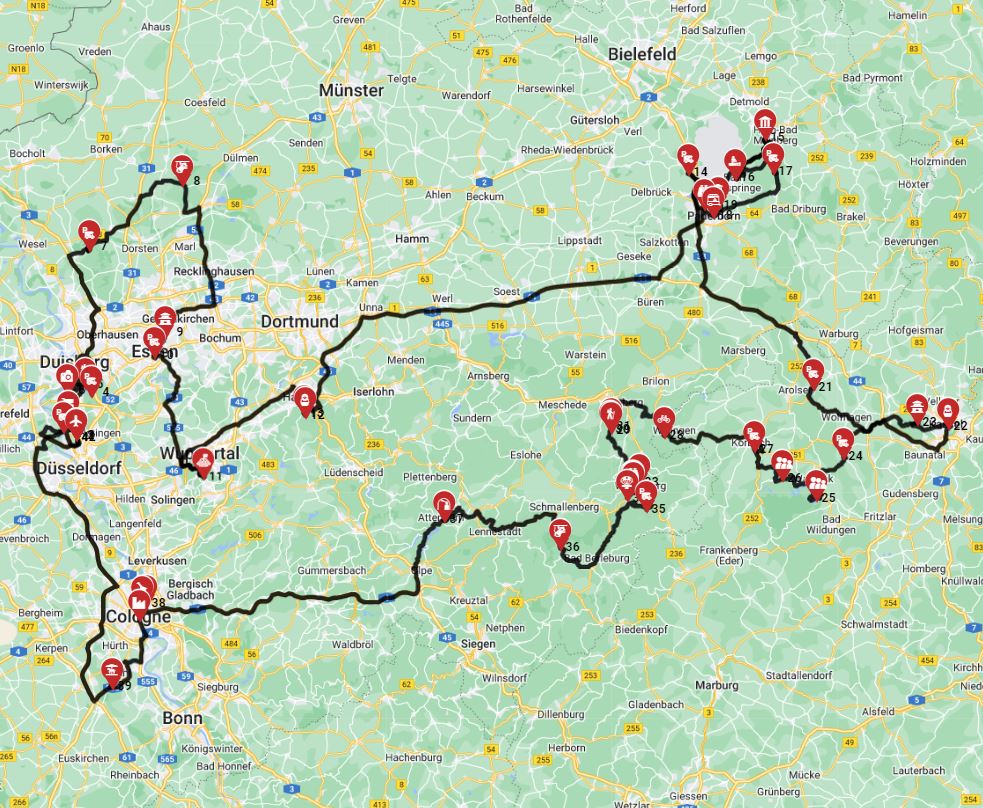
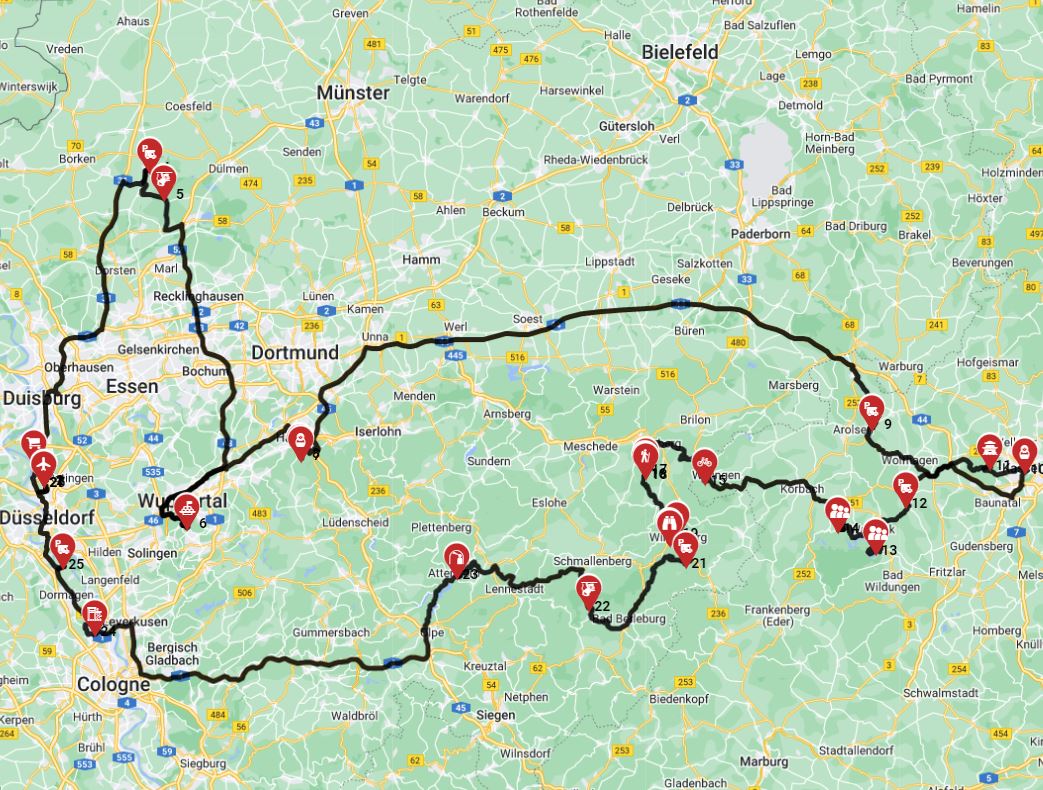
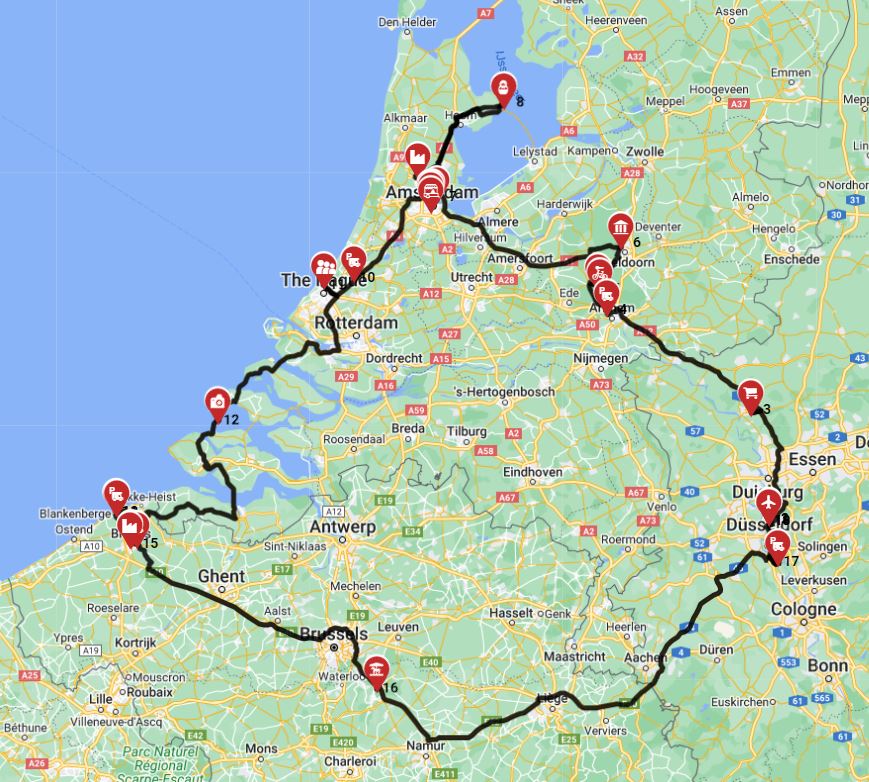
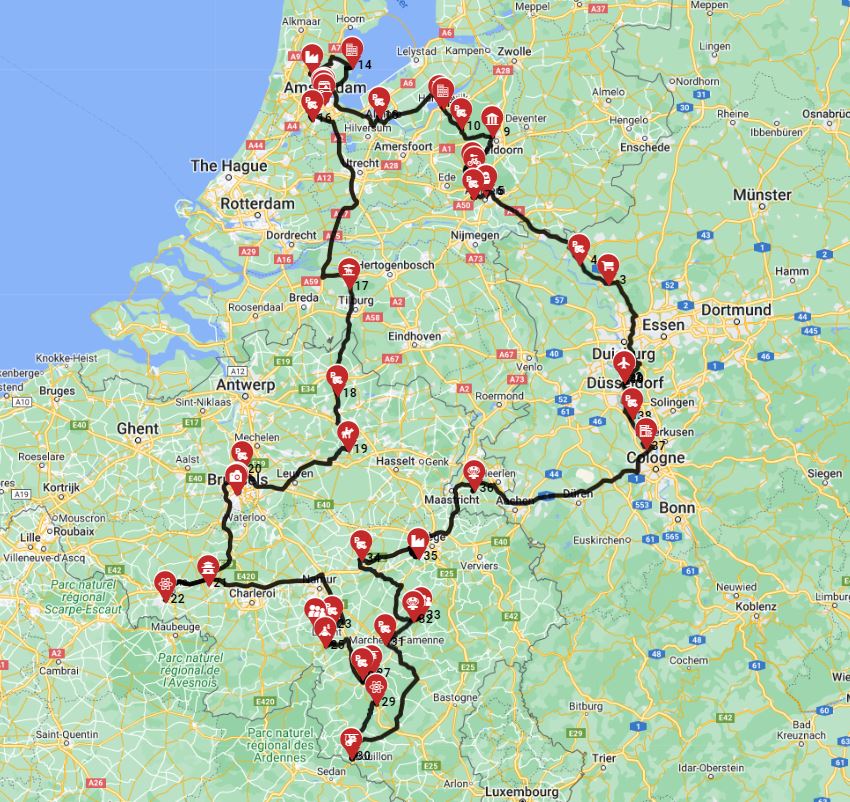
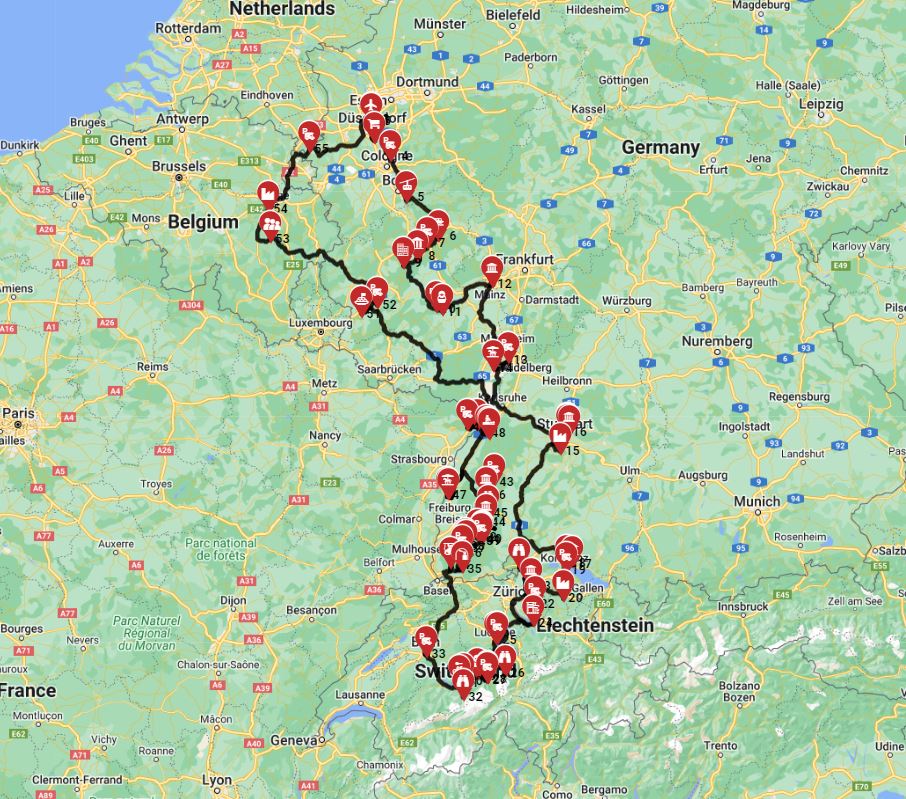
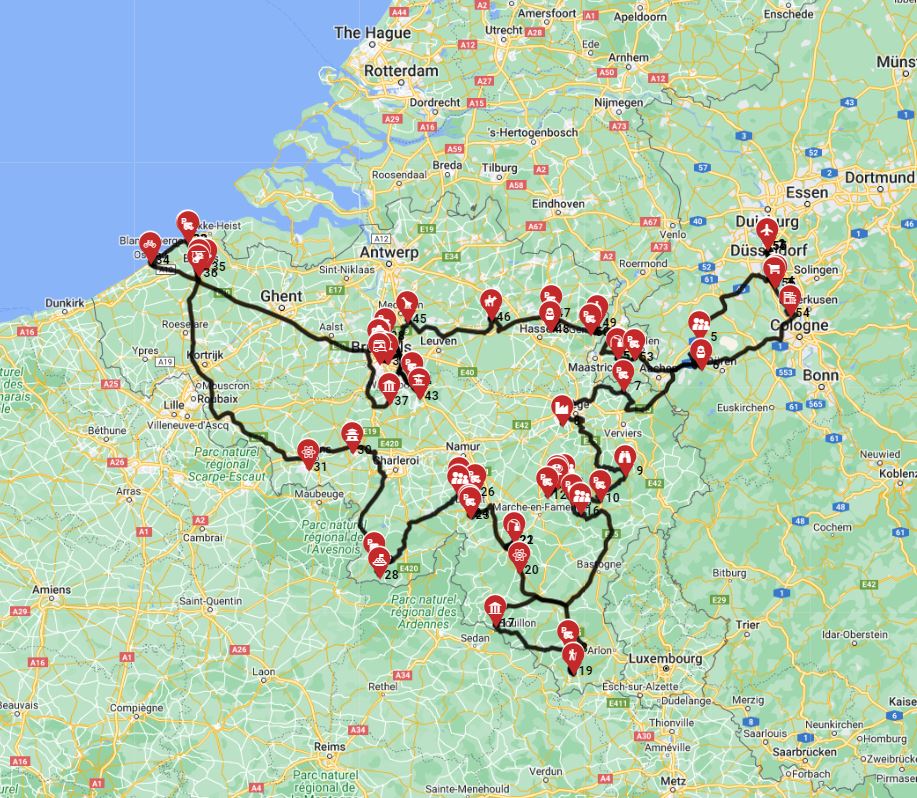
An ideal RV adventure in Germany for beginners typically spans 7 to 14 days, covering approximately 1000-1500 km (600-900 miles) at a relaxed pace. The recommended minimum duration for a beginner's trip is 7 days, allowing for a good balance of travel and exploration without feeling rushed. For a comprehensive and expertly curated itinerary, Rent-Motorhome recommends the RVPlan trip 'Dusseldorf Roundtrip - South- Germany & Switzerland'. This extensive 22-day journey covers 2721.1 km, providing a detailed route starting and ending in Dusseldorf, guiding you through the scenic south of Germany and into Switzerland. You can find more details and explore this pre-planned adventure, designed to simplify your travel, at: motorhome road trip with an RV from Dusseldorf heading south to germany and switzerland. The trip's visual inspiration and overview can be seen here: 22-day motorhome road trip with an rv from dusseldorf heading south to germany and switzerland.
7-Day Classic Route in Germany
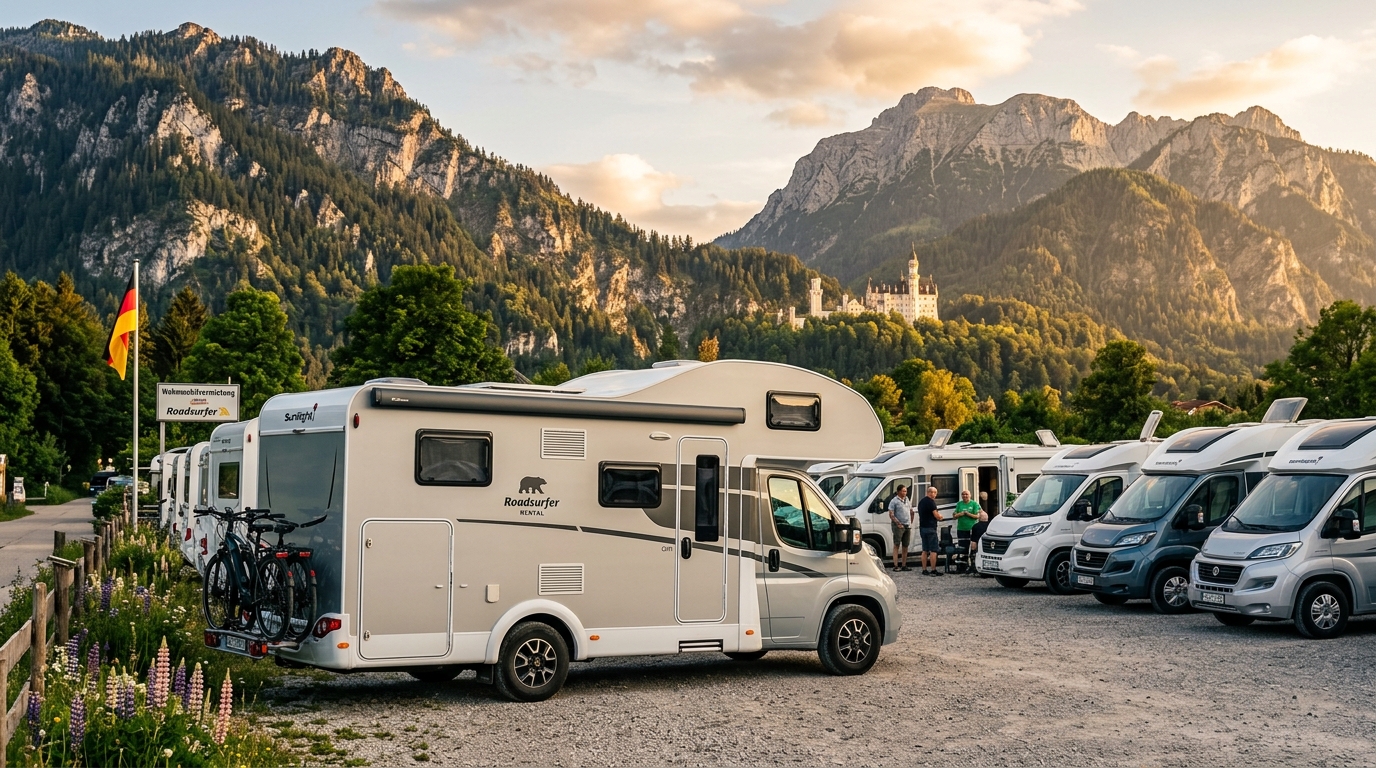
This 7-day itinerary is designed to give first-time RV renters in Germany a taste of the country's diverse beauty and rich history. It balances iconic landmarks with charming towns, ensuring a memorable introduction to RV travel in Germany. Day 1 begins in Munich, with a drive to Füssen (approx. 130 km / 80 miles) to visit the fairytale Neuschwanstein Castle, followed by an overnight stay at a campsite near Füssen. Day 2 takes you to the stunning Lake Constance (Lindau/Meersburg) (approx. 110 km / 70 miles), offering a chance to explore picturesque lakeside towns and sleep at a Stellplatz by the water. On Day 3, venture into the Black Forest towards Triberg (approx. 120 km / 75 miles), known for its highest waterfalls and cuckoo clocks, with an overnight stay at a forest campsite. Day 4 leads to Heidelberg (approx. 140 km / 85 miles), a city renowned for its castle ruins and historic Old Town; an RV-friendly campsite near the city is recommended. Day 5 follows a segment of the Romantic Road to Rothenburg ob der Tauber (approx. 170 km / 105 miles), a perfectly preserved medieval walled city, where you can park at a Stellplatz just outside the walls. Day 6 brings you to Nuremberg (approx. 100 km / 60 miles), with its imperial castle and significant historical sites, camping at a city-edge RV park. Finally, Day 7 concludes the loop by returning to Munich (approx. 170 km / 105 miles), allowing time for last-minute souvenir shopping or a farewell Bavarian meal. For ideas you can prep on the road, watch our RV-friendly recipes playlist on YouTube.
14-Day Extended Journey in Germany
For those with more time, a 14-day journey through Germany offers a deeper dive into its varied landscapes and cultural experiences. This extended itinerary builds upon the classic route, adding more opportunities for exploration and immersion. Days 1-3 are dedicated to the Bavarian Alps & Lakes (Munich, Garmisch-Partenkirchen, Füssen), allowing you to soak in the stunning Alpine scenery, visit fairytale castles, and enjoy hiking or cable car rides, keeping daily drives under 150 km. Days 4-6 explore Lake Constance & Swabian Jura (Lindau, Meersburg, Ulm), where you can discover the beautiful lake region, charming towns, and then head north to Ulm with its impressive Münster, savoring local culinary delights. Days 7-9 focus on the Black Forest & Rhine Valley (Triberg, Baden-Baden, Speyer), delving into the heart of the Black Forest, relaxing in the elegant spa town of Baden-Baden, and visiting Speyer with its imperial cathedral, limiting daily travel to maximize local experiences. Days 10-12 cover the Romantic Road & Franconia (Heidelberg, Rothenburg ob der Tauber, Bamberg), experiencing quintessential German postcard views from Heidelberg's castle to the medieval charm of Rothenburg and the UNESCO city of Bamberg, keeping distances manageable. The journey concludes with Days 13-14 in Nuremberg, offering further exploration of its rich history and perhaps a local industry tour before returning to your starting point.
Recommended RV Plan Trip for Germany
To truly simplify your German RV adventure and ensure you don't miss out on the best local experiences, consider utilizing Bandana's 'Rent & Plan' service. This service pairs your RV rental with a pre-planned itinerary crafted by travel experts. For a comprehensive and expertly curated itinerary, Rent-Motorhome recommends the RVPlan trip 'Dusseldorf Roundtrip - South- Germany & Switzerland'. This extensive 22-day journey covers 2721.1 km, providing a detailed route starting and ending in Dusseldorf, guiding you through the scenic south of Germany and into Switzerland. You can find more details and explore this pre-planned adventure at: motorhome road trip with an RV from Dusseldorf heading south to germany and switzerland.
Must-See Stops Along the Way (Avi Bandana Picks)
Avi Bandana, our founder and a seasoned RV traveler himself, emphasizes the value of deep cultural immersion and hyper-local experiences. His advice for navigating Germany by RV goes beyond the typical tourist trail, encouraging you to seek out authentic encounters that reveal "how Germans actually live." Prioritize 'Traditional Visit' locations such as historic villages, regional museums, or lesser-known cultural sites. Indulge in authentic cuisine at 'Traditional Restaurant / Fine Dining' establishments, which often highlight regional specialties and offer opportunities to engage with local food culture. Don't miss a 'Traditional Market' for fresh, local produce, artisan goods, and unique regional food and drink – a perfect way to stock your RV kitchen and discover local gems like RV-friendly Biergärten or vineyards with Stellplatz. Exploring 'Local Industry' sites like breweries, distilleries, or craft workshops also provides fantastic insight into regional craftsmanship and a chance to taste local products firsthand.
Daily Driving Distances & Drive Times in Germany
To truly embrace the spirit of slow travel and fully immerse yourself in the German experience, Avi Bandana recommends a maximum of 100 miles or 150 km per day on average. This approach allows for spontaneous discoveries, prevents driver fatigue, and ensures you have ample time to connect with the regions you visit, rather than simply rushing between major landmarks. For instance, a drive from Munich to Füssen (approx. 130 km / 80 miles) typically takes around 1.5 to 2 hours of active driving, excluding stops for scenic views or coffee breaks. Similarly, a route from Heidelberg to Rothenburg ob der Tauber (approx. 170 km / 105 miles) might require 2 to 2.5 hours of driving time, depending on traffic and the type of roads you encounter. By planning for about 2-3 hours of actual driving time daily, you leave plenty of opportunity for sightseeing, enjoying local farmers' markets, or simply relaxing at your chosen Stellplatz.
Best RV Class for This Itinerary — Couple & Family Picks
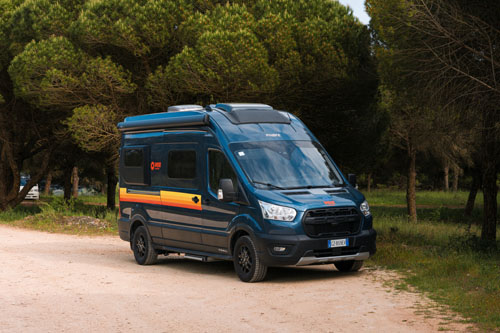
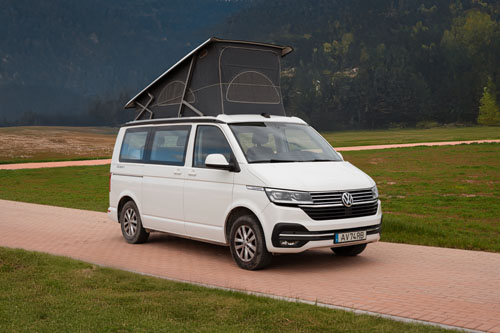
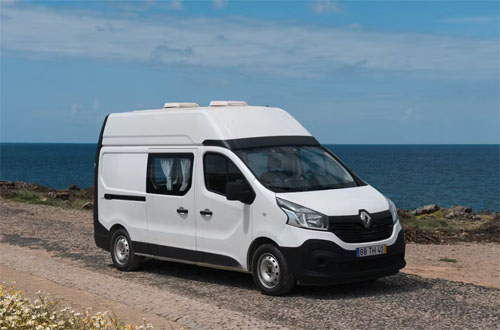
When planning your German RV itinerary, the choice of vehicle class significantly impacts your travel experience. For couples, the Class B - Camper Van is an excellent choice, offering nimble maneuverability perfect for navigating Germany's charming, albeit sometimes narrow, roads and smaller towns. Bandana's global fleet typically features Class B camper vans with an average length of 5.8 meters, making them efficient and easy to park. For families, the Class C - Alcove motorhome provides generous space and comfort, ideal for longer journeys with children, accommodating more passengers and luggage with ease. Bandana's Class C vehicles average 7.5 meters in length and comfortably sleep around 4.4 adults, offering a spacious home-on-wheels. To further simplify your planning and ensure a seamless experience, consider Bandana's 'Rent & Plan' service, which pairs your RV rental with a ready-made itinerary crafted by travel experts, complete with access to trip-planning software – effectively removing the planning headache.
What is the Best Time of Year to RV in Germany?
The best time to RV in Germany for beginners is generally late spring (May-June) and early autumn (September-October). These periods offer pleasant weather, fewer tourist crowds, and a chance to experience vibrant regional events. Springtime brings blooming landscapes and moderate temperatures, typically between 10-20°C (50-68°F), marking the start of many local festivals and creating ideal conditions for scenic drives and outdoor activities. Autumn, on the other hand, provides stunning fall foliage and comfortable temperatures, along with opportunities to visit wine festivals or enjoy the world-famous Oktoberfest without the peak summer rush, enabling truly hyper-local experiences. While summer (July-August) is the most popular, it comes with higher prices for rentals and campsites, potential heatwaves, and more crowded attractions. For those undeterred by colder weather, off-season RVing during winter (November-April) is feasible, particularly for experiencing Christmas markets or accessing ski areas by RV, but it requires an RV equipped for cold weather, careful route planning, and awareness of potential seasonal road closures.
How Much Does it Cost to RV in Germany?
Estimating the cost of an RV trip in Germany involves several factors beyond the rental itself. For beginners, daily expenses, excluding the rental, can range from €100-€250, depending on travel style and preferences. A detailed budget breakdown is crucial, considering different types of camping, tolls, and fuel. **RV Rental** costs typically range from €80-€180 per day for a mid-sized RV like a Class C motorhome, with prices varying significantly by season, duration, and vehicle class – Bandana's fleet offers diverse options to suit various budgets. **Fuel** costs are also a significant consideration; diesel, used by most RVs, typically costs €1.70-€2.00 per liter. With Bandana's fleet averaging 10-12 Liters/100 km, budget approximately €17-€24 per 100 km driven. **Camping/Stellplatz** fees vary widely, from €0-€15 for basic Stellplatz (dedicated motorhome parking) to €25-€50 for a full-service campsite with all amenities. Germany's Autobahns are generally toll-free for RVs under 7.5 tons, but specific scenic routes or tunnels may have charges; always research neighboring country requirements if venturing abroad. For **Food & Activities**, budget €40-€70 per person per day, which includes groceries (a significant money-saving hack by cooking in your RV), occasional dining at traditional restaurants, and attraction entry fees. Money-saving hacks include utilizing free or low-cost Stellplatz options, preparing most meals in your RV, shopping at budget supermarkets like Aldi and Lidl, driving fuel-efficiently, and considering shoulder-season travel for better deals. On the routes offered through RV PLANET routes, you can itemize and track every expense along the way for easy budgeting.
What Do I Need to Know Before Driving an RV in Europe?
Before embarking on your RV journey in Europe, it's crucial to familiarize yourself with vehicle size limitations, European road signs, mandatory equipment, and specific country regulations, especially concerning speed and environmental zones. In Germany and many other EU countries, mandatory equipment includes a warning triangle, high-visibility vests for each occupant, and a first-aid kit; ensure your rental RV is fully equipped. Be aware that European speed limits are generally lower than in North America, and RVs may have specific speed restrictions that differ from those for cars. Additionally, prepare for navigating narrower roads, particularly in older towns and rural areas. Always check height and width restrictions carefully before passing under bridges or through city gates, especially with larger motorhomes like Bandana's Class C vehicles which average 7.5 meters in length. Many German cities have environmental zones (Umweltzonen) that require a special 'green sticker' (Feinstaubplakette) for entry; confirm if your rental RV has one or acquire it in advance to avoid fines.
Is it Easy to Drive an RV in Germany?
Driving an RV in Germany is generally considered easy due to its excellent road infrastructure, but it does require awareness of vehicle dimensions, the use of specific navigation tools, and an understanding of city driving challenges. German Autobahns are well-maintained, providing a smooth driving experience. However, for larger motorhomes, such as Bandana's Class C averaging 7.5 meters, navigating smaller towns or finding parking in city centers can be challenging; smaller camper vans, like Bandana's Class B at 5.8 meters, offer greater flexibility for narrow roads. Utilizing RV-specific navigation apps (e.g., Stellplatz-Radar, CamperContact, P4N) that allow you to input your RV's dimensions (height, weight, length) is highly recommended to avoid unsuitable roads, low bridges, or tight turns. Practicing reversing and maneuvering your RV in open spaces before venturing into urban environments is also advisable. Always check for 'Durchfahrt verboten' (no entry) signs, which often indicate roads unsuitable for larger vehicles, and remember to factor in longer braking distances and wider turning circles for RVs, especially on high-speed sections of the Autobahn.
Do I Need a Special License to Drive an RV in Germany?
For most standard RVs available for rent in Germany, a regular B driver's license (or an equivalent international license) is sufficient, provided the vehicle's Gross Vehicle Weight Rating (GVWR) is under 3,500 kg (approximately 7,700 lbs). This category covers the majority of smaller camper vans and semi-integrated motorhomes, such as Bandana's Class B (average length 5.8m) and Class SI (average length 6.9m) models, which are ideal for couples or small families. If you plan to rent a larger RV, like some Class C Alcove or Class A Integrated motorhomes that may exceed 3,500 kg, you might require a C1 license or its equivalent, depending on your home country's specific licensing system. It is always advisable to confirm the GVWR of your chosen rental RV and cross-reference it with your driver's license category before booking to ensure legal compliance. Carrying an International Driving Permit (IDP) in conjunction with your national driver's license is highly recommended, as it serves as an official translation and is widely accepted, simplifying interactions with authorities.
Can I Drive an RV in Germany with a US License?
Yes, you can generally drive an RV in Germany with a valid US driver's license for up to six months, but it is strongly recommended to also carry an International Driving Permit (IDP). While your US license is legally recognized for short stays, an IDP provides an official translation of your license into multiple languages, which is extremely helpful for rental agencies, traffic stops, or in the event of an accident. The IDP must be obtained in your home country (e.g., through AAA or AATA in the US) before you travel and must always be presented alongside your physical US driver's license. Ensure your US license is valid for the class of vehicle you intend to drive; most standard RV rentals, typically those under 3,500 kg GVWR, require only a regular Class D license, which is equivalent to a German B license. For longer stays exceeding six months, US citizens would typically need to apply for a German driver's license, which involves specific conversion procedures.
What Are the Rules for Camping in Germany?
Camping in Germany is primarily regulated by designated campsites and 'Stellplätze' (dedicated motorhome parking areas), with strict rules generally prohibiting wild camping in most regions. Stellplätze are widely available, offering a budget-friendly parking option for motorhomes, often equipped with basic amenities like water, waste disposal, and sometimes electricity, which is crucial for responsible waste management. Full-service campsites provide a broader range of facilities, including showers, toilets, restaurants, and recreational activities, making them ideal for longer stays and families seeking more comprehensive amenities. Wild camping is generally illegal outside of designated areas; while an 'emergency overnight stay' (for regaining fitness to drive) might be tolerated if it doesn't cause obstruction or environmental damage, it's always best to check local rules and avoid pushing boundaries. When camping, always observe proper etiquette and sustainability practices: dispose of waste responsibly at designated points, respect quiet hours (Ruhezeiten) at Stellplätze and campsites, and engage respectfully with other campers and locals to foster a positive communal atmosphere.
Are RV Parks in Germany Safe?
RV parks and Stellplätze in Germany are generally considered very safe, known for their high standards of maintenance, clear regulations, and a strong sense of community among campers. These facilities typically feature good lighting, often include security measures like barriers or regular patrols, and have well-enforced rules that contribute to a secure and orderly environment. Engaging with the RV community, whether local or international, through online forums or casual conversations at campsites, can provide valuable local tips and foster a sense of shared safety and social connection. While incidents are rare, it's always wise to practice standard travel safety: lock your RV, avoid leaving valuables exposed, and report any suspicious activity to site management or local authorities. German RV park social dynamics are typically friendly and respectful; observing local customs, such as greeting neighbors ('Hallo!') and maintaining cleanliness, contributes to a positive and safe communal atmosphere.
What is the Best Way to Rent an RV in Germany?
The best way to rent an RV in Germany is by utilizing reputable international and local rental platforms that offer transparent pricing, comprehensive insurance options, and a wide selection of vehicles. Look for platforms like Rent-Motorhome.com, which specialize in connecting travelers with a diverse fleet across Germany, ensuring you can find the perfect RV for your needs, from agile camper vans to spacious alcove models. When selecting a rental provider, prioritize those with clear pick-up and drop-off procedures, readily available customer support, and robust insurance coverage tailored for European travel. Booking your RV well in advance is crucial, especially if you plan to travel during peak seasons (summer or major festivals), as this helps secure your preferred RV class and potentially better rates. Always carefully review the rental agreement for details on mileage limits, additional drivers, roadside assistance, and security deposits to avoid any surprises during your trip.
What You Shouldn't Miss
- Neuschwanstein Castle: A must-visit in Bavaria, this 19th-century Romanesque Revival palace is a postcard-perfect fairy tale castle.
- Lake Constance (Bodensee): Explore the charming towns of Lindau or Meersburg, and enjoy the scenic beauty of Germany's largest lake.
- Triberg Waterfalls: Located in the heart of the Black Forest, these are Germany's highest waterfalls, surrounded by a region famous for its cuckoo clocks.
- Heidelberg Castle and Old Town: Wander through the romantic ruins of Heidelberg Castle and the picturesque streets of its historic Old Town.
- Rothenburg ob der Tauber: Step back in time in this incredibly well-preserved medieval walled city, a highlight of the Romantic Road.
- Franconian Switzerland: Discover this unique region known for its dramatic rock formations, caves, and charming villages, perfect for gentle hikes.
Final Thoughts
Embarking on your first RV adventure in Germany is an incredibly rewarding experience, offering unparalleled freedom and flexibility to explore at your own pace. From the rolling hills of Bavaria to the mystical Black Forest, Germany's diverse landscapes are perfectly suited for RV travel. Remember to embrace the slow travel philosophy, savoring each moment and delving into the local culture. With Bandana Caravan's transparent pricing and extensive planning resources like RV PLANET (rvplan.net), your journey will be as smooth and enjoyable as the scenery you'll encounter.
We're here to support you every step of the way, from comparing vehicle options to providing route inspiration. Don't hesitate to reach out if you have any questions – our dedicated team is passionate about helping you create unforgettable memories on the road. Get inspired for your next trip, discover top destinations, planning tips, all in one place, and plan a trip itinerary in advance with minimal effort and maximum enjoyment!
Ready to hit the road? Compare RV rental prices in Germany and find your perfect German adventure today!