In This Guide
- Best France RV Itinerary for RV Rental Beginners — Overview
- 7-Day Classic Route in France
- 14-Day Extended Journey in France
- Recommended RVPlan Trip for France
- Daily Driving Distances & Drive Times in France
- Best RV Class for This Itinerary — Couple & Family Picks
- What is the best month to RV in France?
- Do you need a special license to drive an RV in France?
- Is it easy to drive an RV in France?
- What are the rules for RV camping in France?
- Where can I find free overnight parking for RVs in France?
- How do you dispose of waste in an RV in France?
- How much fuel does an RV use in France?
- How much does it cost to rent an RV in France?
Best France RV Itinerary for RV Rental Beginners — Overview
Embarking on your first RV rental adventure in France offers a unique blend of freedom, flexibility, and immersion in the country's stunning landscapes and rich culture. For beginners, a well-structured itinerary is key to a smooth and enjoyable experience. We recommend a minimum of 7 days for a classic taste of France, but a 14-day journey allows for a more comprehensive exploration, covering typically 700-1500 km (435-930 miles) depending on your chosen route.
The best season for RVing in France, especially for newcomers, is during late spring (May-June) or early autumn (September-October). These shoulder seasons offer mild weather, fewer crowds, and pleasant temperatures perfect for sightseeing and exploring. The focus of a beginner's itinerary should be a balanced mix of scenic drives, iconic cultural sites, opportunities for local experiences, and importantly, easy access to practical RV amenities like service points and campgrounds.
For live availability and current prices, start with our RV Rental France - Complete Guide 2026 guide. This resource provides a comprehensive overview to help you plan your trip, including comparisons of different RV classes and rental providers, ensuring you find the perfect vehicle for your French escapade.
7-Day Classic Route in France
For a quintessential first-time RV experience in France, this classic 7-day itinerary offers a taste of history, culture, and the beautiful French countryside, focusing on manageable distances and accessible attractions.
- Day 1: Paris (pickup) → Chartres (approx. 90 km / 56 miles). Begin your journey by picking up your rented RV near Paris. Drive south to Chartres, famous for its magnificent Gothic cathedral, a UNESCO World Heritage site. Explore the cathedral's stunning stained-glass windows and the charming medieval streets. Sleep: A municipal campsite or an 'Aire de Service Camping-Car' near Chartres provides a convenient overnight stop.
- Day 2: Chartres → Amboise (Loire Valley) (approx. 120 km / 75 miles). Head towards the renowned Loire Valley, a region dotted with magnificent châteaux. In Amboise, visit the Château Royal d'Amboise and Leonardo da Vinci's former home, Château du Clos Lucé. Sleep: Find a well-equipped campsite in or around Amboise to rest and prepare for more château visits.
- Day 3: Amboise → Villandry (approx. 30 km / 19 miles). A short drive brings you to Villandry, celebrated for its breathtaking Renaissance gardens, including the famous ornamental vegetable garden. Spend the day wandering through these meticulously maintained landscapes. Sleep: Opt for a campsite or 'Aire' near Villandry, allowing for easy access to the gardens the next morning.
- Day 4: Villandry → Saumur (approx. 50 km / 31 miles). Continue your journey to Saumur, known for its equestrian heritage at the Cadre Noir and its impressive château overlooking the Loire River. Explore the town and its troglodyte caves, often used for wine aging. Sleep: Saumur offers several campsites and service areas suitable for RVs.
- Day 5: Saumur → Chinon (approx. 30 km / 19 miles). Drive to the medieval hilltop town of Chinon, famed for its imposing fortress and its association with Joan of Arc. Enjoy wine tasting in the local Chinon vineyards. Sleep: Look for a charming 'Aire' or campsite near Chinon, perhaps on a vineyard property if available.
- Day 6: Chinon → Orléans (approx. 120 km / 75 miles). Journey towards Orléans, a city historically significant for its role in the Hundred Years' War, thanks to Joan of Arc. Visit the Maison de Jeanne d'Arc and explore the revitalized historic city center. Sleep: Find a suitable campsite or service area on the outskirts of Orléans for your final night before returning to Paris.
- Day 7: Orléans → Paris (drop-off) (approx. 130 km / 81 miles). Complete your loop by returning to Paris, dropping off your RV at the rental depot. Reflect on a week filled with history, culture, and the unique freedom of RV travel.
14-Day Extended Journey in France
For those with more time, this 14-day itinerary delves into the picturesque south of France, offering a mix of coastal beauty, charming villages, and Roman history, all while keeping daily driving distances manageable.
- Day 1: Marseille (pickup) → Aix-en-Provence (approx. 30 km / 19 miles). Collect your RV in Marseille and make the short drive to Aix-en-Provence. This elegant city, once home to Cézanne, offers a beautiful Cours Mirabeau, lively markets, and art studios. Sleep: Find a campsite or service area near Aix-en-Provence to settle in.
- Day 2: Aix-en-Provence → Luberon Villages (e.g., Gordes, Roussillon) (approx. 50 km / 31 miles). Explore the stunning Luberon region, known for its ochre-colored villages like Roussillon and hilltop gems like Gordes. If traveling in season (June-July), you might witness the breathtaking lavender fields. Sleep: A campsite within the Luberon region provides a tranquil base.
- Day 3: Luberon Villages → Avignon (approx. 70 km / 43 miles). Head to Avignon, a city famed for the Palais des Papes and the iconic Pont d'Avignon. Immerse yourself in the history of this papal city. Sleep: Numerous campsites and 'Aires' are available near Avignon.
- Day 4: Avignon → Pont du Gard → Uzès (approx. 50 km / 31 miles). Visit the magnificent Pont du Gard, a remarkably preserved Roman aqueduct, a testament to ancient engineering. Continue to Uzès, a charming medieval town with a ducal palace and picturesque squares. Sleep: Secure a spot at a campsite or service area near Uzès.
- Day 5: Uzès → Arles (approx. 50 km / 31 miles). Journey to Arles, a city rich in Roman history and famously captured in Van Gogh's paintings. Explore the Roman Arena, Theatre, and sites that inspired the artist. Sleep: Find an RV-friendly stopover near Arles.
- Day 6: Arles → Saintes-Maries-de-la-Mer (Camargue) (approx. 40 km / 25 miles). Explore the unique Camargue region, a protected wetland famous for its wild white horses, flamingos, and distinct culture. Saintes-Maries-de-la-Mer is a vibrant fishing port. Sleep: Overnight at a campsite in Saintes-Maries-de-la-Mer.
- Day 7: Saintes-Maries-de-la-Mer → Cassis (approx. 100 km / 62 miles). Drive along the coast to Cassis, a beautiful fishing village renowned for its dramatic calanques (rocky inlets). Consider a boat trip to explore these stunning natural formations. Sleep: Look for an 'Aire' or campsite near Cassis.
- Day 8: Cassis → Saint-Tropez (approx. 100 km / 62 miles). Continue your coastal exploration towards the glamorous resort town of Saint-Tropez, famous for its beaches and celebrity spotting. Sleep: Find a suitable spot in or around Saint-Tropez.
- Day 9: Saint-Tropez → Cannes (approx. 70 km / 43 miles). Head to Cannes, the glamorous home of the film festival. Stroll along the Boulevard de la Croisette and soak in the Riviera atmosphere. Sleep: Cannes has several RV parking options and nearby campsites.
- Day 10: Cannes → Grasse → Nice (approx. 60 km / 37 miles). Drive inland to Grasse, the perfume capital of the world, and visit a perfumery. Then, head to Nice on the French Riviera. Explore the Promenade des Anglais and the charming Old Town (Vieux Nice). Sleep: Secure a spot at a campsite or service area near Nice.
- Day 11: Nice & Monaco (Day Trip) (approx. 20 km / 12 miles each way). Take a day trip to the Principality of Monaco, a sovereign city-state known for its casino, royal palace, and Formula 1 circuit. Return to your Nice base for the night. Sleep: Stay at your chosen Nice campsite or service area.
- Day 12: Nice → Verdon Gorge (approx. 100 km / 62 miles). Venture inland to the spectacular Verdon Gorge, often called the 'Grand Canyon of Europe.' Admire the turquoise waters and dramatic cliffs. Sleep: Find a campsite near the Verdon Gorge for an immersive experience.
- Day 13: Verdon Gorge → Moustiers-Sainte-Marie → Manosque (approx. 70 km / 43 miles). Visit Moustiers-Sainte-Marie, a picturesque village perched between two rocks, famous for its ceramics. Continue to Manosque, a historic town in the heart of Provence. Sleep: Manosque offers RV facilities for your final stop.
- Day 14: Manosque → Marseille (drop-off) (approx. 80 km / 50 miles). Conclude your journey by returning your RV to the Marseille depot, reflecting on the diverse beauty and experiences of your French RV adventure.
Recommended RVPlan Trip for France
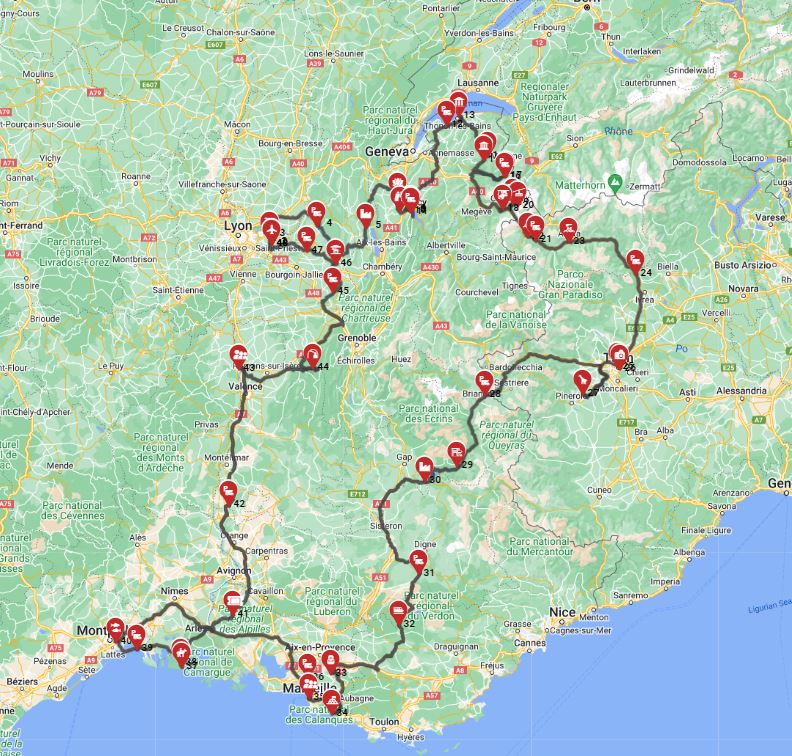
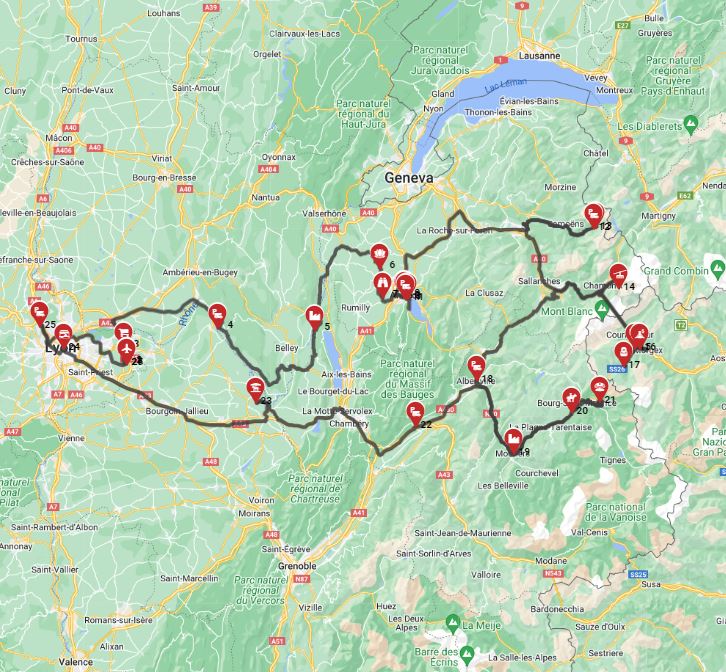
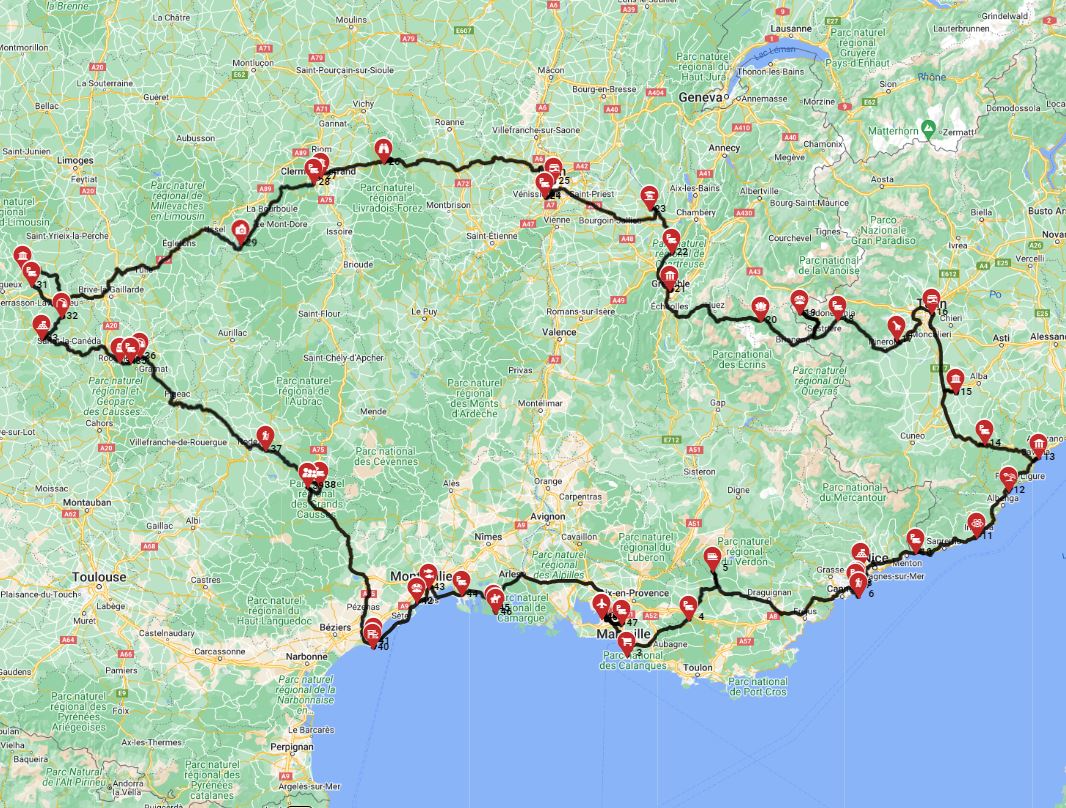
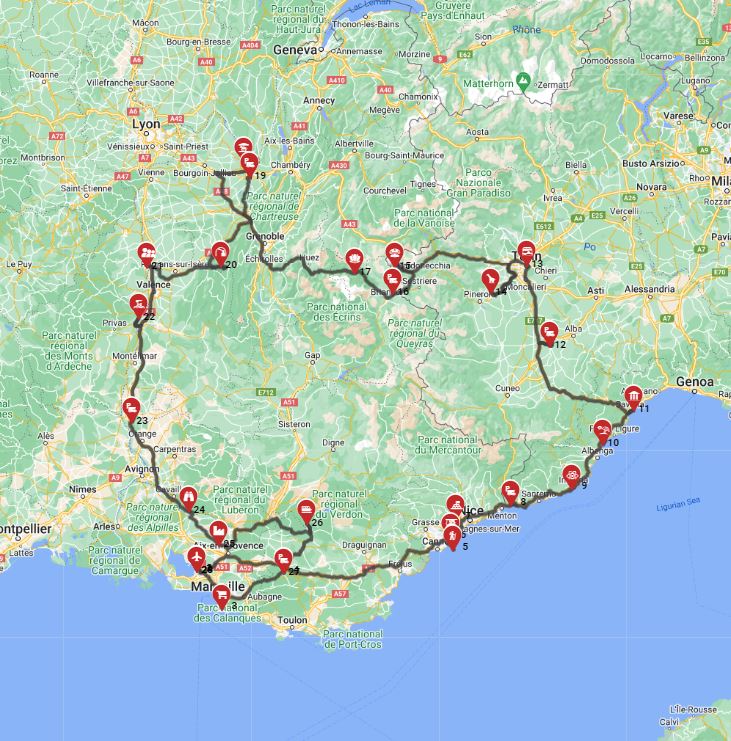
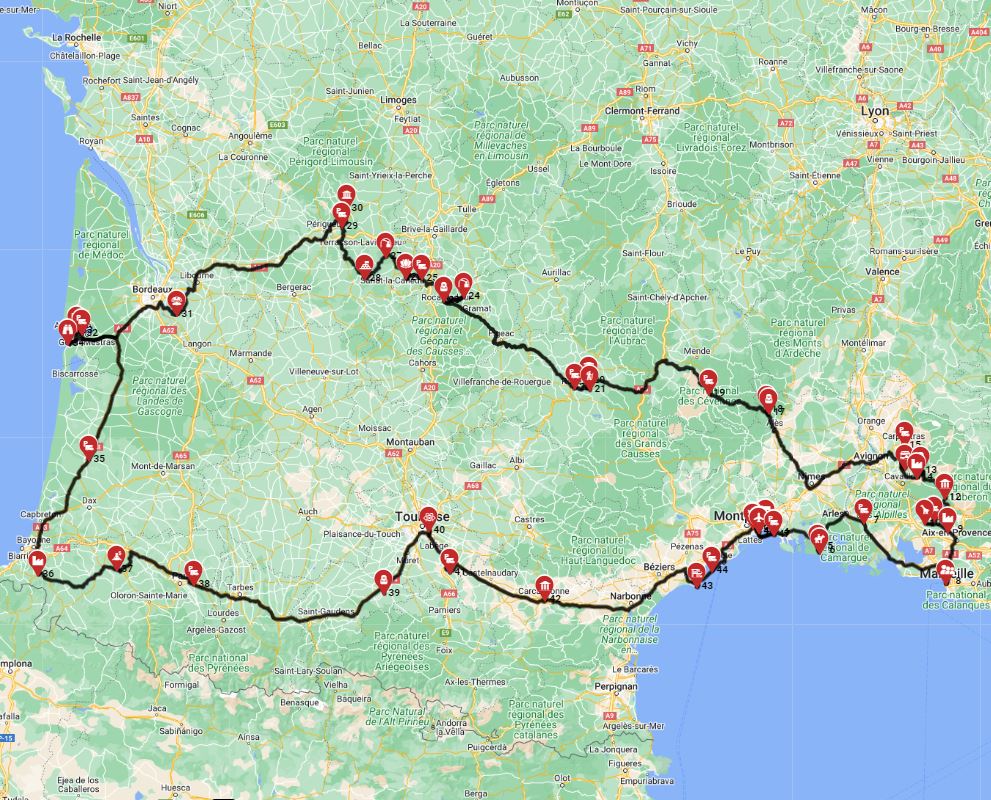
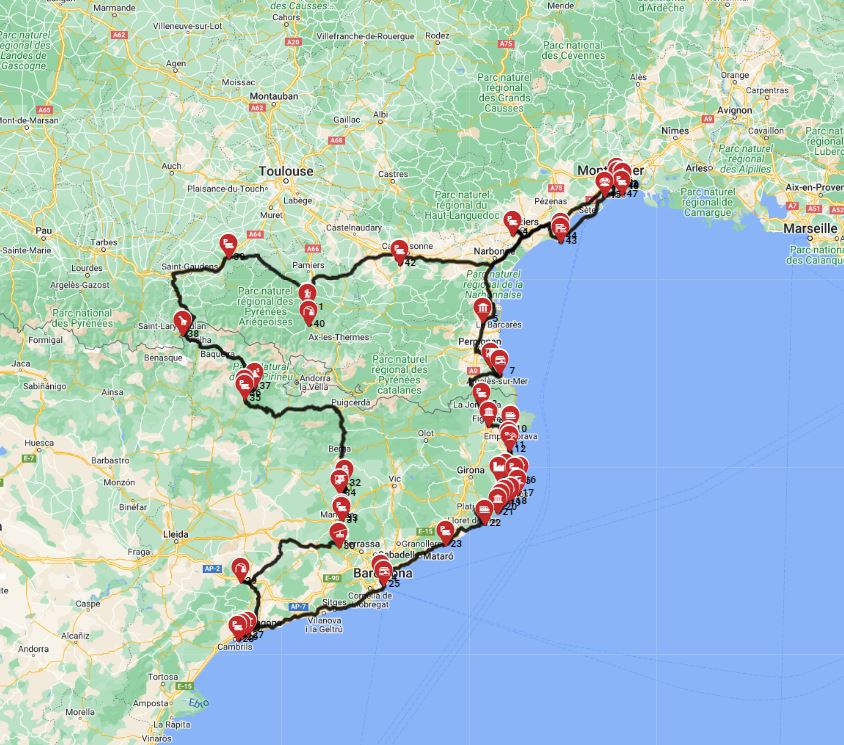
For those seeking expertly curated routes and seamless planning, RV PLANET (rvplan.net) offers a fantastic solution. Consider the "Milano Roundtrip - West - Italian alps, France alps" trip, a comprehensive 21-day journey covering 1734.1 kilometers. This route expertly balances stunning alpine scenery in both Italy and France, starting and ending in Milan. It's an excellent example of how RV PLANET can provide a fully planned adventure, showcasing incredible landscapes and cultural highlights.
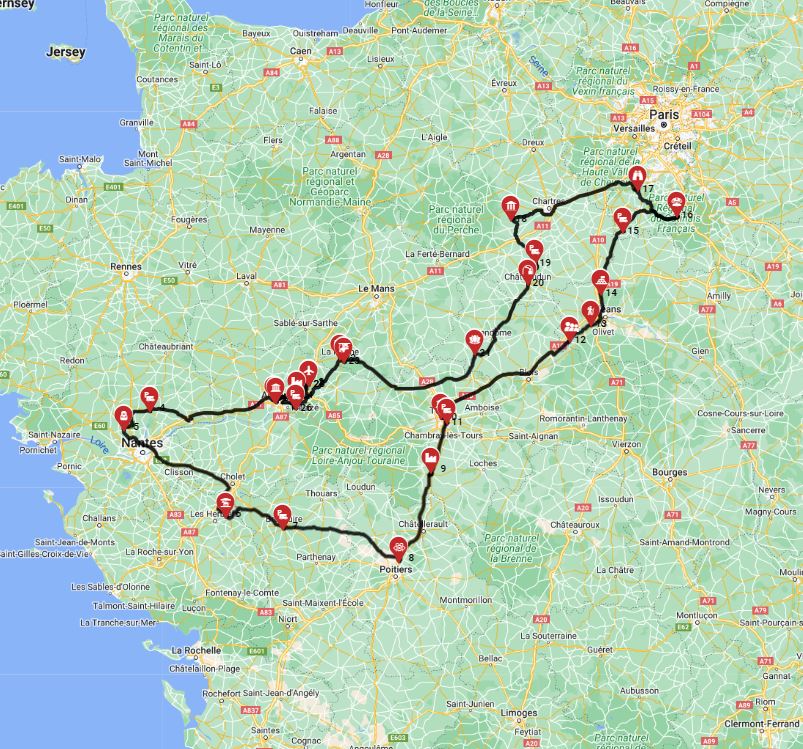
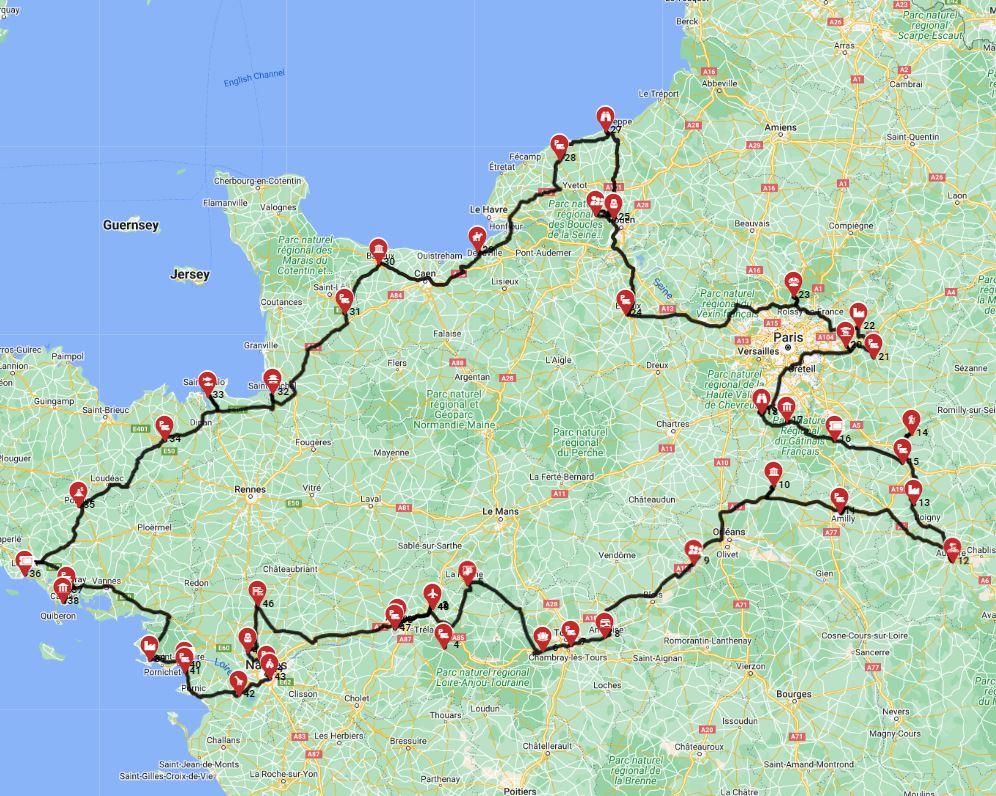
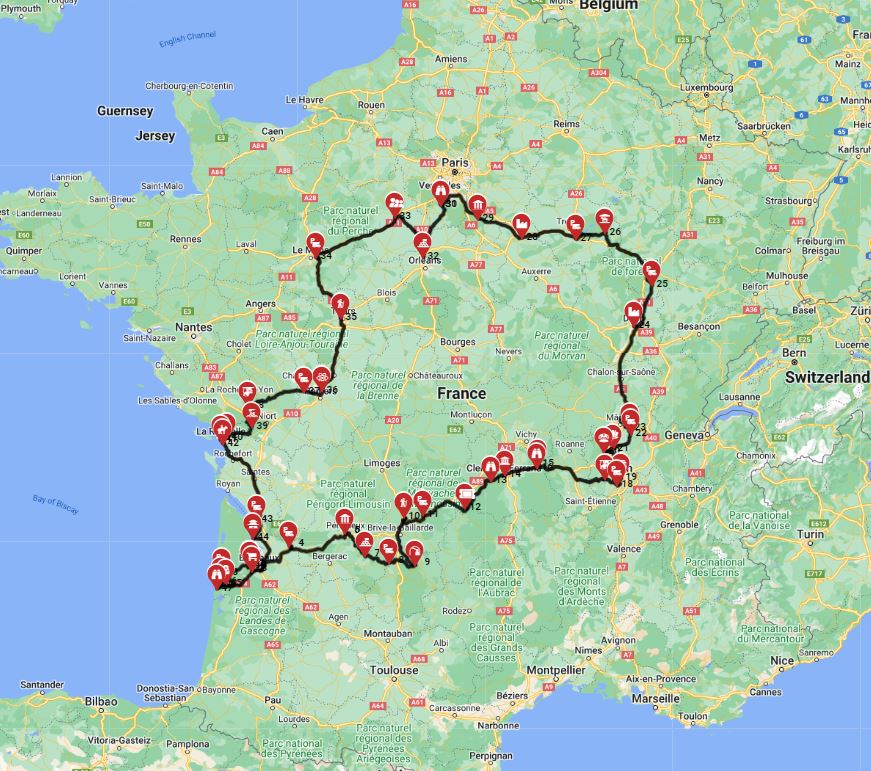
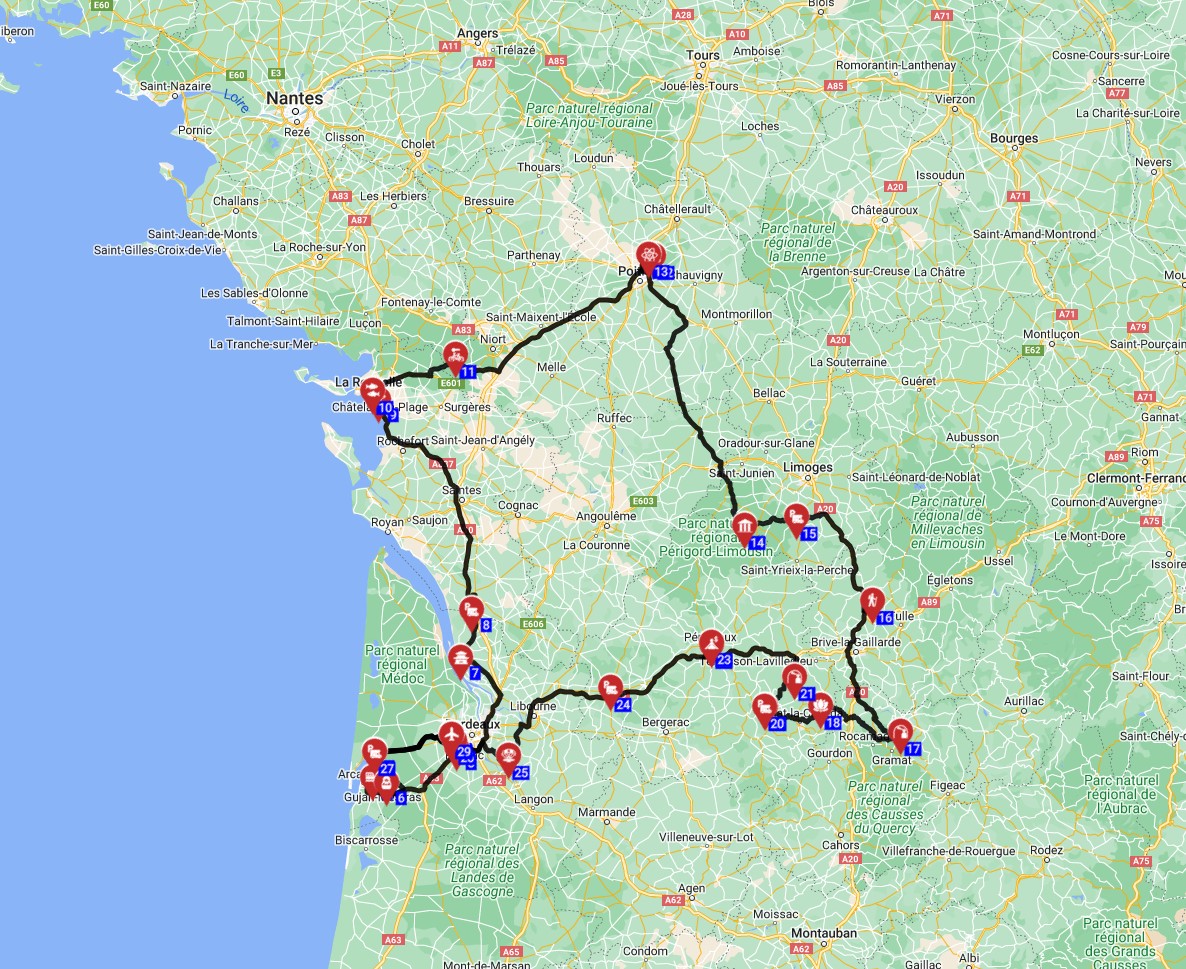
You can view the full trip details and route map for this Milano Roundtrip adventure at motorhome road trip with an RV from Milano. Visualizing the route, as seen in the accompanying image of the Milano Roundtrip, further enhances the appeal of a pre-planned RV journey.
Must-See Stops Along the Way (Avi Bandana Picks)
To truly connect with France and its culture, Avi Bandana recommends seeking out experiences that go beyond the typical tourist trail. Integrating stops focused on local industries, traditional markets, and authentic culinary experiences will enrich your RV journey.
- Traditional Markets: Immerse yourself in the vibrant local culture by visiting a 'Traditional Market.' Here, you can find regional produce, artisanal cheeses, local crafts, and experience the heart of French daily life, offering genuine cultural immersion.
- Local Industries: Discover France's rich heritage by exploring a 'Local Industry.' This could be a vineyard for wine tasting and production insights, an olive oil mill in Provence, or a perfumery in Grasse. Learning about regional production processes enhances your understanding and appreciation of the local culture.
- Traditional Restaurants: Savor authentic French cuisine by dining at a 'Traditional Restaurant / Fine Dining' establishment. Tasting regional specialties prepared with local ingredients is a fundamental part of the French experience and a delight for any foodie.
- Historical Sites: Explore France's deep and varied past by visiting key 'Historical Site' locations. From ancient Roman ruins in the south to medieval castles in the Loire Valley, these sites provide profound cultural insight and a tangible connection to history.
Daily Driving Distances & Drive Times in France
Embracing a slower pace is key to truly enjoying France by RV. Avi Bandana recommends averaging no more than 150 km (approximately 100 miles) per day. This allows ample time for exploration, spontaneous detours, and soaking in the local atmosphere.
Traveling slowly ensures you can discover 'Beyond Tourist Traps & Hidden Gems' and engage in 'Deep Cultural Immersion & Local Experiences.' For instance, the drive from Paris to Chartres (around 90 km / 56 miles) typically takes about 1 hour 15 minutes to 1 hour 30 minutes, leaving plenty of time to explore Chartres.
Similarly, a short journey like Avignon to Arles (approximately 50 km / 31 miles) usually takes around 45 minutes to 1 hour, allowing you to spend a significant portion of the day in Arles. Even a longer scenic drive, such as Nice to the Verdon Gorge (about 100 km / 62 miles), generally involves 1 hour 45 minutes to 2 hours of driving, making it a comfortable day trip or the start of a two-day exploration.
When planning your routes, always consider 'Specific Vehicle Suitability & Challenges.' Rural French roads can be narrow, and navigating historic village centers, especially with a larger RV, may require extra caution and time. Using GPS systems that accommodate vehicle dimensions is crucial to avoid unexpected detours due to low bridges or weight restrictions.
Best RV Class for This Itinerary — Couple & Family Picks
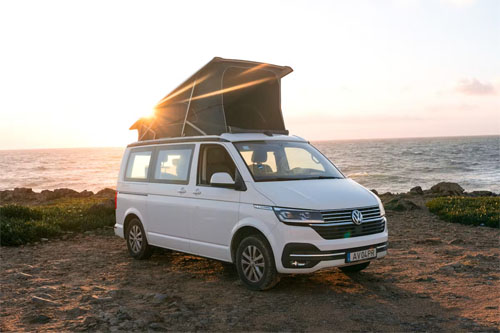
Choosing the right RV class is crucial for a comfortable and practical French road trip. For couples, a Class B camper van is often the ideal choice. Bandana's fleet typically features models around 5.8 meters in length, offering excellent maneuverability on France's charmingly narrow roads, which directly addresses 'Specific Vehicle Suitability & Challenges'.
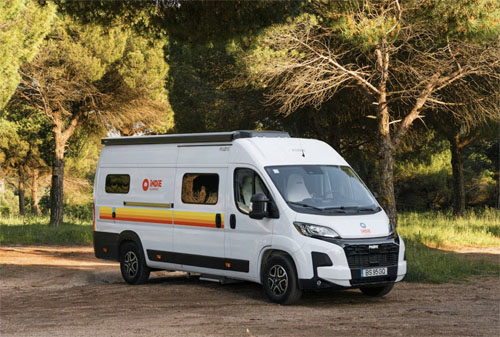
For families, a Class C motorhome, particularly an alcove model, provides essential space and sleeping arrangements. These RVs in Bandana's fleet average about 7.5 meters in length and can comfortably accommodate four or more people, ensuring a more relaxed family travel experience. The 'Rent & Plan' service offered by Bandana Caravan can further simplify your trip by combining RV rental with a professionally designed itinerary, giving you access to trip-planning software for a truly hassle-free vacation.
What is the best month to RV in France?
Late spring (May-June) and early autumn (September-October) emerge as the ideal months for RVing in France, particularly for beginners. During these periods, you'll typically experience pleasant temperatures ranging from 15-25°C (59-77°F), find landscapes in full bloom or transitioning to autumn colors, and encounter fewer crowds than in the peak summer months. These shoulder seasons offer comfortable weather perfect for exploring and enhance opportunities for 'Deep Cultural Immersion & Local Experiences' through local festivals and markets.
May and June are particularly lovely, with comfortably mild weather and the chance to witness pre-summer festivities. September and October, on the other hand, offer crisp air, stunning autumn foliage, and harvest-related events, providing an excellent time to discover 'Beyond Tourist Traps & Hidden Gems' with generally quieter roads and a more relaxed atmosphere.
It's advisable to avoid July and August for RV travel in France if possible. These are the peak tourist months, which can lead to higher rental prices, more crowded popular attractions, and potentially very warm temperatures, especially in the southern regions.
Do you need a special license to drive an RV in France?
For most beginner-friendly RV rentals in France, a standard car driving license (Category B in Europe) is sufficient, provided the vehicle's Gross Vehicle Weight (GVW) does not exceed 3,500 kg. This weight limit typically covers smaller Class B camper vans and many Class C alcove motorhomes offered by Bandana's fleet, which are designed for ease of driving.
For drivers from non-EU countries, an International Driving Permit (IDP) is highly recommended. While not always mandatory, it serves as an official translation of your domestic license, which can be invaluable when interacting with rental agencies and authorities. This addresses a key aspect of 'Pre-trip Planning & Packing (Beyond Basics)'.
Rental companies generally have minimum driver age requirements, typically 21 or 25 years old, and often stipulate that the driver must have held a valid license for at least two years. Always check the specific terms of your rental agreement regarding driver qualifications.
Is it easy to drive an RV in France?
Driving an RV in France is generally considered manageable and enjoyable for beginners, especially when selecting appropriate vehicle classes. France boasts an excellent road network, and choosing a smaller vehicle, like a Class B camper van from Bandana's fleet (averaging 5.8 meters in length), significantly aids maneuverability on France's famously narrow roads and historic village streets.
While the main roads are well-maintained, be prepared for narrower routes in rural areas and charming, albeit sometimes tight, passages through ancient towns. Careful navigation is key, and considering 'Specific Vehicle Suitability & Challenges' during selection is wise. Utilizing GPS devices or apps that allow input of RV dimensions is crucial for avoiding low bridges or unsuitable roads.
Furthermore, specialized apps like Park4night or Campercontact are invaluable for RV-specific routing and finding suitable parking or overnight stops, highlighting the importance of 'Technology & Connectivity' for a smooth journey. Avi Bandana often advises avoiding driving larger RVs directly into major city centers. Instead, utilizing designated RV parking areas on the outskirts and then employing public transport for urban exploration is a practical strategy.
What are the rules for RV camping in France?
RV camping in France is primarily focused on designated stopover points rather than widespread wild camping. The most common and recommended places to park your RV overnight are official 'Aires de Service Camping-Car' or formal campsites. These locations are specifically equipped to cater to motorhomes, offering essential services and ensuring adherence to 'Sustainability & Eco-friendly RVing' principles by facilitating proper waste management.
France has an incredibly well-developed network of 'Aires de Service Camping-Car,' which are dedicated motorhome service areas, often provided by municipalities. These aires typically offer parking, fresh water refills, and greywater and blackwater disposal points, often for a very low fee or even free. They are a hallmark of France's welcoming attitude towards RV travel.
For more comprehensive facilities, there is a vast array of 'Campings' (campsites) available across France. These range from basic municipal sites to fully equipped holiday parks, often providing pitches with electrical hookups, water, and full amenity blocks. While wild camping (free overnight parking in undesignated areas) is generally discouraged and often prohibited, especially in popular tourist spots, coastal areas, and protected natural parks, understanding local signage for 'camping interdit' (camping forbidden) is essential.
Where can I find free overnight parking for RVs in France?
France offers numerous options for free or low-cost overnight RV parking, contributing to its reputation as an RV-friendly destination. Many municipal 'Aires de Service Camping-Car' provide free overnight stays, often in pleasant locations that allow for exploration of 'Beyond Tourist Traps & Hidden Gems'. These service areas are specifically designed for motorhomes and are a fantastic way to experience local towns and villages.
A particularly rewarding option is the 'France Passion' membership scheme. This program connects RV travelers with thousands of participating farms, vineyards, and artisan producers across the country who offer free overnight parking on their properties. It's an exceptional way to engage in 'Deep Cultural Immersion & Local Experiences,' often allowing you to sample and purchase local products directly from the source.
To locate these spots and other verified free and low-cost parking locations, leveraging technology is key. Apps like Park4night and Campercontact are invaluable resources, providing user reviews, photos, and essential details about amenities and suitability for RVs, demonstrating the importance of 'Technology & Connectivity' for efficient planning.
How do you dispose of waste in an RV in France?
Proper and responsible waste disposal is straightforward for RV travelers in France, thanks to the country's extensive network of dedicated facilities. In France, RV waste management is primarily conducted at designated 'Aires de Service Camping-Car' or official campsites, which are equipped with specific points for emptying greywater (eaux grises), blackwater (eaux noires), and general refuse, aligning with principles of 'Sustainability & Eco-friendly RVing'.
Greywater, from sinks and showers, should be emptied into designated disposal grids found at these service points. Blackwater, from the RV toilet, requires disposal in specific chemical toilet disposal points, ensuring proper sanitation. It's crucial to use the correct facilities for each type of waste to prevent contamination, as fresh water (eau potable) refill points are often located nearby.
To easily locate these essential service points throughout your journey, utilize helpful 'Technology & Connectivity' tools. Apps like Park4night and Campercontact are highly recommended for mapping out the nearest disposal and refill stations, making it simple to manage your RV's waste responsibly and maintain your travel independence.
How much fuel does an RV use in France?
Fuel consumption for RVs in France varies significantly by vehicle class. For instance, Bandana's Class B camper vans, known for their smaller size and better fuel efficiency, typically consume between 8 to 10 liters per 100 km. This makes them a more economical choice, addressing 'Specific Vehicle Suitability & Challenges' particularly in terms of running costs.
Larger Class C alcove motorhomes, while offering more space and amenities, generally have higher fuel consumption, usually ranging from 10 to 12 liters per 100 km. This increase is a direct result of their larger dimensions and weight. Factors such as driving style, terrain (expect higher consumption in mountainous regions like the Alps), and speed can also significantly impact fuel economy.
When budgeting for your trip, it's important to factor in these fuel costs. Utilizing GPS or navigation apps that can help locate fuel stations along your route, a key aspect of 'Technology & Connectivity', will also aid in managing your fuel stops efficiently.
What You Shouldn't Miss
- Immerse yourself in local flavors at France's vibrant "Marchés Traditionnels", where you can sample regional cheeses, fresh produce, and artisanal crafts, offering genuine cultural immersion.
- Take a scenic drive through the "Plus Beaux Villages de France," discovering charming, less-traveled routes that offer stunning landscapes and a glimpse into authentic French village life.
- Indulge in a wine tasting experience at a "Vignoble" (vineyard) in regions like Bordeaux or Burgundy, learning about local wine production and savoring exquisite French wines.
- Explore the historic "Châteaux" of the Loire Valley by RV, allowing you the flexibility to visit multiple magnificent castles at your own pace, from the grandeur of Chambord to the elegance of Chenonceau.
- Experience the "Calanques" of Cassis via a boat tour, marveling at the dramatic limestone cliffs and turquoise waters that make this coastal region a breathtaking natural wonder.
- Discover the Roman heritage at the Pont du Gard, an awe-inspiring aqueduct that showcases the engineering prowess of the Roman Empire and offers a glimpse into ancient history.
Final Thoughts
RVing in France as a beginner is an incredibly rewarding experience, offering a unique perspective on the country's diverse beauty and rich cultural tapestry. By embracing the recommended itineraries, focusing on slower travel, and leveraging resources like RV PLANET, you can craft a French adventure that is both exciting and manageable.
Remember that the true joy of RV travel lies in the freedom to explore at your own pace, to stop spontaneously at charming villages, and to connect deeply with the local culture. France, with its welcoming infrastructure for RV travelers and its breathtaking landscapes, provides the perfect setting for this kind of immersive journey.
Get inspired for your next trip! Discover top destinations, planning tips, all in one place! Plan a trip itinerary in advance with minimal effort and maximum enjoyment. We're here to help you make your French RV dream a reality.