In This Guide
- Best Denmark RV Itinerary for RV Rental Beginners — Overview
- 7-Day Classic Route in Denmark
- 14-Day Extended Journey in Denmark
- Recommended RVPlan Trip for Denmark
- Must-See Stops Along the Way (Avi Bandana Picks)
- Daily Driving Distances & Drive Times in Denmark
- Best RV Class for This Itinerary — Couple & Family Picks
- What are the detailed budget breakdowns for RV rental in Denmark, including hidden costs?
- What are the specific legal requirements for foreign RV drivers in Denmark?
- How does 'wild camping' work in Denmark, and what are the alternatives?
- How can I practice sustainability and eco-friendly RV travel in Denmark?
- What are the regulations for pet travel in an RV in Denmark?
- What are some off-the-beaten-path destinations and unique local experiences in Denmark?
- How do I navigate Danish roads with different RV sizes?
- How can I integrate RV travel with other modes of transport in Denmark?
- What are the seasonal considerations for RV trips in Denmark?
Best Denmark RV Itinerary for RV Rental Beginners — Overview
An RV adventure for beginners in Denmark typically covers the Jutland peninsula and Funen island, offering a blend of historic towns, coastal beauty, and family-friendly attractions. A minimum of 7 days is recommended for a taste of Denmark, with an ideal duration of 14 days to truly soak in the experience. The best times to enjoy Denmark by RV are from late spring to early autumn, specifically from May to September, when the weather is most pleasant and attractions are in full swing. Total distances are designed for a leisurely pace, ranging from approximately 700-1000 km for a 7-day trip to 1500-2000 km for a 14-day journey. The focus is always on gentle driving, allowing ample time to enjoy Denmark's natural landscapes and rich culture.
For those seeking a more structured approach, exploring pre-planned itineraries is a great way to start. You can find comprehensive route plans on RV PLANET, which can save you time and offer valuable insights into local discoveries. For live availability and current prices, start with our RV Rental Denmark - Complete Guide 2026 guide.
7-Day Classic Route in Denmark
For first-time RV renters in Denmark, this classic 7-day itinerary provides a well-rounded introduction to the country's charm:
- Day 1: Billund → Silkeborg (Approx. 60 km / 37 miles): Begin your journey by exploring LEGOLAND® Billund Resort if you're starting from Billund. Afterwards, head towards Silkeborg and settle into a campsite for your first night of RV adventure.
- Day 2: Silkeborg → Aarhus (Approx. 50 km / 31 miles): Discover the open-air museum Den Gamle By (The Old Town) and the impressive ARoS Aarhus Art Museum in Aarhus, a city brimming with culture. Marselisborg Camping is a recommended overnight spot.
- Day 3: Aarhus → Ebeltoft → Mols Bjerge National Park (Approx. 80 km / 50 miles): Journey to Ebeltoft to visit the historic Frigate Jylland, then explore the scenic Mols Bjerge National Park. Camping within or nearby the park offers a great nature experience.
- Day 4: Mols Bjerge → Odense (Funen Island) (Approx. 120 km / 75 miles, including Great Belt Bridge toll): Cross over to Funen Island and immerse yourself in the world of Hans Christian Andersen with a visit to his museum and the magnificent Odense Cathedral. Odense City Camp is a convenient place to stay.
- Day 5: Odense → Faaborg → Svendborg (Approx. 60 km / 37 miles): Enjoy the picturesque South Funen Archipelago and perhaps a visit to the stunning Egeskov Castle before finding a campsite near Svendborg.
- Day 6: Svendborg → Kolding (Approx. 70 km / 43 miles): Explore Koldinghus Castle, a historic royal castle, and the Trapholt Museum of Modern Art. Kolding City Camp provides suitable accommodation.
- Day 7: Kolding → Billund (Departure/Return) (Approx. 40 km / 25 miles): Enjoy a final Danish breakfast before heading back to return your RV near Billund, concluding your classic Danish RV adventure.
14-Day Extended Journey in Denmark
For a more in-depth exploration of Denmark, consider this extended 14-day itinerary, allowing for a deeper dive into the country's diverse regions:
- Days 1-3: Central Jutland (Billund, Silkeborg, Aarhus): Dedicate these initial days to experiencing theme parks, enjoying lake activities, and soaking in the vibrant city culture. Keep daily drives within the recommended 100 miles (150 km) limit.
- Days 4-6: Northern Jutland (Ebeltoft, Skagen, Hirtshals): Experience dramatic coastlines where two seas meet at Grenen, explore shifting sand dunes, and visit the impressive North Sea Oceanarium.
- Days 7-9: Funen Island (Odense, Egeskov, South Funen Archipelago): Dive into fairy tales in Odense, tour the historic Egeskov Castle, and savor the charm of the islands in the South Funen Archipelago.
- Days 10-12: Zealand (Copenhagen, Roskilde, Møns Klint): Discover Denmark's capital city highlights, delve into Viking history in Roskilde, and marvel at the spectacular white cliffs of Møns Klint. For Copenhagen, plan RV parking on the city's outskirts and utilize public transport for city exploration.
- Days 13-14: Return to Jutland (Kolding, Ribe): Conclude your journey by exploring Koldinghus and Ribe, Denmark's oldest town, rich in Viking heritage.
Recommended RVPlan Trip for Denmark
For a truly comprehensive Northern European adventure that includes Denmark, RVPlan offers the "Hamburg Roundtrip - To Denmark & Norway" itinerary, a robust 25-day journey. This extensive trip covers approximately 3427 km (2130 miles) and allows travelers to explore parts of Germany, Denmark, and Norway, starting and ending in Hamburg.
While a 25-day, multi-country trip might be ambitious for first-time RVers solely focused on Denmark, this itinerary showcases the meticulous planning available through RVPlan. You can discover shorter, more tailored Danish routes on their platform as well.
Must-See Stops Along the Way (Avi Bandana Picks)
Avi Bandana, our resident travel expert, highlights several types of experiences from extensive itineraries like the "Hamburg Roundtrip - To Denmark & Norway" RVPlan route that are perfect for discovering Denmark's authentic charm. His recommendations emphasize immersion in local culture and history:
- Traditional Visits: Seek out historical sites like Egeskov Castle on Funen or the Viking Museum Haithabu (often an initial stop in Germany for Denmark-bound RVers) to delve into Denmark's rich past.
- Traditional Markets: Don't miss local markets to sample regional delicacies, find artisanal crafts, and experience authentic daily Danish life. Copenhagen's Torvehallerne offers a modern take on traditional market vibrancy.
- Local Industry: Look for unique local industries; for instance, observing local fishermen pulling their boats onto the sand at Thorup Strand provides a fascinating glimpse into Denmark's maritime heritage.
Avi encourages beginners to seek out smaller, local experiences beyond the major attractions. These often include regional culinary specialties and charming village craft shops, which truly reveal the character of a region.
Daily Driving Distances & Drive Times in Denmark
Avi Bandana strongly recommends a maximum average driving distance of 100 miles (150 km) per day when RVing in Denmark. This approach ensures a relaxed pace, allowing ample time for exploration and spontaneous stops.
Traveling slowly is key for beginners to adapt to their rented RV, fully enjoy the scenic routes, and truly immerse themselves in Danish culture without feeling rushed. For example, driving from Billund to Aarhus takes approximately 1 hour (95 km / 60 miles). A trip from Aarhus to Skagen might take around 2.5 to 3 hours (220 km / 137 miles), which could comfortably be split over two days for a more relaxed experience.
It's important to factor in additional time for sightseeing stops, fuel breaks, and meals, as these estimates do not include such interruptions. While Danish roads are generally well-maintained, be prepared for potentially narrower paths in rural areas.
Best RV Class for This Itinerary — Couple & Family Picks
Choosing the right RV class significantly enhances a beginner's experience in Denmark. Bandana's fleet offers ideal options tailored for both couples and families, ensuring comfort and practicality throughout your journey.
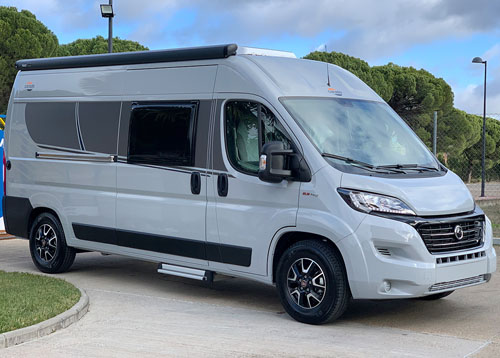
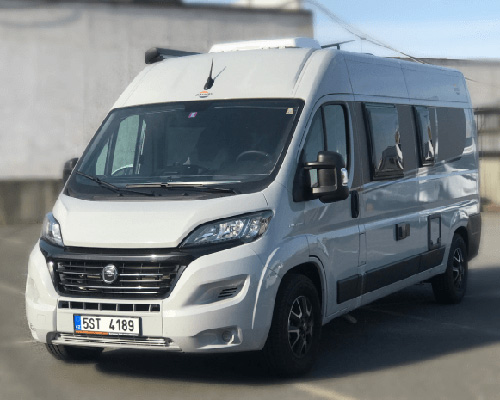
For Couples: Class B - Camper Van is an excellent choice. These camper vans, averaging 5.8 meters in length, are designed for 2-3 adults. Their compact size makes navigating Danish city streets and smaller roads much easier, offering better maneuverability and typical fuel efficiency of 8-10 Liters/100 km. With ample load capacity for luggage and supplies, they are perfect for a cozy adventure.
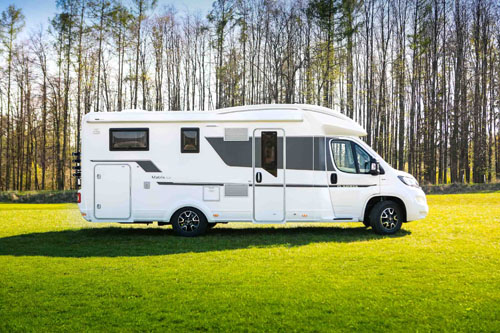
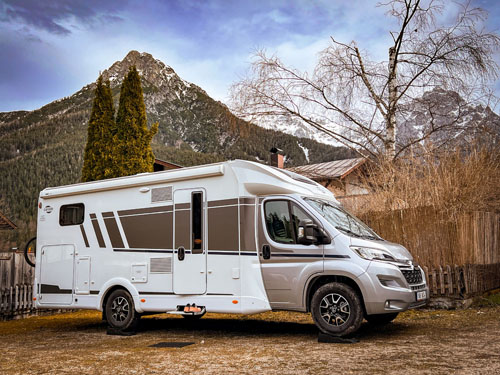
For Families: Class C - Alcove or Class SI - Semi-integrated motorhomes provide superior comfort and space. A Class C Alcove, averaging 7.5 meters, offers up to 5.8 sleeping places, ideal for families needing separate sleeping areas. Alternatively, a Class SI Semi-integrated model, averaging 6.9 meters, provides up to 3.8 sleeping places with a more streamlined profile. These options typically have fuel consumption around 10-12 Liters/100 km.
Consider Bandana's "Rent & Plan" service to simplify your trip. This service combines your RV rental with a ready-made itinerary crafted by travel experts, giving you full access to dedicated trip-planning software.
What are the detailed budget breakdowns for RV rental in Denmark, including hidden costs?
A comprehensive RV rental budget for Denmark includes not only the daily rental rate but also significant ancillary costs. These often overlooked expenses can include tolls, specific campsite fees, fuel, and attraction entry fees, making thorough planning essential. On the routes offered through RV PLANET routes, you can itemize and track every expense along the way for easy budgeting.
Rental rates fluctuate based on RV class, season, and rental duration, generally ranging from €80-150/day for smaller campervans to €150-300+/day for larger motorhomes. Booking well in advance is crucial to secure the best prices and availability.
Major infrastructure like the Great Belt Bridge (Storebæltsbroen) and Øresund Bridge come with substantial tolls. For instance, the Great Belt Bridge for RVs over 6 meters can cost upwards of €50 for a one-way crossing. Campsite fees across Denmark typically range from €25-50/night, with seasonal variations and amenities like electrical hookups influencing the final cost; expect higher prices during peak summer and at premium sites.
Fuel prices in Denmark are notably high. Budget generously for diesel, the most common RV fuel, noting that Bandana's fleet typically consumes 8-12 Liters/100 km depending on the RV class. Lastly, factor in attraction costs; popular sites like LEGOLAND or Tivoli Gardens can add significantly to a family's budget, making regional passes or the Copenhagen Card potentially valuable money-saving options.
What are the specific legal requirements for foreign RV drivers in Denmark?
Foreign RV drivers in Denmark primarily need a valid national driving license. An International Driving Permit (IDP) is recommended if your license is not from an EU/EEA country or isn't in English. It's also crucial to carry all necessary vehicle documentation and proof of insurance at all times.
A driving license from an EU/EEA country or one clearly in English is usually sufficient. However, an IDP is highly recommended for smoother interactions with authorities. Ensure you have your rental agreement, vehicle registration, and proof of comprehensive insurance readily accessible.
Mandatory road rules include driving on the right side of the road and keeping headlights on at all times. Strict seatbelt laws are enforced for all occupants, and speed limits vary: typically 50 km/h in urban areas, 80 km/h on rural roads, and up to 130 km/h on motorways, though lower limits often apply to larger RVs. Always observe posted weight restrictions, especially on smaller roads or bridges, though most standard rental RVs under 3.5 tons are generally exempt from special restrictions. Emissions stickers are typically not required for foreign vehicles entering Denmark.
It's important to note that Denmark has a strict legal blood alcohol limit of 0.5 per mille, so responsible driving is paramount.
How does 'wild camping' work in Denmark, and what are the alternatives?
Wild camping for RVs is generally not permitted in Denmark outside of specifically designated areas. For beginners, it's crucial to understand these strict regulations and rely on official alternatives like 'autocamperpladser' (motorhome pitches) and established campsites.
Unlike some Nordic countries with more permissive 'Allemannsretten' (right to roam), Denmark enforces strict laws against free camping for motorhomes on public land, in forests, or by beaches, with violations potentially leading to fines. Autocamperpladser are designated overnight parking spots, often found in towns and harbors, which are typically free or low-cost. They may provide basic services such as waste disposal and fresh water, sometimes with electricity for a small fee.
Denmark boasts an extensive network of high-quality campsites (campingpladser) offering a wide array of facilities and services, serving as the primary legal and most comfortable option for RV overnight stays. Many of these sites may require a Camping Card for access. Primitive 'shelter' sites, while offering basic facilities like toilets or fire pits, are primarily designed for tent campers and are generally not suitable for RVs.
How can I practice sustainability and eco-friendly RV travel in Denmark?
Practicing sustainability in RV travel in Denmark involves minimizing your environmental impact through responsible waste disposal, conserving resources, supporting local economies, and adhering to local eco-friendly practices. This approach ensures you leave a positive footprint on this beautiful country.
Utilize designated grey water and black water disposal stations found at campsites or autocamperpladser. Diligently separate your waste according to Denmark's excellent recycling facilities, and never dump wastewater into nature. Be mindful of your water and electricity consumption when hooked up at campsites; turn off lights when leaving and avoid leaving water running unnecessarily.
Minimize fuel consumption by driving at moderate speeds, maintaining proper tire pressure, and planning efficient routes. Bandana's camper vans, for instance, typically average 8-10 L/100km, contributing to a lower carbon footprint. Support local Danish communities by purchasing groceries from local markets, dining at local restaurants, and buying souvenirs from local artisans.
When exploring nature, stick to marked trails, avoid disturbing wildlife, and respect all signage in national parks to protect the pristine environment.
What are the regulations for pet travel in an RV in Denmark?
Traveling with pets into Denmark requires adherence to specific EU regulations, including microchipping, rabies vaccinations, and a pet passport or health certificate. Careful planning is also necessary for pet-friendly accommodations and activities throughout your RV journey.
All pets (dogs, cats, ferrets) entering Denmark from another EU country must have a valid EU pet passport detailing up-to-date rabies vaccinations and microchip information. Pets originating from non-EU countries require a health certificate and specific vaccination schedules. It's essential that pets are microchipped before their rabies vaccination is administered.
Dogs traveling from specific countries like the UK, Ireland, Finland, Malta, or Norway require tapeworm treatment administered by a vet 1-5 days before entry. Always check the latest regulations for your specific country of origin. Many Danish campsites are pet-friendly, but it's advisable to confirm availability and any potential extra fees in advance. Always keep dogs leashed and clean up after them meticulously.
While indoor attractions typically restrict pet access, many outdoor areas, beaches (with seasonal restrictions), and parks welcome leashed dogs. Researching local veterinary clinics along your route is also a wise precaution for any pet-related emergencies.
What are some off-the-beaten-path destinations and unique local experiences in Denmark?
Beyond popular spots like Copenhagen and LEGOLAND, Denmark offers numerous off-the-beaten-path destinations and unique local experiences, particularly in its lesser-known regions and islands. These discoveries often provide the most authentic cultural immersion.
- Lesser-Known Natural Wonders: Explore Møns Klint for its dramatic white chalk cliffs, the UNESCO World Heritage Wadden Sea National Park for exceptional birdwatching, or Cold Hawaii (Thy National Park) on Jutland's west coast for its rugged beauty and surfing opportunities.
- Regional Culinary Specialties: Sample fresh seafood and artisan cheeses in the South Funen Archipelago, taste traditional 'stjerneskud' on Jutland's West Coast, or savor smoked herrings on the picturesque island of Bornholm.
- Local Festivals: Seek out 'høstfester' (harvest festivals), traditional folk music events, or smaller Christmas markets outside Copenhagen for a genuine cultural immersion and a taste of local life.
- Unique Experiences: Join an oyster safari in the Limfjord during the colder months, consider sailing a replica Viking ship on Roskilde Fjord (in addition to visiting the excellent Viking Ship Museum), explore the charming Ærø Island by ferry, or visit small-scale local industries like craft breweries or glassblowers, as highlighted by Avi Bandana's picks.
How do I navigate Danish roads with different RV sizes?
Navigating Danish roads with an RV requires careful attention to your vehicle's size. Smaller campervans offer more flexibility for narrow village roads and city centers, while larger motorhomes are best suited for main routes and pre-planned RV parking.
Smaller Campervans, such as Bandana's Class B models (averaging 5.8 meters), are highly maneuverable. They fit easily into standard parking spaces and navigate narrow village streets without significant difficulty, while also being more fuel-efficient. Larger Motorhomes, like Bandana's Class C Alcove (averaging 7.5 meters) or Class SI Semi-integrated (6.9 meters), provide more living space but can be challenging for city driving. For these, parking in designated RV spots or out-of-town areas is often necessary.
When driving a larger RV, planning your parking ahead is crucial, especially in major cities like Copenhagen or Aarhus. Be aware that some historic areas or bridges might have height or weight restrictions. General advice includes strictly adhering to Denmark's well-enforced speed limits, looking for 'P-plads autocamper' signs for designated motorhome parking, and utilizing apps like Campercontact or Park4Night to find suitable spots.
For exploring major city centers, consider parking your RV on the outskirts and using public transport to navigate the core, which can significantly reduce driving stress and parking difficulties.
How can I integrate RV travel with other modes of transport in Denmark?
Integrating RV travel with other transport methods in Denmark, such as ferries, public transit, and bicycles, is highly effective. This approach allows for seamless exploration of islands, city centers, and scenic routes that are less accessible directly by a large vehicle.
Denmark's extensive ferry network is vital for island hopping to destinations like Ærø or Bornholm, and even for reaching Norway, as seen in the RVPlan "Hamburg Roundtrip." Booking RV ferry crossings well in advance is essential, especially during peak season, to secure space and potentially better rates. For major cities like Copenhagen, Aarhus, or Odense, it's strongly recommended to park your RV at a designated campsite or an out-of-town parking lot. Then, utilize Denmark's efficient public transport system (buses, trains, S-trains) to explore the city centers, avoiding the stress of driving and parking a large vehicle.
Denmark is exceptionally bicycle-friendly, boasting dedicated bike paths throughout the country. Many RVs can be equipped with bike racks, or bikes can be rented locally. This offers a fantastic, eco-friendly way to explore smaller towns, coastal areas, and natural parks from your parked RV base.
What are the seasonal considerations for RV trips in Denmark?
Seasonal considerations significantly impact RV trips in Denmark, influencing weather, road conditions, campsite availability, and access to attractions. The period from late spring to early autumn is generally considered the most popular and suitable for beginners.
- Spring (April-May): Offers milder temperatures (10-15°C) and increasing daylight hours. Many campsites begin opening, making it ideal for fewer crowds, though evenings can still be chilly.
- Summer (June-August): Features the warmest temperatures (18-25°C) and longest daylight hours, making it peak season for attractions and activities. Advance campsite bookings are highly recommended due to demand, and prices are typically higher.
- Autumn (September-October): Brings cooler temperatures (8-15°C), beautiful fall foliage, and fewer crowds. Many campsites start closing in October, but it's an excellent time for cultural visits and hiking, though packing layers for potential rain is wise.
- Winter (November-March): Characterized by cold temperatures (0-5°C), potential snow and ice, and very short daylight hours. This season is best suited for experienced RVers comfortable with limited services and who are prepared with winter tires or all-season (M+S) tires.
What You Shouldn't Miss
- LEGOLAND® Billund Resort: A magical experience for all ages, offering thrilling rides and creative building opportunities.
- The Old Town (Den Gamle By) in Aarhus: Step back in time in this open-air museum showcasing historic Danish town life.
- Egeskov Castle: Explore one of Europe's most beautiful moats castles, a fairytale setting on Funen Island.
- Møns Klint: Marvel at the dramatic white chalk cliffs on the island of Møn, offering stunning coastal views.
- Copenhagen's Historic Charm: From Nyhavn's colorful waterfront to the Little Mermaid statue and Tivoli Gardens, Denmark's capital offers endless discoveries.
- Viking History in Roskilde: Visit the Viking Ship Museum to learn about Denmark's seafaring past.
Final Thoughts
Embarking on your first RV rental in Denmark is an exciting adventure that promises unforgettable experiences. With careful planning and the right resources, you can navigate the beautiful Danish landscapes with ease and confidence. Remember to embrace the slower pace of travel, allowing yourself to truly connect with the culture, scenery, and local life.
By choosing Bandana Caravan, you gain access to a wealth of knowledge and a commitment to transparent, stress-free booking. We're here to help you find the perfect RV for your needs and provide the support to make your Danish RV journey a resounding success. Get inspired for your next trip and discover the freedom of the open road!
For ideas you can prep on the road, watch our RV-friendly recipes playlist on YouTube.