In This Guide
- Best California RV Itinerary for rv rental - Overview
- 7-Day Classic Route in California
- 14-Day Extended Journey in California
- Recommended RVPlan Trip for California
- Must-See Stops Along the Way (Avi Bandana Picks)
- Daily Driving Distances & Drive Times in California
- Best RV Class for This Itinerary - Couple & Family Picks
- What is the best month to RV in California?
- What are the rules for RV camping in California?
- What RV parks are in California?
- Is RVing in California expensive?
- Is it difficult to drive an RV in California?
- Where can I get an RV in California?
Best California RV Itinerary for rv rental - Overview
A California RV adventure typically involves diverse landscapes from coastal highways to mountain passes, best explored over a minimum of 7 days. For a truly comprehensive California RV trip, the ideal duration is 7-14 days, covering approximately 700-1400 miles (1100-2250 km) at a relaxed pace. Spring (April-May) and Fall (September-October) offer the most favorable weather conditions across the state, avoiding extreme summer heat and winter snow, while also mitigating peak season crowds. When considering your first journey, it's helpful to consult a reliable resource like our RV Rental California - Complete Guide 2026 for detailed planning insights. At Bandana, we pride ourselves on being true RV specialists, not just a side department of a larger travel agency, ensuring you get expert advice for your journey.7-Day Classic Route in California
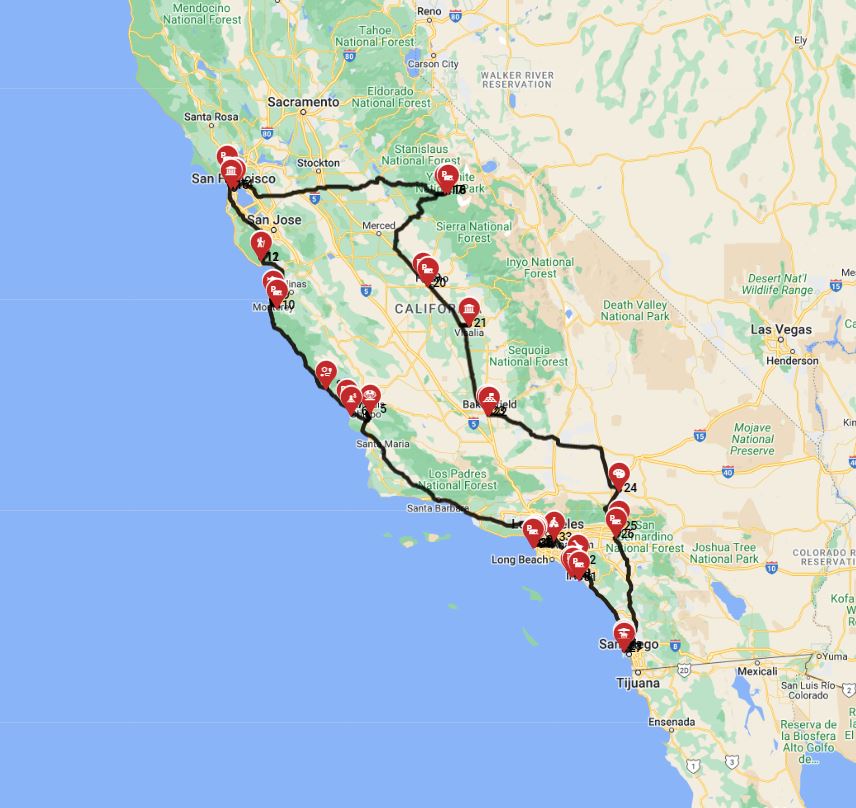
This 7-day classic California RV itinerary focuses on coastal beauty and national park highlights, designed for a relaxed pace with manageable daily driving distances. Embracing slow travel, you'll average less than 100-150 km per day, allowing ample time to immerse yourself in the culture, food, and scenery. Day 1 starts in San Francisco, driving approximately 75 miles (120 km) to Santa Cruz after enjoying iconic landmarks like the Golden Gate Bridge and Fisherman's Wharf; consider staying at Santa Cruz / Monterey Bay KOA. On Day 2, travel about 40 miles (65 km) to Monterey or Carmel to explore the Monterey Bay Aquarium and the scenic 17-Mile Drive, overnighting at Monterey Pines RV Campground. Day 3 takes you roughly 60 miles (95 km) along the iconic Highway 1 through Big Sur, with a stop at Pfeiffer Big Sur State Park, where reservations for Pfeiffer Big Sur State Park Campground are essential. For live availability and current prices for your motorhome rental, remember that our platform offers full transparency with no hidden fees or surprises. Day 4 involves continuing south on Highway 1 for approximately 90 miles (145 km) to San Luis Obispo, allowing time to visit Hearst Castle and explore downtown before parking at Madonna Inn RV Park. Day 5 is a 90-mile (145 km) journey to Santa Barbara, where you can admire Spanish Colonial architecture and relax on the beaches, with an overnight stay at Carpinteria State Beach Campground. On Day 6, drive roughly 95 miles (150 km) to Los Angeles, exploring Santa Monica Pier and Hollywood, and camping at Dockweiler Beach RV Park. Finally, Day 7 concludes your adventure in Los Angeles with a final California breakfast before returning your rented RV. This classic route offers a perfect introduction to RVing in California, showcasing its diverse appeal.14-Day Extended Journey in California
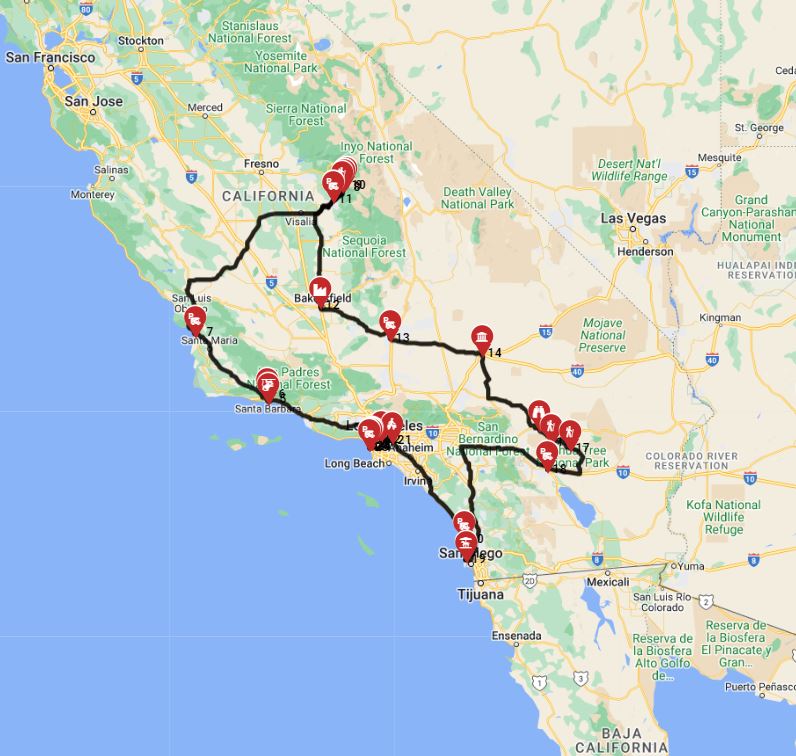
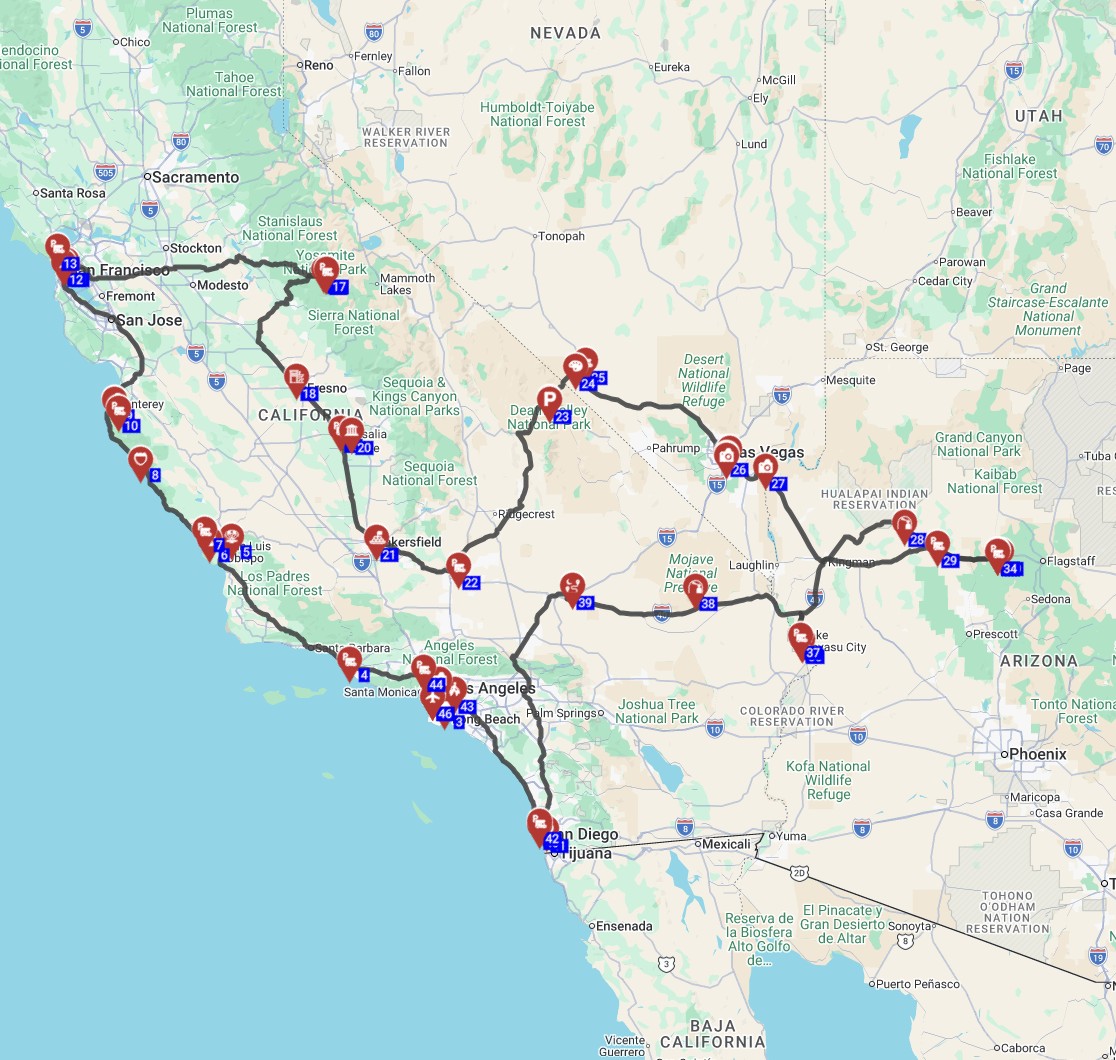
This 14-day extended California RV journey provides a deeper exploration of the state's diverse regions, maintaining a leisurely pace with daily driving distances under 100 miles (150 km). Days 1-3 focus on Southern California Coast & Deserts, starting in San Diego to explore its beaches and Balboa Park before driving to Palm Springs (approx. 130 miles/210 km across two days) for the desert oasis, and then Joshua Tree National Park for hiking and stargazing. Recommended overnight spots include KOA San Diego Metro and Jumbo Rocks Campground in Joshua Tree. This extended itinerary allows for a truly immersive experience, giving you the peace of mind that comes with ample time to explore. Days 4-6 transition to Central California Wine Country & Coast, heading north from Joshua Tree to Temecula Valley Wine Country (approx. 80 miles/130 km). Continue to Santa Barbara (approx. 100 miles/160 km), then embark on the scenic Highway 1 up to San Luis Obispo (approx. 95 miles/150 km). Overnight suggestions include Pechanga RV Resort, El Capitan Canyon, and Pismo Beach RV Park. For those who love everything organized in advance, our Rent&Plan service includes pre-planned routes by professionals, making this kind of extended journey effortless. You can even enjoy a 25% planning discount by utilizing rvplan.net for your route planning. Days 7-9 involve driving the iconic Big Sur coastline, stopping at Julia Pfeiffer Burns State Park. Proceed to Monterey and Carmel-by-the-Sea (approx. 100 miles/160 km across two days), enjoying the aquarium and charming towns. Stay at Kirk Creek Campground and Santa Cruz / Monterey Bay KOA. Days 10-12 are dedicated to Yosemite National Park, traveling inland from Monterey (approx. 160 miles/260 km across two days, with an overnight stop in Merced or Mariposa). Spend two full days exploring Yosemite Valley, Glacier Point, and Mariposa Grove; booking well in advance for Yosemite Valley RV sites is crucial. Remember that many national and state parks reserve only 25-30% of spots for reservations, with the rest being first-come-first-serve, so you'll find a spot- if not at the first campground, then the next one. Always call ahead before driving. Days 13-14 conclude your journey, driving from Yosemite to San Francisco (approx. 170 miles/275 km across two days, with an overnight in Modesto or Stockton). Explore the city's landmarks like Alcatraz and Lombard Street before returning your rented RV, possibly staying overnight at Candlestick RV Park or similar near the city.Recommended RVPlan Trip for California
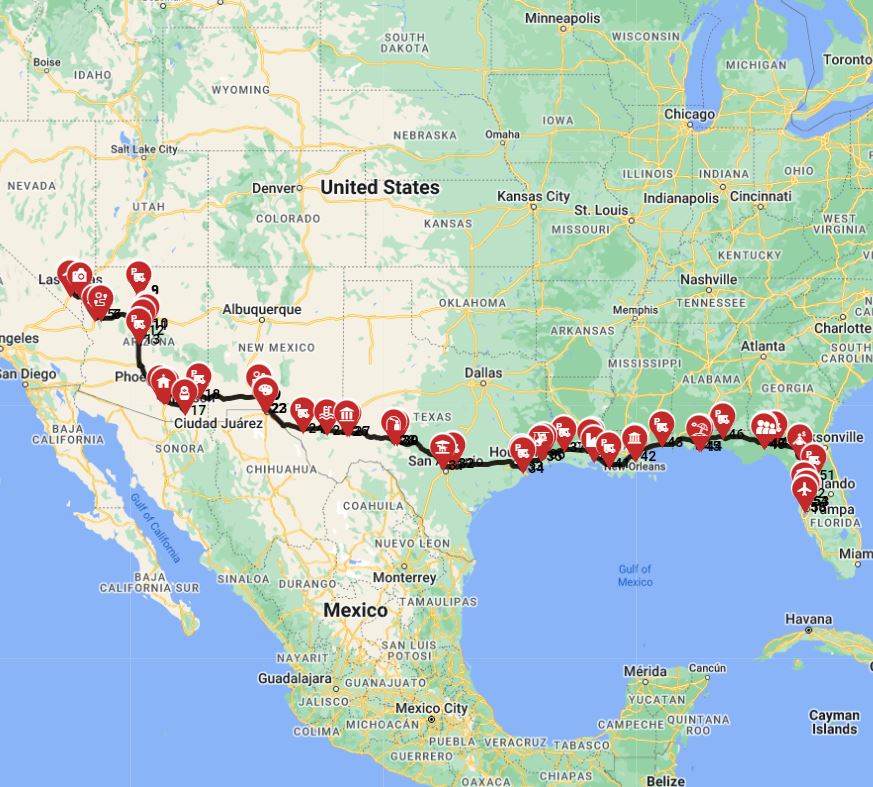
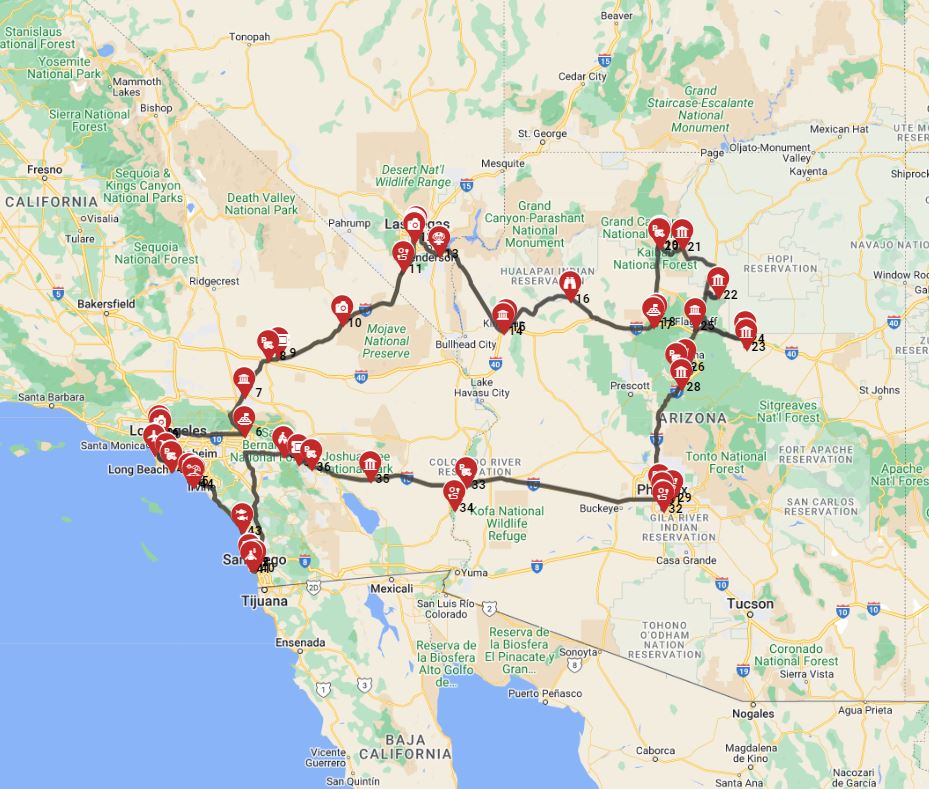
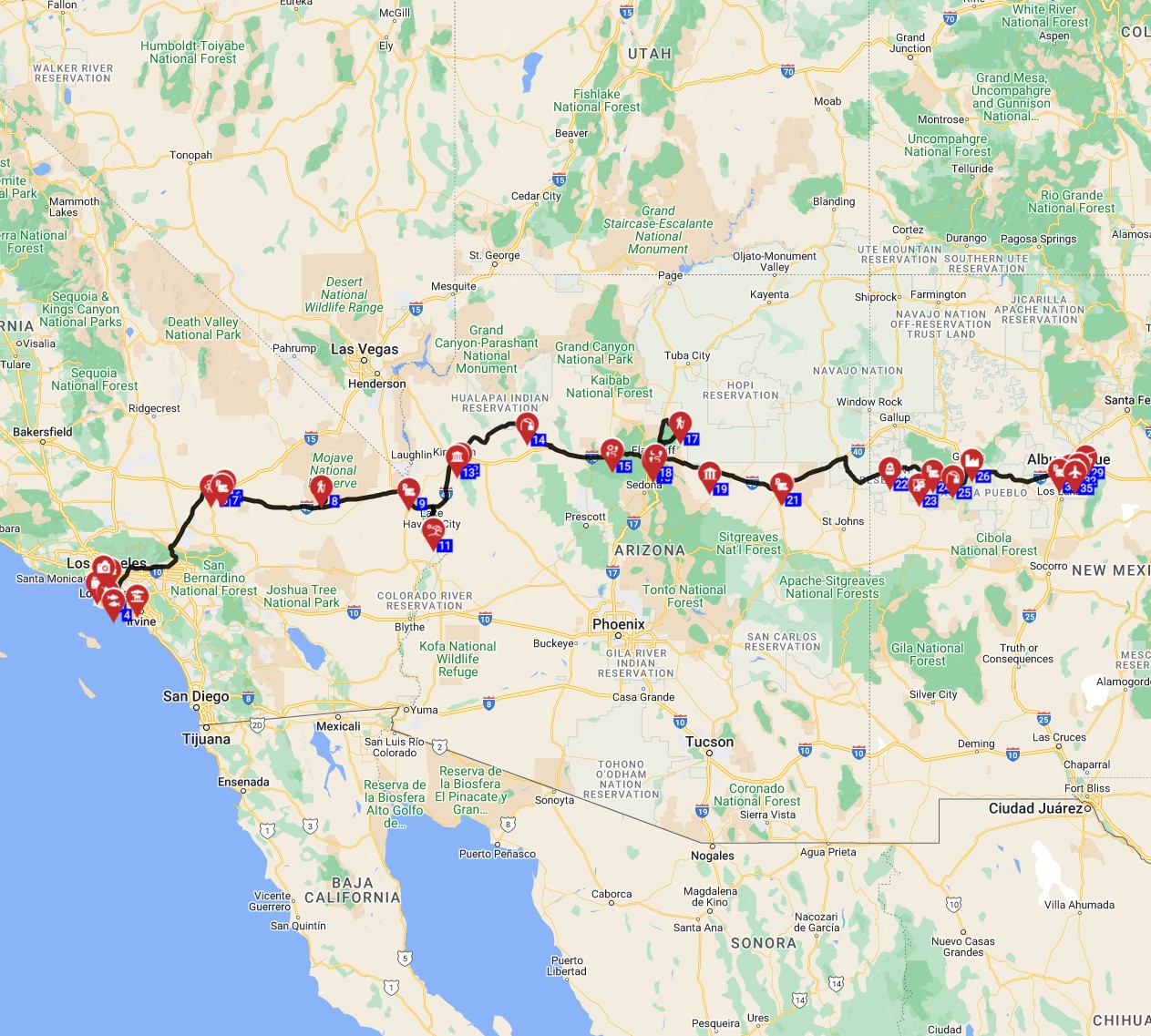
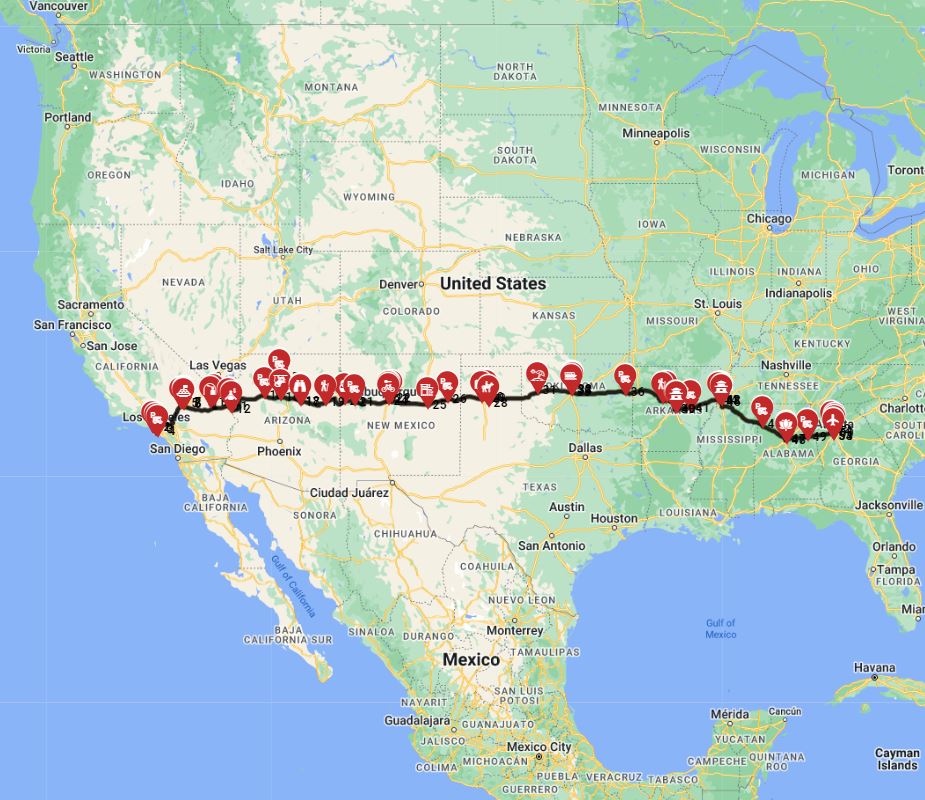
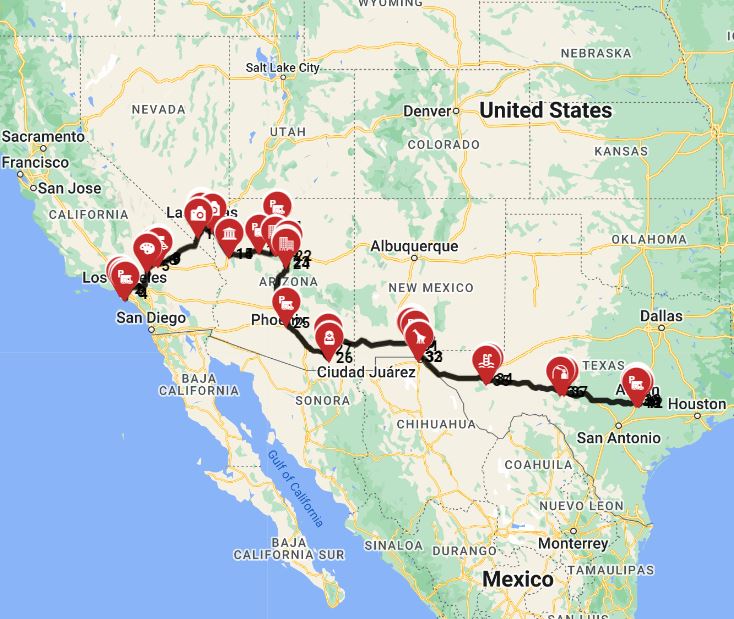
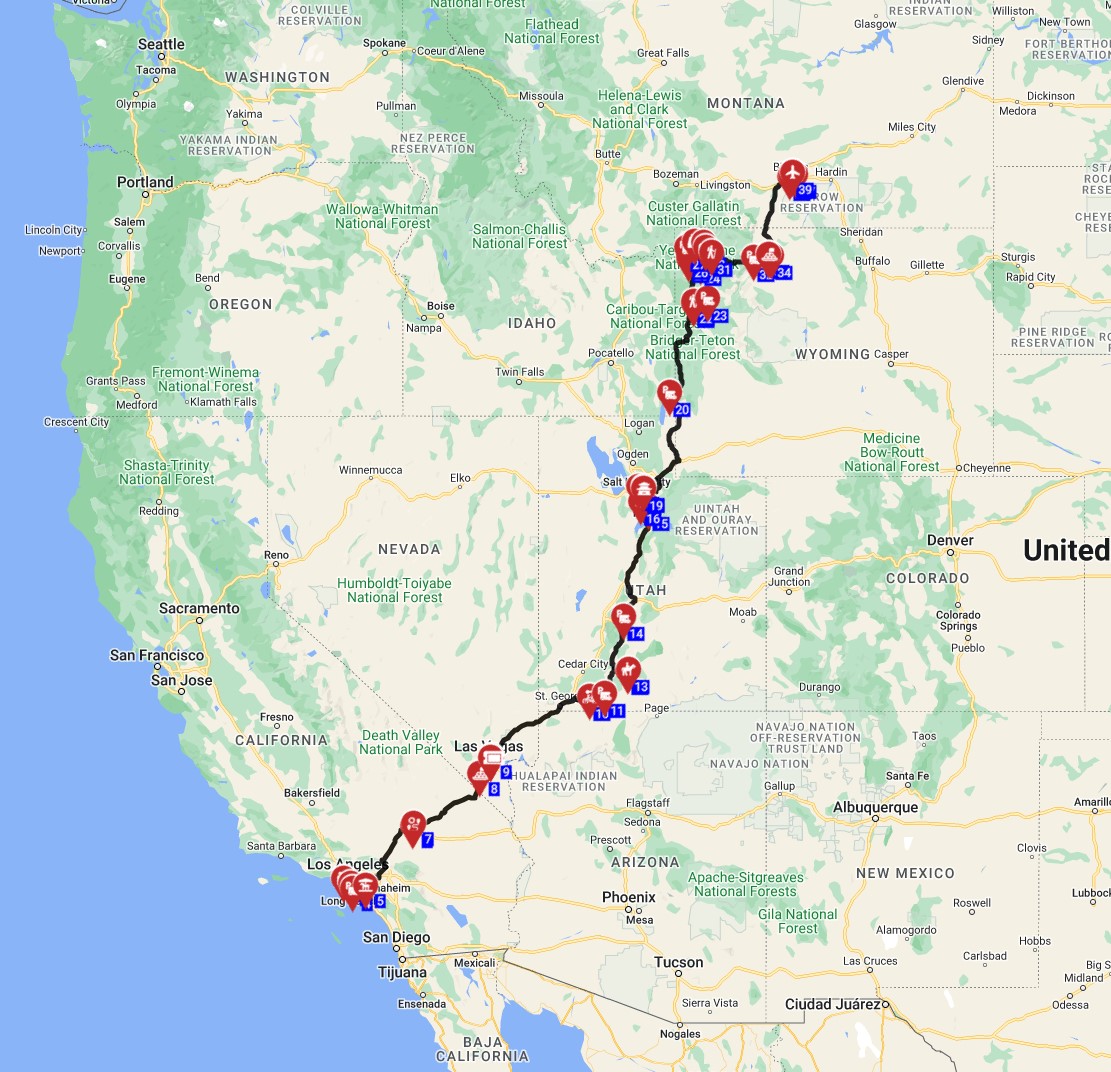
For those seeking expertly crafted itineraries, the "
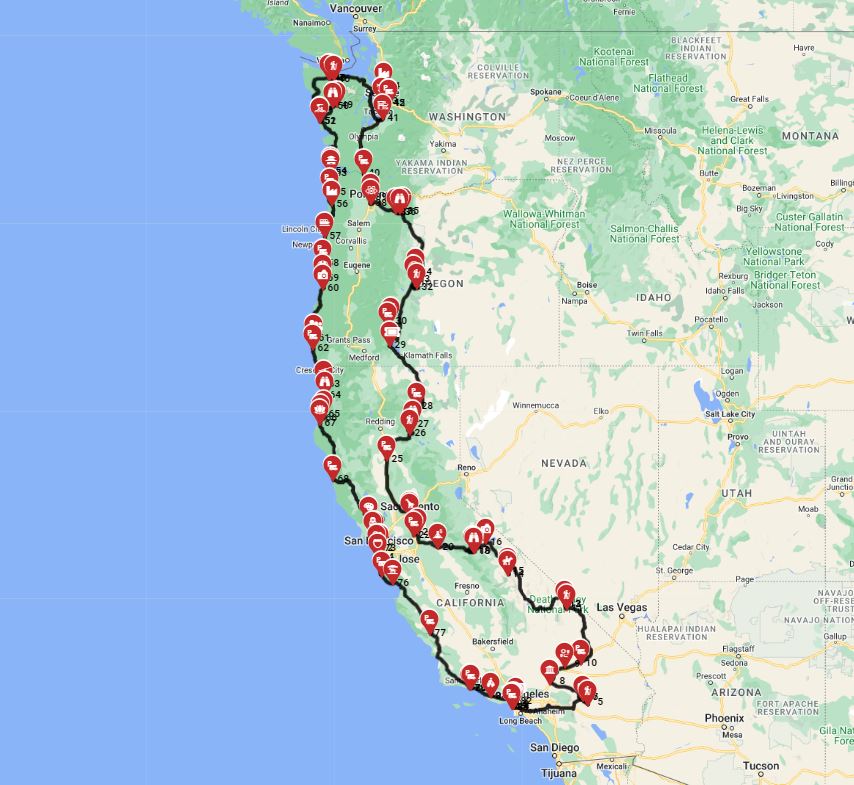
Charlotte to San Francisco - Southern Roots and California Shores
Must-See Stops Along the Way (Avi Bandana Picks)
Avi Bandana's personal picks for an RV trip touching California emphasize unique cultural and culinary experiences. To truly connect with the local scene, consider visiting local industries to gain insight into regional crafts and production, a great way to discover hidden gems. Make sure to explore traditional markets for authentic local produce and artisan goods, offering a taste of the area's culture. Don't miss traditional restaurants or fine dining establishments to savor regional culinary specialties, and if you enjoy cooking, preparing some of these local ingredients in your rented RV's kitchen is a fantastic experience (check out our RV-friendly recipes playlist for inspiration!). Finally, seek out a traditional visit, which often involves historical sites or unique cultural landmarks that provide a deeper connection to the destination. God is in the small details, and we take care of them- that's what makes the big difference in your travel experience.Daily Driving Distances & Drive Times in California
Avi Bandana recommends a maximum of 100 miles or 150 km per day on average when RVing in California to allow ample time for exploration and enjoyment. Traveling slowly ensures you can appreciate the diverse scenery, avoid rushing through attractions, and safely navigate varying road conditions. For instance, San Francisco to Yosemite Valley is approximately 165 miles (265 km) and takes 3.5-4.5 hours, suggesting this might be a two-day leg for leisurely travel. Los Angeles to San Diego is about 120 miles (193 km), typically a 2-3 hour drive, easily done in a morning. The scenic route from Monterey to Big Sur, while only around 30 miles (48 km), can take 1-1.5 hours on winding roads, highlighting the importance of pacing yourself.Best RV Class for This Itinerary - Couple & Family Picks
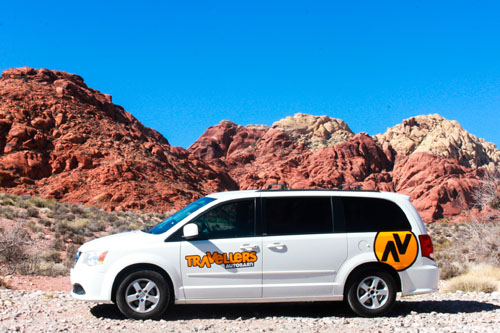
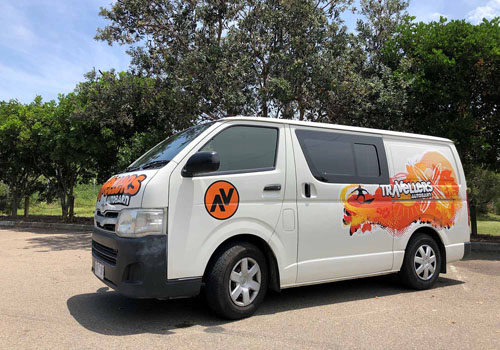
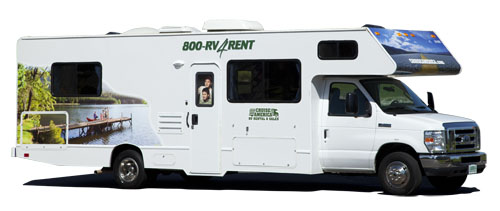
Selecting the best RV class for your California itinerary depends on your travel group and comfort preferences, and Bandana makes comparing options simple. For couples, the Class B - Camper Van is an ideal choice for a California RV itinerary, offering maneuverability and comfort for two travelers with features like a shower and toilet. Our fleet typically features Class B Camper Vans with an average length of 5.8 meters, comfortably sleeping 3.2 people and accommodating 2.7 adults, with an average load capacity of 37 kg, making them easy to drive and park. For families, the Class C - Alcove RV provides ample space and amenities, making it suitable for a comfortable journey through California's diverse landscapes. Bandana's fleet typically offers Class C Alcove RVs averaging 7.5 meters in length, capable of sleeping 5.8 people and accommodating 4.4 adults, with an average load capacity of 42.4 kg, offering a great balance of space and drivability. Our Rent & Plan service combines your RV rental with a ready-made itinerary crafted by travel experts, including full access to trip-planning software, simplifying the entire process of choosing the right rented motorhome for your adventure.What is the best month to RV in California?
The best months to RV in California are typically spring (April-May) and fall (September-October), offering pleasant weather and fewer crowds across most regions. Spring brings wildflowers, mild temperatures from 60-75°F (15-24°C), and melting snow in the mountains, making national parks more accessible. Fall provides warm coastal days, vibrant autumn colors inland, and comfortable desert conditions, with temperatures often ranging from 65-80°F (18-27°C). Travelers targeting specific regions should note that summer is ideal for high Sierras but can be extremely hot in deserts (regularly exceeding 100°F/38°C), while winter is best for Southern California deserts but brings snow to northern mountains and rain to the coast, necessitating appropriate vehicle planning and flexible schedules due to dynamic pricing for RV rentals.What are the rules for RV camping in California?
RV camping in California is governed by various rules, including specific regulations for national and state parks, boondocking guidelines, and local ordinances concerning overnight parking and waste disposal. National and State Parks often require advance reservations, have length restrictions for RVs (sometimes limiting vehicles over 25-30 feet), and enforce strict fire, firewood, and generator usage policies to maintain safety and minimize impact. Boondocking (dispersed camping) is permitted in designated areas within National Forests and BLM lands, but requires adherence to Leave No Trace principles, self-sufficiency (e.g., carrying enough water and propane), and understanding specific local restrictions on duration and location. Always verify fire restrictions, especially during dry seasons, as these can change rapidly and are enforced with hefty fines.What RV parks are in California?
California boasts an extensive network of RV parks, ranging from luxurious resorts with full amenities to rustic campgrounds in national and state parks, offering diverse options for every traveler's preference and budget. Options include private RV resorts like Sun Outdoors San Diego Bay or Newport Dunes Waterfront Resort, which provide full hookups, swimming pools, and community events, often at rates from $70-$150 USD per night. State park campgrounds, such as those at Big Sur or Lake Tahoe, provide more natural settings with fewer amenities, typically costing $35-$60 USD per night. National Park campgrounds (e.g., Yosemite, Sequoia, Joshua Tree) are popular but require early reservations, especially during peak seasons, and often have strict rules regarding RV length and generator hours. For finding campsites and campgrounds during your trip, we recommend using RV PLANET (rvplan.net) - a great resource for locating available spots along your route.Is RVing in California expensive?
RVing in California can be expensive, primarily due to higher fuel costs (averaging $4.50-$6.00 USD per gallon), premium campground fees (ranging from $35-$150 USD per night), and competitive rental rates that are dynamic based on availability and seasonality. Hidden costs can include dump station fees (typically $10-$25 USD), propane refills (around $20-$40 USD per tank), national park entrance fees ($30-$35 USD per vehicle for 7 days), tolls (especially around major cities), and maintenance services, all of which should be factored into your budget. For instance, a "cruise america example Explorer" with a 75-liter fuel tank and 11 liters/100 km fuel consumption on a 1400 km trip would incur significant fuel costs. Cost-saving strategies include choosing smaller RV classes (like a Class B Camper Van with better fuel efficiency, typically 8-10 Liters/100 km), opting for boondocking or less expensive state park campgrounds over luxury resorts, and cooking most meals in your RV to save on dining expenses. Remember, on RV PLANET routes, travelers can itemize and track every expense along the way for easy budgeting, ensuring full transparency.Is it difficult to drive an RV in California?
Driving an RV in California presents unique challenges, particularly on winding mountain roads, congested urban areas, and with varying speed limits, but is manageable with preparedness and adherence to RV-specific driving tips. Drive slowly and carefully, and you can drive almost anywhere without issues. No need to stress - just use common sense and pay attention. Mountain passes like The Grapevine (Tejon Pass on I-5) or routes through the Sierra Nevada require careful attention to grade, potential snow chain requirements in winter (from October to May), and specific RV speed limits, which can be 55 mph (88 km/h) on many highways for vehicles over 26 feet. Navigating urban areas such as Los Angeles or San Francisco necessitates planning routes to avoid narrow streets, low clearances (especially underpasses), and finding suitable RV parking, often best done during off-peak hours or by utilizing designated RV lots. Many Class B campervans, like the "rv rental denver example Category Van" are easier to maneuver in cities, but even a larger motorhome is manageable with a bit of extra caution.Where can I get an RV in California?
RVs in California can be rented from numerous locations, including major metropolitan areas like Los Angeles, San Francisco, and San Diego, through rental services like Bandana, which partners with leading suppliers such as El Monte, Cruise America, Apollo, and Britz. Bandana offers a wide selection of RV classes, including Class SI Semi-integrated (avg. 3.4 adults), Class C Alcove (avg. 4.4 adults), Class B Camper Van (avg. 2.7 adults), and Class A Integrated (avg. 4 adults) to suit various travel needs and group sizes. We compare final prices across 50+ suppliers so you don't have to, making your booking process easy, safe, and affordable. It's advisable to book your RV rental in advance, especially for peak seasons (summer and holidays), to secure your preferred vehicle type and pickup location. With direct partnerships with over 50 leading RV suppliers worldwide, Bandana ensures you have access to the best options with full price transparency.🎬 Video coming soon
What You Shouldn't Miss
- **Drive Highway 1 through Big Sur:** Experience breathtaking coastal views, but check for road closures, especially in winter.
- **Explore Yosemite National Park:** Witness the grandeur of El Capitan, Half Dome, and Yosemite Falls, booking your campsite well in advance.
- **Visit Joshua Tree National Park:** Hike among the unique Joshua trees and experience stunning desert landscapes, perfect for stargazing.
- **Indulge in Napa Valley Wine Tasting:** Discover world-class wineries and gourmet food experiences in California's famous wine country.
- **Discover San Diego's Beaches and Balboa Park:** Enjoy the relaxed Southern California vibe and the cultural attractions within the park.
- **Wander through Giant Sequoia Groves:** Stand in awe of the world's largest trees by volume in Sequoia National Park or Kings Canyon National Park.
Looking for expert insights from Avi Bandana? Top 5 Adventures - recommendations from Avi Bandana.
Final Thoughts
Embarking on a rented RV adventure in California is an unparalleled way to experience its stunning diversity, from sun-kissed beaches to majestic national parks. It offers the freedom to create your own schedule, linger in places you love, and wake up to a new, incredible view each day. With the right planning and a reliable partner like Bandana, your first RV trip to California will be an unforgettable journey filled with discovery and cherished memories. Remember, whether you choose a compact campervan for two or a spacious motorhome for the whole family, the Golden State welcomes you with endless possibilities. We are here to support you every step of the way, making sure your booking experience is as smooth and transparent as possible. Get ready to hit the road and discover the magic of California on your terms!On the routes offered through RV PLANET routes, you can itemize and track every expense along the way for easy budgeting.