In This Guide
- Best Botswana RV Itinerary for RV Rental Beginners — Overview
- 7-Day Classic Route in Botswana
- 14-Day Extended Journey in Botswana
- Recommended RVPlan Trip for Botswana
- Must-See Stops Along the Way (Avi Bandana Picks)
- Daily Driving Distances & Drive Times in Botswana
- Best RV Class for This Itinerary — Couple & Family Picks
- What do I need to know before going to Botswana?
- Is it safe to self drive in Botswana?
- What is the best month to visit Botswana?
- How much does it cost to rent a car in Botswana?
- What side of the road do you drive on in Botswana?
- What is the best way to travel around Botswana?
- What is the best time of year to visit Chobe National Park?
- How many days do you need for Botswana?
Best Botswana RV Itinerary for RV Rental Beginners — Overview
Embarking on an RV adventure in Botswana offers an unparalleled opportunity for first-time renters to immerse themselves in some of Africa's most spectacular wildlife and landscapes. For those new to RV travel, a well-planned itinerary is key to a smooth and unforgettable experience. This comprehensive guide details recommended itineraries, vehicle choices, and essential travel tips tailored for beginners, ensuring you can navigate Botswana's unique environments with confidence and comfort. The minimum recommended duration for an RV trip in Botswana is 7 days to truly appreciate the country's highlights, though extending this to 10-14 days allows for a more relaxed pace and deeper exploration. The best season for travel, offering the most favorable conditions for RVing, is during the dry season, typically from May to October. Throughout your journey, remember to embrace the spirit of slow travel, aiming for maximum daily driving distances of around 150 km (approximately 100 miles) to fully savor the experiences along the way. We encourage you to explore the diverse options available through RV PLANET routes, which can help you map out your adventure seamlessly.
7-Day Classic Route in Botswana
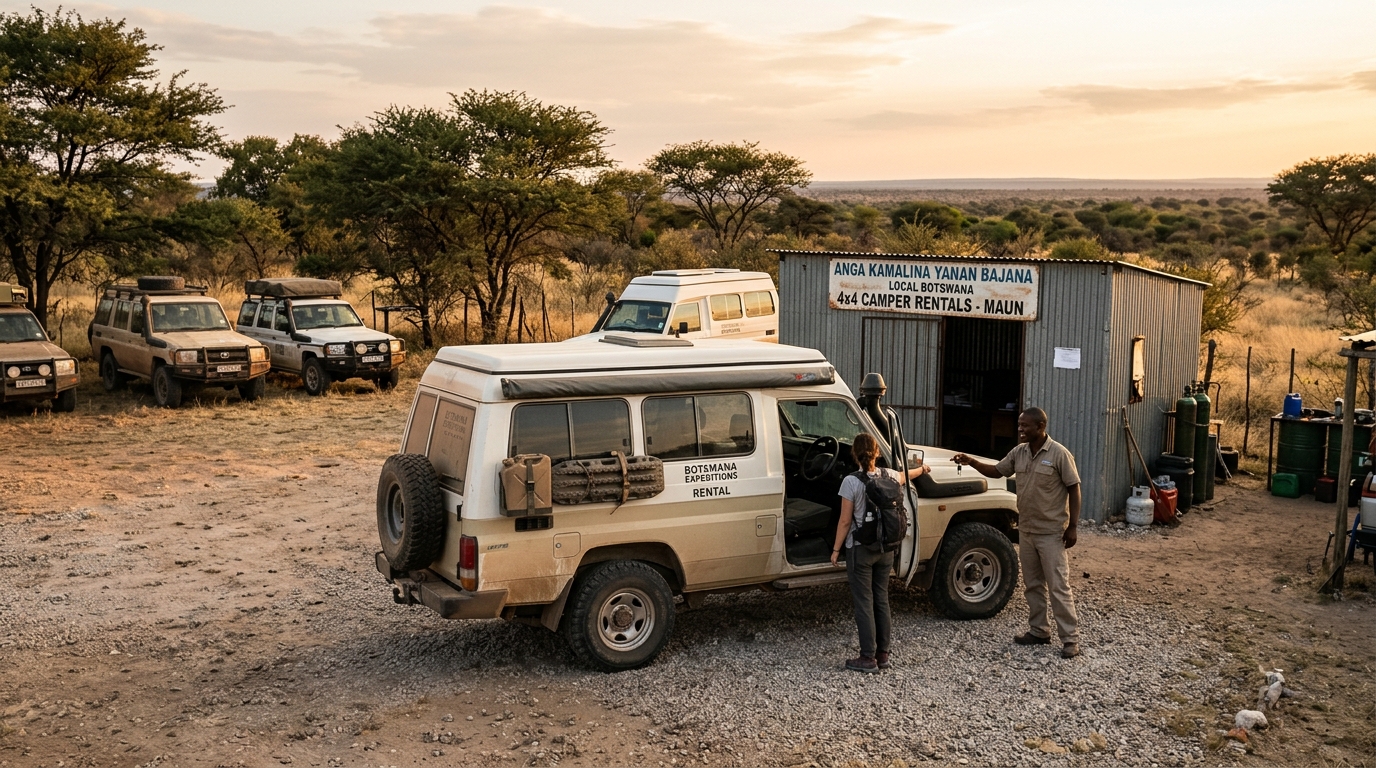
A classic 7-day RV itinerary for beginners in Botswana is carefully crafted to focus on the iconic northern parks, offering an immersive wildlife experience while adhering to manageable daily driving distances. This route typically starts from Maun, often considered the gateway to the Okavango Delta. RV rentals in Botswana are best handled through specialist platforms like Bandana RV, ensuring you get a vehicle suited for the terrain. For live availability and current prices, start with our RV Rental Botswana - Complete Guide 2026 guide.
Day 1: Arrive Maun, RV Pick-up & Provisions (0 km): Begin by collecting your rented RV in Maun. Spend the day familiarizing yourself with your vehicle and stocking up on essential supplies, groceries, and water from local supermarkets. Find a comfortable campsite near Maun to rest and prepare for the days ahead. On the routes offered through RV PLANET routes, you can itemize and track every expense along the way for easy budgeting.
Day 2: Maun → Okavango Delta Fringe (approx. 50 km): A short drive from Maun will take you towards the Okavango Delta's fringes. While direct RV access into the delta is limited, you can arrange for scenic flights over the delta or traditional mokoro (dugout canoe) trips from camps located on the delta's edge. Stay at a designated campsite near Maun or on the delta's periphery.
Day 3: Okavango Delta Fringe → Moremi Game Reserve (Third Bridge) (approx. 100-150 km): Today, head into the renowned Moremi Game Reserve, known for its incredible biodiversity and pristine wilderness. Be aware that many roads within Moremi require a 4x4 RV; ensure your rental is equipped for these conditions. Aim for a campsite like Third Bridge, offering a true wilderness experience.
Day 4: Explore Moremi Game Reserve (approx. 50-100 km game drives): Dedicate the full day to game drives within Moremi, exploring its diverse ecosystems, from mopane woodlands to open floodplains. Keep an eye out for lions, leopards, wild dogs, and a plethora of birdlife. You can stay at Third Bridge or relocate to another popular campsite like Xakanaxa.
Day 5: Moremi → Savuti (Chobe National Park) (approx. 100-150 km): Journey towards the Savuti region within Chobe National Park, an area famous for its high concentration of predators and the mysterious Savuti Channel. This leg of the trip often involves challenging sandy tracks, reinforcing the need for a capable 4x4 RV. Overnight at a Savuti campsite.
Day 6: Savuti → Kasane (Chobe National Park) (approx. 150 km): Travel to Kasane, the gateway to the Chobe Riverfront section of the park, celebrated for its massive elephant herds and abundant wildlife. Enjoy a final game drive or opt for a renowned boat cruise on the Chobe River for a different perspective. Secure a campsite in the Kasane area.
Day 7: Depart Kasane (0 km): Depending on your flight schedule, you might have time for a final morning activity before returning your RV and departing from Kasane. This itinerary provides a fantastic introduction to Botswana's premier wildlife destinations, perfect for first-time RV adventurers.
14-Day Extended Journey in Botswana
An extended 14-day RV journey through Botswana allows beginners to delve deeper into its diverse landscapes, combining the northern wildlife circuits with cultural sites and unique geological wonders in the central and western regions. This longer duration provides more flexibility and time for spontaneous stops, truly embracing the spirit of RV exploration. If you're considering a longer adventure, our RV Rental in Botswana - Prices and Best Deals 2026 guide offers valuable insights into budgeting and booking.
Northern Parks & Delta (Days 1-7): Follow the 7-Day Classic Route as outlined above, starting from Maun and exploring the Okavango Delta fringe, Moremi Game Reserve, Savuti, and finally Kasane.
Central & Western Exploration (Days 8-14):
Day 8: Kasane → Nata (approx. 300 km): After exploring Chobe, undertake a longer drive on tarred roads, transitioning from the north towards the central salt pan region. The drive to Nata is more straightforward, offering a good opportunity to cover distance. Stay at a campsite like the Nata Bird Sanctuary, known for its excellent birdwatching opportunities.
Day 9: Nata → Makgadikgadi Pans (e.g., Kubu Island) (approx. 100-150 km): Experience the stark, otherworldly beauty of the Makgadikgadi Pans. Access to areas like Kubu Island typically requires a 4x4 RV and careful planning, but the reward is an incredible sense of isolation and vastness, perfect for stargazing. Plan your overnight stay at a designated pan campsite.
Day 10: Makgadikgadi Pans → Maun (approx. 200 km): Head back towards Maun, allowing for resupply, vehicle checks, and some relaxation after your pan exploration. This also provides a good break before heading further west.
Day 11: Maun → Tsodilo Hills (approx. 300 km): Embark on a significant drive to the Tsodilo Hills, a UNESCO World Heritage Site renowned for its ancient San rock art and cultural significance. This area requires a 4x4 RV. If you prefer shorter driving days, consider an overnight stop near Gumare en route.
Day 12: Explore Tsodilo Hills: Dedicate the day to exploring the rock art sites with local guides, gaining profound cultural insights and understanding the deep history of the San people. Stay another night at the Tsodilo Hills campsite.
Day 13: Tsodilo Hills → Ghanzi (approx. 250-300 km): Journey through the Kalahari landscape towards Ghanzi, a region known for its San Bushman culture and unique desert flora and fauna. Opt for a campsite in the Ghanzi area, such as Thakadu Camp, for an authentic cultural experience.
Day 14: Ghanzi → Maun / Depart (approx. 250 km): Conclude your Botswana RV adventure by returning to Maun for RV drop-off and your departure. This extended itinerary offers a more comprehensive taste of Botswana's incredible natural and cultural heritage.
Recommended RVPlan Trip for Botswana
While specific RVPlan trips tailored to Botswana are still developing, adventurous travelers seeking RV rentals in Botswana are encouraged to leverage Bandana's comprehensive 'Rent & Plan' service. This service combines your RV rental with expertly curated itineraries, providing access to trip-planning software designed to simplify logistics. This approach is ideal for first-time RVers, removing the complexity of route planning and ensuring a seamless self-drive safari experience.
Must-See Stops Along the Way (Avi Bandana Picks)
Beyond the iconic national parks, Avi Bandana recommends seeking out unique local experiences in Botswana to foster deeper cultural immersion that goes beyond traditional wildlife viewing. These picks offer a more authentic connection to the country and its people.
- Tsodilo Hills: This UNESCO World Heritage site is a treasure trove of ancient San rock art, offering a profound connection to history and culture. Engaging with local guides here provides invaluable context and personal stories.
- Gcwihaba Caves (Drotsky's Caverns): For those interested in natural wonders, exploring these magnificent geological formations in a remote part of the Kalahari offers a truly unique and adventurous experience away from the typical safari routes.
- Makgadikgadi Pans: Witness the stark beauty and immense scale of the world's largest salt pans. Opportunities for quad biking, interacting with local communities, and experiencing unparalleled stargazing make this a memorable stop.
- Local Villages around Ghanzi: Seek direct engagement with San Bushman communities for authentic cultural exchanges, including learning about traditional tracking, foraging, and storytelling. These interactions offer profound insights into ancient ways of life.
- Maun & Kasane Local Markets: Immerse yourself in the daily rhythm of Batswana life by visiting these vibrant local markets. Observe commerce, find unique souvenirs, and support local artisans and industries, adding a tangible connection to your journey.
Looking for expert insights from Avi Bandana? Check out our Top 5 Adventures for more recommendations!
Daily Driving Distances & Drive Times in Botswana
For a truly immersive and enjoyable RV experience in Botswana, Avi Bandana recommends a maximum average of 100 miles (approximately 150 km) per day. This slower pace is crucial, allowing ample time for unhurried game viewing, rest breaks, and accommodating unexpected discoveries or delays. Botswana's varied road conditions, ranging from well-maintained tar roads to challenging deep sand and mud tracks within national parks, necessitate this approach.
Example Drive Time Estimates:
- Maun to Moremi South Gate (approx. 100 km): Expect this journey to take 2-3 hours due to gravel and sandy tracks, requiring careful 4x4 driving.
- Savuti to Kasane (approx. 150 km): This route can take 4-6 hours, involving challenging sandy sections and potential water crossings, demanding advanced vehicle operational knowledge for 4x4 RVs.
- Nata to Maun (approx. 300 km): Primarily on tar roads, this journey typically takes 3-4 hours, offering a smoother and faster driving experience compared to park tracks.
Best RV Class for This Itinerary — Couple & Family Picks
Selecting the right RV class for your Botswana adventure is crucial for comfort and capability, especially considering the country's diverse and often challenging terrains. Bandana Caravan offers a range of options perfectly suited for both couples and families.
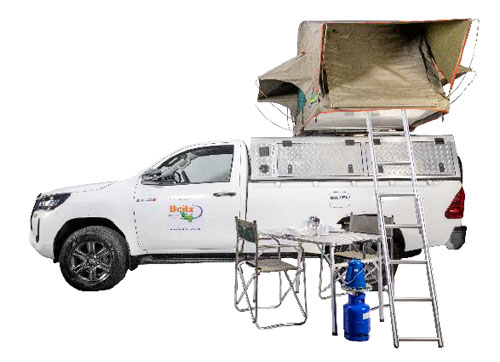
Ideal for Couples: Class B - Camper Van
Bandana's Class B Camper Vans, such as the Alaska RV Rental example Category B, are highly recommended for couples seeking a nimble yet comfortable RV experience. These units typically average around 5.8 meters in length, making them exceptionally maneuverable on narrower tracks and easier for beginners to handle. Often available with 4x4 capability, they provide an efficient and capable base camp, perfect for navigating national parks and more remote areas.
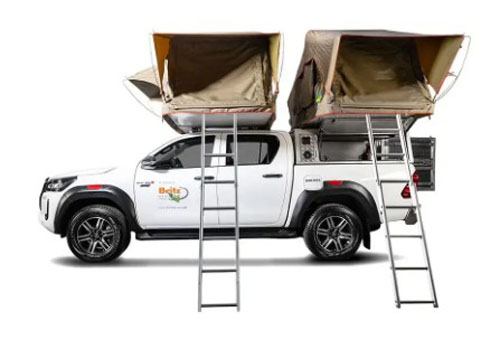
Ideal for Families: Class C - Alcove
For families, Bandana's Class C Alcove RVs, like the Cruise America RV Rental example Explorer, offer the optimal blend of space and functionality for a Botswana safari. These vehicles average about 7.5 meters in length and provide ample living and sleeping areas, often accommodating up to 6 people. This ensures comfortable travel and rest for the entire family, and many models are available with robust 4x4 features essential for tackling Botswana's challenging road conditions. For a truly hassle-free experience, consider Bandana's 'Rent & Plan' service, which combines your chosen RV rental with a meticulously designed itinerary, giving you full access to trip-planning software and removing the headache of complex logistics.
What do I need to know before going to Botswana?
Before embarking on an RV adventure in Botswana, it is essential to prepare for unique challenges that ensure a safe and enriching experience. These include understanding remote travel needs, specific health precautions, advanced vehicle requirements, and cultural etiquette.
Vehicle Preparation: Many key routes and national park roads require 4x4 RVs. Familiarize yourself with advanced driving techniques for sand and mud, essential basic field repairs, and the proper use of recovery gear. Ensuring your solar power management system is robust is also advisable for off-grid camping.
Health & Safety: Consult your doctor for malaria prophylaxis well in advance of your trip. Consider comprehensive travel insurance that includes emergency evacuation. Due to limited cell service, carrying a satellite phone for remote areas is vital. A well-stocked first-aid kit is non-negotiable.
Connectivity: Expect very limited to no cell service or Wi-Fi outside major towns. Developing communication strategies, such as relying on satellite phones or pre-arranged check-ins with contacts, is crucial for safety and managing expectations.
Border Crossings: Research visa requirements for your nationality and specific vehicle import/export procedures for RVs well in advance, as these can be complex and require meticulous documentation.
Responsible & Sustainable Travel: Adhere strictly to ethical wildlife viewing guidelines, maintaining safe distances and never feeding animals. Implement rigorous waste management practices (pack it in, pack it out) and practice water conservation, especially in sensitive ecosystems.
RV-centric Packing: Include essentials like water purification tablets, extra fuel and water storage containers, specific cooking equipment suitable for an RV kitchen, appropriate clothing for diverse weather conditions, high-quality binoculars, and robust navigation tools, including offline maps and a GPS device. For ideas you can prep on the road, watch our RV-friendly recipes playlist on YouTube.
Cultural Sensitivity: Learning basic Setswana greetings and understanding local customs and community protocols will enhance your interactions. Actively seek opportunities for in-depth cultural immersion.
Is it safe to self drive in Botswana?
Self-driving in Botswana is generally safe for experienced RVers who are well-prepared for its rugged conditions and remote travel. It offers unparalleled freedom and adventure, provided proper precautions, advanced vehicle readiness, and specific driving skills are observed. For detailed insights into planning your self-drive safari, our RV Rental Deals in Botswana - Latest Offers 2026 guide is a great resource.
Road Conditions: Many roads within national parks like Moremi and Chobe are characterized by deep sand, gravel, or are prone to flooding during the wet season, necessitating a 4x4 RV and proficiency in sand and mud driving techniques. Understanding vehicle operational advice is paramount.
Wildlife Encounters: Drive with extreme caution, particularly at dawn, dusk, and night, as wildlife frequently roams on and near roads. Always maintain safe distances during encounters and never approach dangerous animals.
Navigation: Carry reliable GPS devices with offline maps and supplement with physical maps. Road marking can be poor, and cellular signal is often absent in remote areas; a satellite phone is highly recommended for emergencies and communication.
Vehicle Maintenance: Basic field repair knowledge and carrying essential spare parts, such as two spare tires, fuel filters, and recovery gear, are advisable due to the long distances between service points.
Security: Exercise standard precautions, such as avoiding night driving in urban areas, securing valuables, and remaining aware of your surroundings.
Fuel & Water: Always carry sufficient supplies of both fuel and water, as availability is sparse in remote regions, and distances between filling stations can be considerable.
What is the best month to visit Botswana?
The dry season, spanning from May to October, is widely considered the best time to visit Botswana for RV travelers. This period offers optimal wildlife viewing, generally pleasant weather, and more accessible road conditions, making it ideal for self-drive adventures. The Week RV Rental in Botswana - Pricing 2026 guide can help you plan your trip within this optimal window.
Dry Season (May-October):
- Wildlife: Animals congregate around shrinking water sources, such as the Chobe River and Okavango Delta, making them easier to spot and observe.
- Roads: Roads are generally drier and more navigable, although deep sand in areas like Moremi and Chobe still requires robust 4x4 RV capabilities.
- Weather: Expect warm, sunny days with cool, crisp nights, providing perfect conditions for camping and outdoor activities. Rain is minimal during this period.
- Opportunities: Birdwatching is excellent as resident species are active, and the clear skies offer fantastic opportunities for stargazing, particularly in remote areas like the Makgadikgadi Pans.
Wet Season (November-April):
- Challenges: Heavy rains can lead to flooded roads and park closures, making RV travel challenging or impossible in certain areas. Malaria risk is also higher.
- Opportunities: The landscape becomes lush and green, offering spectacular migratory birding and the chance to see newborn animals. However, these conditions present specific challenges for RVers, including more prominent water crossings for 4x4 RVs.
How much does it cost to rent a car in Botswana?
The cost of renting an RV or 4x4 vehicle in Botswana varies significantly based on the vehicle type, rental duration, season, and included equipment. Typically, expect to budget between $150 to $400+ USD per day for a basic 4x4 camper, with fully equipped 4x4 RVs at the higher end of this spectrum. For detailed cost breakdowns, our RV Rental in Botswana - Prices and Best Deals 2026 guide is a valuable resource.
Factors Affecting Cost: Vehicle class (e.g., Class B Camper Van vs. Class C Alcove), 4x4 capability, included amenities (camping gear, recovery kit), comprehensive insurance, and potential one-way rental fees all influence the final price.
What's Often Included: Basic insurance, a limited number of kilometers, and standard camping equipment are typically part of the rental package. Always confirm the specifics with your rental provider.
Additional Costs to Budget For: A significant portion of your budget will be allocated to national park fees, campsite fees (which can be substantial), and fuel. Given the distances and the fuel consumption of 4x4 vehicles (typically 10-17 liters/100 km for Bandana's global fleet average), fuel is a considerable expense. Additional insurance, satellite phone rental, and cross-border permits (if applicable) should also be factored in.
While the upfront cost of an RV rental might seem high, the self-drive RV experience in Botswana offers unparalleled flexibility, access to remote areas, and can provide significant savings compared to fully guided lodge safaris, especially for groups or longer durations. It represents excellent value for an immersive adventure.
What side of the road do you drive on in Botswana?
In Botswana, all vehicles drive on the left-hand side of the road, a common practice in Southern Africa. This is a crucial detail for international RV renters to remember. Accordingly, the steering wheel in rental vehicles will typically be on the right side of the vehicle.
International drivers accustomed to right-hand driving should exercise extra caution, particularly at intersections, roundabouts (remembering to give way to traffic from the right), and when overtaking, until they are fully acclimatized to the local driving rules. If you're planning a trip that includes other Southern African countries, our RV Rental Africa - Complete Guide 2026 can offer broader insights into regional driving customs.
What is the best way to travel around Botswana?
For adventurous beginners, self-driving an RV or 4x4 camper is arguably the best way to travel around Botswana. This method offers unparalleled flexibility, freedom to explore at your own pace, and direct access to remote wilderness areas and cultural sites that are often inaccessible by other means. It truly supports in-depth cultural immersion and local community interaction.
RV/4x4 Self-Drive: This provides the ultimate freedom to follow diverse itinerary options that go beyond traditional wildlife safaris. You can explore cultural sites like Tsodilo Hills, geological wonders such as the Makgadikgadi Pans and Gcwihaba Caves, and unique local towns. It allows for deeper exploration and more meaningful local community engagement.
Guided Safaris: These offer convenience and expert knowledge but are typically less flexible, more expensive, and often confined to specific lodge routes, limiting spontaneous exploration.
Fly-in Safaris: Ideal for time-constrained travelers seeking luxury and quick access to specific high-end lodges, these safaris lack the self-exploration, local interaction, and overland adventure elements of an RV trip.
Public Transport: This option is generally limited and not suitable for safari travel within national parks or accessing remote attractions.
What is the best time of year to visit Chobe National Park?
The best time to visit Chobe National Park for optimal wildlife viewing, particularly its renowned elephant herds along the Chobe River, is during Botswana's dry season, from May to October. This period offers the most rewarding wildlife encounters and pleasant conditions for RV travel.
Dry Season (May-October):
- Wildlife Concentration: This is when vast herds of elephants, buffalo, and other animals congregate along the Chobe Riverfront due to the scarcity of water elsewhere, providing spectacular viewing opportunities.
- Activities: Boat cruises on the Chobe River are particularly rewarding during these months, offering unique perspectives of wildlife from the water. Game drives are also excellent.
- Road Conditions: Roads within the park are drier and more accessible, though sandy tracks still necessitate robust 4x4 capabilities for RVs.
- Temperatures: Warm days and comfortably cool nights make for pleasant camping and safari conditions.
Wet Season (November-April):
- Challenges: Roads can become challenging or even impassable due to heavy rains, and wildlife disperses further inland as water becomes more available, making spotting them harder.
- Opportunities: The landscape is lush and green, and birdwatching is exceptional, presenting a different, though more challenging, experience for RVers prepared for the specific conditions of the wet season.
How many days do you need for Botswana?
For first-time RV renters in Botswana, a minimum of 7 days is recommended to adequately experience a classic safari route, allowing for a focused exploration of the northern parks. For a more comprehensive and immersive journey that includes cultural highlights and geological wonders, 10-14 days is ideal, providing ample time without feeling rushed. If you're looking for deeper dives into specific regions or a more relaxed pace, planning for more than 14 days is highly beneficial.
- 7 Days: Sufficient for a focused exploration of the northern parks like the Okavango Delta, Moremi, and Chobe, offering a concentrated wildlife experience.
- 10-14 Days: This duration is ideal for combining the northern parks with central regions like the Makgadikgadi Pans or western areas such as Tsodilo Hills and Ghanzi, allowing for richer cultural and geological experiences.
- More than 14 Days: Recommended for a slower travel pace, enabling deeper exploration of specific areas, incorporation of lesser-known gems, and providing more time for relaxation and unexpected discoveries.
What You Shouldn't Miss
- Experience the thrill of a sunrise game drive in Moremi Game Reserve, known for its predator sightings.
- Take a mokoro (dugout canoe) trip on the Okavango Delta's channels for a unique perspective of the wildlife and ecosystem.
- Embark on a boat cruise on the Chobe River in Kasane to witness massive elephant herds and diverse birdlife.
- Explore the ancient San rock art sites at Tsodilo Hills, a UNESCO World Heritage site offering deep cultural insights.
- Witness the vast, silent expanse of the Makgadikgadi Pans, especially magical during sunrise or under a blanket of stars.
- Engage with local San communities in Ghanzi for authentic cultural exchanges, learning about their traditions and way of life.
For expert recommendations from Avi Bandana, check out our curated guides on must-see destinations and adventures across Africa!
Final Thoughts
Renting an RV for your Botswana adventure is a gateway to experiencing the country's raw beauty and incredible wildlife up close. By planning carefully and choosing the right vehicle, you can navigate the diverse landscapes with confidence.
Remember to embrace the slow travel ethos, allowing yourself time to connect with the environment and the local culture. The freedom and flexibility of an RV allow for spontaneous detours and deeper immersion, creating memories that last a lifetime. Bandana Caravan is here to support you in every step of your planning, ensuring your Botswana RV journey is as seamless and inspiring as possible.
Get inspired for your next trip! Discover top destinations, planning tips, all in one place! Plan a trip itinerary in advance with minimal effort and maximum enjoyment.