For live availability and current prices, start with our RV Rental Zambia - Complete Guide 2026 guide.
In This Guide
- Can You Drive an RV in Zambia? License & Age Rules
- Road Conditions & Terrain in Zambia
- RV Size Limits, Bridges & Restricted Zones
- Fuel: Diesel vs. Petrol & Cost per 100 km
- Tolls, Vignettes & Border Rules
- Driving Tips for RV Rental Beginners Travelers
- Recommended RV Class for Zambia Roads
- Should I Choose a Compact Van Instead of a Large RV in Zambia?
- Can I Park Anywhere? Free & Wild Camping Rules in Zambia
- Can I Drive an RV Into the City Center? Heights, Tunnels & Local Signage
- What are the RV-specific practical logistics for Zambian roads and borders?
- How do seasonal road conditions impact RV accessibility in Zambia's national parks?
- Where can RVs camp in Zambia? Facilities & Wild Camping
- How much does an RV trip in Zambia cost? Budgeting for fuel, fees, and repairs
- What are essential RV safety and security protocols for Zambia?
- How to manage food, water, and waste during an RV trip in Zambia?
- What cultural etiquette should RVers observe in Zambia?
Can You Drive an RV in Zambia? License & Age Rules
Driving an RV in Zambia is permissible with the correct documentation and adherence to local regulations. A valid national driver's license is required for operating any rented RV in Zambia; for foreign nationals, an International Driving Permit (IDP) is highly recommended as it translates your license, simplifying interactions with local authorities.
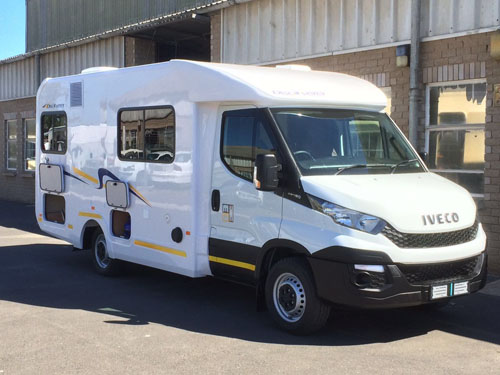
For RV rental beginners in Zambia, it's important to note that most Bandana partner fleet vehicles, such as Class B Camper Vans (typically around 5.8m in length) and Class SI Semi-integrated RVs (around 6.9m in length), generally fall under a standard B-category driver's license, provided their Gross Vehicle Mass (GVM) is below 3.5 tonnes. The minimum age for RV rental in Zambia typically ranges from 21 to 23 years, although some rental providers may have a higher minimum age of 25 for specific larger vehicle classes to ensure driver experience.
Road Conditions & Terrain in Zambia
Zambian road conditions present a varied landscape, from well-maintained tarred highways on major corridors, such as the T1 and T2 routes, to extensive networks of dirt, gravel, and sandy tracks, particularly prevalent in rural areas and within national parks. For RV rental beginners, it's essential to anticipate corrugated surfaces, potholes, and, especially during the wet season (typically November to April), potentially muddy or flooded sections that necessitate slower speeds and careful navigation.
Embracing a slow, scenic driving pace is key not only for safely navigating the often challenging terrain but also for truly appreciating Zambia's diverse landscapes and abundant wildlife. This approach aligns perfectly with a relaxed RV travel style, allowing for more spontaneous stops and a deeper connection with the environment.
RV Size Limits, Bridges & Restricted Zones
While Zambia does not impose widespread explicit RV size limits on its primary road network, drivers of larger motorhomes, such as Bandana's Class C Alcove RVs averaging 7.5m in length, should exercise caution on narrower village roads, specific national park tracks, or when traversing older infrastructure. Low bridges are uncommon on primary routes, but all drivers should remain vigilant for signage indicating specific height or weight restrictions, particularly on secondary roads or at river crossings.
Certain national park areas or remote river pontoon crossings may have practical limitations or specific recommendations regarding vehicle dimensions and weight, which could impact accessibility for very large RVs. Always consult with your rental provider for any specific route advice related to the vehicle size you intend to rent.
Fuel: Diesel vs. Petrol & Cost per 100 km
The majority of RVs available for rent, including most of Bandana's global fleet across Class SI, C, B, A, and TC categories, operate on diesel fuel. Diesel is widely available in Zambian towns and cities, though service stations can be sparse in more remote regions, making it crucial to refuel whenever possible.
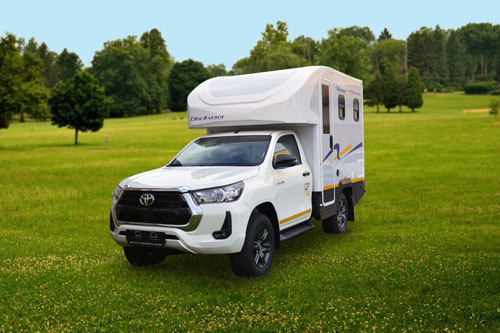
Fuel consumption for Bandana's fleet typically ranges from 8-10 Liters/100 km for Class B Camper Vans to 12-17 Liters/100 km for Class TC Truck Campers, with Class SI Semi-integrated RVs averaging 10-11 Liters/100 km and Class C Alcove RVs averaging 10-12 Liters/100 km. Assuming an estimated average diesel price of ZMW 25 per liter (note: actual prices vary and are subject to change), the fuel cost per 100 km for an RV in Zambia could range from approximately ZMW 200 (for Class B) to ZMW 425 (for Class TC), emphasizing the need for robust fuel budgeting. On the routes offered through RV PLANET routes, you can itemize and track every expense along the way for easy budgeting.
It is highly advisable to refuel whenever possible, especially before entering remote areas, and some rental companies may offer fuel discount cards or similar perks with certain RV rentals.
Tolls, Vignettes & Border Rules
Zambia utilizes a system of toll gates on its major highways, requiring payment upon passage, rather than a widespread vignette system specifically for RVs. For cross-border travel to neighboring countries, meticulous documentation is crucial, including the RV's original registration papers, a letter of authority from the rental company permitting international travel, comprehensive insurance, and potentially a Carnet de Passage or temporary import permit for the vehicle.
As specific regional data for Zambia on detailed toll costs, vignette requirements, or intricate border rules was not provided in the research brief, it is always best to confirm current requirements directly with your rental provider and the relevant border authorities well in advance of your trip to ensure a smooth transition.
Driving Tips for RV Rental Beginners Travelers
When driving an RV in Zambia, prioritize defensive driving techniques and maintain slower speeds, particularly on unpaved roads and when encountering wildlife, which is common on Zambian routes, especially near national parks. It is strongly advised to avoid driving at night, as visibility is severely reduced, and hazards such as pedestrians, unlit vehicles, livestock, and active wildlife pose significant risks.
Plan your route with ample buffer time, accounting for slower travel speeds on varied road conditions, and aim to reach your designated campsite or destination well before dark. Always carry essential emergency supplies, including extra water, a fully inflated spare tire, a basic toolkit, and a reliable means of communication (a satellite phone is advisable for very remote regions). Familiarize yourself with local traffic laws, such as yielding to traffic from the right at unmarked intersections, and always show respect towards local drivers and pedestrians.
Recommended RV Class for Zambia Roads
For navigating Zambia's diverse road network, Bandana's Class B Camper Vans (averaging 5.8m in length) and Class SI Semi-integrated RVs (averaging 6.9m in length) are generally recommended for their optimal balance of maneuverability, comfort, and suitability for varied terrain. These classes offer a good compromise between space and ease of handling.
Class B Camper Vans, typically consuming 8-10 Liters/100 km, offer a more compact size that is advantageous for narrower tracks and accessing smaller, more secluded campsites, while still providing essential amenities. Class SI Semi-integrated RVs provide more spacious living quarters and amenities for longer journeys, with fuel consumption typically around 10-11 Liters/100 km, making them well-suited for main roads and well-maintained gravel tracks. While specific ground clearance figures are not detailed, these RV types generally offer sufficient capability for most accessible Zambian routes during the dry season; for extensive wet season travel or very challenging off-road conditions, specialized 4x4 RVs may be required.
Should I Choose a Compact Van Instead of a Large RV in Zambia?
For RV rental beginners in Zambia, choosing a compact van (such as Bandana's Class B Camper Vans, averaging 5.8m) over a larger RV primarily offers enhanced maneuverability on narrower tracks and potentially slightly better fuel efficiency (8-10 Liters/100 km compared to 10-12 Liters/100 km for larger classes). This can be particularly beneficial in more remote areas or national parks with tighter road conditions.
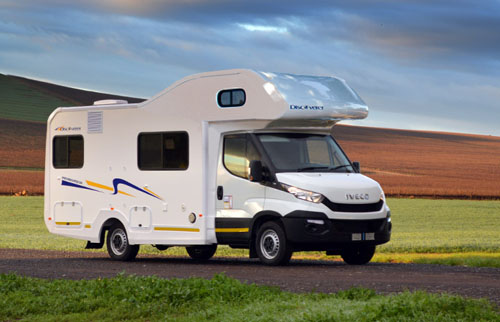
However, larger RVs (like Bandana's Class SI Semi-integrated or Class C Alcove models, averaging 6.9m and 7.5m respectively) often provide significantly more indoor space, comfort, and amenities, which can be a substantial benefit for longer trips or larger groups. Zambia's road infrastructure generally accommodates a range of RV sizes on major routes and in designated campsites, meaning the added comfort and facilities of a larger RV frequently outweigh the marginal maneuverability benefits of a compact van for extended travel.
Can I Park Anywhere? Free & Wild Camping Rules in Zambia
Wild camping for RVs in Zambia is generally discouraged and often illegal outside of designated areas due to safety concerns (including wildlife encounters), land ownership issues, and a lack of facilities for waste disposal. Prioritizing safety and legality is paramount for any RV adventure.
The safest and most legal options for RV camping include established campsites within national parks, private lodges that offer specific 'overland' or community camping facilities, and commercial campgrounds. These designated sites typically provide essential amenities such as water points, ablution blocks (showers, toilets), and often electricity and waste disposal points, which are crucial for comfortable RV living and environmental responsibility. Always research and book campsites in advance, especially during peak season, to ensure availability and secure preferred locations.
Can I Drive an RV Into the City Center? Heights, Tunnels & Local Signage
Yes, RVs can generally be driven into Zambian city centers such as Lusaka or Livingstone, as there are typically no widespread height or weight restrictions explicitly preventing access for standard RVs. Drivers should, however, remain vigilant for local signage indicating specific height limits (rare for common RVs in Zambia), narrow street restrictions, or particular parking regulations, especially in older commercial or residential districts.
Finding suitable and secure parking for an RV in busy city centers can be challenging due to space limitations. Therefore, planning to park on the outskirts and utilizing public transport or taxis for city exploration is often a practical alternative. Always rely on visible signage and common sense for safe navigation within urban environments.
What are the RV-specific practical logistics for Zambian roads and borders?
Successfully navigating Zambian roads and borders in an RV requires meticulous planning for vehicle suitability. It's particularly important to opt for models with good ground clearance, like Class B or SI RVs, for unpaved roads and potentially 4x4 capability if planning extensive remote travel or visiting during the wet season.
For border crossings, ensure all documentation is in order: original vehicle registration, a letter of authority from the rental company permitting international travel, valid comprehensive insurance, and any required temporary import permits or a Carnet de Passage for the vehicle. Preparation should also include carrying essential spare parts, a comprehensive tool kit, extra essential fluids, and recovery gear, as roadside assistance can be limited in remote areas. Familiarize yourself with local traffic laws, road etiquette, and available emergency services to ensure smooth and compliant travel.
How do seasonal road conditions impact RV accessibility in Zambia's national parks?
Seasonal changes drastically influence RV accessibility in Zambia's national parks, with the dry season, typically from May to October, generally offering the best and safest travel conditions for RVs. During this period, dirt roads are mostly firm and graded, making most national parks accessible for various RV types, including Bandana's Class SI and Class B units.
Conversely, the wet season (November to April) transforms many roads into challenging muddy tracks, potentially rendering numerous national park areas and remote routes impassable for all but specialized 4x4 vehicles. Planning RV travel during the dry season is highly recommended for beginners to maximize park access, avoid difficult driving conditions, and prevent potential delays from flooded roads or pontoon closures. Always check current conditions before heading into parks, especially if traveling near the end or beginning of the rainy season.
Where can RVs camp in Zambia? Facilities & Wild Camping
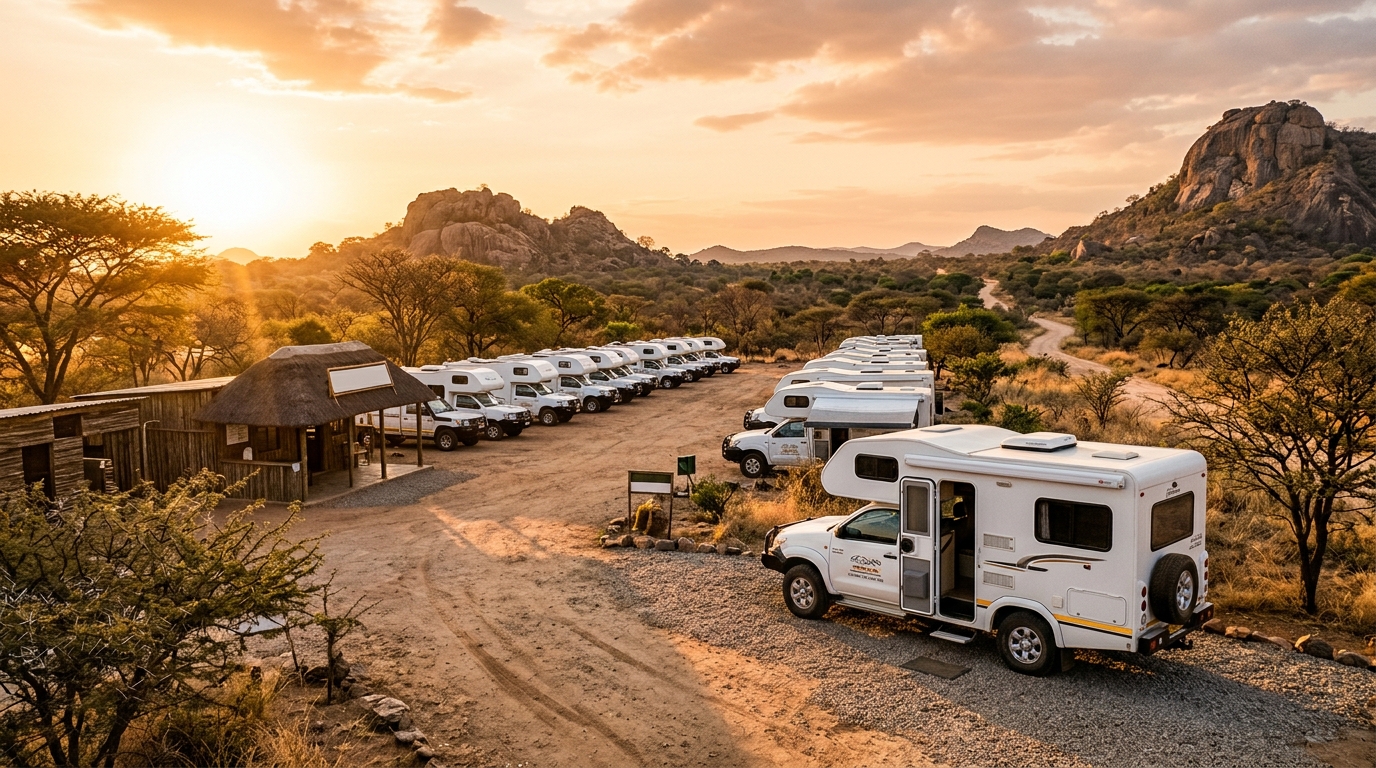
RVs in Zambia primarily utilize designated camping facilities, including established sites within national parks (such as South Luangwa and Lower Zambezi), private lodges offering 'overlander' sites, and community-run campsites. These official sites typically provide essential amenities such as potable water points, ablution blocks (showers and toilets), and waste disposal facilities, which are crucial for comfortable RV living and environmental responsibility.
Wild camping is generally not permitted or advisable in Zambia due to prevalent safety concerns, including wildlife encounters, issues of land ownership, and the absence of proper waste management facilities. It's always best to err on the side of caution and utilize designated campgrounds. Researching and booking campsites in advance, especially during peak season, is highly recommended to ensure availability and secure preferred locations.
How much does an RV trip in Zambia cost? Budgeting for fuel, fees, and repairs
A realistic budget for an RV trip in Zambia must encompass daily RV rental fees, significant fuel costs (e.g., 10-12 Liters/100 km for common RV classes from Bandana's fleet), national park entry fees, and camping fees. National park entry fees typically include charges per person (often USD 25-30 per day for non-residents) and a separate fee for the vehicle, which can vary by park and vehicle type.
Camping fees at designated sites range widely depending on location and facilities, from basic community campsites to fully serviced lodge sites, typically costing USD 10-30 per person per night. It is crucial to allocate a substantial contingency fund, perhaps 10-15% of the total budget, for potential RV repairs, roadside assistance, unexpected delays, or medical emergencies, as services can be remote and costly. For finding campsites and managing these expenses, utilizing resources like RV PLANET routes can be invaluable for itemizing and tracking every expense along the way for easy budgeting.
What are essential RV safety and security protocols for Zambia?
Essential RV safety and security protocols for Zambia include rigorously securing your vehicle at all times, especially when parked or camped overnight, and keeping valuables out of sight to deter opportunistic theft. Always ensure doors and windows are locked when unattended, even for short periods.
Be highly vigilant for wildlife, particularly when driving at dawn, dusk, or night, and when camping in unfenced areas; never approach animals on foot and store all food securely inside your RV, away from potential attractants. Develop a clear plan for RV breakdowns in remote areas, ensuring you have a reliable means of communication (e.g., a charged satellite phone or local SIM with sufficient airtime), ample water and food supplies, and knowledge of basic vehicle troubleshooting to handle minor issues independently.
How to manage food, water, and waste during an RV trip in Zambia?
Efficient food management for an RV trip in Zambia involves stocking up on non-perishable goods and fresh produce in larger towns like Lusaka or Livingstone, as grocery options become very limited in remote areas. Plan your provisioning stops strategically.
For water, always prioritize carrying sufficient potable water, using water purification tablets or filters, and sourcing from reliable, treated points, as tap water in most regions is generally not safe for direct consumption. Waste management is critical for environmental protection and sanitation; utilize designated waste disposal sites at campsites, avoid littering at all costs, and practice 'leave no trace' principles by carrying out all non-biodegradable waste. Ensure your RV's refrigeration unit is functioning optimally and regularly monitor food expiry dates, especially for perishables, given Zambia's warm climate. Discovering RV-friendly recipes can add a delightful culinary dimension to your journey; check out our RV-friendly recipes playlist for inspiration.
What cultural etiquette should RVers observe in Zambia?
RV travelers in Zambia should observe cultural etiquette by always greeting people respectfully, for instance, by using local phrases like 'Muli bwanji' ('How are you?' in Nyanja), particularly when interacting with local communities, market vendors, or officials. Showing respect for local customs goes a long way in fostering positive interactions.
Dressing modestly, especially outside of tourist resorts, shows respect for local customs; shoulders and knees should generally be covered by both men and women. Always ask for explicit permission before taking photos of people, especially children, and be prepared for potential requests for a small fee in return for their cooperation. Supporting local economies through respectful engagement at markets, buying local produce and crafts, and utilizing community campsites contributes positively to your travel experience and local livelihoods.
What You Shouldn't Miss
- Embark on a self-drive safari in South Luangwa National Park, renowned for its walking safaris and abundant wildlife, accessible via well-maintained gravel roads suitable for RVs in the dry season.
- Experience the majestic Victoria Falls in Livingstone, one of the Seven Natural Wonders of the World, and explore its surrounding areas which offer various activities accessible by RV.
- Drive the Great East Road towards the Malawian border, experiencing the diverse landscapes and encountering local life, but be prepared for varying road conditions that test your RV's capabilities.
- Visit Lake Tanganyika via the scenic Mbala road, enjoying the 'Northern Circuit' for a different perspective on Zambia's natural beauty, keeping in mind that road conditions can be challenging for RVs.
- Explore the Lower Zambezi National Park, accessible by RV, offering incredible wildlife viewing opportunities along the Zambezi River, best enjoyed during the dry season.
Final Thoughts
Embarking on an RV adventure in Zambia offers an unparalleled opportunity to connect with nature and experience the country's raw beauty firsthand. While the roads and conditions can be challenging, with proper preparation and a focus on safety, the rewards are immense. Renting an RV through Bandana Caravan simplifies the planning process, allowing you to concentrate on the adventure itself.
Remember to choose your RV wisely, plan your routes with flexibility in mind, and embrace the journey. Zambia's vast landscapes and incredible wildlife await, promising an unforgettable RV exploration. Get inspired for your next trip and discover top destinations and planning tips all in one place!