In This Guide
- Can You Drive an RV in West Europe? License & Age Rules
- Road Conditions & Terrain in West Europe
- RV Size Limits, Bridges & Restricted Zones
- Fuel: Diesel vs. Petrol & Cost per 100 km
- Tolls, Vignettes & Border Rules
- Driving Tips for rv rental beginners Travelers
- Recommended RV Class for West Europe Roads
- Should I Choose a Compact Van Instead of a Large RV in West Europe?
- Can I Park Anywhere? Free & Wild Camping Rules in West Europe
- Can I Drive an RV Into the City Center? Heights, Tunnels & Local Signage
- Is it safe to travel Europe in a campervan?
- What are the best RV routes in Europe?
- Where can I fill up with water and empty waste in Europe?
- How long should I rent an RV for in Europe?
- Which countries are best for RV travel in Europe?
- What is the best way to travel around Western Europe?
- How much does it cost to rent an RV in Europe for a month?
- How much is RV insurance in Europe?
- Do you need to book campsites in advance in Europe?
- Top Cities for RV Rental in West Europe
- What You Shouldn't Miss
- Why Book with Bandana Caravan
- Final Thoughts
- Frequently Asked Questions
Can You Drive an RV in West Europe? License & Age Rules
In West Europe, most campervans and motorhomes up to 3,500 kg Maximum Authorized Mass (MAM) can be driven with a standard B driving license, which is the same license you use for a car. For larger RVs, typically those over 3,500 kg MAM, a C1 license is usually required for vehicles up to 7,500 kg, or a C license for those over 7,500 kg, though these larger categories are less common for rental fleets and first-time renters. Many Bandana rental motorhomes, including Class A, Class B, and Class C vehicles, fall within the standard B license category, making RV travel accessible to almost everyone with a regular driver's license. The minimum driver age for RV rentals is typically 21 years old across most rental companies, regardless of the vehicle class, and there are no young driver surcharges or vehicle class restrictions based on age. Foreign drivers from non-EU/EEA countries should carry an International Driving Permit (IDP) in addition to their national license, though some countries may accept a national license with an official translation. Always confirm specific requirements with your chosen supplier and the countries you plan to visit to ensure a smooth journey. For live availability and current prices, start with our RV Rental West Europe - Complete Guide 2026 guide.Road Conditions & Terrain in West Europe
Road conditions in West Europe are generally excellent, featuring well-maintained motorways and national roads that connect major cities and regions, ensuring a smooth and comfortable RV travel experience. The terrain offers significant variety, from the flat, scenic plains of the Netherlands and Northern Germany, perfect for relaxed driving, to the rolling vineyards of France and the more challenging, steep mountain passes of the Alps (found in Switzerland, Austria, and parts of France and Italy) and the Pyrenees between France and Spain. While main arteries are wide and accommodating for rented RVs, rural routes, especially in historic villages or along picturesque coastal areas, can be narrow and winding. For these charming but compact areas, driving slowly and carefully is key, allowing you to navigate almost anywhere without issues. RV travel in West Europe encourages a slower, more immersive pace, ideally suited for discovering diverse landscapes and hidden gems that lie off the main highways. Before your trip, you might check out our "RV Travel Guide to West Europe - Tips and Top Spots 2026" for more detailed advice.RV Size Limits, Bridges & Restricted Zones
RV size limits in West Europe are primarily indicated by clear road signage, which highlights restrictions for height, weight, and length, particularly prevalent in historic city centers, low bridges, tunnels, and mountainous regions. For instance, common low bridge heights are often around 3.5 meters to 4 meters, so drivers of Class C (Alcove) RVs, which can be taller than Class B Camper Vans, must always be vigilant for height signage. Environmental zones, known by various names such as ZFEs in France, ULEZ in London, or Umweltzonen in Germany, are increasingly common in West European cities, restricting access for vehicles that do not meet specific emission standards. Modern rental motorhomes typically comply, but always verify local regulations or purchase any required permits or stickers in advance. Weight limits, often 3,500 kg for those with a standard B license, are also crucial, as exceeding this can impact access to certain historical city centers or smaller bridges; always be aware of your rented RV's Maximum Authorized Mass (MAM).Fuel: Diesel vs. Petrol & Cost per 100 km
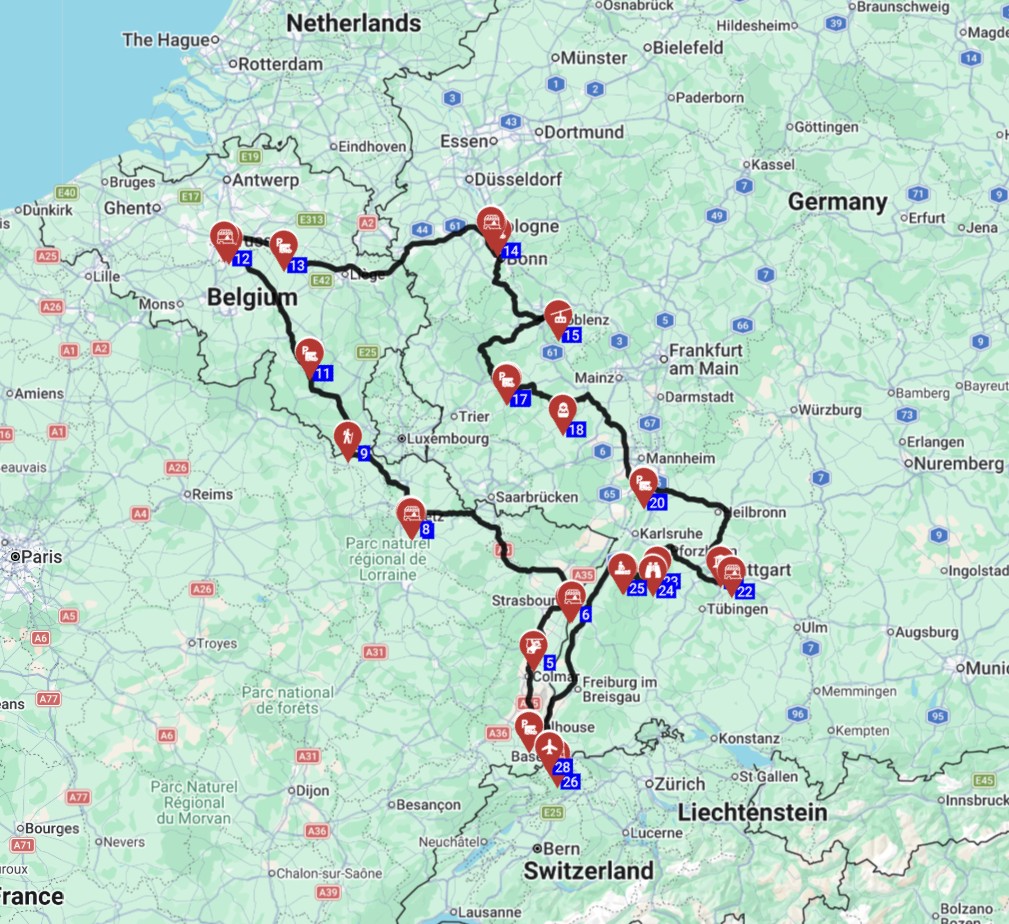
In West Europe, the vast majority of RVs in Bandana's fleet, including campervans and motorhomes, run on diesel fuel due to its superior efficiency and torque, making diesel widely available at fuel stations across the region. For typical fuel consumption, a Class SI - Semi-integrated RV generally consumes around 10-11 Liters/100 km, while a Class C - Alcove model averages 10-12 Liters/100 km, and a more compact Class B - Camper Van usually achieves 8-10 Liters/100 km. Based on an average diesel price of €1.80/liter, the estimated fuel cost per 100 km for a Semi-integrated RV is approximately €18-€20, for an Alcove RV €18-€22, and for a Camper Van €14.40-€18. Petrol (gasoline) is also available but is less common for RVs, so always ensure you are aware of your rented vehicle's specific fuel type to avoid misfuelling, which can cause significant damage. When planning your budget, remember that for routes offered through RV PLANET routes, travelers can itemize and track every expense, including fuel, for easy budgeting.Tolls, Vignettes & Border Rules
Tolls and vignettes are common across West Europe, with different systems in place depending on the country. Tolls are typically paid per distance traveled or for specific sections of road, as seen in countries like France, Italy, Spain, and Portugal. These are usually collected at toll booths or electronically via transponders, with costs varying significantly based on your rented vehicle's class and the distance covered. In contrast, countries such as Switzerland and Austria require a vignette, which is a flat-fee sticker purchased for a set period (e.g., 10 days, 1 month, 1 year) to use their motorways; failure to display a valid vignette can result in substantial fines. Crossing borders within the Schengen Area, which includes most of West Europe, is generally seamless without routine passport control. However, you should always carry your passport or national ID, your rented vehicle's registration documents, and your rental agreement, as these may be requested during random checks. Some Bandana partner suppliers offer the option to pre-purchase toll passes or electronic transponders, which can simplify payments and reduce waiting times at toll booths, making your journey more convenient. For more details on budgeting for your trip, consider our "RV Rental in West Europe - Prices and Best Deals 2026" guide.Driving Tips for rv rental beginners Travelers
For rv rental beginners traveling in West Europe, practicing with your rented motorhome in a large, empty car park before hitting busy roads is highly recommended to familiarize yourself with its size, turning radius, and blind spots, particularly when reversing. Planning your route carefully is another crucial tip: use RV-specific GPS navigation or apps that take vehicle dimensions into account to avoid unexpected low bridges, very narrow roads, and restricted zones, especially when navigating towards charming but compact historic towns. Pacing yourself and taking regular breaks every 2-3 hours is essential, especially for families; West Europe offers numerous scenic rest stops and small towns perfect for a refreshing pause, which helps reduce driver fatigue and enhances the overall journey. Continuously master your mirror usage, as RVs have significant blind spots; consider installing extra wide-angle mirrors or relying on a co-pilot for guidance during maneuvers. Lastly, be aware that while road rules are generally consistent, local driving habits can differ; anticipate aggressive driving in some urban areas and a more relaxed pace in rural regions, always driving defensively and patiently.Recommended RV Class for West Europe Roads
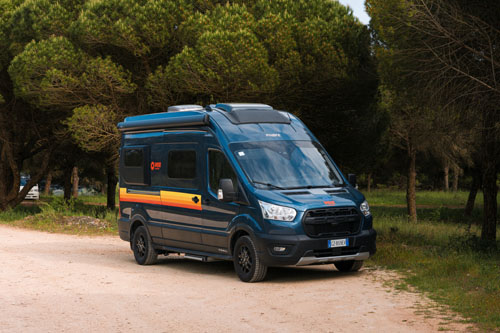
For rv rental beginners traveling in West Europe, Class SI - Semi-integrated RVs and Class B - Camper Vans are highly recommended due to their excellent balance of maneuverability, comfort, and suitability for varying road conditions. Class SI - Semi-integrated RVs, with an average length of 6.9 meters, offer a good compromise between interior space and ease of driving, making them ideal for couples or small families exploring diverse regions without feeling overwhelmed by a larger vehicle. For example, a 2-Berth Tamar or 2-Berth Rover (both Class SI - Semi-integrated options) offers comfortable amenities within a manageable footprint. Class B - Camper Vans, averaging 5.8 meters in length, are the most agile option, perfect for navigating narrow village streets, parking in smaller spaces, and reaching more secluded spots, making them excellent for solo travelers or adventurous couples. While Class C - Alcove RVs (average 7.5 meters) and Class A - Integrated RVs (average 7.5 meters) provide more expansive living space, their larger dimensions can pose more challenges for beginners on West Europe's often-compact roads and in urban environments. Choosing a rented RV that aligns with your comfort level for driving ensures a more relaxed and enjoyable experience, allowing you to focus on the sights rather than constant maneuvering stress.Should I Choose a Compact Van Instead of a Large RV in West Europe?
For RV rental beginners in West Europe, choosing a compact van (Class B Camper Van) over a larger RV hinges on balancing maneuverability against indoor space and amenities, although all RV sizes are generally manageable with common sense. A compact van, such as the `V3` (6.36 meters long, 2.05 meters wide) offers superior agility, making it notably easier to navigate very narrow village roads, tight roundabouts, and to find parking in smaller towns and cities; this is a genuine advantage in specific challenging European conditions. However, larger motorhomes, like Class SI - Semi-integrated or Class C - Alcove models, provide significantly more indoor space, a separate bathroom and shower, a larger kitchen, and dedicated dining and sleeping areas. These enhanced comforts often outweigh minor maneuverability concerns for extended trips or families. For instance, a Class C motorhome like the "MHC24" has sleeping places for 6 people, a 150-liter fresh water tank, and a 283-liter refrigerator, offering much more utility than a compact van. While compact vans excel in urban accessibility and ease of parking, the added comfort and living space of a larger rented RV can greatly enhance the overall travel experience, particularly for longer durations or during inclement weather. Ultimately, there's usually no insurmountable issue driving most RV sizes in West Europe; just drive slowly and carefully, and you can drive almost anywhere without issues. No need to stress - just use common sense and pay attention.Can I Park Anywhere? Free & Wild Camping Rules in West Europe
Free camping, also known as wild camping, rules in West Europe vary significantly by country and even by local municipality, meaning it is rarely permissible to simply 'park anywhere' overnight with a rented RV. In many countries like Germany, France, and Italy, wild camping outside designated campsites is generally prohibited, though 'tolerated' parking for one night to rest (not to set up camp with awnings out or chairs) is sometimes allowed in specific areas like rest stops. This is crucial for responsible travel. While culturally influential, the "right to roam" practices found in Scandinavia are not typically replicated in core West Europe. Many local authorities offer designated 'aires de services' (France) or 'Stellplätze' (Germany), which are specific motorhome parking areas allowing overnight stays, often with basic services like water and waste disposal for a small fee or even for free, serving as legal alternatives to traditional campsites. Always check local regulations and follow the law before parking your motorhome overnight to avoid fines and ensure a respectful interaction with local communities.Can I Drive an RV Into the City Center? Heights, Tunnels & Local Signage
You can almost always drive a rented RV into city centers in West Europe, but successful navigation depends on careful attention to local signage regarding vehicle dimensions, environmental restrictions, and parking availability. It is crucial to pay close attention to height limits, which are frequently posted at tunnels, underpasses, and multi-story car parks; these can quickly become impassable for taller RVs, such as Class C models, though city centers often provide alternative routes for larger vehicles. Many West European cities also have established environmental zones (e.g., London's ULEZ, German Umweltzonen, French ZFE zones) that restrict access for vehicles not meeting specific emission standards; ensure your rental motorhome is compliant or purchase any necessary permits or stickers in advance. Strictly observe local signage indicating 'residents only' streets, no-entry for specific vehicle types, or weight restrictions (e.g., 3.5t limit), as fines for non-compliance can be substantial. While direct access is often possible, parking a large RV in crowded city centers can be challenging due to its size and limited designated spaces, making park-and-ride options on the outskirts a more practical approach for sightseeing. Drive slowly and carefully, and you can drive almost anywhere without issues. No need to stress - just use common sense and pay attention.Is it safe to travel Europe in a campervan?
Traveling Europe in a campervan is generally very safe, especially within West Europe, but like any adventure, it requires common-sense precautions and awareness of local conditions to ensure a secure trip. To enhance safety, always lock your campervan doors and windows when leaving your vehicle or retiring for the night, and make sure to utilize any security features provided by your rental company, such as alarms or immobilizers. Specific safety guidance includes carefully researching areas for overnight stays: prioritize official campsites, designated motorhome parking areas like 'aires' or 'Stellplätze', or well-lit, populated areas over isolated spots. Be vigilant against opportunistic theft; when parking your rented campervan, particularly in larger cities or popular tourist hotspots, choose secure car parks, and consider using additional deterrents like steering wheel locks. Familiarize yourself with the local emergency number (112 is standard across all EU countries) and ensure you have a first-aid kit, reflective vests, and warning triangles readily accessible in your RV, as these are mandatory in many West European countries for safety.What are the best RV routes in Europe?
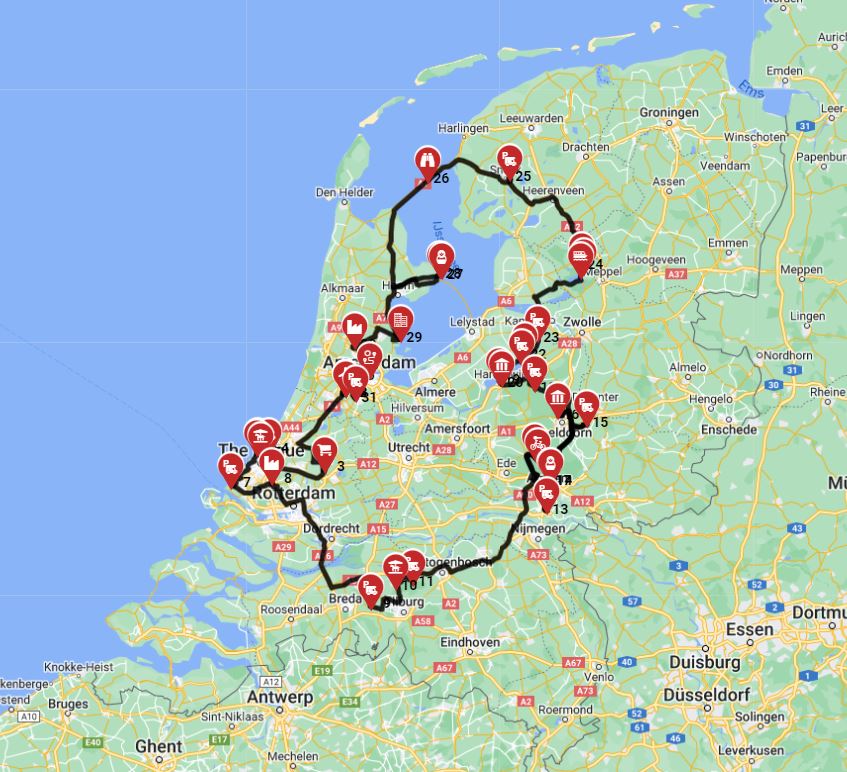
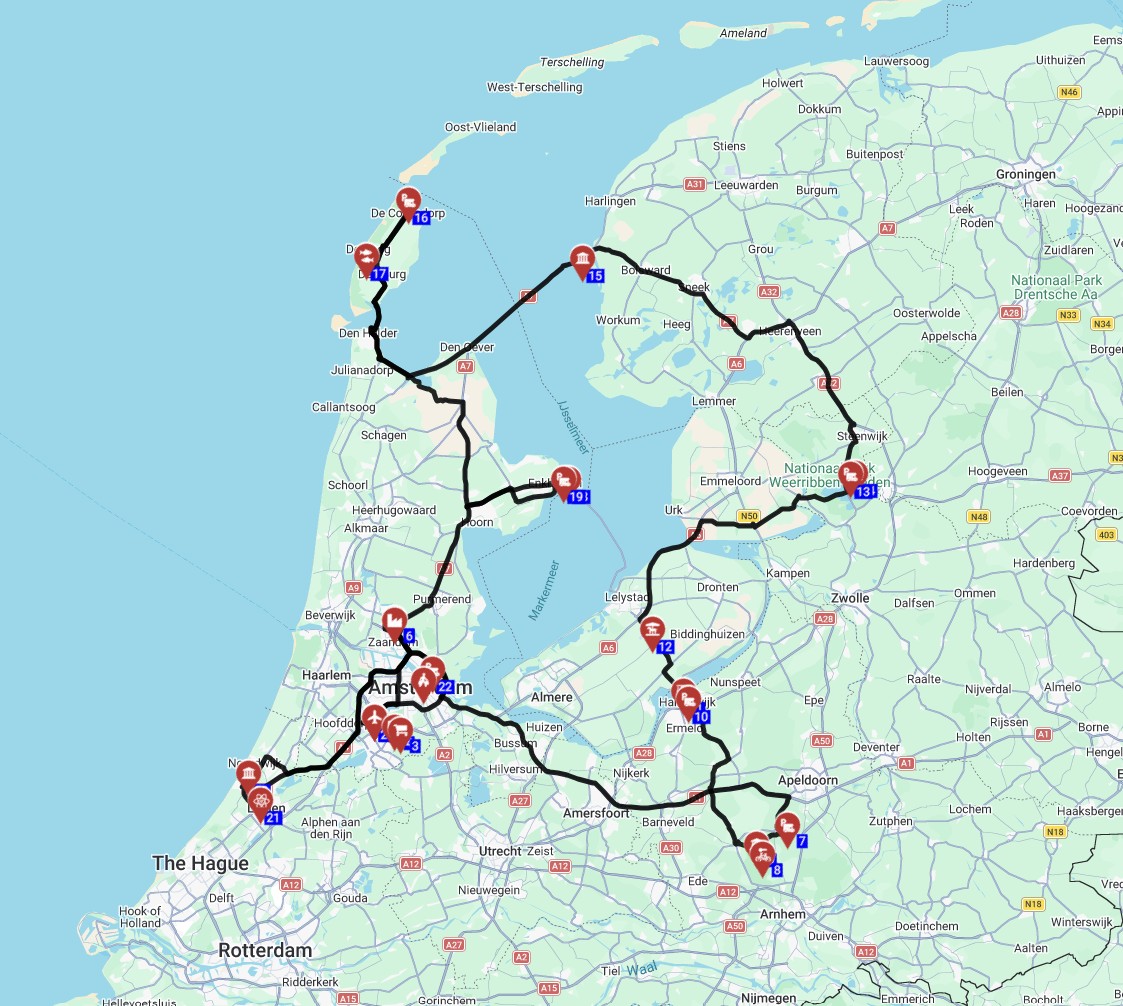
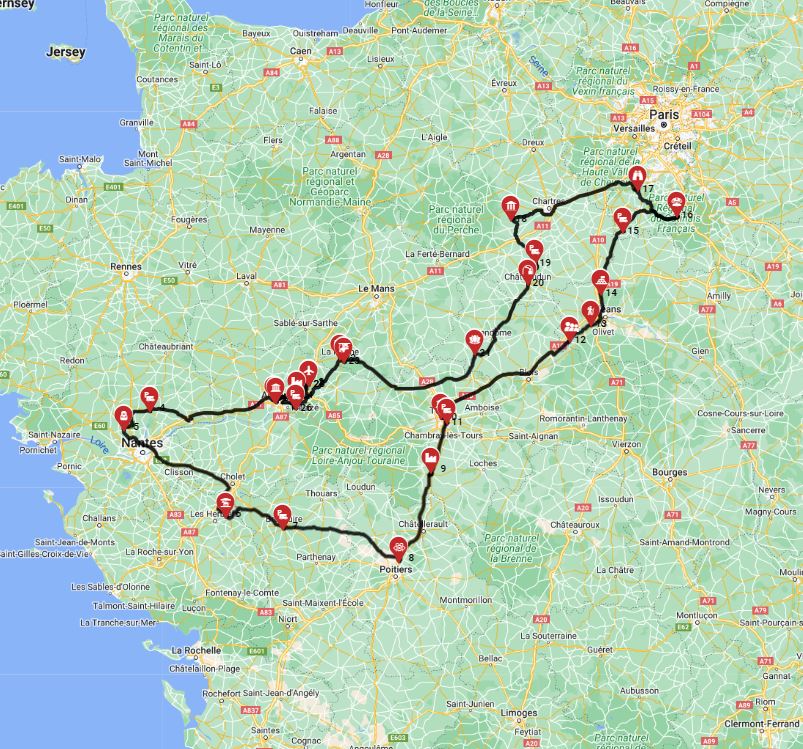
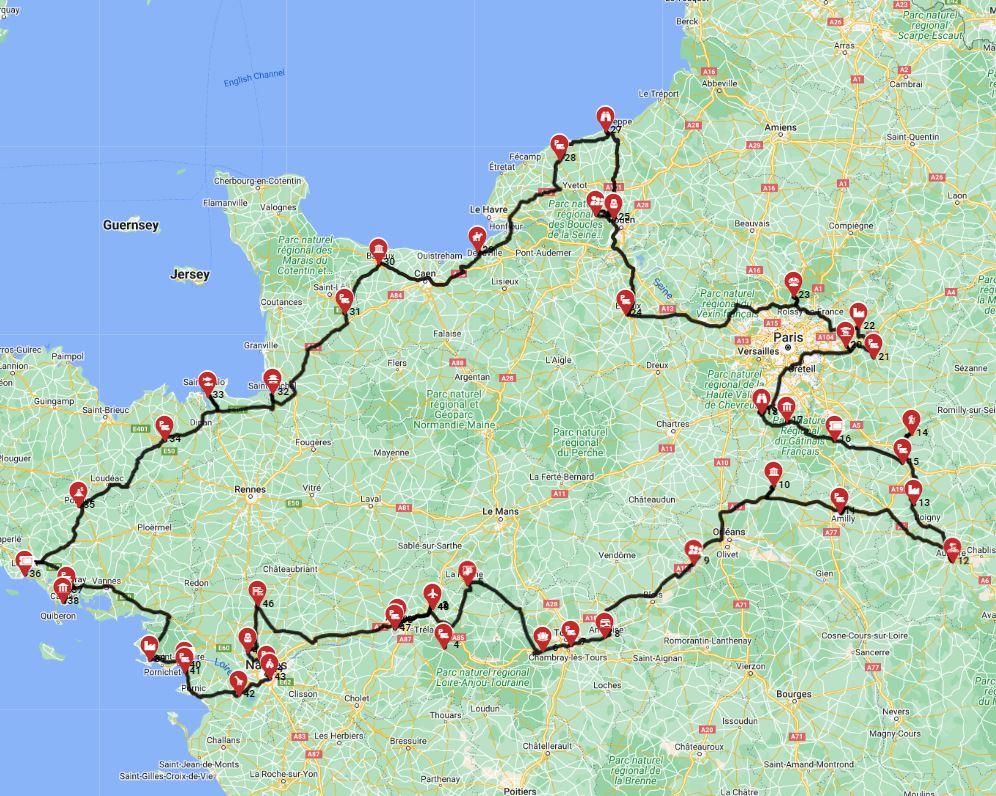
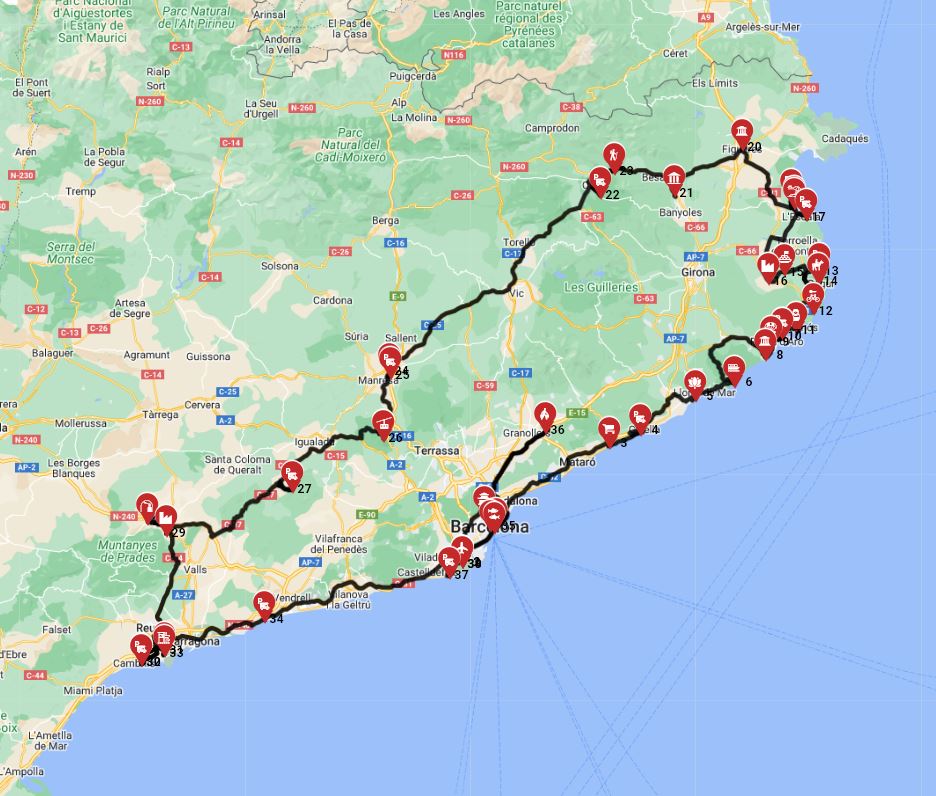
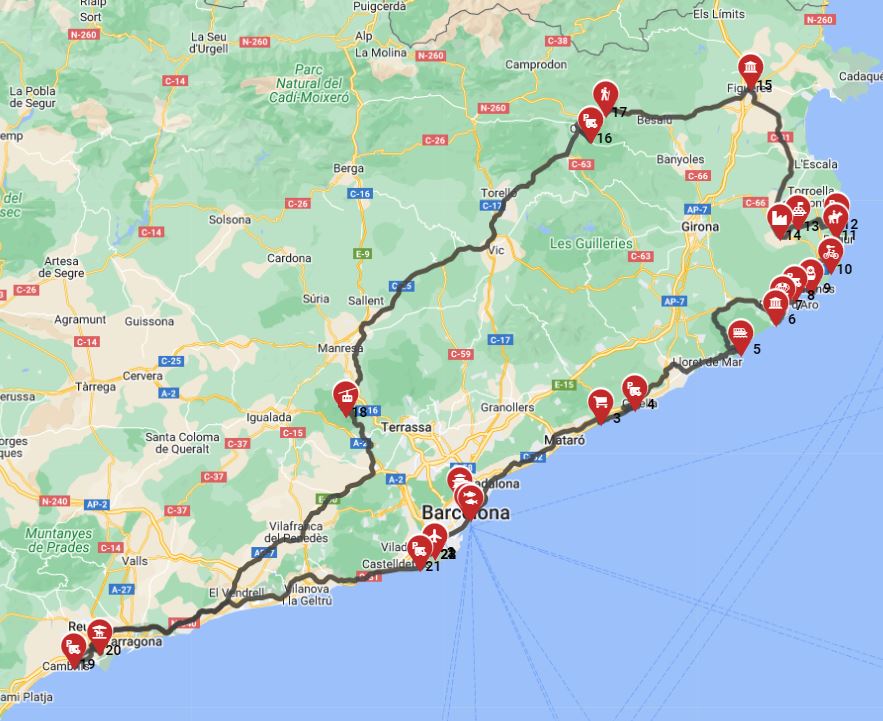
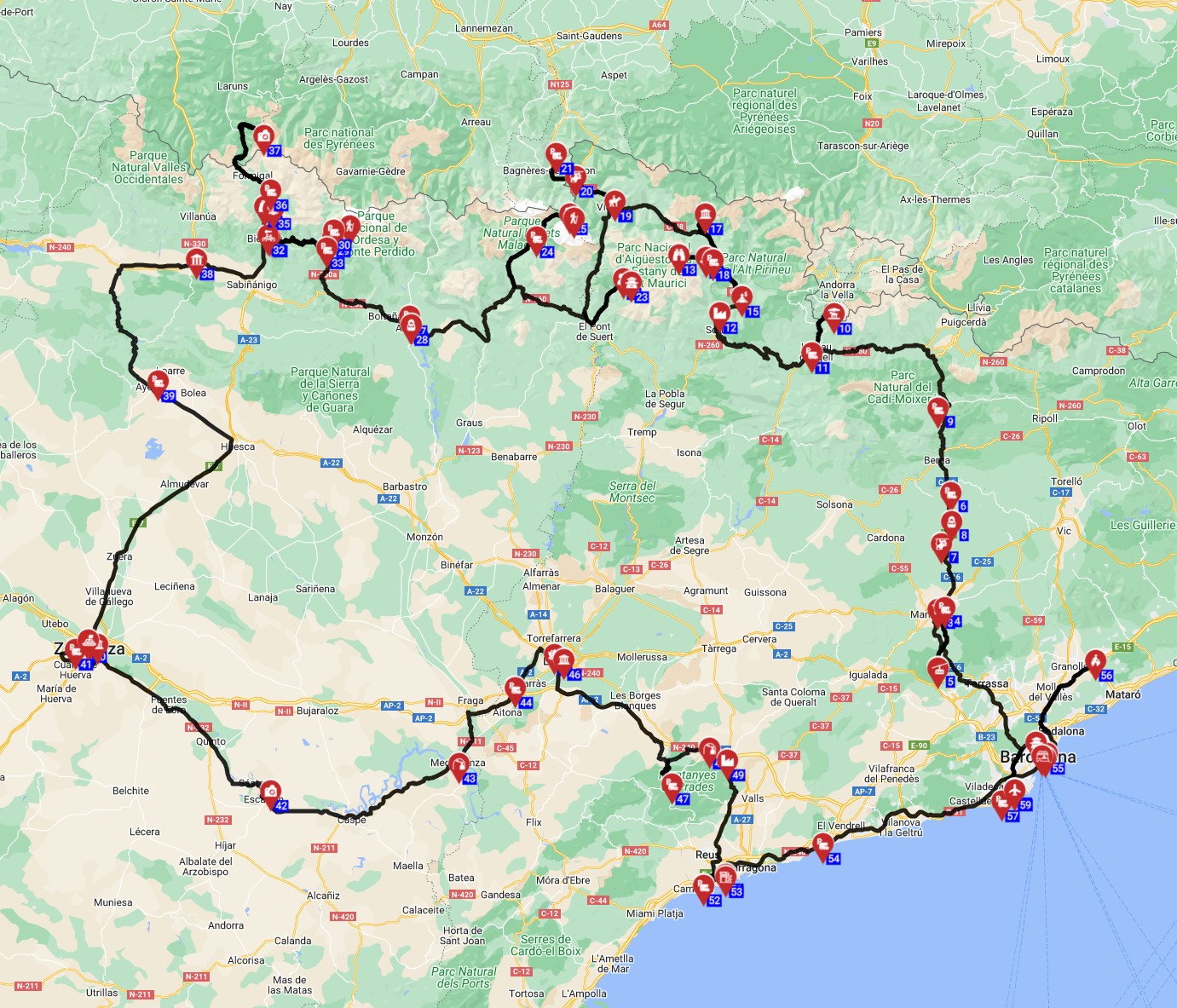
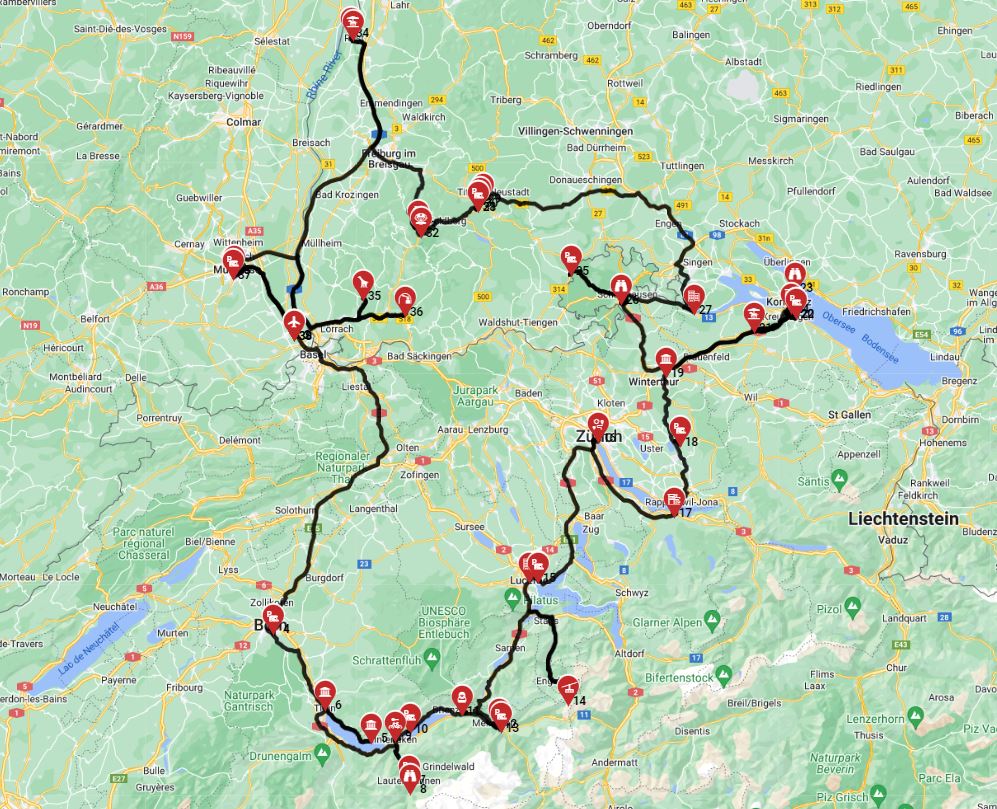
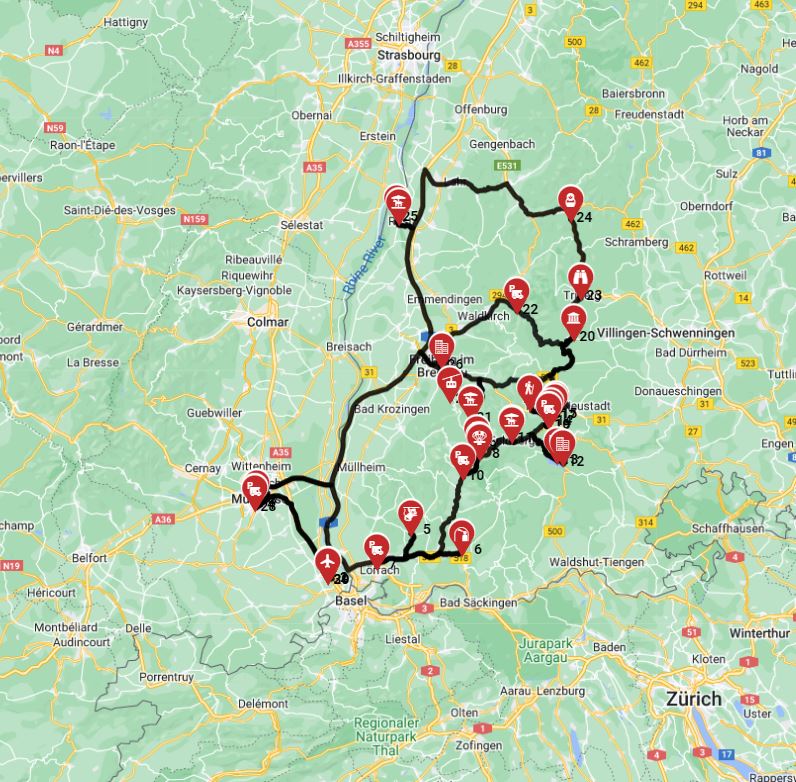
The best RV routes in West Europe cater to diverse interests, ranging from scenic coastal drives and challenging mountain passes to historical city tours and immersive cultural experiences, making flexible planning key for rv rental beginners. Popular and well-maintained routes ideal for a rented motorhome include the Romantic Road in Germany, which winds through medieval towns and past enchanting castles; the ruggedly beautiful Wild Atlantic Way in Ireland; and sections of the French Riviera for luxurious seaside adventures. For those seeking adventure and stunning landscapes, consider exploring the Swiss Alps or the Italian Dolomites, although these routes require careful driving due to steep inclines and winding roads. When planning your route itineraries, utilize online forums, RV-specific navigation apps, and guidebooks that highlight RV-friendly roads, campsites, and points of interest, helping you to avoid challenging terrain or restricted zones. Traveling during off-season or shoulder-season (e.g., April-May, September-October) often provides less crowded routes, better access to popular attractions, and a more authentic local experience, with the added benefit of potentially lower campsite costs. For professionally curated itineraries, check out RV PLANET routes.Where can I fill up with water and empty waste in Europe?
In West Europe, RV travelers can reliably fill up with fresh water and empty greywater and blackwater at designated service points, which are primarily found at official campsites, 'aires de services' (France) or 'Stellplätze' (Germany), and occasionally at larger fuel stations. Campsites remain the most dependable option, offering comprehensive facilities for water, waste disposal, and electricity hook-ups, typically included in your nightly fee. Many countries, particularly France and Germany, boast an extensive network of specific motorhome service points where you can usually empty chemical toilets and greywater, and refill fresh water tanks. These services sometimes incur a small fee. To ensure sustainable and responsible travel, it is essential to utilize these designated facilities regularly to prevent illegal dumping, which can lead to significant environmental damage and fines, while also supporting local economies. Handy apps like Campercontact, Park4Night, or Stellplatz-Radar are invaluable resources for locating nearby service points, campsites, and approved overnight parking spots, often including details on available amenities and helpful user reviews for your rented motorhome.How long should I rent an RV for in Europe?
The ideal duration for an RV rental in West Europe for beginners varies based on your desired exploration depth and budget, with anything from a 1-week taster trip to a month-long immersive journey offering unique advantages. For a first-time RV experience, a 1-2 week rental is excellent for exploring a single country or a compact regional tour, allowing you to get accustomed to RV living without a lengthy commitment and focusing on key attractions. Longer trips, such as a three-week adventure or even extended journeys of 3+ months, while requiring more detailed budgeting and planning, allow for deeper cultural immersion, exploring multiple countries at a leisurely pace, and experiencing off-season travel advantages like fewer crowds and potentially lower costs. Nuanced budgeting for long-term trips must account for additional expenses beyond the rental fee, such as increased mileage surcharges, more frequent servicing, and varied campsite fees across different countries. For inspiration on longer trips, explore our "RV Rental Deals in West Europe - Latest Offers 2026" to find options that suit your schedule. Remember Avi Bandana's advice: "Travel slowly, max 100-150 km per day on average. Take time to feel the place, connect to the culture, the food, and the scenery."Which countries are best for RV travel in Europe?
For RV travel in West Europe, countries like France, Germany, and the Netherlands consistently rank among the best for beginners due to their excellent infrastructure, plentiful campsites, and dedicated motorhome parking, coupled with diverse and welcoming landscapes. France boasts an extensive network of 'aires de services' and breathtaking regions like the Loire Valley or Provence, suitable for various travel styles from budget-friendly trips to luxury experiences, making it highly versatile for any rented motorhome. Germany offers well-maintained roads, numerous 'Stellplätze' (dedicated motorhome parking spots, often free or low-cost), and a delightful mix of historic cities, picturesque countryside, and the scenic Black Forest. The Netherlands, though geographically smaller, is incredibly RV-friendly with its flat terrain and efficient public transport systems connecting campsites to city centers, ideal for families or those seeking a relaxed pace in a campervan. For a more adventurous style, Italy provides stunning scenery from the Dolomites to coastal regions, but can present more challenging mountain roads and stricter wild camping rules. Meanwhile, Spain offers diverse landscapes and vibrant culture, with good facilities in its popular tourist regions, making it a great destination for those interested in a "One-Way RV Rental in West Europe - Price Guide 2026".What is the best way to travel around Western Europe?
The best way to travel around Western Europe for unparalleled flexibility and immersive experiences is by a rented RV, motorhome, or campervan, as it allows you the freedom to explore diverse landscapes, historical sites, and local cultures at your own pace. RV travel offers unique advantages for various travel styles: it can be incredibly budget-friendly for those who prefer to self-cater using the onboard kitchen and utilize free or low-cost 'aires' or 'Stellplätze', or it can be a luxurious experience with high-end integrated models. For families, an RV provides ample space and convenience, while for solo adventurers or friend groups, a campervan allows spontaneous detours and the discovery of hidden gems. Unlike the fixed itineraries of public transport or traditional hotel stays, a rented RV provides a 'moving home' experience, eliminating constant packing and unpacking, and fostering a deeper connection with the journey itself rather than just the destinations. To truly immerse yourself, choose routes that pass through smaller towns and rural areas, frequent local markets for fresh ingredients (check out our RV-friendly recipes playlist), and utilize farm stays or small, family-run campsites to genuinely connect with local life, food, and festivals.How much does it cost to rent an RV in Europe for a month?
The cost to rent an RV in West Europe for a month can range significantly, typically from €1,500 to over €4,000, depending heavily on factors such as the RV class, the rental season, booking lead time, and included amenities. For a budget-conscious extended trip, a Class B - Camper Van like a `Paradise Family 5` or a smaller Class SI - Semi-integrated RV booked during the shoulder season (e.g., April or October) will be considerably more affordable than a large Class C - Alcove or Class A - Integrated model during peak summer months. Nuanced budgeting for long-term trips must account for more than just the initial rental fee; hidden costs often include specific insurance deductibles and coverage upgrades, higher mileage charges for extensive travel across multiple countries, and varied campsite fees. Cost-saving strategies include booking your rented motorhome well in advance (6+ months for peak season can save 15-20%), opting for manual transmission RVs, cooking most of your meals in your RV's kitchen, and strategically utilizing free or low-cost 'aires' or 'Stellplätze' rather than expensive campsites. Additionally, always factor in ancillary costs like fuel (approx. €150-€250 per 1,000 km), propane for cooking and heating, dump fees, and a contingency fund for unexpected repairs or emergencies. You can find more detailed cost breakdowns in our "Weekly RV Rental in West Europe - Pricing 2026" guide.How much is RV insurance in Europe?
RV insurance in Europe is typically included in the rental cost as basic third-party liability, which is legally mandatory, but comprehensive coverage for collision, theft, and roadside assistance comes with varying deductibles and additional fees. The exact cost for comprehensive insurance, often referred to as a Collision Damage Waiver (CDW) with a deductible, can range from €20 to €50+ per day, depending on the rented RV class, the rental company, and the level of deductible reduction you choose. For budgeting purposes, expect a security deposit (often between €1,000 and €2,500) to be held by the rental company, which covers the deductible in case of damage; this deposit can often be reduced or even waived by purchasing optional additional insurance packages. It is crucial for beginners to thoroughly understand the specifics of your rental insurance policy, including what is covered, the exact deductible amount, and if any specific components like tires, windshields, or roof damage are excluded, as these often require separate add-on policies. While some credit cards offer rental car insurance benefits, always verify coverage with your card provider and the rental company, as RVs are frequently treated differently from standard passenger cars. At Bandana, you can upgrade to a top-level deductible for extra peace of mind, ensuring transparency with no hidden fees or surprises.Do you need to book campsites in advance in Europe?
For RV rental beginners in West Europe, it is generally highly recommended to book campsites in advance, especially during the peak travel season (June-August) and for popular tourist destinations, to secure a spot and avoid potential disappointment. During high season, many popular campsites, particularly those near coastal areas, major cities (like Paris or Amsterdam), or national parks, can be fully booked months in advance, making spontaneous arrivals risky. Booking your campsite in advance provides peace of mind, ensures you have a guaranteed place to stay, and often allows for better pitch selection, especially if you require specific hook-ups (electricity, water) or larger pitches for bigger rented RVs. During shoulder seasons (April-May, September-October) or in less-traveled regions, pre-booking might not be as critical, and you may find more availability for spontaneous stops with your campervan. For those seeking maximum flexibility, consider mixing pre-booked campsites with reliance on readily available 'aires' or 'Stellplätze' for overnight stops, though these often have more limited services and cannot be booked in advance. Reassure yourself: you'll find a spot. If not at the first campground, then the next one. Call ahead before driving to confirm availability.🎬 Video coming soon
Top Cities for RV Rental in West Europe
West Europe offers a fantastic array of cities that serve as excellent starting points or destinations for your rented RV adventure, each providing unique cultural and historical experiences.- Paris, France: While city center driving requires careful navigation, Paris is a prime hub for picking up a motorhome and exploring the scenic French countryside, offering routes to the Loire Valley or Normandy.
- Berlin, Germany: A vibrant city with historical significance, Berlin is a great gateway to Germany's extensive network of 'Stellplätze' and routes through the Black Forest or along the Rhine.
- Amsterdam, Netherlands: Perfect for starting a campervan trip through the flat, picturesque landscapes of the Netherlands, with excellent public transport to access the city center from nearby campsites.
- Rome, Italy: Begin your Italian journey here, exploring ancient history before heading south to the Amalfi Coast or north to the stunning Dolomites.
- Madrid, Spain: A cultural capital offering access to diverse Spanish regions, from the sunny coasts to the historic cities of Andalusia.
- Brussels, Belgium: Centrally located, Brussels is an ideal launchpad for exploring Belgium, France, or even the Netherlands, with efficient roads connecting major points of interest.
- Zurich, Switzerland: A gateway to the breathtaking Swiss Alps, offering stunning drives and access to crystal-clear lakes and picturesque mountain villages (check for winter pass closures!).
What You Shouldn't Miss
- The Romantic Road, Germany: Traverse 460 km of charming medieval towns like Rothenburg ob der Tauber and majestic castles in a rented motorhome, offering picturesque scenery and rich history.
- Alsace Wine Route, France: Explore colorful villages and rolling vineyards in your campervan, tasting exquisite wines and enjoying the unique Franco-German culture over 170 km.
- Swiss Alps Mountain Passes: Experience breathtaking alpine vistas along iconic routes like the Grimsel Pass and Furka Pass (check seasonal closures!) in your rented RV, linking stunning valleys and lakes.
- The Netherlands' Windmills & Waterways: Drive your motorhome through Kinderdijk, a UNESCO World Heritage site with 19 historic windmills, and enjoy the flat, RV-friendly landscapes.
- Normandy D-Day Beaches, France: Pay respects at historic sites like Omaha Beach and Arromanches, combining somber history with beautiful coastal drives in your rented campervan.
Final Thoughts
Embarking on your first RV rental adventure in West Europe is an incredibly rewarding way to experience its rich tapestry of cultures, breathtaking landscapes, and historic sites at your own pace. With Bandana Caravan, you’re not just renting a motorhome; you’re gaining a partner dedicated to making your journey as seamless and enjoyable as possible, from transparent pricing to expert support. Remember, the key to a fantastic first trip lies in mindful preparation, embracing a slower travel philosophy, and confidently navigating the roads with a little common sense. Imagine the freedom of waking up to a new view every day, cooking fresh local meals in your rented campervan, and connecting deeply with the places you visit. We’re here to help you every step of the way, ensuring your West Europe RV trip is nothing short of magnificent. Ready to start planning your dream journey through West Europe? Discover top destinations and planning tips, all in one place.On the routes offered through RV PLANET routes, you can itemize and track every expense along the way for easy budgeting.