In This Guide
- Can You Drive an RV in Switzerland? License & Age Rules
- Road Conditions & Terrain in Switzerland
- RV Size Limits, Bridges & Restricted Zones in Switzerland
- Fuel: Diesel vs. Petrol & Cost per 100 km in Switzerland
- Tolls, Vignettes & Border Rules in Switzerland
- Driving Tips for RV Rental Beginners Travelers in Switzerland
- Recommended RV Class for Switzerland Roads
- Should I Choose a Compact Van Instead of a Large RV in Switzerland?
- Can I Park Anywhere? Free & Wild Camping Rules in Switzerland
- Can I Drive an RV Into the City Center in Switzerland? Heights, Tunnels & Local Signage
- Planning Your Swiss RV Adventure: Routes and Logistics
- Best Time for an RV Trip in Switzerland: Seasonal Insights
- Comprehensive Pre-Trip Checklist for First-Time RV Renters in Switzerland
- Pet Travel and Local Culture in Switzerland
- Top Cities for RV Rental in Switzerland
- What You Shouldn't Miss
- Why Book with Bandana Caravan
- Final Thoughts
- Frequently Asked Questions
Embarking on your first RV rental adventure in Switzerland promises an unforgettable journey through stunning alpine landscapes, charming villages, and serene lakes. Switzerland is exceptionally well-suited for exploration by motorhome, offering unparalleled flexibility to discover its natural beauty at your own pace. Whether you're planning a week-long trip with your family or an extended road trip with a partner, understanding the nuances of driving an RV in this picturesque country is key to a smooth and enjoyable experience. For live availability and current prices, start with our RV Rental Switzerland - Complete Guide 2026 guide.
Can You Drive an RV in Switzerland? License & Age Rules
Most drivers with a standard B license can operate RVs up to 3,500 kg in Switzerland without issues, while larger vehicles exceeding this weight typically require a C1 or C license, although Bandana RV primarily offers motorhomes and campervans that fall within the standard B license category. The minimum driver age for most RV rentals in Switzerland is 21 years old, with many rental companies, including Bandana's partners, not imposing young driver surcharges or vehicle class restrictions based on age. Foreign drivers generally need a valid national driving license accompanied by an International Driving Permit (IDP) for Switzerland, especially if their license is not in a common European language or does not contain a photograph and is not a biometric passport. An IDP serves as an official translation of your license, facilitating communication with local authorities if needed. Always confirm with your chosen rental supplier the specific license and age requirements, as some may have slightly different stipulations.
Before heading out on your trip, verify that your license is valid for the entire duration of your stay in Switzerland. We recommend ensuring you have at least 1-3 years of driving experience before renting a motorhome, to feel confident on varied terrain. Understanding these basic requirements ensures a hassle-free start to your Swiss motorhome adventure, allowing you to focus on the spectacular views rather than administrative concerns.
Road Conditions & Terrain in Switzerland
Switzerland boasts excellent road infrastructure, with well-maintained highways, tunnels, and mountain passes, providing a generally smooth RV driving experience across its diverse landscapes. The terrain, however, is predominantly mountainous, featuring winding roads, steep inclines, and numerous hairpin bends, which require careful and attentive driving from all RV travelers, especially beginners. While main roads and major passes are typically wide enough for most motorhomes, some scenic routes or paths to smaller, more traditional villages might be narrower, encouraging slow, scenic driving to fully appreciate the landscape rather than rushing through. Travelers should expect varying road conditions depending on elevation and season; higher alpine passes are often closed in winter and shoulder seasons (late autumn to early spring) due to snow, and some less-trafficked routes may have unpaved sections, so checking conditions is always a good idea.
Navigating these roads requires a relaxed and confident approach. Remember to drive slowly and carefully, and you can drive almost anywhere without issues. No need to stress - just use common sense and pay attention to road signs, especially those indicating sharp turns or steep grades. The quality of Swiss roads means less worry about potholes or unexpected hazards, allowing you to immerse yourself in the journey.
RV Size Limits, Bridges & Restricted Zones in Switzerland
While most rented RVs can navigate Swiss roads, drivers must be vigilant for posted height, weight, and length restrictions, especially on smaller roads, historic town entries, and older tunnels. Certain mountain passes, village centers, and specific scenic routes may have explicit restrictions for vehicles over a certain length or weight, making smaller motorhomes or campervans more versatile for exploring off-the-beaten-path locations. For instance, a Class B - Camper Van with an average length of 5.8 meters will have an easier time than a 7.5-meter Class C - Alcove motorhome on tight mountain roads. Low bridges are less common on major routes but can be encountered in urban areas or older infrastructure, requiring drivers to always check their RV's height against clearance signs to prevent any surprises. Environmental zones (Umweltzonen) are not as prevalent in Switzerland as in some other European countries, but drivers should still confirm local regulations for specific cities if planning urban exploration, always adhering to local signage regarding vehicle access and avoiding areas specifically marked for residents only.
When approaching signs indicating vehicle restrictions, always take them seriously. Planning your route with an RV-specific GPS or a dedicated app can help you avoid roads with unsuitable size limits. Remember, slow and steady driving, coupled with common sense and attention, will allow you to drive almost anywhere in Switzerland without issues, regardless of your RV's size.
Fuel: Diesel vs. Petrol & Cost per 100 km in Switzerland
Most modern rented RVs in Bandana's fleet and across Europe run on Diesel, which is widely available at Swiss service stations, with Petrol (Gasoline) also readily accessible. Fuel prices in Switzerland are generally higher than in neighboring countries, making budgeting for this expense crucial for any RV trip. For a Class SI - Semi-integrated RV, Bandana's global fleet averages 10-11 Liters/100 km; a Class C - Alcove averages 10-12 Liters/100 km; and a Class B - Camper Van averages 8-10 Liters/100 km, with costs fluctuating daily based on current market fuel prices. The average cost per 100 km for an RV in Switzerland can range from approximately 18 to 22 CHF, depending on the vehicle's fuel efficiency and prevailing fuel prices. This means that on a trip covering 1,000 km, you could expect to spend 180-220 CHF on fuel alone. On the routes offered through RV PLANET routes, you can itemize and track every expense along the way for easy budgeting.
While Bandana does not offer fuel discount cards for Switzerland, it's always wise to check local gas station chains for any loyalty programs or temporary promotions that could offer minor savings. Many service stations are equipped to handle larger vehicles, and you'll find them conveniently located along major routes and in larger towns. To budget effectively and track all your travel expenses, including fuel, explore the detailed itinerary planning and cost-tracking features available on RV PLANET routes. This tool helps you itemize every expense along the way, ensuring full transparency with no surprises.
Tolls, Vignettes & Border Rules in Switzerland
Switzerland primarily uses a single annual vignette for all motorways and expressways, costing 40 CHF for vehicles up to 3,500 kg, which must be purchased upon entering the country at border crossings, gas stations, or post offices. This vignette is valid for a calendar year, regardless of purchase date, so it's a fixed cost for your trip. For RVs exceeding 3,500 kg, a Heavy Vehicle Fee (LSVA) applies, calculated based on mileage, emissions, and vehicle weight, which is more complex than a simple vignette and requires a separate registration process. Critically, if you are towing a trailer with your RV, a separate 40 CHF vignette is required for the trailer itself, meaning you'll need two vignettes (one for the motorhome, one for the trailer) for vehicles under 3,500 kg. This dual vignette requirement is a unique aspect of Swiss tolling that often surprises first-time visitors.
When planning multi-country RV adventures through Europe, be aware that border crossings into neighboring countries like France, Germany, or Italy have their distinct toll systems. For example, France uses a pay-per-use 'péage' system, Italy also has pay-per-use tolls, and some German cities require environmental stickers for urban access. Bandana RV streamlines your pre-booking process, but for these specific on-the-road purchases, it's essential to plan. Always check the specific requirements for each country you intend to visit to avoid unexpected fees or fines, ensuring a seamless journey across Europe with your rented motorhome.
Driving Tips for RV Rental Beginners Travelers in Switzerland
For RV rental beginners in Switzerland, prioritizing slow and steady driving on the country's winding mountain roads and passes is crucial, utilizing lower gears for descents to minimize brake wear and maintain control. Always familiarize yourself with your RV's dimensions (height, width, length) before setting off, paying close attention to these figures when navigating narrow village streets or tunnels, and particularly when selecting parking spots. Take frequent breaks, especially when traveling with family, aiming for stops every 2-3 hours to stretch your legs, enjoy the breathtaking views, and allow children to expend energy, enhancing safety and overall enjoyment for everyone on board. Be mindful of Swiss cultural etiquette, such as respecting quiet hours (often including a midday "mittagsruhe" from 12 PM to 2 PM) at campgrounds and adhering to strict waste disposal and recycling rules, which contributes to a harmonious and respectful travel experience.
Always keep an eye on local weather forecasts, particularly when planning to traverse alpine mountain passes, as conditions can change rapidly and impact road accessibility and safety. The Swiss generally drive on the right side of the road, and speed limits are 50 km/h in urban areas, 80 km/h on rural roads, and 120 km/h on motorways, with strict enforcement. Remember to travel slowly, averaging a maximum of 100-150 km per day, allowing ample time to feel the place, connect to the local culture, savor the food, and soak in the incredible scenery. For more general advice on motorhome journeys, consult our comprehensive RV Rental Europe - Complete Guide 2026.
Recommended RV Class for Switzerland Roads
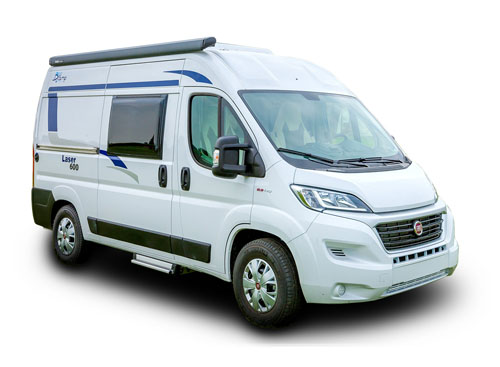
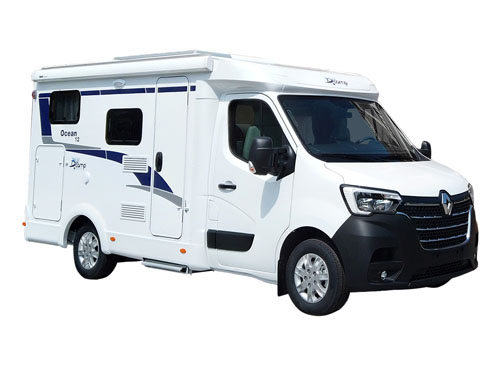
For beginners exploring Switzerland, a Class B - Camper Van or Class SI - Semi-integrated RV is often recommended due to their balanced maneuverability and comfort on varied terrain. Class B - Camper Vans, with an average length of 5.8 meters in Bandana's fleet, offer excellent agility for navigating narrower mountain roads and parking in smaller spaces, while still providing essential amenities like a compact kitchen and sleeping area. They are ideal for couples or small families seeking maximum flexibility. For example, a "luxury rv rentals example Carthago Malibu 600" is a compact Class B campervan, typically around 5.99 meters long, perfect for agile exploration. Class SI - Semi-integrated RVs, averaging 6.9 meters in length and often accommodating 2-4 people (e.g., the "K2D" with a 130/205cm rear double bed), provide more living space and amenities than campervans without the bulk of larger motorhomes, making them suitable for families or those desiring more comfort on longer trips. Both classes offer good ground clearance for typical Swiss roads, and their dimensions generally allow easier access to smaller villages and scenic routes that might challenge larger vehicles.
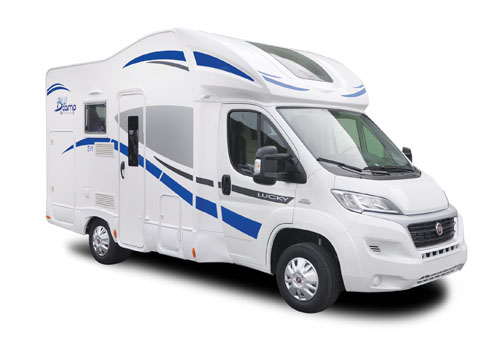
While Class C - Alcove motorhomes (like the "MHC24" with a 147/190cm bed over cab, typically around 7.3 meters long) offer even more space, their larger size might require a bit more confidence on very tight turns. You can compare detailed specifications and current offers for various vehicle classes by exploring our RV Rental in Switzerland - Prices and Best Deals 2026. Consider your group size and desired level of comfort, and remember that Bandana RV provides only motorhomes and campervans, ensuring a driveable, all-in-one vacation solution.
Should I Choose a Compact Van Instead of a Large RV in Switzerland?
Choosing a compact van, like a Class B - Camper Van, often offers superior maneuverability for Switzerland's frequently narrow, winding mountain roads and quaint village centers, making it easier to navigate tight spaces and find parking. For example, a campervan like the "V2L" (5.99m long, 2.05m wide) with a 2-burner gas stove and 80-liter refrigerator is exceptionally nimble. While a compact van (average 5.8m length) provides greater agility and easier parking, a larger motorhome (e.g., a Class SI at 6.9m or a Class C at 7.5m, such as the "CA-25" that sleeps 5) offers significantly more indoor living space, storage, and amenities like a separate shower and toilet, which can greatly enhance comfort on longer trips. For beginners prioritizing ease of driving and access to off-the-beaten-path locations, a compact van is advantageous; however, for those valuing home-like comforts and extended stays, a larger RV often provides a better overall experience.
Most main Swiss roads accommodate standard RV sizes, so the decision ultimately balances your desire for maneuverability against the need for space and comfort. Remember, any RV size can generally be driven in Switzerland, provided drivers are mindful of their vehicle's dimensions and local restrictions, driving slowly and carefully. This flexibility ensures you can tailor your experience to your preferences. To find the perfect balance for your budget, explore our options for a Cheap RV Rental in Switzerland - Budget Guide 2026 to see how different sizes impact costs.
Can I Park Anywhere? Free & Wild Camping Rules in Switzerland
Wild camping and free parking overnight in a rented RV are largely prohibited throughout Switzerland, with strict regulations varying significantly by canton and municipality, making it generally not permitted outside designated campgrounds or Stellplatz. While some cantons or private landowners might explicitly allow overnight parking or wild camping in specific areas, such instances are rare and require explicit permission, making it an unreliable and risky option for beginners. Violating wild camping rules can result in significant fines, potentially ranging from hundreds to thousands of Swiss Francs, and may lead to legal trouble, underscoring the importance of always checking local regulations and seeking permission before parking overnight outside official sites.
Designated Stellplatz (motorhome parking areas), often found near attractions or towns, offer a legal and convenient option for overnight stays, though they may have limited amenities compared to full-service campgrounds which typically cost 30-70 CHF per night. Many national and state parks reserve only 25-30% of spots for advance bookings, with the rest available on a first-come, first-serve basis. This means you will find a spot; if not at the first campground, then at the next one. It's always best to call ahead before driving to ensure availability. For finding campsites and campgrounds during your trip, we recommend using RV PLANET (rvplan.net) – a great resource for locating available spots along your route and managing your itinerary with ease.
Can I Drive an RV Into the City Center in Switzerland? Heights, Tunnels & Local Signage
Yes, you can generally drive an RV into Swiss city centers, but it requires careful attention to local signage, as height and weight restrictions, and specific environmental zones may apply. Drivers must pay close attention to signs indicating height limits for tunnels, underpasses, and multi-story car parks, as well as weight restrictions for certain bridges or historic district entrances, which are common in older European cities. While environmental zones are less common in Switzerland than in some other European countries, specific cities might have restricted access areas or resident-only streets, signaled by clear local signage, so keep an eye out. Drive slowly and carefully, and you can drive almost anywhere without issues. No need to stress - just use common sense and pay attention to your surroundings and posted signs.
It's always recommended to park on the outskirts of major cities at designated RV parking areas or campgrounds and use Switzerland's excellent public transport system (trams, buses, trains) to explore the city center. This approach avoids potential navigation difficulties in dense urban traffic and eliminates parking challenges for larger vehicles. Many campgrounds are conveniently located near public transport links, offering a relaxed way to experience Swiss urban culture without the stress of driving your rented motorhome through congested areas.
Planning Your Swiss RV Adventure: Routes and Logistics
Planning an RV trip through Switzerland means crafting an itinerary that blends stunning landscapes with cultural experiences. Traveling slowly, with an average of 100-150 km per day, allows you to truly immerse yourself in the local culture, savor regional food, and appreciate the scenery. Many travelers find that a pre-planned route or itinerary can significantly enhance their enjoyment, especially for first-time renters.
For those looking for expert-designed itineraries, Bandana's sister company, RV PLANET (rvplan.net), offers numerous options. These routes by professionals can help you discover top destinations with minimal effort and maximum enjoyment.
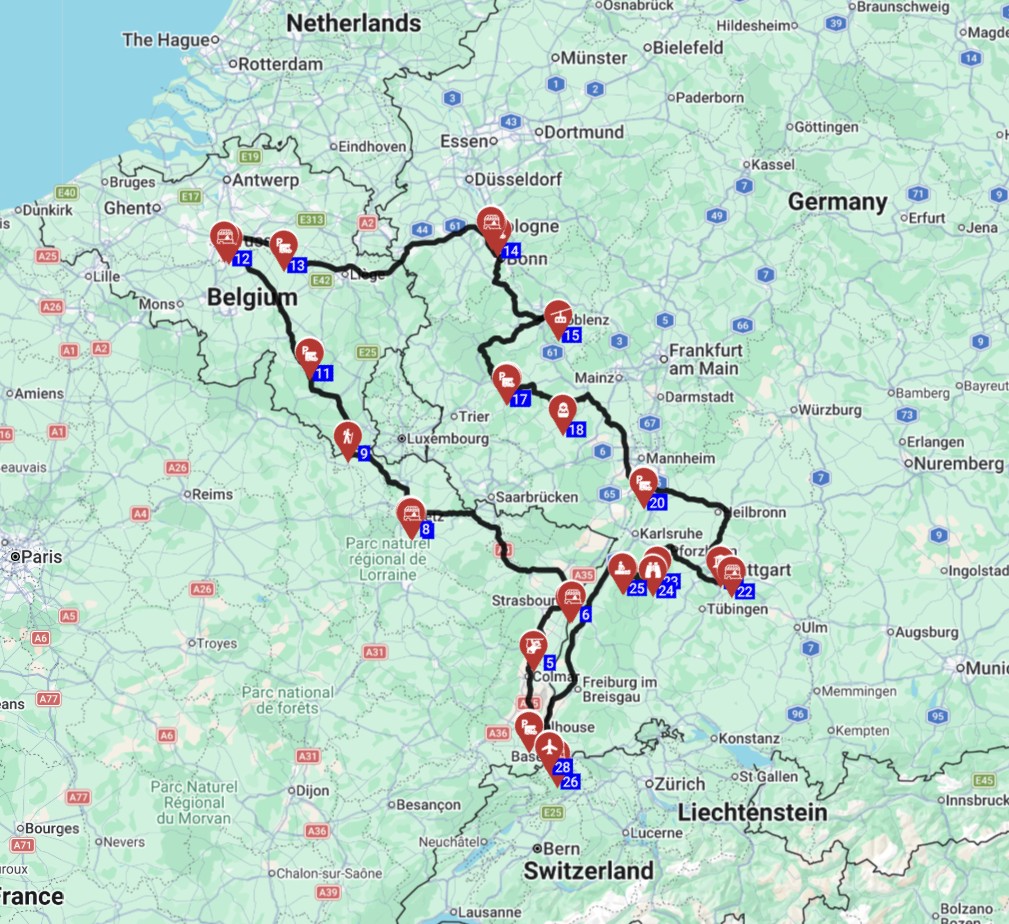
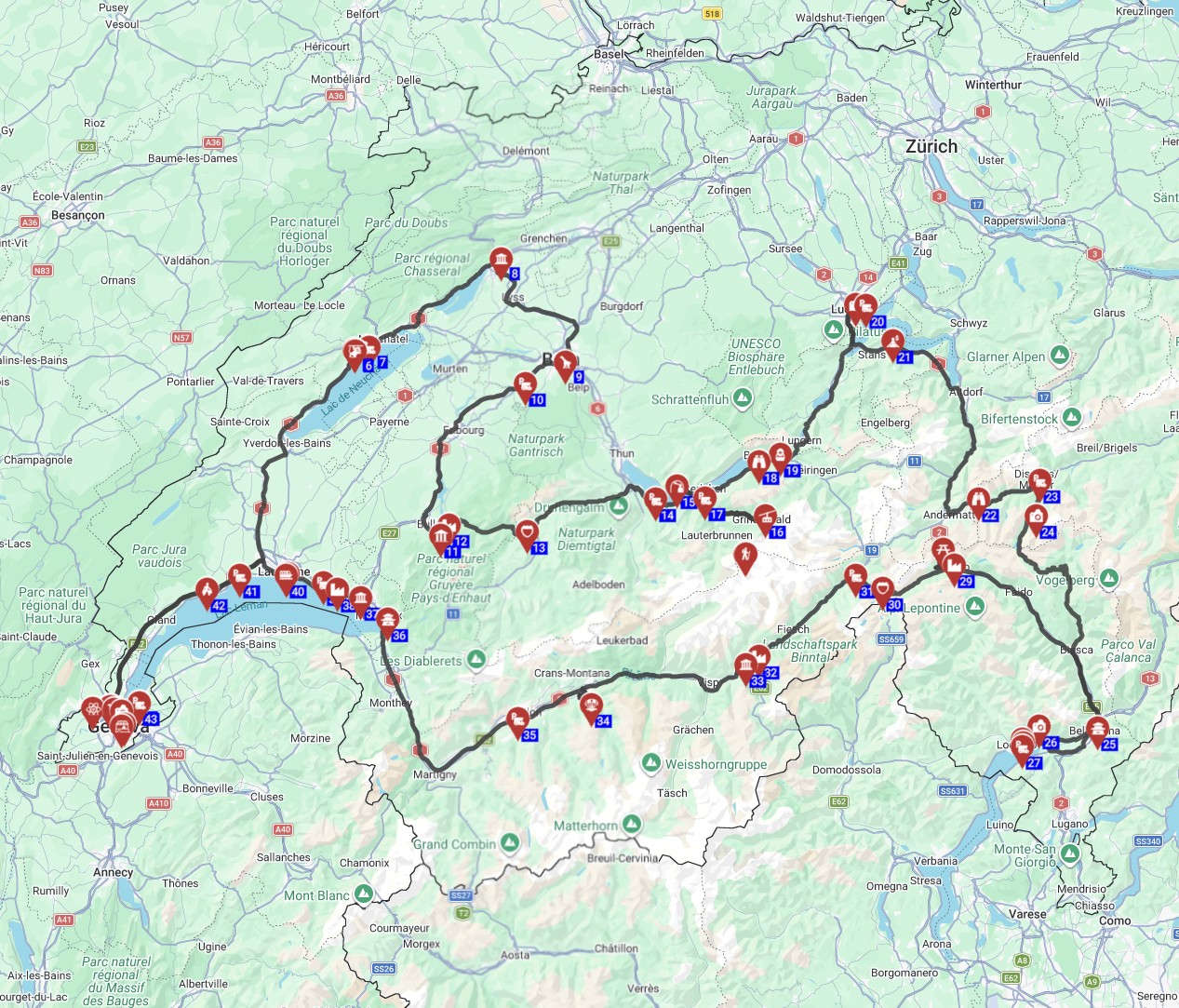
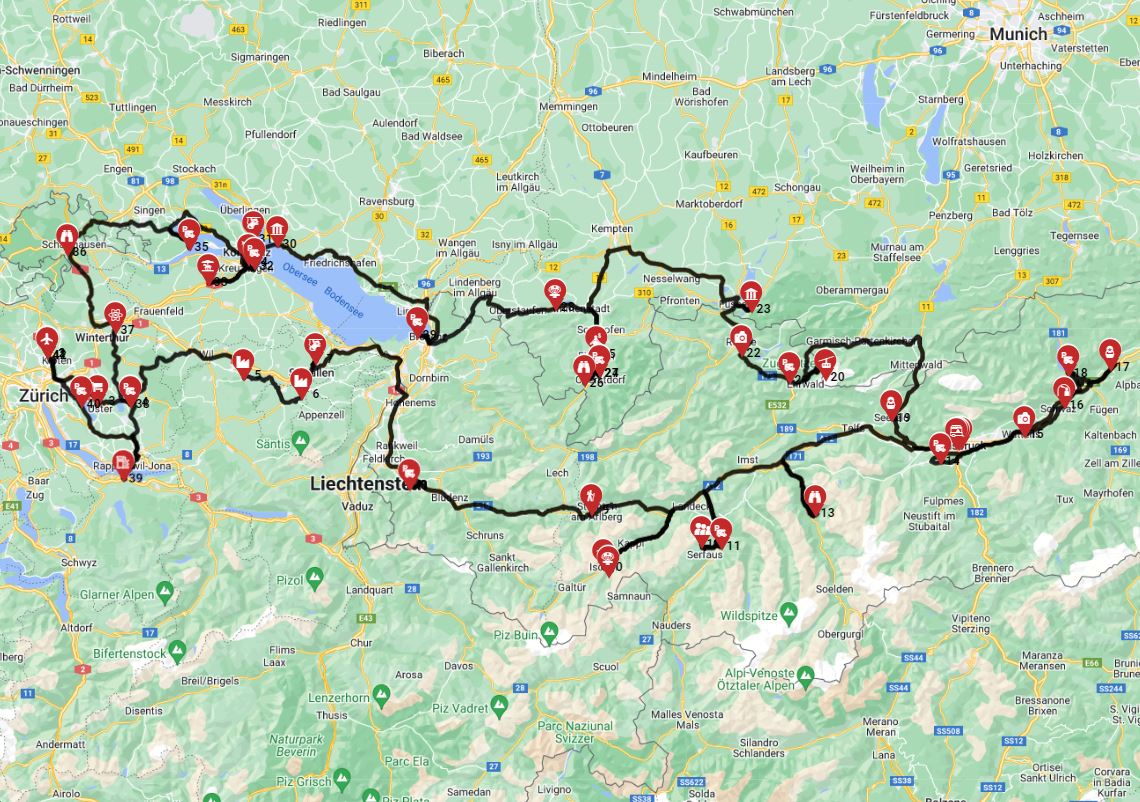
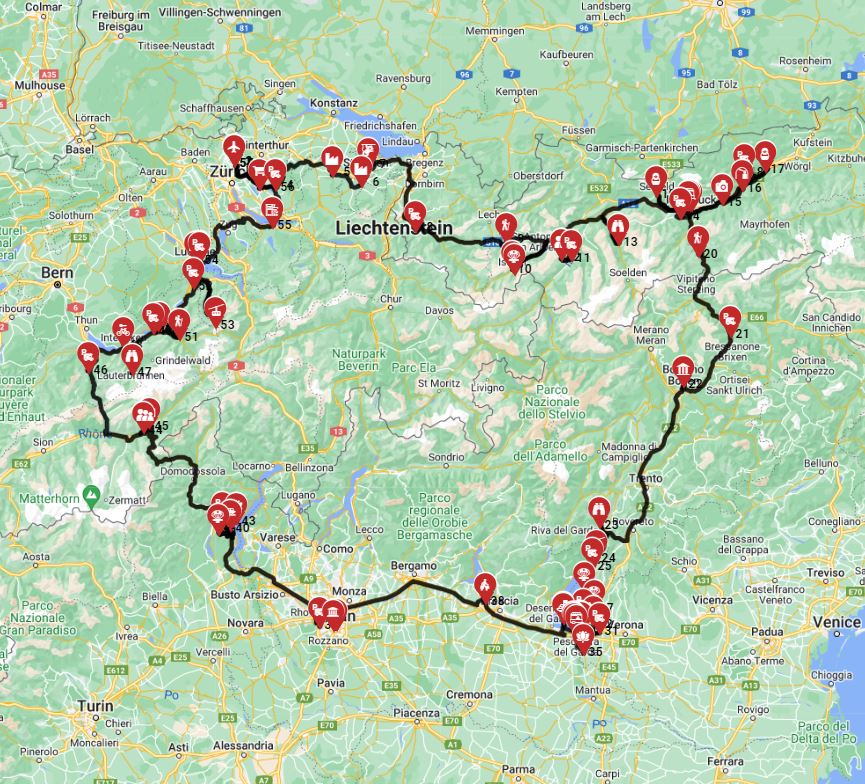
Consider the "Nice Roundtrip - French Riviera toward North Italy, Switzerland, and the French Alps" itinerary, a 15-day, 1742.8 km journey starting and ending in Nice, which includes 1 amusement park, 2 animal shows, 1 aquarium, 2 botanical gardens, and 2 cruise terminals, offering a fantastic blend of coastal and alpine experiences, traversing three countries. This comprehensive route plan ensures you hit all the highlights without the stress of daily planning.
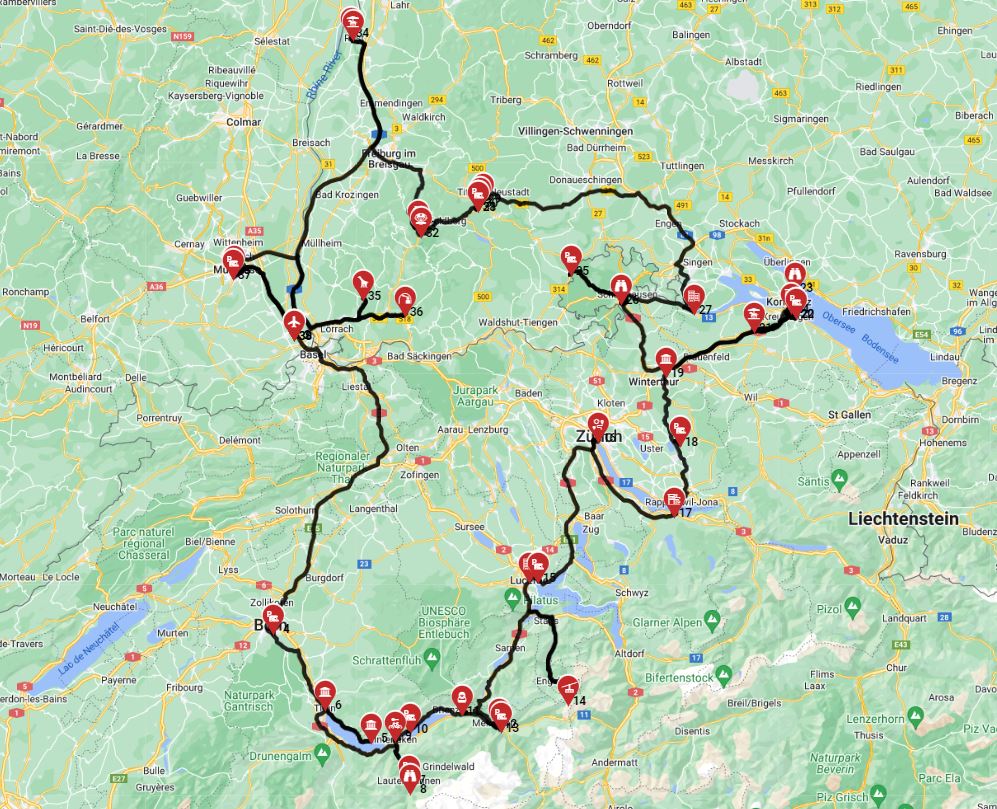
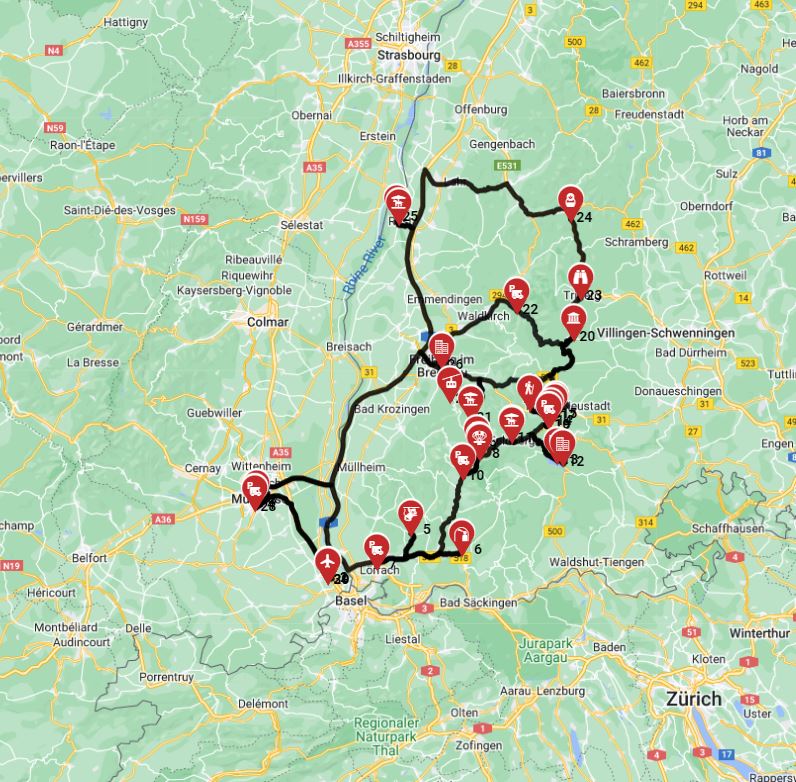
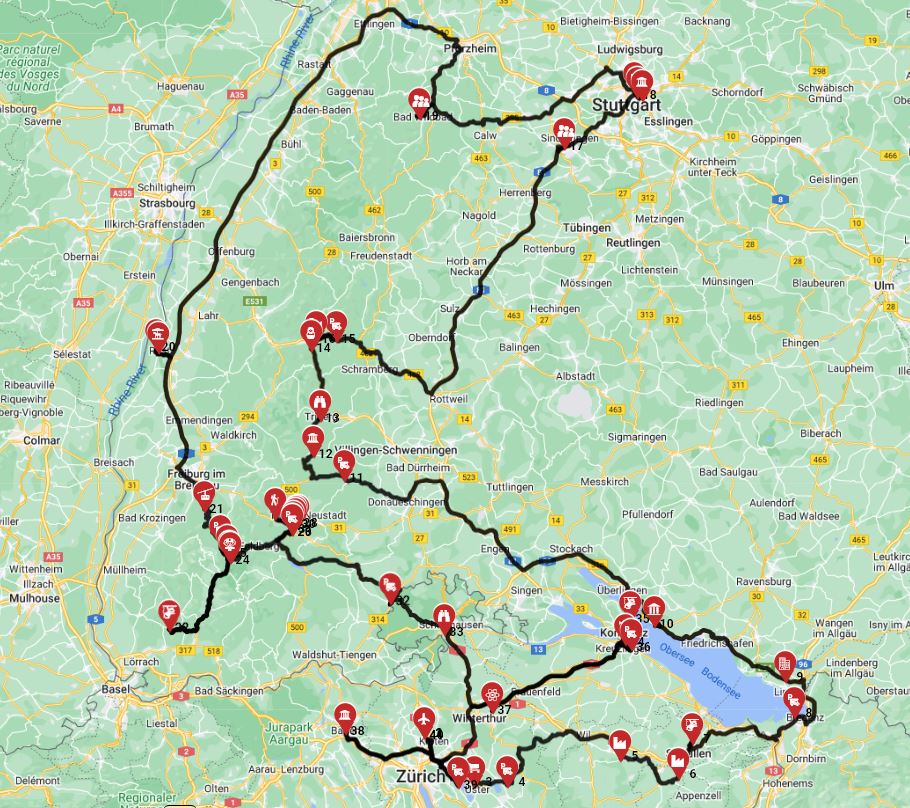
Another excellent option is the "Basel Roundtrip - Switzerland & Black Forest" which spans 16 days and 1233.4 km, ideal for those wanting to explore the diverse landscapes between Switzerland and Germany's Black Forest. This itinerary includes 2 amusement parks, 4 museums, and 5 natural features, offering a rich blend of cultural and natural attractions. This route offers a comprehensive exploration of two distinct regions.
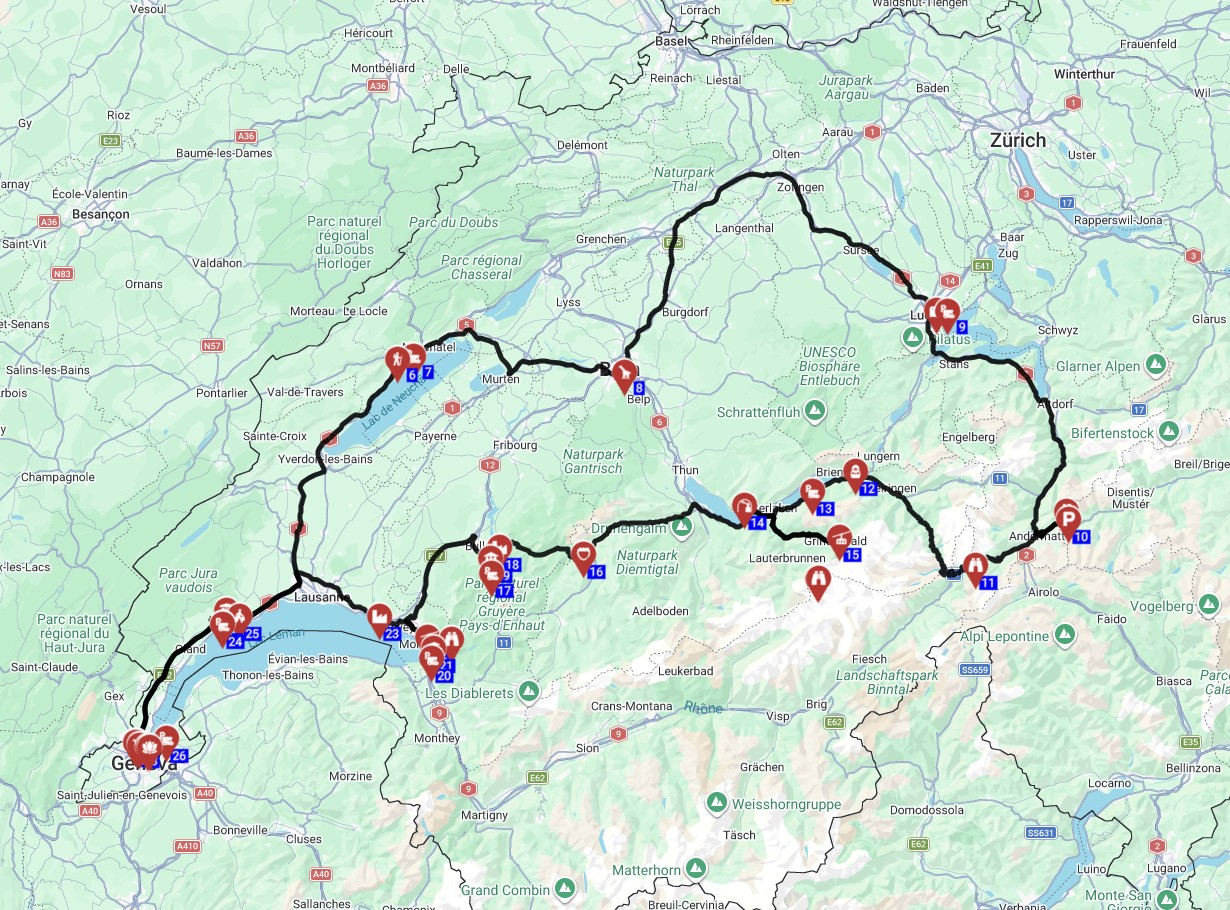
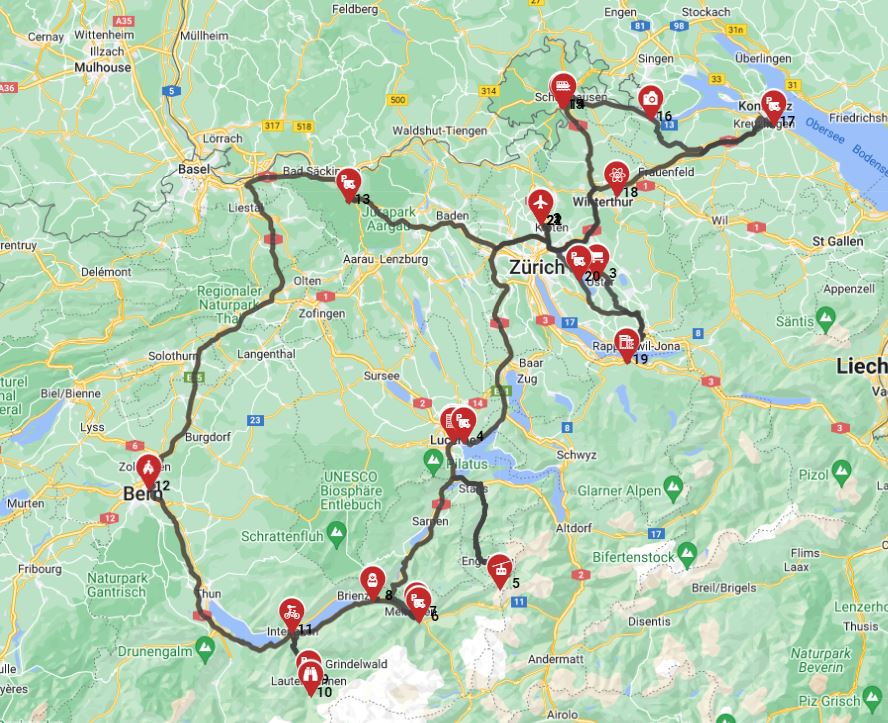
For a shorter but equally rewarding adventure, consider the "Zurich Roundtrip - Switzerland Short", an 8-day, 766.8 km journey beginning and ending in Zurich. This route plan features 1 cable railway, 1 extreme activity, 1 hiking area, and 1 water park, perfect for those seeking an active Swiss experience. When planning your budget, remember that prices are dynamic like flight tickets, changing daily based on availability, seasonality, and supplier marketing decisions, with the final price set at actual booking time. For the latest options and potential savings, check out RV Rental Deals in Switzerland - Latest Offers 2026.
Best Time for an RV Trip in Switzerland: Seasonal Insights
The best months for RV travel in Switzerland are typically June to September, offering the warmest weather, longest daylight hours, and most accessible mountain passes, making it ideal for outdoor activities like hiking and cycling. Summer (July-August) is indeed prime time for these activities but also sees the highest tourist crowds and peak campground prices, requiring bookings far in advance for popular sites. Shoulder seasons (May-June and September-October) offer a fantastic balance of pleasant weather and fewer crowds, with vibrant spring blooms or stunning autumn foliage providing unique visual treats. During these times, some higher mountain passes may still be closed in early spring or begin to close in late autumn, requiring careful route planning and checking road conditions.
Off-peak travel in spring or autumn allows for unique challenges and rewards, such as witnessing blooming alpine meadows or vibrant fall foliage, but necessitates packing appropriate gear for cooler temperatures and being prepared for potential road closures due to snow at higher elevations. Even in the off-season, many national and state parks reserve 25-30% of their spots as first-come, first-serve, so you'll always find a place to rest your rented motorhome for the night. Just call ahead to check availability if you have a specific campground in mind. Traveling during these quieter times can also reveal a more authentic side of Swiss culture and daily life, providing a different perspective on your journey.
Comprehensive Pre-Trip Checklist for First-Time RV Renters in Switzerland
For your first RV rental in Switzerland, a comprehensive pre-trip checklist is essential to ensure a smooth journey. Firstly, confirm your driving license validity and procure an International Driving Permit (IDP) if your national license isn't from an EU/EFTA country or lacks key information in English, German, French, or Italian. Secondly, secure your RV rental well in advance, especially if traveling during peak season, as popular vehicles and dates can book up quickly; while booking 6-12 months isn't strictly necessary, planning 3-6 months ahead can offer better selection and rates for your preferred Class B campervan or Class C motorhome. Next, arrange comprehensive travel insurance that explicitly covers RV rental in Europe and consider upgrading to a top-level deductible reimbursement for extra peace of mind, an optional upgrade that many travelers find invaluable.
Packing essentials for Switzerland should include layered clothing for varying alpine temperatures, sturdy walking shoes, a universal power adapter (Type J), and a basic first-aid kit. While most rented motorhomes come equipped with basic kitchenware and bedding, it's wise to double-check with your supplier. Avoid common mistakes by meticulously planning your routes to account for mountain passes (which may close in winter), diligently checking campsite availability on RV PLANET, and always adhering to local speed limits and traffic laws. For detailed insights into rental costs for a week-long trip, check out our guide on Weekly RV Rental in Switzerland - Pricing 2026, which helps budget for the rental itself, fuel, and campsite fees.
🎬 Video coming soon
Pet Travel and Local Culture in Switzerland
Traveling with pets in a rented RV to Switzerland requires understanding specific regulations to ensure a smooth and enjoyable trip for your furry companions. All pets must have an EU pet passport, be microchipped, and be vaccinated against rabies. It's crucial to confirm these requirements well in advance of your trip. Switzerland offers many pet-friendly campgrounds, but always check their specific policies and any additional fees before booking. Finding local vets along your route for any unforeseen needs can be crucial, so research these in key areas you plan to visit.
Embracing local Swiss culture with your motorhome involves respecting customs like the strict "mittagsruhe" (midday quiet hours, often 12 PM - 2 PM) at campgrounds, where noise and vehicle movement are restricted. Waste separation and recycling are deeply ingrained in Swiss culture, so be prepared to meticulously sort your trash into various bins for glass, plastic, paper, and compost at campgrounds and public facilities. Enjoying meals prepared in your RV's kitchen, perhaps using fresh produce from local markets, is a wonderful way to connect with the food culture; remember to consult our RV-friendly recipes playlist for inspiration. By being mindful of these local practices, you'll ensure a respectful and rewarding experience.
Top Cities for RV Rental in Switzerland
Switzerland offers several excellent starting points for your RV rental adventure, each providing easy access to stunning landscapes and diverse regions. Picking up your motorhome or campervan in one of these cities allows for seamless transitions into your journey.
- Zurich: As Switzerland's largest city, Zurich provides extensive rental options and excellent connections for starting your trip. From here, you can easily access the eastern Alps, the German border, or head south towards Lake Lucerne.
- Geneva - Airport: Located in the French-speaking part of Switzerland, Geneva is a prime gateway for exploring Lake Geneva, the Jura Mountains, and provides a convenient starting point for traveling into France or Italy.
- Basel: Situated at the crossroads of Switzerland, France, and Germany, Basel is ideal for cross-border trips. It offers a blend of historic charm and modern amenities, perfect for picking up your rented camper.
- Bern: Switzerland's capital, Bern, offers a charming old town and central location, making it a great base for exploring the Bernese Oberland and its iconic peaks.
- Lucerne: While not a major rental hub, Lucerne is a central and exceptionally scenic city, often used as a stopover. Rentals from nearby cities can bring you to this beautiful lakeside destination quickly.
- Lugano: In the Italian-speaking canton of Ticino, Lugano is perfect for those looking to explore the warmer, Mediterranean-influenced region of Switzerland and easy access to Northern Italy.
Each city offers unique advantages, ensuring you can tailor your pick-up location to your desired itinerary and exploration style. Bandana Caravan partners with top suppliers to offer convenient pick-up and drop-off locations across these regions, making your planning straightforward and stress-free.
What You Shouldn't Miss
- Drive the Furka Pass: Experience one of Switzerland's most iconic mountain roads, famously featured in James Bond films. This pass offers incredible hairpin bends and panoramic views of the Alps, including the Rhone Glacier.
- Explore the Lauterbrunnen Valley: Visit the valley of 72 waterfalls, including the stunning Trümmelbach Falls and Staubbach Falls. Park your rented motorhome at a nearby campground and explore the picturesque villages of Wengen and Mürren by cable car.
- Cruise Lake Lucerne: Take a scenic boat trip on Lake Lucerne, surrounded by mountains like Mount Pilatus and Rigi. Many lakeside campgrounds offer easy access to boat terminals.
- Hike in the Engadine Valley: Discover the high-alpine beauty of the Engadine, with its stunning lakes (like Lake St. Moritz and Lake Sils), charming villages, and countless hiking trails. This area is perfect for slow travel and connecting with nature.
- Visit Gruyères Village: Step into a medieval fairytale by visiting Gruyères, home to the famous Gruyère cheese and a magnificent castle. Indulge in traditional Swiss fondu or raclette at a local restaurant.
Looking for expert insights from Avi Bandana? Top 5 Adventures - recommendations from Avi Bandana.
Final Thoughts
Setting out on your first RV rental journey through Switzerland is an adventure waiting to unfold. From navigating stunning mountain passes to discovering serene lakeside villages, the freedom of a rented motorhome allows you to craft a deeply personal and unforgettable travel experience. By understanding the local driving rules, considering your RV class, and embracing the slow travel philosophy, you’re well on your way to a spectacular trip.
Remember that Bandana Caravan is here to support you before, during, and after your booking, ensuring a seamless and transparent process. We want you to feel confident and excited, ready to connect with Switzerland's incredible nature and vibrant culture. So, take a deep breath, plan your route, and prepare for the journey of a lifetime.
Discover top destinations, planning tips, all in one place! Find rv rental Rentals in Switzerland and start your adventure today.