For live availability and current prices, start with our RV Rental Sweden - Complete Guide 2026 guide.
In This Guide
- Can You Drive an RV in Sweden? License & Age Rules
- Road Conditions & Terrain in Sweden
- RV Size Limits, Bridges & Restricted Zones
- Fuel: Diesel vs. Petrol & Cost per 100 km
- Tolls, Vignettes & Border Rules
- Driving Tips for RV Rental Beginners Travelers
- Recommended RV Class for Sweden Roads
- Should I Choose a Compact Van Instead of a Large RV in Sweden?
- Can I Park Anywhere? Free & Wild Camping Rules in Sweden
- Can I Drive an RV Into the City Center? Heights, Tunnels & Local Signage
- How do I plan an RV trip to Sweden?
- What is the best time of year to RV in Sweden?
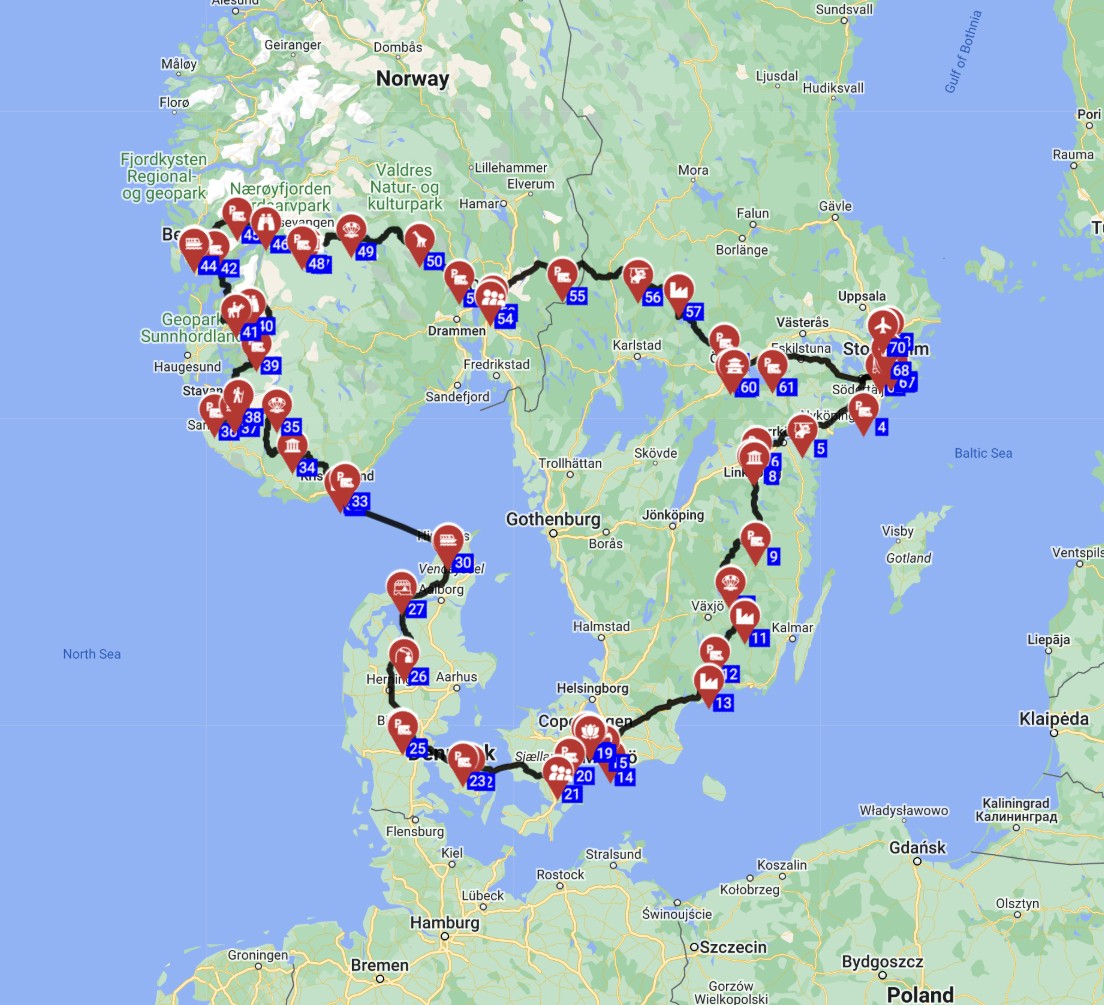
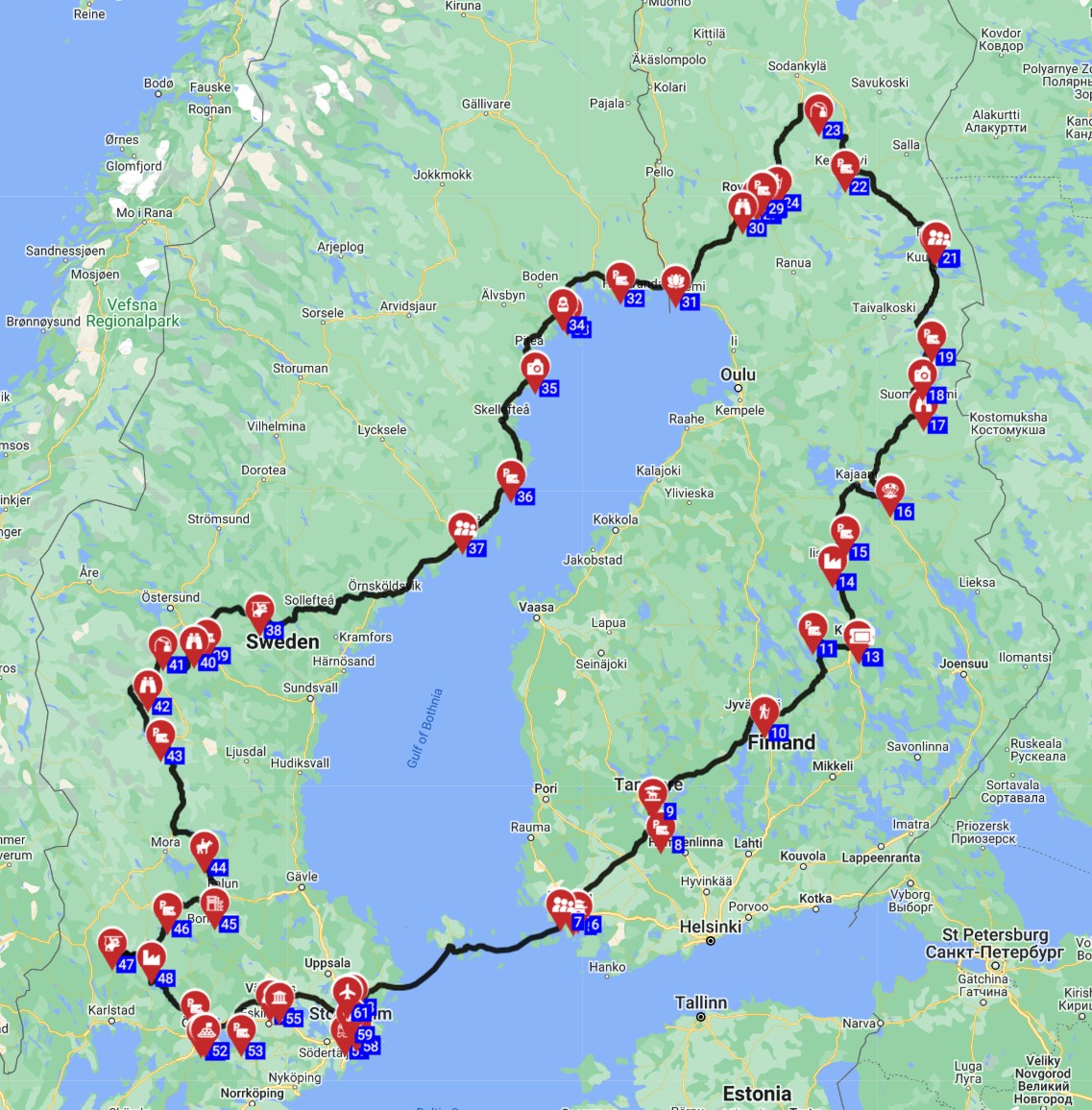
- What are the best RV routes in Sweden?
- Is it expensive to rent an RV in Sweden?
- How do I find RV campgrounds in Sweden?
- Do you need an adapter for RV in Sweden?
- How much does it cost to dump an RV in Sweden?
- What should I pack for an RV trip to Sweden?
Can You Drive an RV in Sweden? License & Age Rules
Yes, you absolutely can drive an RV in Sweden! The requirements are straightforward for most visitors. Most standard RVs in Sweden, those with a Total Permissible Mass (TPM) under 3,500 kg, can be driven with a regular B driving license, the same one you use for a car. If you're considering a larger RV that exceeds 3,500 kg TPM, you might need a C1 or C license, depending on its specific weight. Rental companies typically set their own minimum driver age, often 20 or 21 years old, even if your national license permits driving at 18. For those with licenses issued outside the EU/EEA, an International Driving Permit (IDP) is usually required in addition to your valid national license to ensure smooth communication with local authorities.
Road Conditions & Terrain in Sweden
Swedish roads are generally a pleasure to navigate, offering a well-maintained network that makes RV travel comfortable. You'll encounter a mix of smooth, modern motorways, charmingly scenic country roads, and occasionally, unpaved gravel sections, particularly in more remote areas. Expect excellent quality on the main routes, and even secondary roads usually maintain a high standard. The terrain itself varies beautifully across the country; you'll find flat coastal plains and dense forests in the south, transitioning to rolling hills and more mountainous regions as you head north. On those gravel roads, especially in Norrland (Northern Sweden), remember to drive slowly and carefully to ensure a safe and enjoyable journey. We always encourage embracing slow travel, allowing you to truly appreciate Sweden's stunning natural beauty and connect with the landscape.
RV Size Limits, Bridges & Restricted Zones
Sweden's infrastructure is generally very accommodating for RVs, but as with any travel, being aware of potential height and weight restrictions is key. You'll need to pay attention to local signage, particularly around older bridges, within historic town centers, and in designated environmental zones. While there aren't strict size limits applicable to all roads, keep an eye out for posted height limits, often around 2.5 meters or 3.5 meters, for tunnels, underpasses, and multi-story car parks. Similarly, older, narrower bridges, especially on rural routes, may have weight limits – always heed these warnings. Major cities like Stockholm and Gothenburg have environmental zones ('miljözoner') which may restrict entry for older diesel vehicles, so ensure your rental RV complies with current emission standards. If you plan to use ferries, remember that RV length and weight often affect pricing and availability, so it's worth checking in advance.
Fuel: Diesel vs. Petrol & Cost per 100 km
The vast majority of modern RV rentals in Sweden run on diesel, which is readily available across the country. You can generally expect a fuel consumption rate of around 10-12 liters per 100 km for common rental classes like Semi-integrated and Alcove models. For instance, our global fleet data shows that Class SI - Semi-integrated RVs typically consume 10–11 liters/100 km, while Class C - Alcove RVs average 10–12 liters/100 km. Naturally, the more compact Class B Camper Vans often achieve better fuel economy, typically consuming 8-10 liters/100 km. Fuel costs are a significant part of any RV trip budget, so factor this in when planning your expenses. Some rental providers might offer fuel discount cards or loyalty programs, which can help manage these costs during your travels. On the routes offered through RV PLANET routes, you can itemize and track every expense along the way for easy budgeting.
Tolls, Vignettes & Border Rules
When it comes to tolls in Sweden, the system is quite straightforward. You won't encounter a nationwide vignette requirement for using the motorways. Instead, Sweden primarily utilizes congestion charges in Stockholm and Gothenburg, and a bridge toll for the Öresund Bridge connecting to Denmark. These congestion charges ('trängselskatt') are automatically levied when you enter or exit central Stockholm and Gothenburg during weekdays, with foreign vehicles typically invoiced through Epass24. The Öresund Bridge, a significant link to Denmark, requires a toll that varies based on vehicle type and length, including specific rates for RVs. If your itinerary takes you to neighboring countries like Norway or Denmark, be sure to familiarize yourself with their respective toll systems; some rental RVs may come with pre-purchased toll passes to help you avoid potential fines.
Driving Tips for RV Rental Beginners Travelers
For those new to RV travel in Sweden, prioritizing a relaxed driving pace, understanding local road signs, and being prepared for varying weather conditions will greatly enhance your journey. Always remember to drive on the right side of the road and keep your dipped headlights on at all times, even during daylight hours, which is a standard Swedish driving practice. Adhere strictly to the posted speed limits – typically 110-120 km/h on motorways, but considerably lower in rural and urban areas. Be extra cautious when driving on gravel roads, which are common in the countryside. Vigilance for wildlife, especially moose, deer, and reindeer, is crucial, as these animals can be a significant hazard, particularly at dusk and dawn. Take frequent breaks to prevent driver fatigue, allowing everyone to stretch and explore. Embracing the Swedish custom of 'Fika' (a traditional coffee and pastry break) at a scenic stop is a perfect way to recharge and connect with the local culture.
Recommended RV Class for Sweden Roads
For beginners venturing into RV travel in Sweden, we highly recommend considering Class SI (Semi-integrated) and Class C (Alcove) RVs. These classes offer a comfortable balance between essential living space and manageable size for navigating Swedish roads. Class SI RVs, averaging around 6.9 meters in length according to our global fleet data, provide good maneuverability while still offering ample living and sleeping space for 3-4 adults. Class C RVs, typically averaging 7.5 meters in length, are excellent for families, easily accommodating 5-6 people thanks to their distinctive overhead sleeping compartment. Both these classes are well-suited for Sweden's diverse road conditions, including occasional gravel surfaces, and provide the comfort needed for extended trips.
Should I Choose a Compact Van Instead of a Large RV in Sweden?
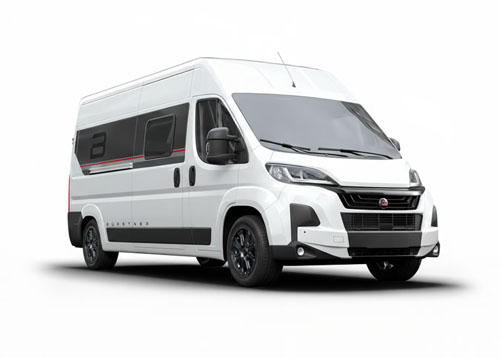
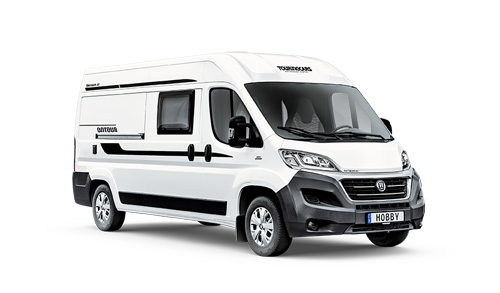
While compact camper vans certainly offer greater maneuverability in tight urban areas, most RVs of various sizes are quite suitable for Swedish roads, and larger RVs provide significantly more comfort and living space for your journey. Compact vans, like our Class B Camper Vans (averaging 5.8 meters in length), excel in navigating narrow city streets, finding parking in smaller spots, and accessing more secluded natural areas. However, larger RVs, such as Semi-integrated or Alcove models, offer more extensive amenities, greater interior space for living and storage, and enhanced comfort for longer trips – factors that many beginners find highly desirable. Sweden's infrastructure is generally RV-friendly, meaning larger vehicles rarely encounter insurmountable issues outside of specific historic centers where careful navigation is always required. Ultimately, the choice often comes down to balancing ease of driving and parking with your desired level of onboard comfort and facilities for your specific travel style.
Can I Park Anywhere? Free & Wild Camping Rules in Sweden
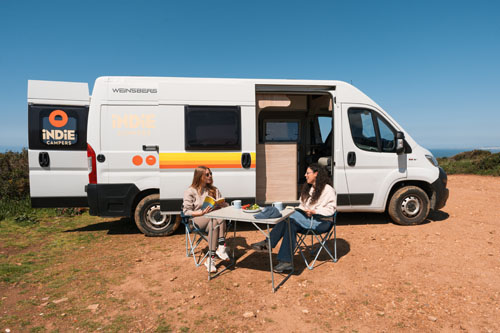
Sweden's famous 'Allemansrätten' (the right of public access) grants considerable freedom for tent camping, allowing overnight stays on uncultivated land, provided you "don't disturb, don't destroy." However, this right does not extend to motor vehicles. For RVs, overnight parking is generally restricted to official campsites ('campingplatser'), designated motorhome pitches ('husbilsplatser' or 'ställplatser'), or legal public parking areas where no specific restrictions apply. You can typically park an RV overnight on public roads or parking areas for a short duration, such as 24 hours on weekdays, as long as local regulations permit. It's crucial to remember that this is considered parking, not 'wild camping,' meaning you shouldn't set up awnings, chairs, or extend your stay beyond what's permitted. Always adhere to strict 'leave no trace' principles: take all your rubbish with you, avoid disturbing landowners or wildlife, and never light fires outside designated areas. Rules can vary by municipality, so always check local regulations and follow local law before parking overnight, particularly concerning fire safety during dry periods.
Can I Drive an RV Into the City Center? Heights, Tunnels & Local Signage
Yes, you can generally drive an RV into Swedish city centers, but it requires careful attention to local signage. Be particularly aware of height restrictions posted for car parks, tunnels, and underpasses, as these can be lower than typical RV heights, especially in older or historic urban areas. You'll also need to be conscious of congestion charges and environmental zones ('miljözoner') present in cities like Stockholm and Gothenburg, which might have specific restrictions on certain vehicle types or incur entry fees. Finding suitable RV parking directly in city centers can often be challenging. Therefore, it's frequently advisable to utilize designated RV parking facilities on the outskirts of cities or park-and-ride options, then explore the city using public transport for a more convenient experience. Always obey all local signage, which is clearly displayed for no-entry zones, weight or height limits, and resident-only streets.
How do I plan an RV trip to Sweden?
Planning an RV trip to Sweden is an exciting process that involves several key steps to ensure a smooth adventure. Start by defining your travel dates and identifying your interests—whether you're drawn to coastal relaxation, cultural explorations, or the wilderness of the north—to help tailor your itinerary. Research potential routes, keeping the time of year in mind, and aim to balance driving time with opportunities for 'Fika' breaks and experiencing local culture. Selecting an RV class that matches your group size and comfort preferences is essential. Remember that even compact camper vans offer a unique and liberating way to explore. Booking your initial campsites, especially during peak season, is highly recommended. Familiarize yourself with Sweden's 'Allemansrätten' and the specific rules for RV camping. Finally, factor in a comprehensive budget that extends beyond just the rental costs to include fuel, groceries, campsite fees, and attraction entries. Utilizing RV-specific apps for navigation, finding campsites, and discovering points of interest will further streamline your journey.
What is the best time of year to RV in Sweden?
For first-time RV travelers in Sweden, the shoulder seasons—May to early June and September—are often ideal, offering mild weather and fewer crowds. Alternatively, peak summer (July-August) provides the longest daylight hours, including the magical 'Midnight Sun' in the north, and the warmest temperatures, perfect for outdoor activities, though it also means more tourists and higher campsite demand. In winter (October-April), RVing presents unique challenges like snow and ice on roads, shorter daylight hours, and the necessity of a fully winterized RV, making it generally not recommended for beginners. However, winter does offer opportunities for viewing the Northern Lights in the far north, a truly unforgettable experience for the prepared traveler.
What are the best RV routes in Sweden?
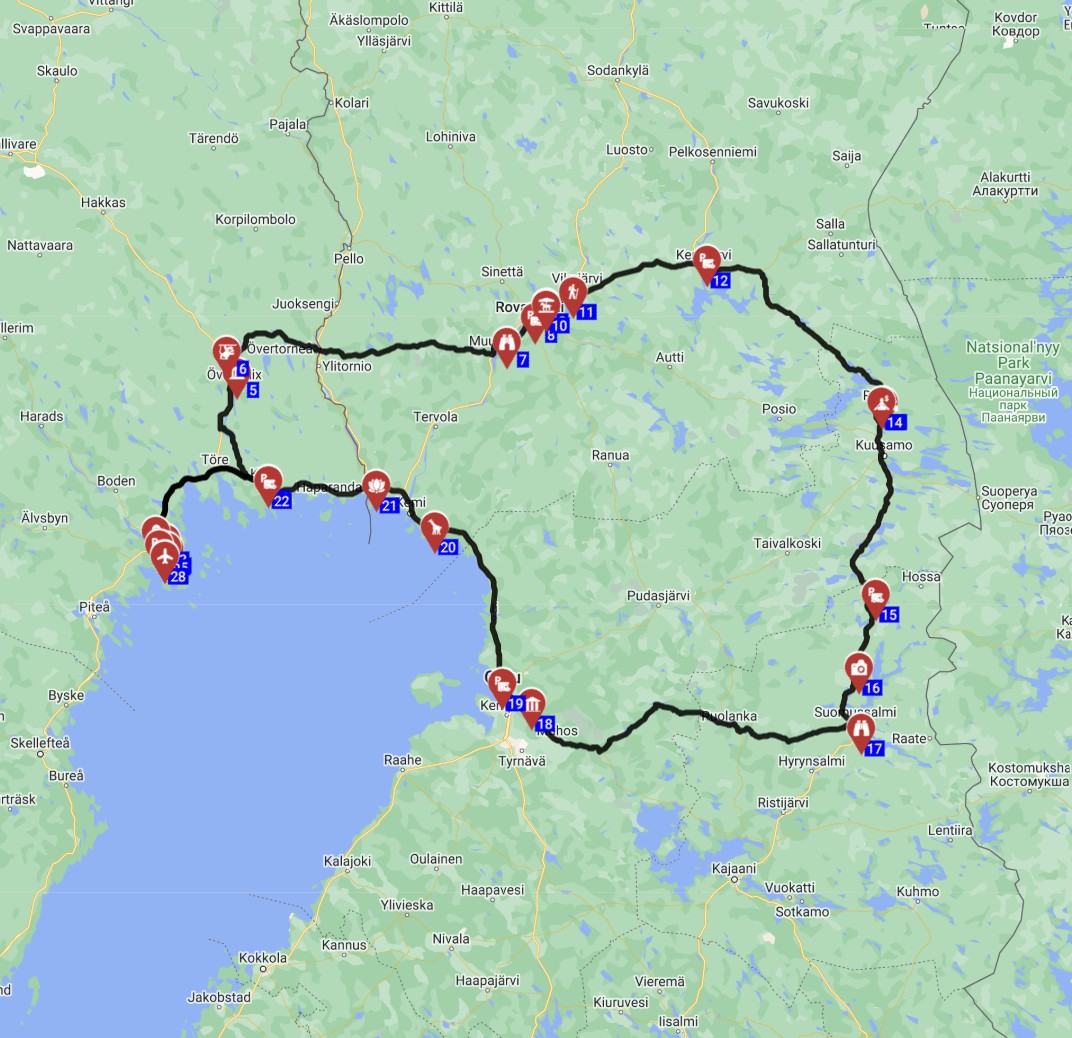
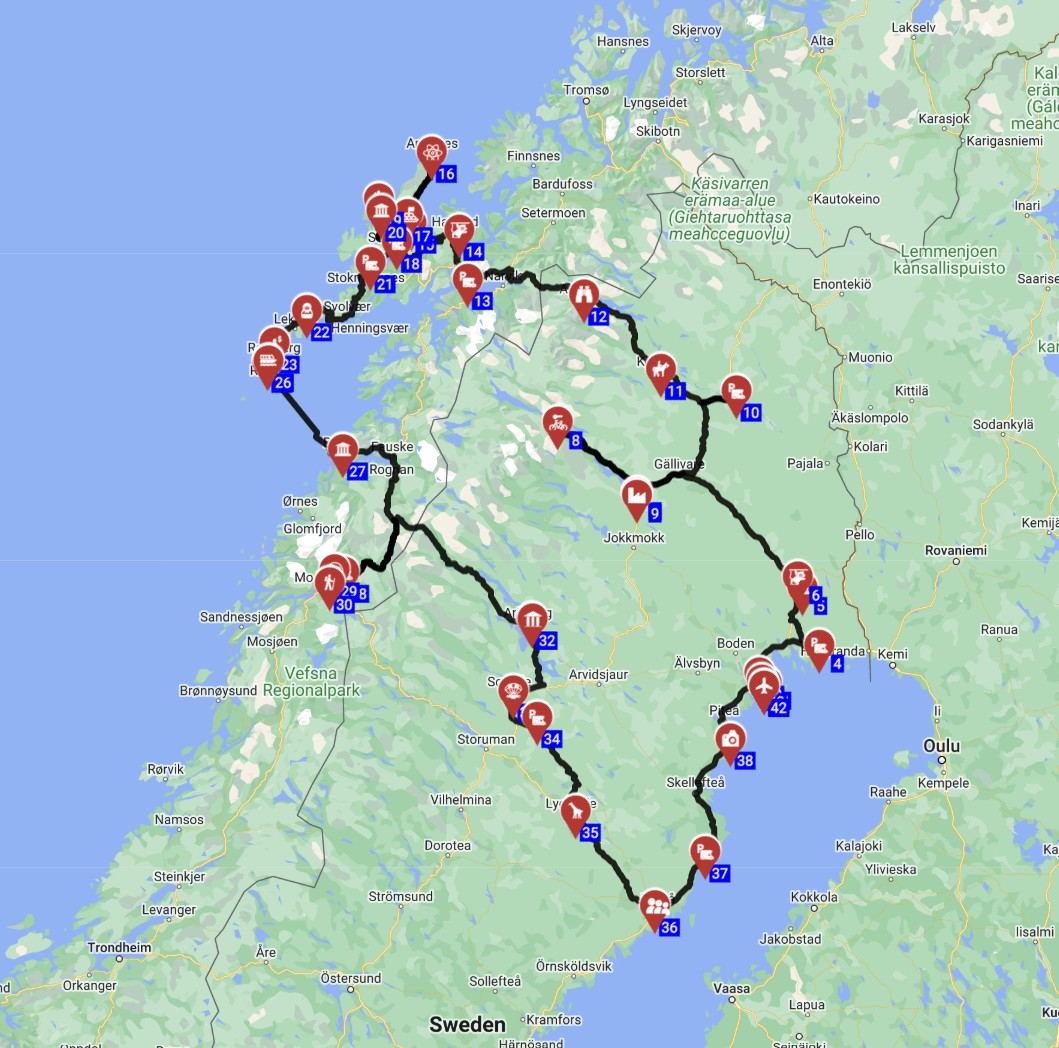
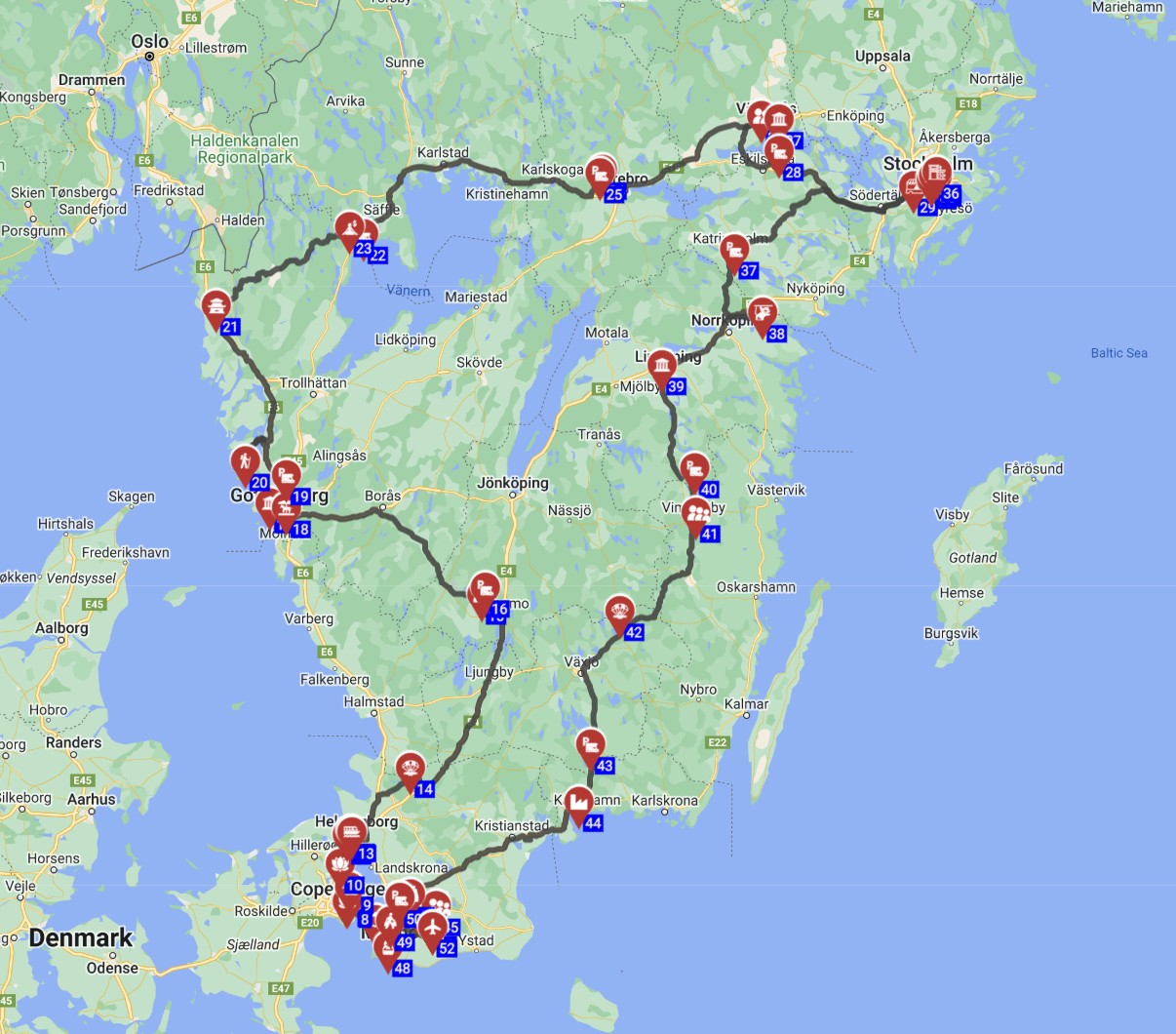
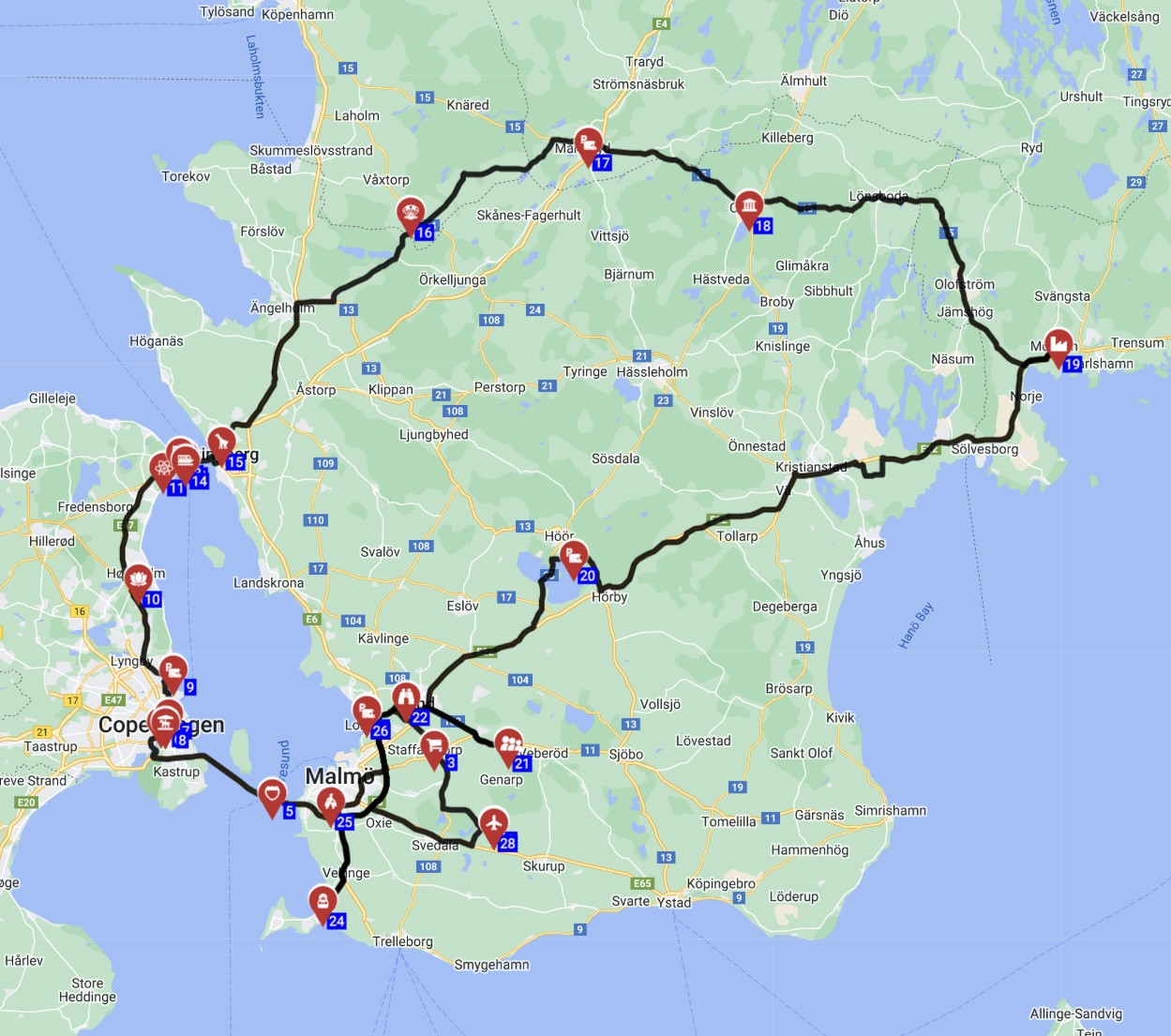
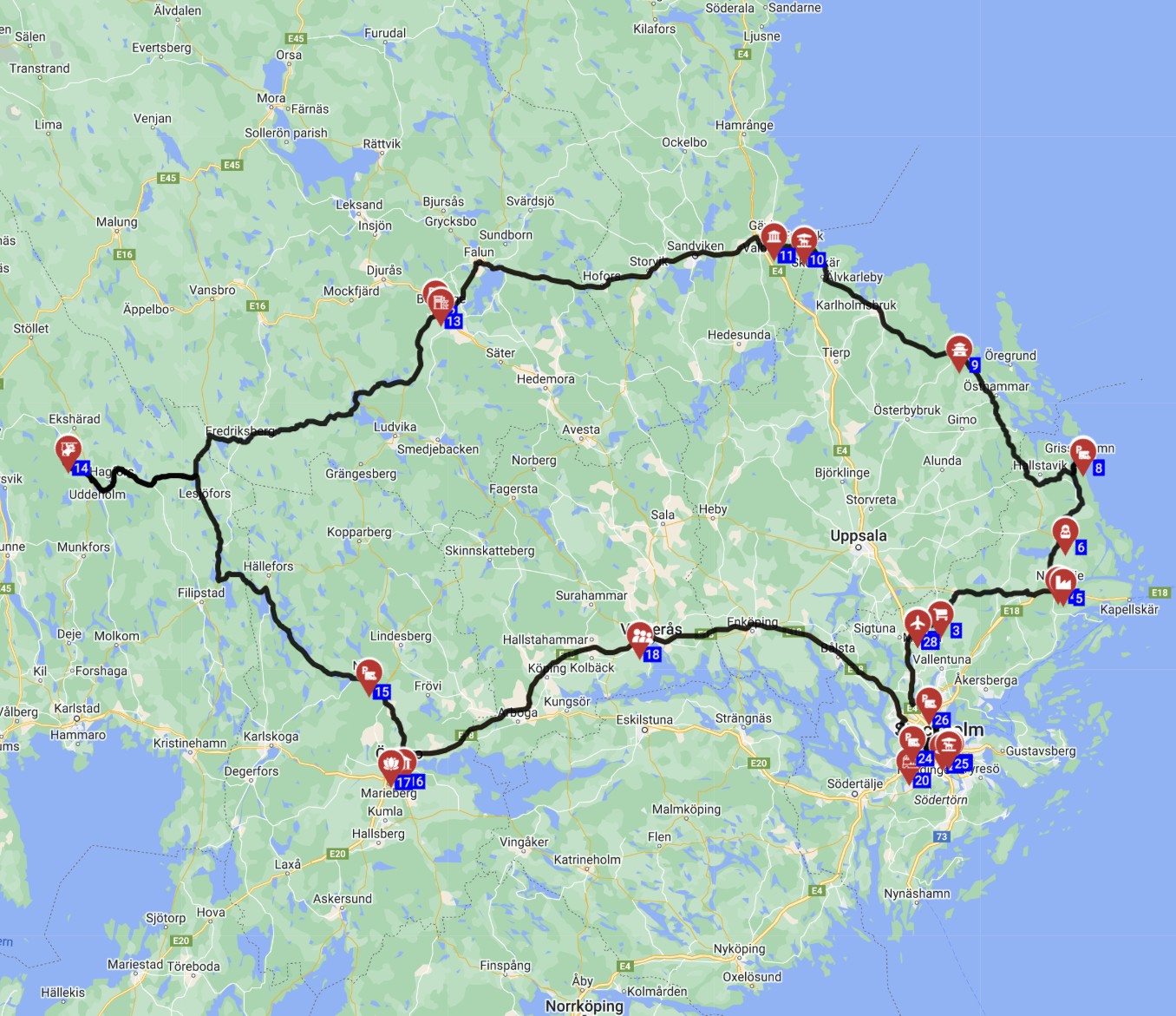
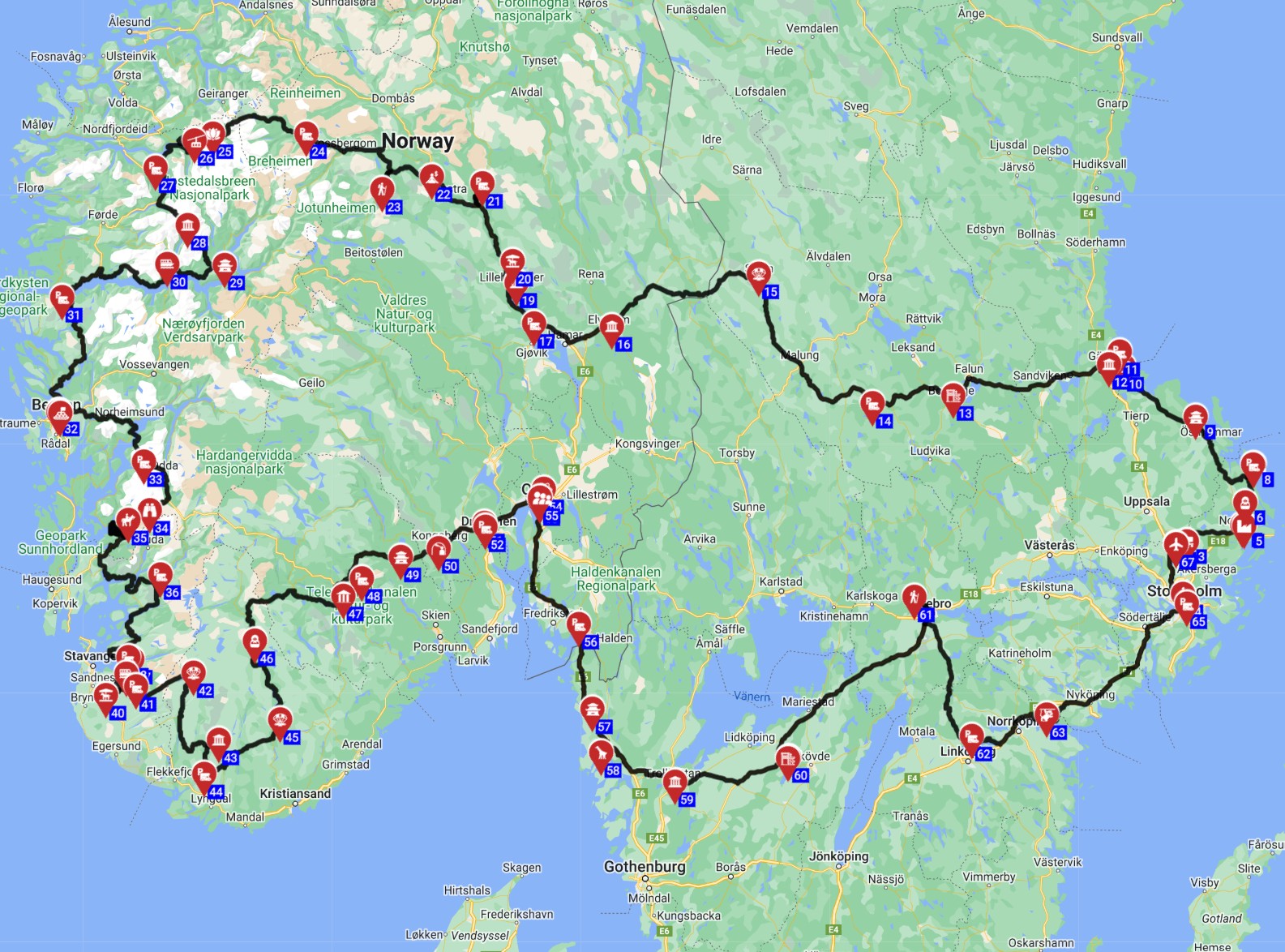
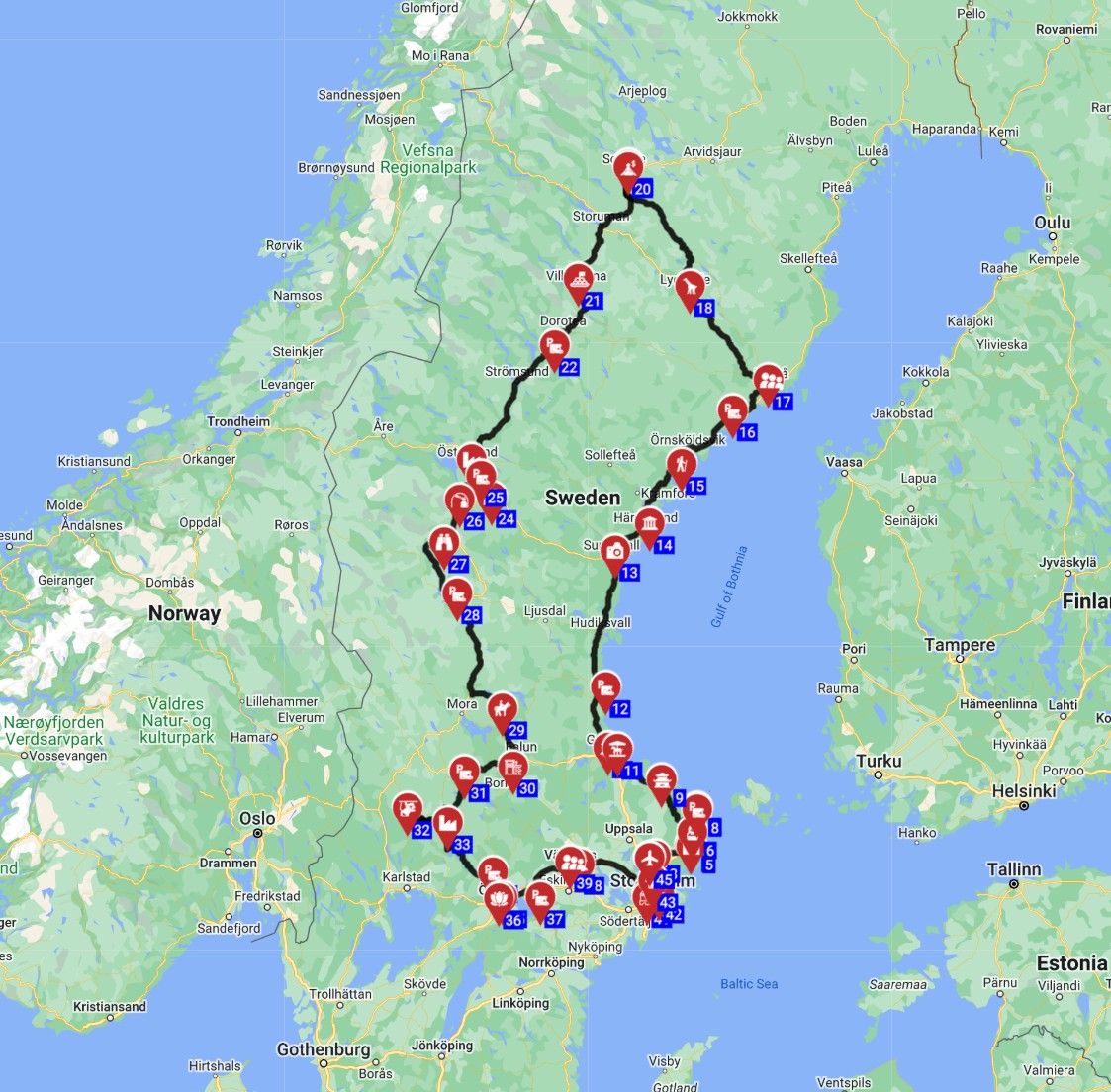
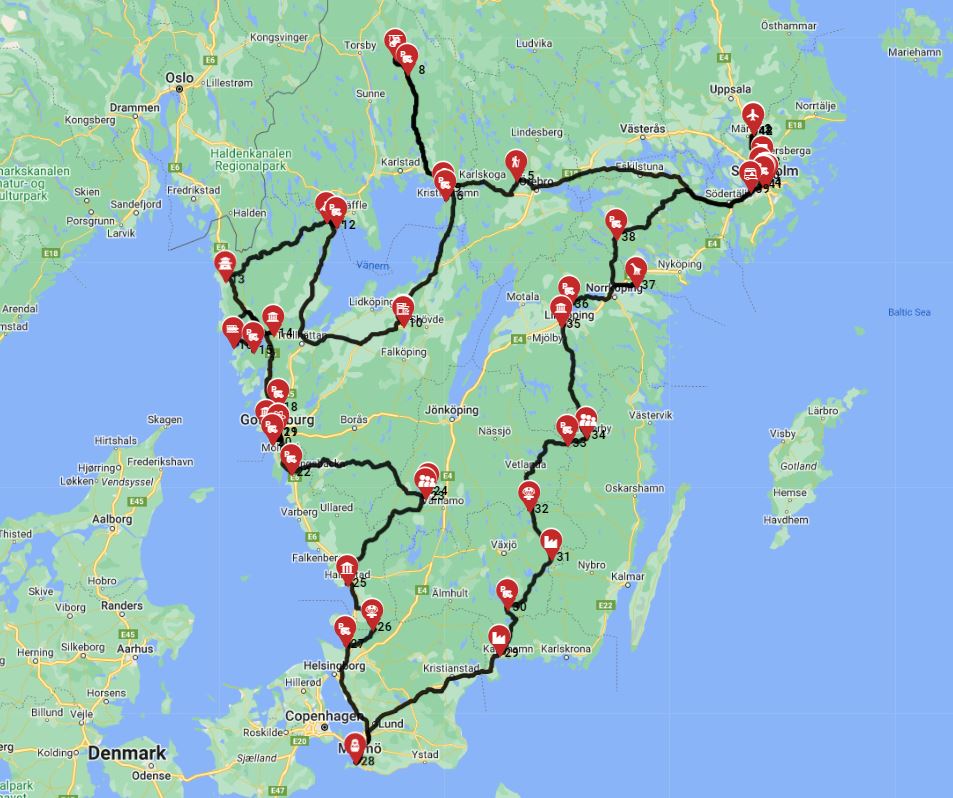
Sweden boasts a diverse and incredibly picturesque range of RV routes, catering to various interests. Popular choices include scenic coastal drives along the southern shores, cultural explorations through central Sweden's vast lake districts and charming cities, or wilderness adventures into the expansive northern regions. Southern Sweden, encompassing Skåne and the West Coast, is perfect for coastal drives, exploring fishing villages, and relaxing on sandy beaches, with easy access from Denmark via the Öresund Bridge. Central Sweden, covering Götaland and Svealand, invites you to discover the immense lakes of Vättern and Vänern, the historic Göta Canal, and culturally rich towns like Vadstena and Vimmerby, the birthplace of Astrid Lindgren. For the truly adventurous, Northern Sweden (Norrland) offers expansive wilderness, stunning national parks, arctic landscapes, and the chance to witness the Northern Lights, although distances are longer and services more remote. You might also consider themed routes focusing on local culture, such as experiencing Midsummer traditions or seeking out unique local food experiences at roadside farm shops.
Is it expensive to rent an RV in Sweden?
The cost of renting an RV in Sweden can vary significantly, influenced by the RV class, rental duration, the season, and specific amenities included. Beyond the rental cost itself, you'll need to budget for ongoing expenses such as fuel, campsite fees, groceries, and activities. Peak season, particularly July and August, commands the highest rental rates, while the shoulder seasons (May, June, September) often offer more affordable options. Generally, smaller Class B Camper Vans are more economical than larger Class A Integrated RVs. Fuel is a substantial continuous expense; it's wise to estimate your budget based on average fuel consumption rates and current fuel prices. Campsite fees typically range from SEK 200-500+ per night, depending on the location and provided facilities, with full-service holiday parks at the higher end. Self-catering from supermarkets will generally be more cost-effective than dining out, as Sweden can be an expensive country for restaurant meals. Remember to also budget for entry fees to national parks, museums, and other points of interest you plan to visit. Finally, carefully review your rental's insurance coverage and consider any additional protection or optional services, such as bedding or kitchen kits, that might add to the overall trip cost. For ideas you can prep on the road, watch our RV-friendly recipes playlist on YouTube.
How do I find RV campgrounds in Sweden?
Finding RV campgrounds in Sweden is made remarkably easy thanks to a variety of dedicated resources. You can utilize popular mobile apps like ACSI Campings, Camping.se, and Park4Night, which are excellent for locating official campsites ('campingplatser') and even informal motorhome pitches ('ställplatser' or 'husbilsplatser'). The Swedish Camping and Caravanning Association (SCR Svensk Camping) also offers a comprehensive national directory of quality-assured campsites on their website. As you travel, keep an eye out for clear blue and white road signs indicating 'Camping' or 'Husbilsplatser'. Campsites in Sweden range from basic pitches offering essential electricity and water access to full-service holiday parks complete with showers, laundromats, and convenient waste disposal facilities, ensuring you can easily address practical needs for water, waste, and electricity.
Do you need an adapter for RV in Sweden?
Yes, you will generally need an adapter for your RV's electrical hookups in Sweden. Most campsites utilize the standard European CEE blue three-pin plug (16A) for their hookups, which differs from the outlets found in some other countries. It's essential to ensure that your RV rental includes the necessary adapter cable, or to bring your own if you're traveling from a region with a different standard, such as the UK's 3-pin or North America's 30A/50A connections. For charging your smaller personal devices inside the RV, you'll typically find standard European Type F/E 'Schuko' wall outlets, so a universal travel adapter might also be a useful addition to your packing list if you're coming from outside Europe.
How much does it cost to dump an RV in Sweden?
The cost to properly dump your RV's grey and black water tanks in Sweden is typically quite reasonable, ranging from free to a small fee, often around SEK 50-100, at official service stations, campsites, or designated 'latrintömning' (toilet emptying) points. Many official campsites include access to dump stations for both grey and black water as part of the overnight camping fee. If you're using dedicated service points, which are often found at petrol stations, municipal facilities, or 'husbilsplatser', there might be a small, standalone fee for emptying your tanks. Look for signs specifically indicating 'Latrintömning' for toilet waste and 'Gråvattenstömning' for grey water. It's crucial to never dump waste illegally in undesignated areas; proper disposal is vital for respecting Sweden's pristine environment and upholding the principles of Allemansrätten.
What should I pack for an RV trip to Sweden?
For an enjoyable RV trip to Sweden, essential packing includes versatile clothing layers suitable for Sweden's changeable weather, sturdy walking shoes, insect repellent (especially crucial during summer months), an international driving permit if applicable, a European power adapter, and reliable personal navigation tools. Pack clothing in layers so you can adapt to varying temperatures, and always include waterproof and windproof outerwear, even in summer, as evenings can often be cool. Comfortable, sturdy walking shoes or hiking boots are a must for exploring, perhaps complemented by a pair of sandals. Given the prevalence of lakes and forests, insect repellent is vital during the summer months to ward off mosquitoes and midges. Ensure your travel documents are in order: passport, driving license (plus IDP if required), rental agreement, and travel insurance details should all be easily accessible. Don't forget practical items like a European CEE 16A power adapter, a basic first-aid kit, binoculars for wildlife spotting, a good camera to capture the incredible scenery, and a physical map as a backup to your digital navigation apps.
What You Shouldn't Miss
- Experience the magic of the **Midnight Sun** in Swedish Lapland during summer, where daylight extends around the clock for a truly unique phenomenon.
- Embrace the Swedish tradition of **'Fika'** by stopping at scenic viewpoints with coffee and pastries, making every break a cultural immersion.
- Navigate parts of the picturesque **E4 coastal route** in Southern Sweden, offering stunning sea views and access to charming fishing villages.
- Explore the vast natural beauty of **Abisko National Park** in the north, a prime spot for hiking and, in winter, for viewing the Northern Lights.
- Visit **Astrid Lindgren's World** in Vimmerby, a beloved theme park dedicated to the famous Swedish children's author, perfect for families.
- Drive over the impressive **Öresund Bridge**, connecting Sweden to Denmark, an architectural marvel offering incredible sea vistas.
Final Thoughts
Embarking on your first RV adventure in Sweden is a fantastic way to experience the country's breathtaking landscapes and unique culture at your own pace. With the right preparation and a spirit of adventure, you'll find that navigating the roads and embracing the lifestyle is incredibly rewarding. Remember to utilize the resources available, plan your routes, and most importantly, savor the slow travel experience.
Sweden offers an unparalleled RVing experience, from the charming southern archipelagos to the vast wilderness of the north. Embrace the freedom of the open road, the convenience of your mobile home, and the unforgettable memories you'll create. We're here to help you find the perfect RV for your Swedish journey, ensuring a trip that's as smooth as it is spectacular. Get inspired for your next trip!