In This Guide
- Can You Drive an RV in North Canada? License & Age Rules
- Road Conditions & Terrain in North Canada
- RV Size Limits, Bridges & Restricted Zones
- Fuel: Diesel vs. Petrol & Cost per 100 km
- Tolls, Vignettes & Border Rules
- Driving Tips for RV Rental Beginners Travelers
- Recommended RV Class for North Canada Roads
- Should I Choose a Compact Van Instead of a Large RV in North Canada?
- Can I Park Anywhere? Free & Wild Camping Rules in North Canada
- Can I Drive an RV Into the City Center? Heights, Tunnels & Local Signage
- Can you rent an RV to drive across Canada?
- What is the 3-3-3 rule for RV travel?
- Can I drive a rental car in Canada with a US driver's license?
- Do I need a special driver's license to drive an RV in Canada?
- Can I rent an RV in Canada and drive to the US?
- Can Americans RV in Canada?
- Is it easy to drive an RV in Canada?
- How much to rent an RV for 2 weeks in Canada?
- What kind of license do I need to rent an RV?
- What do you need to rent an RV in Canada?
Embarking on your first rented motorhome adventure in North Canada is an exhilarating prospect, promising vast wilderness, stunning landscapes, and unforgettable memories. This region, encompassing Yukon, Northwest Territories, Nunavut, and the northern parts of provinces like British Columbia and Alberta, offers a unique RV experience unlike any other.
At Bandana RV, we're true RV specialists, dedicated to making your first journey seamless and inspiring. We believe in full transparency, ensuring no hidden fees or surprises along the way, and offering dedicated support before, during, and after your booking. For live availability and current prices, start with our RV Rental North Canada - Complete Guide 2026 guide, designed to help you navigate your options with confidence.
Can You Drive an RV in North Canada? License & Age Rules
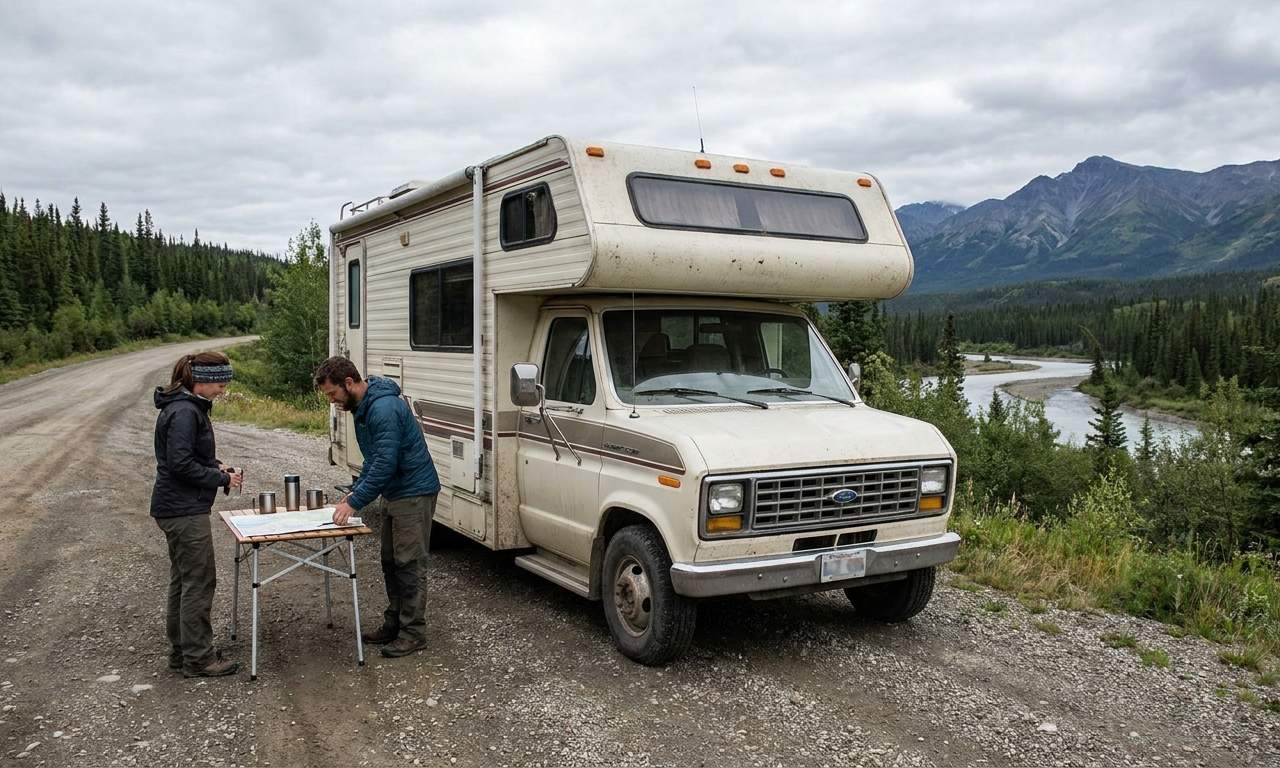
A standard US Class D or Canadian Class 5 driver's license is typically sufficient for driving most rented RVs in North Canada, provided the Gross Vehicle Weight Rating (GVWR) is under 11,000 kg (24,250 lbs) and it's not equipped with air brakes. This means the vast majority of rental Class B, Class C, and Class A motorhomes fall within the standard licensing requirements. For drivers from non-English or non-French speaking countries, while not always legally mandatory, obtaining an International Driving Permit (IDP) in addition to your valid home country license is strongly advised to avoid any potential language barriers with local authorities. The minimum age for renting an RV in North Canada is 21 years across our partner suppliers, and there are no young driver surcharges or vehicle class restrictions based on age, giving younger adventurers the freedom to explore. Always carry your physical driver's license, passport, and the rental agreement with you while driving to comply with local laws and ensure a smooth journey.
Road Conditions & Terrain in North Canada
Road conditions in North Canada vary significantly, presenting a mix of well-maintained paved highways and gravel roads, particularly on iconic routes like the 736 km (457 miles) Dempster Highway or those leading to remote communities. Beginners should anticipate long stretches between services, potential frost heaves that require careful driving, and the crucial need to adjust driving speeds for wildlife, especially moose, caribou, and bears. Traveling slowly, averaging a maximum of 100-150 km per day, allows you to fully appreciate the vast wilderness and navigate varying terrain safely. This approach helps conserve fuel, reduces stress, and enhances the overall experience by encouraging more frequent stops at scenic viewpoints.
RV Size Limits, Bridges & Restricted Zones
North Canada generally has fewer urban size restrictions for rented RVs compared to major southern cities, with most roads accommodating standard rental motorhomes and campervans without issue. For instance, the main routes around Whitehorse and Yellowknife are wide and easy to navigate. However, it is always important to pay close attention to signage for specific bridge weight limits or height clearances, especially on older or more remote structures that may not be designed for larger vehicles. If your adventure involves ferry services, which are common for accessing some northern communities or islands, be aware that they will have specific length and weight restrictions, and booking these in advance is essential. No need to stress about driving an RV in cities- drive slowly and carefully, and you can drive almost anywhere without issues. Just use common sense and pay attention.
Fuel: Diesel vs. Petrol & Cost per 100 km
Understanding fuel types and costs is crucial for budgeting your North Canada RV adventure. Many larger rental motorhomes, such as Class C (Alcove) models, typically run on diesel, consuming around 10-12 Liters/100 km, while more compact Class B (Camper Van) models often use petrol, averaging 8-10 Liters/100 km. Fuel availability can be sparse in remote parts of North Canada, so always plan your routes carefully to ensure adequate fuel stops and consider carrying extra fuel if venturing far off main highways. Average fuel costs in North Canada tend to be higher than in more populated southern regions due to transportation logistics. For easy budgeting and tracking every expense along the way, remember that RV PLANET routes allow you to itemize costs for better financial planning. On the routes offered through RV PLANET routes, you can itemize and track every expense along the way for easy budgeting.
Tolls, Vignettes & Border Rules
Navigating tolls and border crossings is generally straightforward when renting a motorhome in North Canada. While some southern Canadian provinces have tolls, designated toll roads and vignettes are largely absent in Northern Canada, including Yukon, Northwest Territories, Nunavut, and northern parts of British Columbia and Alberta. For cross-border travel with the US, ensure all occupants have valid passports, and the rental company provides necessary vehicle documentation, such as registration and a permission letter, for customs officials. Many rental suppliers offer optional cross-border packages or guidance to ensure smooth passage and compliance with international regulations. When comparing your options, check out our guide on One-Way RV Rental in North Canada - Price Guide 2026 if you're considering a trip that crosses provincial or national borders.
🎬 Video coming soon
Driving Tips for RV Rental Beginners Travelers
For first-time RV renters, practicing driving your motorhome in a low-traffic area before setting out on long northern highways is invaluable to familiarize yourself with its size, braking, and turning radius. Always maintain a safe following distance, especially on gravel roads where dust can severely impair visibility and braking distances are extended. Constantly watch for wildlife- especially at dawn and dusk- and be prepared to stop suddenly; planning longer travel times to avoid nighttime driving when animals are most active is a smart strategy. Packing an emergency kit with extra food, water, first-aid, blankets, and reliable communication devices (like a satellite messenger) is crucial, as cellular service can be intermittent or nonexistent in vast stretches of North Canada. Finally, plan your daily mileage realistically, aiming for a maximum of 100-150 km per day on average, allowing for unexpected delays, spontaneous scenic stops, and early arrival at campgrounds, which is particularly useful for conserving daylight in northern latitudes.
Recommended RV Class for North Canada Roads
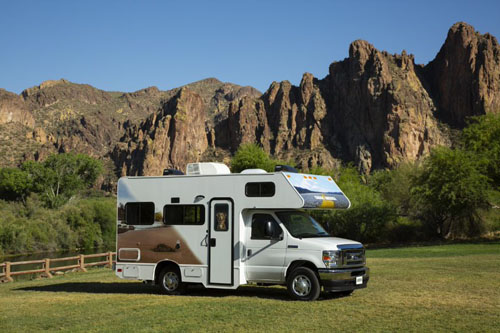
Choosing the right rented RV class significantly impacts your comfort and confidence on North Canada's diverse roads. For beginners, a Class B Camper Van, typically averaging 5.8m in length, offers excellent maneuverability and superior fuel efficiency on paved and some gravel roads. For instance, models like the "Camper Van" with its compact design and efficient engine, or the "Active Pop Top" with an internal length of 5.99m, are easy to handle. A Class SI Semi-integrated RV, often around 6.9m in length, provides a comfortable balance of space and manageable size, making it a popular choice for longer trips with more amenities like a full kitchen with 3 burners and a 140-liter refrigerator, as seen in the "2 Berth Rover" model. While larger Class C (7.5m) or Class A (7.5m) motorhomes offer more living space, the slightly smaller footprints of Class B and Class SI generally provide greater confidence for first-time RVers navigating North Canada's unique conditions, including tighter spots in some wilderness campgrounds. For families considering a longer trip, our Family RV Rental in North Canada - Pricing Guide 2026 offers great insights into suitable larger options without being overwhelming.
Should I Choose a Compact Van Instead of a Large RV in North Canada?
The decision between a compact campervan and a larger motorhome for your North Canada trip depends on your travel style and comfort preferences. While compact vans, such as a Class B Camper Van like the "Juliette 2-3," are certainly easier to maneuver and more fuel-efficient, most main roads in North Canada are wide enough to accommodate larger RVs without significant difficulty. For extended trips in variable weather, the additional indoor space, comprehensive amenities, and increased storage of a larger Class C motorhome, like the "24' Class C Motorhome" which features upgraded queen mattresses and a flat-screen TV, often provide a better trade-off for comfort, especially for families of 2+2 or groups up to 6. If your priority is discreet camping and easier parking in smaller towns, a compact van works well. However, for the vast majority of North Canada adventures, a larger rented RV offers enhanced living comfort and convenience without imposing significant driving challenges. Our Luxury RV Rental in North Canada - Premium Prices 2026 guide can offer more details on spacious options.
Can I Park Anywhere? Free & Wild Camping Rules in North Canada
In North Canada's vast and often remote landscapes, opportunities for free or wild camping are more prevalent than in densely populated southern areas, but always require careful adherence to local regulations and ethical practices. Many areas of Crown Land (public land) in Yukon and Northwest Territories may permit dispersed camping, but regulations vary by specific region, particularly regarding proximity to towns, protected areas, or private and Indigenous lands. It's crucial to always follow 'Leave No Trace' principles, packing out all waste, respecting wildlife, and checking local territorial or provincial tourism and land management websites for the most up-to-date rules before parking overnight. National and provincial parks often require reservations and have designated campgrounds, but many smaller, more remote sites are available on a first-come, first-served basis. If you're planning your camping strategy, consider exploring RV PLANET routes for resources on locating available spots along your route.
Can I Drive an RV Into the City Center? Heights, Tunnels & Local Signage
Driving a rented RV into the relatively smaller city centers of North Canada- such as Whitehorse, Yukon, or Yellowknife, Northwest Territories- is generally straightforward, with fewer significant height or access restrictions compared to major metropolitan areas. You won't typically encounter low bridges or tunnels as common obstacles. Always pay close attention to local signage for specific parking regulations, height limits for any underground parking (which RVs rarely use), and any temporary road closures or construction. While it's wise to be aware of your vehicle's dimensions, large RVs can navigate most urban areas in the North without issues. Drive slowly and carefully, and you can drive almost anywhere without issues. No need to stress - just use common sense and pay attention. For detailed city-specific information, consult local visitor centers upon arrival.
Can you rent an RV to drive across Canada?
Yes, you can typically rent an RV to drive across Canada, embarking on an incredible cross-country journey. Many major RV rental companies, including Bandana partners like El Monte and Cruise America, offer one-way rentals between their various locations across Canada. However, be prepared for potential one-way rental fees, which can range from $150 to $500 CAD or more, as these cover the logistical costs for the rental company to return the vehicle. Availability for specific pick-up and drop-off points may be limited depending on the season and route, so early booking is recommended. Always confirm the rental company's policies on unlimited mileage or extra mileage packages, and any restrictions on certain roads or regions, before embarking on a cross-Canada journey to avoid surprises. If you're planning a massive journey, our RV Rental USA - Complete Guide 2026 can provide context for continental travel, too.
What is the 3-3-3 rule for RV travel?
The 3-3-3 rule for RV travel is a widely recommended guideline, especially beneficial for beginners, designed to ensure safe and enjoyable trips. This rule suggests you drive no more than 300 miles (approximately 480 kilometers, but in North Canada, focusing on 100-150 km per day for slow travel is even better), arrive at your campground by 3 PM, and stay for at least 3 nights. This approach helps prevent driver fatigue, particularly important on North Canada's long and sometimes challenging roads. It also allows ample time for setting up camp, exploring your destination, and reduces the stress of constant travel, fostering deeper immersion in local experiences. Adhering to this rule makes your RV journey more relaxed, spontaneous, and memorable.
Can I drive a rental car in Canada with a US driver's license?
Yes, a valid US driver's license is generally accepted for driving rental cars and most rental RVs in Canada for short-term tourist visits. Ensure your US license is current, fully valid, and matches the class of vehicle you intend to drive. An International Driving Permit (IDP) is not legally required for US citizens but can be highly helpful if your license is not in English or French, making identification easier for local authorities. Always carry your physical driver's license, passport, and the rental agreement with you while driving in Canada to comply with local laws and facilitate any interactions with law enforcement. Americans can absolutely RV in Canada, embracing its unique landscapes, provided they have the necessary documentation.
Do I need a special driver's license to drive an RV in Canada?
For most standard recreational RVs rented in Canada, a special driver's license is not required. A valid, non-commercial driver's license- such as a standard Class 5 in Canada or a Class D in the US- is sufficient, as long as the RV's Gross Vehicle Weight Rating (GVWR) is under 11,000 kg (24,250 lbs) and it is not equipped with air brakes. Special commercial or higher-class licenses are typically only required for very large, heavy RVs, such as some larger Class A models exceeding the weight threshold, or those with air brakes, which are rare among standard rental fleets from Bandana's partners like Apollo and Britz. The minimum rental age for all motorhome classes is 21, and there are no age-based restrictions on vehicle type. Always confirm specific license requirements with your chosen RV rental company to ensure full compliance.
Can I rent an RV in Canada and drive to the US?
Yes, it is often possible to rent an RV in Canada and drive it into the US, but this requires explicit permission from the rental company, which may involve additional fees and specific insurance coverage. You will need to ensure your rental agreement specifies cross-border travel is permitted and carry all necessary vehicle documentation- your rental contract, vehicle registration, and a letter of permission from the rental company- for US customs officials. Be aware of customs regulations for both countries, including restrictions on certain food items, firearms, and cash limits, to ensure a smooth border crossing. This level of detail in planning is where Bandana Caravan, with over 20 years of experience, truly shines, helping tens of thousands of travelers explore the world by RV.
Can Americans RV in Canada?
Yes, Americans can absolutely RV in Canada, enjoying its vast landscapes, national parks, and unique northern adventures, provided they have the necessary documentation and adhere to Canadian entry requirements. For entry into Canada, US citizens generally require a valid passport and should ensure their RV rental documentation and personal driver's license are in order. RVing in North Canada offers unique experiences such as Aurora Borealis viewing, exploring the Alaska Highway, and visiting Indigenous cultural sites, making it a popular destination for American travelers. Booking in advance, especially for peak season, helps secure your preferred rented campervan or motorhome. We handle the details, you live the journey- personal service from day one until your booking is confirmed.
Is it easy to drive an RV in Canada?
Driving a rented RV in Canada, particularly in the northern regions, can be easy and rewarding for beginners if they prepare for variable road conditions and long distances. Many Canadian highways, especially south of the northern territories, are well-maintained and offer ample space, making RV navigation generally straightforward. Challenges unique to North Canada include stretches of gravel road, potential frost heaves, limited cell service, vast distances between fuel and service stations, and abundant wildlife. These all require cautious driving, slower speeds, and thorough planning. However, with sensible preparation and a relaxed pace, RVing in North Canada is highly manageable. Remember, driving slowly and carefully allows you to navigate almost anywhere without issues, emphasizing common sense and attentiveness rather than stress.
How much to rent an RV for 2 weeks in Canada?
The cost to rent an RV for a two-week trip in Canada can vary significantly, typically ranging from CAD $2,000 to $5,000+, depending on the RV class, season, rental company, and included mileage or insurance. For example, a compact Class B campervan in the shoulder season might be closer to $2,000, while a larger, newer Class C motorhome like the "Adak Argonaut 28 - Gold" in peak summer could exceed $5,000. Factors influencing price also include specific pick-up location and whether amenities like kitchen kits and linens are included or considered extra add-ons. Prices are dynamic, similar to flight tickets, changing daily based on availability, seasonality, and supplier marketing decisions. The final price is always set at the actual booking time. To find the best options for your budget, compare final prices across suppliers- what you see is what you pay, with no surprise fees at pickup. For detailed breakdowns, our RV Rental in North Canada - Prices and Best Deals 2026 guide is a great resource. You can also upgrade to a top-level deductible for extra peace of mind.
What kind of license do I need to rent an RV?
To rent most standard recreational RVs in North Canada, such as Class B campervans (like the "Kuga Campervan"), Class C alcoves (like the "29' Class C Motorhome"), or Class SI semi-integrated models, you generally only need a valid, non-commercial driver's license. This means a standard car license (e.g., a Class 5 in Canada or Class D in the US) is usually sufficient. The key determinant is the Gross Vehicle Weight Rating (GVWR) of the rented RV; if it's under 11,000 kg (24,250 lbs), a regular license is almost always sufficient. Rental companies also enforce a minimum age requirement, typically 21 years old across our fleet, so always check their specific terms and conditions to ensure full compliance. An International Driving Permit is recommended for visitors from non-English speaking countries but is not mandatory in most cases.
What do you need to rent an RV in Canada?
To rent a motorhome or campervan in North Canada, you typically need a valid driver's license, a major credit card for the security deposit and payment, and you must meet the rental company's minimum age requirement, which is 21 years old. It's also advisable to have proof of valid travel insurance, as standard rental insurance may not cover all eventualities, especially for travel in remote northern regions or across international borders. Before you confirm your booking, carefully review what's included in your rental package- such as mileage limits, standard insurance, kitchen kits, and linens- versus potential hidden fees or optional add-ons. Our platform ensures full transparency, so you'll always know exactly what you're paying for. You can upgrade to a top-level deductible for extra peace of mind. Bandana RV, founded in 2001, boasts over 20 years of experience helping tens of thousands of travelers, ensuring you have everything required for your North Canada journey.
Pre-planning your route with professional itineraries, available via Rent&Plan, can simplify your preparations. You can even enjoy a 25% planning discount when using rvplan.net for your route plans. These comprehensive resources ensure you arrive fully prepared, knowing exactly what to expect in terms of equipment and local services. For delicious meals on the road, don't forget to check our RV-friendly recipes playlist for inspiration that fits perfectly into your rented motorhome's kitchen!
What You Shouldn't Miss
- **The Alaska Highway:** Drive a section of this historic 2,232 km route, experiencing its pioneering spirit and stunning scenery.
- **Whitehorse, Yukon:** Explore this vibrant capital, offering cultural attractions, outdoor activities, and a gateway to the wider territory.
- **Yellowknife, Northwest Territories:** Witness the spectacular Aurora Borealis, especially from late August to April, making it a highlight of your trip.
- **Kluane National Park and Reserve:** Hike among Canada's highest peaks and explore its vast glaciers and abundant wildlife.
- **Dempster Highway to the Arctic Ocean:** Venture beyond the Arctic Circle to Tuktoyaktuk for a truly epic and unique achievement in your rented motorhome.
- **Tombstone Territorial Park, Yukon:** Experience the "Patagonia of the North" with its dramatic peaks and breathtaking fall colors, perfect for a slow travel stop.
- **Indigenous Cultural Experiences:** Connect with local cultures and learn about the rich heritage of First Nations and Inuit communities throughout the North.
- Looking for expert insights from Avi Bandana? Top 5 Adventures - recommendations from Avi Bandana
Final Thoughts
Venturing into North Canada with a rented RV is an adventure of a lifetime, offering unparalleled access to some of the world's most pristine wilderness and breathtaking natural phenomena. As first-time RV drivers, a bit of preparation and understanding of the unique northern conditions will ensure your trip is not just manageable, but truly unforgettable.
Remember to embrace the slower pace of travel, marvel at the vast distances, and always be prepared for the unexpected. With the right planning, the freedom of the open road in North Canada awaits, promising starry nights, midnight sun, and memories that will last a lifetime. Discover top destinations, planning tips, all in one place!
Ready to start planning your epic journey? Compare Motorhome Prices for North Canada now and embark on your ultimate RV adventure!