In This Guide
- Can You Drive an RV in Italy? License & Age Rules
- Road Conditions & Terrain in Italy
- RV Size Limits, Bridges & Restricted Zones
- Fuel: Diesel vs. Petrol & Cost per 100 km
- Tolls, Vignettes & Border Rules
- Driving Tips for rv rental beginners Travelers
- Recommended RV Class for Italy Roads
- Should I Choose a Compact Van Instead of a Large RV in Italy?
- Can I Park Anywhere? Free & Wild Camping Rules in Italy
- Can I Drive an RV Into the City Center? Heights, Tunnels & Local Signage
- What are the rules for driving in Italy?
- How do I deal with ZTL in Italy?
- Where can I stop overnight in an RV in Italy?
- What is the best RV size for Italy?
- How much does an RV trip to Italy cost?
- Is RV travel popular in Italy?
- Can I bring my dog in an RV to Italy?
- How do you get cultural immersion in Italy?
- What are some eco-friendly RV travel tips for Italy?
- What You Shouldn't Miss
- Why Book with Bandana Caravan
- Final Thoughts
- Frequently Asked Questions
Embarking on a motorhome adventure in Italy offers an unparalleled sense of freedom, allowing you to immerse yourself in stunning landscapes and rich culture at your own pace. For first-time RV travelers, navigating a new country by motorhome might seem daunting, but with the right preparation and knowledge, it's an incredibly rewarding experience. Bandana Caravan, with over 23 years of expertise in RV rentals, is here to guide you every step of the way, providing full transparency with no hidden fees and offering 24/7 support before and after your booking.
Imagine yourself cruising along a scenic coastal road, pulling over for an impromptu stop to savor fresh pasta, or waking up to a breathtaking view of the Dolomites from your rented campervan. Italy’s charm is perfectly suited for slow travel, allowing you to absorb the atmosphere, connect with local communities, and indulge in world-class food and scenery. For live availability and current prices, start with our RV Rental Italy - Complete Guide 2026 guide.
Can You Drive an RV in Italy? License & Age Rules
Yes, you can absolutely drive a rented RV in Italy, with most motorhomes under 3.5 tonnes requiring only a standard B category car driving license. For larger RVs exceeding 3.5 tonnes, a C1 or C license is legally required, although most rental fleet options typically fall within the standard B license category. Rental companies in Italy generally require drivers to be at least 21 years old and to have held a valid driving license for a minimum of 1-3 years. Non-EU citizens must also carry an International Driving Permit (IDP) alongside their national license, as it provides a certified translation that is highly recommended for any legal interactions.
It's important to confirm specific age and license requirements with your chosen rental supplier during the booking process, as policies can vary. Bandana Caravan partners with over 50 leading RV suppliers worldwide, ensuring you have access to diverse vehicle options with clear licensing guidelines. There are no young driver surcharges or vehicle class restrictions based on age when you rent a motorhome through Bandana Caravan, provided you meet the minimum age of 21.
Road Conditions & Terrain in Italy
Italy offers generally well-maintained roads, including an extensive network of modern autostrade (motorways), but also features numerous narrow, winding provincial roads that demand careful attention from RV drivers. Travelers should expect diverse terrain, ranging from the flat plains of the Po Valley in the north to challenging mountain passes in the Alps and Apennines, and stunningly scenic coastal routes. Urban areas, especially historic city centers, frequently have very narrow streets and restricted access zones (ZTLs), which require advance planning for any rented campervan or motorhome.
Driving a rented RV in Italy encourages a slower, more scenic pace, allowing for greater appreciation of the varied landscapes. We strongly recommend traveling slowly, aiming for a maximum of 100-150 km per day on average, to fully connect with the local culture, food, and scenery. This approach also makes navigating Italy's diverse road network much more enjoyable and less stressful for beginners.
RV Size Limits, Bridges & Restricted Zones
While Italy does not impose universal RV size limits beyond standard road regulations, drivers of rented motorhomes must be highly aware of local restrictions, particularly in historic or mountainous regions. Low bridges and tunnels, especially on secondary roads, require careful attention to height clearances, which are often clearly marked. Critically, historic city centers throughout Italy frequently feature 'Zone a Traffico Limitato' (ZTLs), restricted traffic zones that prohibit unauthorized vehicle entry, including most rented RVs, to preserve cultural heritage and manage traffic. These zones are monitored by cameras, and unauthorized entry can lead to significant fines, often starting from €80.
Planning ferry travel to Italian islands like Sicily or Sardinia also necessitates checking specific RV length and weight restrictions with the ferry operator, as these can vary. When exploring Italy, remember: driving slowly and carefully, you can drive almost anywhere without issues. No need to stress - just use common sense and pay attention to all signage, especially ZTLs.
Fuel: Diesel vs. Petrol & Cost per 100 km
The vast majority of RVs available for rental in Italy, including Bandana Caravan's extensive fleet, run on diesel fuel, known locally as 'Gasolio.' Diesel is widely available at service stations across the country, often at a slightly lower price per liter than petrol ('Benzina'). Bandana's smaller Class SI (Semi-integrated) and Class B (Camper Van) models typically achieve fuel efficiency of 10-11 Liter/100 km, while larger Class C (Alcove) models average 10-12 Liter/100 km, for example, the Cruise America Explorer motorhome has a fuel consumption of 11 Liter/100 km. Fuel costs represent a significant component of any RV travel budget, so drivers should factor in current Italian fuel prices, which average around €1.70-€1.90 per liter for diesel. On the routes offered through RV PLANET routes, you can itemize and track every expense along the way for easy budgeting.
Some Bandana Caravan suppliers may offer optional fuel discount cards or loyalty programs, potentially offering savings at participating stations. When budgeting for your journey, including fuel costs is essential for an accurate total trip cost. Remember, prices are dynamic and change daily based on availability, seasonality, and supplier marketing decisions, so the final cost will be set at the actual booking time.
Tolls, Vignettes & Border Rules
Italy primarily utilizes a pay-as-you-go toll system, known as 'Pedaggio,' on its extensive network of autostrade (motorways), typically collected at toll booths rather than requiring a vignette. Toll charges are calculated based on the distance traveled and the vehicle class, with rented RVs often falling into higher categories than standard cars. You collect a ticket upon entering the motorway and pay upon exit, either with cash or credit card, or via an electronic toll pass like Telepass, which some Bandana suppliers might offer as an add-on.
While Italy itself does not use vignettes, neighboring countries that are popular for extended RV trips from Italy, such as Switzerland and Austria, do require them. If your itinerary includes cross-border travel, research the specific vignette requirements and purchase them before entering those countries to avoid fines. Bandana Caravan helps thousands of travelers explore Europe by rented RV, and our team of true RV specialists can offer insights on international travel considerations. For budgeting your total trip cost, including tolls, campground fees, and groceries, you can itemize and track every expense along the way with RV PLANET routes.
Driving Tips for rv rental beginners Travelers
For RV rental beginners in Italy, careful planning and a relaxed approach are key to a successful journey. First, always plan your route meticulously using GPS with RV-specific settings to avoid unexpected encounters with ZTLs, excessively narrow roads, or low bridges. Embrace the slow lane: Italian roads, especially in scenic or mountainous areas, reward patient, mindful driving. Aim to drive a maximum of 100-150 km per day to truly savor the experience and not feel rushed.
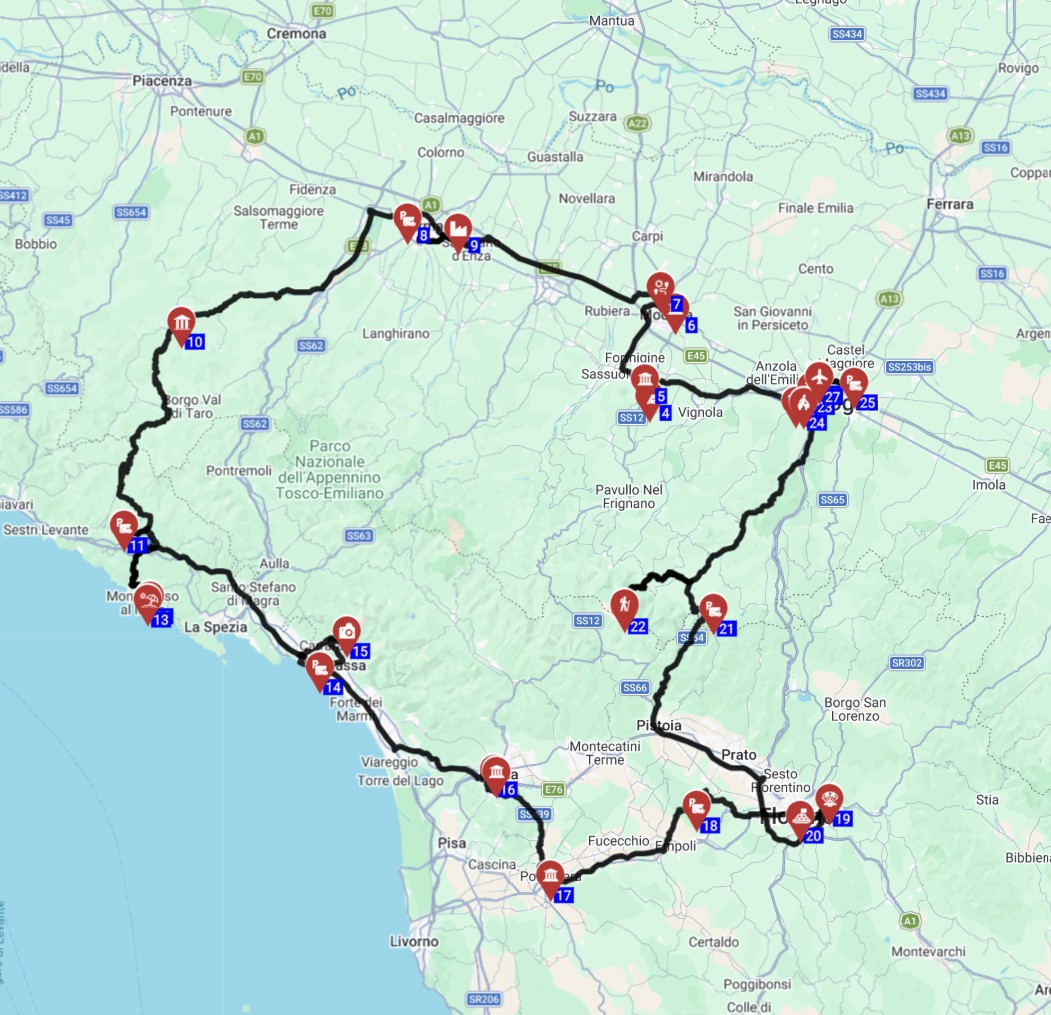
Understanding ZTLs is crucial: always look for the distinctive white circular signs with a red border, which often indicate restricted hours or authorized vehicle types. Research city access rules in advance to avoid costly fines. Master parking by looking for designated RV parking ('Aree di Sosta') or campgrounds outside city centers. Taking frequent breaks every 2-3 hours is also beneficial, especially for family trips, allowing everyone to stretch, refresh, and enjoy the scenery. Remember, Bandana Caravan offers 1,300+ pre-planned routes across 5 continents via RV PLANET (rvplan.net), which can significantly simplify your planning and provide peace of mind.
Recommended RV Class for Italy Roads
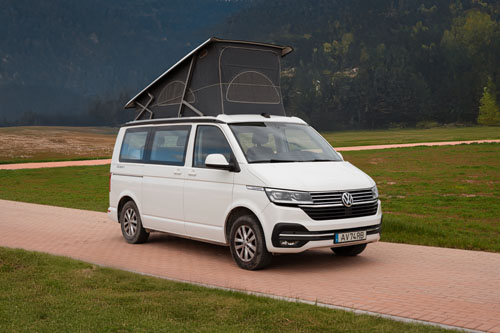
For beginners navigating Italy's diverse and sometimes challenging roads, a Class B Camper Van or a Class SI Semi-integrated motorhome often provides the best balance of comfort and maneuverability. Class B Camper Vans, like those in Bandana Caravan's fleet averaging around 5.8m in length (such as the V3 campervan with a length of 6.36m), are highly agile for narrower country roads, easier to park in smaller towns, and less intimidating for new RV drivers. They offer comfortable living for a couple or small family, often including a shower and toilet.
Class SI Semi-integrated models, typically around 6.9m in length for Bandana Caravan's fleet (such as the K4 motorhome with a length of 7.12m), offer more living space and amenities while still being manageable on most Italian routes. They strike a great balance between interior comfort for 2-4 people and ease of driving. While Class C Alcove models (averaging 7.5m, like the Cruise America Explorer) and Class A Integrated models (also around 7.5m) offer maximum space for larger families or groups, their longer length requires greater caution on very tight turns, mountain passes, and in historic villages. Ultimately, the best choice for you depends on your group size and how much time you plan to spend exploring compact historic centers versus scenic countryside.
Should I Choose a Compact Van Instead of a Large RV in Italy?
Choosing a compact van, like a Class B Camper Van, over a larger motorhome for your Italian adventure depends primarily on your travel style and itinerary focus, as there is generally no inherent issue driving most RV sizes in Italy with common sense and attention. A compact campervan, such as Bandana Caravan's Class B models averaging 5.8m in length, undeniably provides superior agility for navigating very tight historic city centers, finding parking in urban areas, and traversing extremely narrow mountain passes with less stress. If your trip emphasizes exploring ancient, compact hill towns and city centers daily, a smaller vehicle might offer more convenience.
However, larger RVs, such as Class SI (Semi-integrated) or Class C (Alcove) models, offer significantly more indoor space, better kitchen facilities, and more comfortable sleeping arrangements, which can greatly enhance the overall travel experience, especially for extended road trips or families. The Class C Explorer, for instance, offers beds up to 163x210cm. For many beginners, the trade-off often leans towards the enhanced comfort and facilities of a medium to large motorhome rental, unless your itinerary strictly avoids campgrounds and focuses exclusively on urban exploration in the smallest of towns. Driving slowly and carefully, you can drive almost anywhere without issues. No need to stress - just use common sense and pay attention, regardless of RV size.
Can I Park Anywhere? Free & Wild Camping Rules in Italy
In Italy, wild camping or free overnight parking outside designated areas is generally restricted and can lead to fines, particularly along coastlines, in national parks, and near residential zones. Instead of attempting wild camping, legal and highly recommended alternatives for rented motorhomes include a well-established network of official campgrounds ('Campeggi'), 'Aree di Sosta' (designated overnight parking areas with some services, often for a fee), and 'Agricampeggi' (farm stays offering RV pitches). Italy offers over 1,700 official campgrounds and numerous 'Aree di Sosta' which provide safe and legal overnight options.
Many towns provide specific areas for RV parking, often indicated by clear signage, but these are typically for daytime parking rather than overnight stays. The rules regarding overnight stops for a rented campervan vary by region and municipality, so it is crucial to check local regulations and follow local laws before parking overnight. For finding campsites and campgrounds during your trip, we recommend using RV PLANET (rvplan.net) - a great resource for locating available spots along your route, with over 1,300 pre-planned routes that include vetted overnight stops.
Can I Drive an RV Into the City Center? Heights, Tunnels & Local Signage
You can almost always drive a rented RV near or to the edges of city centers in Italy, though direct entry into the historic core is typically restricted for most vehicles, including motorhomes and campervans. Pay close attention to local signage indicating height limits for tunnels and low bridges, especially on approach roads to older towns. Most critically, watch for 'Zone a Traffico Limitato' (ZTL) signs, which are white circles with red borders, denoting restricted traffic zones where only residents or permitted vehicles can enter. These zones are monitored by cameras, and unauthorized entry often results in fines. For example, a ZTL fine can be €80-€100 per instance of unauthorized entry.
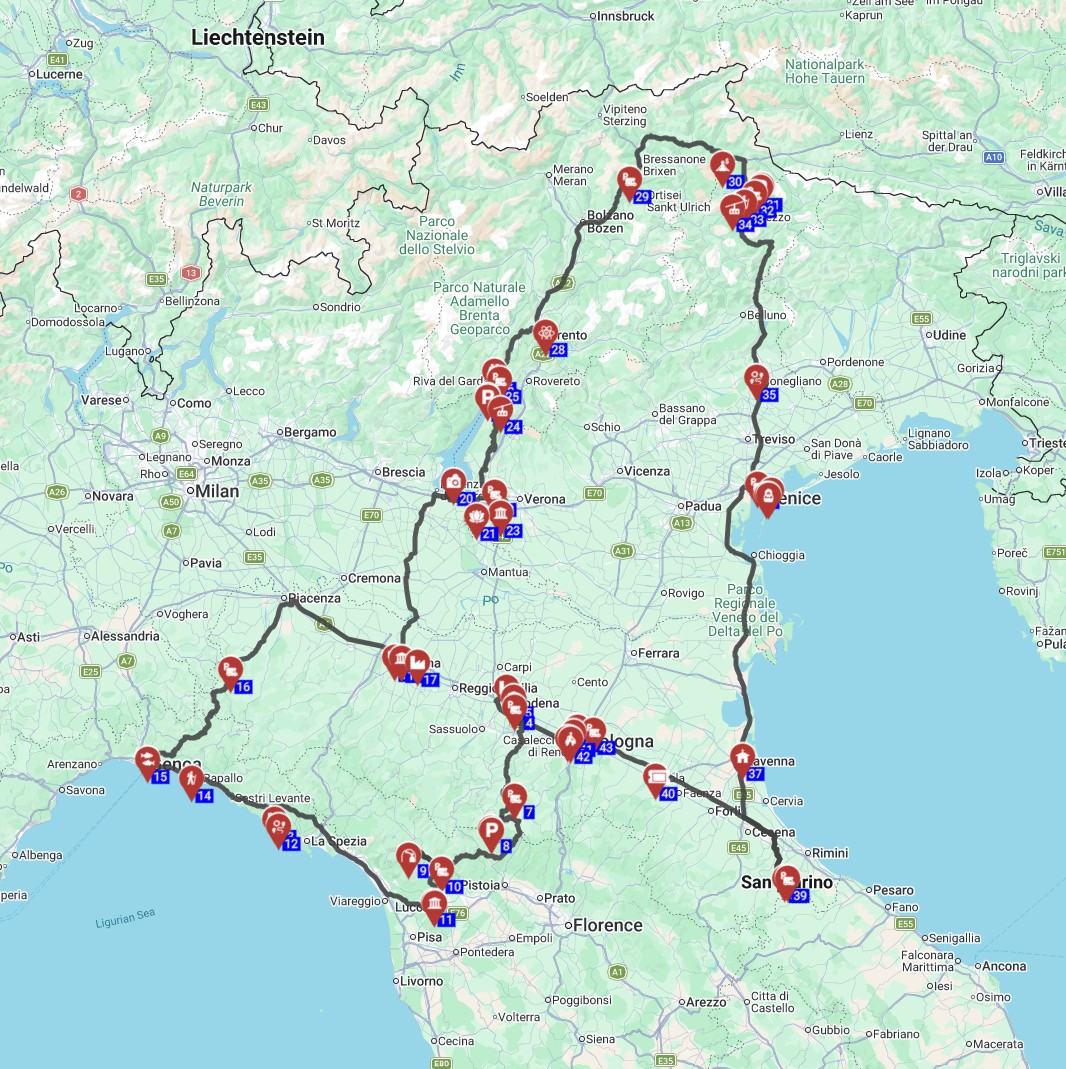
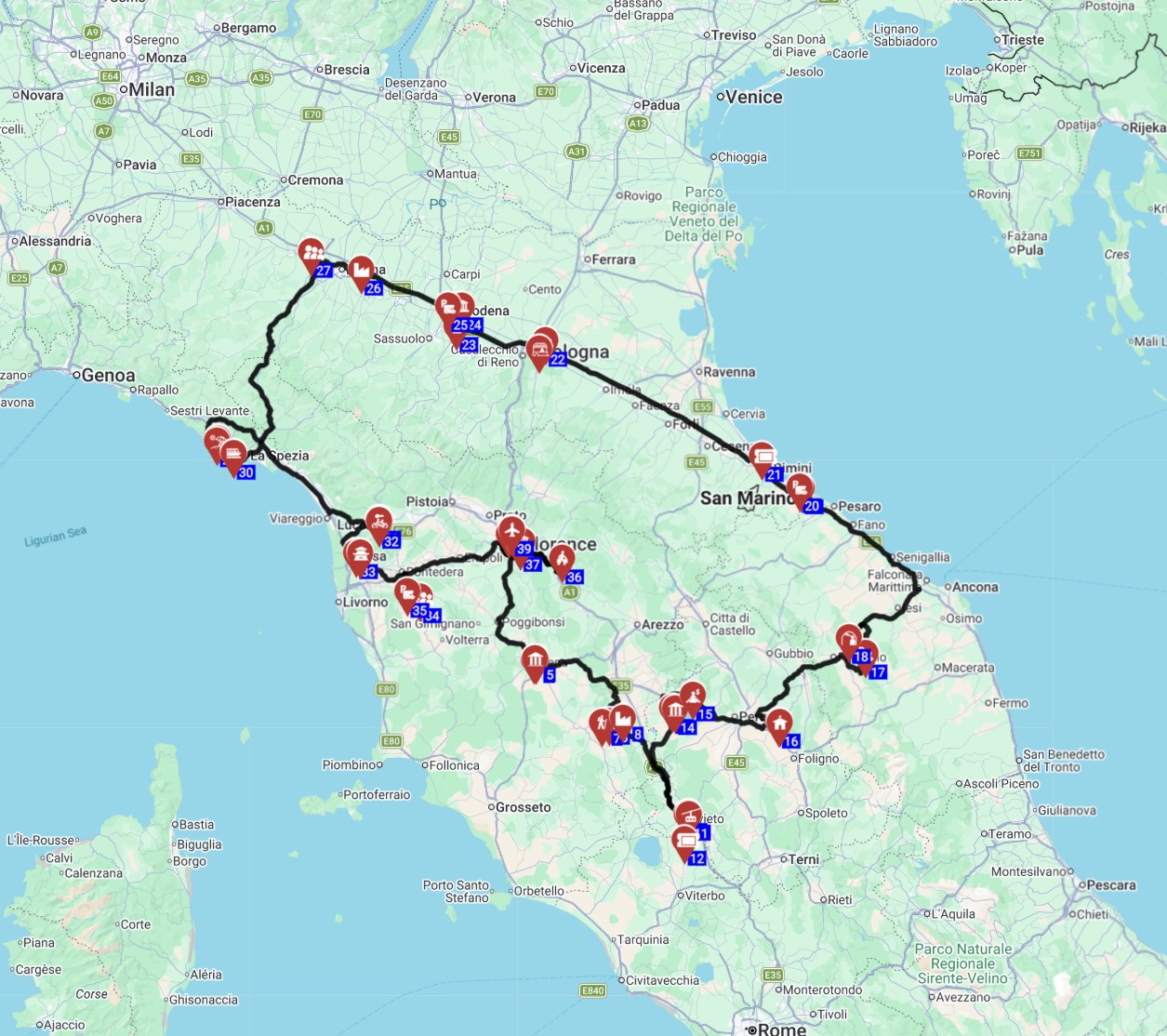
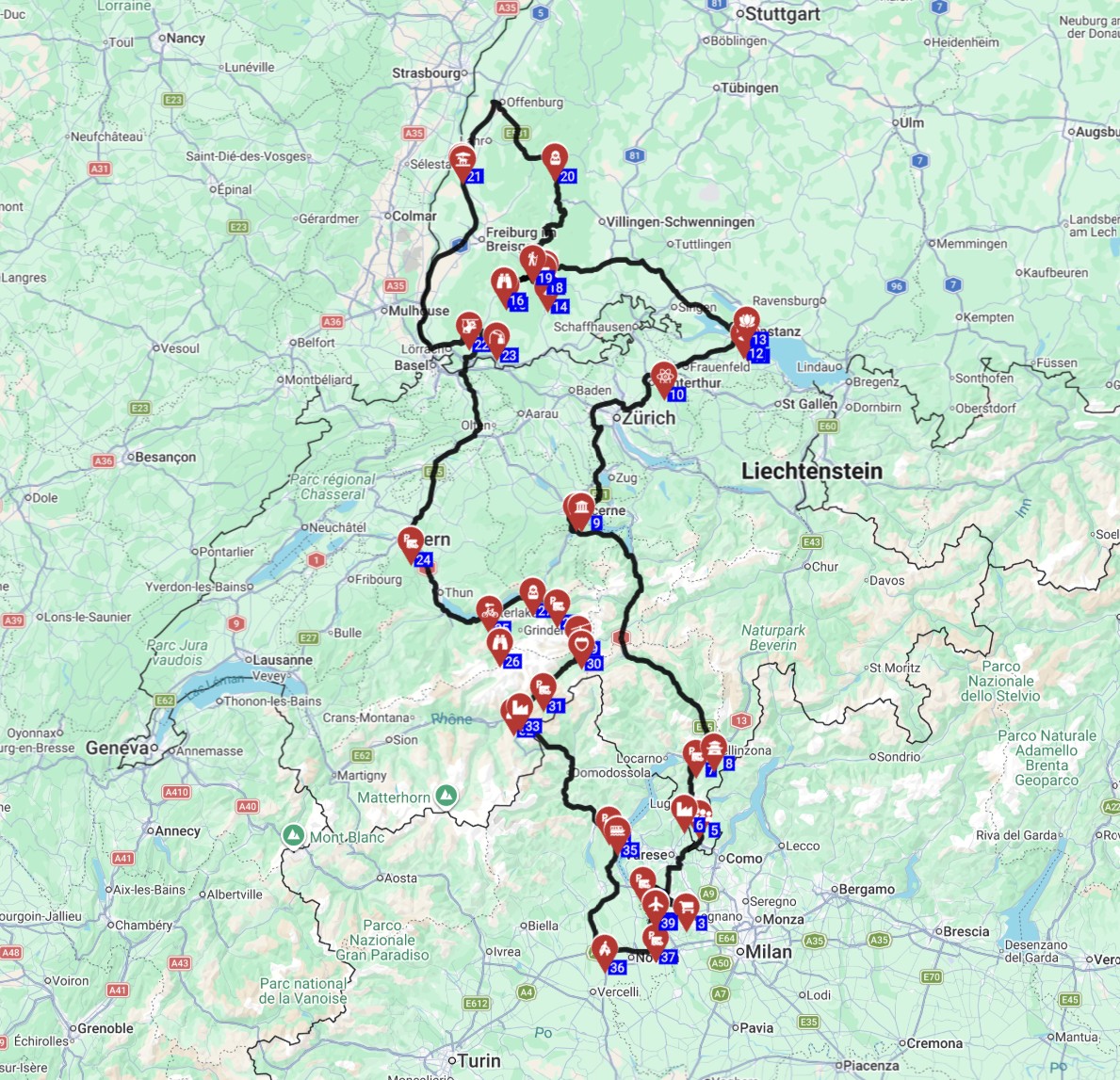
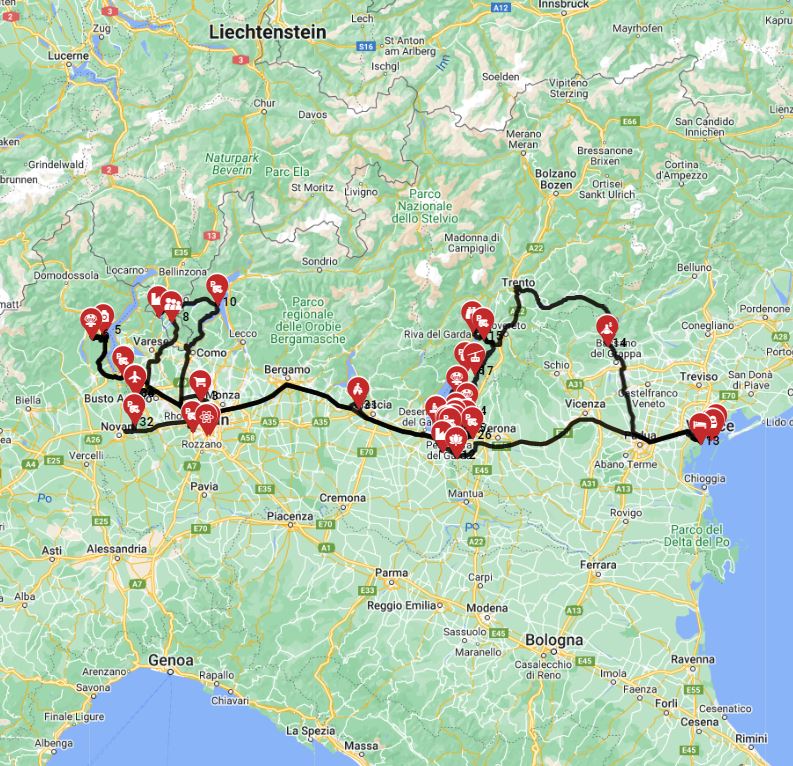
Always look for designated RV parking outside the ZTLs and utilize public transport or walk to explore the heart of cities like Florence, Rome, or Venice. Driving slowly and carefully, you can navigate these areas without issues. No need to stress - just use common sense and pay attention to road signs, especially those indicating vehicle restrictions. Remember to consult specialized RV navigation apps or pre-planned routes from RV PLANET for detailed guidance. Our "Nice Roundtrip - French Riviera toward North Italy, Switzerland, and the French Alps" itinerary, for instance, includes specific tourist attractions and historical sites, highlighting areas where RV parking would be ideal.
What are the rules for driving in Italy?
General driving rules in Italy for rented RVs include adhering to posted speed limits, which vary by road type (e.g., 50 km/h in urban areas, 90 km/h on main roads, 130 km/h on autostrade for cars, often lower for RVs), and strictly observing local signage. An International Driving Permit (IDP) is required for non-EU license holders, accompanying their national license, though a standard B category license is sufficient for motorhomes under 3.5 tonnes. Drivers must be particularly aware of 'Zone a Traffico Limitato' (ZTLs) in historic city centers, which restrict vehicle access to authorized users and are heavily camera-monitored. Seatbelt usage is mandatory for all occupants, and headlights must be on at all times outside urban areas and in tunnels. Also, always carry your rental documents, vehicle registration, and insurance papers.
How do I deal with ZTL in Italy?
Navigating ZTLs (Zone a Traffico Limitato) in Italy with a rented motorhome involves identifying restricted zones, understanding entry permits or timing, and utilizing alternative parking outside historic centers to avoid fines. ZTLs are marked by distinctive white circular signs with a red border, often accompanied by text indicating restricted hours or authorized vehicles, and cameras enforce these rules, with fines typically around €80-€100 per unauthorized entry. RV drivers should actively plan routes to bypass ZTLs and use designated parking lots, often on the periphery of historic centers, or public transport to enter the restricted areas. Many parking apps and RV-specific GPS systems can help identify these zones, and pre-planned itineraries like those on RV PLANET often factor them in. Vigilance and pre-planning are crucial to a stress-free experience.
Where can I stop overnight in an RV in Italy?
Overnight RV stops in Italy are primarily allowed in designated campgrounds ('Campeggi'), 'Aree di Sosta' (serviced overnight parking areas), or 'Agricampeggi' (farm stays), with wild camping generally restricted and subject to fines across most regions. Italy boasts a comprehensive network of over 1,700 well-equipped campgrounds offering full facilities, including water, electricity, and waste disposal points. 'Aree di Sosta' provide basic services like water and waste disposal, often for a small fee, and are excellent for convenient overnight stops, especially when traveling through smaller towns.
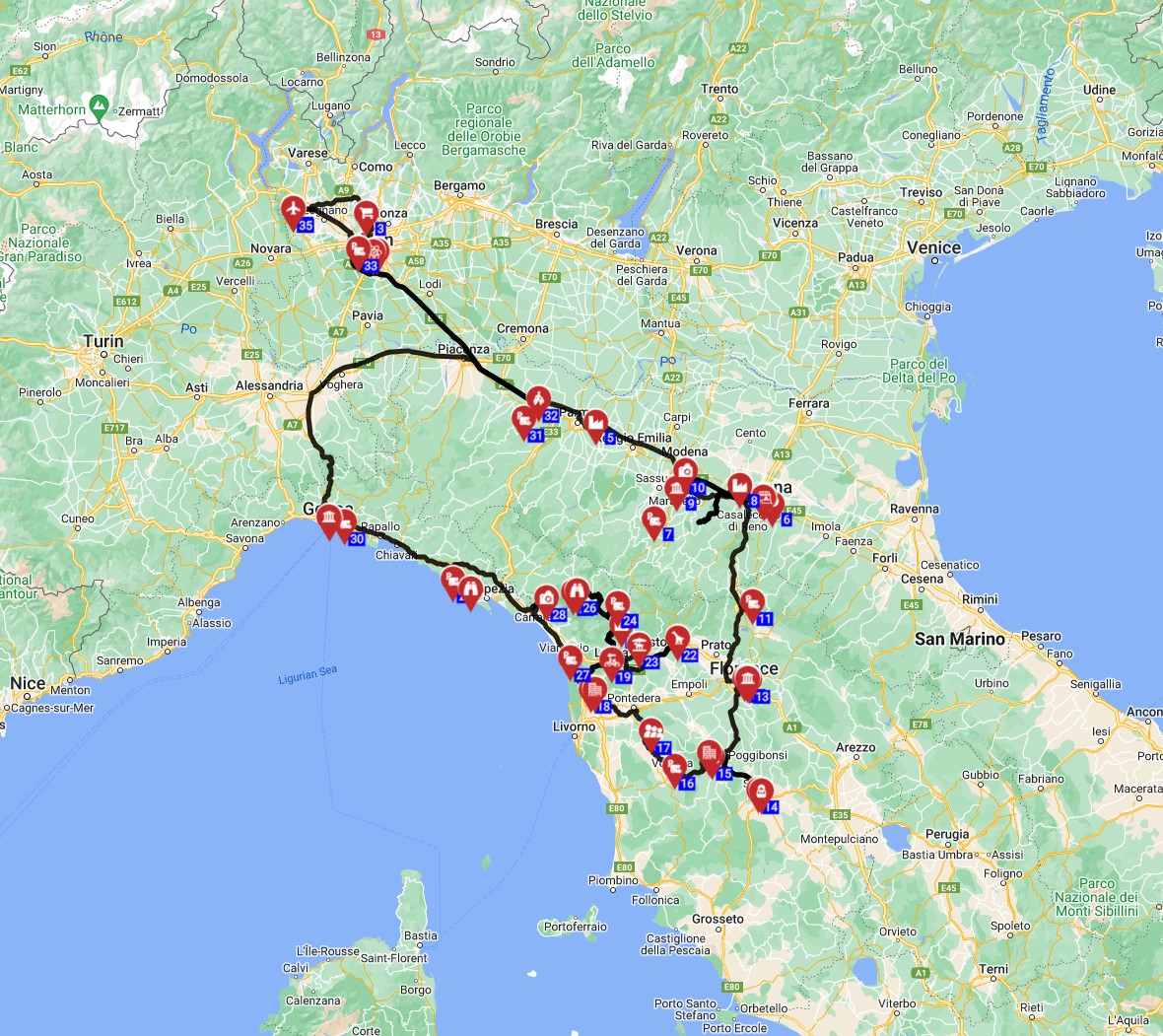
'Agricampeggi' offer a unique cultural immersion experience on working farms or vineyards, providing RV pitches and often opportunities to purchase local produce or participate in tastings. These farm stays can be an authentic way to connect to the culture and food of Italy. Always call ahead before driving to confirm availability, particularly during peak season. Remember, you'll find a spot; if not at the first campground, then the next one. This flexibility is a key benefit of a rented RV vacation in Italy. Our "
What is the best RV size for Italy?
The best RV size for Italy typically balances maneuverability on narrower roads with internal comfort, often leading beginners to choose compact campervans (Class B) or semi-integrated motorhomes (Class SI). Compact Class B Camper Vans, like Bandana Caravan's fleet averaging 5.8m in length, offer superior agility for navigating ancient villages and parking in smaller spaces, making them ideal for couples or solo travelers. For example, the V2L campervan measures 5.99m in length, featuring a compact design with ample interior space for 2 people.
Semi-integrated (Class SI) RVs, averaging 6.9m in Bandana's fleet (such as the K2D motorhome at 6.99m in length), provide a good compromise, offering more living space and amenities for small families or two couples while remaining relatively manageable for most Italian roads. While larger Class C (Alcove) or Class A (Integrated) RVs offer maximum comfort for up to 6-7 people, their average 7.5m length can be challenging on very tight turns, some mountain passes, and in highly congested areas, generally requiring more experienced drivers. For example, the Cruise America C-30 motorhome is 9.1m long, offering generous space but demanding more careful handling. Bandana Caravan is a true RV specialist, and we're here to help you choose the ideal vehicle for your specific Italian adventure.
How much does an RV trip to Italy cost?
An RV trip to Italy involves costs beyond just the rental fees, including realistic estimates for tolls, fuel, campsite fees, groceries, and activities, which can vary significantly by duration and travel style. Rental costs depend on the RV class, season, and duration; for example, a compact campervan might start from €70-€100 per day in low season, while a large Class C motorhome could be €150-€300+ per day in peak season. Fuel expenses are significant, with many rented RVs consuming around 10-12 L/100 km (e.g., Bandana’s Class SI at 10-11 L/100km) and diesel prices averaging €1.70-€1.90 per liter.
You should budget for tolls on the autostrade, which can range from a few euros to significant sums for longer distances across Italy, with a typical 500 km journey costing around €20-€30 in tolls for an RV. Plan for daily campsite or 'Aree di Sosta' fees, which typically range from €20-€50 per night, depending on location and amenities. Factor in grocery expenses for cooking in your RV (a great way to save money and prepare delicious meals using local ingredients from markets!), dining out for authentic experiences, and admission fees for attractions or activities, which collectively contribute to a comprehensive budget breakdown. For easy budgeting and tracking all these costs, remember that RV PLANET routes allow travelers to itemize and track every expense along the way.
🎬 Video coming soon
Is RV travel popular in Italy?
RV travel is indeed quite popular in Italy, especially among European tourists, due to its diverse landscapes, extensive camping infrastructure, and the unmatched flexibility it offers for exploring various regions. Italy's varied terrain, from alpine regions like the Dolomites to stunning coastal areas, rolling hills, and historic cities, makes it an ideal destination for motorhome exploration. The country offers a well-developed network of campgrounds, 'Aree di Sosta', and 'Agricampeggi' that cater specifically to RVers, ensuring comfortable and convenient stops along popular routes. For instance, there are over 1,700 registered campgrounds across Italy.
The freedom to move between regions, stop at scenic viewpoints, and experience local culture and cuisine at your own pace contributes significantly to its popularity. Italian families also embrace RV holidays, particularly during summer, leading to a vibrant and welcoming RV community. This makes renting a motorhome in Italy a fantastic choice for families seeking nature and culture. If you’re considering a broader European adventure, check out our RV Rental Europe - Complete Guide 2026 for more inspiration.
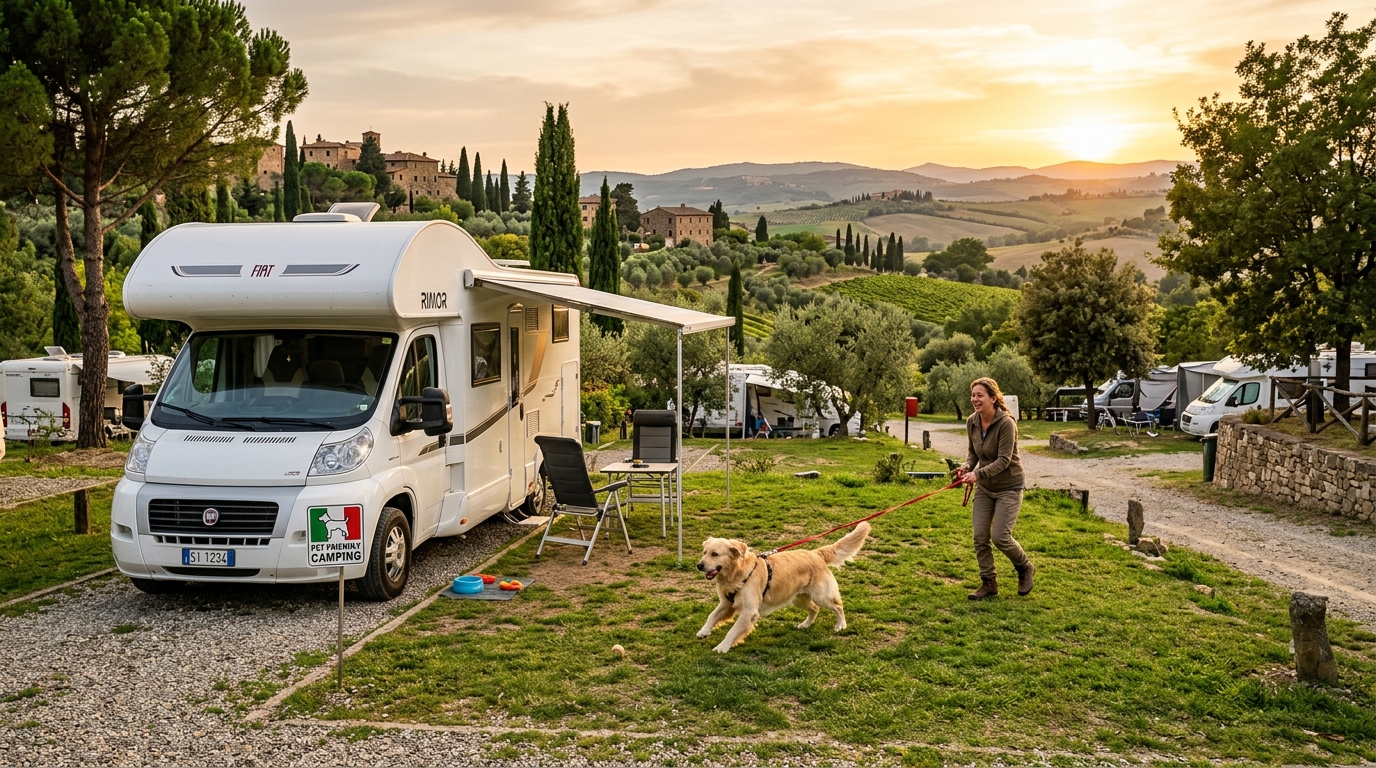
Can I bring my dog in an RV to Italy?
Yes, travelers can bring their dogs in a rented RV to Italy, provided they adhere to EU pet travel regulations, which include specific microchipping, vaccination requirements, and obtaining a pet passport or health certificate. All pets must be microchipped, have an up-to-date rabies vaccination administered at least 21 days before travel, and possess an EU Pet Passport if traveling from another EU country, or an official veterinary health certificate if arriving from outside the EU. It's essential to research pet-friendly campgrounds and attractions in advance, as not all sites accommodate animals, and some may have breed or size restrictions.
Packing specific gear such as pet beds, food bowls, leashes, waste bags, and any necessary travel documents should be a priority for your canine companion's comfort and compliance. Italy offers many beautiful natural parks and coastal areas perfect for exploring with your furry friend, just ensure you respect local rules on leashes and clean-up. Bandana Caravan often has pet-friendly RV options available; just inquire during the booking process.
How do you get cultural immersion in Italy?
To achieve genuine cultural immersion during an RV trip in Italy, travelers can focus on actively interacting with locals, seeking out authentic regional food experiences, and participating in local markets or festivals. Staying at 'Agricampeggi' (farm stays) offers direct interaction with farmers and producers, opportunities to taste and purchase local produce and wine, and unique insights into rural Italian life; there are hundreds of such farm stays across Italy. Visiting local markets ('mercati') in smaller towns provides a vibrant sensory experience and a chance to practice Italian phrases while buying fresh ingredients for meals you can prepare in your rented motorhome kitchen. For some inspiration on what to cook, check out our RV-friendly recipes playlist.
Engaging with locals through simple greetings, trying regional dialects where appropriate, and observing daily life from a relaxed pace enhances a deeper understanding of Italian culture. Instead of rushing between major landmarks, allow yourself the flexibility to linger in charming villages, enjoy extended coffee breaks, and follow local recommendations for the best hidden gems. Traveling slowly, a maximum of 100-150 km per day on average, is key to truly feeling the place, connecting to the culture, the food, and the scenery.
What are some eco-friendly RV travel tips for Italy?
Eco-friendly RV travel tips for Italy include minimizing waste, conserving precious water and energy resources, properly disposing of grey and black water at designated stations, and respecting natural environments and local customs. Always utilize RV facilities at campgrounds and 'Aree di Sosta' for waste disposal to prevent pollution and adhere to strict local environmental regulations; Italy has over 1,700 official campgrounds with proper facilities. Practice water conservation by taking shorter showers and using water-saving techniques, especially given Italy's Mediterranean climate and frequent water scarcity in some areas. Use refillable water bottles and reusable bags to significantly reduce your plastic waste.
Support local economies and reduce your carbon footprint by purchasing local produce from markets, choosing sustainable tour operators, and being mindful of noise levels in natural and residential areas. Traveling slowly, averaging 100-150 km per day, also contributes to reduced fuel consumption and a more relaxed, environmentally conscious journey. By following these tips, you not only enjoy a fantastic rented RV trip through Italy but also help preserve its beauty for future generations.
What You Shouldn't Miss
- The Tuscan Countryside: Drive through the rolling hills of Tuscany, stopping at charming medieval towns like Siena and San Gimignano, and sampling world-renowned wines directly from vineyards, many of which offer 'Agricampeggio' stays.
- The Amalfi Coast (with caution): While challenging for larger RVs due to narrow, winding roads, a small campervan can tackle parts of this iconic coastal drive. Park outside main towns like Positano or Ravello and explore by public transport or on foot to avoid ZTLs and parking difficulties.
- The Dolomites: Explore the breathtaking peaks and valleys of the Italian Alps. Excellent hiking opportunities and numerous well-equipped campgrounds make this a prime RV destination. The Passo dello Stelvio, with its 48 hairpin bends, offers an unforgettable (and challenging) drive for experienced RVers.
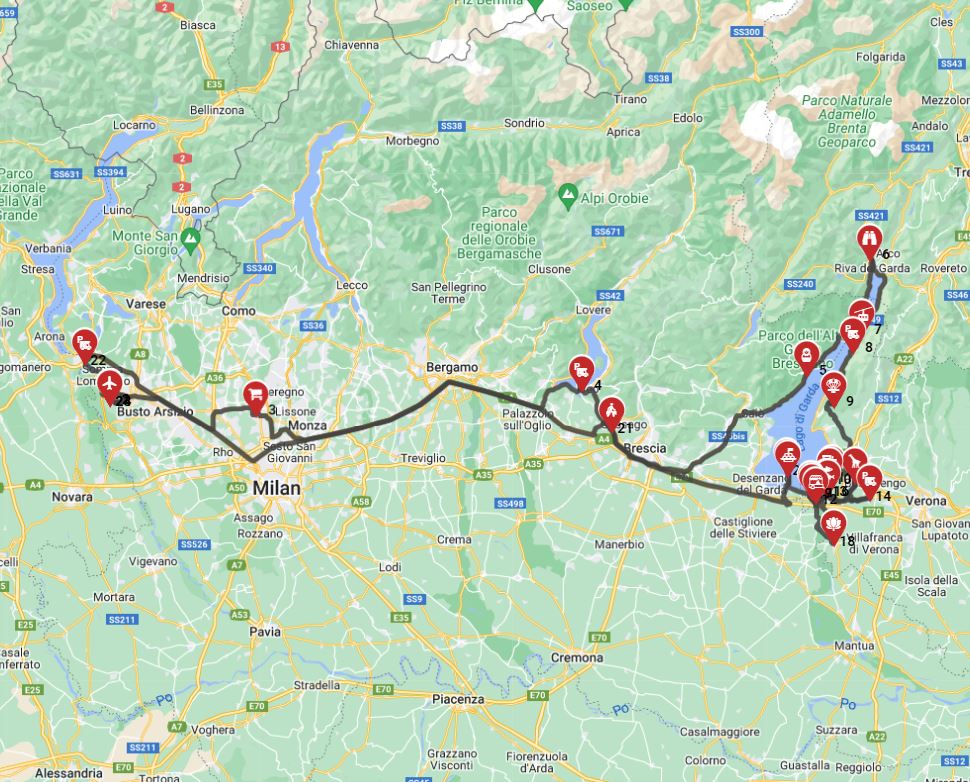
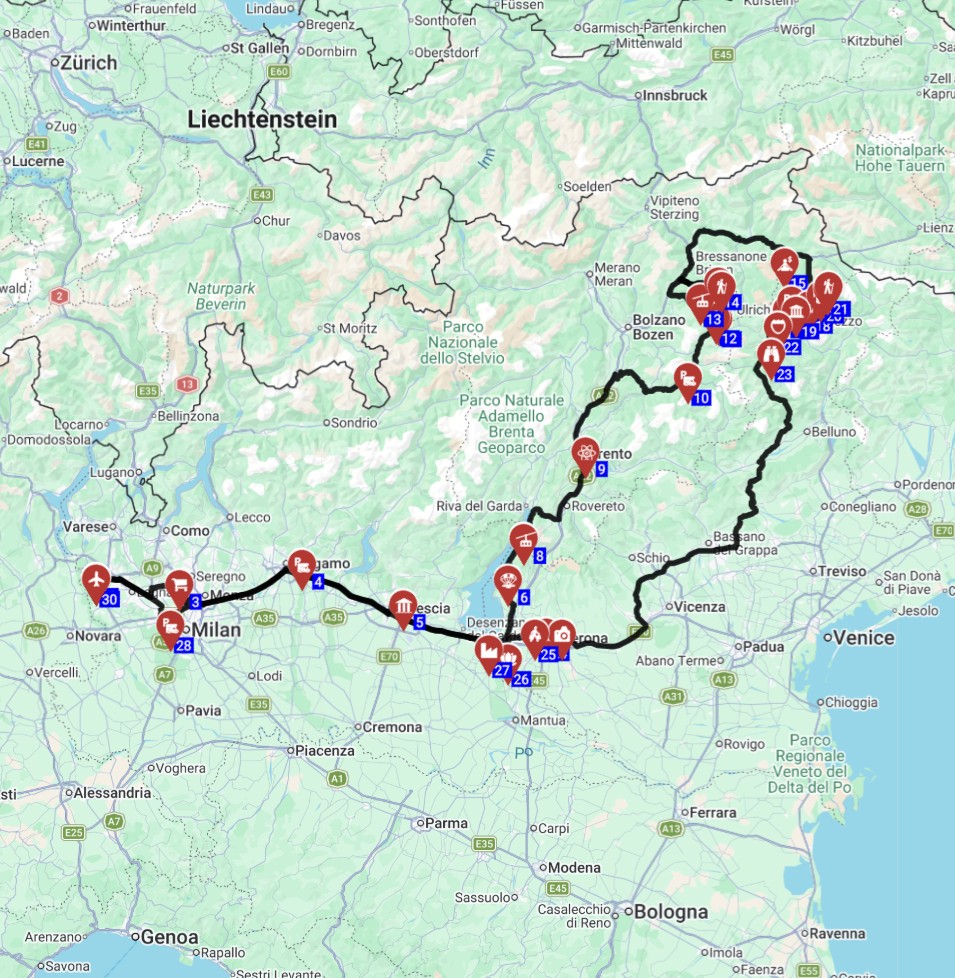
- Lake Como or Lake Garda: Enjoy the serene beauty of Northern Italy's lakes. These areas offer many RV-friendly campgrounds and opportunities for water activities, scenic drives, and exploring picturesque lakeside villages. The "Milano Roundtrip - The Lakes of North Italy" route plan highlights many such opportunities.
- Roman History: While driving into Rome's historic center is restricted, park your rented motorhome at a peripheral campground (like Camping Village Roma Capitol) and use public transport to explore ancient marvels like the Colosseum, Roman Forum, and Vatican City.
- Regional Cuisine: Actively seek out regional culinary specialties wherever you go. From Neapolitan pizza to Emilia-Romagna's balsamic vinegar and Parmesan cheese, experiencing Italy's food culture is central to the journey. Look for local markets to cook up your own delicious meals in your RV kitchen.
Looking for expert insights from Avi Bandana? Top 5 Adventures - recommendations from Avi Bandana
Avi Bandana, founder of Bandana Caravan, always emphasizes the joy of discovery and the unique perspective RV travel offers. "Italy is a canvas of history and natural beauty, best explored at a gentle pace," he says. "Don't just see the landmarks; taste the local produce, chat with the shopkeepers, and let the landscape unfold around you."
Final Thoughts
Italy, with its rich history, diverse landscapes, and incredible culinary delights, is an extraordinary destination for a rented RV adventure. For beginners, the key is preparation: understanding the local driving rules, navigating ZTLs, and knowing your overnight parking options will set you up for success. Remember to embrace the spirit of slow travel, allowing yourself the flexibility to discover hidden gems and truly connect with the Italian way of life.
With Bandana Caravan, you’re never alone on your planning journey. Our commitment to transparency, comprehensive support, and specialized RV expertise ensures that your first-time motorhome rental in Italy is smooth and unforgettable. So, pack your bags, choose your ideal campervan or motorhome, and get ready to create lasting memories on the open roads of Italy. Your Italian road trip awaits!
Discover top destinations, planning tips, all in one place! Plan a trip itinerary in advance with minimal effort and maximum enjoyment.