In This Guide
- Can You Drive an RV in Greece? License & Age Rules
- Road Conditions & Terrain in Greece
- RV Size Limits, Bridges & Restricted Zones
- Fuel: Diesel vs. Petrol & Cost per 100 km
- Tolls, Vignettes & Border Rules
- Driving Tips for RV Beginners Travelers
- Recommended RV Class for Greece Roads
- Should I Choose a Compact Van Instead of a Large RV in Greece?
- Can I Park Anywhere? Free & Wild Camping Rules in Greece
- Can I Drive an RV Into the City Center? Heights, Tunnels & Local Signage
- How much does an RV trip to Greece cost - budgeting tips?
- What are the best times to RV in Greece, considering seasonal challenges?
- How do RV sizes impact ferry travel and parking in Greek towns?
- How to book RV ferries and manage border crossings in Greece?
- How to engage with local culture and etiquette in Greek villages?
- How can I experience local Greek food and markets with an RV?
- What emergency preparations are essential for RV travel in Greece?
- What technology and apps are essential for RVing in Greece?
Embarking on your first rented RV adventure in Greece promises a journey filled with ancient history, stunning coastlines, and delicious food, offering unparalleled freedom to explore at your own pace. With over two decades of experience helping tens of thousands of travelers discover the world by RV, we at Bandana Caravan are true RV specialists, not just another travel agency. We're here to guide you through everything you need to know for a smooth and memorable first-time RV driving experience in Greece. For live availability and current prices, start with our RV Rental Greece - Complete Guide 2026 guide.
Can You Drive an RV in Greece? License & Age Rules
Yes, driving a rented RV in Greece is permissible, provided you hold the correct license category and meet the minimum age requirements set by rental suppliers. Drivers with a standard B license, issued from an EU country, can typically operate motorhomes and campervans up to 3,500 kg, which covers the majority of our Class B - Camper Vans and smaller Class SI - Semi-integrated models. For visitors from non-EU countries, an International Driving Permit (IDP) is highly recommended in addition to your valid national license, although it's not strictly mandatory in all cases, it significantly streamlines interactions with local authorities and rental desks.
The minimum age for RV rental in Greece is typically 21 years old across most of our partner suppliers. Unlike some other destinations, there are generally no young driver surcharges and no vehicle class restrictions based on age for our standard motorhome fleet, making Greece an accessible destination for younger adventurers. Always verify specific supplier terms when booking, but rest assured that a standard car license is usually all you need to start your Greek road trip.
Road Conditions & Terrain in Greece
Greek road conditions vary from well-maintained motorways to narrow, winding mountain roads and unpaved tracks, presenting a diverse and engaging terrain for your rented RV adventure. Major highways, such as the Egnatia Odos in the north or the Olympia Odos in the Peloponnese, are generally modern, well-maintained, and offer smooth, efficient travel between large cities like Thessaloniki and Athens. However, as you venture into more rural areas, particularly in mountainous regions like the Pindus range or on many of Greece's smaller islands, roads can become narrower, steeper, and less consistently paved, often featuring sharp bends and varying surfaces.
RV beginners should prepare for a mix of driving environments and embrace a slower, more scenic pace to fully appreciate Greece's diverse landscapes. We always recommend slow travel, aiming for a maximum of 100-150 km per day on average. This allows you ample time to feel the place, connect to the culture, the food, and the scenery, without the stress of rushing through potentially challenging roads. Driving slowly and carefully will allow you to drive almost anywhere without issues, even in tighter spots; no need to stress, just use common sense and pay attention.
RV Size Limits, Bridges & Restricted Zones
While Greece generally accommodates rented RVs of various sizes, drivers must be mindful of potential height and weight restrictions, particularly in older towns, on some ferries, and near low bridges or tunnels. Common height restrictions may be encountered in historic village centers and underpasses, so always observe local signage. For example, a typical Class C motorhome like the "cruise america rv rental example Explorer" has a length of 7.1 meters and a width of 2.78 meters, requiring careful navigation in tighter areas.
While less prevalent than in other European countries, some urban areas in Greece may have environmental zones or limited traffic zones, especially in popular tourist destinations. Always observe local signage carefully to avoid unintended fines. When planning ferry travel, your RV's length and height are crucial for booking and pricing, with larger vehicles often incurring higher costs and requiring earlier reservations, particularly for popular island routes to destinations like Crete or Rhodes. It is part of our full transparency commitment: no hidden fees, no surprises, including when it comes to vehicle restrictions.
Fuel: Diesel vs. Petrol & Cost per 100 km
Most rented motorhomes and campervans in Greece run on diesel, which is widely available, with typical fuel consumption for a Class SI - Semi-integrated RV from Bandana's fleet being 10-11 Liters/100 km. Diesel (known as petrolio) is the predominant fuel type for RVs and is readily accessible at petrol stations across the country, even in more remote regions. A Class C - Alcove might use 10-12 Liters/100 km, while a more compact Class B - Camper Van averages 8-10 Liters/100 km. Fuel costs are a significant component of an RV budget, and prices can vary regionally. On the routes offered through RV PLANET routes, you can itemize and track every expense along the way for easy budgeting.
When planning your route and budgeting for your trip, keep in mind that fuel prices are dynamic and change daily. For comprehensive budgeting, remember that on RV PLANET routes, travelers can itemize and track every expense along the way for easy budgeting. This full transparency ensures you have no hidden fees or surprises throughout your journey.
Tolls, Vignettes & Border Rules
Greece operates a toll road system, primarily on its motorways, with no vignette system, and specific rules apply if crossing borders from neighboring countries with your rented RV. Tolls are collected at automated or manned booths along major highways and can typically be paid by cash or card. Unlike some other European countries, Greece does not utilize a vignette system for general road usage, simplifying planning for intra-country travel.
For international RV travelers driving from neighboring countries, ensure all vehicle documentation, including registration and insurance, is in order. It's crucial to have a 'Green Card' insurance certificate that is valid for Greece, in addition to your national driver's license and an International Driving Permit if applicable. Some RV rental companies may offer options for pre-purchasing toll passes or electronic transponders, which can streamline travel and potentially help avoid fines. Our extensive network of direct partnerships with 50+ leading RV suppliers worldwide, including Apollo and Britz, means we can help you understand these details for your specific rental.
Driving Tips for RV Beginners Travelers
Beginners driving a rented RV in Greece should prioritize slow, defensive driving, especially on winding roads, and plan routes carefully considering vehicle size and local traffic conditions. Always allow ample stopping distance and be mindful of local drivers, who may occasionally drive assertively. Practice using your RV's mirrors to navigate narrow streets and when reversing, as many Greek villages can be very compact. Take regular breaks every 2-3 hours to avoid fatigue, which is particularly important for families or longer journeys, and consider selecting a motorhome with automatic transmission for easier driving on varied terrain.
Remember our core advice: travel slowly, aiming for a maximum of 100-150 km per day on average. This not only makes the driving experience more relaxed but also gives you time to feel the place, connect to the culture, the food, and the scenery. With a rented RV, you have the flexibility to pull over at scenic viewpoints or quaint tavernas, truly immersing yourself in the Greek experience.
Recommended RV Class for Greece Roads
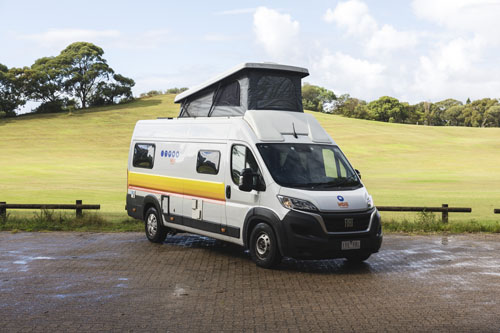
For RV beginners exploring Greece, a Class SI - Semi-integrated motorhome or a Class B - Camper Van is often recommended due to a favorable balance of maneuverability and comfortable living space, especially on Greece's varied roads. Class B - Camper Vans, with an average length of 5.8 meters, offer excellent agility for navigating narrow village streets and easier parking, making them ideal for couples or small groups. For example, a compact "Category Van" or "Active Pop Top" campervan allows easy access to more secluded spots.
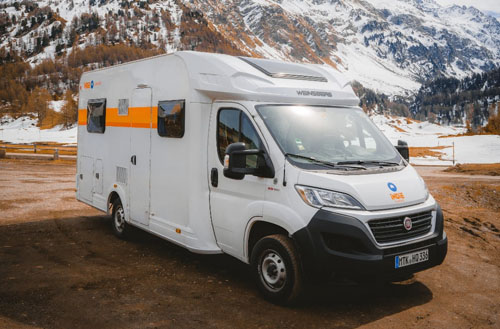
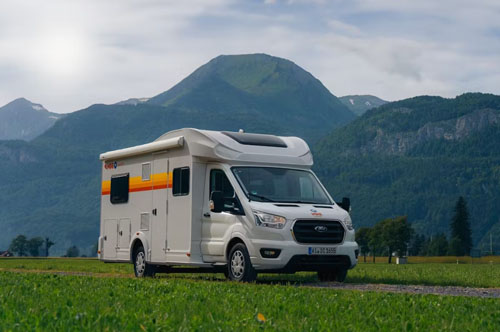
Class SI - Semi-integrated RVs, averaging 6.9 meters in length, provide more interior space and amenities like a larger refrigerator (e.g., 100 Liter in "rv rental nj example Category Small") without being excessively large. These are a popular choice for families seeking comfort and moderate maneuverability. While larger classes like Class C - Alcove (avg. 7.5 meters) or Class A - Integrated (avg. 7.5 meters) offer more living space and sleeping places (e.g. "C-30" with 7 sleeping places), their size can be more challenging on very tight roads or in crowded urban areas. Consider the type of travel you envision: a campervan excels for spontaneous exploration and easier ferry access, while a semi-integrated provides a better base for extended stays at campsites. You can upgrade to a top-level deductible for extra peace of mind, no matter your chosen vehicle class.
Should I Choose a Compact Van Instead of a Large RV in Greece?
While compact camper vans offer greater maneuverability for navigating very tight historical centers and narrow mountain passes in Greece, larger RVs still navigate most Greek roads well, providing significantly more comfort and amenities. Compact vans, such as Class B - Camper Vans (averaging 5.8m in length) or the "Combi Van" (5m length), excel in navigating winding coastal roads, small village lanes, and finding parking in crowded areas, often with lower ferry costs for island hopping to places like Crete or the Cyclades.
However, larger rented motorhomes (like a Class SI - Semi-integrated, avg. 6.9m, or a Class C - Alcove, avg. 7.5m) offer superior living space, dedicated sleeping areas, more storage, and better facilities like larger kitchens (many with 3-burner stoves) and bathrooms, which significantly enhance comfort on longer trips. The trade-off often lies between absolute ease of navigation in the most restricted areas versus the overall comfort and convenience of a more spacious vehicle. For most major routes and designated campsites, larger RVs present no significant driving issues. Drive slowly and carefully, and you can drive almost anywhere without issues. No need to stress - just use common sense and pay attention. We've been helping travelers explore 50+ countries since 2001, so we understand these nuances.
Can I Park Anywhere? Free & Wild Camping Rules in Greece
Wild camping and free parking overnight in a rented RV are generally prohibited in Greece, with specific local regulations often enforcing this. While the national law typically disallows unauthorized overnight stays outside of designated campsites, enforcement can vary by region and season. To travel responsibly and sustainably, it is strongly recommended to utilize official campsites or designated RV parks (sometimes called 'stellplätze') for overnight stays, particularly in popular tourist regions like the Peloponnese or near archaeological sites.
If considering parking on private land, it is imperative to respectfully ask for and receive explicit permission from the landowner beforehand, adhering to strict 'leave no trace' principles. Rules can vary by region and municipality, so always check local regulations and follow local law before parking overnight, ensuring you respect the environment and local communities. Greece offers numerous well-equipped campsites, especially along its stunning coastlines and islands, providing all the amenities you might need for a comfortable stay. For finding campsites and campgrounds during your trip, we recommend using RV PLANET (rvplan.net) - a great resource for locating available spots along your route.
Can I Drive an RV Into the City Center? Heights, Tunnels & Local Signage
Yes, rented RVs can typically drive into most Greek city centers, but drivers must pay close attention to local signage indicating height limits, environmental zones, narrow street restrictions, and residents-only areas. Most main roads leading into city centers, such as in Athens or Thessaloniki, are accessible for RVs. However, parking within the central areas can be challenging due to limited space, high traffic, and specific parking restrictions.
Always be vigilant for signs indicating maximum height (e.g., for underpasses, historic arches, or covered parking garages), width restrictions, or areas designated for local residents only. Environmental zones, while not as widespread as in some other European countries, may exist in larger urban areas, restricting vehicle access based on emissions standards. For historical towns and very narrow streets common in many Greek cities and villages, it is often advisable to park on the outskirts and explore on foot or by public transport. Drive slowly and carefully, and you can drive almost anywhere without issues. No need to stress - just use common sense and pay attention.
How much does an RV trip to Greece cost - budgeting tips?
The cost of a rented RV trip in Greece varies significantly based on RV class, rental duration, camping style (campgrounds vs. spontaneous parking), season, and fuel prices, typically ranging from €80-€200+ per day. RV rental prices fluctuate seasonally, with peak summer months (July-August) being the most expensive due to high demand, while shoulder seasons like April-May and September-October offer better value and more pleasant weather. For a comprehensive overview of pricing, refer to our "RV Rental in Greece - Prices and Best Deals 2026" guide.
Budget for fuel by estimating consumption (e.g., Bandana's Class SI motorhome at 10-11 Liters/100 km) and current Greek fuel prices, which are generally higher than some other European countries. Campsite fees range from €20-€50 per night for a pitch with electricity and amenities; factor in potential costs for spontaneous parking alternatives only if local laws permit and explicit permission is obtained from landowners. Include budget lines for tolls, inevitable ferry crossings (especially with an RV, which incurs higher costs), groceries (cooking in your RV kitchen can save significantly), and occasional meals at local tavernas for an authentic experience. For detailed financial planning, remember that on RV PLANET routes, travelers can itemize and track every expense along the way for easy budgeting, ensuring full transparency with no hidden fees or surprises.
What are the best times to RV in Greece, considering seasonal challenges?
The shoulder seasons of April-May and September-October are generally the best times for rented RV travel in Greece, offering pleasant weather and fewer crowds than the peak summer, while avoiding winter's potential road closures in mountainous regions. Spring (April-May) provides lush landscapes, blooming wildflowers, and comfortable temperatures, averaging 18-25°C, ideal for outdoor activities, with tourist services just beginning to open.
Autumn (September-October) offers warm sea temperatures for swimming, pleasant weather averaging 20-28°C, and the vibrant harvest season for local produce, often with significantly fewer tourists than the summer. Summer (June-August) brings intense heat, often exceeding 35°C, requiring heavy reliance on air conditioning and diligent water management, alongside significant tourist crowds and higher prices for everything, including RV rentals. Winter (November-March) can present challenges such as heavy rainfall, potential snow and road closures in mountain areas (like the Pindus), and many tourist services being shut down, making it less ideal for general RV exploration, though it offers a unique, quiet charm for those prepared for cooler weather. Planning your trip during the shoulder seasons allows you to truly travel slowly, maximizing your connection to the culture and scenery.
How do RV sizes impact ferry travel and parking in Greek towns?
Larger rented RVs in Greece face higher ferry costs and can be challenging to park in crowded historical towns or navigate very narrow streets, whereas smaller campervans offer more flexibility for island hopping and urban exploration. Ferry operators price RVs based on length and sometimes height; a Class B - Camper Van averaging 5.8 meters in length would be significantly more economical and easier to book than a Class A - Integrated motorhome which can be 7.5 meters or more, especially for popular routes to islands like Santorini or Mykonos.
Booking RV ferry tickets well in advance, especially for popular routes and during peak season, is crucial for securing a spot and potentially better rates. In many traditional Greek towns and villages, parking large RVs can be difficult or even impossible due to narrow roads, limited parking spaces, and designated pedestrian zones. Smaller RVs and campervans have a distinct advantage in these situations, allowing easier access to more secluded spots and a wider range of parking options closer to attractions. This difference in maneuverability and ferry cost often guides first-time renters towards compact options when planning a comprehensive Greek itinerary.
How to book RV ferries and manage border crossings in Greece?
Booking RV ferries in Greece requires advance reservation, especially for popular routes and peak season, typically by specifying vehicle dimensions, while border crossings from neighboring countries involve standard passport, vehicle registration, and insurance checks. Ferry tickets can be booked online through various ferry company websites (e.g., Blue Star Ferries, Minoan Lines), local travel agents, or directly at port offices; always select 'caravan' or 'campervan' and accurately input your rented RV's length and height to ensure correct pricing and space allocation.
Key ferry routes connect the mainland (e.g., Piraeus near Athens, Patras) to numerous islands, with popular destinations like Crete, Rhodes, and the Cyclades being well-served. When crossing land borders into Greece from countries like Albania, North Macedonia, or Bulgaria, ensure you have your passport, an International Driving Permit (if your national license is not in English), your rented vehicle's registration documents, and a Green Card insurance certificate valid for Greece. It is advisable to check the latest border regulations and any specific travel advisories before your trip, particularly for customs requirements or animal health certificates if traveling with pets. Our focus on full price transparency means we highlight all potential costs, including ferry fees, upfront.
How to engage with local culture and etiquette in Greek villages?
Engaging with local culture in Greek villages involves respecting traditions like dressing modestly when visiting religious sites, greeting elders with respect, and embracing the relaxed pace of life. Always greet locals with 'Kalimera' (good morning) or 'Kalispera' (good evening), and a friendly 'Yiasas' (hello/cheers) will be genuinely appreciated. When visiting churches, monasteries, or other religious sites, ensure you are dressed modestly, typically covering shoulders and knees; carrying a light scarf or wrap is always a good idea for spontaneous visits.
Embrace the slower pace of life, particularly during the mid-afternoon siesta hours when many shops and businesses may close. This is a perfect time to enjoy a leisurely coffee or relax at your campsite. Show genuine interest in local customs, food, and music, and don't hesitate to ask respectful questions about village life; Greeks are generally warm and hospitable to visitors. Being mindful of these small gestures can significantly enrich your RV travel experience, helping you connect deeply with the heart of Greece, as we always say, "God is in the small details, and we take care of them. That's what makes the big difference."
How can I experience local Greek food and markets with an RV?
Rented RV travelers in Greece can easily immerse themselves in local gastronomy by visiting farmers' markets for fresh produce, sourcing local specialties from village shops, and parking within walking distance of authentic tavernas. Seek out 'laiki agora' (farmers' markets) in towns and villages across Greece, such as in Chania or Heraklion on Crete, for fresh, seasonal fruits, vegetables, local olives, artisanal cheeses, and aromatic herbs-perfect ingredients for cooking delicious meals in your RV kitchen. You can find inspiration and practical ideas in our RV-friendly recipes playlist.
Utilize your flexible RV mobility to explore smaller, off-the-beaten-path villages known for specific local products, like unique honey varieties, regional wines, or traditional olive oils. When dining out, look for tavernas frequented by locals, often indicated by many parked cars or a bustling atmosphere, which typically offer authentic dishes at reasonable prices. Ensure you park your RV responsibly and legally when visiting markets or tavernas, perhaps slightly outside the busiest areas and enjoying a pleasant walk in, allowing you to savour the local atmosphere at a leisurely pace, adhering to our recommendation to travel slowly.
What emergency preparations are essential for RV travel in Greece?
Essential emergency preparations for rented RV travel in Greece include having comprehensive insurance, knowing local emergency numbers (112), carrying a basic first-aid kit, and understanding options for medical access in rural areas. Ensure your travel insurance covers medical emergencies, trip cancellations, and provides roadside assistance specifically for RVs in Greece. You can upgrade to a top-level deductible for extra peace of mind through Bandana, ensuring you're well-protected.
The pan-European emergency number 112 works throughout Greece for police, fire, and ambulance services; always have it readily accessible on your phone and posted inside your RV. Carry a well-stocked first-aid kit, along with any personal medications, and it's helpful to know the Greek names for common ailments for easier communication at a pharmacy ('farmakeio'). Familiarize yourself with the locations of local health centers ('kentro ygeias') or pharmacies in rural areas you plan to visit. Having a basic Greek phrasebook or translation app can be invaluable in critical situations. We handle the details, so you can live the journey with confidence.
What technology and apps are essential for RVing in Greece?
Essential technology for RVers in Greece includes reliable mobile connectivity for navigation and communication, portable charging solutions, and useful apps for camping, translation, and local information. Navigation apps such as Google Maps or Waze are invaluable for planning routes, but consider downloading offline maps for areas with limited connectivity, especially in mountainous or remote regions of mainland Greece or on certain islands. A local Greek SIM card or an eSIM provides cost-effective mobile data for internet access, which is essential for real-time navigation, checking weather, and staying connected with loved ones.
Camping-specific apps like Park4Night or iOverlander are highly recommended for finding official campsites, service points, and potential parking spots across Greece, supplementing the resources available on rvplan.net. Carry portable power banks or consider a solar charger for keeping devices powered, especially if you plan to spend time away from powered sites. Translation apps like Google Translate (with offline language packs) can bridge language barriers with locals, enhancing your cultural interactions. Remember that Bandana Caravan offers bookings in 30+ currencies with full price transparency, making your planning seamless.
What You Shouldn't Miss
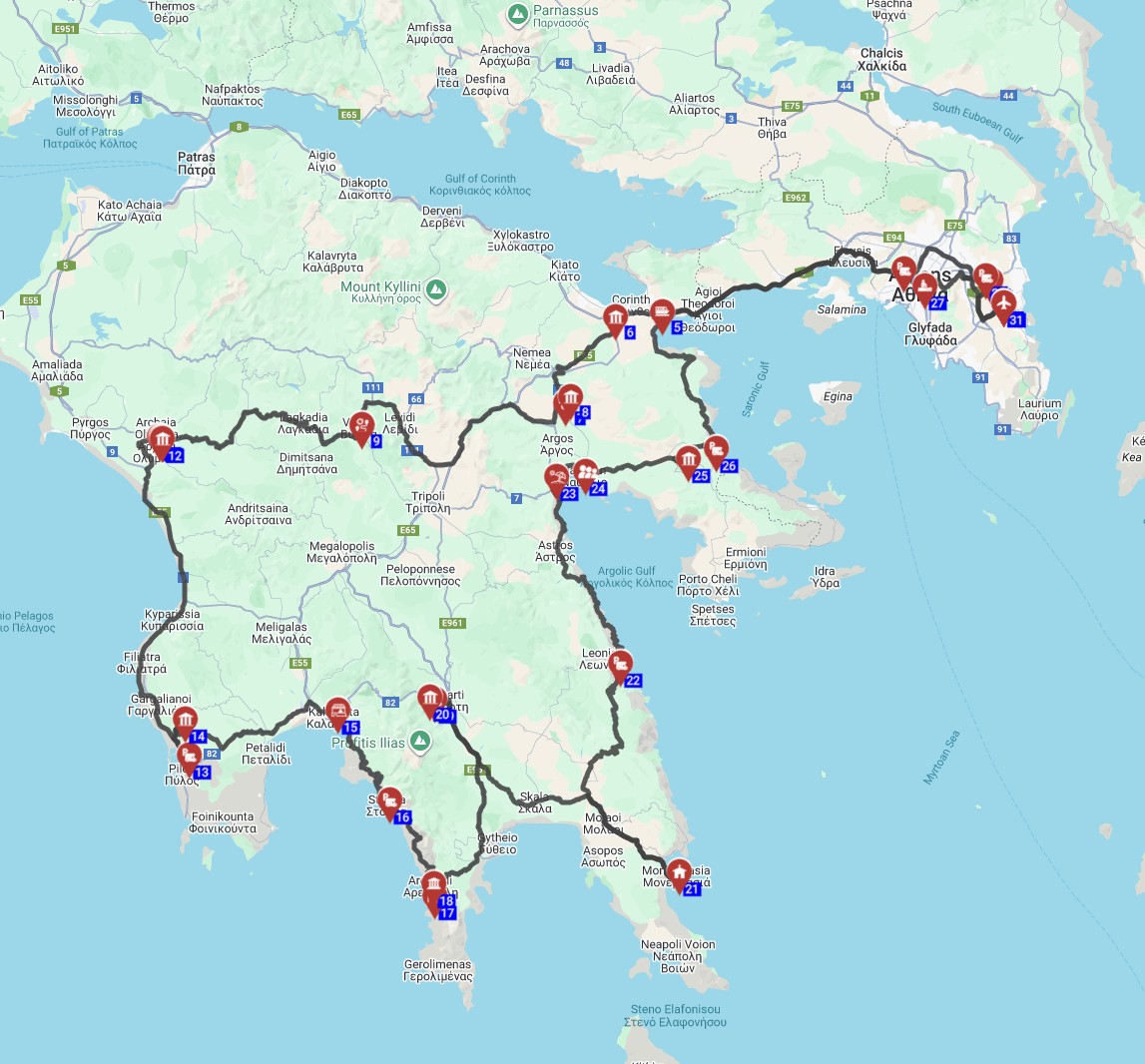
- Explore the Peloponnese Peninsula: Drive your rented motorhome through ancient Sparta, visit the stunning Mystras archaeological site, and relax on the beautiful beaches of the Mani Peninsula. The winding coastal roads offer breathtaking views and numerous scenic stops.
- Island Hop to Crete: Take a ferry from Piraeus or another mainland port to Greece's largest island, Crete. With your RV, you can discover hidden coves, explore ancient palaces like Knossos, and hike through the Samaria Gorge.
- Discover the Monasteries of Meteora: Witness the awe-inspiring monasteries perched atop towering rock pillars. Park your campervan nearby and explore these UNESCO World Heritage sites, offering incredible photo opportunities and spiritual serenity.
- Wander through the Zagori Villages: Head to the Pindus Mountains to explore the stone-built villages of Zagori. Drive across the iconic arched stone bridges and experience traditional Greek mountain life, finding charming spots for your RV.
- Coastal Drives of Halkidiki: Experience the three peninsulas of Halkidiki, known for their golden beaches and turquoise waters. Your RV will give you the freedom to explore each 'finger' and find your perfect swimming spot.
Looking for expert insights from Avi Bandana? Top 5 Adventures - recommendations from Avi Bandana.
Final Thoughts
Embarking on your first rented RV journey in Greece is an invitation to uncover its timeless beauty at your own pace. Imagine waking up to the gentle lapping of Aegean waves or the serene quiet of a mountain village, your mobile home providing comfort and convenience wherever you go. From navigating the diverse roads to savoring local markets, every aspect of RV travel in Greece is an adventure waiting to happen.
We're here to support you in every step, ensuring your booking is transparent and stress-free. Whether you're a pre-planner or a spontaneous explorer, Greece with a rented motorhome offers boundless possibilities. So, take the leap, embrace the journey, and create unforgettable memories on the open roads of Greece. Your Hellenic adventure awaits!
Ready to start planning your perfect Greek escape? Compare Motorhome Prices for Greece and find your ideal rental today!