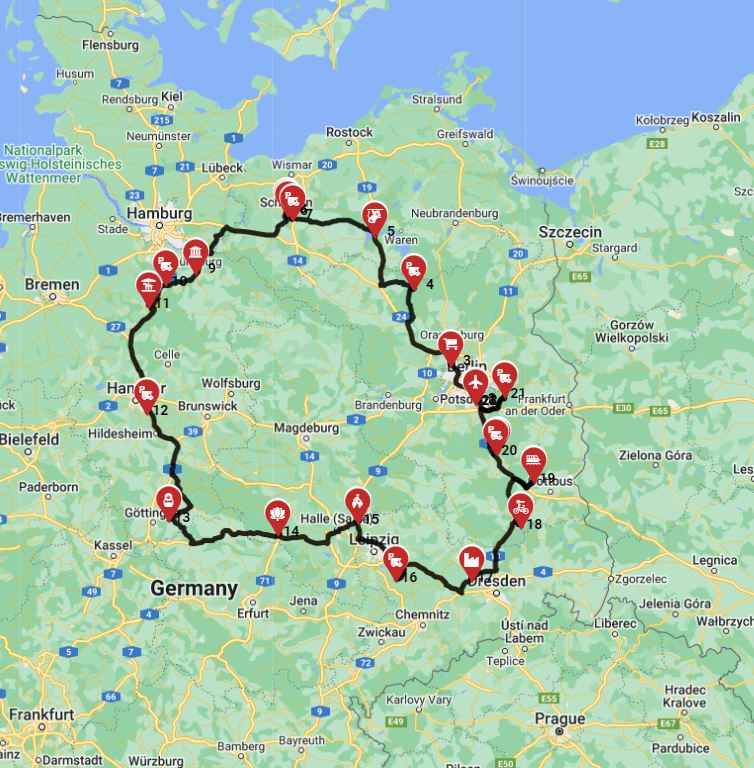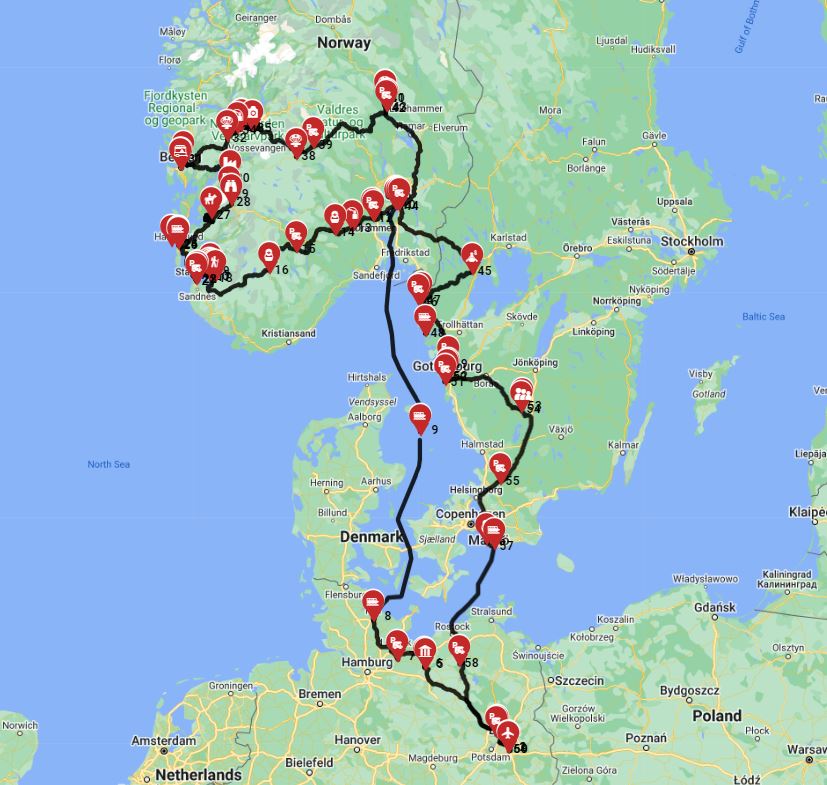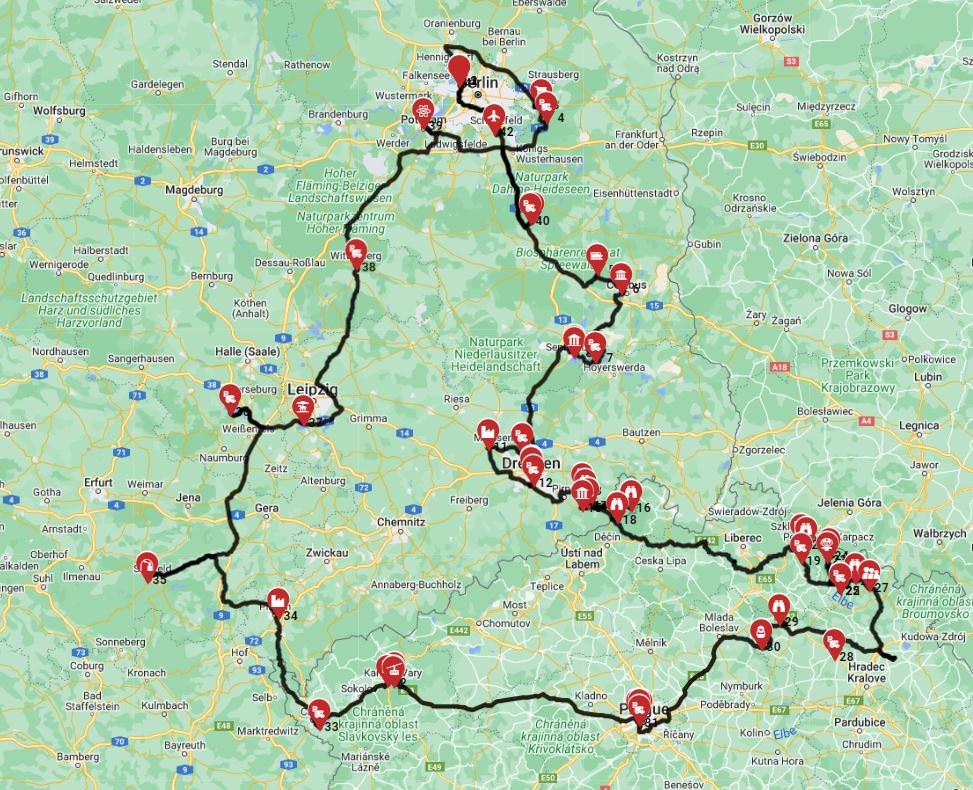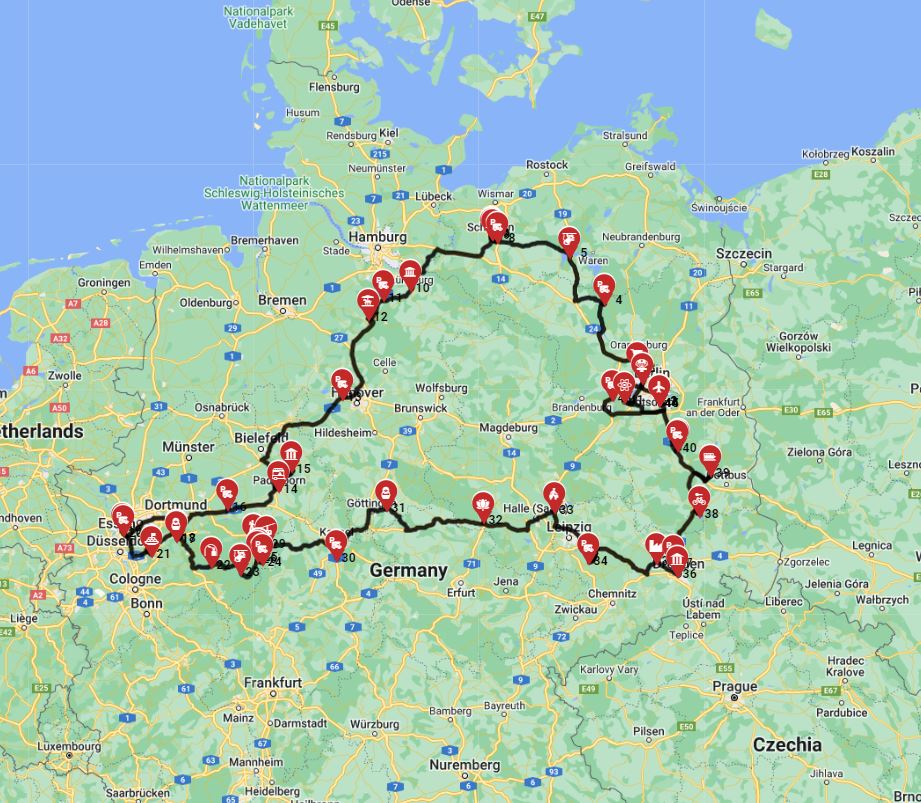
For live availability and current prices, start with our RV Rental Germany - Complete Guide 2026 guide.
In This Guide
- Can You Drive an RV in Germany? License & Age Rules
- Road Conditions & Terrain in Germany
- RV Size Limits, Bridges & Restricted Zones
- Fuel: Diesel vs. Petrol & Cost per 100 km
- Tolls, Vignettes & Border Rules
- Driving Tips for RV Rental Beginners Travelers
- Recommended RV Class for Germany Roads
- Should I Choose a Compact Van Instead of a Large RV in Germany?
- Can I Park Anywhere? Free & Wild Camping Rules in Germany
- Can I Drive an RV Into the City Center? Heights, Tunnels & Local Signage
- How do I plan an RV trip to Germany?
- What documents do I need to rent an RV in Germany?
- Do you need special insurance for RV in Germany?
- How to get an Umweltplakette for an RV in Germany?
- Can I take my pet in an RV in Germany?
- What is the best month to RV in Germany?
- Can you drive an RV in Germany in winter?
- Can you drink alcohol and drive an RV in Germany?
- Emergency Procedures for RV Travel in Germany
- What is a Stellplatz in Germany?
- What are the rules for camping in Germany?
- RV Hookups and Utilities in Germany
- How much does it cost to rent an RV in Germany?
- Is it easy to drive an RV in Germany?
- Where is the best place to rent an RV in Germany?
Can You Drive an RV in Germany? License & Age Rules
Yes, you can drive an RV in Germany with a standard B driver's license for vehicles up to 3,500 kg. For RVs weighing over 3,500 kg, a C1 or C driving license is typically required. Most rental companies in Germany have a minimum driver age of 21, though some may require renters to be 25 for larger motorhomes. If your national license is not from an EU country, an International Driving Permit (IDP) is generally recommended alongside your domestic license to ensure smooth rental pickup and clear communication with authorities, though it's not always mandatory.
Road Conditions & Terrain in Germany
Germany's road network is renowned for its excellent quality and extensive coverage, making RV travel a pleasure. The Autobahns are multi-lane, high-speed highways, while the Bundesstraßen and Landstraßen offer more scenic, albeit sometimes narrower, routes through charming towns and countryside. The terrain varies significantly, from the flat northern plains to the picturesque mountainous regions in the south, such as the Bavarian Alps and the Black Forest. For beginners, it's advisable to drive slowly and deliberately on scenic or mountainous routes to fully appreciate the landscape and navigate with confidence.
RV Size Limits, Bridges & Restricted Zones
When navigating Germany in a rented RV, always be mindful of posted height, width, and weight restrictions, especially on smaller roads or within historic town centers. While major highways are generally accommodating, low bridges can be a surprise on rural routes or in older villages; keep an eye on signage. A crucial aspect of urban RV travel in Germany is understanding 'Umweltzonen' (environmental zones), which require a specific 'Umweltplakette' (environmental sticker) to enter. Ensure your chosen RV is compliant or plan your city access accordingly. Additionally, be aware that ferries or specific road crossings might have their own size and weight limitations.
Fuel: Diesel vs. Petrol & Cost per 100 km
The vast majority of RVs available for rent in Germany, including those in our fleet, are powered by diesel, which is readily available at fuel stations across the country. While fuel consumption varies by RV class, typical estimates for a Class C motorhome range from 10-12 liters per 100 km, and for a more compact Class B camper van, it's generally between 8-10 liters per 100 km. The cost per 100 km is dynamic and directly linked to the current diesel price and your RV's specific fuel efficiency.
Tolls, Vignettes & Border Rules
For private RVs weighing under 3.5 tonnes, there are typically no tolls on German Autobahns. However, heavier vehicles (over 7.5 tonnes) are subject to the 'LKW-Maut' (truck toll) system. Germany itself does not require a vignette (road tax sticker) for passenger vehicles or RVs. It's important to note that vignettes are mandatory for driving in many neighboring countries, so if your itinerary includes Austria, Switzerland, or the Czech Republic, ensure you acquire the correct stickers in advance. Border checks within the Schengen Area, which encompasses Germany and numerous surrounding countries, are usually minimal, but always carry your identification and all necessary RV documentation. On the routes offered through RV PLANET routes, you can itemize and track every expense along the way for easy budgeting.
Driving Tips for RV Rental Beginners Travelers
For a smooth RV driving experience in Germany, adhering to speed limits is paramount: generally, RVs over 3.5 tonnes have a limit of 100 km/h on Autobahns, sometimes reduced to 80 km/h in certain conditions, while other main roads have limits around 80-100 km/h, and urban areas are typically restricted to 50 km/h. Be patient and allow ample space when navigating narrow or winding roads, especially in historic towns or hilly terrain. Familiarizing yourself with common German road signs, such as 'Einbahnstraße' (one-way street), will significantly aid your journey. Remember to observe cultural norms like 'Ruhezeit' (quiet hours) at Stellplätze and campgrounds, and practice responsible waste disposal to respect the environment and local communities. For family trips, planning frequent stops allows everyone to stretch, refresh, and enjoy the journey.
Recommended RV Class for Germany Roads
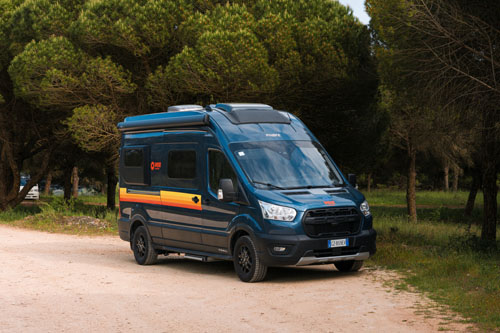
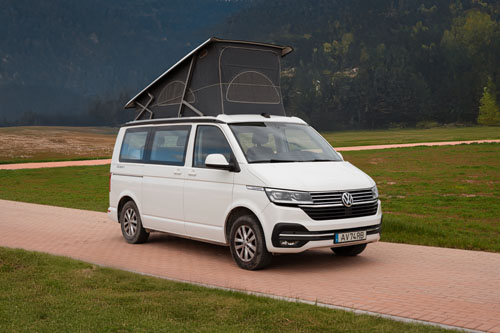
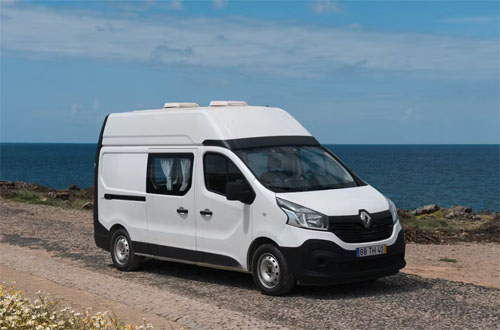
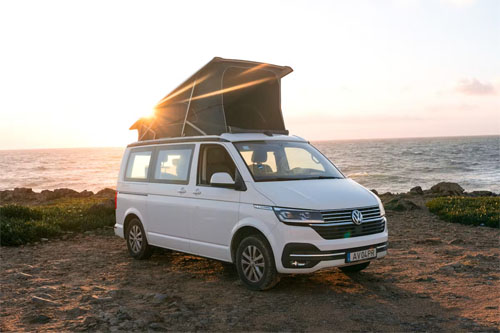
For those new to RV travel in Germany, Bandana recommends considering a Class B (Camper Van) or Class SI (Semi-integrated) motorhome. These classes strike an excellent balance between maneuverability and living space, ideal for navigating Germany's varied road network. Camper Vans, typically around 5.8 meters long, are exceptionally nimble for city centers and narrow village streets. Semi-integrated RVs, averaging 6.9 meters, provide more generous living and sleeping areas without being overly cumbersome for most German driving and parking situations. Both classes offer adequate ground clearance for the majority of roads, making them suitable for cruising the Autobahns and exploring scenic rural routes.
Should I Choose a Compact Van Instead of a Large RV in Germany?
While larger RVs are generally manageable on Germany's well-maintained main roads, a compact camper van, like Bandana's Class B models, can offer enhanced flexibility, particularly in specific scenarios. Compact vans excel in navigating the tight confines of historic town centers, narrow village streets, and challenging mountain passes, where their smaller footprint simplifies parking and maneuvering. However, a larger RV typically provides significantly more living space and amenities, a trade-off that might be preferable for longer trips or for travelers prioritizing comfort and indoor relaxation. The optimal choice hinges on your itinerary: if frequent city visits or remote exploration are key, a compact van is advantageous. If spacious comfort and predominantly main road travel are your priorities, a larger RV remains a solid and enjoyable option.
Can I Park Anywhere? Free & Wild Camping Rules in Germany
Wild camping, which involves setting up camp outside designated areas, is generally prohibited in Germany to protect natural spaces and private property. However, overnight parking in an RV for the sole purpose of restoring fitness to drive is often tolerated on public roads or parking lots, provided no camping behavior, such as extending awnings or setting up chairs outside, is displayed. The legal and widely available alternative for overnight stays is utilizing 'Stellplatz' designated motorhome parking areas. It's always wise to check local regulations before parking overnight, as rules can vary by region, and respecting local laws helps ensure a positive experience for everyone.
Can I Drive an RV Into the City Center? Heights, Tunnels & Local Signage
Yes, you can generally drive an RV into most German city centers. However, it is critical to pay close attention to specific local signage, particularly regarding height, weight, and 'Umweltzonen' (environmental zones) which necessitate an 'Umweltplakette' (environmental sticker). Drivers should also be vigilant for signs indicating low bridges, narrow streets ('Einbahnstraße' - one-way), or areas restricted to residents only ('Anlieger Frei'). Parking within city centers can be challenging for larger RVs; consider utilizing park-and-ride facilities on the outskirts and using public transport for a more convenient city exploration.
How do I plan an RV trip to Germany?
Planning an RV trip to Germany starts with defining your interests, whether it's exploring historic castles, scenic wine regions, or the stunning natural landscapes. Once you have a sense of your desired route and key attractions, research and map out your journey, keeping in mind Germany's efficient road network. Identifying and pre-booking 'Stellplätze' (motorhome parking areas) or campgrounds is highly recommended, especially during peak season, to secure your spot. Finally, familiarize yourself with local driving regulations, including speed limits, environmental zone requirements, and general road etiquette, to ensure a smooth and enjoyable trip.
What documents do I need to rent an RV in Germany?
To rent an RV in Germany, you will absolutely need a valid national driving license. For vehicles exceeding 3,500 kg, ensure your license includes the correct category (C1 or C). If your license is not from an EU country, an International Driving Permit (IDP) is typically required. You'll also need a valid passport or national ID card for identification purposes. Lastly, a major credit card is usually necessary for processing the rental payment and providing the security deposit.
Do you need special insurance for RV in Germany?
Standard RV rentals in Germany automatically include essential third-party liability insurance, which is legally mandated. For enhanced peace of mind, especially for first-time RV renters, we highly recommend considering additional coverage options like a Collision Damage Waiver (CDW). Comprehensive insurance packages can also cover risks such as theft, vandalism, and may include roadside assistance, further reducing your financial liability and ensuring a worry-free journey. Always review the specific insurance terms and deductible amounts provided by your rental company before finalizing your booking.
How to get an Umweltplakette for an RV in Germany?
An 'Umweltplakette' (environmental zone sticker) is essential for entering many German cities with your RV. You can conveniently purchase this sticker online from official German sources like TÜV Nord or DEKRA, or in person at TÜV stations and larger garages across Germany. You'll need your RV's vehicle registration documents to verify its emission class and obtain the correct colored sticker (typically green for most modern RVs, granting access to all zones). The sticker is affordable, usually ranging from €5 to €20, and must be affixed to your RV's windshield before entering any designated 'Umweltzone' to avoid fines.
Can I take my pet in an RV in Germany?
Yes, many RV rental companies in Germany offer pet-friendly vehicles, but it's crucial to confirm the specific pet policy with your chosen rental provider beforehand. For pets traveling into Germany, be sure they comply with EU regulations, which typically include having a pet passport, a microchip, and a valid rabies vaccination. An additional cleaning fee may apply for bringing pets along, and some rental companies might have restrictions on pet size or breed. It's also a good idea to research pet-friendly accommodations and attractions along your planned route, as not all establishments permit animals.
What is the best month to RV in Germany?
The most favorable months for RV travel in Germany are generally May, June, and September. During this period, you'll experience pleasant weather ideal for outdoor activities, fewer crowds than the peak summer months, and charming spring blossoms or vibrant autumn foliage. July and August offer warm weather but come with higher prices and more populated campsites. Traveling in the shoulder seasons or even winter can offer unique experiences like festive Christmas markets or skiing, but it requires specific RV preparations and awareness of potentially limited campsite availability.
Can you drive an RV in Germany in winter?
Driving an RV in Germany during winter is entirely feasible and can offer unique experiences, such as exploring Christmas markets or enjoying snow-covered landscapes. However, it's essential to make specific preparations for cold weather conditions. Winter tires, marked with the 'M+S' symbol or the Alpine symbol, are legally mandatory during wintery road conditions, and snow chains may be required in mountainous areas. Ensure your RV is properly winterized, including antifreeze in the water systems, and equipped with efficient heating for comfort. Be aware that many campgrounds and 'Stellplätze' close during the winter months, so advance research and booking of winter-friendly sites are crucial.
Can you drink alcohol and drive an RV in Germany?
In Germany, the legal blood alcohol content (BAC) limit for driving any vehicle, including an RV, is strictly 0.05% (0.5 promille). For new drivers, or those under 21, a zero-tolerance policy (0.00% BAC) applies. Penalties for exceeding these limits are severe, including substantial fines, points on your driving record, and potential license suspension. To ensure safety and avoid penalties, it is always best to avoid consuming any alcohol if you plan to drive.
Emergency Procedures for RV Travel in Germany
In the unfortunate event of an RV breakdown, your first step should be to contact the roadside assistance number provided by your rental company, typically found in your rental agreement. For urgent emergencies requiring police, fire, or medical assistance, dial the pan-European emergency number 112 from any phone. Always ensure you carry mandatory safety equipment, including a reflective safety vest for each occupant and a warning triangle that must be deployed if you break down. Familiarizing yourself with services like ADAC (Germany's automobile club) can also be beneficial, though your rental company's roadside assistance is usually your primary point of contact.
What is a Stellplatz in Germany?
A 'Stellplatz' is a designated parking area specifically for motorhomes and RVs in Germany, offering a legal and often very affordable option for overnight stays. These sites vary in amenities but commonly provide fresh water, waste disposal for grey and black water, and sometimes electricity hookups. Stellplätze are frequently found near towns, attractions, or even vineyards, and can be easily located using dedicated apps like Campercontact or Promobil. While generally less equipped than traditional campgrounds (e.g., no showers or extensive facilities), their lower cost and convenience for shorter stays make them a popular choice for RV travelers.
What are the rules for camping in Germany?
In Germany, legal camping is primarily restricted to designated campgrounds and 'Stellplätze', with strict regulations generally prohibiting unauthorized 'wild camping' outside these areas. Campground rules typically emphasize respecting 'Ruhezeit' (quiet hours), ensuring proper waste disposal, and adhering to site-specific regulations. Importantly, displaying 'camping behavior' like extending awnings or setting up chairs outside designated areas is usually not permitted. While overnight parking for rest is often tolerated, always check local rules and prioritize respect for private property and environmental protection.
RV Hookups and Utilities in Germany
RVs in Germany commonly use standard European electrical hookups, requiring a CEE 16A blue plug for 230V power connections; having the correct adapter is essential. Water hookups can vary, so carrying a selection of hose adapters is highly recommended for different tap connections at 'Stellplätze' and campgrounds. Waste disposal points for both grey water (from sinks and showers) and black water (chemical toilet cassettes) are readily available at all official camping and motorhome parking areas. Propane/LPG gas bottles have specific connections in Germany; if your rental uses a non-German system, discuss refill options or necessary adapters with your rental company.
How much does it cost to rent an RV in Germany?
The cost to rent an RV in Germany fluctuates significantly, typically ranging from around €80 per day for a compact campervan during the off-season to over €200 per day for a larger, more luxurious motorhome during peak summer months. The final price depends on the RV class, rental season, duration, and any additional amenities or insurance packages chosen. Beyond the rental fee, budget for daily expenses such as fuel (consider current average diesel prices and your RV's consumption rate), 'Stellplatz' or campground fees (often €10-30 per night), and potential tolls for heavier vehicles or when crossing borders into neighboring countries. Factoring in attraction entry fees, food, and personal expenses will provide a complete picture of your trip's overall budget. You can explore options and get price estimates via comparison platforms like Bandana Caravan.
Is it easy to drive an RV in Germany?
Driving an RV in Germany is generally considered quite manageable, largely due to the country's exceptional road infrastructure, clear and consistent signage, and efficient traffic flow. Drivers should take time to become comfortable with their RV's dimensions, particularly its length and width, to navigate confidently. Adhering to German road rules and the specific speed limits for RVs is crucial for a safe and smooth journey. While Autobahns are straightforward, navigating smaller towns and city centers requires more attention to narrow streets, parking regulations, and specific local restrictions.
Where is the best place to rent an RV in Germany?
The most convenient way to rent an RV in Germany is through reputable online platforms like Bandana Caravan, which aggregate a wide selection of vehicles from trusted local providers across major cities. Key rental hubs include large cities like Berlin, Munich, Frankfurt, Hamburg, and Düsseldorf, often offering convenient airport access. Utilizing a comparison platform streamlines the process, allowing you to easily compare RV classes, prices, and availability from multiple suppliers in one place. Always take the time to review rental terms, understand included insurance coverage, and check customer feedback to ensure a reliable and satisfactory rental experience.
What You Shouldn't Miss
- Embark on the legendary Autobahn and experience Germany's impressive road network, remembering to adhere to the specific speed limits for RVs.
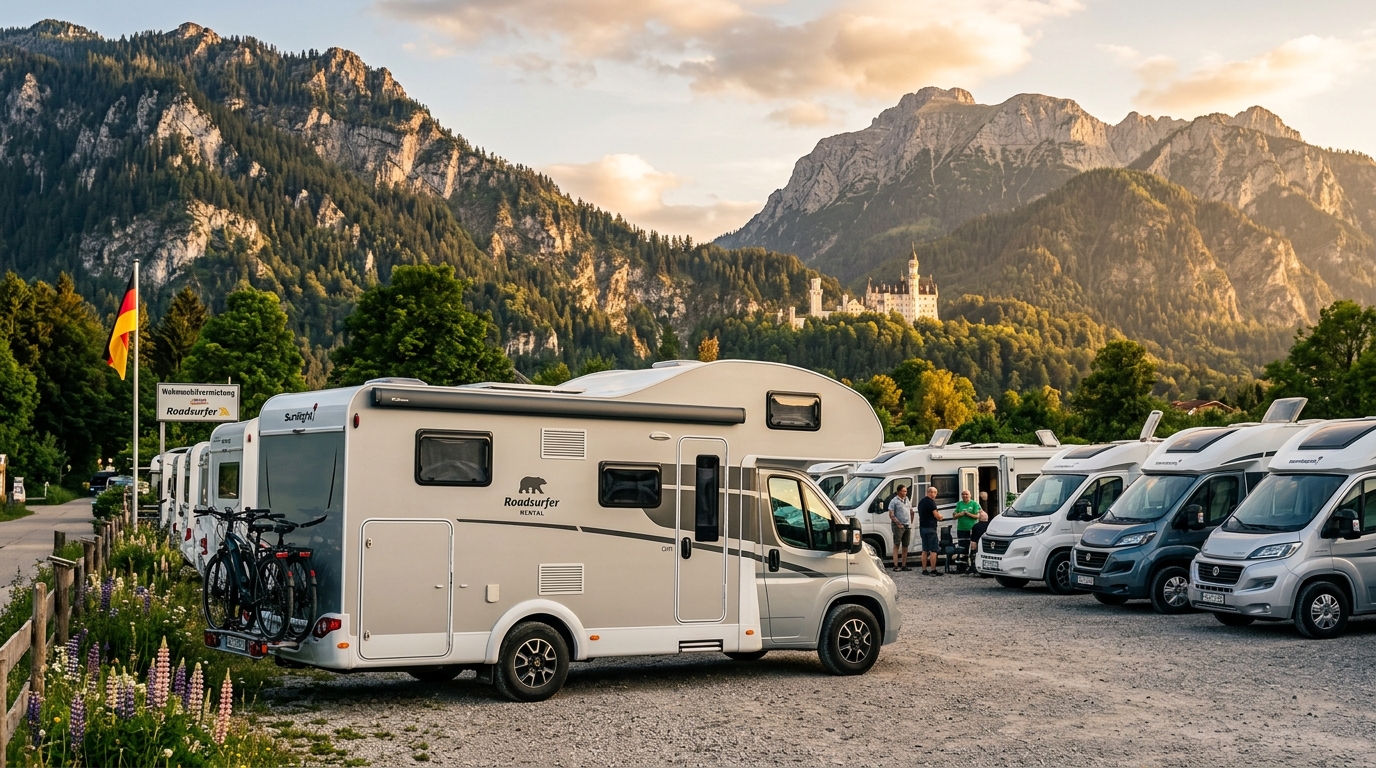
- Explore the fairytale castles of Bavaria, like Neuschwanstein, which are often accessible via scenic routes suitable for RVs.
- Discover the charming medieval towns dotted across Germany, many of which offer 'Stellplätze' conveniently located for exploring historic centers.
- Visit a traditional German beer garden or wine festival (depending on the season) to immerse yourself in local culture and cuisine.
- Drive through the scenic landscapes of the Black Forest, taking advantage of designated RV routes that showcase the region's natural beauty.
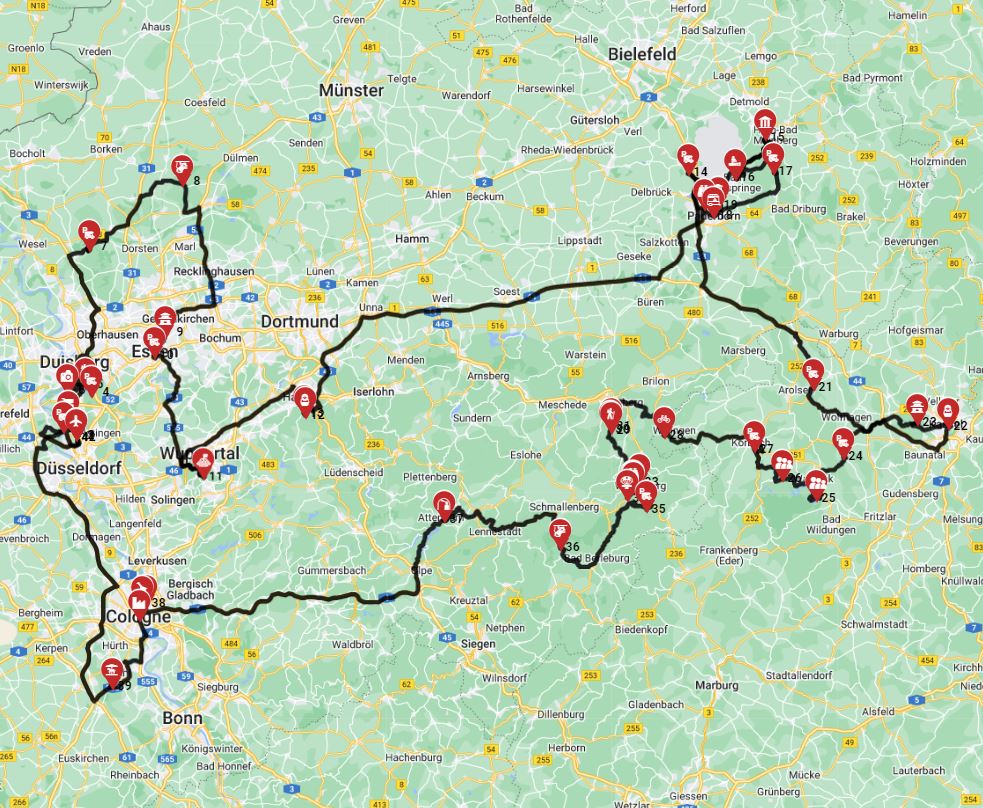
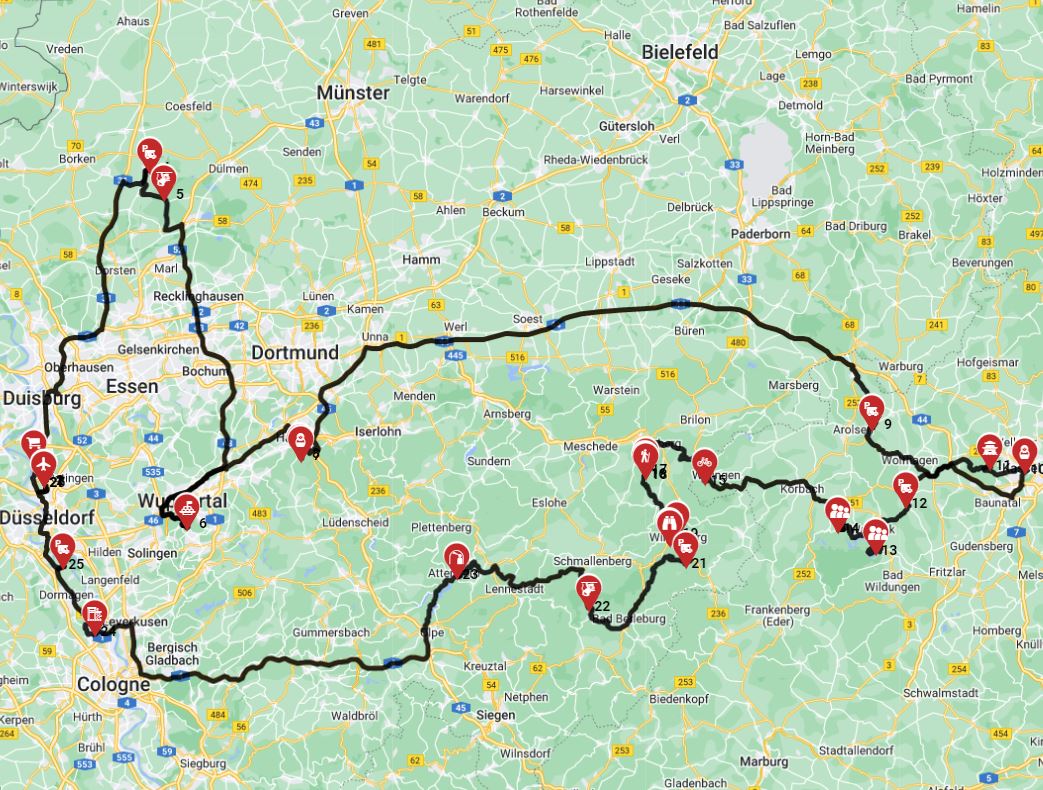
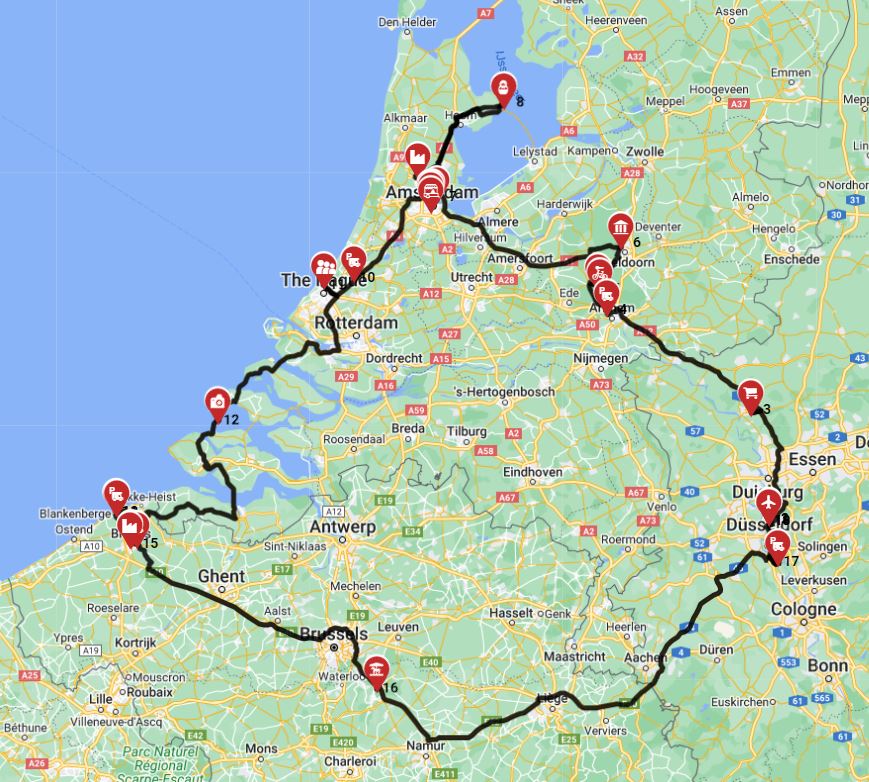
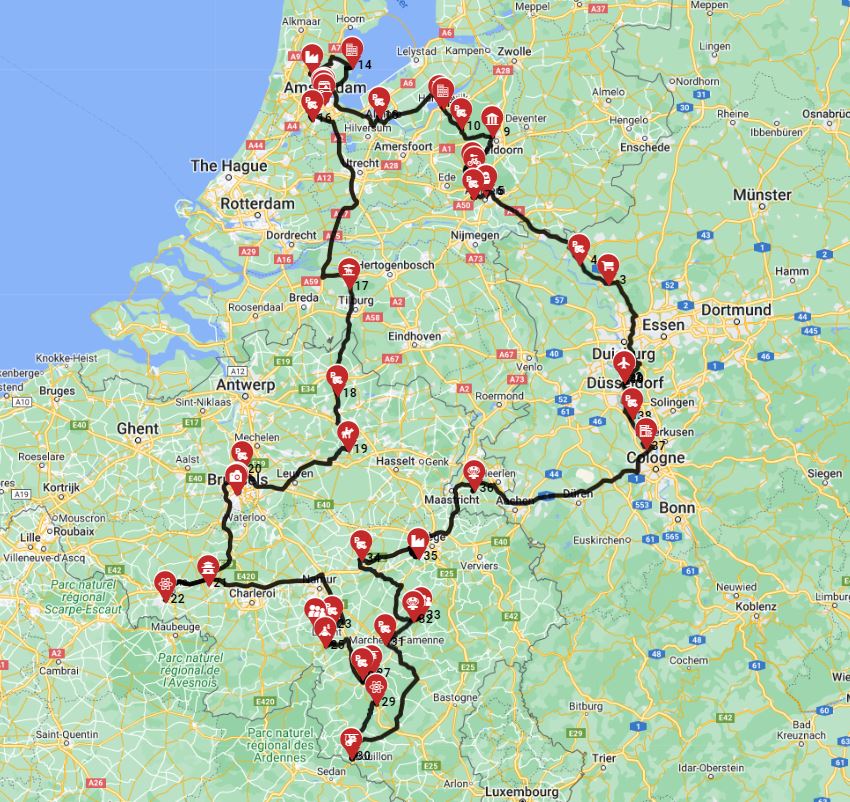
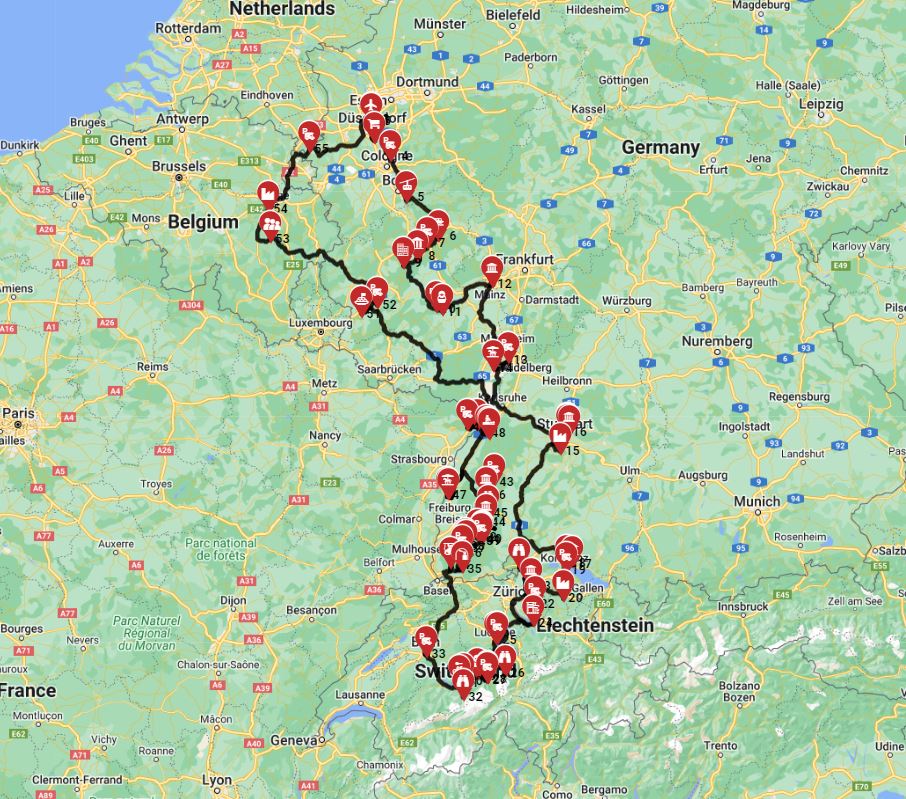
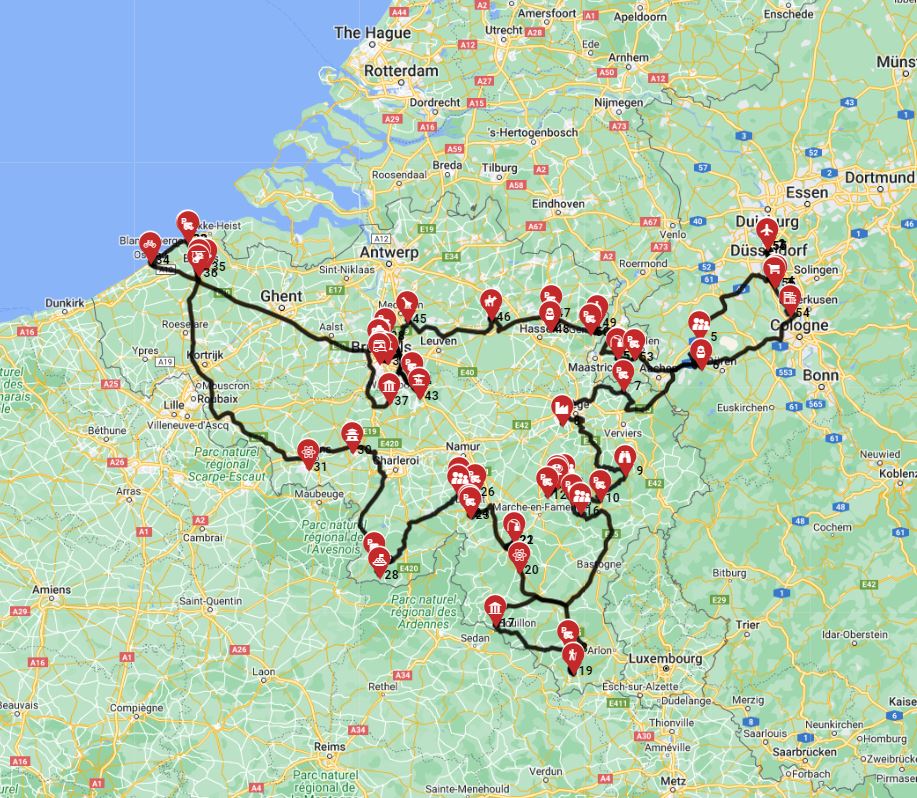
- For expert insights from Avi Bandana? Top 5 Adventures — recommendations from Avi Bandana: Consider the "Dusseldorf Roundtrip - Germany / Netherlands / Belgium" for a taste of multi-country exploration, featuring diverse attractions like amusement parks and historical sites.
Final Thoughts
Embarking on your first RV adventure in Germany promises an unparalleled journey of freedom and discovery. The well-maintained roads, efficient infrastructure, and charming destinations make it an ideal country for exploring by motorhome. Remember that thorough planning, combined with a sense of adventure, will ensure a truly memorable experience.
From the efficiency of booking through platforms like Bandana Caravan to navigating the unique German 'Stellplatz' system and respecting local driving customs, every detail contributes to a rewarding trip. So, pack your bags, embrace the open road, and get ready to explore the diverse beauty of Germany at your own pace!
For ideas you can prep on the road, watch our RV-friendly recipes playlist on YouTube.