In This Guide
- Can You Drive an RV in France? License & Age Rules
- Road Conditions & Terrain in France
- RV Size Limits, Bridges & Restricted Zones
- Fuel: Diesel vs. Petrol & Cost per 100 km
- Tolls, Vignettes & Border Rules
- Driving Tips for RV Rental Beginners Travelers
- Recommended RV Class for France Roads
- Should I Choose a Compact Van Instead of a Large RV in France?
- Can I Park Anywhere? Free & Wild Camping Rules in France
- Can I Drive an RV Into the City Center? Heights, Tunnels & Local Signage
- What do I need to know before renting an RV in France?
- What are the rules for motorhomes in France?
- What is the best month to RV in France?
- How long does it take to drive across France by RV?
- Is France a good country for RV travel?
- How much does it cost to RV in France?
- Can you drive an RV into Paris?
- How do I find Aires in France?
- What are the speed limits for RVs in France?
- What is the cheapest way to travel France by RV?
- Can I drink alcohol and drive an RV in France?
Embarking on a motorhome adventure in France is an incredibly rewarding way to explore its diverse landscapes, rich history, and vibrant culture. Whether you're dreaming of the lavender fields of Provence, the majestic Alps, or the charming villages of the Loire Valley, a rented RV offers unparalleled freedom. For first-time RVers, understanding the specifics of driving in France can seem daunting, but with the right preparation, you'll be navigating French roads like a seasoned pro. For live availability and current prices, start with our RV Rental France - Complete Guide 2026 guide.
Can You Drive an RV in France? License & Age Rules
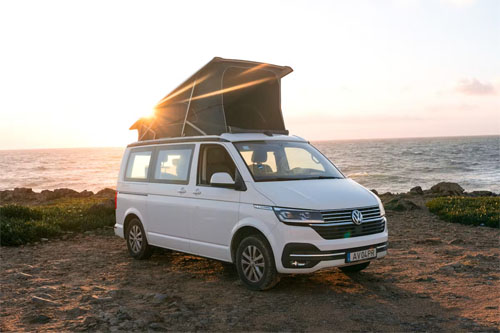
Yes, you can absolutely drive an RV in France, with most standard car driver's licenses (Category B) being sufficient for motorhomes up to 3,500 kg MAM (Maximum Authorized Mass), which includes many popular compact and semi-integrated models. For instance, a typical Class B Camper Van, averaging around 5.8 meters in length, usually falls within this weight limit. If you're considering a larger Class C Alcove or a spacious Class A Integrated RV that exceeds 3,500 kg MAM, a Category C1 or C license may be required, depending on the exact weight of the vehicle. The minimum driver age for RV rental in France is typically 21 years, though some rental companies might require drivers to be 25 years old for specific larger Class A motorhomes or have held their license for 2-3 years. Foreign drivers from outside the EU/EEA are strongly recommended to carry an International Driving Permit (IDP) alongside their national license, while EU/EEA drivers usually find their valid national license to be sufficient. Our team of true RV specialists is always here to provide full transparency on licensing requirements for your chosen rental motorhome in France, ensuring no hidden surprises.
Road Conditions & Terrain in France
France boasts excellent road quality, especially on its extensive network of motorways (autoroutes) and well-maintained departmental (D) and national (N) roads, making RV travel generally smooth and enjoyable. The terrain across France varies significantly, ranging from the flat plains of the picturesque Loire Valley and scenic coastal roads to the challenging, winding mountain passes of the Alps, Pyrenees, and Massif Central, which require careful and attentive driving for beginners. When navigating urban areas, particularly historic village centers, be prepared for narrow, winding streets and limited parking, necessitating slow and cautious navigation. Embrace France's diverse landscapes by deliberately choosing scenic routes, which often involve slower speeds and allow for spontaneous stops at local markets or stunning viewpoints, greatly enhancing the overall RV travel experience.
RV Size Limits, Bridges & Restricted Zones
RV drivers in France must always be vigilant about height, width, and weight restrictions, which are generally very well-signposted, especially when approaching low bridges, tunnels, and historic village entrances. Environmental zones (Zones à Faibles Émissions or ZFEs) are increasingly common in major French cities, including Paris, requiring vehicles, including rented RVs, to display a Crit'Air vignette corresponding to their emissions class; failing to display one can result in fines up to €135. While most standard motorhomes will generally fit on major routes, some very old town centers or highly restricted mountain roads might be impassable for larger Class C Alcove or Class A Integrated models that exceed 7 meters in length. If your RV adventure involves ferry travel, such as to Corsica or the UK, you must check specific length and weight limits during booking, as these details directly impact pricing and availability on the ferry services.
Fuel: Diesel vs. Petrol & Cost per 100 km
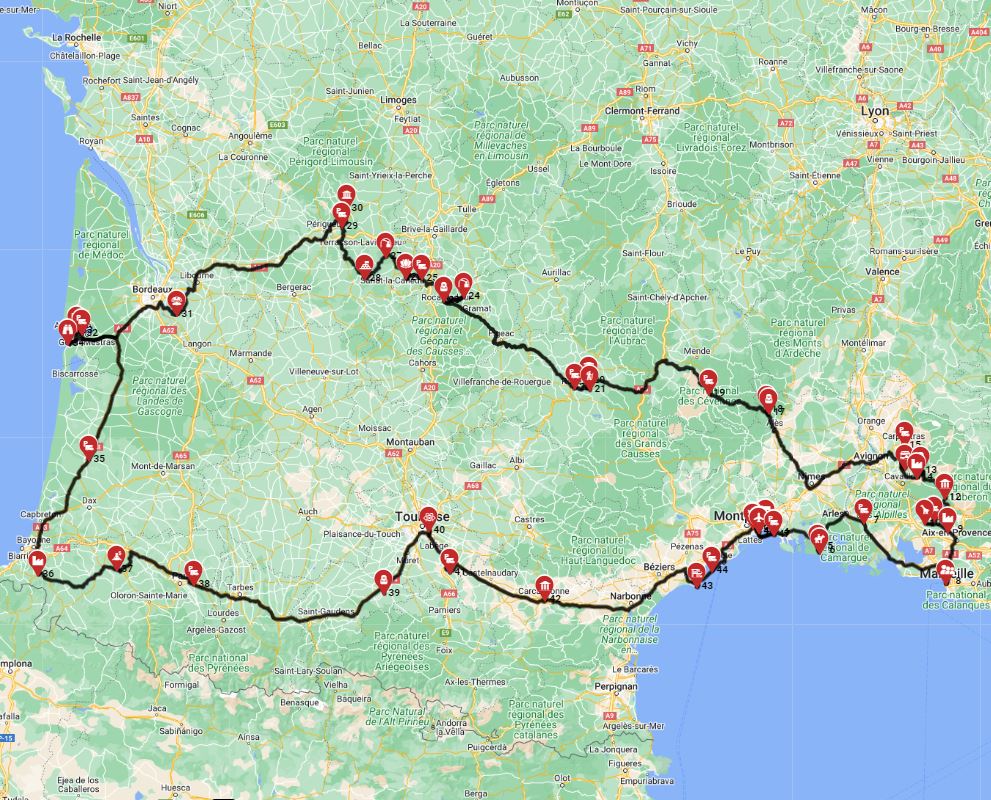
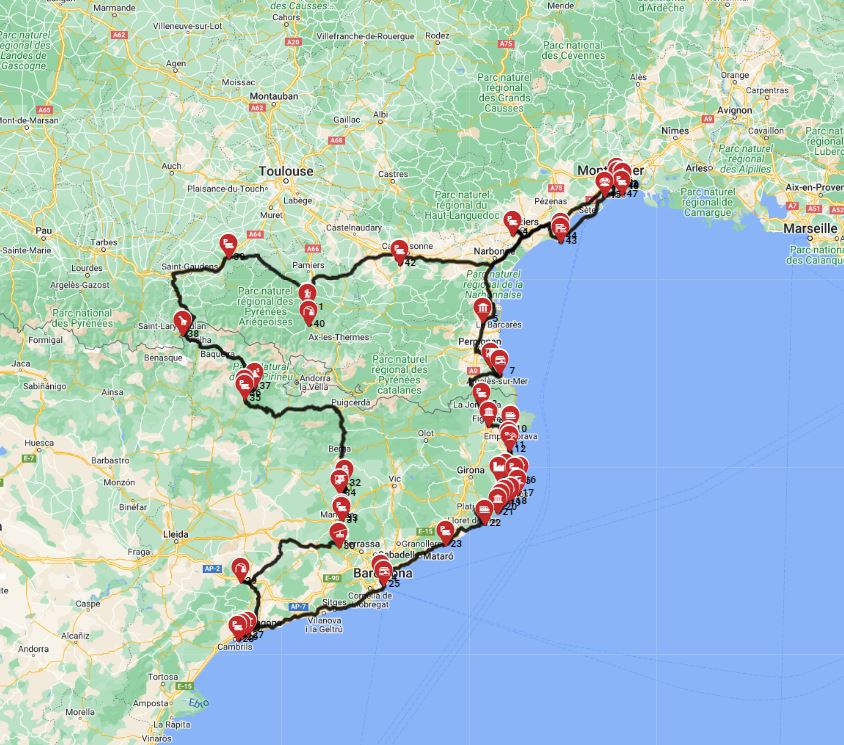
The vast majority of rented RVs in Bandana's global fleet, including Class B Camper Vans, Class SI Semi-integrated, Class C Alcove, and Class A Integrated models, run on diesel fuel (called Gazole in France), which is readily available at most service stations. Our fleet averages suggest common fuel consumption for RVs ranges from 8-10 Liters/100 km for Class B Camper Vans (like a V3 with a 75 Liter fuel tank) to 10-12 Liters/100 km for Class C Alcoves and Class A Integrated RVs. As of 2026, the average cost of diesel in France fluctuates, so budgeting around €1.80 - €2.00 per liter provides a realistic estimate for planning purposes. To calculate your total trip cost, consider using RV PLANET routes, where you can itemize and track every expense along the way for easy budgeting, including fuel. Always ensure you refuel well before your tank runs low, especially when venturing into more rural areas where stations might be less frequent. On the routes offered through RV PLANET routes, you can itemize and track every expense along the way for easy budgeting.
Tolls, Vignettes & Border Rules
France primarily uses a comprehensive system of 'péages' (toll roads) for its motorways, with costs varying based on the distance traveled, the vehicle class of your rented RV, and the specific route. Unlike some other European countries, there is no country-wide vignette system for RVs in France. RV drivers can pay tolls with cash or credit card directly at toll booths, or for quicker passage through dedicated lanes, consider using an electronic toll badge (like a 'Télépéage' tag), which can sometimes be pre-purchased or rented from your supplier. Our full transparency policy means you'll always know about any additional charges, like toll passes, upfront. When planning to travel to neighboring countries during your extended road trip, always be aware of their specific toll or vignette requirements (e.g., Switzerland and Austria require vignettes, while Germany has a digital system for heavy vehicles but generally no tolls for passenger vehicles including most RVs).
Driving Tips for RV Rental Beginners Travelers
Driving a rented RV in France is an enriching experience, and mastering a few key tips can make it even smoother for beginners. First and foremost, take it slow: RVs handle differently than typical cars, so practice wide turns, constantly monitor your rear and side clearances using all your mirrors, especially on narrower French roads. Planning your routes in advance is crucial; utilize RV-specific GPS or apps that account for vehicle dimensions to effectively avoid height and weight restrictions or unexpectedly narrow village streets. Take frequent breaks, planning stops every 2-3 hours at service stations or designated rest areas to reduce driver fatigue and allow everyone to stretch their legs. Finally, master France's numerous roundabouts; always yield to traffic already in the circle, indicate your exit clearly with your turn signal, and take your time through them. With common sense and attention, you can drive almost anywhere without issues, no need to stress.
Recommended RV Class for France Roads
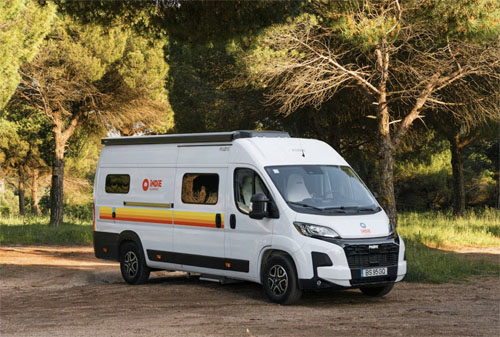
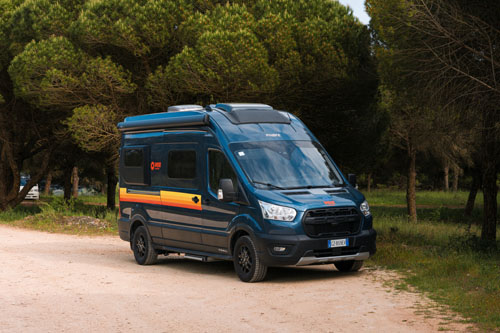
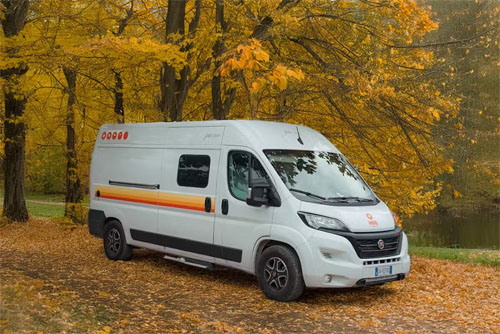
For beginner RV travelers exploring France, a Class B Camper Van or a Class SI Semi-integrated motorhome is highly recommended due to their excellent balance of maneuverability and onboard comfort. Class B Camper Vans, like the 'V3' which averages 6.36 meters in length, offer superb agility for navigating smaller roads and charming village centers while still providing essential amenities for 2-3 adults, including a compact kitchen and toilet. For those desiring more living space and sleeping capacity (typically 3-4 adults) without an excessively large footprint, Class SI Semi-integrated RVs, averaging around 6.9 meters in length, are an ideal choice. These classes provide a good compromise for seamlessly exploring both scenic countryside routes and accessing many towns, ensuring enough comfort for a week-long or two-week adventure. Our goal is to help you select the perfect RV for your trip, making us your true RV specialists.
Should I Choose a Compact Van Instead of a Large RV in France?
While a compact van certainly offers superior maneuverability for extremely tight historic centers and very narrow mountain passes in France, most motorhomes, including larger models, can comfortably navigate France's general road network. The primary trade-off is often comfort and indoor space versus agility; larger RVs, such as a Class C Alcove like the 'cruise america rv rental example Explorer' (7.1 meters long, sleeping 4), provide significantly more amenities, storage, and living area, which enhances the travel experience, especially for extended trips or families. A compact campervan (like Bandana's Class B Camper Van, averaging 5.8m in length) genuinely helps in very specific situations like parking in congested cities or exploring the most secluded, narrow village lanes. However, for most RV beginners, sticking with a Class SI Semi-integrated (averaging 6.9m) offers a better balance, providing ample space and comfort for preparing your RV-friendly recipes playlist onboard without presenting overwhelming driving challenges on typical French routes.
Can I Park Anywhere? Free & Wild Camping Rules in France
In France, 'wild camping' (bivouac) is generally restricted and often illegal, especially in protected natural areas, on private land without explicit permission, or in close proximity to major tourist sites. The most practical and often free approach for overnight parking with your rented RV is to utilize France's extensive network of 'Aires de Service' (dedicated motorhome service points) or designated municipal parking areas that explicitly permit RV overnight stays. While informal parking for a single night might be tolerated in some very rural areas if no explicit ban is posted, it's crucial to be discreet, leave no trace, and strictly adhere to all local signage. Regulations vary significantly by region and commune, so always check local rules and look for signs indicating 'Interdit aux camping-cars' (no motorhomes) or 'Stationnement Interdit' (no parking) before settling overnight. For finding campsites and campgrounds during your trip, we recommend using RV PLANET (rvplan.net) - a great resource for locating available spots along your route.
Can I Drive an RV Into the City Center? Heights, Tunnels & Local Signage
You can almost always drive a rented RV into French city centers, but it absolutely requires careful attention to specific local signage and proactive planning. Be highly observant for signs indicating height limits (gabaris), width restrictions, low bridges, and tunnels, as these can quickly render routes impassable for larger vehicles. Many major French cities, including iconic Paris, have implemented environmental zones (Zones à Faibles Émissions or ZFEs), which demand a valid Crit'Air sticker for entry; attempting to enter without one can result in fines. While direct parking in city centers with an RV can be challenging due to limited space and restrictions, consider parking in designated RV lots or on the outskirts and using France's efficient public transport system. Drive slowly and carefully, and you can drive almost anywhere without issues. No need to stress - just use common sense and pay attention.
What do I need to know before renting an RV in France?
Before renting an RV in France, beginners should understand that a standard car driver's license (Category B) is sufficient for most motorhomes under 3,500 kg, and the minimum age is generally 21. It's crucial to familiarize yourself with French road rules, including speed limits, and plan a comprehensive budget covering not just the rental (which can range from €70-€300 per day), but also fuel, tolls, campsite fees, food, and activities. Researching the best time to visit France by RV, typically late Spring (May-June) or early Autumn (September-October), helps avoid peak summer crowds and ensures better weather. Choose an RV class suitable for your travel style and the French roads you plan to explore, with compact or semi-integrated models often recommended for ease of navigation. We handle the details of comparing options, so you can focus on living the journey.
What are the rules for motorhomes in France?
Motorhome rules in France encompass specific speed limits, which are often lower for RVs over 3,500 kg than for cars, so drivers must pay close attention to road signs. All vehicles must carry essential safety equipment, including a reflective vest for each occupant and a warning triangle. Adherence to Crit'Air vignettes is mandatory for environmental zones in major cities. Understanding waste disposal is critical: grey water and chemical toilet waste must only be emptied at designated 'Aires de Service' or official campsites, never in unauthorized locations. While overnight parking is generally permitted where not explicitly forbidden, 'wild camping' is restricted; always seek designated parking spots. For a week-long or longer trip, our transparent pricing means no hidden fees or surprises.
What is the best month to RV in France?
The best month to RV in France for beginners depends on your priorities, but late Spring (May-June) and early Autumn (September-October) generally offer ideal weather, fewer crowds, and open facilities. May and June provide pleasant temperatures averaging 15-20°C, blooming landscapes, and moderate crowd levels, perfect for exploring wine regions like Bordeaux, coastal areas like Brittany, or the châteaux of the Loire Valley. September and October boast comfortable weather (10-18°C) for outdoor activities, the grape harvest in many regions, and significantly fewer tourists, offering a more relaxed experience. Avoid July and August if possible, as these are peak months with high temperatures (often above 25°C), crowded campsites, and popular attractions, particularly along the Mediterranean coast and in the south.
How long does it take to drive across France by RV?
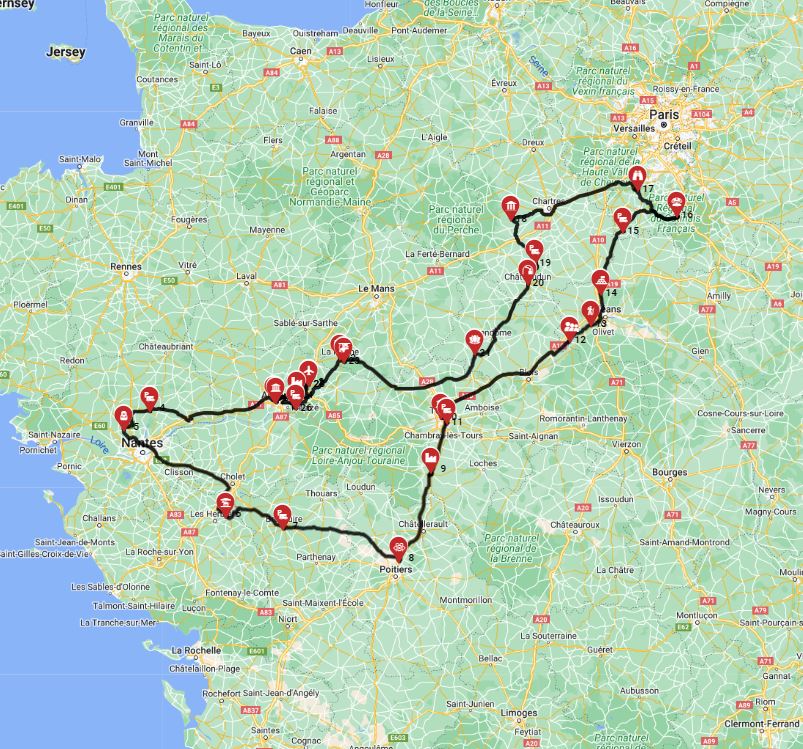
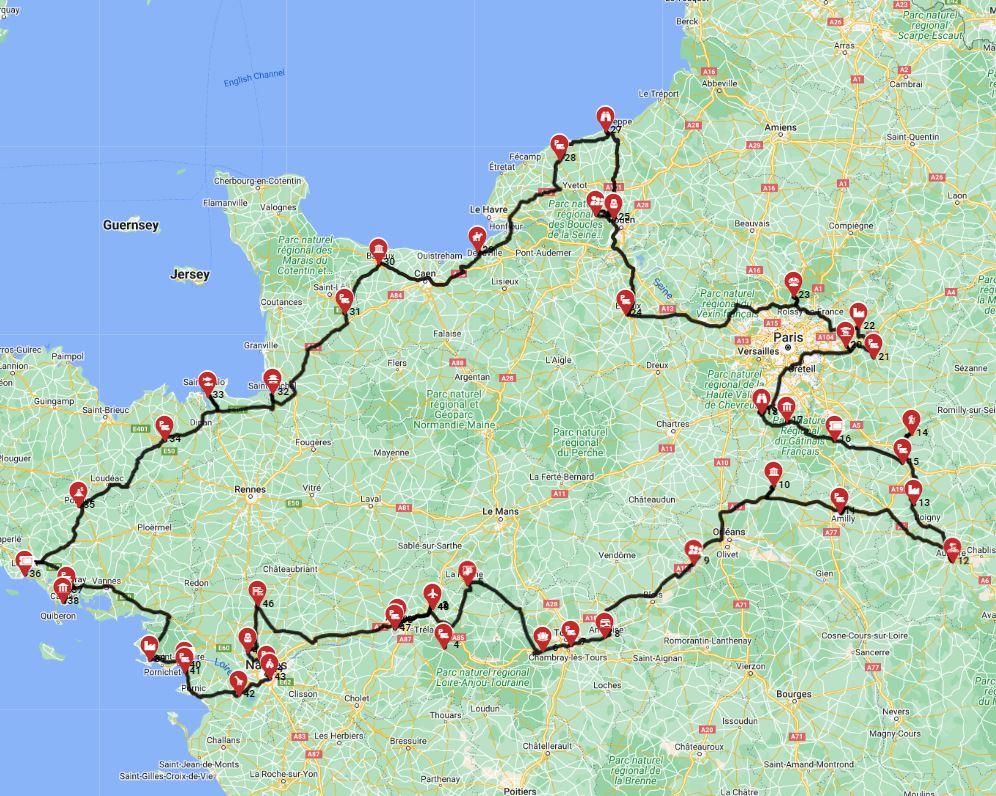
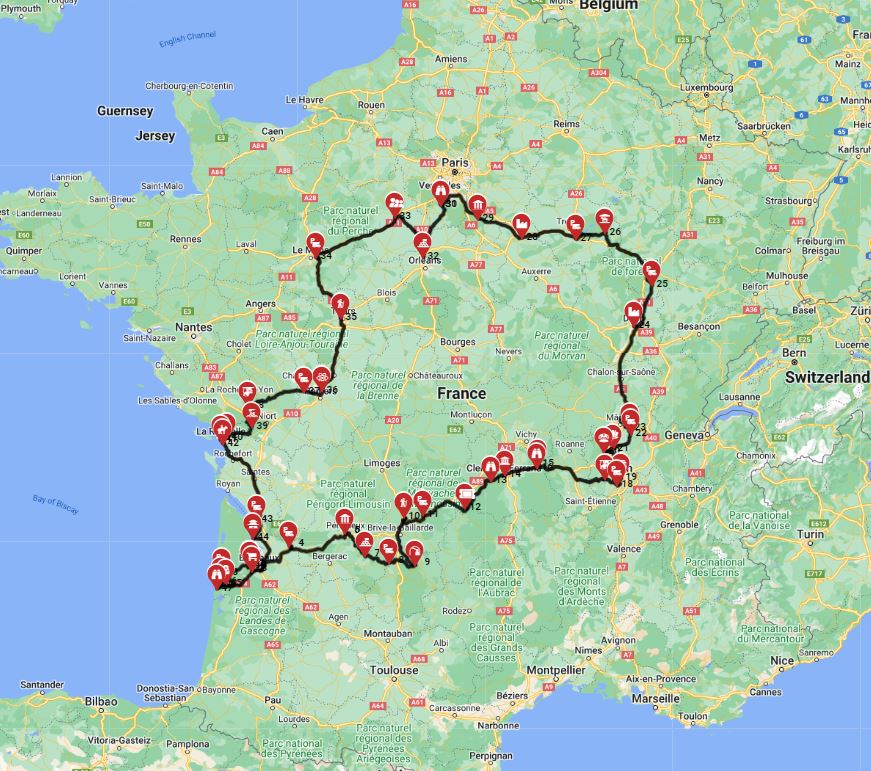
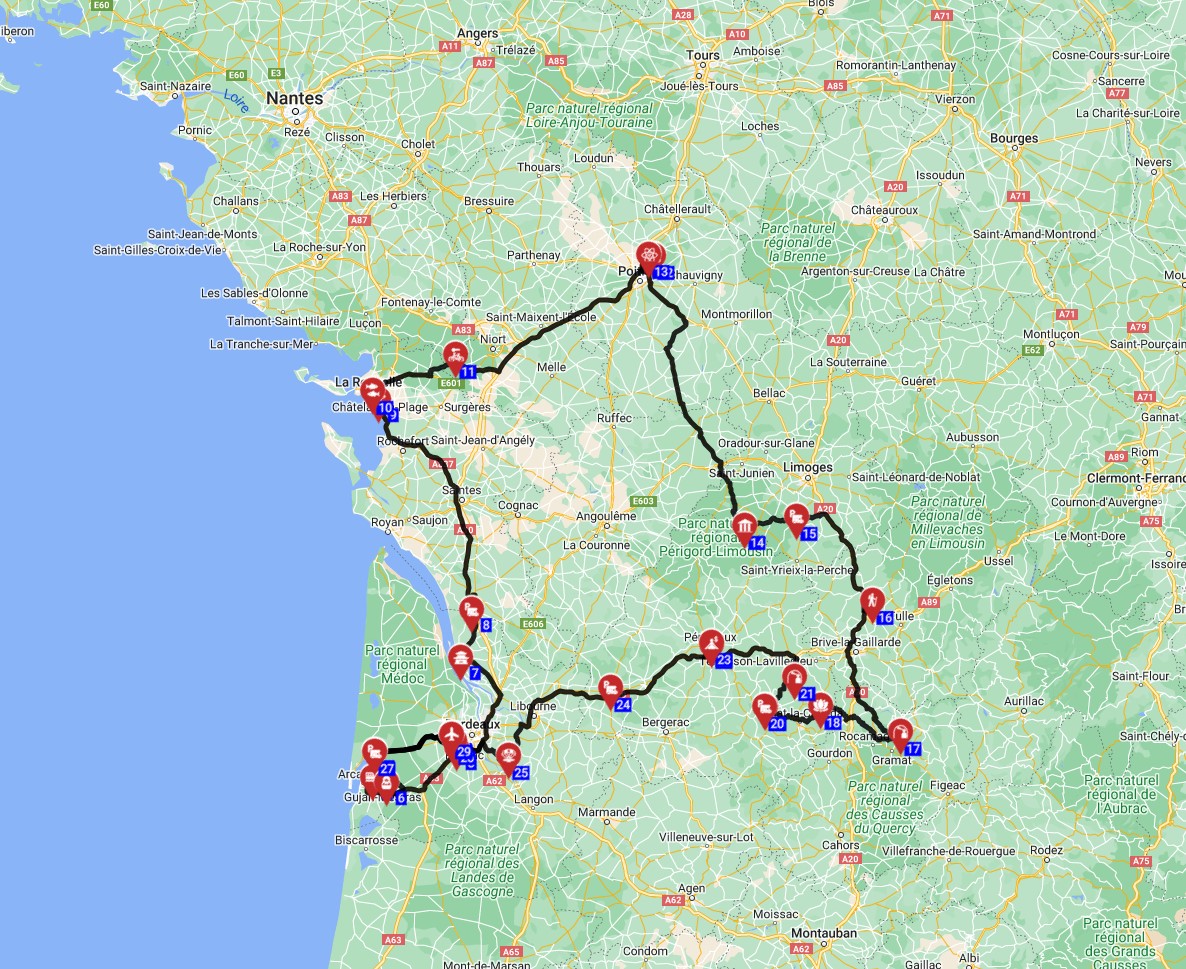
Driving across France by a rented RV can take anywhere from a few days for a direct route to several weeks for a comprehensive exploration, depending entirely on your chosen itinerary, average daily distance, and number of stops. For a direct east-west or north-south traverse, you could theoretically cross France in 2-3 driving days; for example, Calais to Nice is roughly 1,200 km, taking 12-14 hours of continuous driving. However, a more realistic and enjoyable RV journey for beginners involves planning for a maximum of 100-150 km (60-90 miles) of driving per day, allowing ample time for scenic stops, cultural immersion, and relaxation. To truly experience France's diverse regions, allocate at least 1-2 weeks for a focused regional trip, such as our recommended itineraries for Normandy and Brittany, or 3-4 weeks for a more comprehensive cross-country adventure.
Is France a good country for RV travel?
France is an exceptionally good country for RV travel, offering a superb combination of diverse landscapes, an extensive network of well-maintained roads, and a highly developed infrastructure specifically catering to motorhomes and campervans. The country's widespread 'Aires de Service' network, with over 6,000 locations, provides convenient and often free or low-cost facilities for fresh water, waste disposal, and overnight parking, making RVing accessible and budget-friendly. A rented RV allows for unparalleled cultural immersion, enabling easy access to bustling local markets, vibrant regional festivals, charming historic villages, and countless lesser-known gems beyond major tourist hubs. Whether you're a family seeking nature and culture, pet owners needing flexibility, or couples looking for a romantic week-long escape, France offers tailored experiences with its varied regions and RV-friendly environment. Our expertise as true RV specialists, founded in 2001, ensures you get the best advice and support for your journey.
How much does it cost to RV in France?
The cost to RV in France varies significantly but typically includes the RV rental fees, fuel, road tolls, campsite or 'Aire' fees, groceries for cooking, and activity expenses. Rental costs for a beginner-friendly RV like a Class B Camper Van or Class SI Semi-integrated can range from approximately €70-€150 per day in the low season (e.g., November-March) to €150-€300+ in peak summer (July-August). Fuel will be a major expense; budgeting for 10-12 liters/100 km at current diesel prices (approx. €1.80-€2.00/liter) is essential, alongside €20-€40 per 100 km for tolls on major motorways. Campsite fees range from €15-€40 per night for basic pitches, while 'Aires de Service' can be free or cost €5-€15, offering a budget-friendly alternative for overnight stays. For an easy way to estimate and manage your ancillary trip costs, explore RV PLANET routes, which allow you to itemize every expense.
Can you drive an RV into Paris?
While technically possible to drive a rented RV into Paris, it is generally not recommended for beginners due to a combination of strict environmental zone restrictions, extremely tight parking availability, heavy city traffic, and numerous height and width limits. Paris is designated as a Zone à Faibles Émissions (ZFE), requiring a valid Crit'Air vignette, and entry rules are continuously tightening, particularly for older or larger vehicles. RV-specific parking directly within the city center is virtually non-existent and often prohibitively expensive; the most practical approach for RVers visiting Paris is to park at a designated RV-friendly campsite or 'Aire de Service' located on the outskirts of the city, and then utilize the excellent public transportation network (RER, Metro, bus) to explore the capital. Drive slowly and carefully, and you can drive almost anywhere without issues, including the outskirts of Paris, but careful planning is key.
How do I find Aires in France?
'Aires de Service' are dedicated service points for motorhomes in France, providing essential facilities for fresh water replenishment, grey water disposal, and chemical toilet emptying, often including free or low-cost overnight parking. The most effective way to find these numerous Aires is by using dedicated smartphone apps like Campercontact, Park4night, or iOverlander, which offer up-to-date information, user reviews, and precise GPS coordinates. Specialized guidebooks, such as 'Le Guide National des Aires de Services Camping-Car' or 'France Passion' (which offers free farm stays at participating vineyards and farms for self-sufficient RVs), are also invaluable resources for a comprehensive two-week adventure. Additionally, look for clear roadside signage with a distinctive motorhome symbol on local roads, or consult tourist information centers, as many smaller communes proudly provide their own 'Aires municipales' (municipal Aires) for visitors.
What are the speed limits for RVs in France?
Speed limits for rented RVs in France vary based on their total weight (Maximum Authorized Mass - MAM) and the type of road, often differing from standard car limits, so drivers must pay close attention to posted signage. For motorhomes up to 3,500 kg, the general limits are 130 km/h on motorways (reduced to 110 km/h in wet conditions), 110 km/h on dual carriageways, 80 km/h on national and departmental roads, and 50 km/h in urban areas. However, for larger RVs over 3,500 kg (which may require a Category C1 or C license), speed limits are typically lower: 110 km/h on motorways, 100 km/h on dual carriageways, and 80 km/h on other national or departmental roads. Always observe local signage, as limits can change due to specific conditions, especially on mountain passes or when passing through villages. Driving slowly, averaging 100-150 km per day, allows you to truly feel the place and connect with the scenery.
What is the cheapest way to travel France by RV?
The cheapest way to travel France by a rented RV involves strategic planning around off-peak seasons, maximizing the use of free or low-cost overnight parking options, and primarily self-catering for meals. Traveling during the shoulder seasons (April-May, September-October) offers significantly lower rental prices and campsite fees compared to peak summer, reducing overall costs by up to 25% if booked well in advance. Maximize your stays at France's extensive 'Aires de Service' (many are free or inexpensive, typically €5-€15), and consider options like 'France Passion' for free overnight stays at participating farms or vineyards, instead of more costly commercial campsites. Cooking your own meals from fresh local markets and supermarkets is far more economical than dining out frequently, and choosing a more fuel-efficient compact RV like a Class B Camper Van (with an average fuel consumption of 8-10 Liters/100 km) can further reduce your fuel expenses. Don't forget that on RV PLANET routes, you can itemize and track every expense for easy budgeting.
Can I drink alcohol and drive an RV in France?
In France, the legal blood alcohol content (BAC) limit for driving is strictly enforced at 0.05% for experienced drivers and even lower at 0.02% for new drivers (those with less than 3 years of driving experience), applicable to all vehicles, including rented RVs. It is illegal to consume alcohol while driving, and exceeding these limits can result in severe penalties, including substantial fines, immediate license suspension, and even potential imprisonment. Although French law previously required all drivers to carry a breathalyzer kit, this is no longer mandatory; however, it's always prudent to be aware of your limit and completely abstain from alcohol when you plan to drive. Given the size and unique handling characteristics of a motorhome or campervan, exercising extreme caution and prioritizing sobriety when behind the wheel is always the safest approach for your own well-being and the safety of others on the road.
What You Shouldn't Miss
- Drive the Alsace Wine Route: Discover charming medieval villages like Eguisheim and Riquewihr along France's oldest wine route, perfect for a leisurely week-long RV journey.
- Explore the D-Day Landing Beaches in Normandy: Immerse yourself in history with poignant visits to Omaha Beach and the American Cemetery, easily accessible with your rented motorhome.
- Cruise the Gorges du Verdon: Navigate the dramatic "Grand Canyon of Europe," offering breathtaking viewpoints and opportunities for hiking and kayaking.
- Visit Mont Saint-Michel: Witness the iconic tidal island abbey, arriving early or late in your campervan to avoid crowds and experience its majesty.
- Indulge in Provence's Lavender Fields (June-July): Time your trip to see the stunning purple landscapes of Valensole and Sault, connecting with the region's vibrant culture and delicious food.
- Discover the Loire Valley Châteaux: Tour magnificent castles like Château de Chambord and Chenonceau at your own pace, with many offering RV-friendly parking.
Looking for expert insights from Avi Bandana? Top 5 Adventures - recommendations from Avi Bandana
Final Thoughts
Embarking on your first rented RV adventure in France is a journey that promises unforgettable memories, stunning scenery, and the ultimate freedom to explore at your own pace. With a solid understanding of local driving rules, vehicle considerations, and the fantastic 'Aires de Service' network, you're well-equipped to navigate the country with confidence. Remember to travel slowly, averaging no more than 100-150 km per day, allowing yourself ample time to truly soak in the culture, savor the regional food, and connect with the breathtaking landscapes around you. God is in the small details, and by paying attention to these tips, your trip will be transformed from a simple vacation into an extraordinary exploration.
From the historic streets of Agen to the beautiful coastline of Ajaccio - Corsica, France offers a lifetime of adventures for motorhome travelers. Whether you're planning a week-long escape or a month-long grand tour, the open road is calling. Discover top destinations, planning tips, all in one place, and let us help you find the perfect campervan for your French escapade.
Ready to begin your journey? Compare Motorhome Prices for France now and start planning an itinerary in advance with minimal effort and maximum enjoyment. We’re here to help you every step of the way!
🎬 Video coming soon