In This Guide
- Can You Drive an RV in Europe? License & Age Rules
- Road Conditions & Terrain in Europe
- RV Size Limits, Bridges & Restricted Zones
- Fuel: Diesel vs. Petrol & Cost per 100 km
- Tolls, Vignettes & Border Rules
- Driving Tips for RV rental beginners Travelers
- Recommended RV Class for Europe Roads
- Should I Choose a Compact Van Instead of a Large RV in Europe?
- Can I Park Anywhere? Free & Wild Camping Rules in Europe
- Can I Drive an RV Into the City Center? Heights, Tunnels & Local Signage
- What is the 3-3-3 rule for RV travel?
- What is the 444 rule for RV?
- How much does it cost to rent an RV in Europe?
- What kind of insurance do I need to rent an RV?
Europe by RV is an unparalleled adventure, offering incredible flexibility to explore diverse landscapes, charming villages, and vibrant cities at your own pace. For first-time RV drivers, the thought of navigating unfamiliar roads and regulations can seem daunting, but with the right preparation, it's an incredibly rewarding experience. We're here to help you every step of the way, providing full transparency with no hidden fees and 24/7 support from real people behind you, ensuring your journey is as smooth as possible. For live availability and current prices, start with our RV Rental Europe - Complete Guide 2026 guide.
Can You Drive an RV in Europe? License & Age Rules
Yes, you can absolutely drive a rented RV in Europe, with most standard motorhomes designed to be operated with a regular car driver's license. A valid national driver's license from your home country, such as a US driver's license, is often sufficient for short stays, though an International Driving Permit (IDP) is highly recommended and legally required in some European countries for non-EU residents. It's always a good idea to carry one to avoid any potential misunderstandings with local authorities. For vehicles exceeding a 3,500 kg Maximum Authorised Mass (MAM), a C1 or C category license may be required, but many rental RVs, particularly the popular Class B campervans and Class C motorhomes, are designed to remain within the B-license limit. The minimum driver age for RV rentals in Europe is typically 21 years old, and you'll be pleased to know there are no young driver surcharges or vehicle class restrictions based on age when booking through Bandana.
Road Conditions & Terrain in Europe
European roads generally boast excellent quality, featuring well-maintained highways, secondary roads, and breathtaking scenic routes. While often narrower than those found in North America, especially within historic towns and rural areas, they are perfectly manageable for RVs. The terrain varies significantly across the continent, from the flat plains of countries like the Netherlands to the majestic mountainous regions like the Alps (Switzerland, Austria, Italy) and the Pyrenees (France, Spain). Driving in these areas requires careful attention and a comfortable pace. RV rental beginners should plan for slower travel times, averaging no more than 100-150 km per day, and truly embrace the scenic journey, as winding roads and charming smaller villages are an integral part of the European experience. While less common on main routes, gravel or unpaved roads may be encountered when accessing more remote campsites or national parks, so always drive with caution.
RV Size Limits, Bridges & Restricted Zones
RV drivers in Europe must always be mindful of height, width, and weight restrictions, which are common on older infrastructure, tunnels, and within historic city centers. Signs clearly indicate maximum vehicle dimensions, so constant attention to posted signage for vehicle height (e.g., before tunnels or underpasses) and width is crucial to avoid issues in tight spots and narrow streets. Many European cities also operate environmental or low-emission zones, such as Umweltzonen in Germany, ZTLs in Italy, or Crit'Air zones in France. These zones restrict access for vehicles not meeting specific emission standards, and foreign RVs may need special permits or vignettes to enter. It's vital to research these requirements for your planned cities in advance. Additionally, ferry services, which are crucial for island hopping or crossing various bodies of water in regions like Scandinavia or the Mediterranean, impose length and weight limits that can impact larger RVs and affect booking options and costs.
🎬 Video coming soon
Fuel: Diesel vs. Petrol & Cost per 100 km
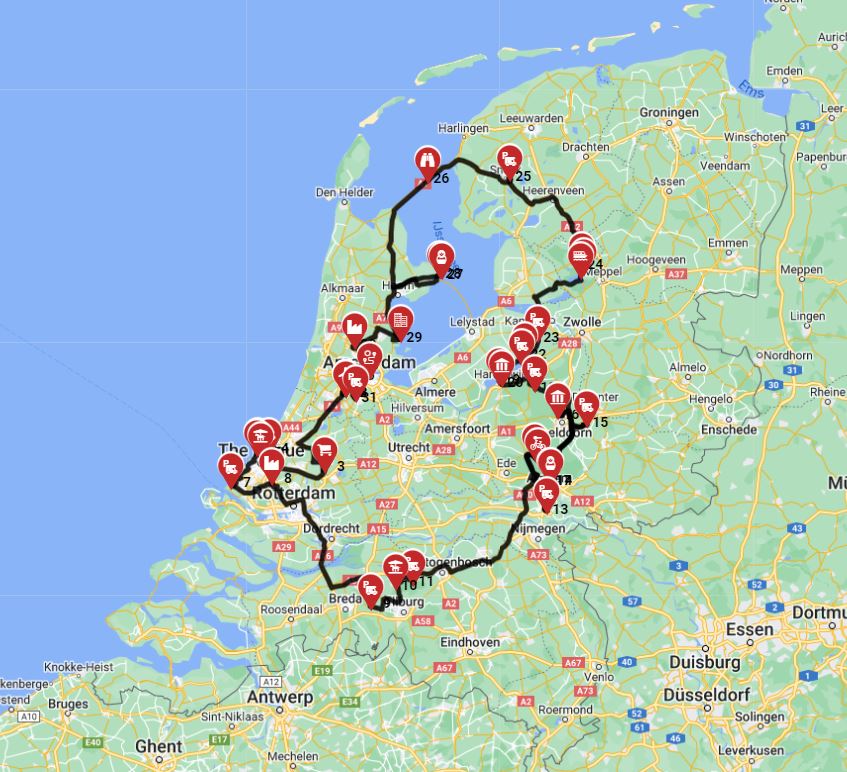
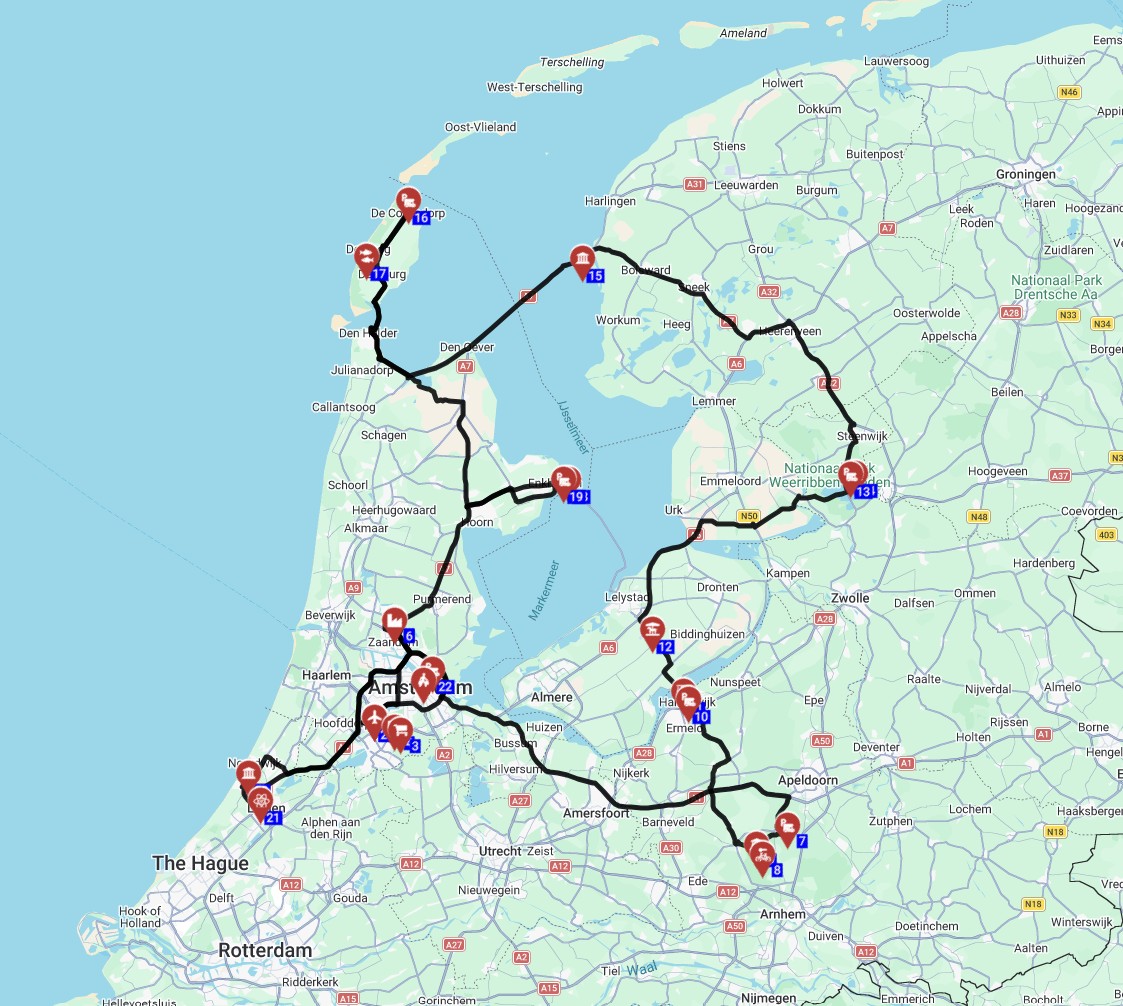
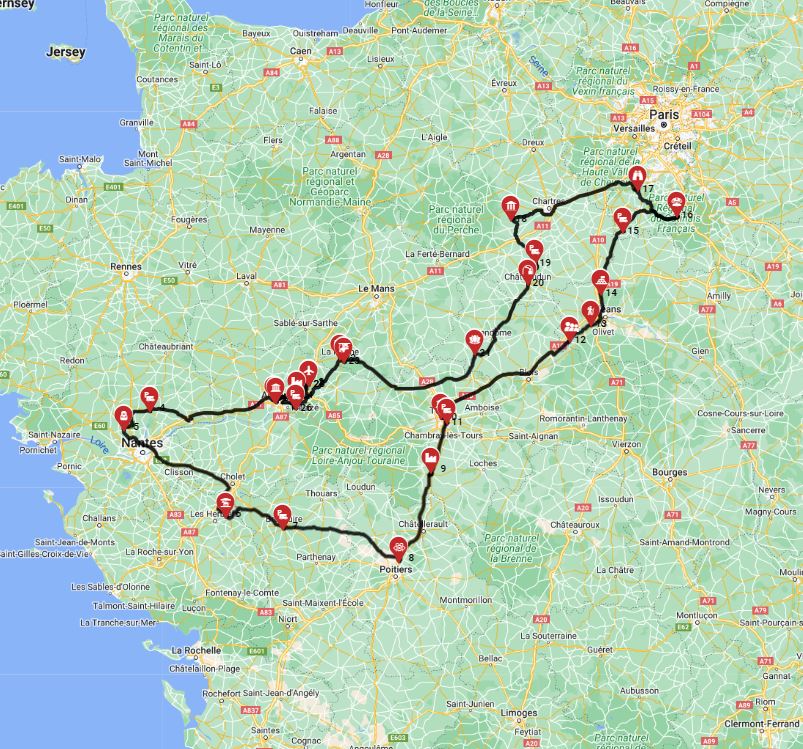
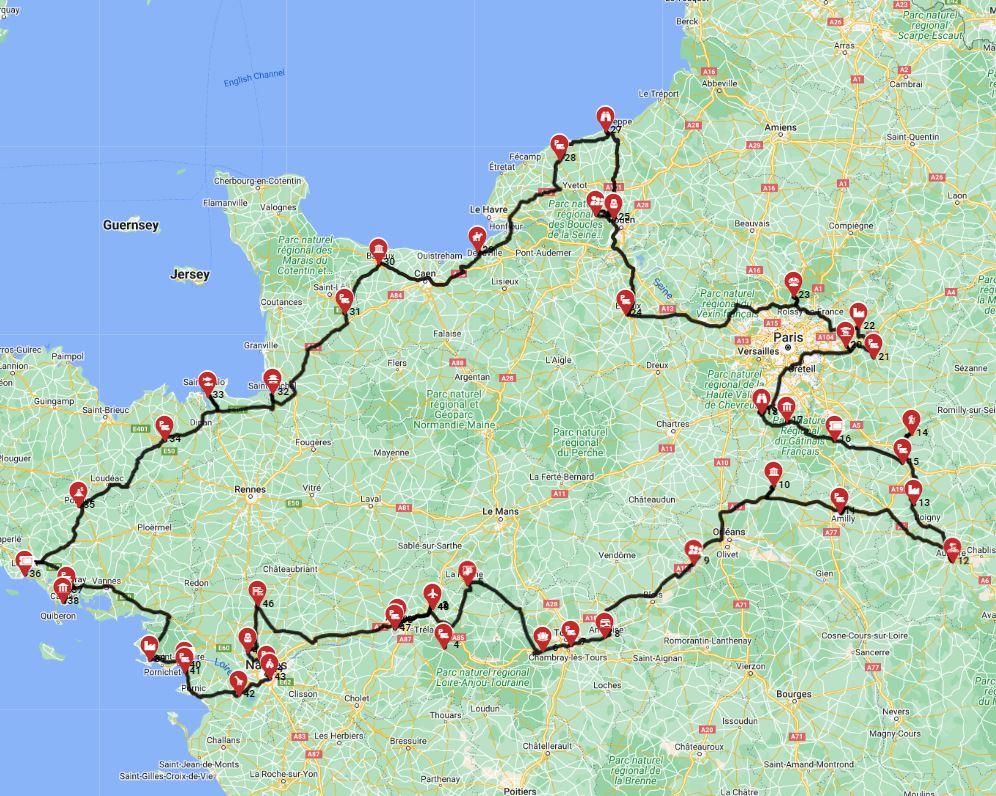
Most rental RVs in Europe, including a significant portion of Bandana's fleet, run on diesel fuel, which is readily available at petrol stations across the continent. Understanding your vehicle's fuel type is critical before you hit the road. Average fuel consumption for our global fleet typically ranges from 10-12 Liters/100 km for Class SI (Semi-integrated) and Class C (Alcove) models, while more compact Class B (Camper Van) models are more efficient, consuming around 8-10 Liters/100 km. Larger Class A (Integrated) motorhomes generally average 11-12 Liters/100 km. Fuel prices in Europe are generally higher than in the US and vary by country, with diesel often being slightly more affordable than petrol. When planning your budget, remember that you can itemize and track every expense along the way for easy budgeting with RV PLANET routes. On the routes offered through RV PLANET routes, you can itemize and track every expense along the way for easy budgeting.
Tolls, Vignettes & Border Rules
Europe utilizes a combination of direct toll systems and vignette systems for road usage, especially on major highways and expressways. Direct tolls are paid at toll booths (common in France, Italy, and Spain) while vignettes are pre-paid stickers or digital passes required for a set period (e.g., 10 days, 1 month, 1 year) to use motorways in specific countries like Austria, Switzerland, Slovenia, and the Czech Republic. It is crucial to purchase these vignettes *before* entering the toll road to avoid fines. Crossing borders within the Schengen Area, which includes most EU countries, is typically seamless with minimal checks, allowing for fluid travel. However, always carry your passport, vehicle registration, and insurance documents. Some RV rental providers, including Bandana, may offer options to pre-purchase toll passes or provide RVs equipped with electronic toll devices, helping beginners avoid fines and streamline their travels.
Driving Tips for RV rental beginners Travelers
Successfully navigating Europe in a rented motorhome, especially for beginners, hinges on careful planning and mindful driving. Always plan your route carefully, utilizing RV-specific navigation apps that account for vehicle dimensions to avoid height/weight restricted roads and narrow city centers. Taking frequent breaks is essential, especially when traveling with family; stopping every 2-3 hours helps prevent driver fatigue and allows everyone to stretch and explore. Familiarize yourself with international road signs, paying particular attention to those indicating speed limits, low-emission zones, and parking restrictions, as these can differ from your home country. Before setting off on a long journey, practice reversing and maneuvering your rental RV in an open space to gain comfort with its dimensions, which will make navigating tight campsites or city streets much easier. While manual transmissions are common in Europe, beginners might prefer an automatic transmission for a smoother drive, particularly in hilly terrain or heavy traffic, so check availability with your rental provider. For inspiration on a well-structured trip, consider exploring the

Recommended RV Class for Europe Roads
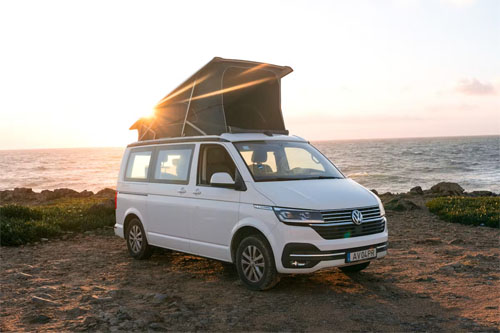
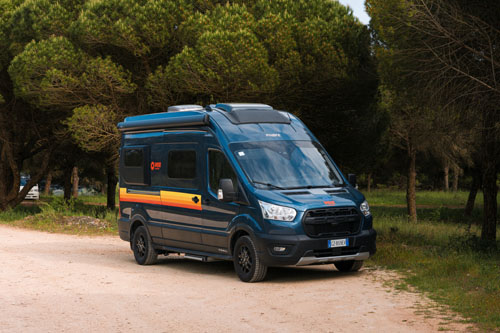
For RV rental beginners embarking on a European adventure, Class B - Camper Vans and Class SI - Semi-integrated motorhomes are often highly recommended due to their excellent balance of maneuverability and onboard comfort. Class B Camper Vans, with an average length of 5.8 meters across Bandana's global fleet, offer superb agility for navigating narrower roads and finding easier parking spots, feeling similar to driving a large car, while still providing essential living amenities. For a bit more space and comfort, Class SI Semi-integrated motorhomes, typically averaging 6.9 meters in length, provide additional living area and amenities compared to a campervan. These are still manageable for most European roads and offer comfortable sleeping arrangements for 3-4 people. While larger Class C (Alcove) and Class A (Integrated) RVs offer more extensive space (with average lengths around 7.5 meters or more), their increased size can present more challenges for inexperienced drivers when navigating historic city centers or winding mountain passes.
Should I Choose a Compact Van Instead of a Large RV in Europe?
Choosing between a compact campervan and a larger motorhome for Europe ultimately depends on your travel priorities and comfort needs. While compact vans (such as a Class B Camper Van, averaging 5.8 meters in length) offer superior maneuverability, making them genuinely advantageous for extremely tight historic city centers, very narrow mountain passes, or more discreet overnight parking, larger RVs provide significantly more comfort and indoor space for extended trips. For most major European routes and attractions, including many charming towns, even a Class SI (Semi-integrated) or Class C (Alcove) motorhome is perfectly manageable. The added comfort, comprehensive kitchen facilities, and a dedicated bathroom in a larger unit often outweigh the slight trade-offs in maneuverability, especially for week-long trips or longer. Consider the duration of your trip and the number of travelers; for longer journeys or families with kids, the extra living and storage space typically enhances the overall experience.
Can I Park Anywhere? Free & Wild Camping Rules in Europe
No, you generally cannot park a rented RV anywhere for overnight stays in Europe, as free or "wild" camping rules vary significantly by country and often by local municipality, with many areas strictly prohibiting it. In most European countries, including popular destinations like Germany, France, and Italy, wild camping is generally prohibited, especially in protected areas, national parks, and on private land without explicit permission. However, some regions do offer designated free or low-cost overnight parking spots specifically for RVs, known as 'Stellplätze' in Germany and Austria, or 'Aires de Service' in France, which often provide basic services like fresh water and dump stations. Always check local regulations and follow local laws before parking overnight, as fines for illegal wild camping can be substantial. Organized campgrounds and official Stellplätze/Aires are the safest, most reliable, and often most comfortable options for your European RV adventure.
Can I Drive an RV Into the City Center? Heights, Tunnels & Local Signage
Yes, you can drive a rented RV into most city centers in Europe, but you must pay close attention to local signage, as restrictions on vehicle height, width, weight, and environmental zones are common. Drive slowly and carefully, and you can drive almost anywhere without issues. No need to stress - just use common sense and pay attention. Watch out for signs indicating maximum vehicle height (e.g., before tunnels or underpasses) and width restrictions, which can be particularly tight in older European cities with narrow streets. Many historic city centers have strict low-emission zones (like Germany's Umweltzonen or Italy's ZTLs) that may require special permits or vignettes, or entirely prohibit vehicles that don't meet certain standards. Be aware of 'residents-only' streets, pedestrian zones, and limited access areas, often indicated by specific signage (e.g., German street signs like 'Einbahnstraße' for one-way or specific access restrictions for zones near Venice's Rialto Bridge). Researching these city-specific rules in advance will help you avoid unexpected fines.
What is the 3-3-3 rule for RV travel?
The 3-3-3 rule for RV travel is a widely adopted guideline, particularly useful for beginners, recommending driving no more than 300 miles a day, arriving at your destination by 3 PM, and staying for a minimum of 3 nights. This rule promotes a more relaxed and enjoyable RV experience by actively preventing driver fatigue and allowing ample time for campsite setup, relaxation, and exploring each new location. Applying the 3-3-3 rule helps beginners avoid the stress of rushed travel, ensuring they can comfortably navigate unfamiliar European roads, find suitable parking, and make the most of their extended adventure. For smaller campervans, which might cover distances faster due to their more compact size, the spirit of the 3-3-3 rule still applies: prioritize slow travel and longer stays to truly experience the culture, food, and scenery of Europe.
What is the 444 rule for RV?
The 4-4-4 rule for RV travel is another practical guideline that suggests driving no more than 400 miles a day, stopping every 4 hours, and arriving at your destination by 4 PM, offering a bit more flexibility for covering longer distances compared to the 3-3-3 rule. This approach can be suitable for days when you need to reach a specific destination further afield, while still emphasizing safe driving practices. Frequent stops every 4 hours are crucial for safety, allowing the driver to rest, re-energize, and maintain focus, which is especially important when navigating unfamiliar European roads. Arriving by 4 PM still provides sufficient daylight for comfortable campground setup and settling in, minimizing the stress of arriving after dark and allowing time to prepare a delicious meal in your RV kitchen (check out our RV-friendly recipes playlist for inspiration!).
How much does it cost to rent an RV in Europe?
The cost to rent an RV in Europe can vary significantly, typically ranging from approximately €80 to €200+ per night. This price depends on factors like the specific RV class (e.g., a compact Class B campervan will generally be less than a large Class C motorhome), the season, rental duration, and the particular country you're renting in. Beyond the base rental fee, beginners must budget for additional expenses. These include fuel (expect 10-12 Liters/100km for most models), campground fees (which can range from €15-€50 per night), road tolls and vignettes, comprehensive insurance, and the potential cost of an International Driving Permit (IDP). High season (June-August) and popular destinations will command higher prices, while booking in advance and traveling during shoulder seasons can offer substantial savings. For a detailed breakdown of costs and to find the best deals, explore our "RV Rental in Europe - Prices and Best Deals 2026" guide.
What kind of insurance do I need to rent an RV?
When renting an RV in Europe, comprehensive insurance coverage is absolutely essential for your peace of mind. This typically includes a Collision Damage Waiver (CDW) and Third-Party Liability (TPL) coverage, which are often standard components of rental agreements. CDW covers damage to your rental RV, usually with an excess or deductible amount, while TPL covers damage to other vehicles or property and injuries to third parties. For beginners, it's highly advisable to consider additional coverage options. These might include excess reduction insurance, which significantly lowers or even eliminates your deductible, personal accident insurance, and coverage for personal belongings stored inside the RV. Always review the rental agreement carefully to understand exactly what is included in your base insurance, the specific deductible amount, and any exclusions (e.g., roof damage or tire damage). You can upgrade to a top-level deductible reimbursement for extra peace of mind, an option offered by Bandana to ensure you travel without surprises.
What You Shouldn't Miss
- **Explore the Alps:** Drive through the breathtaking mountain passes of Switzerland and Austria in a rented motorhome, taking your time to soak in the views and stop at charming alpine villages.
- **Discover Coastal Croatia:** Experience the stunning Dalmatian Coast with its turquoise waters and ancient cities, easily accessible with your mobile home.
- **Immerse in Scandinavian Nature:** Venture north to countries like Norway and Finland, where you can experience the unique 'Allemannsretten' (right to roam) and enjoy wild camping responsibly amidst pristine nature. Consider the
, an 18-day, 3579 km journey featuring 5 museums and 3 natural features.
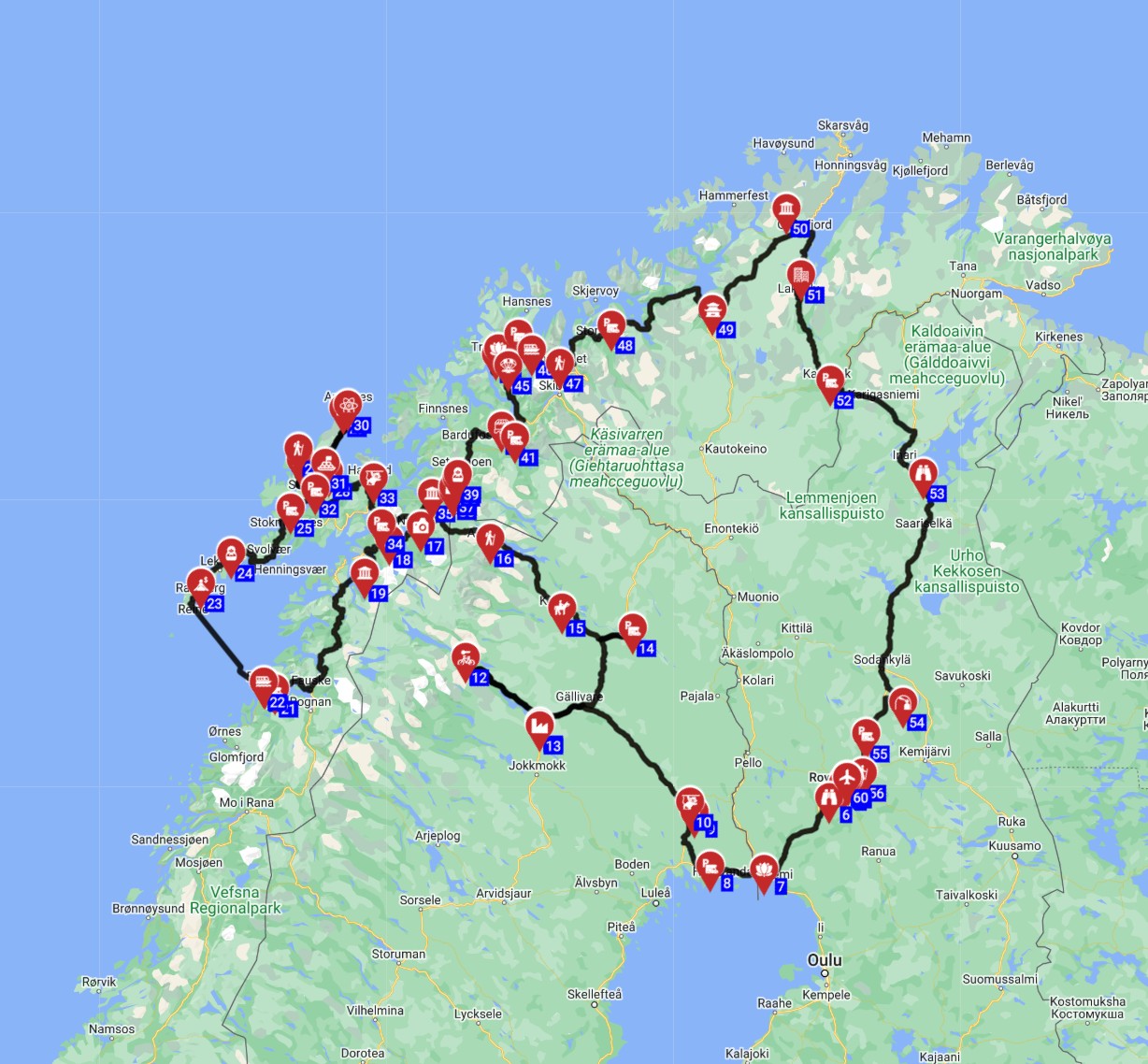 Rovaniemi Roundtrip - End of Europe scenic roads
 - **Wander through French Vineyards:** Take a slower paced RV trip through the wine regions of France, stopping at local wineries and enjoying the scenic countryside. The Toulouse Round trip - European Charms & Family Delights, a 15-day route covering 2088.7 km and including 4 traditional visits and 3 local industry stops, is an excellent option for families.
- **Experience Historic Cities:** Drive into cities like Prague or Vienna, parking at a designated Stellplatz or Aire and using public transport to explore the historic centers without the stress of city driving.
- **Taste Local Flavors:** Stop at local markets and small towns to connect with the culture and savor authentic European cuisine. Remember, with a rented campervan, your kitchen travels with you!
Final Thoughts
Embarking on your first RV rental adventure in Europe is a truly unforgettable experience, offering unparalleled freedom to explore at your own pace. With the knowledge of local driving customs, licensing requirements, and tips for navigating different terrains, you're well on your way to a seamless journey. Remember, the key is to embrace slow travel, allowing yourself the time to truly feel the place, connect to the culture, the food, and the scenery around you.
At Bandana, we're dedicated to making your RV dreams a reality. From finding the perfect campervan to ensuring full transparency in pricing and providing helpful resources like our detailed "One-Way RV Rental in Europe - Price Guide 2026", we're here to support you before, during, and after your booking. So, what are you waiting for? The open roads of Europe beckon!
Discover your perfect Europe RV rental adventure today!