In This Guide
- Can You Drive an RV in East Canada? License & Age Rules
- Road Conditions & Terrain in East Canada
- RV Size Limits, Bridges & Restricted Zones
- Fuel: Diesel vs. Petrol & Cost per 100 km
- Tolls, Vignettes & Border Rules
- Driving Tips for rv rental beginners Travelers
- Recommended RV Class for East Canada Roads
- Should I Choose a Compact Van Instead of a Large RV in East Canada?
- Can I Park Anywhere? Free & Wild Camping Rules in East Canada
- Can I Drive an RV Into the City Center? Heights, Tunnels & Local Signage
- Can you rent an RV to drive across Canada?
- Can I drive a rental car in Canada with a US driver's license?
- Can Americans RV in Canada?
- What do you need to rent an RV in Canada?
- Do they search your RV at the Canadian border?
- Is it easy to drive an RV in Canada?
- What kind of license do I need to rent an RV?
- What is the new law on RV licensing in Ontario?
- How much does it cost to insure a rental RV?
- How much is RV insurance in Canada?
- What You Shouldn't Miss
- Why Book with Bandana Caravan
- Final Thoughts
- Frequently Asked Questions
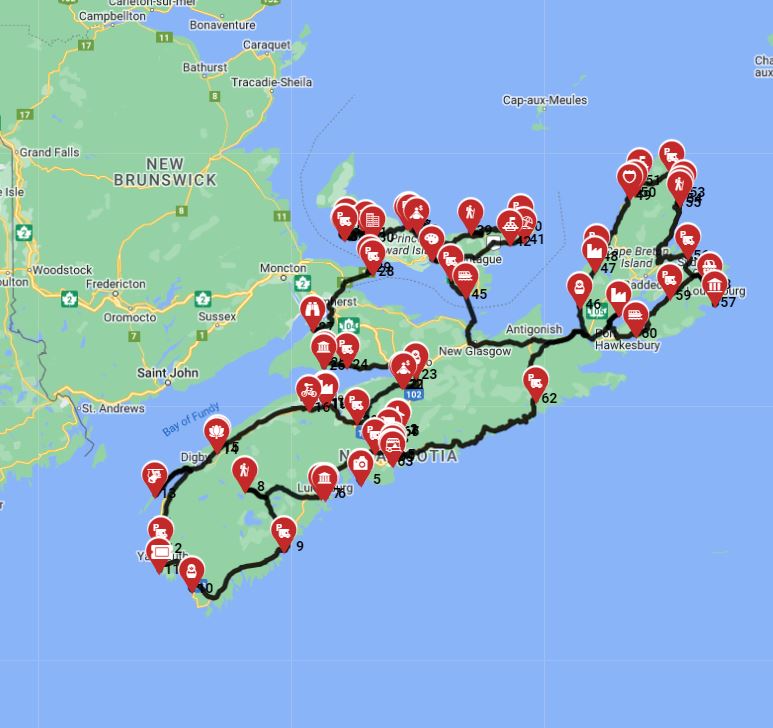
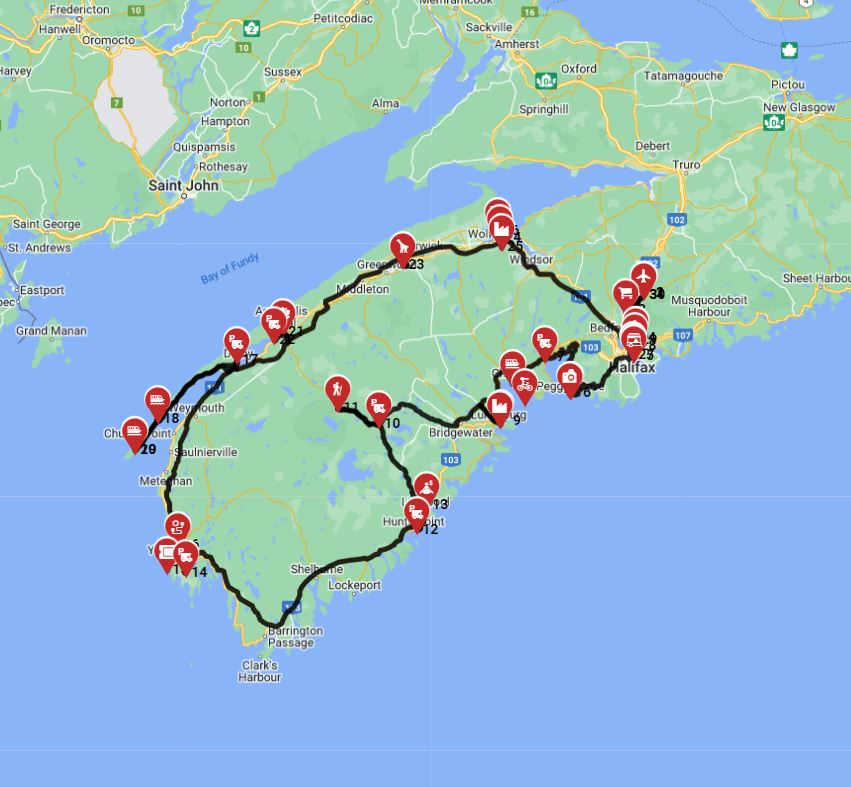
Embarking on your very first RV adventure in East Canada is an exciting prospect, promising breathtaking coastal drives, charming small towns, and vibrant cities. The freedom of a rented motorhome allows you to immerse yourself in the stunning landscapes of provinces like Nova Scotia, New Brunswick, Prince Edward Island, and Newfoundland and Labrador. For live availability and current prices, start with our RV Rental East Canada - Complete Guide 2026 guide.
At Bandana RV, we're true RV specialists, not just a side department of a travel agency. We genuinely know RV travel and love helping people discover it. We're here to support you from day one until your booking is confirmed, offering full transparency with no hidden fees or surprises. This comprehensive guide will equip first-time RV drivers with all the essential information to navigate East Canada confidently and create unforgettable memories.
Can You Drive an RV in East Canada? License & Age Rules
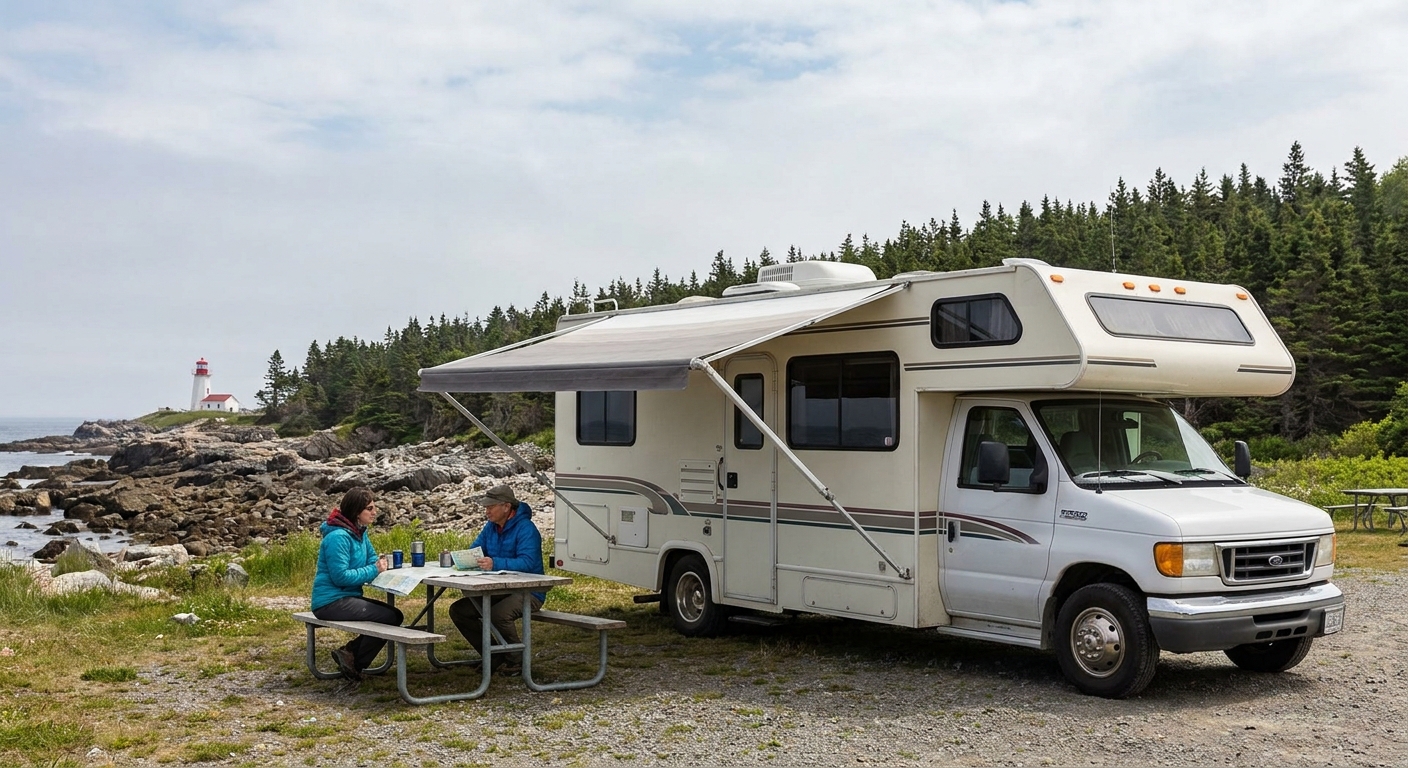
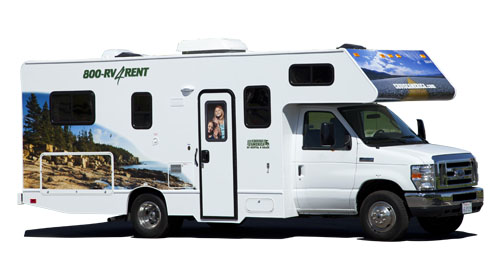
A standard Class 5 (or equivalent) driver's license is typically sufficient for operating most rental RVs in East Canada, as the majority fall under the 11,000 kg (24,250 lbs) Gross Vehicle Weight Rating (GVWR) limit. For instance, a Class C motorhome like the `MHC24` usually weighs well within this limit. The minimum driver age for RV rentals from Bandana's partners is 21 years old, with no young driver surcharges or vehicle class restrictions based on age, making it accessible for a wider range of adventurers. Foreign drivers, including US citizens, can generally use their valid home country driver's license, though an International Driving Permit (IDP) is recommended for licenses not in English or French to ensure smoother interactions with authorities. RVs exceeding 11,000 kg GVWR, or those equipped with air brakes, may require a higher class license, such as an Ontario Class D, but these are rarely part of standard rental fleets.
Road Conditions & Terrain in East Canada
East Canada offers a diverse range of road conditions, spanning from well-maintained Trans-Canada Highways to winding coastal routes and some unpaved rural roads in less-traveled areas. The terrain varies dramatically, from the gentle rolling hills and flat landscapes of Prince Edward Island to the dramatic, mountainous Cabot Trail in Nova Scotia and the rugged, fjord-like landscapes of Newfoundland. Beginner RV drivers should anticipate varying road quality, including potential gravel sections in national parks or on backroads. Navigating winding coastal roads, such as those along the Bay of Fundy or the scenic Gaspé Peninsula, requires slower speeds and careful driving due to elevation changes, narrower paths, and sharp curves. Remember to travel slowly, averaging a maximum of 100-150 km per day, allowing you to truly absorb the stunning scenery and local culture.
RV Size Limits, Bridges & Restricted Zones
Most standard rental RVs comfortably navigate East Canada's roads, but drivers should always be mindful of posted height and weight restrictions, particularly for bridges and tunnels. While universal limits are uncommon, specific low bridges, especially in older urban areas or certain park entrances, may have height restrictions, typically ranging from 3.5m to 4.5m (11.5ft to 14.8ft). Ferry systems, which are essential for reaching islands like Prince Edward Island or Newfoundland, have specific length and weight limits and often require advance bookings for larger motorhomes. For instance, a Class C motorhome like the `CA-25` is 7.6 meters (25 feet) long and will easily fit on most ferries, but booking ahead is always smart. Environmental zones are not broadly implemented for RVs in East Canada, but some national parks or protected areas might have specific vehicle restrictions or require special permits, so it's wise to check park regulations in advance.
Fuel: Diesel vs. Petrol & Cost per 100 km
Most rental RVs in East Canada operate on either diesel or petrol (gasoline), with both fuel types widely available at service stations, though diesel might be less common in very remote areas. For Bandana's global fleet, Class SI semi-integrated RVs typically consume 10-11 Liters/100 km, while Class C Alcove RVs average 10-12 Liters/100 km. More compact Class B Camper Vans are generally more fuel-efficient, typically using 8-10 Liters/100 km. As of 2026, the average cost per 100 km can range significantly based on fluctuating fuel prices and the RV's specific efficiency, but budgeting around CAD 15-25 per 100 km for fuel is a reasonable estimate for most recreational vehicles. Some rental agreements may offer fuel discount cards, which can help offset costs over longer trips. For easy budgeting and tracking all trip expenses, including fuel and campsite fees, remember that RV PLANET routes allow you to itemize every expense along the way. On the routes offered through RV PLANET routes, you can itemize and track every expense along the way for easy budgeting.
Tolls, Vignettes & Border Rules
East Canada features some toll bridges and highways, particularly the Cobequid Pass in Nova Scotia and specific sections in New Brunswick, which typically accept cash or credit/debit card payments at toll booths. Vignettes, or fixed-fee road use stickers, are not a system utilized in East Canada; tolls are generally point-based for specific infrastructure like bridges or tunnels. For border crossings into East Canada from the US, travelers must have a valid passport for all occupants, the RV's registration (provided by your rental company), and proof of insurance. Be prepared to declare all goods, including any food items. Remember that certain items, such as firearms, certain cannabis products (even if legal in some US states), and specific agricultural products, are prohibited. Some Bandana partner suppliers offer options for pre-purchasing toll passes, which can streamline travel and help avoid potential fines for missed payments, making your One-Way RV Rental in East Canada - Price Guide 2026 a bit simpler.
Driving Tips for rv rental beginners Travelers
Successfully driving a rented RV in East Canada as a beginner involves careful preparation and mindful driving. First, plan your route meticulously using RV-specific GPS or apps to identify suitable roads, locate gas stations, and find campgrounds. This is especially important when navigating winding coastal routes or less populated areas. Second, practice wide turns and understand that braking distances are significantly increased compared to a regular car due to the RV's longer and heavier nature. Consider finding an empty parking lot to get a feel for your vehicle's turning radius. Third, always be acutely aware of your RV's height and width, paying close attention to signs for low bridges, tunnels, and narrow roads, particularly in historic towns. Fourth, take frequent breaks, ideally every 2-3 hours, to prevent driver fatigue and allow everyone to stretch and enjoy the surroundings. Finally, secure everything inside the RV before driving, from cabinets and drawers to loose items, to prevent damage or shifting during transit. Remember, slow travel is key; aim for a maximum of 100-150 km per day to truly experience the culture, food, and scenery.
Recommended RV Class for East Canada Roads
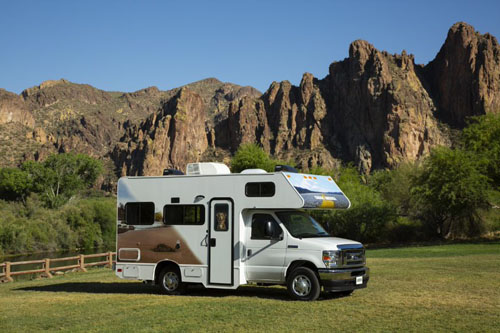
For RV rental beginners exploring East Canada, a Class B Camper Van or a Class SI (Semi-integrated) RV generally offers the best balance of maneuverability and comfort. Class B Camper Vans, like the `V3` from Bandana's global fleet (typically around 5.8 meters in length), are excellent for navigating tighter coastal roads, finding parking in smaller towns, and accessing more compact campsites. These are highly fuel-efficient, consuming about 8-10 Liters/100 km. Class SI Semi-integrated RVs, with an average length of 6.9 meters, such as the `K3` (sleeping up to 4, with a 140-liter fresh water tank), provide more interior space and amenities while remaining relatively easy to drive. These classes offer good ground clearance for varied terrain and are less intimidating for first-time RV drivers compared to larger Class C or Class A models, while still providing ample living space and amenities like a shower and toilet. If you're comparing options, our RV Rental in East Canada - Prices and Best Deals 2026 guide offers further insights.
Should I Choose a Compact Van Instead of a Large RV in East Canada?
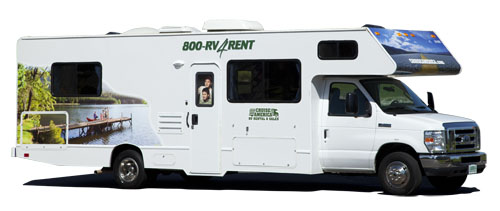
Choosing between a compact van and a larger RV in East Canada ultimately depends on your travel priorities, but remember that larger RVs generally pose no major driving issues on main routes. A compact campervan, like a Class B, genuinely helps with navigating very tight historic city centers, finding parking in crowded areas, or accessing some smaller, more remote campsites not built for bigger vehicles. However, for beginners prioritizing comfort, more indoor living space, and additional amenities for longer trips or family travel, a larger motorhome (Class SI or C) often provides a better trade-off. For example, a Class C motorhome like the `MHC30` can comfortably sleep 7 people with two double beds and a single bed, offering a far more spacious experience than a van. While a compact van offers agility, the added comfort, storage, and full kitchen facilities of a larger RV can significantly enhance the overall travel experience without substantially hindering access on most Eastern Canadian roads. Feel free to prepare a delicious breakfast in your rented motorhome's kitchen, and check out our RV-friendly recipes playlist for inspiration!
Can I Park Anywhere? Free & Wild Camping Rules in East Canada
Free or wild camping (often called boondocking) in East Canada is generally restricted and not permitted on public lands or private property without explicit permission. National and Provincial Parks across East Canada, such as Fundy National Park or Cape Breton Highlands National Park, offer designated campgrounds with varying amenities, from basic sites to full hookups, which require reservations, especially during peak season. It's helpful to know that many national and state parks reserve only 25-30% of their spots, with the rest available on a first-come-first-serve basis, offering flexibility for spontaneous travelers. Private campgrounds are also abundant throughout the region, providing hookups, facilities, and a secure place to park overnight for a fee. While informal overnight parking might be tolerated in some large retail parking lots (e.g., Walmart), this is not official camping, and local bylaws should always be checked beforehand. Rules vary by region, so always verify local regulations and adhere to local law before parking overnight to avoid fines or towing. For finding campsites and campgrounds during your trip, we recommend using RV PLANET (rvplan.net) - a great resource for locating available spots along your route.
Can I Drive an RV Into the City Center? Heights, Tunnels & Local Signage
Yes, you can drive almost any rented RV size into city centers across East Canada without issues, but paying close attention to local signage is absolutely crucial for safe navigation. Drive slowly and carefully, and you can drive almost anywhere without issues. No need to stress - just use common sense and pay attention. Watch out for height restrictions on tunnels and overhead structures, particularly in older, more historic cities like Halifax or Quebec City, and always heed 'No RV' or 'No Trucks' signs on smaller, narrower streets. Be especially aware of low bridges, which can be present on specific routes or entrances to historic districts, requiring careful route planning. Local signage will clearly indicate any environmental zones (rare for RVs in East Canada), residents-only streets, or areas where parking is restricted for larger vehicles. While driving into city centers is entirely possible, finding suitable parking can be a significant challenge; consider parking at the outskirts and using public transport for city exploration to save time and stress. For inspiration on urban adventures, check out our RV Travel Guide to East Canada - Tips and Top Spots 2026.
Can you rent an RV to drive across Canada?
Yes, you can absolutely rent an RV to drive across Canada, with most rental companies offering options for extended, long-distance travel. One-way rentals across provinces or even the entire country are possible but often incur additional fees, known as one-way charges, due to the logistical costs for the rental company. These fees can range from CAD 150-500 depending on the season and distance, as detailed in our One-Way RV Rental in East Canada - Price Guide 2026. Planning a cross-Canada RV trip requires significant time, typically several weeks, to comfortably cover the vast distances and genuinely enjoy the diverse regions at a slow travel pace of 100-150 km per day. Ensure your rental agreement covers unlimited mileage or that you clearly understand any mileage caps and associated costs for such an extensive journey. Remember, we handle the details, you live the journey-personal service from day one until your booking is confirmed.
Can I drive a rental car in Canada with a US driver's license?
Yes, US citizens can generally drive a rental RV in Canada with a valid US driver's license, provided it meets the specific licensing requirements for the RV's weight class. Your US license must be current and in good standing for the entire rental period. It is also advisable to carry proof of insurance, which is typically provided by the rental company as part of your booking. While an International Driving Permit (IDP) is not legally required for US license holders in Canada, it can be useful for clarity and ease of communication if your license is not primarily in English or French. Always ensure the name on your driver's license matches your passport or other identification for a seamless border crossing and rental process, as this helps prevent any unnecessary delays. For broader information on US RV travel, consult our RV Rental USA - Complete Guide 2026.
Can Americans RV in Canada?
Yes, Americans are warmly welcomed to RV in Canada and typically experience a straightforward process when crossing the border with their rented recreational vehicle. To enter Canada, US citizens need a valid passport for everyone traveling, along with the RV's registration and proof of insurance, which your Bandana rental provider will furnish. Be prepared for Canadian border service officers to ask about your travel plans, the expected duration of your stay, and any goods you are bringing into the country. It is essential to be aware of prohibited items when crossing the border, such as certain firearms, cannabis products (even if legal in some US states), and certain agricultural products, to ensure a smooth entry. Bandana has been helping tens of thousands of travelers explore the world by RV since 2001, including countless cross-border adventures into Canada.
What do you need to rent an RV in Canada?
To rent an RV in Canada, you primarily need a valid driver's license that is sufficient for the specific class of motorhome you intend to operate; for nearly all rental RVs, a standard car license is enough. A major credit card in the primary driver's name is universally required for payment and often for the security deposit, which can range from a few hundred to several thousand dollars depending on the vehicle class and supplier. Renters must also typically meet a minimum age requirement, which is commonly 21 years old with most of Bandana's partners, and there are no young driver surcharges or vehicle class restrictions based on age. Proof of insurance, either through the rental company's comprehensive offerings or your personal vehicle insurance (if it explicitly extends to RV rentals), is also a standard requirement. We ensure full price transparency in bookings available in 30+ currencies with no hidden fees or conversion commissions.
Do they search your RV at the Canadian border?
While not every RV is subjected to a search, Canadian border services officers possess the legal authority to search any vehicle, including recreational vehicles, as part of their duty to enforce customs and immigration laws. Searches are conducted to ensure compliance with Canadian customs, immigration, and agricultural regulations, often looking for undeclared goods, prohibited items, or signs of illegal activity. To facilitate a smooth border crossing, ensure all required documents are readily accessible, declare all goods truthfully, and answer any questions from officers respectfully and honestly. Having a tidy and organized RV can also help expedite the process, as officers may be less inclined to conduct a thorough search if everything is clearly visible and accessible. This transparency helps avoid misunderstandings and keeps your adventure on track.
Is it easy to drive an RV in Canada?
Driving a rented RV in Canada is generally considered manageable, even for beginners, thanks to well-maintained highway infrastructure and clear road signage. While main routes are straightforward, navigating certain areas like the winding coastal roads of Nova Scotia or the more congested streets of major cities like Montreal or Halifax requires extra care and attention. Beginners should plan routes that avoid very narrow roads or excessively steep inclines until they are comfortable with the RV's handling and size. Thankfully, ample pull-offs, rest stops, and RV-friendly gas stations are available across the country, making long journeys more comfortable. With Bandana's direct partnerships with 50+ leading RV suppliers worldwide, including trusted names like El Monte and Cruise America, you'll find a reliable vehicle to make your journey easy and enjoyable. Remember, a relaxed pace of 100-150 km per day allows for maximum enjoyment.
What kind of license do I need to rent an RV?
For the vast majority of rental RVs in Canada, particularly those with a Gross Vehicle Weight Rating (GVWR) under 11,000 kg (24,250 lbs), a standard Class 5 driver's license (or its equivalent from another province or country) is fully sufficient. This means you do not need a special license, CDL, or additional permits for almost any rental motorhome. If you plan to rent a very large Class A RV or one with air brakes, a higher class of license, such as a Class D or even Class A in some provinces like Ontario, may technically be required. However, such large vehicles are not typically offered through standard rental programs focused on recreational travel. Always confirm the specific licensing requirements directly with your RV rental company, as their fleet vehicles may have varying classifications, but rest assured, a regular car license is often all you need. The minimum rental age is 21 with our partners, with no young driver surcharges.
What is the new law on RV licensing in Ontario?
As of 2026, Ontario's licensing laws generally allow drivers with a standard Class G license to operate most RVs, including common rental motorhomes like Class C or B models, without needing an additional license class. The key threshold in Ontario is for RVs exceeding 11,000 kg (24,250 lbs) GVWR; vehicles above this weight would then require a Class D license. This means that most recreational vehicles commonly rented, even larger Class C or some Class A models, fall comfortably within the scope of a standard Class G license. It is always recommended to double-check the GVWR of your specific rental RV and consult the Ontario Ministry of Transportation's official guidelines or your rental provider to confirm requirements, ensuring you adhere to all local regulations. This helps provide peace of mind for your Weekly RV Rental in East Canada - Pricing 2026 adventure.
How much does it cost to insure a rental RV?
The cost to insure a rental RV in East Canada can vary significantly, typically ranging from CAD 20-50 per day, depending on the level of coverage, the deductible chosen, and the specific rental provider's policies. Rental companies usually offer various insurance packages, from basic liability and Collision Damage Waiver (CDW) to more comprehensive options that include roadside assistance and protection against theft. Many personal auto insurance policies do not extend to RV rentals, so purchasing coverage through the rental company or a third-party provider is often necessary. Some credit cards offer rental car insurance benefits, but these rarely cover motorhomes, so always verify your card's specific terms before relying on them. You can upgrade to a top-level deductible for extra peace of mind, which is an optional purchase, not included by default. For specifics, consult our Cheap RV Rental in East Canada - Budget Guide 2026.
How much is RV insurance in Canada?
For rental RVs in Canada, insurance is most commonly acquired through the rental company, with costs either integrated into the daily rate or offered as optional daily add-ons, generally ranging from CAD 20-50 per day. Typical coverage includes a Collision Damage Waiver (CDW), which limits your financial responsibility for damage to the rental RV, and Third-Party Liability, covering damages or injuries to others. Many policies will also offer additional protection like theft waiver, personal accident insurance, and roadside assistance, which can be purchased for an extra daily fee. Understanding what is and isn't covered, especially regarding deductibles and exclusions (e.g., damage from driving on unpaved roads), is crucial before finalizing your rental. Remember, at Bandana, we compare final prices across suppliers, so what you see is what you pay, with no surprise fees at pickup, including transparent insurance options. Our Luxury RV Rental in East Canada - Premium Prices 2026 provides more details on higher-tier insurance options.
What You Shouldn't Miss
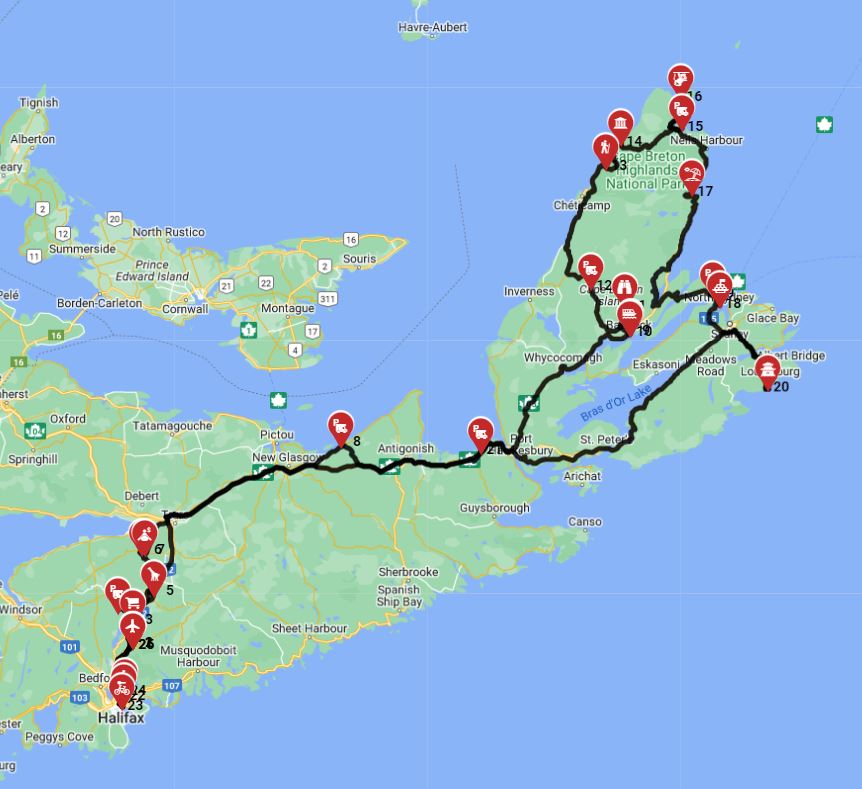
- **Cabot Trail, Nova Scotia:** Drive the iconic 298 km (185 mi) scenic loop around Cape Breton Island, renowned for its dramatic coastal cliffs, picturesque fishing villages, and lush Highlands National Park.
- **Bay of Fundy, New Brunswick & Nova Scotia:** Witness the world's highest tides, which can reach 16 meters (53 feet), and explore the unique geological formations like the Hopewell Rocks.
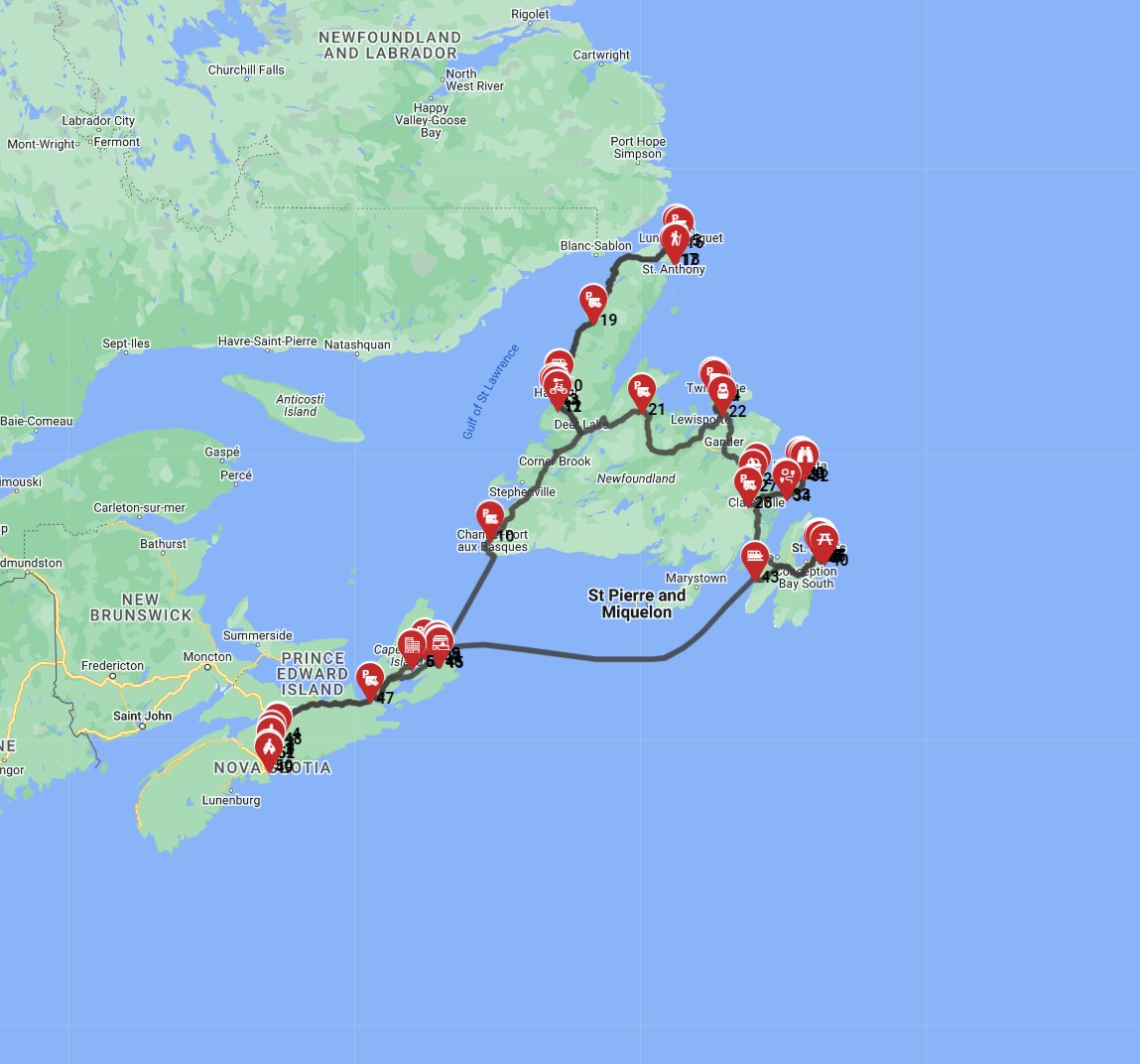
- **Gros Morne National Park, Newfoundland:** Discover a UNESCO World Heritage site with stunning fjords, diverse wildlife, and dramatic landscapes that are part of the Earth's mantle.
- **Prince Edward Island's North Shore:** Relax on the red sand beaches, cycle along scenic routes, and explore the charming towns that inspired Anne of Green Gables.
- **Old Quebec City, Quebec:** Park your RV nearby and explore North America's only walled city on foot, with its historic architecture, cobblestone streets, and European charm.
- **Looking for expert insights from Avi Bandana? Top 5 Adventures - recommendations from Avi Bandana** (link to relevant content placeholder, assuming CMS handles)
🎬 Video coming soon
Final Thoughts
Your first RV adventure in East Canada is an experience waiting to unfold, filled with stunning scenery, rich history, and the unparalleled freedom that only a rented motorhome can offer. By understanding the licensing rules, familiarizing yourself with road conditions, and planning your itinerary with a relaxed pace of 100-150 km per day, you're set for an incredible journey. Remember, East Canada is about savoring the moments, from the highest tides of Fundy to the rugged beauty of Newfoundland and the charm of Quebec City.
At Bandana RV, we're dedicated to making your RV rental process as smooth and transparent as possible. Our expert team is here to guide you through vehicle selection, compare prices with no hidden fees, and offer the option of pre-planned routes through RVPLANET (rvplan.net). So, take the leap, embrace the open road, and discover the magic of East Canada on your terms. We're with you every step of the way, before and after your booking, to ensure your trip is nothing short of amazing.