In This Guide
- Can You Drive an RV in Denmark? License & Age Rules
- Road Conditions & Terrain in Denmark
- RV Size Limits, Bridges & Restricted Zones
- Fuel: Diesel vs. Petrol & Cost per 100 km
- Tolls, Vignettes & Border Rules
- Driving Tips for rv rental beginners Travelers
- Recommended RV Class for Denmark Roads
- Should I Choose a Compact Van Instead of a Large RV in Denmark?
- Can I Park Anywhere? Free & Wild Camping Rules in Denmark
- Can I Drive an RV Into the City Center? Heights, Tunnels & Local Signage
- What do I need to rent an RV in Denmark?
- What are the best RV routes in Denmark for beginners?
- How much does it cost to rent an RV in Denmark?
- What is the best time of year to RV in Denmark?
- Are there specific rules for RVs in Denmark?
- How do I find campsites in Denmark?
- What are the ferry options for RVs in Denmark?
- Is it easy to wild camp in Denmark?
- What are the must-see attractions for RVers in Denmark?
- How do RV rentals in Denmark compare to other Nordic countries?
Embarking on your first rented RV adventure in Denmark offers an incredible blend of stunning coastal drives, charming villages, and vibrant city experiences. This comprehensive guide, crafted by true RV specialists with over two decades of experience, is designed to give beginners the confidence and practical knowledge to navigate Denmark's roads and embrace the unique Danish concept of 'Hygge' on wheels. For live availability and current prices, start with our RV Rental Denmark - Complete Guide 2026 guide, ensuring a transparent booking experience with no hidden fees or surprises.
Can You Drive an RV in Denmark? License & Age Rules
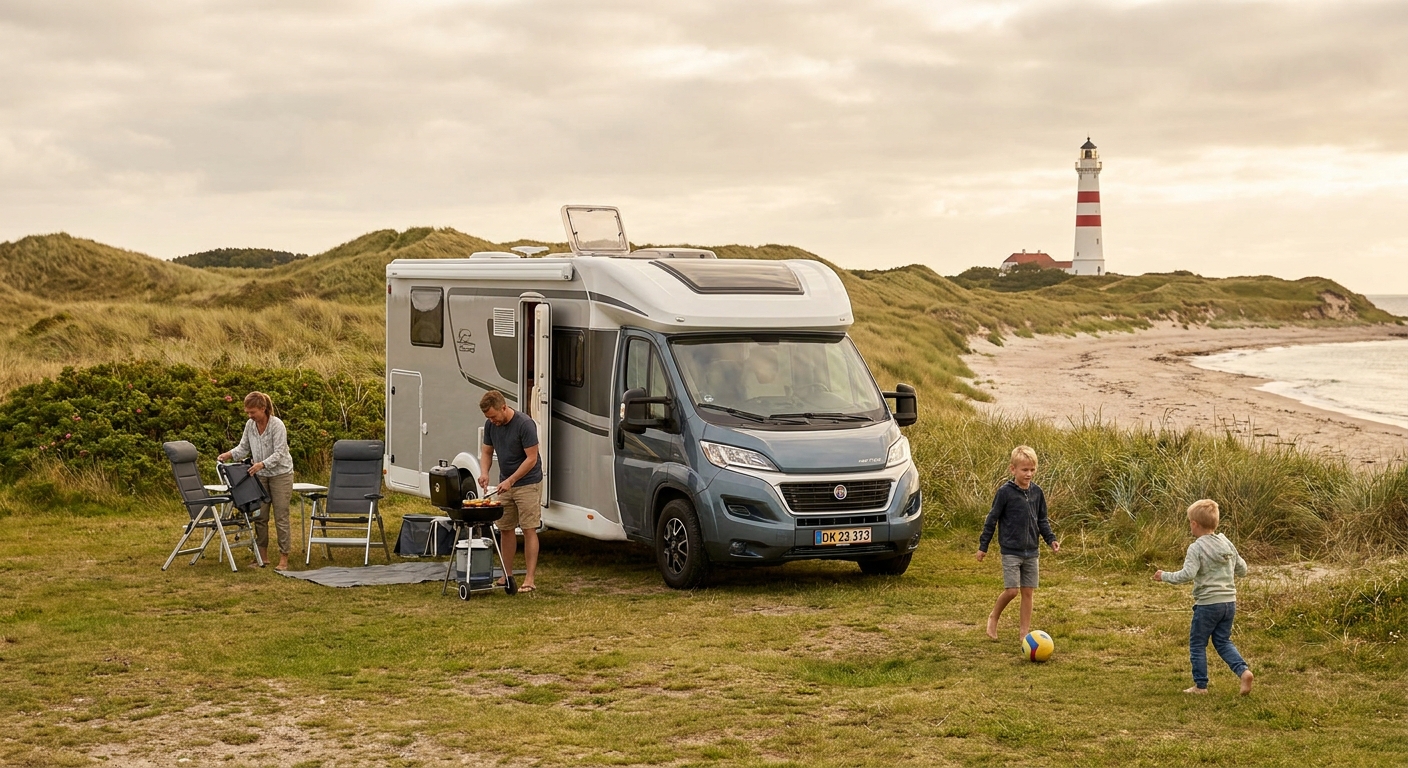
A standard Category B driving license is generally sufficient for most rented RVs in Denmark, specifically those with a Gross Vehicle Weight (GVW) up to 3,500 kg, which includes many campervans and smaller Class C motorhomes. For larger RVs exceeding 3,500 kg, such as some Class A or bigger Class C motorhomes, a Category C1 or C license is required, though most rental fleets are designed to be driven with a standard license. The minimum driver age for RV rentals in Denmark typically ranges from 21 to 23 years across suppliers, and some may require drivers to be 25 for their largest Class A or Class C vehicles, but there are no young driver surcharges or class restrictions based on age at Bandana RV. Foreign drivers must possess a valid national driver's license, and an International Driving Permit (IDP) is highly recommended for non-EU/EEA licenses, sometimes even legally required by local authorities or specific rental companies, so always confirm with your chosen supplier.
We believe in full transparency, so you'll always know the exact license and age requirements upfront, with no surprises during your booking process. As true RV specialists, we have direct partnerships with over 50 leading RV suppliers worldwide, including popular names like Apollo, ensuring you get accurate and up-to-date information for your trip. For those considering an extended road trip across Europe, our RV Rental Europe - Complete Guide 2026 offers a broader perspective on licensing and regulations in the region.
Road Conditions & Terrain in Denmark
Denmark boasts excellent road conditions, characterized by well-maintained asphalt roads and clear signage throughout the country, making it exceptionally beginner-friendly for RV driving. The terrain is predominantly flat, especially across the Jutland peninsula and the major islands of Funen and Zealand, which contributes to generally easy and relaxed RV travel with minimal mountainous areas. You can expect scenic coastal routes and a well-developed infrastructure between towns, ensuring a smooth journey even in a larger rented motorhome. While urban areas like Copenhagen and Aarhus can have narrower streets and increased traffic, rural roads usually provide ample space for RVs. Drive slowly and carefully, and you can drive almost anywhere without issues. No need to stress - just use common sense and pay attention to enjoy Denmark's picturesque landscapes and charming villages at a comfortable pace of max 100-150 km per day.
RV Size Limits, Bridges & Restricted Zones
Most rented RVs can navigate Danish roads without significant issues, but drivers should always be aware of posted height, weight, and environmental restrictions. Major bridges, such as the impressive Storebælt Bridge and the Øresund Bridge (connecting Denmark and Sweden), comfortably accommodate all standard RV sizes, although toll costs vary by vehicle length and weight. Be vigilant for signage in some historic town centers or areas with older infrastructure, which might have lower bridges or narrower passages, potentially requiring detours for larger Class C or Class A motorhomes. Denmark's major cities, including Copenhagen, Aarhus, Odense, and Aalborg, enforce 'miljøzoner' (environmental zones) that require a valid eco-sticker ('miljømærke') for diesel vehicles, particularly older models, to avoid fines. Always confirm your RV's specific dimensions against posted limits, especially when entering urban areas or planning any ferry travel for island hopping to ensure a smooth journey. Our support team is here to help you coordinate all pre-booking details, handling the intricacies so you can focus on the adventure. On the routes offered through RV PLANET routes, you can itemize and track every expense along the way for easy budgeting.
🎬 Video coming soon
Fuel: Diesel vs. Petrol & Cost per 100 km
Most rented RVs and campervans in Bandana's fleet and across Denmark operate on diesel fuel, which is readily available at service stations throughout the country. Based on Bandana's global fleet averages, a Class SI - Semi-integrated RV typically consumes around 10–11 Liters/100 km, while a Class C - Alcove averages 10–12 Liters/100 km, and a Class B - Camper Van about 10 Liters/100 km. The cost per 100 km for a rented RV in Denmark can vary with fluctuating fuel prices, but you should generally budget approximately €15-€20 per 100 km for diesel. Some RV rental agreements might offer fuel discount cards or options to pre-purchase fuel, which can help manage costs and offer greater budgeting flexibility. Petrol (Benzin) is also available but is less common for RVs; always confirm your specific rented RV's fuel type before departure. For a detailed breakdown of all potential expenses and to itemize and track every cost along the way, RV PLANET routes are an invaluable resource for easy budgeting.
Planning your fuel stops in advance is a smart move, especially when venturing into more rural or island areas where stations might be less frequent. Our true RV specialists are here to offer insights and support before, during, and after your booking, ensuring you have all the necessary information for your trip.
Tolls, Vignettes & Border Rules
Denmark does not utilize a vignette system for its roads; instead, tolls are paid for specific large-scale infrastructure projects, most notably the iconic Storebælt (Great Belt) Bridge and the Øresund Bridge, which connects Denmark and Sweden. Toll prices for these bridges vary based on your rented vehicle's category (its length and weight) and can be conveniently paid at the toll booths using a credit card or cash, or with a 'BroBizz' transponder for electronic payment and often discounted rates. Crossing borders into neighboring countries like Germany or Sweden is generally straightforward with an RV, but be prepared for differing traffic laws, environmental zones (which may require additional stickers), and currency changes. For seamless international travel, some RV rental companies, including Bandana's partners, may offer options to pre-purchase toll passes or provide vehicles already equipped with automatic toll payment devices, which helps to avoid potential fines and long queues. Always check specific entry and driving requirements for any country you plan to visit, though for most EU/Schengen citizens, border crossings are usually fluid and well-signposted.
Driving Tips for rv rental beginners Travelers
Planning your route meticulously is a top driving tip for RV beginners in Denmark, as the country's flat terrain is very beginner-friendly, but having an idea of your daily stops makes the journey even more enjoyable. Embracing the 'Hygge' concept means pacing yourself, driving slower than you might typically, and allowing frequent stops to soak in coastal views, explore quaint villages, and enjoy local experiences and food. Mastering reversing and parking is crucial; while main roads are excellent, parking spots, especially in popular tourist areas or smaller towns, might be snug, so practicing in open spaces before you hit the road is a great idea. Familiarize yourself with Danish road signs, including those indicating 'miljøzoner' (environmental zones) for cities and any height or weight restrictions. Finally, always be mindful of cyclists; Denmark is a paradise for bikes, so watch for bike lanes and give ample space to cyclists on all roads and within urban areas. Remember, driving slowly, max 100-150 km per day on average, allows you to truly feel the place, connect to the culture, the food, and the scenery.
Our goal is to make your adventure seamless, and that includes providing all the information you need. Our direct partnerships with 50+ leading RV suppliers worldwide mean we offer a vast selection of vehicles to suit your needs, and our 24/7 support is there before and after your booking to answer any questions.
Recommended RV Class for Denmark Roads
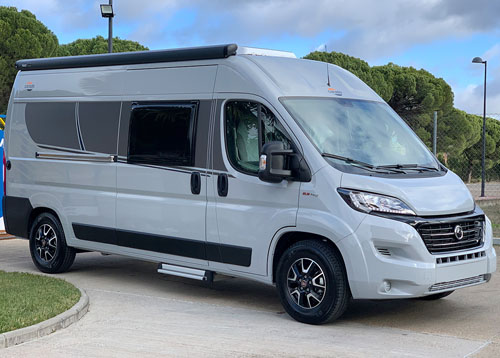
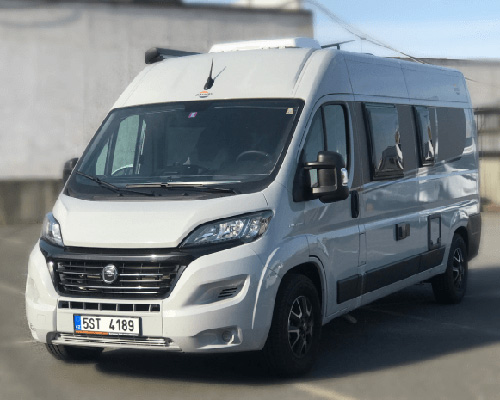
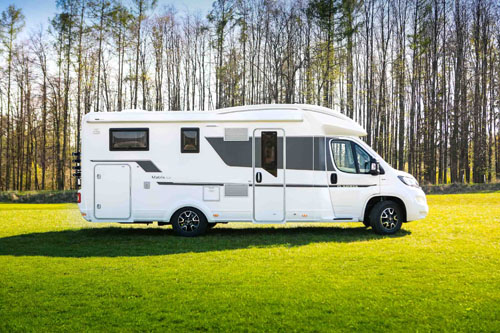
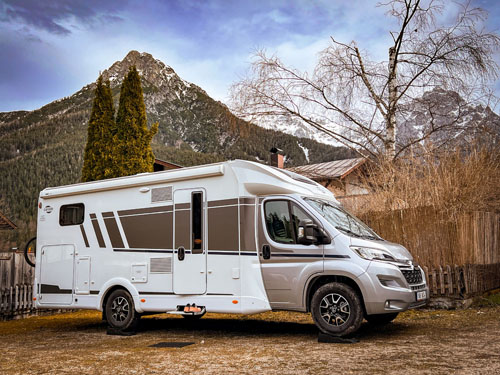
For beginners exploring Denmark with a rented RV, a Class B - Camper Van or a Class SI - Semi-integrated motorhome is highly recommended due to their optimal balance of size, maneuverability, and comfort. Class B Camper Vans, often averaging around 5.8 meters in length, offer exceptional agility for navigating Denmark's charming smaller towns and finding parking, while typically consuming about 10 Liters/100 km of fuel. Class SI Semi-integrated RVs, averaging approximately 6.9 meters in length, provide more spacious interior living areas and amenities like a separate shower and toilet, yet remain relatively easy to drive on Denmark's well-maintained road network, with a typical fuel consumption of 10–11 Liters/100 km. These classes strike an ideal balance between providing comfortable living space for a week-long trip and ensuring ease of handling, which is crucial for those new to RV travel in a foreign country. While larger Class C Alcove (avg. 7.5m) or Class A Integrated (avg. 7.5m) RVs offer more room, their increased length and width can present more challenges for beginner drivers in tighter spots or during ferry bookings for island exploration. Choosing the right size ensures your focus remains on the beautiful scenery, not on vehicle concerns.
Should I Choose a Compact Van Instead of a Large RV in Denmark?
While a compact campervan offers superior maneuverability and ease of parking, the generally excellent road conditions in Denmark mean larger RVs typically present no significant driving challenges. A compact van, such as a Class B Camper Van, is an excellent choice for solo travelers or couples who prioritize agility, easier access to tight city centers like those in Copenhagen, and slightly better fuel efficiency of around 10 Liters/100 km. However, for families with kids or those seeking more indoor space, a dedicated bathroom, and a more comfortable living area for an extended road trip, a larger rented RV (such as a Class SI Semi-integrated with an average length of 6.9 meters) often provides a superior overall travel experience in Denmark. The trade-off between compact maneuverability and enhanced comfort often favors a larger RV for longer trips in Denmark, as the country's well-developed infrastructure is generally RV-friendly. Consider your group size, the desired amenities for your journey, and how much time you plan to spend driving versus relaxing at campsites when making your decision, and remember you can always upgrade to a top-level deductible for extra peace of mind regardless of your choice.
Can I Park Anywhere? Free & Wild Camping Rules in Denmark
In Denmark, wild camping or overnight parking outside of officially designated campsites is generally prohibited and can lead to fines, making it crucial for RV renters to understand local regulations. Denmark offers an extensive network of official campsites, known as 'campingpladser,' which provide full facilities including electrical hook-ups, fresh water, and waste disposal points, serving as the legal and recommended option for overnight stays. For a more rustic experience, some municipalities and private landowners offer 'shelterpladser' (wooden shelters) or primitive campsites; while primarily for tent camping, many larger sites or nearby parking areas can accommodate small campervans, often with basic amenities like fire pits and composting toilets. These must often be booked in advance via platforms like 'udinaturen.dk'. Always seek explicit permission from landowners before considering any form of overnight parking on private property. Rules can vary by region or local municipality, so always check specific local regulations and follow the local law before parking overnight to ensure a hassle-free RV experience.
For finding campsites and campgrounds during your trip, we recommend using RV PLANET (rvplan.net), a great resource for locating available spots along your route and even planning your entire itinerary. With RV PLANET, you can itemize and track every expense, including campsite fees, for easy budgeting.
Can I Drive an RV Into the City Center? Heights, Tunnels & Local Signage
You can generally drive a rented RV into most city centers in Denmark, but careful attention to local signage regarding height limits, tunnels, low bridges, and environmental zones is paramount. Danish cities like Copenhagen, Aarhus, Odense, and Aalborg have 'miljøzoner' (environmental zones) that restrict older diesel vehicles without a valid eco-sticker ('miljømærke'); ensure your RV rental meets these requirements to avoid fines. While main arterial roads leading into cities are usually accommodating for most motorhomes, navigating the narrower streets in historic centers and finding suitable parking for a larger RV can be challenging. It's often advisable for RVers to park their vehicle at designated out-of-town parking areas or campsites with excellent public transport links and then use local transit to explore the city center, saving stress and time. Always be vigilant for specific local signage indicating height restrictions, no-entry zones, or residents-only parking, which can vary significantly between different urban areas. Drive slowly and carefully, and you can drive almost anywhere without issues. No need to stress - just use common sense and pay attention.
What do I need to rent an RV in Denmark?
To rent an RV in Denmark, you typically need a valid driving license, be over the minimum age, and possess a credit card for the security deposit. A standard Category B driving license is sufficient for RVs up to 3,500 kg, while a C1 or C license is required for heavier vehicles, though most rental motorhomes fall under Category B. The minimum driver age for RV rentals in Denmark is typically 21 years across most Bandana partners, though some suppliers might require drivers to be 25 for specific, larger Class A motorhomes. An International Driving Permit (IDP) is strongly recommended for non-EU/EEA license holders and may even be legally required by certain rental companies or local authorities. You will also need a valid ID, such as a passport or national ID card, and proof of insurance; most rental companies include basic insurance with options for additional coverage, like upgrading to a top-level deductible for extra peace of mind. Always review your rental agreement carefully for specific requirements regarding mileage limits, permitted travel countries, and breakdown assistance. Booking in advance, especially during the peak summer season, is advisable to secure your preferred RV model and ensure availability.
What are the best RV routes in Denmark for beginners?
For beginners, Denmark offers numerous accessible and scenic RV routes that highlight its unique geography and cultural charm. A fantastic starting point is the 'Danish Coastal Explorer' journey along the Jutland peninsula's west coast, offering stunning beaches, charming fishing villages, and ample campsites. Consider a 'Family-Friendly RV Adventure' through Funen (Fyn) to explore iconic attractions like Legoland in Billund, Odense's captivating Hans Christian Andersen sites, and the picturesque Egeskov Castle, with short driving distances between points of interest. The 'Viking History Road Trip' in Jutland is another excellent option, connecting significant historical landmarks such as Ribe (Denmark's oldest town), the UNESCO World Heritage site of Jelling, and the Viking Ship Museum in Roskilde. Many beginner-friendly routes focus on the relatively flat landscapes of Funen and Zealand, which boast well-developed tourist infrastructure and numerous RV-friendly campsites. Plan your itinerary to include picturesque island hopping via Denmark's efficient domestic ferries for a unique experience, such as exploring the serene island of Bornholm, allowing you to take time to feel the place, connect to the culture, the food, and the scenery.
Bandana RV specializes in RV rentals, and our sister company RV PLANET (rvplan.net) offers 1,300+ pre-planned routes across 5 continents, making route planning effortless. Plus, you get a 25% planning discount when using rvplan.net for your itinerary!
How much does it cost to rent an RV in Denmark?
The cost to rent an RV in Denmark is dynamic, changing daily based on availability, seasonality, and supplier marketing decisions, but it generally ranges from €80-€150 per day for a compact campervan and €120-€250+ per day for larger motorhomes during the peak summer season. A comprehensive budgeting breakdown for a week-long RV trip in Denmark should include rental fees, fuel (estimated €15-€20 per 100 km for diesel RVs, which average 10-12 Liters/100 km), significant ferry costs (which can be substantial for larger vehicles, especially to islands like Bornholm, potentially €50-€200+ for a one-way trip), and campsite fees (€25-€50 per night for a powered pitch). Factor in additional expenses such as tolls (e.g., Great Belt Bridge), groceries (cooking in your RV can save money, check our RV-friendly recipes playlist), and attraction entrance fees. Cost-saving tips include traveling during shoulder seasons (April-May and September-October) when prices are often lower, cooking most meals on board, and pre-booking ferries and popular campsites for potential discounts. Always budget for optional extras like bedding, kitchen kits, cleaning fees, and ensure you understand insurance deductibles, as you can upgrade to a top-level deductible for extra peace of mind. Remember, the final price is set at the actual booking time.
To help manage these costs, RV PLANET (rvplan.net) allows travelers to itemize and track every expense along the way for easy budgeting. You can find excellent last-minute RV rental deals in Denmark, as prices are dynamic and availability can open up closer to your travel dates, especially outside of peak season. Booking 3-6 months in advance generally secures better rates and a wider selection of vehicles, but spontaneous travelers will still find options.
What is the best time of year to RV in Denmark?
The best time of year for an RV rental adventure in Denmark is typically the summer months, from June to August, when the weather is warmest, daylight hours are longest, and all campsites and attractions are fully operational. Summer temperatures average 15-22°C (59-72°F), making it ideal for outdoor activities, beach visits, and coastal exploration, though it is also the peak tourist season with higher prices and more crowds at popular spots. Shoulder seasons, particularly April-May and September-October, are excellent for RV beginners, offering milder weather (10-15°C/50-59°F), significantly fewer crowds, and often lower rental and campsite prices. Spring brings blooming landscapes perfect for scenic drives, while autumn showcases beautiful fall foliage and a cozy 'Hygge' atmosphere, ideal for a relaxed two-week adventure. Winter (November-March) RVing is possible for experienced travelers, providing a unique, tranquil experience with potential for snow and festive markets, but many campsites close, daylight hours are short, and temperatures can be near or below freezing, requiring a winter-ready RV. Booking during the shoulder season can also help you find some of the latest RV Rental Deals in Denmark - Latest Offers 2026.
Are there specific rules for RVs in Denmark?
In Denmark, rented RVs must adhere to standard traffic laws, including specific speed limits that differ from passenger cars. On rural roads, the typical speed limit for RVs over 3,500 kg is 80 km/h, while on motorways, it can be 80-100 km/h, so always check signage; all vehicles, regardless of size, must drive on the right side of the road. Major cities have 'miljøzoner' (environmental zones) requiring certain diesel vehicles to have a valid eco-sticker ('miljømærke'); failure to display one can result in fines up to €200. Strict rules apply to waste disposal; grey and black water must only be emptied at designated facilities, which are commonly found at campsites or specific RV service points across the country. Wearing seatbelts is mandatory for all passengers in a moving RV, and children must be secured in appropriate car seats as per Danish law. Familiarize yourself with local etiquette, such as greeting people with 'Hej' and respecting quiet hours at campsites, to fully embrace the Danish 'Hygge' culture as an RVer. Rent a Motorhome in Copenhagen - Prices, Routes & Deals 2026 for local insights if you are starting there.
How do I find campsites in Denmark?
Finding campsites in Denmark is straightforward, as the country boasts a well-developed network of official sites; the primary resource for locating approved campsites is the Campingrådet (Danish Camping Board) website, camping.dk, which lists hundreds of options. Numerous mobile apps like ACSI Campings, Campercontact, and Park4Night also provide comprehensive listings, user reviews, and navigation to campsites and service points across Denmark, including many offering full facilities such as electricity hook-ups, fresh water, and waste disposal. Campsites vary from basic nature sites to luxury resorts, often including amenities like laundromats, playgrounds, and even small shops. During the peak summer season (June-August), it is highly recommended for RV renters to book campsites in advance, especially for popular coastal areas or sites near major attractions like Legoland. Look for sites designated 'Autocampingplads,' which specifically cater to motorhomes, often providing convenient drive-through pitches and dedicated service facilities. For finding campsites and campgrounds during your trip, we recommend using RV PLANET (rvplan.net), a great tool for locating available spots along your route and exploring detailed route plans like a Stockholm Round trip - Sweden, Denmark and Norway Family Adventure.
What are the ferry options for RVs in Denmark?
Denmark's unique geography, comprised of over 400 islands, means domestic ferry travel is often a crucial and scenic part of an RV rental adventure, connecting major landmasses and islands. Key domestic ferry routes, operated by companies like Molslinjen, Færgen, and DFDS, include crossings to the popular islands of Bornholm, Samsø, Fanø, Læsø, and Ærø. Booking procedures for RVs on ferries require specifying your vehicle's exact length and height, as prices are heavily dependent on these dimensions, and oversized vehicles may have limited space or higher fares, so always measure your rented motorhome accurately. Strategic planning is essential for island hopping, as popular routes, especially during summer, can sell out quickly, making advance booking critical. Costs for RVs on ferries vary widely, ranging from €50 to over €200 for a one-way trip depending on the route, season, and RV size, so budget accordingly for this major logistical factor. Being prepared for these costs is part of our full transparency promise, ensuring no hidden fees or surprises.
Is it easy to wild camp in Denmark?
Wild camping is generally not easy or legally permitted in Denmark; the country maintains strict regulations against free camping and overnight parking outside of designated areas, especially for rented RVs. Instead of traditional wild camping, RVers can utilize the extensive network of official campsites or explore 'shelterpladser' (shelter sites) and primitive campsites, which are designated public areas, often found in forests or coastal zones, offering basic amenities and typically requiring advance booking through sites like 'udinaturen.dk'. Overnight parking in public car parks or on roadside lay-bys for sleeping is largely prohibited and can lead to fines, particularly if camping behavior, such as setting out chairs or cooking outdoors, is observed. It is permissible to park your RV and sleep inside on private land only with explicit permission from the landowner. To avoid penalties and ensure a responsible visit, beginners should plan to stay exclusively at official campsites or pre-booked 'shelterpladser' for all overnight stays, enjoying the security and amenities these locations provide. For finding campsites and campgrounds during your trip, we recommend using RV PLANET (rvplan.net).
What are the must-see attractions for RVers in Denmark?
Denmark offers a diverse range of must-see attractions perfect for RVers, from historical sites to unique food experiences and off-the-beaten-path destinations. Start with UNESCO World Heritage sites like the ancient Jelling Monuments (Viking rune stones) and the stunning Roskilde Cathedral, then delve into history at the Viking Ship Museum in Roskilde. Experience quintessential 'Hygge' in charming coastal towns such as Skagen, famous for its unique light and meeting of two seas, Ebeltoft with its old frigate, or Ærøskøbing on Ærø island, known for its picturesque harbors, local markets, and unique food experiences like freshly smoked fish. Discover off-the-beaten-path destinations like the island of Samsø, a self-sufficient energy island with stunning nature trails, or the Wadden Sea National Park for world-class birdwatching and oyster safaris (check local regulations for RV access). For families, Legoland in Billund is an iconic stop, while nature lovers will appreciate the dramatic white chalk cliffs of Møns Klint or the national parks across Jutland. Remember to travel slowly, max 100-150 km per day on average, to fully immerse yourself in each place.
Looking for expert insights from Avi Bandana? Top 5 Adventures - recommendations from Avi Bandana
- **The North Jutland Coastline:** Drive north from Aarhus towards Skagen, experiencing vast sand dunes at Råbjerg Mile and the unique phenomenon where the Skagerrak and Kattegat seas meet at Grenen. Plenty of charming fishing villages like Løkken and Blokhus offer excellent coastal campsites.
- **Island of Ærø:** Take a ferry to this charming island. Explore cobbled streets of Ærøskøbing, enjoy local produce, and cycle along peaceful country roads. The small size makes it perfect for a compact campervan or Class B RV.
- **The Viking Trail (Jutland & Zealand):** Combine a visit to the Jelling Monuments (UNESCO) with the Viking Ship Museum in Roskilde. This route offers a deep dive into Denmark's rich history, with well-preserved sites and cultural experiences.
- **Fyn & Southern Islands:** Explore the 'garden island' of Fyn, visiting Egeskov Castle and Odense (Hans Christian Andersen's birthplace). Continue to islands like Tåsinge or Langeland for serene nature and local maritime culture.
- **Møns Klint & Stevns Klint (UNESCO):** Witness the stunning white chalk cliffs on the island of Møn and Stevns Klint on Zealand. These dramatic natural features offer breathtaking views and hiking opportunities, easily accessible by RV with nearby campsites.
How do RV rentals in Denmark compare to other Nordic countries?
RV rentals in Denmark generally offer high-quality vehicles and a well-developed infrastructure, similar to other Nordic countries like Sweden and Norway, but with notable differences in driving conditions and 'Right to Roam' laws. Unlike Sweden and Norway, Denmark does not have the same extensive 'Right to Roam' (Allemansrätten) that permits widespread wild camping, meaning overnight RV stays are largely restricted to designated campsites or specific 'shelterpladser'. Driving in Denmark is typically easier due to its predominantly flat terrain and excellent roads, contrasting with the more mountainous and winding roads often found in Norway and parts of Sweden. Costs for RV rentals, fuel, and tolls can be comparable across Nordic countries, though Denmark's unique island geography means domestic ferry costs for island hopping can be a more significant factor in your overall budget. While all Nordic countries offer pristine nature and well-maintained campgrounds, Denmark provides a distinct blend of cultural heritage, flat landscapes, and a strong emphasis on 'Hygge,' making it a unique and accessible destination for RV exploration, particularly for beginners. Looking to compare options? Check our RV Rental in Denmark for Seniors - Pricing 2026 or RV Rental in Denmark - Prices and Best Deals 2026 guides for more insights.
Final Thoughts
Exploring Denmark in a rented RV offers an unparalleled sense of freedom and flexibility, allowing you to discover everything from its vibrant cities to its serene coastlines at your own pace. With excellent road conditions, a comprehensive network of campsites, and endless opportunities for 'Hygge' moments on the road, Denmark is truly a fantastic destination for beginner RV travelers. Don't let the idea of driving a larger vehicle or navigating a new country deter you; with a little planning and our expert advice, you'll find the experience incredibly rewarding.
Remember, we're with you every step of the way, offering unwavering support before, during, and after your booking to ensure your adventure is everything you dreamed it would be. So, pack your bags, choose your perfect motorhome, and get ready to create lasting memories on Denmark's beautiful roads. Life is now - go out and explore!