In This Guide
- Can You Drive an RV in Asia? License & Age Rules
- Road Conditions & Terrain in Asia
- RV Size Limits, Bridges & Restricted Zones
- Fuel: Diesel vs. Petrol & Cost per 100 km
- Tolls, Vignettes & Border Rules in Asia
- Driving Tips for RV Rental Beginners Travelers in Asia
- Recommended RV Class for Asia Roads
- Should I Choose a Compact Van Instead of a Large RV in Asia?
- Can I Park Anywhere? Free & Wild Camping Rules in Asia
- Can I Drive an RV Into the City Center? Heights, Tunnels & Local Signage
- What is the 3-3-3 rule for RV?
- What countries in Asia are RV friendly?
- Can you take a rented RV across the border in Asia?
- What is the largest RV you can drive in Asia without a special license?
- Can I rent an RV to drive across a country in Asia?
- What kind of license do I need to rent an RV in Asia?
- What licence do I need to drive an RV in the USA?
- Is my RV a class A or C?
- What kind of insurance do I need to rent out my RV?
Embarking on a rented RV adventure across Asia offers an unparalleled sense of freedom, allowing you to discover ancient cultures, vibrant cities, and breathtaking natural landscapes at your own pace. For first-time RV drivers, the thought of navigating Asia’s diverse roads and unique customs might seem a little daunting. But with the right preparation and a supportive partner like Bandana Caravan, your journey will be smooth and unforgettable. For live availability and current prices, start with our RV Rental Asia - Complete Guide 2026 guide.
Can You Drive an RV in Asia? License & Age Rules
Driving a rented RV in Asia generally requires a valid domestic driver's license from your home country, typically accompanied by an International Driving Permit (IDP) for translation and legal recognition. Specific requirements for licensing can vary significantly by country within Asia, so it's always essential to check the local regulations for your chosen destination. Most RVs under 3,500 kg (approximately 7,700 lbs) Gross Vehicle Weight Rating (GVWR) can be driven with a standard 'B' or 'Class 3' equivalent driver's license, which is the common requirement for passenger cars. For larger motorhomes exceeding this weight, a higher license category might be necessary in some countries, but generally, a standard car license is sufficient for all motorhome classes when renting with Bandana Caravan. The minimum driver age for RV rentals in Asia is typically 21 years, and importantly, there are no young driver surcharges or vehicle class restrictions based on age when booking through Bandana Caravan.
Road Conditions & Terrain in Asia
Road conditions across Asia are incredibly diverse, ranging from pristine, multi-lane highways in countries like Japan and South Korea to challenging mountain passes, unpaved sections, and bustling city streets in developing regions. For RV rental beginners, focusing on established routes and allowing ample time for travel is crucial, especially when encountering winding roads, steep inclines, or narrow urban areas. Driving a rented RV through Asia is an invitation for slow travel, encouraging you to average no more than 100-150 km per day to fully appreciate the diverse landscapes, from serene coastlines to majestic highlands. Be prepared for varying levels of infrastructure, including differences in road signage, rest stops, and emergency services compared to what you might be accustomed to in Western countries.
RV Size Limits, Bridges & Restricted Zones
RV travelers in Asia must be mindful of vehicle height and weight restrictions, which are common for tunnels, older bridges, and city underpasses, and these vary significantly by country. Low bridges and narrow roads are particularly prevalent in older urban centers and mountainous regions across Asia, necessitating careful route planning. Some cities or environmentally sensitive areas may enforce restricted access zones, such as 'low emission zones' or vehicle bans, that could affect larger motorhomes. When using ferries, which are common for island hopping or crossing waterways, rented RVs may face length, height, and weight surcharges or booking limitations due to vessel capacity. It's always wise to research your specific route for these details in advance. You can drive slowly and carefully, and you can drive almost anywhere without issues. No need to stress - just use common sense and pay attention.
Fuel: Diesel vs. Petrol & Cost per 100 km
Most motorhomes in Bandana Caravan's global rental fleet, including Class SI Semi-integrated, Class C Alcove, and Class A Integrated models, primarily run on Diesel, which is widely available across Asia. Fuel consumption for a Class SI Semi-integrated RV typically ranges from 10-11 Liters/100 km, while Class C Alcove models consume 10-12 Liters/100 km. The average cost per 100 km for a rented RV in Asia can fluctuate significantly based on local fuel prices and the specific vehicle's consumption, making budgeting for fuel a critical planning step. While less common for beginners, some smaller Camper Vans (Class B) might use petrol, which generally has similar availability but potentially different pricing than diesel in various Asian countries. Remember, on RV PLANET routes, travelers can itemize and track every expense along the way for easy budgeting. On the routes offered through RV PLANET routes, you can itemize and track every expense along the way for easy budgeting.
Tolls, Vignettes & Border Rules in Asia
Toll roads and expressways are prevalent in many developed Asian countries, such as Japan, South Korea, and Taiwan, and regulations for their payment vary significantly by region. While specific regional data for Asia's toll systems and vignettes is complex and highly country-dependent, travelers should anticipate a mix of electronic toll collection (e.g., ETC cards in Japan), manual toll booths, and potentially 'vignette' style passes for certain highway networks. Border crossing procedures for rented RVs within Asia can be complex, often requiring pre-arranged permits, extensive documentation from the rental company, and specific insurance endorsements. Always confirm with your rental provider about cross-border travel policies and required paperwork well in advance, as some Bandana Caravan partners offer pre-purchased toll passes or specific border crossing assistance to simplify the process and avoid fines. One-Way RV Rental in Asia - Price Guide 2026 can give you more details on related costs.
Driving Tips for RV Rental Beginners Travelers in Asia
For first-time RV renters in Asia, planning frequent stops every 2-3 hours is essential to prevent driver fatigue and allow passengers, especially children, to stretch and refresh. Budget wisely for tolls by considering pre-paying or using electronic passes where available, which can save both money and time. Opt for rented RVs with automatic transmissions, if available in your chosen class, to navigate Asia's diverse terrain and traffic more comfortably. Given that internet connectivity can be spotty in rural Asian areas, downloading offline maps is an indispensable tip for seamless navigation. Finally, learning a few basic local phrases can significantly ease interactions at fuel stations, campsites, and local markets, enhancing your cultural engagement and overall experience. Remember, RV-friendly recipes playlist offers great ideas if you plan to cook your meals on board!
Recommended RV Class for Asia Roads
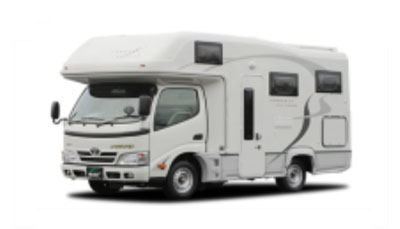
For navigating Asia's diverse road conditions, Class SI (Semi-integrated) and Class C (Alcove) RVs from Bandana Caravan's fleet are often recommended for beginners, as they strike a good balance between comfort and maneuverability. Class SI RVs, with an average length of 6.9 meters (22.6 feet) and seating for up to 4 people, offer a great balance for couples or small families, providing sufficient space without being overly cumbersome. A "2 Berth Sandpiper" motorhome, for instance, is 6.2 meters long with a 140/190cm double bed, making it compact and easy to drive. Class C Alcove RVs, averaging 7.5 meters (24.6 feet) in length and sleeping up to 6 people, are excellent for larger families, providing more living and sleeping space while still being manageable on most main roads. The "24 Class C Motorhome" is 7.46 meters long, sleeps 5, and includes upgraded queen mattresses. Both classes typically offer adequate ground clearance for varying road surfaces encountered outside major cities, making them suitable choices for a comprehensive Asian RV adventure.
Should I Choose a Compact Van Instead of a Large RV in Asia?
While a compact van (Class B Camper Van) might seem more maneuverable for a rented RV trip in Asia, in most countries, driving a larger motorhome generally presents no significant issues on main roads, and the added comfort and indoor space often outweigh minor maneuverability benefits. Compact vans, with an average length of 5.8 meters (19 feet) from Bandana Caravan's fleet, genuinely help in extremely tight historic city centers, very narrow mountain passes, or when seeking discreet parking in urban areas. The "V2L" campervan, for example, is 5.99 meters long with two rear single beds, making it nimble. However, a larger RV like a Semi-integrated or Alcove model offers superior living space, better amenities (full kitchen, bathroom), and enhanced comfort for extended trips, making it a better trade-off for many beginners. The decision ultimately hinges on your travel style: choose a compact van for minimalist, urban-focused travel, or a larger RV for a more comfortable, amenity-rich adventure across diverse landscapes. Compare Motorhome Prices for Asia and consider your group size and desired amenities.
Can I Park Anywhere? Free & Wild Camping Rules in Asia
Free and wild camping rules in Asia are highly varied and often stricter than in some Western countries, with specific regulations differing dramatically from country to country and even region to region. In countries like Japan, 'Michi-no-Eki' (roadside stations) offer safe and often free overnight parking facilities, specifically designed to accommodate rented RV travelers. Conversely, in many other Asian nations, unauthorized wild camping may be prohibited, culturally insensitive, or unsafe, making designated campgrounds or official parking areas the preferred option. Always check local regulations and follow local law, including respecting private property and cultural norms, before parking overnight or attempting wild camping. For finding campsites and campgrounds during your trip, we recommend using RV PLANET (rvplan.net) - a great resource for locating available spots along your route.
Can I Drive an RV Into the City Center? Heights, Tunnels & Local Signage
Yes, you can almost always drive a rented RV into city centers in Asia, but paying close attention to local signage regarding vehicle dimensions and restricted zones is critical. Drive slowly and carefully, and you can drive almost anywhere without issues. No need to stress - just use common sense and pay attention. Watch out for specific signs indicating height limits for tunnels and low bridges, which are particularly prevalent in older or densely built urban areas across Asia. Environmental zones, residents-only streets, and specific time-restricted access areas can also impact RV travel within major Asian cities, requiring prior research. Always use a reliable GPS system with RV-specific settings that can alert you to height and weight restrictions, and be prepared for congested traffic and limited parking options in central urban areas. Our experts can help you compare Motorhome Prices for Asia and discuss vehicle dimensions to best suit your city exploration plans.
What is the 3-3-3 rule for RV?
The 3-3-3 rule for RV travel is a widely recommended safety and comfort guideline, especially beneficial for beginners, advising travelers to drive no more than 300 miles (approximately 480 km) a day, arrive at your destination by 3 PM, and stay for at least 3 nights. This rule promotes a relaxed travel pace, significantly reduces driver fatigue, and allows ample time for setting up camp, exploring the local area, and genuinely enjoying the rented RV experience rather than constant transit. For RV rental beginners in Asia, adapting this rule can help manage unpredictable road conditions, varying campsite availability, and the rich cultural immersion aspects of travel. Adhering to the 3-3-3 rule minimizes the stress of finding overnight parking late in the day and provides a crucial buffer for unexpected delays or spontaneous stops to savor the moment.
What countries in Asia are RV friendly?
In Asia, Japan is widely considered one of the most RV-friendly countries, boasting excellent infrastructure with dedicated 'Michi-no-Eki' (roadside stations) for overnight parking, well-maintained roads, and a clear system for waste management. South Korea and Taiwan also offer good RVing experiences with modern highways, accessible campgrounds, and beautiful scenic routes, making them suitable choices for beginners. While RVing is possible in other Asian countries like Thailand or parts of China, the 'RV friendliness' can vary significantly, often requiring more adventurous planning, navigating less developed infrastructure, and dealing with complex permit procedures. For beginners, countries with established RV rental markets and tourist infrastructure like Japan provide a more straightforward and comfortable introduction to rented RV travel in Asia. For more insights, refer to "RV Rental in Asia - Prices and Best Deals 2026".
Can you take a rented RV across the border in Asia?
Taking a rented RV across international borders in Asia is generally complex and often restricted, requiring explicit permission from the rental company and potentially extensive, pre-arranged documentation and specific insurance. Most rental agreements, particularly for beginners, stipulate geographical boundaries, and cross-border travel within Asia often involves bureaucratic hurdles, customs declarations, and sometimes prohibitive fees or permit requirements. Countries like China, in particular, have highly complex permit systems for foreign vehicles, making casual cross-border RV travel challenging and often impractical for renters. Always confirm cross-border policies directly with your RV rental provider well in advance, as unauthorized border crossings can lead to significant penalties, insurance invalidation, or even vehicle impoundment. For details, check our "One-Way RV Rental in Asia - Price Guide 2026".
What is the largest RV you can drive in Asia without a special license?
In many Asian countries, you can typically drive a rented RV with a Gross Vehicle Weight Rating (GVWR) of up to 3,500 kg (approximately 7,700 lbs) using a standard passenger car license (Class B or equivalent). Many popular motorhome classes available through Bandana Caravan, such as Class SI (Semi-integrated) and Class B (Camper Van), usually fall within this weight limit, making them accessible to most licensed drivers. For instance, a "Category Van" is ideal for a couple and falls into the small RV size. Larger motorhomes, like some Class C (Alcove) models that average 7.5 meters and especially Class A (Integrated) RVs which can be quite heavy (averaging 7.5 meters in length with higher load capacities), may exceed the 3,500 kg threshold and necessitate a higher license category. Always verify the specific GVWR of your rented RV and compare it against the licensing requirements of each country you plan to visit, as regulations can vary.
Can I rent an RV to drive across a country in Asia?
Yes, you can generally rent an RV to drive across a country within Asia, provided your rental agreement allows for such travel and you adhere to all domestic driving regulations. Driving across an entire country, such as Japan from Hokkaido to Kyushu, is a popular way to experience diverse landscapes and cultures with the flexibility a rented RV offers. One-way rentals for cross-country journeys are often available from Bandana Caravan partners, though they typically incur a relocation fee, which should be factored into your budget. For successful cross-country RV travel, thorough planning for fuel stops, camping sites, and potential road conditions is essential, especially for beginners. Consider exploring our Rent&Plan service for professionally designed routes.
What kind of license do I need to rent an RV in Asia?
To rent an RV in Asia, you typically need a valid national driver's license from your home country, accompanied by an International Driving Permit (IDP) translated into relevant local languages. For most standard motorhomes, including Class B Camper Vans and many Class SI Semi-integrated models, a regular car driver's license (Class B or equivalent, for vehicles up to 3,500 kg GVWR) is sufficient. For instance, the "Luxury Small" motorhome is designed for 2 people and can be driven with a standard license. Some rental companies may have additional requirements, such as a minimum driving experience period or a higher age limit for certain RV categories, but with Bandana Caravan, the minimum rental age is 21 with no extra young driver surcharges. Always confirm specific license requirements with your chosen rental provider and ensure your IDP is valid for the duration of your trip in each country you plan to visit.
What licence do I need to drive an RV in the USA?
While this specific question pertains to the USA, understanding general RV licensing helps clarify principles applicable to Asia. In the USA, a standard Class D driver's license is typically sufficient for most recreational vehicles, provided they do not exceed a Gross Vehicle Weight Rating (GVWR) of usually 26,000 lbs (approximately 11,793 kg). This differs significantly from European and many Asian standards, where the 3,500 kg threshold for a standard car license is more common for motorhomes. For larger RVs in the USA, particularly those over 26,000 lbs GVWR or towing heavy trailers, a non-commercial Class A or B license may be required, varying by state. For travel in Asia, regardless of US rules, always adhere to the specific licensing regulations of each Asian country, which typically align with European weight classifications.
Is my RV a class A or C?
Determining if your RV is a Class A or Class C involves understanding their distinct construction, chassis, and common appearance. Class A RVs (Integrated) are built on a heavy-duty commercial bus or truck chassis, featuring a flat front end, panoramic windshield, and often resemble a bus, like the "Class A - Thor ACE 30" with sleeping for 6 people. Class C RVs (Alcove), on the other hand, are built on a cutaway chassis from a van or truck, easily identifiable by the distinctive overhang or 'alcove' above the cab, which typically houses a sleeping area. Bandana Caravan's fleet data indicates Class A Integrated RVs average 7.5 meters in length and sleep 4-5 people, while Class C Alcove RVs also average 7.5 meters but sleep 5-7 people, often making Class C a popular choice for larger families. Knowing your rented RV's class is crucial for understanding its driving characteristics, amenities, and compliance with certain road restrictions or ferry requirements, especially for beginners.
What kind of insurance do I need to rent out my RV?
This question pertains to RV owners looking to *rent out* their personal vehicles, a distinct insurance need from those who *rent* an RV for travel. If you are an RV owner intending to rent out your RV, you typically need specialized commercial RV rental insurance, often including liability coverage for renters and comprehensive coverage for damage to the vehicle. For RV rental beginners who are *renting* an RV through Bandana Caravan, insurance is usually arranged through the rental company and may include basic liability and collision damage waivers, with options to purchase additional coverage. You can upgrade to a top-level deductible for extra peace of mind. Always review the rental agreement's insurance provisions carefully and consider supplementary travel insurance that covers personal liability and medical emergencies, as basic rental insurance may not cover all scenarios.
What You Shouldn't Miss
- Japan's Cherry Blossom Routes: Drive a rented campervan along scenic routes in spring to experience the iconic cherry blossoms in places like Mount Fuji and Kyoto.
- South Korea's Coastal Drives: Explore the East Coast Road, offering stunning ocean views and access to charming fishing villages and vibrant cities like Busan.
- Israel's Desert to Sea Journey: Navigate from the ancient city of Jerusalem through the dramatic Negev Desert to the Red Sea resort of Eilat in a rented motorhome.
- Taiwan's Taroko Gorge: Experience the awe-inspiring marble cliffs and winding roads of Taroko Gorge National Park, accessible by a well-planned RV route.
- Avi Bandana's Top 5 Adventures: Discover hidden gems and local favorites with recommendations straight from our founder, Avi Bandana, for an authentic RV experience in Asia.
🎬 Video coming soon
Final Thoughts
Your first RV rental trip in Asia is an opportunity to create incredible memories, whether you're a seasoned traveler or new to the open road. With a rented motorhome or campervan, the freedom to explore Asia's diverse cultures and landscapes is truly yours. Remember to take it slow, enjoy the journey, and immerse yourself in every new experience.
At Bandana Caravan, we are here to support you before, during, and after your booking, providing the transparency, expertise, and assistance you need. We're more than just a booking platform; we're your partner in adventure, dedicated to ensuring your Asia RV journey is seamless and rewarding.
Ready to start planning your memorable journey? Find rv rental Rentals in Asia today and let the adventure begin!