In This Guide
- Where to Camp in Tokyo - Airport - Top Options
- Campground Types in Tokyo - Airport (National, Private, Wild)
- Featured RV Park or Campground in Tokyo - Airport
- Hookups & Amenities - What to Expect
- Booking Windows & Reservations in Tokyo - Airport
- Nearby Supermarkets & Resupply Points
- Best RV Class for Camping in Tokyo - Airport
- How to Save on Campgrounds in Tokyo - Airport
- How do I pick up an RV from Tokyo Airport
- What are the driving rules for RVs in Japan
- How much does it cost to rent an RV in Japan
- Can you wild camp in Japan
- What type of RVs are available in Japan
Embarking on your first RV camping adventure in Tokyo - Airport opens up a world of unparalleled exploration, blending urban marvels with serene natural escapes. As true RV specialists, Bandana Caravan, founded in 2001, has helped tens of thousands of travelers discover this freedom, and we're here to ensure your inaugural journey is smooth and memorable. For live availability and current prices, start with our RV Rental Tokyo - Airport - Complete Guide 2026 guide. We pride ourselves on full transparency, meaning no hidden fees and no surprises from the moment you begin comparing prices to the confirmation of your booking.
Where to Camp in Tokyo - Airport - Top Options
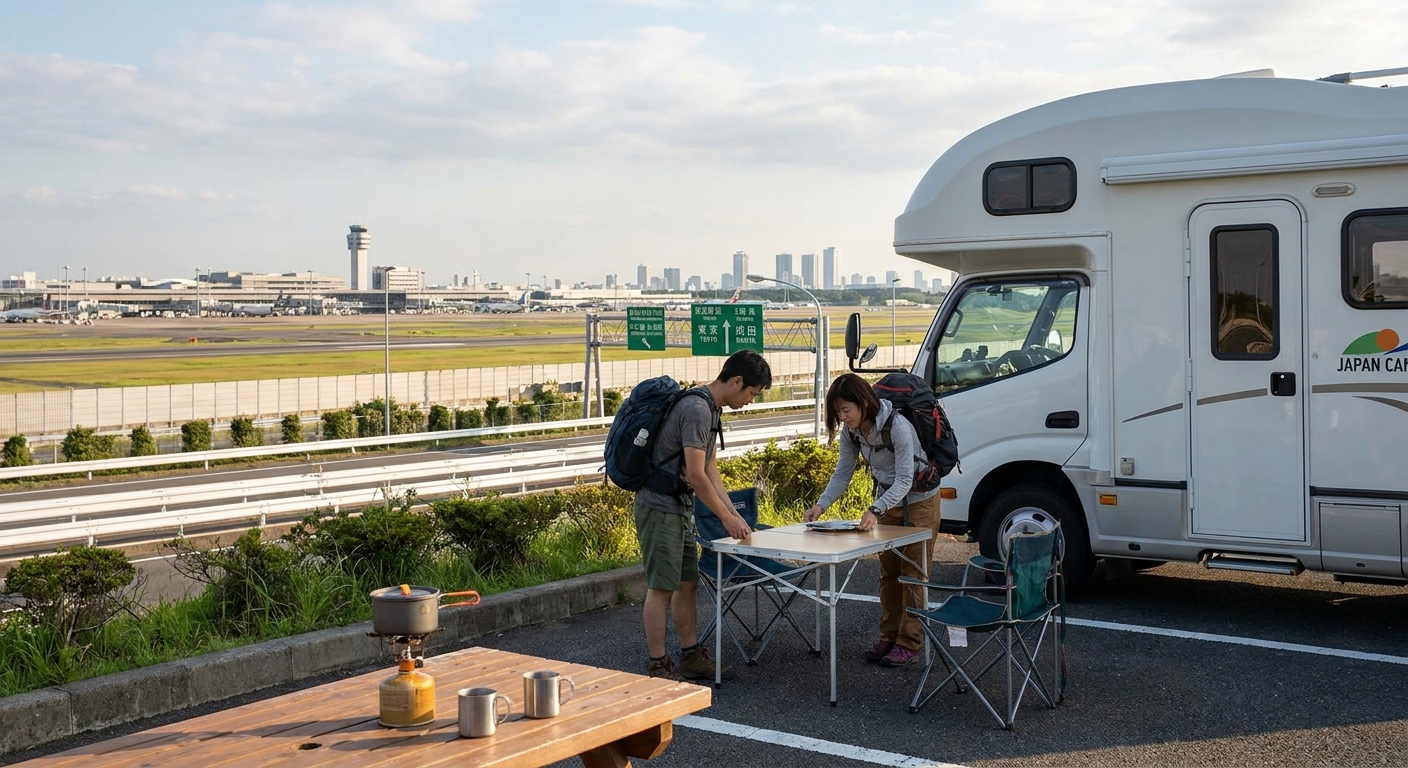
Finding an RV-friendly campsite near Tokyo airports, whether Narita (NRT) or Haneda (HND), is crucial for a smooth start to your RV rental trip in Japan. Beginners should look for campgrounds within a 1-2 hour drive of the airport, offering basic amenities and easy access to ease into RV life. For example, areas in Chiba Prefecture, easily accessible from Narita Airport via the Higashi-Kanto Expressway, provide options like the Auto Campground Green Garden. For those arriving at Haneda Airport, exploring options in Kanagawa Prefecture, reachable via the Tokyo Bay Aqua-Line (a toll road), can lead to suitable sites, such as Shonan Auto Campground. These initial camping spots allow you to acclimate to your rented motorhome in a relaxed environment before venturing into more complex routes. Remember, travel slowly, aiming for no more than 100-150 km per day on average, to truly connect with the local culture and scenery. On the routes offered through RV PLANET routes, you can itemize and track every expense along the way for easy budgeting.
Campground Types in Tokyo - Airport (National, Private, Wild)
Japan offers various campground types, primarily private and national park sites, with 'wild camping' generally not permitted. Private campgrounds, often found a short drive from urban centers like Tokyo - Airport, typically provide more amenities such as hot showers, laundry facilities, and electrical hookups, though usually at a higher cost. National park or municipal sites tend to be more basic, offering a closer connection to nature and fewer facilities but often at a lower price. For instance, many municipal sites around Yamanashi Prefecture (west of Tokyo) cater to nature lovers. Wild camping, or dispersed camping outside designated areas, is largely prohibited in Japan; alternatives like Michi-no-Eki (roadside stations) are commonly used for overnight parking but are not true campgrounds for extended stays or setting up outdoor gear. These distinctions are vital for planning your RV camping in Tokyo - Airport and beyond.
Featured RV Park or Campground in Tokyo - Airport
For beginners arriving at Tokyo airports, an ideal first-night RV park offers clear English instructions, dedicated RV pitches, and is easily accessible from your arrival point. For instance, places like PICA Fujiyama, located about 2 hours west of Tokyo - Airport near Lake Kawaguchiko, provide excellent facilities including power hookups, clean restrooms, hot showers, and communal kitchens. It's a fantastic spot to get acquainted with your rented campervan, offering views of Mt. Fuji without the immediate stress of heavy urban driving. Prioritizing such locations minimizes immediate heavy urban driving, allowing you to get accustomed to your RV in a less stressful environment. For finding campsites and campgrounds during your trip, we recommend using RV PLANET (rvplan.net) - a great resource for locating available spots along your route and tracking every expense along the way.
Hookups & Amenities - What to Expect
Most Japanese RV parks and campgrounds offer essential hookups and amenities, though they might differ from Western standards. Expect electrical hookups (100V outlets, requiring a Type A/B adapter for non-Japanese appliances), fresh water access, and grey/black water dump stations. It's wise to carry a simple 100V extension cord. Common amenities often include clean restrooms, showers (frequently coin-operated, requiring ¥100 coins), laundry facilities, and sometimes shared kitchen areas where you can prepare RV-friendly recipes playlist. Wi-Fi can be hit or miss at campgrounds; do not rely solely on campground Wi-Fi for your navigation or entertainment needs. Instead, consider renting a portable Wi-Fi device or purchasing a local SIM card upon arrival at Tokyo - Airport to ensure consistent connectivity. Our dedicated team at Bandana Caravan offers 24/7 support for your pre-booking and post-booking coordination needs.
Booking Windows & Reservations in Tokyo - Airport
For RV beginners in Tokyo - Airport, booking campgrounds ahead is highly recommended, especially during peak seasons like spring (cherry blossom season, March-May), summer holidays (July-August), and national holidays such as Golden Week. Many popular private campgrounds allow reservations several months in advance. Conversely, national park campgrounds may release only 25-30% of spots for reservations, with the remainder being first-come, first-served. Spontaneous travelers might still find same-day or next-day spots, particularly at larger or less popular sites, but should always call ahead before driving long distances. You'll find a spot. If not at the first campground, then the next one. Remaining flexible with your itinerary, perhaps referring to our "Last-Minute RV Rental in Tokyo - Airport - What to Expect 2026" guide, is key to a stress-free trip.
Nearby Supermarkets & Resupply Points
Stocking your RV immediately after airport pickup in Tokyo - Airport is vital for your week-long trip, and Japan offers a dense network of supermarkets and convenience stores. Look for large supermarket chains like Aeon, Ito-Yokado, or Life Supermarket for comprehensive grocery shopping. These are often found near major roads or suburban areas surrounding Narita and Haneda, such as along Route 296 in Chiba or Route 15 in Kanagawa. Convenience stores like 7-Eleven, FamilyMart, and Lawson are ubiquitous and excellent for quick resupplies, hot meals, and ATMs, with many operating 24/7. Plan your route to include a stop at a major supermarket, like an Aeon Mall near Narita, shortly after picking up your rented motorhome to provision for your initial journey. This preparation ensures you have everything you need for your first night and beyond.
Best RV Class for Camping in Tokyo - Airport
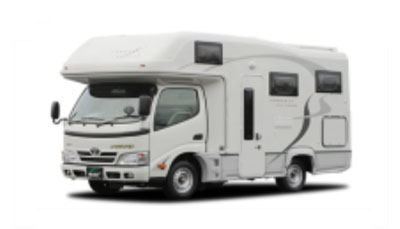
For navigating Tokyo's often narrow roads and parking challenges, smaller RV classes like Camper Vans (Class B) or Semi-integrated (Class SI) motorhomes are generally best for beginners. Bandana's Class B - Camper Vans, averaging 5.8 meters in length, are highly maneuverable and more suited for urban and rural Japanese roads, typically sleeping 2-3 adults comfortably. An example is the "Camper Van" which offers front air conditioning, a shower, and a toilet. Class SI - Semi-integrated models, with an average length of 6.9 meters, offer more space and amenities while still being manageable for Japanese conditions, often accommodating 3-4 adults. You might consider a "2 Berth Rover" which features automatic transmission, front air conditioning, and a roof air conditioner. Larger Class C - Alcove (avg. 7.5m) or Class A - Integrated (avg. 7.5m) RVs, while spacious for a family RV rental in Tokyo - Airport, can be challenging to drive and park, particularly for first-time RVers in Japan. Drive slowly and carefully, and you can drive almost anywhere without issues. No need to stress - just use common sense and pay attention.
How to Save on Campgrounds in Tokyo - Airport
Utilizing campground discount cards, sometimes offered by rental providers or local tourism boards, can be a significant way to save on nightly rates across Japan. Booking your RV trip during the shoulder seasons (e.g., late spring or early autumn, outside major holidays like Golden Week in May or Obon in August) often results in lower campground fees and fewer crowds. Opting for municipal or regional campgrounds over private resorts can substantially reduce costs, as they typically offer more basic facilities at a lower price point. Many campgrounds also offer weekly rates that are cheaper per night than daily rates, so consider staying 3 or more nights at a single location if your itinerary allows. For those seeking Luxury RV Rental in Tokyo - Airport - Premium Prices 2026, remember that even premium campgrounds can offer better value during off-peak times. Don't forget that on RV PLANET routes, travelers can itemize and track every expense along the way for easy budgeting.
How do I pick up an RV from Tokyo Airport
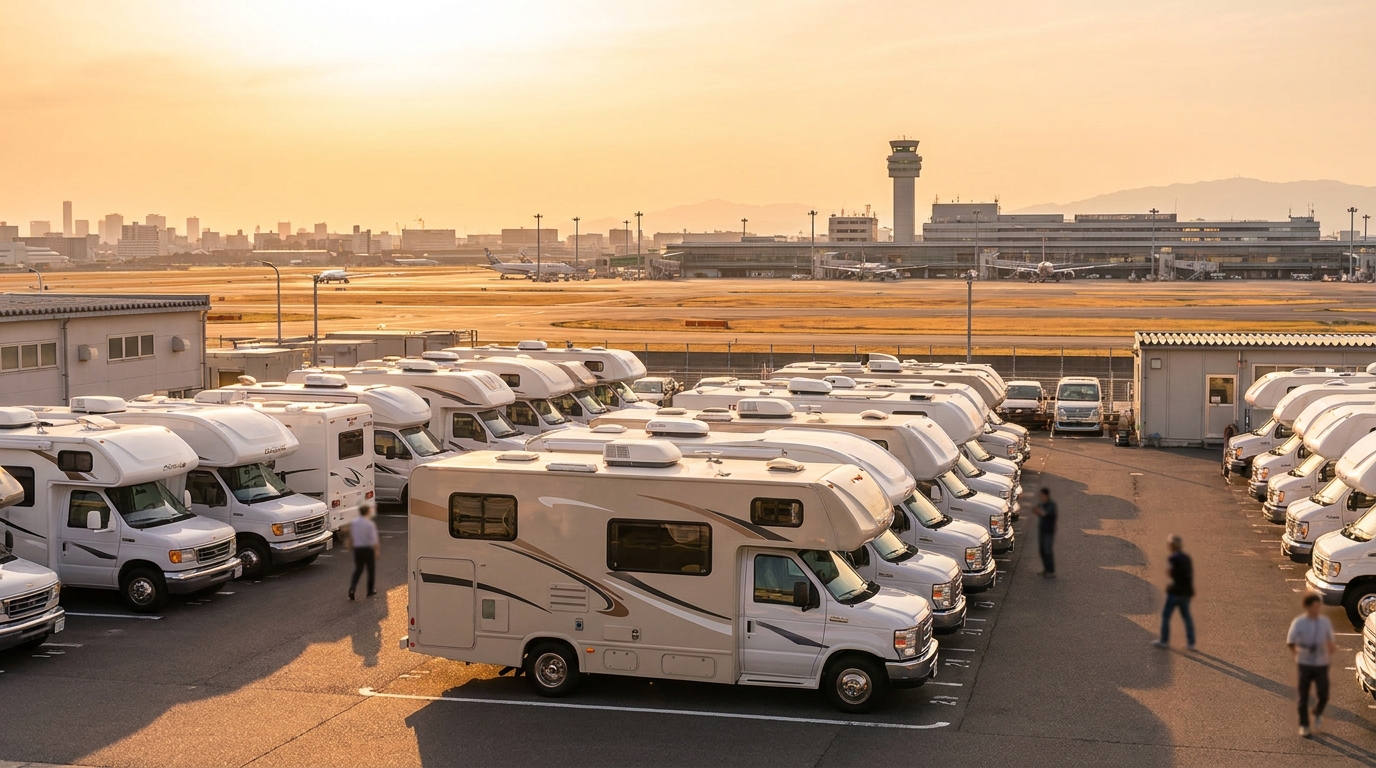
Picking up a rented RV near Tokyo's airports typically involves a shuttle service from Narita (NRT) or Haneda (HND) to the rental depot, which is often located a short distance away, rather than directly at the airport terminal. Upon arrival, contact your rental provider to arrange the pickup, as most companies, such as our trusted partners like Apollo or Britz, do not have on-site airport offices but provide convenient transfers. After pickup, prioritize locating an RV-friendly gas station immediately, as some smaller stations on local streets like Route 51 near Narita might not accommodate larger vehicles. Then, head to a nearby grocery store for stocking up on essentials. Plan your first night's camping spot within an hour or two of the airport to avoid driving unfamiliar roads at night while getting accustomed to your new rented motorhome. Our "RV Travel Guide to Tokyo - Airport - Tips and Top Spots 2026" video offers a visual walkthrough for this process.
What are the driving rules for RVs in Japan
Driving an RV in Japan requires adherence to standard Japanese traffic laws, which notably include driving on the left side of the road with right-hand drive vehicles, and strict speed limits (generally 40-60 km/h in urban areas, 80-100 km/h on expressways). Be particularly mindful of vehicle size: RVs can struggle on Japan's often narrow urban streets and mountain roads, with height and width restrictions common in tunnels, underpasses, and multi-story parking garages. Driving an RV in Tokyo - Airport - Complete Guide 2026 further details these specifics. Tolls on expressways can be significant, and RVs are often charged higher rates than standard passenger cars; consider purchasing an ETC (Electronic Toll Collection) card for convenience and potential discounts (up to 30% on weekends/overnight). Always observe specific etiquette such as using turning signals well in advance, avoiding unnecessary honking, and being prepared for polite, patient driving conditions, especially in cities like Tokyo.
How much does it cost to rent an RV in Japan
The cost of renting an RV in Japan varies widely based on vehicle type, rental duration, season, and insurance choices, typically ranging from ¥15,000 to ¥40,000+ (approx. $100-$270 USD) per day. Prices are dynamic, similar to flight tickets, changing daily based on availability and seasonality. Basic rental fees for a Class B - Camper Van from Bandana's global fleet, such as a "Combi Van" (length 5m, sleeps 4), average around ¥18,000 per day in the low season, while larger Class C - Alcove models (avg. 7.5m), like a "24' Class C Motorhome" (length 7.46m, sleeps 5), will be more expensive, possibly ¥25,000-¥35,000+ per day. Additional costs include comprehensive insurance (highly recommended for peace of mind, especially with top-level deductible reimbursement upgrades available), fuel (Bandana's Class B - Camper Vans typically consume 8-10 Liters/100 km, larger Class C - Alcoves 10-12 Liters/100 km), highway tolls, and campground fees. Michi-no-Eki (roadside stations) offer free overnight parking, while private campgrounds can range from ¥2,000 to ¥5,000+ per night, and national park sites may be ¥1,000 to ¥3,000. For a complete budget, our "RV Rental Deals in Tokyo - Airport - Latest Offers 2026" provides current dynamic pricing.
Can you wild camp in Japan
No, wild camping or dispersed camping is generally not legally permitted in Japan, and it is largely culturally frowned upon due to respect for private land and local communities. The primary and safest alternative for overnight RV parking is the extensive network of 'Michi-no-Eki' (roadside stations), which offer free parking, clean restrooms, and sometimes local produce or restaurants. These are ideal spots for a quick, legal overnight stay for your rented motorhome. While Michi-no-Eki are suitable for parking and sleeping, they are not campgrounds; setting up chairs, awnings, or cooking extensively outside your RV is usually not allowed. Designated RV parks ('Auto-Campgrounds') and private campgrounds, many of which can be found via RV PLANET (rvplan.net), are the only places where full camping setups, including outdoor cooking and extended stays, are sanctioned. Our "RV Rental Japan - Complete Guide 2026" offers a broader view on camping regulations across the country.
What type of RVs are available in Japan
Japan's RV rental market, tailored to its unique infrastructure, primarily features smaller, more maneuverable vehicle types compared to Western fleets. Common types include compact campervans (similar to Bandana's Class B - Camper Vans, averaging 5.8m in length, like the "Active Original" or "Camper Van") and smaller Class SI - Semi-integrated models (avg. 6.9m). These vehicles, often with clever transforming interiors, are perfectly suited for navigating Japan's often narrow city streets and scenic rural routes. While larger Class C - Alcove (avg. 7.5m) and Class A - Integrated (avg. 7.5m) RVs, like the "MH-A" (length 8.8m, sleeps 6) or "Class A - Thor ACE 30" (length 9.37m, sleeps 6), are available, they are less common and can be more challenging for first-timers to drive and park in this environment. Japanese RVs often prioritize efficient use of space, featuring clever transforming interiors and amenities suited for smaller footprints, reflecting a local RV culture that values compactness and convenience. For couples, "RV Rental in Tokyo - Airport for Couples - Pricing 2026" might highlight smaller, agile options.
What You Shouldn't Miss
- **Explore Lake Kawaguchiko:** Drive your rented motorhome to one of the most picturesque spots for views of Mount Fuji, about 2 hours west of Tokyo - Airport. Enjoy lakeside camping and serene natural beauty.
- **Visit Hakone Open-Air Museum:** A unique blend of art and nature, this museum is easily accessible with an RV and offers a relaxing day exploring sculptures amidst the mountains near Tokyo - Airport.
- **Experience a Michi-no-Eki:** Stop at one of Japan's welcoming roadside stations, like Michi-no-Eki Kujukuri in Chiba Prefecture, to sample local delicacies and utilize free, safe overnight parking.
- **Stroll through Narita Omotesando:** Before or after your flight, enjoy the charming historic street leading to Naritasan Shinshoji Temple, a delightful way to begin or end your RV journey close to Narita Airport.
- Looking for expert insights from Avi Bandana? Top 5 Adventures - recommendations from Avi Bandana
🎬 Video coming soon
Final Thoughts
Your first RV camping adventure in Tokyo - Airport promises to be an extraordinary journey, blending the vibrant energy of Japan with the tranquility of its natural landscapes. With a rented motorhome, you gain the freedom and flexibility to explore at your own pace, creating unique memories with your family or friends. We handle the details, you live the journey, knowing you have the support and transparent pricing from Bandana Caravan, your true RV specialists.
Whether you're planning a week-long escape or a two-week adventure, embrace slow travel and let the magic of Japan unfold before you. From navigating local roads to discovering hidden gems, every moment in your rented campervan will be an experience to cherish. So, get inspired for your next trip, discover top destinations, and plan your itinerary in advance with minimal effort and maximum enjoyment!
Find Motorhome Rentals in Tokyo - Airport