In This Guide
- Where to Camp in Switzerland - Top Options
- Campground Types in Switzerland (National, Private, Wild)
- Featured RV Park or Campground in Switzerland
- Hookups & Amenities - What to Expect
- Booking Windows & Reservations in Switzerland
- Nearby Supermarkets & Resupply Points
- Best RV Class for Camping in Switzerland
- How to Save on Campgrounds in Switzerland
- How much does an RV trip in Switzerland cost?
- What are the road rules for RVs in Switzerland?
- Is wild camping allowed in Switzerland?
- When is the best time to RV in Switzerland?
- What are the essential logistics for RV travel in Switzerland?
- What are some Hidden Gems for RV Camping in Switzerland?
- How can I RV Responsibly in Switzerland?
- What You Shouldn't Miss
- Why Book with Bandana Caravan
- Final Thoughts
- Frequently Asked Questions
Embarking on your first RV rental adventure in Switzerland promises an unforgettable journey through stunning alpine landscapes, serene lakes, and charming villages. With a rented motorhome, you gain unparalleled freedom to explore this breathtaking country at your own pace, creating a mobile headquarters for your travels. At Bandana RV, we understand the excitement and questions that come with a first-time RV trip, especially in a destination as unique as Switzerland. Our goal is to provide you with all the essential information and support needed to make your maiden voyage smooth and enjoyable. For live availability and current prices, start with our RV Rental Switzerland - Complete Guide 2026 guide.
Where to Camp in Switzerland - Top Options
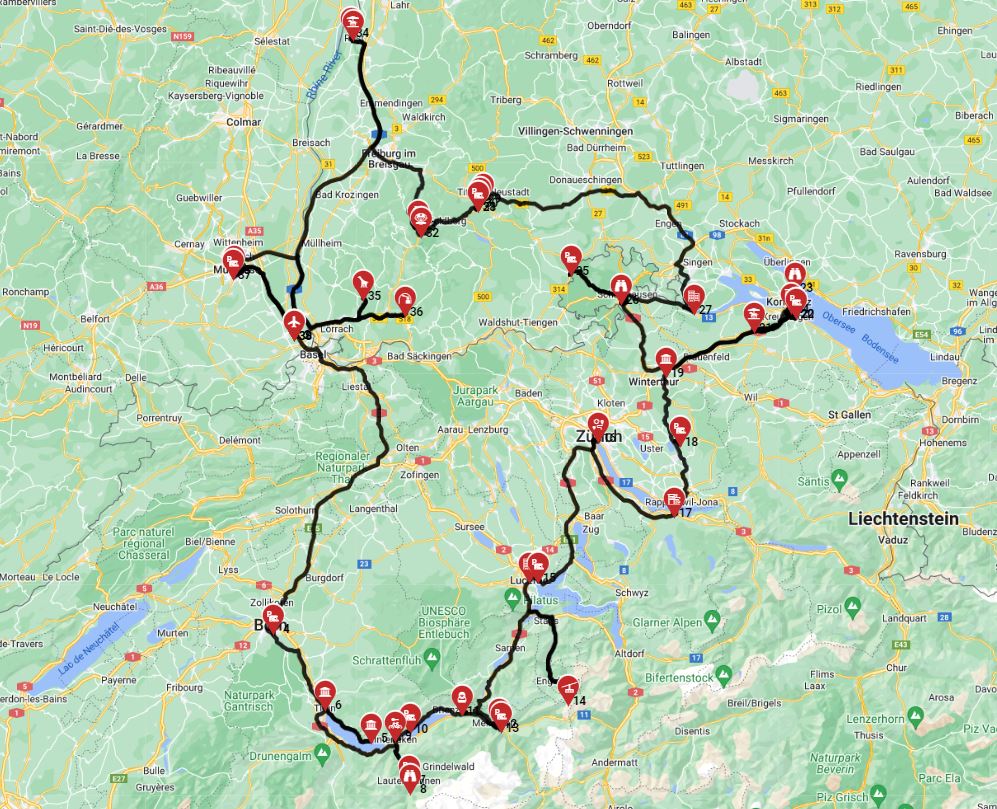
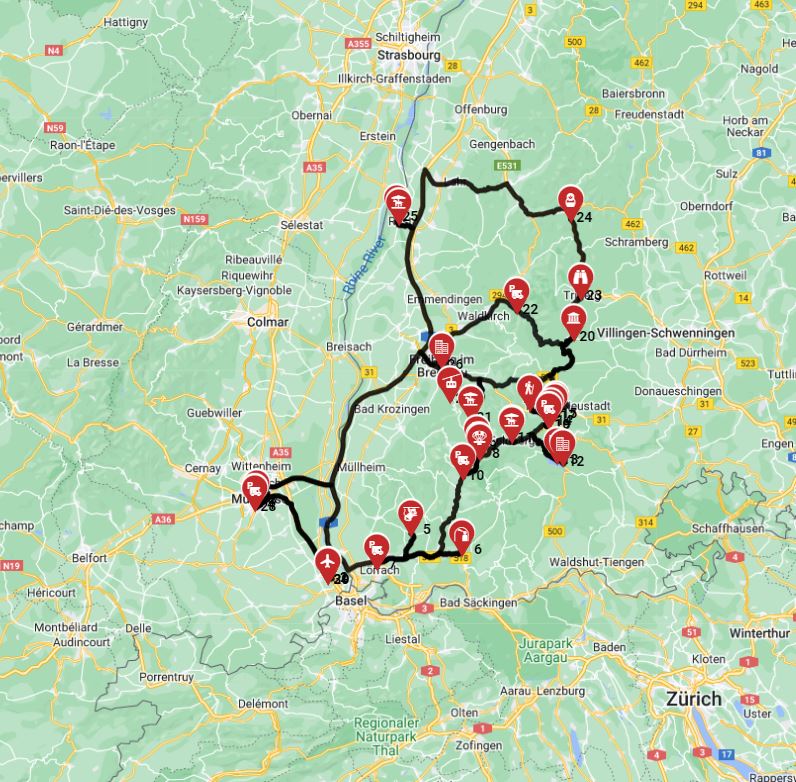
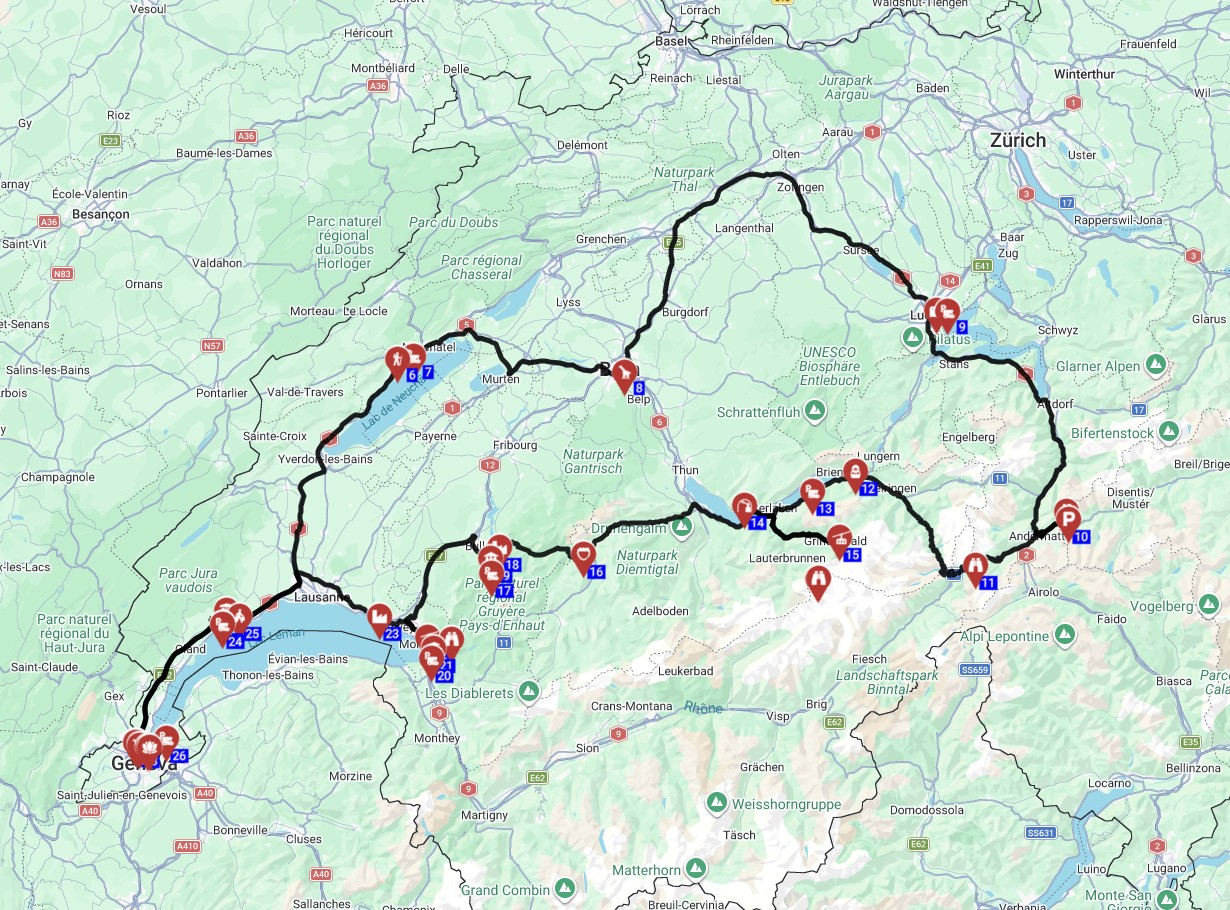
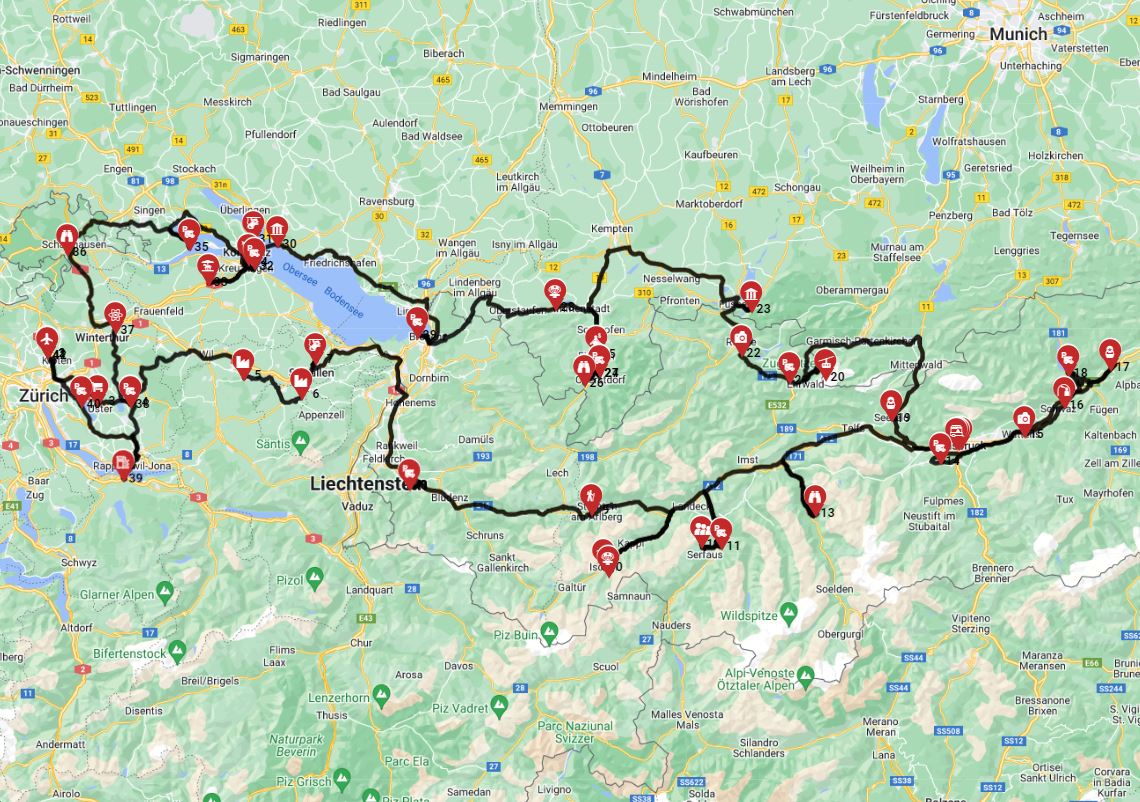
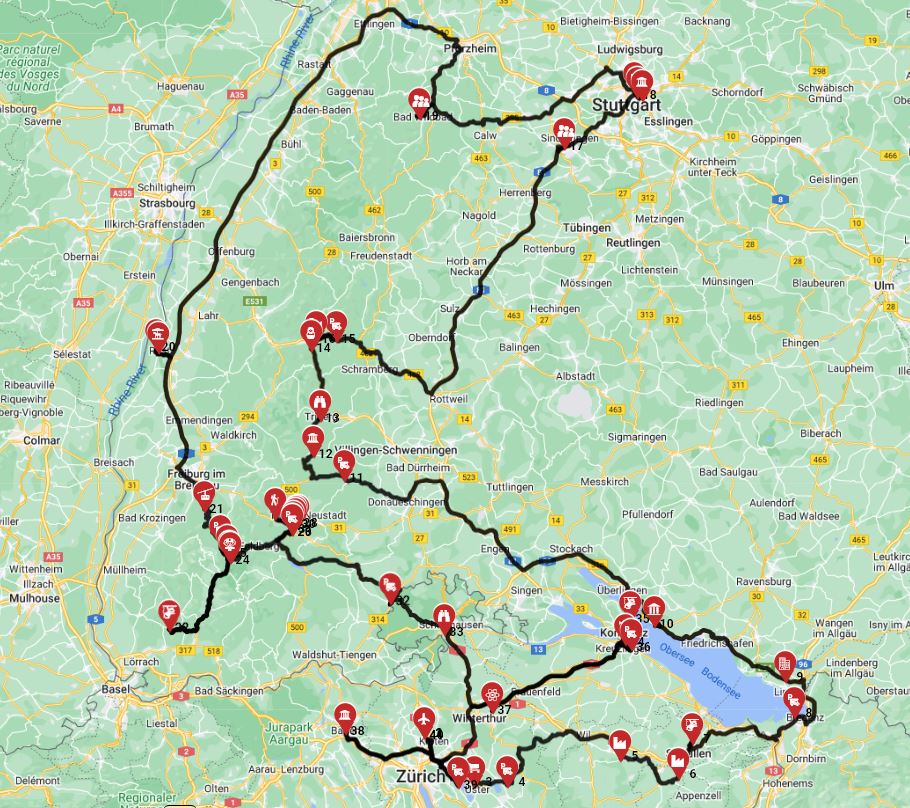
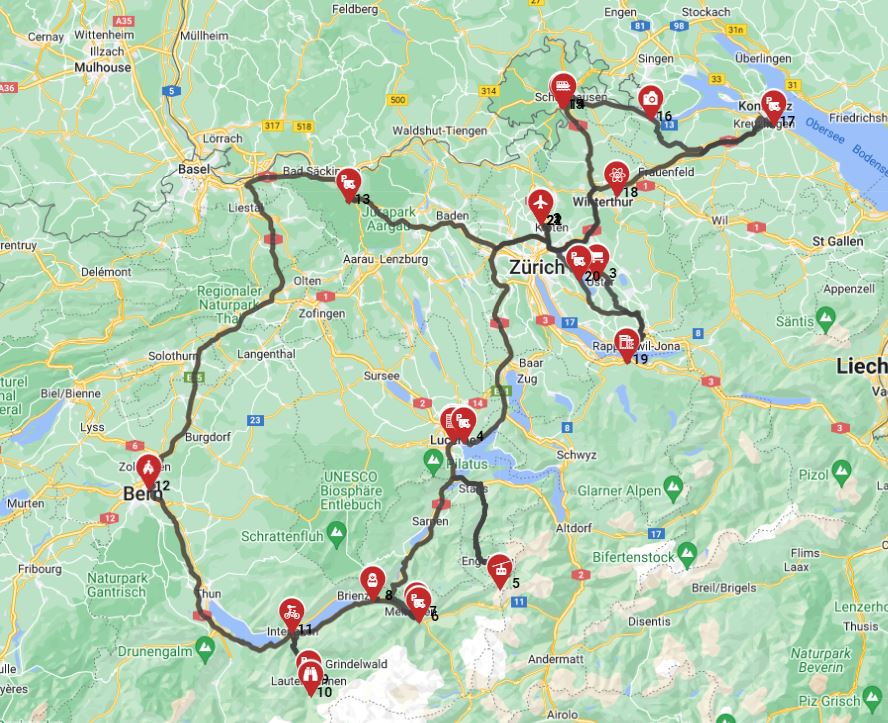
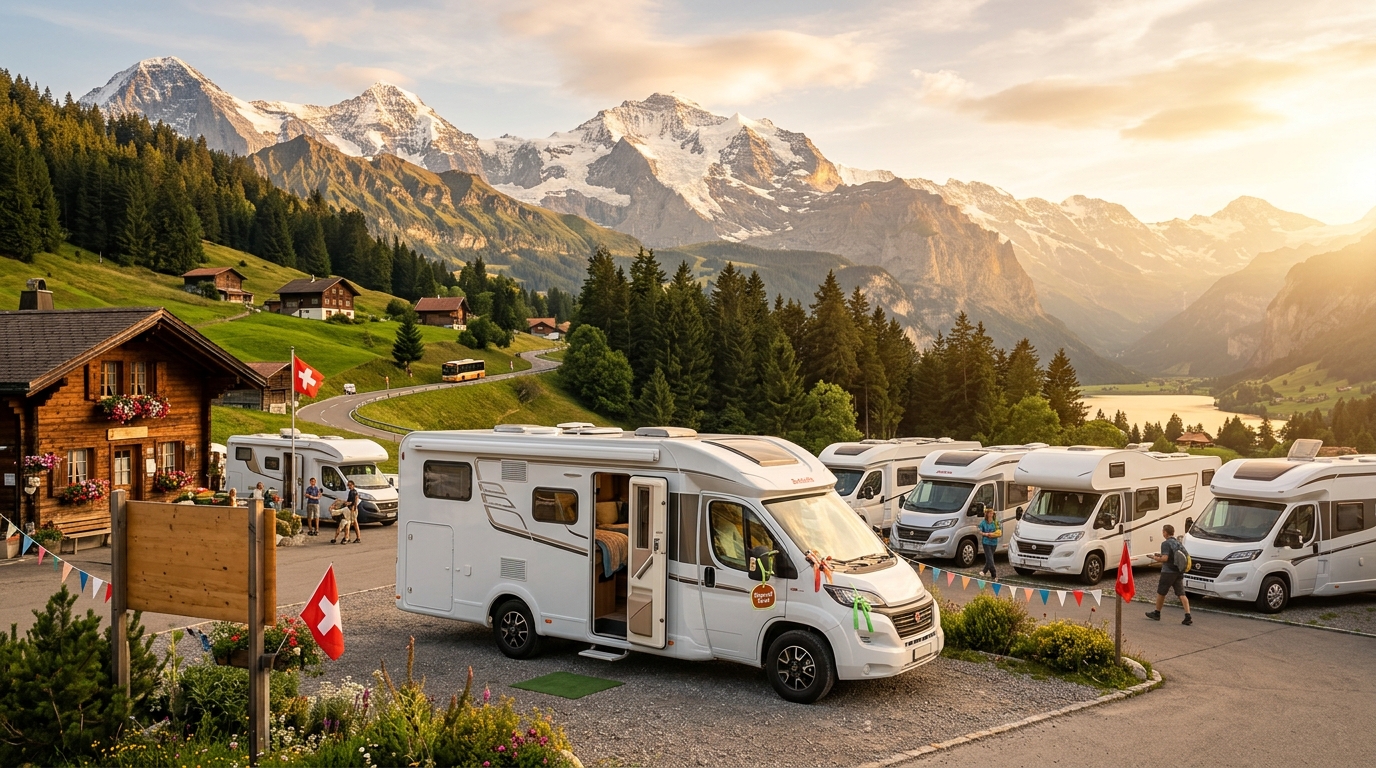
Switzerland offers diverse camping experiences across regions like the majestic Swiss Alps, the serene lake districts, and the charming valleys of Valais or Grisons, providing abundant top options for RV beginners. Established campgrounds near popular destinations such as Interlaken offer excellent mountain adventures, while sites along Lake Geneva provide picturesque lakeside stays. For example, the 16-day "Basel Roundtrip - Switzerland & Black Forest" route includes 5 natural features and several scenic drives, showcasing the variety of locations available.
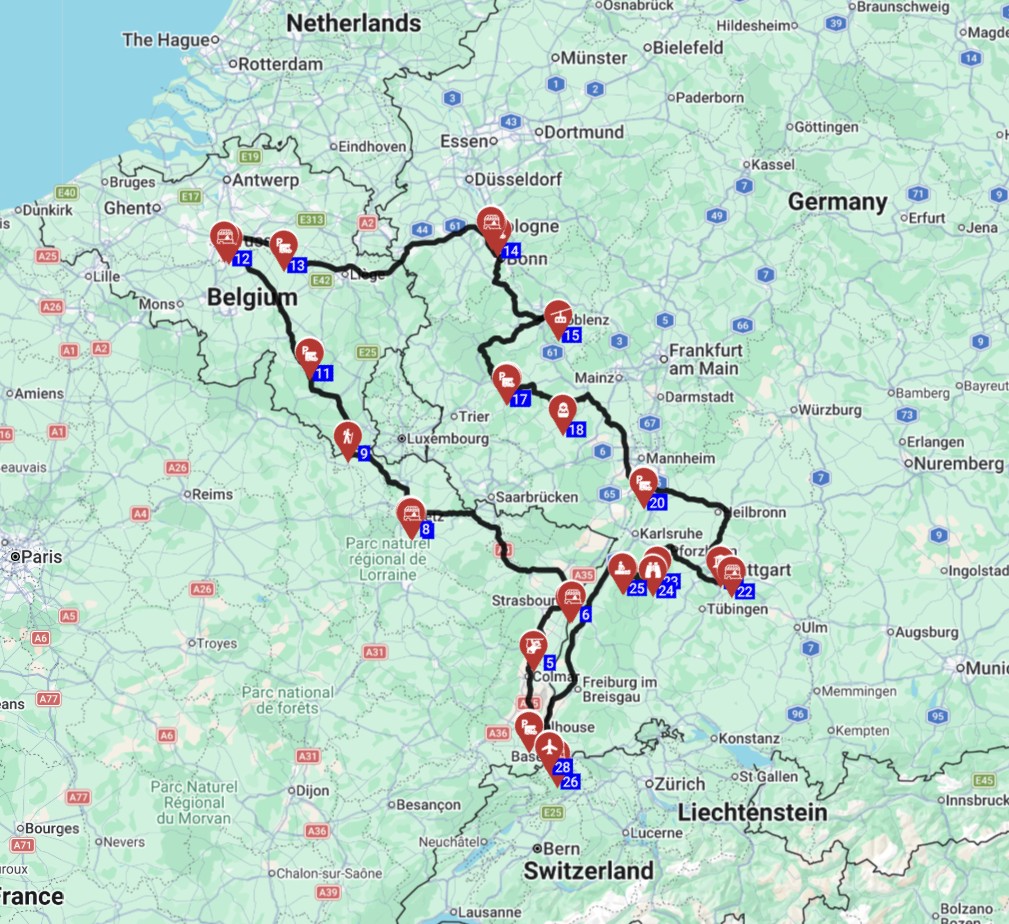
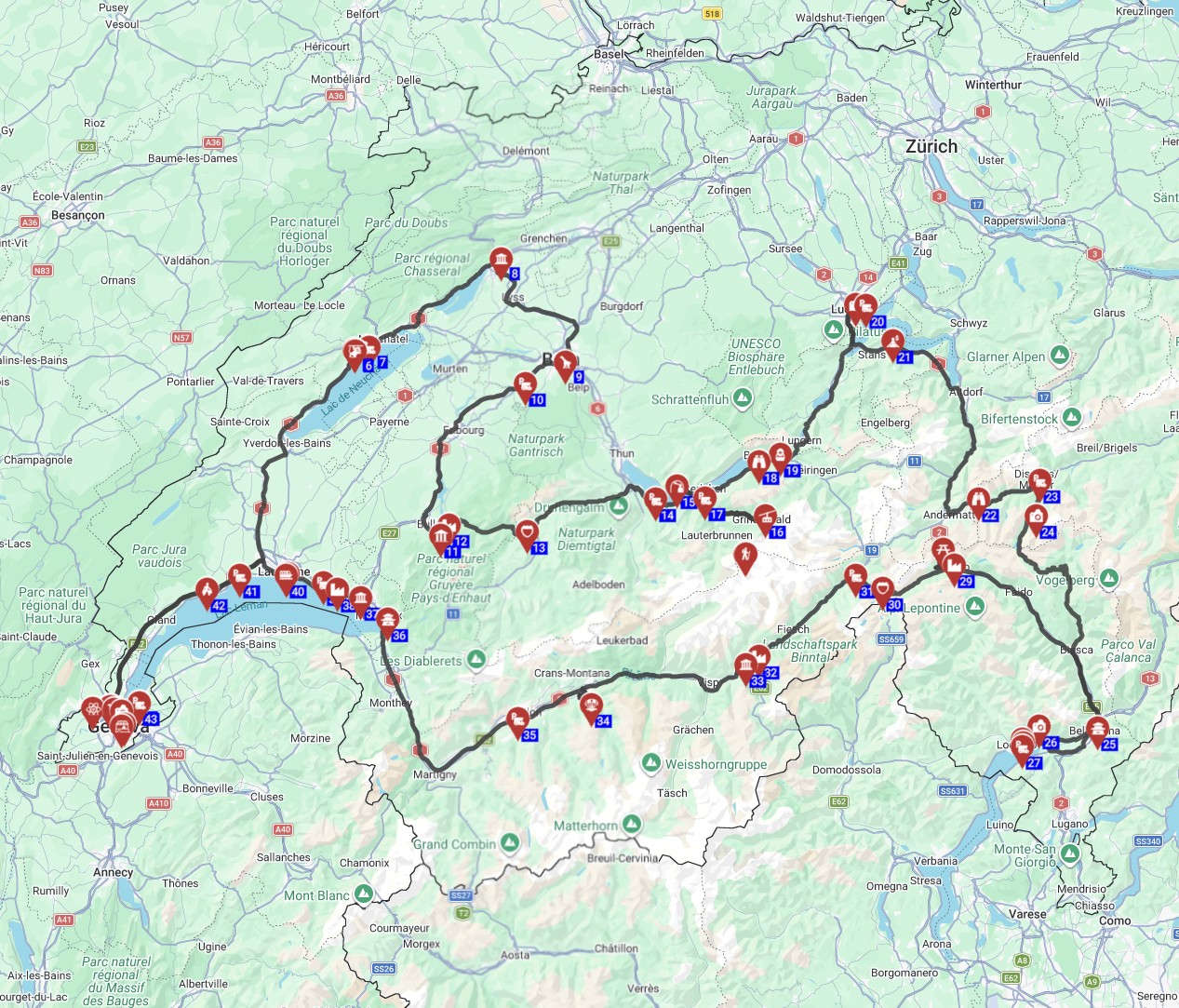
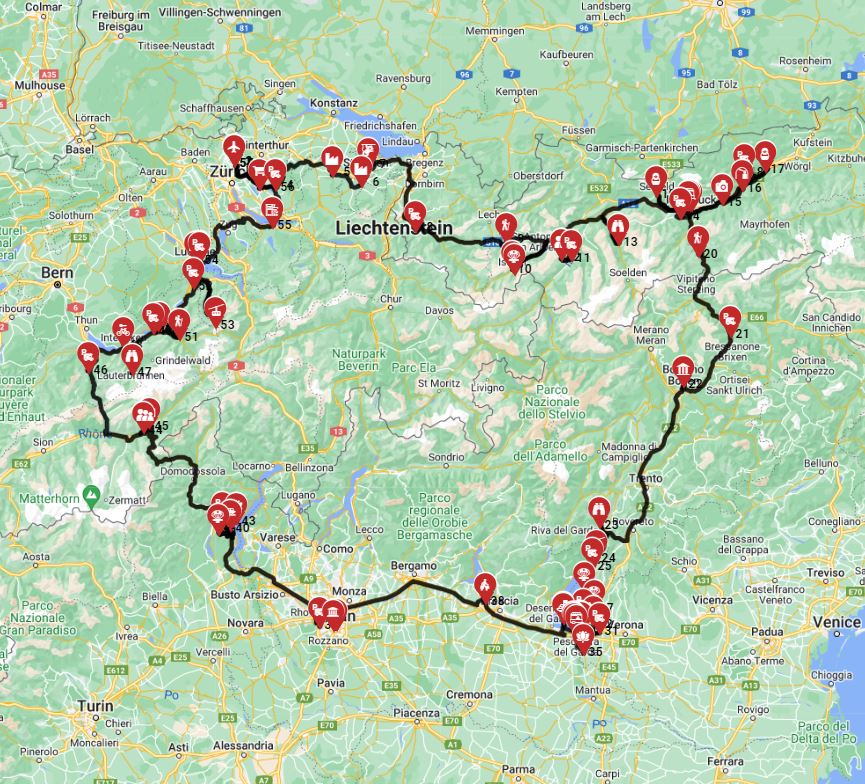
Consider regional hubs like the Bernese Oberland for access to world-class hiking and scenic drives, or the Ticino canton for a taste of Mediterranean climate. Planning a multi-country adventure? The "Nice Roundtrip - French Riviera toward North Italy, Switzerland, and the French Alps" itinerary, spanning 15 days and 1742.8 km, highlights how a rented motorhome can seamlessly connect these diverse regions, offering 2 animals shows, 2 extreme activities, and 1 scenic route as part of the package.
Campground Types in Switzerland (National, Private, Wild)
Swiss campgrounds primarily fall into two categories for beginners: well-equipped private campgrounds and more basic municipal or regional sites, with 'wild camping' generally restricted. Private campgrounds typically offer extensive amenities, including 230V electric hookups, fresh water, modern sanitary facilities, and often restaurants or shops. You'll find a welcoming atmosphere and usually helpful staff ready to assist with any questions you might have. For those seeking even more insights into trip planning, check out the Cheap RV Rental in Switzerland - Budget Guide 2026 for cost-effective strategies.
Municipal and regional sites tend to be simpler, sometimes with fewer amenities, but often boast stunning natural locations at a lower price point. Wild camping (free overnight parking outside designated areas) is largely prohibited in Switzerland, especially in national parks, nature reserves, and agricultural zones. While it may be tolerated in some high-alpine areas above the tree line, strict adherence to Leave No Trace principles is always paramount.
Featured RV Park or Campground in Switzerland
When choosing an RV park in Switzerland, beginners should look for a site that balances scenic beauty with essential amenities and convenient access, ensuring a comfortable stay. Ideal features include well-maintained pitches, reliable hookups for electricity, water, and waste disposal, along with clean sanitary facilities. Proximity to public transport or key attractions is also a major plus, allowing you to easily explore without constantly moving your camper or motorhome. Many top-rated campgrounds in Switzerland are nestled by lakes or rivers, offering stunning views and opportunities for outdoor activities like hiking, cycling, or water sports, while also providing on-site services such as small shops or restaurants.
These campgrounds are typically equipped to handle a range of RV sizes, from compact campervans to larger Class C motorhomes. If you're wondering about fitting in, remember our rule: drive slowly and carefully, and you can drive almost anywhere without issues. No need to stress - just use common sense and pay attention. For those considering options for a week-long trip, our Weekly RV Rental in Switzerland - Pricing 2026 offers valuable insights into rental durations and costs.
Hookups & Amenities - What to Expect
In Switzerland, most full-service RV campgrounds provide essential hookups, including 230V electricity via the standard European CEE blue plug, fresh water, and gray/black water dump stations, ensuring a comfortable stay. You'll generally find modern and clean sanitary facilities with hot showers (sometimes coin-operated), laundry facilities, and often dishwashing areas. This means you can enjoy the comforts of home while surrounded by nature. On the routes offered through RV PLANET routes, you can itemize and track every expense along the way for easy budgeting.
While Wi-Fi is increasingly common, especially at larger private campgrounds, its speed and reliability can vary. For consistent mobile data, consider picking up a local SIM card or an eSIM upon arrival, which will also be helpful for navigation and staying connected. Many sites also offer additional amenities such as children's playgrounds, swimming pools, restaurants, and small shops for basic supplies. If you're comparing rental companies, remember Bandana RV offers full transparency, so you'll know exactly what's included and what's an add-on before you book, unlike some other platforms.
Booking Windows & Reservations in Switzerland
For RV beginners planning a trip to Switzerland, booking campsites in advance is highly recommended, especially during peak season (June to August) and for popular destinations like Interlaken or the Lake Geneva region. While many national and state park campgrounds may reserve only 25-30% of spots, leaving the rest for first-come, first-served, booking ahead guarantees a spot and peace of mind. This is particularly true for those seeking a specific location or traveling with a larger family.
For more spontaneous travelers, calling ahead before driving to a campground, even on the same day, is a wise strategy to check availability and avoid disappointment. During shoulder seasons (spring and autumn), securing a spot last-minute is often easier, offering more flexibility for your itinerary. Remember, you'll find a spot; if not at the first campground, then the next one. Call ahead before driving. Bandana RV supports both pre-planners who like everything organized and spontaneous travelers, helping you compare options whenever you're ready to find an RV rental in Switzerland.
Nearby Supermarkets & Resupply Points
RV travelers in Switzerland will find convenient access to major supermarkets for resupply points in most towns and cities, making it easy to stock up on essentials. Leading supermarket chains like Coop, Migros, and Denner are ubiquitous throughout the country, offering a wide range of groceries, fresh produce, and household items. These stores are generally well-stocked, even in smaller villages, ensuring you can easily replenish your pantry and fridge.
This widespread availability makes it simple to prepare delicious meals right in your rented motorhome's kitchen, saving on dining-out costs. For inspiration on what to cook, check out our RV-friendly recipes playlist. Having a fully equipped kitchen, a standard feature in many campervan and motorhome rentals, allows for flexible meal planning. Larger towns often feature hypermarkets or shopping centers, while even smaller villages typically have a local grocery store for basic needs.
Best RV Class for Camping in Switzerland
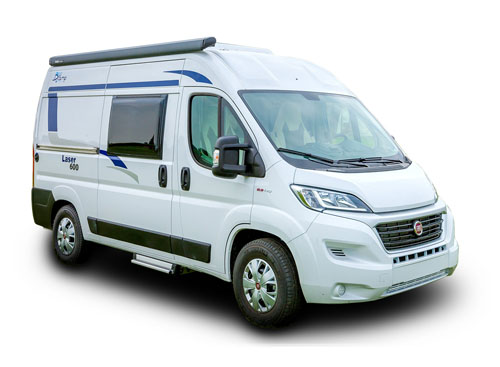
For camping in Switzerland, Class B Camper Vans and Class SI Semi-integrated RVs are generally the most suitable choices for beginners, balancing maneuverability with comfort. Class B Camper Vans, averaging 5.8 meters in length with sleeping for 3.2 people (Bandana's global fleet average), are ideal for navigating narrow alpine roads and finding parking in smaller towns. They offer an agile and fuel-efficient option, typically consuming 8-10 Liters/100 km. Imagine yourself winding through scenic mountain passes in a compact and easy-to-handle campervan!
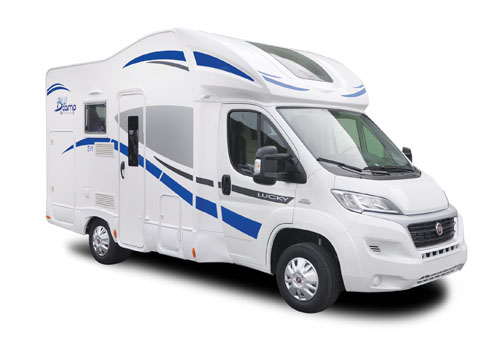
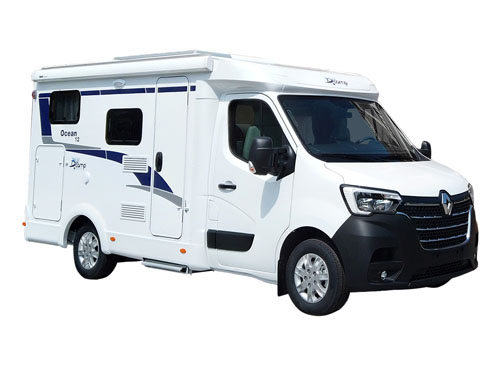
Class SI Semi-integrated RVs, averaging 6.9 meters in length with sleeping for 3.8 people (Bandana's global fleet average), provide a good balance of interior space and relative ease of driving. These are suitable for both established campgrounds and exploring scenic routes, with fuel consumption around 10-11 Liters/100 km. Larger RVs like Class C Alcove (avg. 7.5m) or Class A Integrated (avg. 7.5m) offer more space but can be challenging on very narrow mountain roads and may have limited parking options. We are true RV specialists and can help you choose the best rented camper for your Switzerland adventure. If you're looking for different types of vehicles, such as a "luxury rv rentals example Carthago Malibu 600", Bandana has options to suit various preferences.
🎬 Video coming soon
How to Save on Campgrounds in Switzerland
To save on campground fees in Switzerland, consider using campground discount cards like Camping Card ACSI or Camping Key Europe, which can offer significant reductions during shoulder seasons. These cards can often offset their purchase cost after just a few nights, especially if you're planning a longer trip. Booking stays during the shoulder season (spring or autumn) rather than peak summer can lead to lower rates and fewer crowds, enhancing your overall experience of a rented motorhome journey.
Opt for municipal or regional campgrounds over private resorts, as they often provide more basic facilities at a more budget-friendly price. Many campgrounds also offer weekly rates or discounts for stays of three nights or more, so planning longer stops can significantly reduce your overall costs. For a detailed budget guide, refer to our "Cheap RV Rental in Switzerland - Budget Guide 2026" to find the most affordable ways to enjoy your trip.
How much does an RV trip in Switzerland cost?
The cost of an RV trip in Switzerland for beginners can range from CHF 1,500 to CHF 3,000+ per week, depending on rental specifics, travel style, and duration. Rental costs for a camper typically vary from CHF 100-250 per day, influenced by the RV class (e.g., a Class B Camper Van's fuel consumption is around 8-10 Liters/100 km for a "cruise america example EX-Group A"), season, and booking duration. Remember, prices are dynamic, much like flight tickets, and are set at the actual booking time.
Campsite fees generally fall between CHF 30-70 per night for a pitch with basic hookups, with premium locations or additional amenities costing more. Fuel is a significant expense; expect to pay around CHF 1.80-2.20 per liter for diesel or petrol, with common RVs like a Class SI Semi-integrated consuming 10-11 Liters/100 km. Tolls include the mandatory annual motorway vignette (approx. CHF 40) and additional fees for specific tunnels (e.g., Great Saint Bernard Tunnel) or mountain passes. Groceries and dining are generally expensive in Switzerland, so budgeting for supermarket shopping at chains like Coop or Migros can help manage food costs. When planning your budget, remember that with RV PLANET routes, you can itemize and track every expense along the way for easy budgeting. For more detailed pricing, refer to our "RV Rental in Switzerland - Prices and Best Deals 2026" guide.
What are the road rules for RVs in Switzerland?
RV drivers in Switzerland must purchase an annual motorway vignette (autobahn sticker) for CHF 40, which is mandatory for driving on all Swiss motorways and expressways. This vignette, a small sticker for your windshield, is essential even for short visits to motorways. Speed limits vary by vehicle weight: RVs under 3.5 tonnes typically follow car limits (e.g., 50 km/h in urban areas, 80 km/h outside towns, 120 km/h on motorways), while those over 3.5 tonnes have stricter limits (e.g., 80 km/h outside towns and on motorways).
When navigating narrow alpine roads and mountain passes, drivers should be aware of potential length and weight restrictions, yield to uphill traffic, and be prepared for steep inclines and sharp turns. Drive slowly and carefully, and you can drive almost anywhere without issues. No need to stress - just use common sense and pay attention. For RVs over 3.5 tonnes, there are strict Sunday and public holiday driving bans on heavy goods vehicles, which can impact larger motorhomes. It is crucial to check local regulations to avoid unexpected delays, especially if you're considering a "rent motorhome example D2" or other larger vehicles.
Is wild camping allowed in Switzerland?
Wild camping, or sleeping overnight in an RV outside designated campgrounds, is generally prohibited in Switzerland and can result in fines. The country has strict regulations to preserve its pristine natural environment and respect local communities. While officially illegal in most areas, some municipalities or regions, particularly in high-alpine areas above the tree line and outside of protected zones, may tolerate it for a single night, provided no signs explicitly forbid it.
It is strictly forbidden in national parks, nature reserves, hunting ban areas, and agricultural land, as well as near lakeshores or in urban/residential areas. Beginners should prioritize using official campsites or designated 'Stellplätze' (motorhome parking areas, sometimes with basic services) to ensure legal and responsible overnight stays. Always look for signage and respect private property. For more information on legal overnight options, refer to the "RV Rental Europe - Complete Guide 2026" for broader European context.
When is the best time to RV in Switzerland?
The best time to RV in Switzerland for beginners largely depends on desired activities, but the shoulder seasons (late spring: May-June, and early autumn: September-October) often offer the ideal balance of pleasant weather and fewer crowds. Summer (July-August) provides the warmest weather and full access to all mountain passes and attractions, but also means peak crowds and higher prices for campgrounds and services. If you're considering a "Luxury RV Rental in Switzerland - Premium Prices 2026", traveling in summer might be slightly more expensive.
Spring (April-May) features blossoming landscapes and fewer tourists, though some higher mountain passes may still be closed due to snow, and weather can be unpredictable. Autumn (September-October) offers stunning fall foliage, crisp air, and decreased visitor numbers, but days shorten, and some facilities might begin to close for the winter. Winter RVing (November-March) is possible for those seeking ski adventures, but it requires a specially equipped RV, experience with winter driving, and awareness of many road closures due to snow. No matter when you travel, our 24/7 support means real people are behind you every step of the way, ready to assist before and after your booking.
What are the essential logistics for RV travel in Switzerland?
For connectivity, obtaining a local Swiss SIM card or utilizing an eSIM for mobile data is recommended, as campsite Wi-Fi can be inconsistent in availability and speed. This ensures reliable navigation and communication throughout your journey. Waste disposal is managed at designated dump stations ('Entsorgungsstationen' for gray water and 'Chemietoilette' for black water), which are standard at most campgrounds and some service stations. Always ensure your tanks are emptied before leaving a site, as returning a vehicle with full tanks can incur extra cleaning fees.
Fresh water refills are readily available at all official campsites, and sometimes at public service areas or petrol stations, ensuring a constant supply for your RV's kitchen and bathroom. In case of emergencies, Switzerland uses standard European emergency numbers: 112 for general emergencies, 117 for police, 118 for fire, and 144 for ambulance services. Keep these numbers handy. Remember, you can upgrade to a top-level deductible reimbursement for extra peace of mind during your trip, providing additional security for your rented camper or motorhome.
How can I RV Responsibly in Switzerland?
Responsible RVing in Switzerland prioritizes environmental protection and respect for local communities, aligning with 'Leave No Trace' principles to preserve the country's pristine landscapes. Proper waste management is crucial: always sort and dispose of all trash and recycling at designated facilities, never leave waste behind, and use official dump stations for gray and black water. This minimizes impact on Switzerland's beautiful environment.
Minimize your environmental footprint by conserving water and energy, avoiding excessive noise, and respecting quiet hours at campgrounds (often 10 PM to 7 AM). Always stay on designated roads and campsites; avoid driving or parking on sensitive natural areas, private land, or agricultural fields. Respect local wildlife by maintaining a safe distance and never feeding animals, and be mindful of local customs and regulations, especially regarding noise and waste. Our true RV specialists are here to offer support and guidance before, during, and after your booking, ensuring you have the information to travel responsibly.
What You Shouldn't Miss
- Driving the Grimsel Pass: Experience one of Switzerland's most dramatic alpine roads, offering breathtaking views and winding curves, accessible with a suitable rented campervan.
- Cruising Lake Geneva: Enjoy a scenic boat tour from Montreux or Geneva, soaking in views of vineyards, castles, and the surrounding Alps.
- Exploring the Lauterbrunnen Valley: Witness the valley of 72 waterfalls, including the iconic Staubbach Falls and Trümmelbach Falls, easily accessible from RV-friendly campgrounds near Interlaken.
- Visiting Bern's Old Town: Park your motorhome on the outskirts and take public transport to explore the UNESCO-listed medieval city center, with its arcaded shopping streets and Zytglogge clock tower.
- Hiking in Appenzell: Discover the picturesque rolling hills and traditional farmhouses of the Appenzell region, offering serene trails and a taste of authentic Swiss culture.
- Looking for expert insights from Avi Bandana? Top 5 Adventures - recommendations from Avi Bandana
Final Thoughts
Embarking on your first rented RV adventure in Switzerland is an exciting prospect, full of stunning vistas, memorable experiences, and the freedom only a motorhome can provide. We hope this beginner's guide has equipped you with the knowledge and confidence needed to plan your trip effectively, from understanding road rules and camping options to budgeting wisely.
Remember that the beauty of RV travel lies in its flexibility and the opportunity to truly immerse yourself in the local culture and breathtaking natural scenery. Drive slowly, embrace the unexpected, and know that Bandana RV is here to support you with full transparency and expert advice every step of the way. Your Swiss adventure awaits!
Discover top destinations, planning tips, all in one place! Compare Motorhome Prices for Switzerland