In This Guide
- Where to Camp in Spain - Top Options
- Campground Types in Spain (National, Private, Wild)
- Featured RV Park or Campground in Spain
- Hookups & Amenities - What to Expect
- Booking Windows & Reservations in Spain
- Nearby Supermarkets & Resupply Points
- Best RV Class for Camping in Spain
- How to Save on Campgrounds in Spain
- How much does it cost to rent an RV in Spain
- How do I plan an RV trip in Spain
- What is the best time of year to RV in Spain
- Is it easy to drive an RV in Spain
- What are the rules for driving an RV in Spain
- Are motorhomes allowed in Spanish cities
- Can you wild camp in Spain in an RV
- Do you need an international driving permit for Spain RV rental
- Where can I empty my grey water in Spain
- Can you drink the tap water in Spain in an RV
- How long does it take to drive around Spain in an RV
Embarking on your first motorhome adventure in Spain is an exciting prospect, offering unparalleled freedom to explore its diverse landscapes and rich culture at your own pace. With a rented RV, you transform your vacation into a flexible, rolling adventure, whether you're dreaming of sun-drenched beaches or ancient mountain villages. For live availability and current prices, start with our RV Rental Spain - Complete Guide 2026 guide, which provides a comprehensive overview of everything you need for your journey. We're here to share our expertise and ensure your first RV rental trip in Spain is smooth, memorable, and full of discovery.
Where to Camp in Spain - Top Options
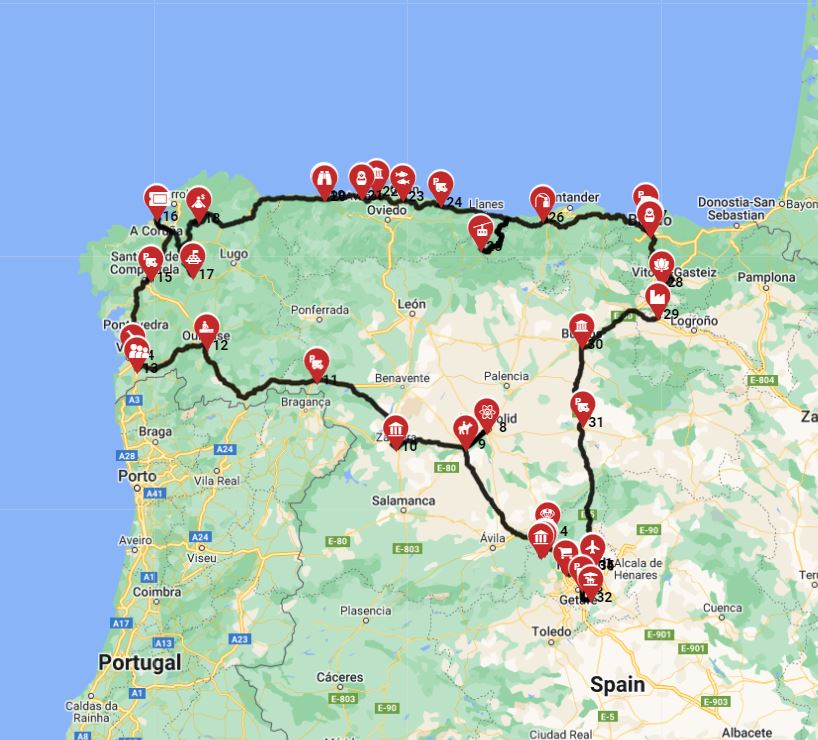
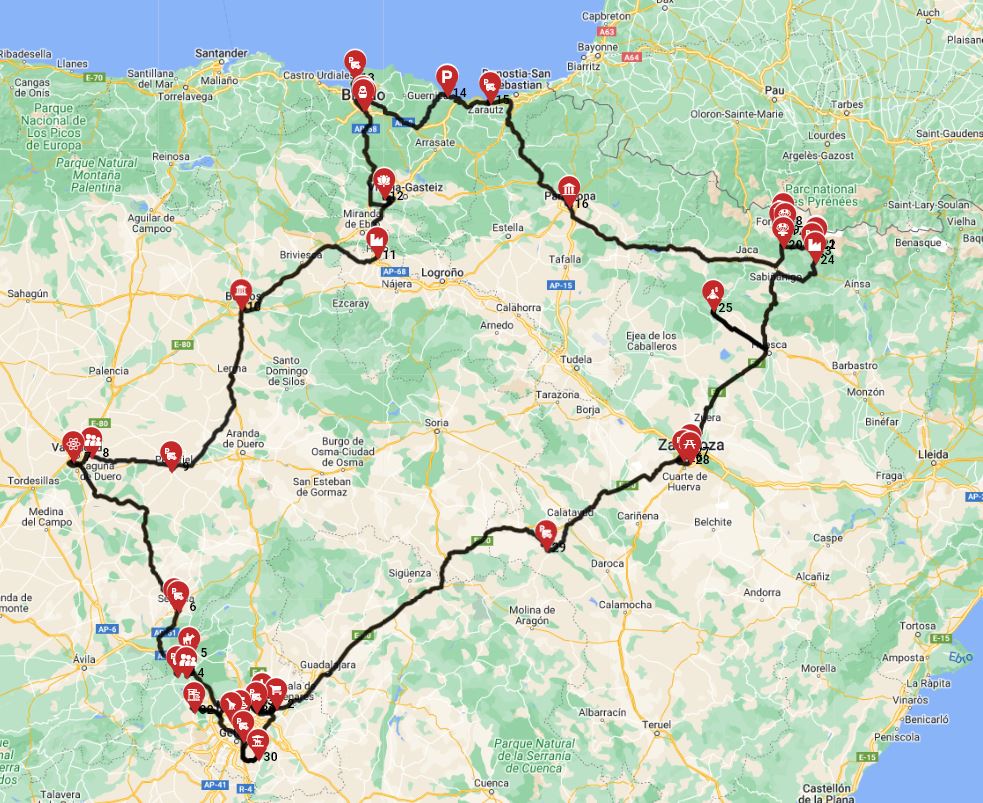
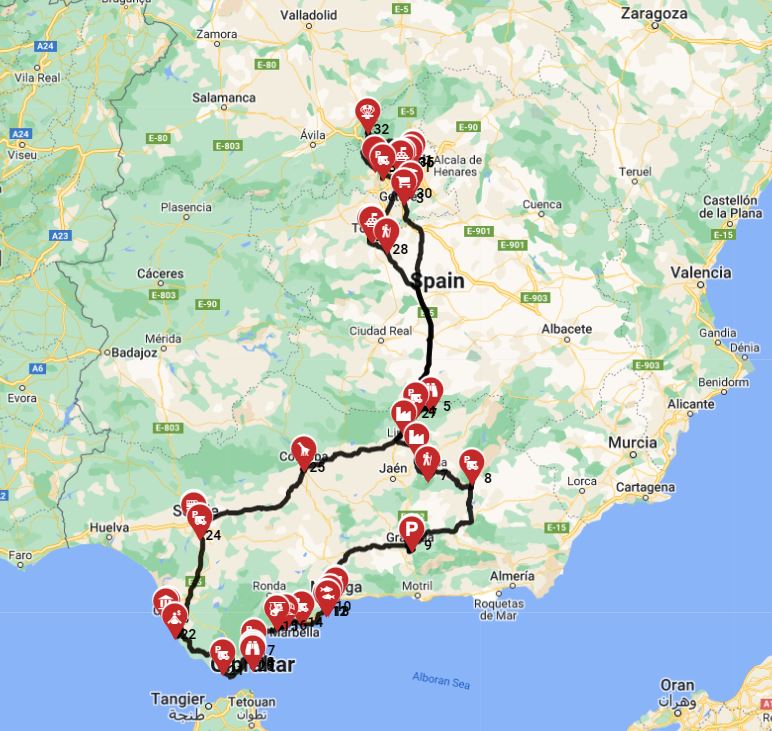
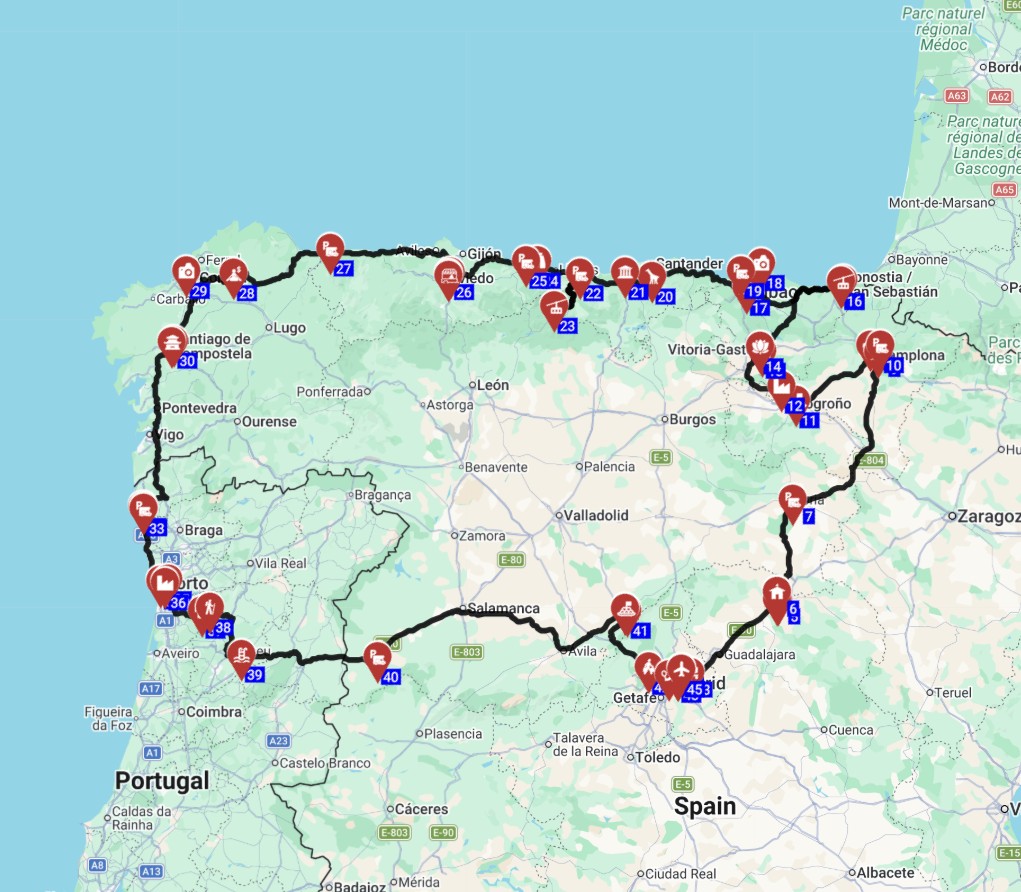
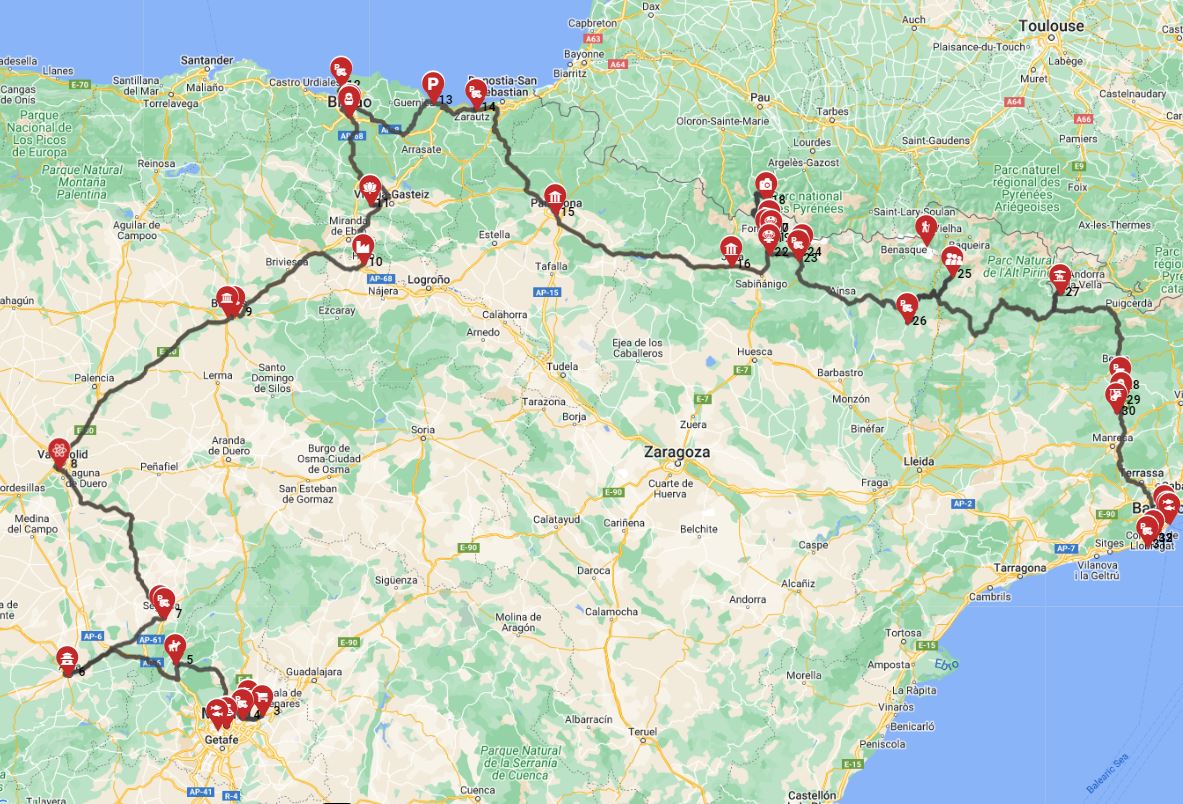
Spain offers diverse camping experiences, from coastal areas in Andalusia and Catalonia to mountainous regions like the Pyrenees and Picos de Europa, ensuring a perfect spot for every taste. Popular regions for RVers include the vibrant Costa del Sol, boasting over 300 days of sunshine annually, the historical cities of Andalusia (like Seville and Granada), and the stunning natural parks in the Pyrenees with countless hiking trails. Imagine waking up to the sound of waves in Valencia with its mix of city life and beach access, or the lush landscapes of the north coast in Galicia and Asturias, famous for charming fishing villages and incredible seafood.
Campground Types in Spain (National, Private, Wild)
In Spain, you'll primarily find private campgrounds with extensive amenities, alongside a limited number of national park sites, while wild camping regulations are strict. Private campgrounds typically offer full hookups for electricity, water, and waste, along with Wi-Fi, laundry, and often pools or restaurants, providing a comfortable experience for around €25-€50 per night in peak season. National park campgrounds, such as those found in the Pyrenees or Doñana, are often more basic, focusing on natural immersion and often have fewer than 50 pitches. Wild camping, or 'pernocta' (overnight parking without setting up camp), is generally only tolerated in non-prohibited areas, not legally free camping; always check local municipal rules as fines can range from €50 to €500.
Featured RV Park or Campground in Spain
For beginners choosing an RV park in Spain, look for sites with excellent reviews for cleanliness, safety, and a good range of amenities, with Camping La Rosaleda in Andalusia being a prime example. This popular site near Conil de la Frontera in Cadiz offers over 300 spacious pitches, full hookups (220V/10A), swimming pools, a restaurant, and a supermarket, making it ideal for families. Prioritize locations close to the attractions you plan to visit, ensuring convenient access to cities, beaches, or hiking trails without excessive daily driving, keeping your travel to the recommended 100-150 km per day average.
Hookups & Amenities - What to Expect
At most Spanish campgrounds, RVers can expect standard hookups for electricity, water, and grey/black water disposal, along with various other amenities designed for comfort. Electricity is typically 220-240V, requiring a standard European CEE blue plug adapter for connection; some campsites may offer 6A or 10A supply. Common amenities include fresh water taps at pitches, dedicated dump stations for convenient waste disposal, Wi-Fi (often for a small fee), laundry facilities with coin-operated machines, and hot showers, especially at private sites. For cooking meals on board your rented mobile home, you’ll find a full kitchen setup in most motorhomes; check out our RV-friendly recipes playlist for delicious meal ideas on the go! On the routes offered through RV PLANET routes, you can itemize and track every expense along the way for easy budgeting.
Booking Windows & Reservations in Spain
Beginners planning an RV trip to Spain should book their campsites well in advance, especially for peak season (June-August) or popular coastal and national park destinations like those in the Canary Islands, which can fill up 3-6 months ahead. While spontaneous travel is certainly possible in the shoulder seasons (April-May, September-October), many national park campgrounds only release 25%-30% of their spots for advance reservations, with the remainder being first-come, first-served. It is always advisable to call ahead to your chosen campground before driving there, particularly if you are traveling spontaneously, to confirm availability.
Nearby Supermarkets & Resupply Points
Spain boasts an extensive network of supermarkets and resupply points, making it easy for RV travelers to stock up on groceries and essentials throughout their journey. Look for major chains like Mercadona, Carrefour, Lidl, and Dia, which are widely available in towns and cities across the country, typically open from 9:00 to 21:00 on weekdays and Saturdays. Planning your route to pass through larger towns will ensure convenient access to comprehensive grocery stores for fresh produce, local delicacies, and specialty items. Many smaller villages also have local markets (mercados) offering fresh, regional products, perfect for authentic culinary experiences on your rented campervan.
Best RV Class for Camping in Spain
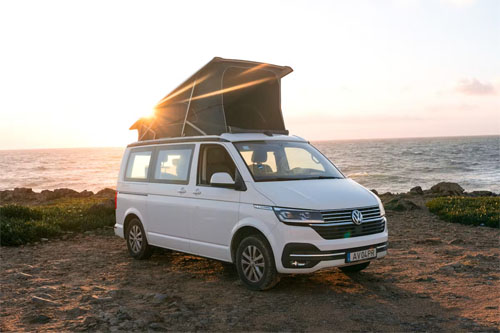
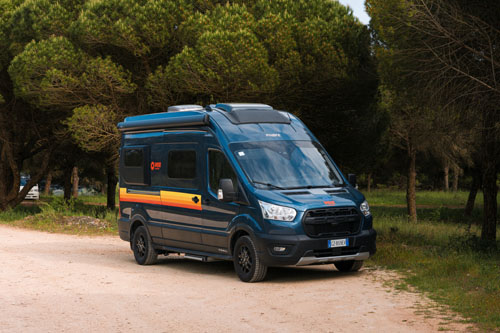
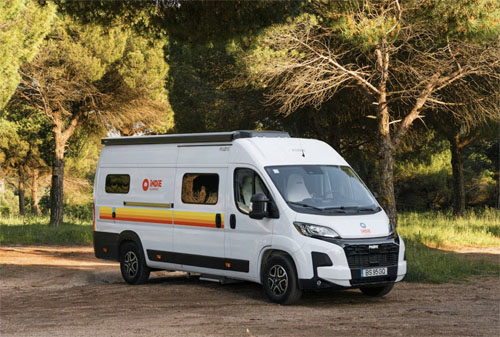
For beginners RV camping in Spain, Class B Camper Vans and Class SI Semi-integrated RVs offer the best balance of maneuverability and comfort, especially on winding coastal roads and in older towns. Class B Camper Vans, often averaging 5.8m in length, are ideal for navigating Spain's narrower roads and city centers, making them flexible for various camping styles and fitting into smaller parking spots; a typical Bandana RV 'Category Van' is 5.13m long with a 2.0L engine. Class SI Semi-integrated RVs (averaging 6.9m in length, such as a 'K2D' with 3 sleeping places or a 'F2' with 3 sleeping places), provide more living space while still being manageable for most private campgrounds, offering a good balance for families with around 3.8 sleeping places and 3.4 adult capacity in our fleet. To ensure a smooth journey, consider renting a motorhome that aligns with your comfort needs and driving confidence.
How to Save on Campgrounds in Spain
RV renters can significantly save on campgrounds in Spain by utilizing discount cards, traveling during off-peak times, and choosing municipal sites over private resorts. Leveraging common camping discount cards like ACSI or CampingCard International, often offering rates as low as €15-€22 per night outside of high season, can reduce nightly rates by 30-50%. Opting for municipal or regional campgrounds (often called 'Áreas de Autocaravanas'), especially during the shoulder season (spring/fall), provides more budget-friendly options and fewer crowds. These 'Áreas' can be free or cost as little as €5-€10 per night for basic services, unlike private sites which can charge €30-€50+ per night in August. Consider flexible travel dates for cheaper RV Rental in Spain - Budget Guide 2026 options.
How much does it cost to rent an RV in Spain
The cost to rent an RV in Spain for beginners encompasses not only the rental fee but also significant expenses like fuel, tolls, groceries, and activities, which vary based on traveler type and season. RV rental prices typically range from €70-€150 per day for smaller campervans (like a Class B 'V3' at 6.36m long) and €120-€250+ for larger motorhomes (such as a Class C 'MIC' with 6 sleeping places, 7.15m long), fluctuating with demand and duration, much like airline tickets. Budget for fuel costs, with Bandana’s Class B Camper Vans (global fleet average) consuming around 8-10 Liters/100 Km and Class SI Semi-integrated RVs at 10-11 Liters/100 Km; Spanish road tolls on autopistas, particularly on routes like Barcelona to Valencia, can add €20-€30 to daily expenses. For detailed budgeting and to itemize every expense along your route, RV PLANET routes are an invaluable resource, helping you track total trip costs and daily expenses.
How do I plan an RV trip in Spain
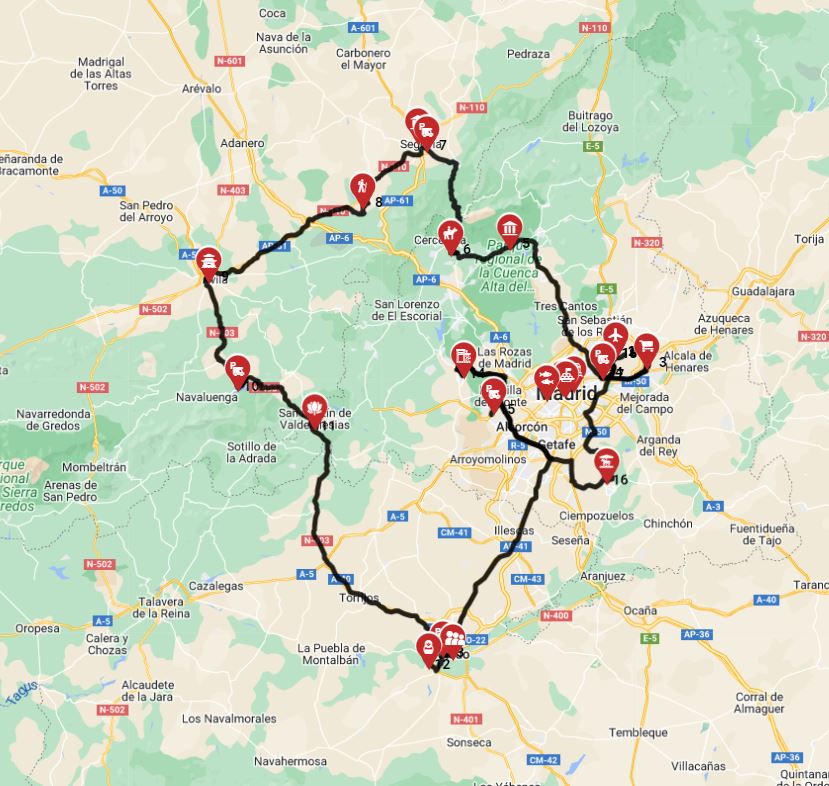
Planning an RV trip in Spain for beginners involves meticulous route selection, accommodation booking, detailed budgeting, and understanding local customs to ensure an authentic and smooth journey. We recommend planning your adventures with tools like rvplan.net to create custom routes, compare rental options, and manage your budget effectively. Beyond logistics, make an effort to research local etiquette and cultural nuances, such as meal times (lunch often starts at 14:00, dinner at 21:00), greetings (two kisses on the cheek for friends), and siesta hours (many shops close 14:00-17:00), to foster respectful and engaging interactions with Spanish locals. Integrate sustainable and responsible RV travel practices, like proper waste management, water conservation, and respecting natural/cultural sites, into your itinerary to minimize environmental impact and preserve Spain's beauty for future travelers.
What is the best time of year to RV in Spain
The best time of year for RV beginners to visit Spain is during the shoulder seasons (April-May and September-October) when the weather is pleasant, and crowds are thinner, offering an ideal balance for exploration. These periods provide comfortable temperatures ranging from 18°C to 25°C, lower rental and campground prices (saving up to 20-30% compared to peak summer), and more relaxed exploration opportunities at popular sites like the Alhambra in Granada. While off-season travel (November-March) can provide benefits like even fewer tourists and unique destination experiences such as winter sports in the Pyrenees, be aware that some coastal services or campsites might have reduced availability.
Is it easy to drive an RV in Spain
Driving an RV in Spain is generally considered easy for beginners, especially with smaller vehicles, though urban navigation and narrow roads in some historic areas require careful attention. Drive slowly and carefully, and you can drive almost anywhere without issues. No need to stress - just use common sense and pay attention. Tailored guidance suggests that Class B Camper Vans (averaging 5.8m in length) are significantly easier to maneuver through tight village streets and city traffic compared to larger Class C (7.5m) or Class A (7.5m) motorhomes. Advanced safety tips for RV travel in Spain include ensuring all cabin items are secured before driving, being mindful of local driving habits (which can be more assertive in cities), and checking your vehicle's dimensions (height/width) for restrictions before entering tunnels, low bridges, or parking garages. Remember, a standard car driver's license is sufficient for all motorhome classes in Spain.
What are the rules for driving an RV in Spain
The rules for driving an RV in Spain primarily involve adherence to standard Spanish traffic laws, including specific speed limits for larger vehicles, and understanding the country's extensive toll road network. For motorhomes over 3,500 kg, the maximum speed limit on motorways (autopistas/autovías) is 90 km/h, and 80 km/h on national roads. Detailed guidance on navigating Spain's toll roads (autopistas) highlights various payment methods like cash, credit cards, or electronic tags (e.g., Via-T/Telepeaje); strategies for avoiding tolls by using national roads (autovías) can offer cost savings, though they may increase travel time. It is mandatory to carry your driving license, vehicle registration, and insurance documents, along with two reflective vests for all occupants and two warning triangles in your RV at all times; a spare set of glasses for spectacle wearers is also legally required.
Are motorhomes allowed in Spanish cities
Motorhomes are generally allowed in Spanish cities, but navigating and parking them can be challenging, especially in historic centers or areas with restricted access for larger vehicles. Many larger cities, particularly those with environmental concerns, have established Low Emission Zones (ZBE – Zonas de Bajas Emisiones), such as those in Madrid and Barcelona, which may restrict access for older or larger vehicles without appropriate permits. For ease and convenience, it's often recommended to park your rented motorhome in designated outskirts parking areas or campgrounds and use public transportation to explore the city centers. Drive slowly and carefully, and you can drive almost anywhere without issues. No need to stress - just use common sense and pay attention.
Can you wild camp in Spain in an RV
Wild camping (or 'pernocta', meaning overnight parking) in an RV in Spain is generally tolerated in non-prohibited areas, but establishing a full camp with chairs, tables, or awnings is often restricted and can lead to fines. The legality varies significantly by region and municipality; some areas, particularly coastal zones and natural parks, have strict prohibitions against any form of overnight RV parking outside designated sites. Beginners should consult local regulations, use reputable apps like Park4Night for verified spots and user reviews (often including photos and service details), and always adhere to 'leave no trace' principles to support responsible RV travel and avoid fines of up to €200. This flexibility of finding a spot, even if not at the first campground, helps spontaneous travelers on their RV Rental in Spain - Prices and Best Deals 2026 journeys.
Do you need an international driving permit for Spain RV rental
Non-EU citizens typically need an International Driving Permit (IDP) to legally rent and drive an RV in Spain, presented alongside their valid national driver's license. The IDP serves as an official translation of your driver's license into multiple languages, facilitating easier understanding by Spanish authorities, and is particularly recommended if your national license is not in English. Drivers from EU countries generally do not require an IDP, as their national licenses are valid for driving in Spain, provided they are over the minimum rental age of 21 (with no young driver surcharges for any vehicle class from Bandana RV's partners). For those planning a longer trip, consider our Weekly RV Rental in Spain - Pricing 2026 options.
Where can I empty my grey water in Spain
In Spain, grey water from your RV must be emptied at designated dump stations, commonly found at official campgrounds and specific service areas (áreas de autocaravanas), which often have dedicated grey water grates. It is illegal and environmentally harmful to discharge grey water onto the ground, into storm drains, or in non-designated areas, with potential fines starting from €100. Utilize RV-specific navigation apps or maps (such as those offered via rvplan.net) to locate the nearest service points for both grey and black water disposal, supporting comprehensive information on sustainable and responsible RV travel in Spain and maintaining the country's natural beauty. These service points are usually clearly marked with signs indicating 'Vaciado de Aguas Grises' (grey water emptying).
Can you drink the tap water in Spain in an RV
While tap water in most Spanish cities and towns is generally safe to drink, its quality can vary by region and source, making a filtration system advisable for RV tanks and personal consumption. It's recommended to refill your RV's fresh water tank at official campgrounds or designated potable water stations (often marked 'Agua Potable') to ensure the highest quality. For added assurance, many RVers prefer to use an onboard water filter, boil water for consumption when cooking on board your rented mobile home, or carry bottled water, especially for beginners unsure of local water sources. This simple precaution helps maintain good health throughout your motorhome journey. If you're exploring the broader region, refer to our RV Rental Europe - Complete Guide 2026 for continent-wide tips.
How long does it take to drive around Spain in an RV
The duration required to drive around Spain in an RV largely depends on your desired itinerary, pace, and the number of stops, but a comprehensive tour often spans 3-4 weeks to truly experience its diverse regions. For beginners, focusing on a specific region, such as Andalusia or the Green Spain coastal route, for 7-14 days is recommended to allow for a more relaxed pace and deeper cultural immersion, avoiding the rush of trying to see too much. Remember to travel slowly, aiming for a maximum of 100-150 km per day on average, to truly feel the place, connect to the culture, the food, and the scenery. Digital nomads or long-term travelers should plan for extended stays ranging from weeks to several months in different regions, carefully considering visa requirements for non-EU citizens for stays exceeding 90 days. For those interested in longer trips, exploring options like One-Way RV Rental in Spain - Price Guide 2026 might be beneficial.
What You Shouldn't Miss
- Explore Granada's Alhambra: Discover the breathtaking Moorish palace and fortress complex, a UNESCO World Heritage site, by parking your campervan at a nearby site and taking public transport into the city.
- Drive the Andalusian White Villages Route: Traverse the picturesque 'Ruta de los Pueblos Blancos' in your motorhome, winding through charming hilltop towns like Ronda and Grazalema, renowned for their stunning views and local cuisine.
- Hike in Picos de Europa National Park: Experience the rugged beauty of northern Spain with a hike in this magnificent national park, where you can find dedicated motorhome parking areas before heading out on trails.
- Savor Tapas in Seville: Park your RV outside the city center and immerse yourself in Seville's vibrant culture, enjoying flamenco and indulging in delicious tapas at traditional bars.
- Discover the Coastal Charms of Catalonia: Drive your rented caravan along the Costa Brava, stopping at idyllic fishing villages such as Cadaqués and Calella de Palafrugell, enjoying Mediterranean views.
- Looking for expert insights from Avi Bandana? Top 5 Adventures - recommendations from Avi Bandana.
Final Thoughts
Embarking on your first rented RV adventure in Spain opens up a world of possibilities, from exploring vibrant cities to unwinding in serene natural parks. With the right preparation, choosing the ideal motorhome, and understanding local regulations, you're set for an unforgettable journey. Remember that flexibility and a relaxed pace are your best companions, allowing you to truly soak in the rich culture and stunning scenery Spain has to offer.
We're here to support you every step of the way, providing transparent pricing, expert advice, and a wide selection of top-quality campervans. So, take the leap, embrace the open road, and let Spain captivate your heart with a motorhome rental. Life truly is now!
🎬 Video coming soon
Ready to plan your unforgettable Spanish RV trip? Compare Motorhome Prices for Spain today and start your adventure!