In This Guide
- Where to Camp in Scotland - Top Options
- Campground Types in Scotland (National, Private, Wild)
- Featured RV Park or Campground in Scotland
- Hookups & Amenities - What to Expect
- Booking Windows & Reservations in Scotland
- Nearby Supermarkets & Resupply Points
- Best RV Class for Camping in Scotland
- How to Save on Campgrounds in Scotland
- What is the best month to RV in Scotland?
- How much does it cost to rent an RV in Scotland?
- How difficult is it to drive an RV in Scotland?
- Where can you go wild camping in Scotland?
- What is the best motorhome for touring Scotland?
- Are there tolls in Scotland for RVs?
- What documents do I need to rent an RV in Scotland?
- What side of the road do they drive on in Scotland?
- Is it worth it to RV in Scotland?
- Do you need a special license to drive an RV in Scotland?
- Is it easy to find campsites in Scotland?
- Emergency Preparedness and Connectivity on Your Scottish RV Trip
- RVing with Families, Pets, and Diverse Needs in Scotland
- What You Shouldn't Miss
- Top Cities for RV Rental in Scotland
- Practical Info for Your Scotland RV Adventure
Embarking on your first RV rental adventure in Scotland is an exciting prospect, promising breathtaking landscapes, historic castles, and the freedom of the open road. Imagine waking up to the gentle lapping of loch waters or the mist-shrouded peaks of the Highlands right outside your window. At Bandana RV, we specialize in helping first-time RVers navigate every step, ensuring your Scottish journey is smooth, transparent, and utterly unforgettable. For live availability and current prices, start with our RV Rental Scotland - Complete Guide 2026 guide, offering all the essentials for a perfect trip.
Where to Camp in Scotland - Top Options
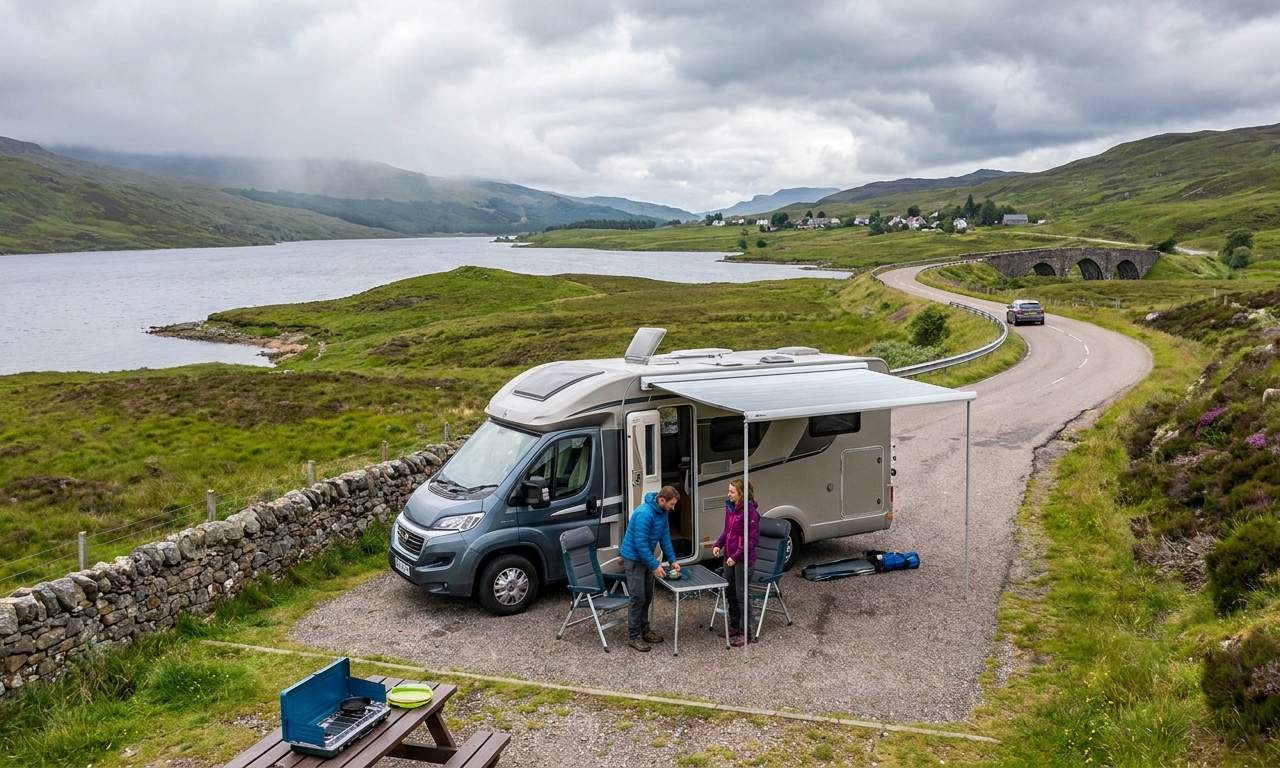
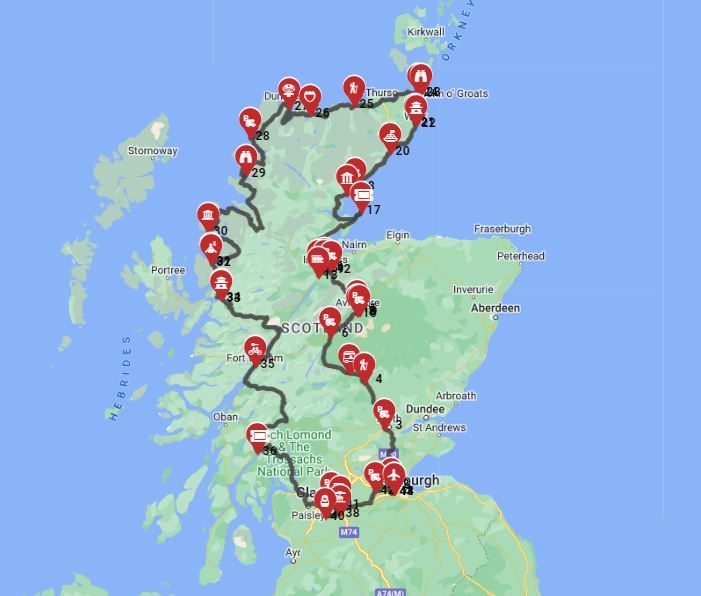
Scotland offers diverse camping experiences from scenic coastal sites to secluded Highland retreats, ensuring every RV traveler finds their perfect spot. Popular regions for RV camping include the dramatic landscapes of the Highlands, the serene lochs of Argyll & Bute along the west coast, and the historic East Coast with its charming fishing villages.
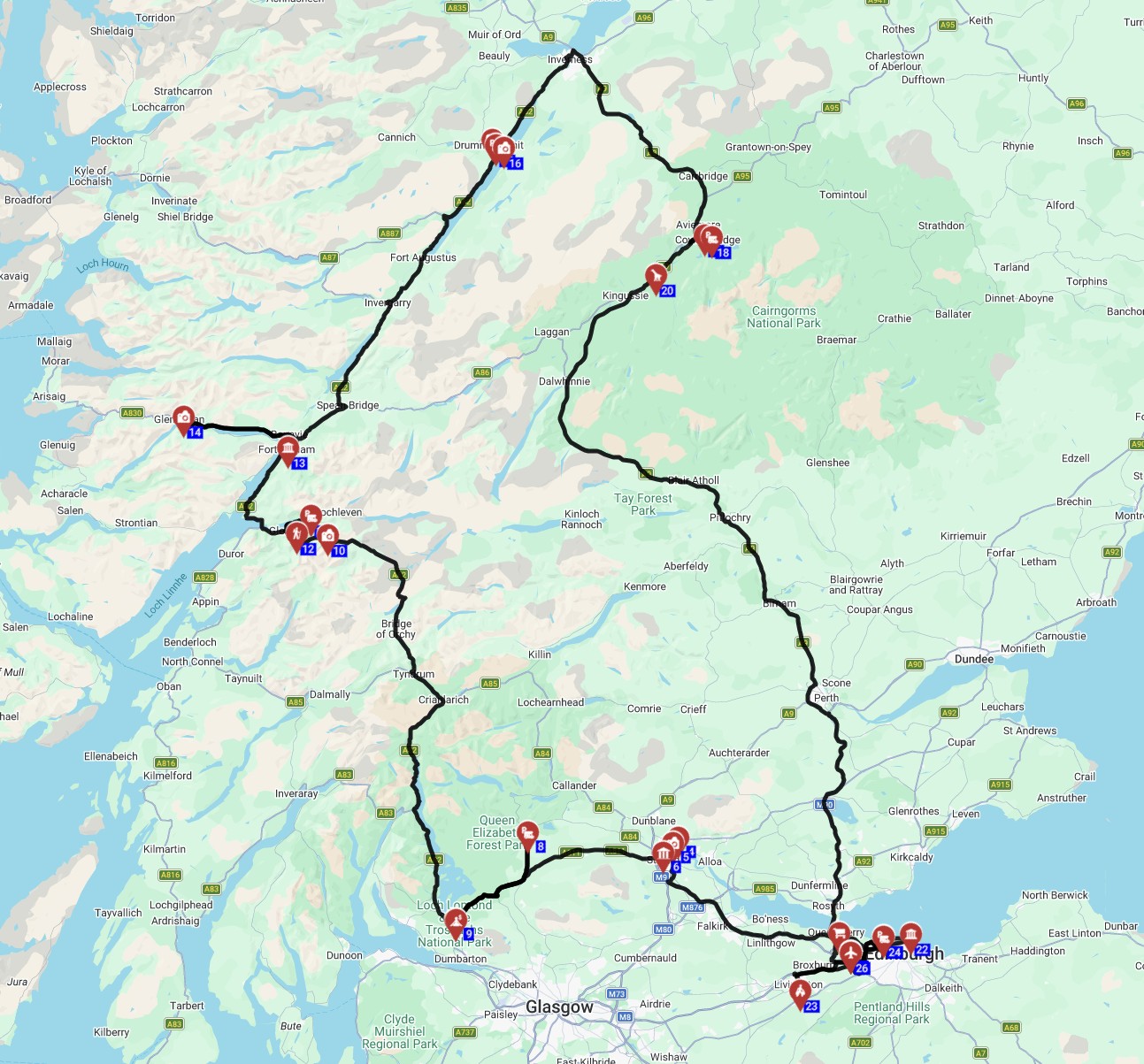
For accessible natural beauty and well-maintained facilities, consider areas around Loch Lomond & The Trossachs National Park, which boasts over 20 campsites within its boundaries. If you dream of wilder experiences, venture further north for sites near the Cairngorms National Park, offering stunning mountain backdrops and opportunities for hiking. Coastal campsites, particularly those on the Isle of Skye or along the North Coast 500 route, often provide stunning sea views and fresh air, while inland sites like those in Perthshire offer forest access and proximity to walking trails.
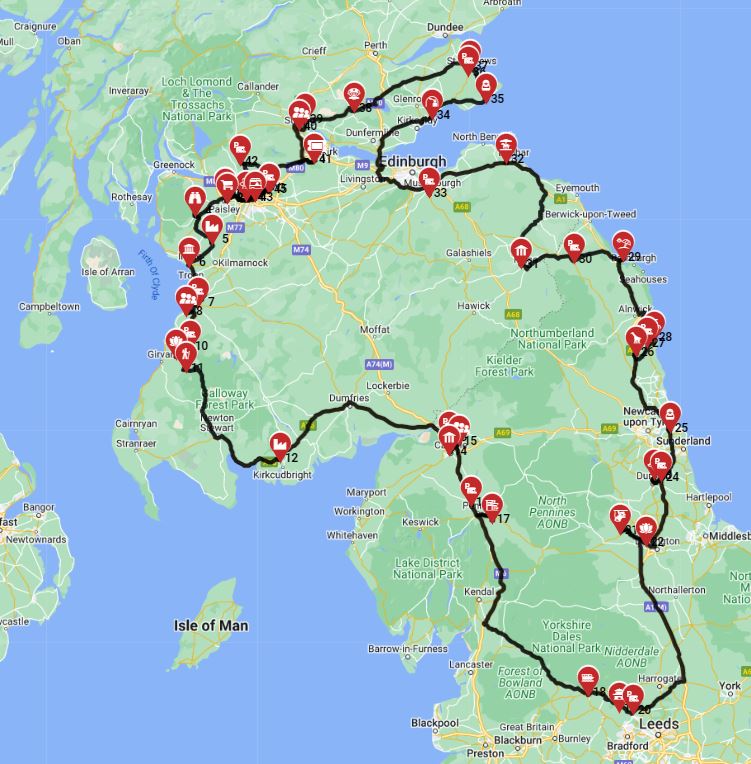
We believe in slow travel, recommending you average no more than 100-150 km per day. This allows you to truly feel the place, connect to the culture, savor the food, and soak in the scenery without rushing. Take your time to discover all the hidden gems Scotland has to offer. You can find many pre-planned routes that incorporate these diverse camping options on rvplan.net, which helps you discover ideal stopping points and attractions.
Campground Types in Scotland (National, Private, Wild)
Scotland features three primary types of RV camping: dedicated private campgrounds, national park/forest park sites, and legally regulated wild camping, each offering a distinct experience. Private campgrounds, such as those found throughout the Scottish Lowlands and popular tourist areas, typically offer a full range of amenities including electric hookups (usually 16 amp, 230V), hot showers, and laundry facilities, often with on-site shops for convenience. These sites provide a comfortable base, ideal for beginners.
National and Forest Park campsites, managed by organizations like Forestry and Land Scotland or local authorities, usually provide more basic facilities, emphasizing natural immersion and peace. Examples include sites within the Queen Elizabeth Forest Park, offering stunning views and direct access to walking routes. Wild camping for RVs in Scotland is generally regulated by the Scottish Outdoor Access Code (2003), which permits lightweight, non-motorized wild camping but restricts motorized vehicles to designated spots or private land with explicit permission. It's crucial to understand these regulations to ensure responsible and legal overnight stays in your rented motorhome.
Featured RV Park or Campground in Scotland
When choosing an RV park in Scotland, look for sites that balance natural beauty with essential amenities and convenient access to local attractions to enhance your trip. Ideal features include well-maintained pitches with hookups for electricity and fresh water, clean washroom facilities, a friendly atmosphere, and proximity to scenic walking trails or historic sites like castles or distilleries.
Many top-rated campgrounds across Scotland offer facilities like laundry rooms, on-site shops for basic supplies, and sometimes even play areas for children, making them perfect for families. Prioritize locations that provide good access to single-track roads if you plan to explore remote areas of the Highlands, or those with easy access to main routes for longer journeys. Sites like Glenmore Campsite in the Cairngorms National Park offer stunning loch-side pitches and excellent access to outdoor activities, making them highly sought after. Remember, Bandana RV offers full transparency with no hidden fees, so you can factor campground costs into your budget with confidence.
Hookups & Amenities - What to Expect
Most private RV campgrounds in Scotland offer a standard range of hookups and amenities, providing convenience and comfort for your motorhome rental. These typically include electrical hookups, fresh water connections, and waste disposal points (known as grey and black water dump stations). On the routes offered through RV PLANET routes, you can itemize and track every expense along the way for easy budgeting.
Electrical hookups in Scotland generally provide 16 amp (230V) service, requiring a standard European blue CEE plug, so ensure your rental RV is equipped with the correct connector or acquire an adapter if necessary. Many sites offer potable water taps at individual pitches or at easily accessible central points, and almost all have communal facilities such as hot showers and toilets. While Wi-Fi can be available in common areas or at some pitches, connectivity may be sporadic or limited in more remote Scottish locations. Larger parks commonly feature laundry facilities, on-site shops for quick resupply, and even children's play areas, enhancing the family camping experience.
Booking Windows & Reservations in Scotland
For RV rental beginners, booking campsites in Scotland, especially during peak season (June-August) or for popular routes like the North Coast 500, should ideally be done several months in advance. Pre-planners benefit significantly from securing specific pitches and locations by reserving ahead, particularly in high-demand areas, which can also help you find a Weekly RV Rental in Scotland - Pricing 2026.
However, spontaneous travelers can often find same-day or next-day availability outside of peak times, particularly at smaller, independent sites or local authority campgrounds. It's reassuring to know that many national park campgrounds and popular sites in Scotland, such as those within the Cairngorms National Park, only release a limited percentage of spots for advanced reservations, keeping the rest for first-come, first-served arrivals. Although you will almost certainly find a place-if not at the first campground, then the next one-it is highly recommended for beginners to call ahead before driving long distances to confirm availability, especially if you have a specific destination in mind.
Nearby Supermarkets & Resupply Points
Access to supermarkets and resupply points is generally straightforward in Scotland's towns and cities, but it becomes less frequent in remote Highland areas, requiring careful planning for RV trips. Major supermarket chains like Tesco, Sainsbury's, Aldi, and Lidl are widely available in larger towns and offer extensive selections for groceries, toiletries, and other essentials. This makes stocking your rented motorhome kitchen convenient and easy. Be sure to check out our RV-friendly recipes playlist for meal ideas!
For beginners, it's advisable to stock up on provisions in bigger towns before venturing into more rural or island regions, where smaller local shops may have limited supplies and potentially higher prices. Many campsites also have small on-site shops for basic necessities like bread, milk, or gas, but these should not be relied upon for a full week's worth of supplies. When planning your budget for an RV trip, remember that RV PLANET routes allow you to itemize and track every expense, including groceries and fuel, making financial planning a breeze.
Best RV Class for Camping in Scotland
For RV beginners camping in Scotland, a smaller, more nimble vehicle like a Class B Camper Van or a Class SI - Semi-integrated motorhome is often the most suitable choice due to Scotland's narrower and winding roads. Class B Camper Vans, averaging 5.8 meters in length and offering sleeping for around 3.2 people in Bandana's global fleet, are excellent for navigating winding roads and tight village streets, and typically consume 8-10 Liters/100 km. These include models like the "2 Berth Hi Top" or "Active Original".
Class SI - Semi-integrated motorhomes, with an average length of 6.9 meters and sleeping for 3.8 people in Bandana's fleet, provide a good balance of maneuverability and comfort, consuming about 10-11 Liters/100 km. Vehicles such as a "2 Berth Rover" offer more interior space while remaining manageable. These smaller classes are ideal for both traditional hookup camping and accessing more remote, off-grid locations suitable for limited boondocking. While larger vehicles like Class C Alcoves (avg. 7.5m, sleeping 4.4 people, 10-12 Liters/100 km, e.g., "24' Class C Motorhome") or Class A Integrated motorhomes (avg. 7.5m, sleeping 4 people, 8-12 Liters/100 km, e.g., "Active First") provide more living space, their larger size might be more challenging on some specific Scottish roads and during parking in compact towns. This makes understanding which motorhome for touring Scotland is best crucial for first-time renters.
How to Save on Campgrounds in Scotland
To save on campground costs in Scotland, RV rental beginners can leverage discount cards, travel during shoulder seasons, and opt for more economical municipal or regional sites. Utilizing campground discount cards, often available through your rental provider or via specific camping organizations like the Camping and Caravanning Club, can offer significant savings on nightly rates at participating sites across the country.
Booking your RV trip during the shoulder seasons (April-May or September-October) typically results in lower campsite fees compared to the peak summer months (June-August), with the added benefit of fewer crowds and pleasant weather. Choosing municipal or regional campgrounds, sometimes run by local councils, over private resorts often provides a more budget-friendly option, with basic pitches costing as little as £15-£25 per night. Additionally, planning stays of three or more nights at a single location can sometimes qualify you for weekly rates, further reducing your overall expenditure for your motorhome rental trip in Scotland.
What is the best month to RV in Scotland?
The best months to RV in Scotland for beginners are typically May, June, and September, offering a balance of pleasant weather, fewer midges than mid-summer, and manageable crowds. May and June provide longer daylight hours, vibrant spring flora, and generally drier conditions, ideal for enjoying Scotland's scenic routes before the peak tourist rush, making them excellent choices for a memorable trip.
September often boasts stable weather, stunning autumn foliage, and a more relaxed atmosphere as summer crowds dissipate, though daylight hours begin to shorten, especially towards the end of the month. While July and August offer the warmest temperatures and full access to attractions, they also bring the highest number of tourists, premium pricing for accommodations and rentals, and the peak season for midges, especially in the Highlands. Traveling during the shoulder seasons can offer a more tranquil and cost-effective RV rental in Scotland experience.
How much does it cost to rent an RV in Scotland?
The cost to rent an RV in Scotland varies significantly based on vehicle size, rental duration, season, and inclusions, but beginners should budget for a comprehensive breakdown beyond just the rental fee. Typical rental prices can range from £80-£150 per day for a smaller campervan in shoulder season to £200-£350+ per day for a larger motorhome during peak summer, often with discounts for longer rentals. These prices are dynamic, changing daily based on availability and demand, similar to flight tickets, so early booking is recommended for better deals, possibly through a Cheap RV Rental in Scotland - Budget Guide 2026.
A detailed budget for a Scottish RV trip should include rental costs, fuel (a Class B Camper Van typically consumes 8-10 Liters/100 km, while a Class C might be 10-12 Liters/100 km), campsite fees (£20-£50 per night), food, activities, potential ferry costs to islands, and an emergency buffer of 10-15%. Beginners should also account for additional costs such as an optional top-level deductible reimbursement for peace of mind, potential mileage limits, and any optional extras like bedding or kitchen kits provided by the rental company. Remember, on RV PLANET routes, travelers can itemize and track every expense along the way for easy budgeting.
How difficult is it to drive an RV in Scotland?
Driving an RV in Scotland can present unique challenges due to narrow and winding roads, especially in rural and Highland areas, but it is manageable for beginners with careful planning and awareness. The most common challenge is navigating single-track roads with frequent passing places; beginners must master the etiquette of pulling over safely to allow oncoming traffic to pass, always using a passing place on your left. These roads demand patience and vigilance, but they lead to some of Scotland's most stunning vistas.
Towns and villages often have narrow streets, tight turns, and limited parking, making smaller RVs like Class B Camper Vans (avg. 5.8m) or Semi-integrated motorhomes (avg. 6.9m) significantly easier to handle. Drive slowly and carefully, and you can drive almost anywhere without issues. No need to stress - just use common sense and pay attention. Expect varying road conditions, from well-maintained motorways to unpaved tracks in more remote areas, and be prepared for livestock on roads in agricultural areas, requiring slower speeds and heightened vigilance. Many RV Rental in Scotland - Prices and Best Deals 2026 guides will recommend smaller vehicles for this reason.
Where can you go wild camping in Scotland?
Wild camping with an RV in Scotland is largely restricted compared to tent camping, with legal opportunities primarily limited to designated informal sites or private land with explicit permission. While Scotland's Land Reform Act (2003) allows for responsible wild camping, this primarily applies to lightweight, non-motorized camping and does not generally extend to motorhomes or campervans.
For RVs, 'wild camping' usually refers to staying overnight in laybys, car parks, or specific informal spots where it is tolerated, though official overnight parking rules vary by local authority and clear signage must always be observed. For example, some local councils have by-laws restricting overnight parking. To ensure compliance and avoid fines, beginners should always prioritize staying at official campgrounds or checking with local landowners if attempting to find an undesignated spot, respecting the Scottish Outdoor Access Code. Consulting rvplan.net for finding established campsites is always a safer and more reliable option.
What is the best motorhome for touring Scotland?
The best motorhome for touring Scotland, particularly for beginners, typically prioritizes maneuverability over expansive size, with Class B Camper Vans and Class SI - Semi-integrated models being highly recommended. Class B Camper Vans (Bandana's fleet averages 5.8m length, sleeps 2-3 adults) are exceptionally agile, perfect for Scotland's narrow roads, scenic routes, and easily fitting into smaller parking spots, consuming around 8-10 Liters/100 km. An example is the "2 Berth Hi Top" which is ideal for a couple.
Class SI - Semi-integrated motorhomes (Bandana's fleet averages 6.9m length, sleeps 3-4 adults) offer a comfortable interior with more amenities than a campervan while still being manageable on most Scottish roads, with fuel consumption of 10-11 Liters/100 km. The "2 Berth Rover" is a great option in this category. While Class C - Alcove (avg. 7.5m, sleeps 4-6 adults, 10-12 Liters/100 km, like the "24' Class C Motorhome") and Class A - Integrated (avg. 7.5m, sleeps 4-6 adults, 8-12 Liters/100 km, like a "Comfort Luxury") motorhomes provide more living space, their larger size can make navigating single-track roads, city centers, and some ferry crossings more challenging for beginners. When considering a One-Way RV Rental in Scotland - Price Guide 2026, the vehicle size can also impact relocation fees, so choose wisely.
Are there tolls in Scotland for RVs?
No, RVs do not typically encounter tolls in Scotland, as the country abolished all road tolls in 2008, including the Forth Road Bridge. This is great news for beginners planning an RV trip to Scotland, as you can generally drive across the country's extensive road network without concern for paying tolls on motorways or major routes, simplifying your budgeting.
The only exceptions might be specific private roads or ferry crossings, which incur charges but are not considered 'tolls' in the traditional sense. For instance, if you plan to visit islands like Skye, Orkney, or the Outer Hebrides, always confirm ferry prices and booking requirements well in advance, as these costs can be substantial for larger vehicles. Our commitment to full transparency means no hidden fees or surprises when you book your RV rental in Scotland with us.
What documents do I need to rent an RV in Scotland?
To rent an RV in Scotland, beginners typically need a valid full driving license, a credit card for the security deposit, and sometimes an International Driving Permit (IDP) depending on your license origin. Drivers from the UK, EU, Switzerland, Norway, Iceland, and Liechtenstein can generally use their national driving licenses, provided it is a full license and they meet the minimum age requirements (typically 21 years old for most rental motorhomes, with no young driver surcharges or vehicle class restrictions).
Visitors from outside these regions, including the USA, Canada, Australia, and New Zealand, will likely need an International Driving Permit (IDP) in addition to their national license. While an IDP is not mandatory in all cases, it is highly recommended as it translates your license into multiple languages, which can be invaluable in unforeseen circumstances. Always check with your specific RV rental company in advance for their precise document requirements, as well as any specific age restrictions or issues related to points or endorsements on your license that might affect eligibility for your rented campervan.
What side of the road do they drive on in Scotland?
In Scotland, vehicles drive on the left-hand side of the road, a crucial detail for RV rental beginners, especially those accustomed to right-hand driving. All RVs rented in Scotland will be right-hand drive, meaning the steering wheel is on the right side of the vehicle, which aids in visibility and comfort for driving on the left.
Beginners should take extra care when pulling out of junctions, navigating roundabouts, and overtaking, consciously reinforcing the left-hand rule. Allowing extra time for initial adjustment, practicing in quieter areas if possible, and being especially mindful on single-track roads where passing places are navigated to the left, will ensure a smooth driving experience. Our experts, true RV specialists, understand these nuances and are here to support you before and after your booking.
Is it worth it to RV in Scotland?
RVing in Scotland is highly worth it for beginners seeking unparalleled flexibility, access to stunning natural landscapes, and the unique experience of a multi-day road trip with the comforts of home. The freedom a rented RV offers allows you to explore Scotland's iconic attractions, like Loch Ness and the Isle of Skye, while also discovering lesser-known routes and hidden gems away from typical tourist trails, such as the Argyll Coastal Route or the Borders region.
An RV trip provides opportunities for deeper cultural immersion, enabling stops at local pubs, distilleries, and small villages, allowing you to connect with local life and practice responsible tourism by supporting local businesses. Despite potential driving challenges on narrow roads, the ability to wake up to breathtaking views, carry all your gear, and adapt your itinerary spontaneously makes RVing an unforgettable way to experience Scotland. For inspiration, consider exploring Europe's broader RV travel opportunities with our RV Rental Europe - Complete Guide 2026.
Do you need a special license to drive an RV in Scotland?
In Scotland, most standard RVs available for rent by beginners do not require a special license beyond a regular Category B (car) driving license. A standard Category B license permits you to drive vehicles up to 3,500 kg (3.5 tonnes) Maximum Authorised Mass (MAM) with up to eight passenger seats.
The vast majority of rental campervans and motorhomes, including Class B, Class SI, and Class C vehicles, fall within this weight limit, making them accessible to standard license holders who are at least 21 years old. However, if you plan to rent a very large RV (over 3,500 kg MAM) or intend to tow a trailer (which Bandana RV does not offer as part of its motorhome and campervan rentals), you may require a higher license category (e.g., C1 or C1+E). Always verify the specific vehicle's MAM and your license categories with the rental company to ensure compliance.
Is it easy to find campsites in Scotland?
Finding campsites in Scotland can be easy outside of peak season and popular areas, but beginners should plan ahead, especially during summer or when visiting highly sought-after destinations like the Isle of Skye. Scotland has a comprehensive network of private campgrounds and many national park sites, many of which can be found via online booking platforms or national camping directories.
While spontaneous travelers can often find spots, particularly at smaller, less-advertised sites, popular spots along routes like the North Coast 500 or in national parks frequently book out months in advance during summer. Many national parks reserve only 25-30% of spots for advance booking, with the rest available on a first-come-first-serve basis. You'll find a spot. If not at the first campground, then the next one. It's highly advisable for beginners to utilize online resources and camping apps, and to call ahead to campsites, particularly during busy periods, to confirm availability before arriving. For finding campsites and campgrounds during your trip, we recommend using RV PLANET (rvplan.net) - a great resource for locating available spots along your route.
Emergency Preparedness and Connectivity on Your Scottish RV Trip
For beginners RVing in Scotland, preparing for emergencies and understanding connectivity limitations, especially in remote areas, is crucial for a smooth trip. In case of a breakdown, contact your RV rental company immediately for roadside assistance; ensure you have their emergency number and Bandana's pre-booking support contacts readily available. Carrying a basic toolkit, jumper cables, and a comprehensive first-aid kit in your rented camper is always a smart move.
Cell phone service can be unreliable in parts of the Scottish Highlands and islands, with many areas having limited or no signal, particularly for certain network providers. Consider downloading offline maps (e.g., Google Maps, OS Maps) before you leave populated areas and inform someone of your itinerary, including planned overnight stops. Be prepared for rapidly changing Scottish weather, carrying appropriate clothing for all conditions (rain gear, warm layers are essential), and understand how to manage midges effectively with repellents and midge nets, particularly from late spring to early autumn. These practical steps can greatly enhance your peace of mind while exploring Scotland's rugged beauty.
RVing with Families, Pets, and Diverse Needs in Scotland
Scotland offers a welcoming environment for diverse RV travelers, but beginners with families, pets, or specific accessibility needs should plan carefully to ensure a comfortable and enjoyable journey. For families with children, consider RVs with sufficient sleeping places (e.g., Class C Alcove models averaging 5.8 sleeping places, like the "cruise america rv rental example Explorer", in Bandana's fleet) and look for campsites with playgrounds, family-friendly activities, or direct access to safe swimming areas or walking trails.
Pet-friendly travel is common in Scotland, with many campsites and attractions welcoming well-behaved dogs, but always check individual policies beforehand and keep pets on a lead in public areas, adhering to the Scottish Outdoor Access Code. Travelers with mobility challenges should research accessible campsites and attractions in advance, as facilities can vary widely, and consider the layout of the RV itself to ensure it meets specific needs. Our true RV specialists are happy to help you compare vehicle options for your family or group's requirements, offering full transparency on available features and specifications.
What You Shouldn't Miss
- **Isle of Skye:** Drive the scenic roads, marvel at the Old Man of Storr and Fairy Pools, and immerse yourself in the island's mystical landscapes.
- **Loch Lomond & The Trossachs National Park:** Explore the largest freshwater loch in Great Britain, enjoy watersports, or hike through the stunning Trossachs glens.
- **Edinburgh Castle & Royal Mile:** Delve into Scottish history with a visit to Edinburgh's iconic castle, then stroll down the historic Royal Mile. You can find convenient RV parking outside the city center and use public transport to explore.
- **North Coast 500:** Tackle Scotland's answer to Route 66, a spectacular 830 km (516 miles) coastal route through the northern Highlands. Just remember the single-track road etiquette!
- **Whisky Distillery Tours:** Sample Scotland's national drink at one of its many world-renowned distilleries, particularly in Speyside or on Islay. Many offer RV-friendly parking.
- **Cairngorms National Park:** Discover Britain's largest national park, home to majestic mountains, ancient forests, and abundant wildlife.
Looking for expert insights from Avi Bandana? Top 5 Adventures - recommendations from Avi Bandana.
🎬 Video coming soon
Top Cities for RV Rental in Scotland
Scotland offers several excellent starting points for your RV rental adventure, each providing unique access to different regions of this beautiful country. Picking up your motorhome in a major city means easy access to amenities and departure points.
- Edinburgh: Scotland's historic capital offers a fantastic launchpad for exploring the Lowlands, Borders, and even heading north towards the Highlands. Edinburgh Airport is a major hub for various rental companies.
- Glasgow: The largest city in Scotland, Glasgow provides excellent access to the west coast, including Loch Lomond & The Trossachs National Park, and the ferry terminals for the Western Isles. Glasgow Airport is another key pick-up location.
- Inverness: Known as the "Capital of the Highlands," Inverness is the ideal starting point for exploring Loch Ness, the Cairngorms, and the famed North Coast 500 route.
- Aberdeen: Located on Scotland's east coast, Aberdeen is perfect for exploring Royal Deeside, the Castle Trail, and the rugged coastline of Aberdeenshire. Aberdeen Airport also serves as a pick-up location.
- Dundee: A vibrant city undergoing regeneration, Dundee is a great base for exploring the Tay Country, including Fife and Angus, with easy access to coastal towns and inland glens. Dundee Airport is a smaller but convenient option.
- Prestwick: South of Glasgow, Prestwick offers convenient access to the scenic Ayrshire coast, Galloway Forest Park, and routes heading south towards England. Prestwick Airport is a pick-up point.
Our expansive network, including major suppliers like Apollo and Britz, ensures you'll find the perfect campervan or motorhome at one of these convenient locations. Compare Motorhome Prices for Scotland today!
Practical Info for Your Scotland RV Adventure
Preparing for your motorhome rental trip in Scotland involves understanding local nuances to ensure a smooth and enjoyable experience. Beyond the breathtaking scenery, a few practical considerations can make all the difference for beginners.
Road Rules and Driving Customs
As mentioned, driving in Scotland is on the left-hand side of the road, and all rental RVs will be right-hand drive. Speed limits are generally 30 mph (48 km/h) in built-up areas, 60 mph (97 km/h) on single carriageways, and 70 mph (113 km/h) on dual carriageways and motorways. Be mindful of narrow single-track roads in rural and island areas, always using designated passing places to allow oncoming traffic to pass. Drive slowly and carefully, and you can drive almost anywhere without issues. No need to stress - just use common sense and pay attention. Pay particular attention to passing places, farm animals on the road, and variable weather conditions.
Emergency Numbers
In the event of an emergency, dial 999 or 112 for police, fire, or ambulance services. These numbers work nationwide across the UK. Keep your rental company's emergency roadside assistance number handy as well. As true RV specialists, we offer supportive coordination for your booking, ensuring you have all necessary contacts before you start your journey.
SIM Card and Connectivity
For reliable connectivity, especially outside major cities, consider purchasing a local SIM card from providers like EE, Vodafone, or O2 upon arrival. While Wi-Fi is available at many campgrounds and cafes, cellular signal can be patchy in remote Highlands and islands. Having a local SIM provides data for navigation, communication, and looking up local information. Downloading offline maps and essential information before venturing into rural areas is highly recommended.
Final Thoughts
Embarking on your first RV camping trip in Scotland is an adventure that promises incredible freedom, stunning vistas, and memories that will last a lifetime. Don't let the details overwhelm you; with careful planning and the right information, your journey through the Scottish Highlands, serene lochs, and historic towns will be nothing short of magical. Remember to travel slowly, savoring each moment and connecting deeply with the culture and natural beauty around you.
At Bandana RV, we're with you from the moment you start dreaming of your trip until your booking is confirmed, offering the expertise of true RV specialists and full transparency every step of the way. We handle the details, so you can focus on living the journey. Get inspired for your next trip and discover why a motorhome rental is the ultimate way to explore Scotland.
Ready to begin your Scottish RV adventure? Check Scotland RV Rental Prices Now and find your perfect campervan or motorhome!