In This Guide
- Is Scandinavia RV friendly?
- Where to Camp in Scandinavia - Top Options
- Campground Types in Scandinavia (National, Private, Wild)
- Featured RV Park or Campground in Scandinavia
- Hookups & Amenities - What to Expect in Scandinavian Campgrounds
- Booking Windows & Reservations in Scandinavia
- Nearby Supermarkets & Resupply Points in Scandinavia
- Best RV Class for Camping in Scandinavia
- How to Save on Campgrounds in Scandinavia
- Is RVing in Scandinavia expensive?
- What do I need to know about driving an RV in Scandinavia?
- What are the best RV routes in Scandinavia?
- When is the best time to RV in Scandinavia?
- What are some common scams in Scandinavia?
- Is it easy to wild camp in Scandinavia?
- What is the best type of RV to rent in Norway?
- Are there tolls in Norway and Sweden for RVs?
- How long should I spend RVing in Scandinavia?
- Experiencing Local Culture and Food in Scandinavia by RV
- Seamless Multi-Country RV Travel in Scandinavia
- Outdoor Adventures for RV Travelers in Scandinavia
- Emergency Preparedness and Troubleshooting for RVers in Scandinavia
- Top Cities for RV Rental in Scandinavia
Embarking on your first rented motorhome adventure in Scandinavia is an incredible way to experience the breathtaking fjords, serene forests, and vibrant cities of Northern Europe. At Bandana RV, we specialize in helping beginners navigate the world of RV travel, offering full transparency with no hidden fees, and dedicated support to ensure your trip is nothing short of amazing. With over 23 years of experience since our founding in 2001, we've helped tens of thousands of travelers explore the world by rented RV. For live availability and current prices, start with our RV Rental Scandinavia - Complete Guide 2026 guide.
Is Scandinavia RV friendly?
Scandinavia is exceptionally RV friendly, offering well-developed infrastructure, pristine natural environments, and a strong camping culture that warmly welcomes motorhome travelers. From Norway's dramatic coastline to Sweden's vast wilderness and Finland's countless lakes, the region provides excellent campgrounds, accessible services, and unique freedoms like the "Allemansrätten" (Everyman's Right) in Sweden, Norway, and Finland, supporting respectful wild camping. While costs can be higher than in some other regions, the unparalleled scenery and high standard of facilities make Scandinavia a dream destination for a rented RV trip.Where to Camp in Scandinavia - Top Options
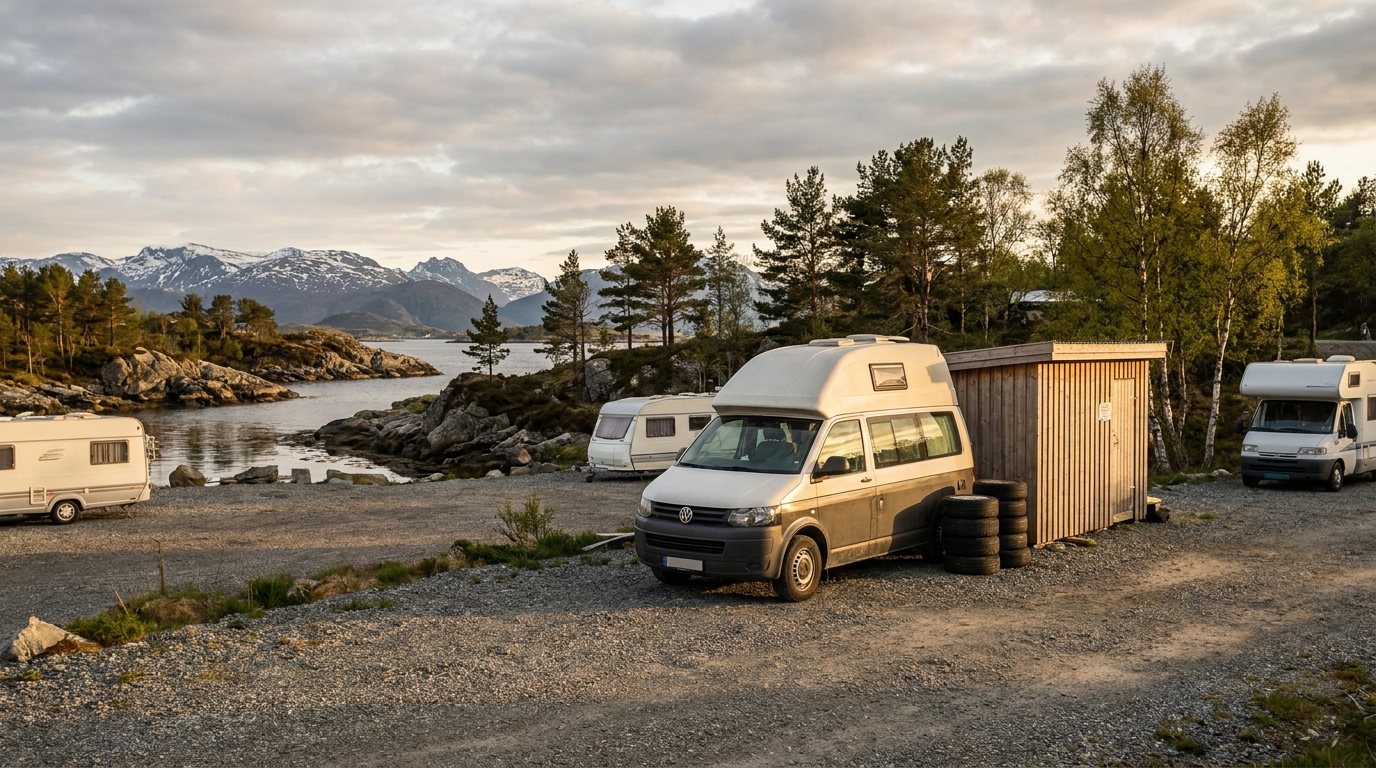
Scandinavia offers diverse camping experiences, from coastal campsites with stunning sea views to inland sites nestled by forests and lakes, and even remote spots in the Arctic. Beginners should consider well-equipped private campgrounds for their first few nights, as they often provide a full range of amenities for a comfortable start. Popular areas for camping include the magnificent Norwegian Fjords, such as the Geirangerfjord region, the picturesque archipelagos of Sweden, like the Bohuslän coast, and Finland's tranquil Lakeland region. Each offers unique natural beauty and easy access to outdoor activities.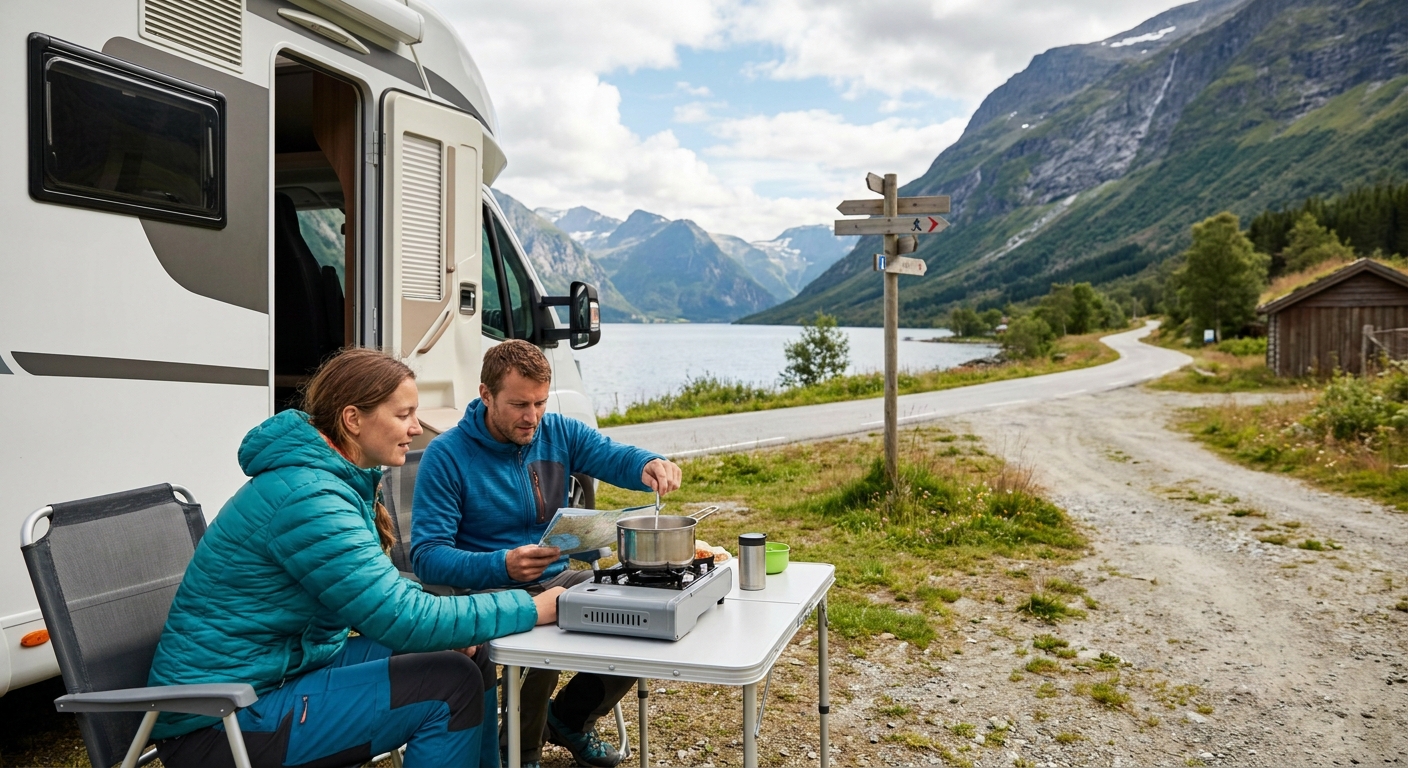
Campground Types in Scandinavia (National, Private, Wild)
Understanding the different campground types in Scandinavia is key to planning your rented RV adventure. Private campgrounds typically offer the most amenities, including full hookups (electricity, water, dump stations), hot showers, laundromats, and often on-site shops or restaurants, making them ideal for beginners seeking comfort and convenience. National Park and municipal campgrounds are generally more basic but boast stunning natural settings, providing essential facilities like toilets and sometimes basic electrical hookups, striking a balance between comfort and nature immersion. Wild camping, or 'Allemansrätten' (Freedom to Roam), is widely tolerated in Sweden, Norway, and Finland, allowing you to camp for a night or two on uncultivated land, provided you are respectful, do not disturb others, and leave absolutely no trace. However, specific rules apply to motor vehicles, usually restricting them to designated spots or requiring permission on private land.Featured RV Park or Campground in Scandinavia
When selecting an RV park in Scandinavia, beginners should prioritize sites offering comprehensive amenities like electric hookups, fresh water, grey/black water disposal, and clean shower and laundry facilities for maximum comfort. While specific data for a single "featured" campground isn't universally available, look for locations that combine natural beauty with practical services. Many top-rated campgrounds, such as Hunderfossen Camping in Norway (near Lillehammer) or First Camp Malmö in Sweden, provide family-friendly facilities, easy access to attractions, and positive reviews regarding well-maintained pitches and helpful staff. These sites allow you to experience Scandinavia's natural charm without sacrificing convenience, often located close to towns for easy resupply.Hookups & Amenities - What to Expect in Scandinavian Campgrounds
In Scandinavia, you can generally expect excellent hookups and amenities at most private campgrounds and many municipal sites. Electrical hookups are typically 16A, 220-240V, requiring a standard European CEE blue plug adapter for your rented motorhome. Fresh water access and grey/black water dump stations are readily available, ensuring your comfort on the road. Facilities are usually modern and impeccably clean, often including hot showers (which might be coin-operated in some locations), well-equipped laundry rooms, and sometimes complimentary Wi-Fi, though internet signal strength can vary in more remote areas. Many sites also feature communal kitchens, play areas for children, and small shops for basic provisions, catering well to RV rental beginners seeking convenience.Booking Windows & Reservations in Scandinavia
For peak season (June-August) and popular destinations in Scandinavia, travelers should aim to book RV sites several months in advance, especially if you're traveling with a larger rig or have specific prime spots in mind. However, spontaneous travelers need not worry excessively, as many national park campgrounds and some popular private sites reserve only 25-30% of their spots for advance bookings. The majority are kept for first-come, first-served arrivals, meaning you'll almost certainly find a place. If not at your first choice, then at the next one nearby. It is always wise to call ahead before driving long distances, particularly during shoulder seasons (May, September) when crowds are thinner but some services might have reduced hours. Remember that prices for RV rentals, like flight tickets, are dynamic and change daily based on availability and seasonality.Nearby Supermarkets & Resupply Points in Scandinavia
RV travelers in Scandinavia will find resupplying groceries and provisions remarkably easy due to the widespread presence of major supermarket chains in most towns and cities. In Norway, look for REMA 1000, Kiwi, and Coop. In Sweden, ICA, Coop, and Hemköp are common, while in Finland, S-Market, K-Market, and Lidl offer diverse selections. These stores provide a wide range of groceries, fresh produce, and sometimes even camping supplies, making regular resupply convenient along popular routes. Remember that in more remote regions, smaller local shops may have limited hours and selection, so it's always a good idea to plan larger grocery hauls when passing through bigger towns. Cooking meals in your rented RV is also an excellent way to save money and enjoy fresh local ingredients. Explore our RV-friendly recipes playlist for inspiration.Best RV Class for Camping in Scandinavia
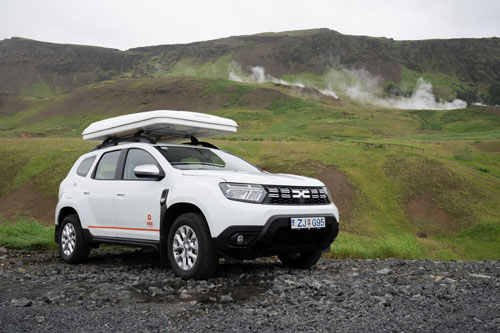
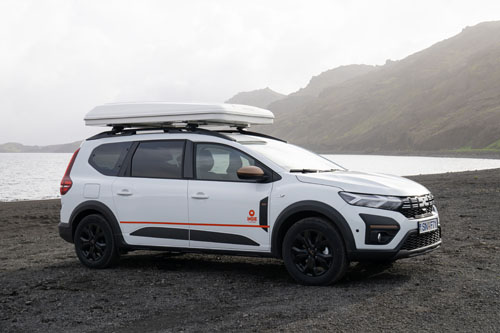
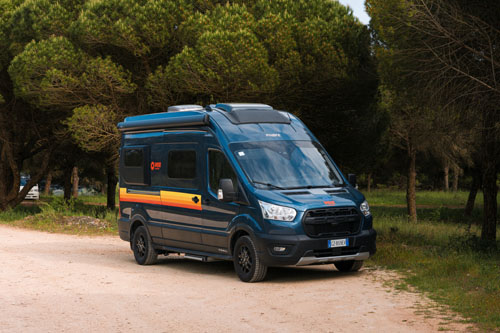
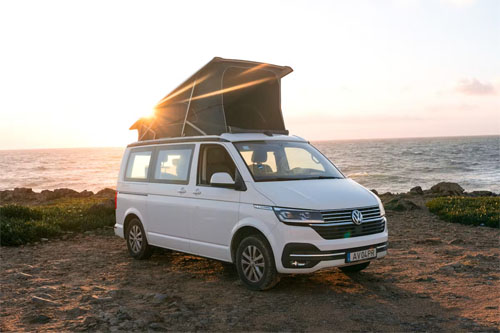
For beginners exploring Scandinavia, the Class B - Camper Van or Class SI - Semi-integrated motorhome are often optimal choices, balancing comfort with maneuverability on narrow roads and ferries. A Class B Camper Van, averaging 5.8m in length and comfortably sleeping 2-3 people, is excellent for couples or small families due to its compact size, ease of parking, and fuel efficiency (typically 8-10 Liters/100 km). These are ideal for navigating smaller towns and enjoying mild boondocking. The Class SI - Semi-integrated, with an average length of 6.9m and sleeping 3-4 people, offers more living space and amenities than camper vans while remaining manageable, suitable for families or those desiring more campsite comfort, typically consuming 10-11 Liters/100 km. While larger Class C - Alcove motorhomes (avg. 7.5m, 4-6 sleepers) provide ample space for bigger families, their increased length and height can present more challenges for first-time RVers on some of Scandinavia's winding routes, though they are comfortable for longer stays at campgrounds with hookups.How to Save on Campgrounds in Scandinavia
Saving on campgrounds in Scandinavia involves smart planning and utilizing available resources. One effective strategy is to acquire a campground discount card, such as the Camping Key Europe (CKE), which can offer reduced rates at participating sites across the region. Traveling during the shoulder season (May, early June, September) dramatically lowers nightly rates compared to the peak summer months and means fewer crowds at popular spots. Opting for municipal or regional campgrounds over private resorts often provides essential amenities at a lower cost, and considering stays of 3 or more nights can sometimes qualify you for weekly rates or special offers. Furthermore, utilizing the 'Allemansrätten' (Freedom to Roam) for legal wild camping, where permitted for short stays, can significantly reduce your lodging expenses. For budgeting every expense on your trip, from campground fees to fuel, RV PLANET routes allow you to itemize and track everything.Is RVing in Scandinavia expensive?
RVing in Scandinavia can be considered more expensive than in some other European regions, mainly due to higher fuel prices, ferry costs, and some campground fees, but thorough budgeting and strategic planning can make it an accessible adventure. A typical budget breakdown beyond the RV rental and fixed tolls and ferries includes daily fuel costs, which are significant given that most RVs consume 10-12 Liters/100 km. Food expenses are comparable to Western Europe if you cook most meals in your RV, but restaurant dining is generally costly. Attraction fees also vary widely. Cost-saving strategies include cooking the majority of your meals in your rented RV, making use of supermarket loyalty programs, focusing on free natural attractions like hiking and scenic drives, and combining periods of wild camping with paid campgrounds to lower overall lodging expenses.What do I need to know about driving an RV in Scandinavia?
Driving a rented RV in Scandinavia requires awareness of specific road conditions and regulations, especially for first-timers. Expect narrow, winding roads, particularly in Norway's fjord regions and mountainous passes, where careful driving and attention are paramount. Strict speed limits are enforced, and it's essential to adhere to them. Road conditions are generally excellent on main routes, but be prepared for gravel roads in remote areas. Winter conditions (snow, ice) require appropriate winter tires and equipment, though many rental companies provide winter-ready RVs. Always be mindful of larger vehicles on single-lane roads and utilize designated passing places. In city centers, RV parking can be restricted or involve fees, so plan ahead. Drive slowly and carefully, and you can drive almost anywhere without issues. No need to stress - just use common sense and pay attention.What are the best RV routes in Scandinavia?
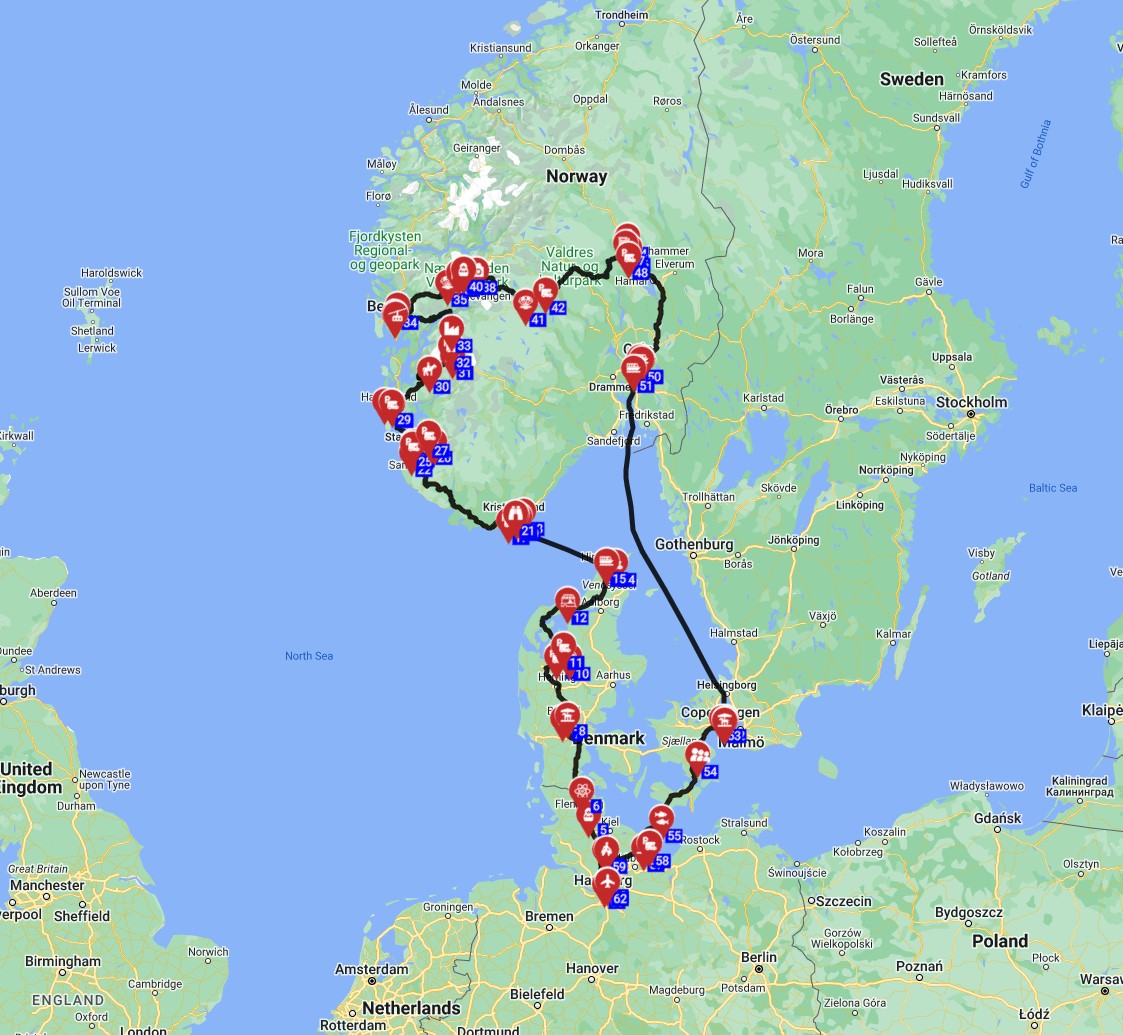
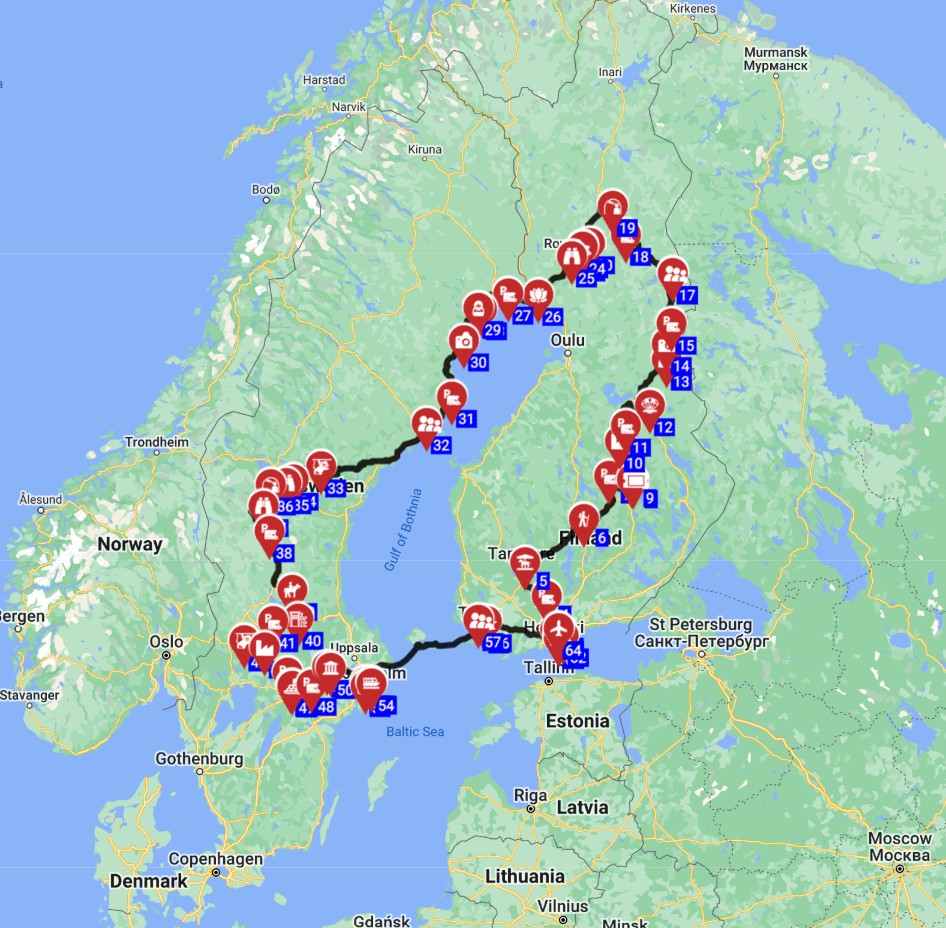
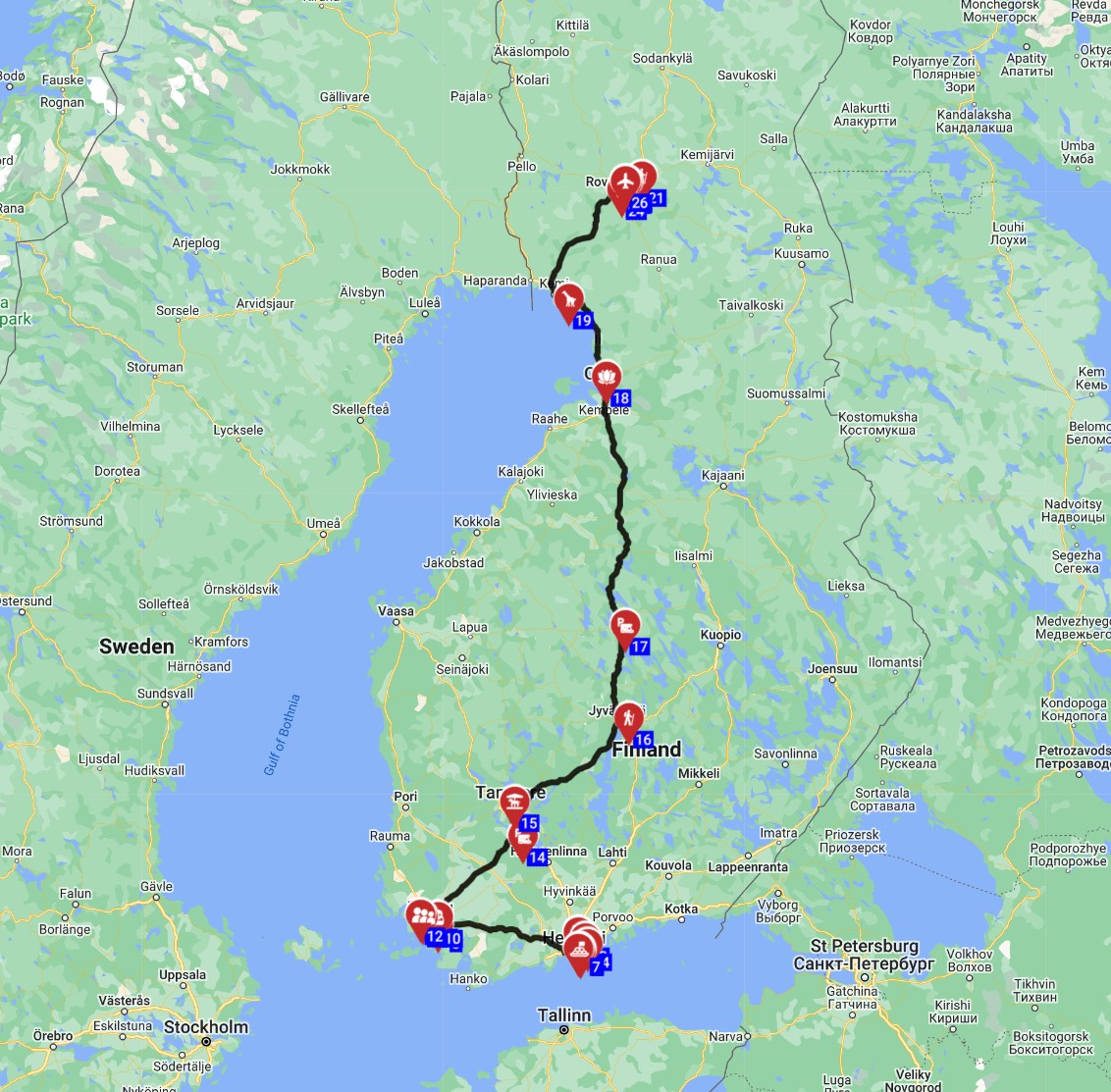
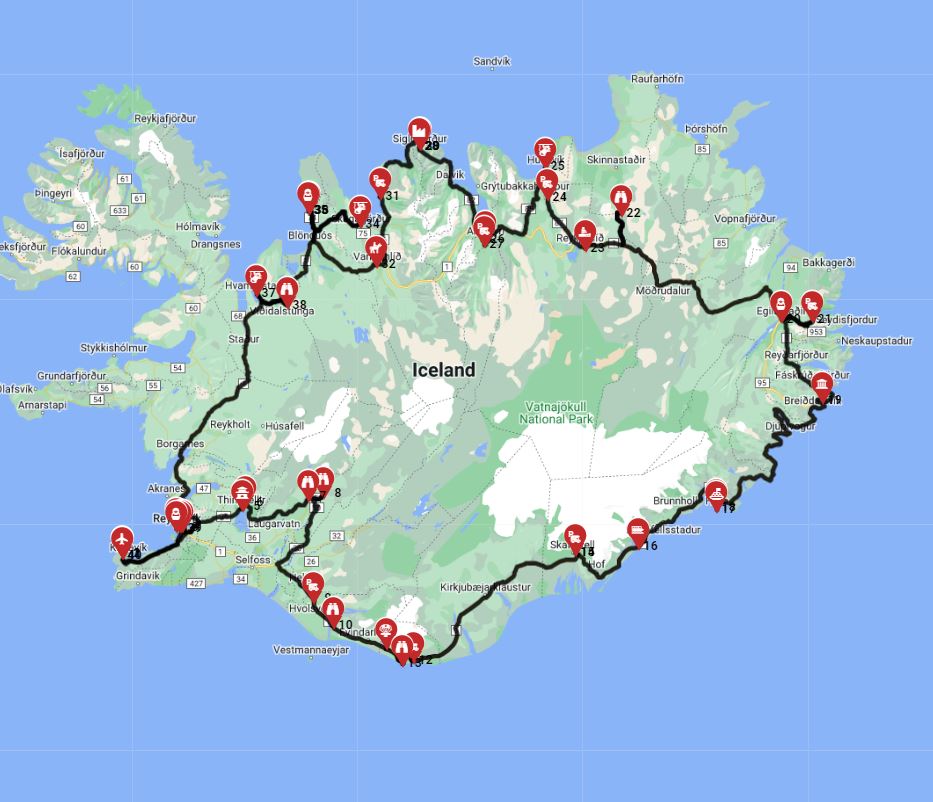
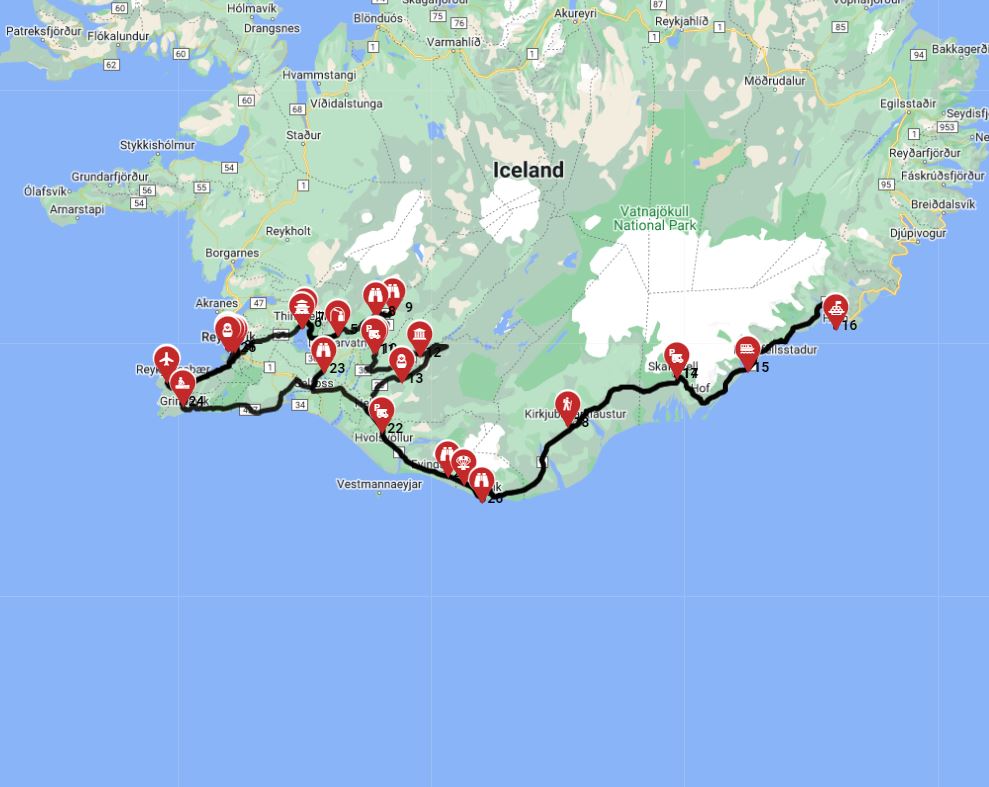
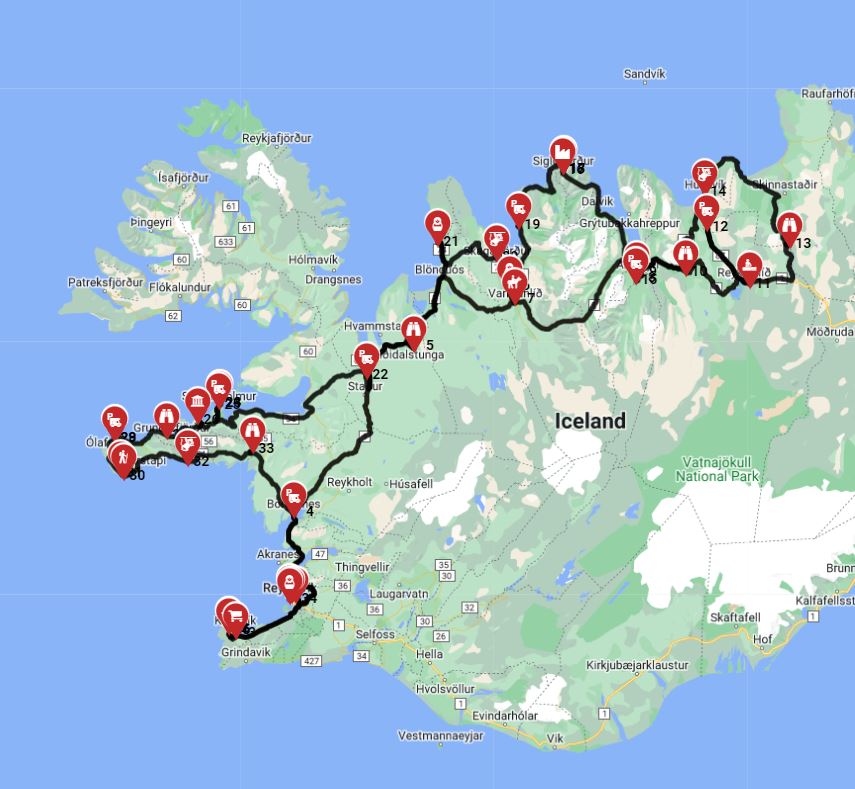
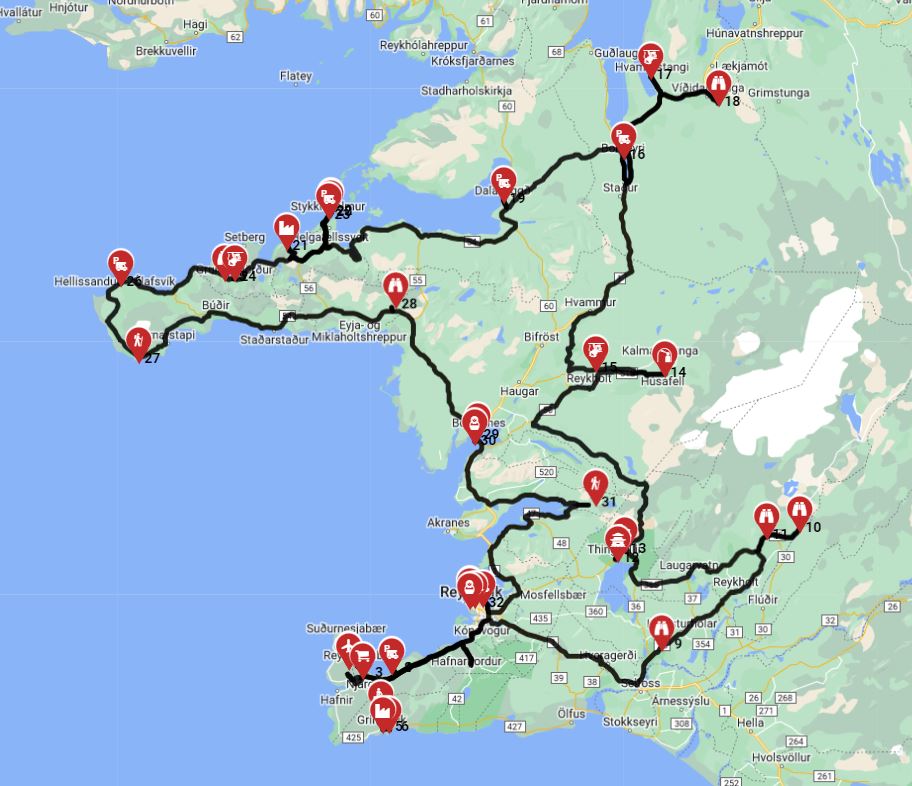
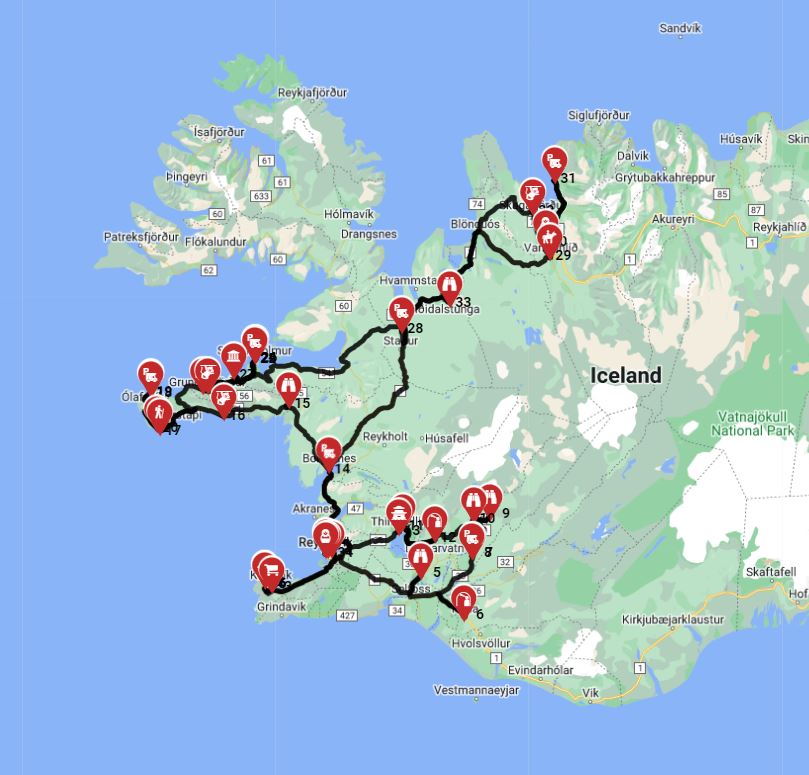
Scandinavia offers numerous breathtaking RV routes, with popular choices such as Norway's scenic Atlantic Road and coastal route RV1, Sweden's expansive 'Blue Highway' through its wilderness, and Finland's picturesque Lakeland region drives. For those seeking less-traveled paths and local hidden gems, exploring the dramatic landscapes and quaint fishing villages of the Lofoten Islands in Norway is highly recommended. You could also venture into Sweden's High Coast, a UNESCO World Heritage site known for its unique geology, or discover the serene, lesser-known national parks in Finnish Lapland. Specific day-by-day route suggestions should combine iconic sights with opportunities for spontaneous detours to local markets or small towns, ensuring a balanced experience of nature and culture. This 15-day, 2910.7 km journey includes opportunities for wildlife watching, biking, kayaking, exploring caves, visiting museums, and enjoying traditional dining, providing a comprehensive taste of the region.When is the best time to RV in Scandinavia?
The best time to travel by rented RV in Scandinavia largely depends on your desired activities and tolerance for various weather conditions. Summer (June-August) is by far the most popular period, offering long daylight hours, mild temperatures averaging 15-25°C, and full accessibility to all roads and attractions. Shoulder seasons, particularly May and September, showcase unique beauty with fewer crowds and often better prices, though some mountain roads might still be closed in early spring, and services may begin to close in late autumn. Spring brings awakening nature and powerful waterfalls, while autumn features stunning fall foliage, especially in central Sweden and Finland. Winter (November-April) provides a unique, magical experience for equipped RVs, with opportunities for northern lights viewing and winter sports, but it requires specific gear (winter tires, robust heating) and careful navigation of road conditions, with limited daylight in the far north.What are some common scams in Scandinavia?
While Scandinavia is generally considered very safe for travelers, it's always wise to be aware of common inconveniences or minor scams. These typically include opportunistic pickpocketing in crowded tourist areas of major cities like Stockholm or Oslo, "fake charity" schemes, or occasionally inflated prices for services targeting tourists, particularly around popular attractions. To protect yourself, always exercise basic precautions: keep your valuables secure and out of sight, be wary of overly friendly strangers offering unsolicited help, and confirm prices for goods or services before committing. Stay vigilant in busy city centers, public transport hubs, and popular tourist spots. Reporting any suspicious activity to local authorities is always the best course of action, as prevention remains the best defense against minor inconveniences.Is it easy to wild camp in Scandinavia?
Wild camping is generally easy and widely accepted in Sweden, Norway, and Finland under the principle of 'Allemansrätten' (Freedom to Roam), granting public access to uncultivated land for short stays. This means you can often stay for a night or two with your rented motorhome in beautiful natural settings, provided you adhere to specific rules. Crucially, responsible RV travel practices are paramount: always park in designated areas or where motor vehicles are explicitly allowed, never on private land without explicit permission, and ensure you leave absolutely no trace by taking all rubbish with you and respecting nature and wildlife. Familiarize yourself with local regulations, as rules can vary in national parks, protected areas, or near residential zones. This right generally applies to tents and foot traffic, with motor vehicles often restricted to established roads or parking areas.What is the best type of RV to rent in Norway?
For navigating Norway's unique terrain of winding roads, narrow passes, and numerous ferries, a Class B - Camper Van or a Class SI - Semi-integrated RV is often considered the best type to rent for Scandinavia. These RV types, such as a "Camper Van" (avg. 5.99m length, 80 Liter fresh water tank, 80 Liter refrigerator) or a "Luxury Small" (avg. 6.75m length, 100 Liter fresh water tank, 100 Liter refrigerator), offer greater maneuverability, typically sleeping 2-4 people and are generally more cost-effective on ferries and tolls compared to larger units. Optimal RV types for Scandinavia's diverse conditions should also include good insulation for colder weather, efficient heating systems, and adequate storage for specific gear needed for outdoor activities, ensuring comfort during long days and cooler nights across the Nordic regions. These vehicles balance comfort with the practicalities of navigating stunning, yet sometimes challenging, landscapes.Are there tolls in Norway and Sweden for RVs?
Yes, both Norway and Sweden operate toll roads, bridges, and tunnels, which rented RVs are subject to, with costs often depending on vehicle length and weight. In Norway, most tolls are automatic via a system called AutoPASS. It is highly recommended for RV renters to register their vehicle with AutoPASS or ensure their rental company has done so, as this system automatically deducts tolls and is mandatory for payment. Sweden has fewer tolls, mainly around Stockholm and Gothenburg for congestion charges, and on some bridges, which are also often automatic. Payment for Swedish tolls is typically collected post-travel. Denmark also has tolls on major bridges like the Øresund Bridge and Storebælt Bridge. Always budget for these additional expenses when planning your trip, as they can add up, especially in Norway.How long should I spend RVing in Scandinavia?
To truly experience Scandinavia by rented RV, beginners should plan for a trip duration of at least 2-3 weeks, allowing ample time to explore key regions without feeling rushed. A 10-day trip might allow you to deeply cover one country or a specific region, such as the Norwegian fjords, while 2-3 weeks enables a more comprehensive multi-country itinerary touching upon Norway, Sweden, and possibly Denmark or Finland. We highly recommend slow travel, averaging a maximum of 100-150 km per day. This pace allows you to take time to feel the place, connect to the culture, savor the food, and fully immerse yourself in the scenery. Longer durations of 3+ weeks are ideal for incorporating less-traveled paths, immersing in local cultures, and experiencing a wider range of activities, making it easier to factor in leisurely days and unexpected discoveries.Experiencing Local Culture and Food in Scandinavia by RV
RV travel offers unique opportunities to delve into Scandinavian local culture and cuisine, moving beyond typical tourist traps to genuine, authentic experiences. To access unique local foods, seek out farmers' markets, known as 'torg' in Sweden and Norway, or 'tori' in Finland, found in many smaller towns. Look for roadside stalls selling seasonal berries, mushrooms, or homemade produce, especially in rural areas. Local bakeries are perfect for traditional pastries like kanelbullar (cinnamon buns) in Sweden or runebergintorttu (Runeberg torte) in Finland. Genuine cultural interactions can be found by participating in community events, visiting open-air museums that showcase traditional life, or simply striking up conversations at local cafes and small pubs, particularly outside the major cities. With a rented RV, your kitchen is always at hand, allowing you to easily prepare meals with fresh local ingredients.Seamless Multi-Country RV Travel in Scandinavia
Traveling by a rented RV across Scandinavian borders (Norway, Sweden, Denmark, Finland) is generally seamless, with minimal formal border controls, especially within the Schengen Area. Before you set off, ensure your RV rental agreement explicitly covers international travel across these countries and verify that your insurance is valid for all planned destinations. Typically, only a valid passport or national ID card is required for crossings. Regarding currency, Denmark uses the Danish Krone (DKK), Sweden uses the Swedish Krona (SEK), and Norway uses the Norwegian Krone (NOK), while Finland is part of the Eurozone (EUR). Credit and debit cards are widely accepted everywhere, but having some local currency for small purchases or remote vendors is always advisable. For communication, a local SIM card with a data plan is highly beneficial for navigation and staying connected, as roaming charges can apply outside your home country's plan even within the Nordics.Outdoor Adventures for RV Travelers in Scandinavia
Scandinavia is an outdoor enthusiast's paradise, and traveling by rented RV provides unparalleled access to a wide array of activities including hiking, fishing, kayaking, and more, allowing you to easily reach remote trailheads and watersports locations. For hiking, explore stunning national parks such as Norway's Jotunheimen, home to the country's highest peak, Galdhøpiggen, or traverse sections of Sweden's famous Kungsleden trail. Finland's Oulanka National Park also offers exceptional trails; many trailheads have parking suitable for RVs. Fishing opportunities abound in Scandinavia's countless lakes, rivers, and coastal waters; remember to obtain the necessary permits or licenses for specific areas and species. Kayaking and canoeing are popular on the calm fjords, archipelagos, and serene lakes; rental centers are often available in coastal towns or near major waterways, making it easy for RV travelers to pick up and drop off equipment.Emergency Preparedness and Troubleshooting for RVers in Scandinavia
Being prepared for emergencies is crucial for RVers in Scandinavia, particularly when venturing into remote areas. Before your trip, ensure you have the contact information for breakdown assistance readily available, which is often provided by your rental company. For medical emergencies, know the local emergency number (112 in all Nordic countries for police, fire, and ambulance services) and understand the specifics of your travel insurance coverage. Carrying a basic, well-stocked first-aid kit is essential. Finding supplies in remote areas can be challenging, so always keep your water and fuel tanks topped up, and carry extra provisions, especially if planning to wild camp away from towns for several days, to mitigate unexpected delays or closures. Bandana RV offers 24/7 support for pre-booking, booking, and post-booking coordination, ensuring you have real people behind you every step of the way, even before you start your journey.Top Cities for RV Rental in Scandinavia
Scandinavia offers several fantastic cities that serve as excellent starting points or destinations for your rented RV adventure.- Oslo, Norway: The capital offers a vibrant mix of urban culture and accessible nature, with easy access to the Oslofjord and surrounding forests. Pick up your RV here and head out to explore the fjords.
- Bergen, Norway: Known as the gateway to the fjords, this picturesque city is ideal for starting a scenic drive through Norway's iconic landscapes.
- Stockholm, Sweden: Spread across 14 islands, Sweden's capital provides a perfect blend of historic charm and modern amenities, with plenty of nearby national parks and coastal areas to explore by RV. Consider starting your adventure here before heading north.
- Malmö, Sweden: Located just across the Øresund Bridge from Copenhagen, Malmö is a convenient entry point for exploring southern Sweden and connecting to Denmark.
- Copenhagen, Denmark: While technically not a part of mainland Scandinavia, Denmark's capital is a popular starting point due to its international airport and vibrant RV rental market, linking seamlessly to Sweden via the Øresund Bridge. Our "RV Rental Europe - Complete Guide 2026" offers a broader look.
- Helsinki, Finland: Finland's capital provides a unique blend of urban design and vast natural beauty, serving as an ideal base for exploring the Finnish Lakeland or heading north to Lapland.
- Luleå, Sweden: Situated in Swedish Lapland, Luleå is perfect for those looking to explore the Arctic region, experience the Midnight Sun or Northern Lights, and enjoy winter activities with a rented RV.
- Tromsø, Norway: This northern Norwegian city, located above the Arctic Circle, is renowned for its Northern Lights viewing opportunities and dramatic Arctic scenery, making it an excellent base for an unforgettable winter RV trip. For tailored itineraries, consider Rent&Plan which offers pre-planned routes by professionals, with a 25% planning discount when you use rvplan.net.