In This Guide
- Where to Camp in Santiago - Top Options
- Campground Types in Santiago (National, Private, Wild)
- Featured RV Park or Campground in Santiago
- Hookups & Amenities - What to Expect
- Booking Windows & Reservations in Santiago
- Nearby Supermarkets & Resupply Points
- Best RV Class for Camping in Santiago
- How to Save on Campgrounds in Santiago
- How to Navigate Santiago with an RV - Driving, Parking, and Restrictions
- Is RV Camping Safe in Santiago and Chile - Security and Emergency Tips
- RV Services in Santiago - Propane, Repairs, Water, and Dumping
- Planning RV Routes from Santiago - Best Trips and Challenging Roads
- Cultural Tips and Essential Spanish Phrases for RVers in Chile
- Exploring Santiago by RV - Authentic Experiences and Hidden Gems
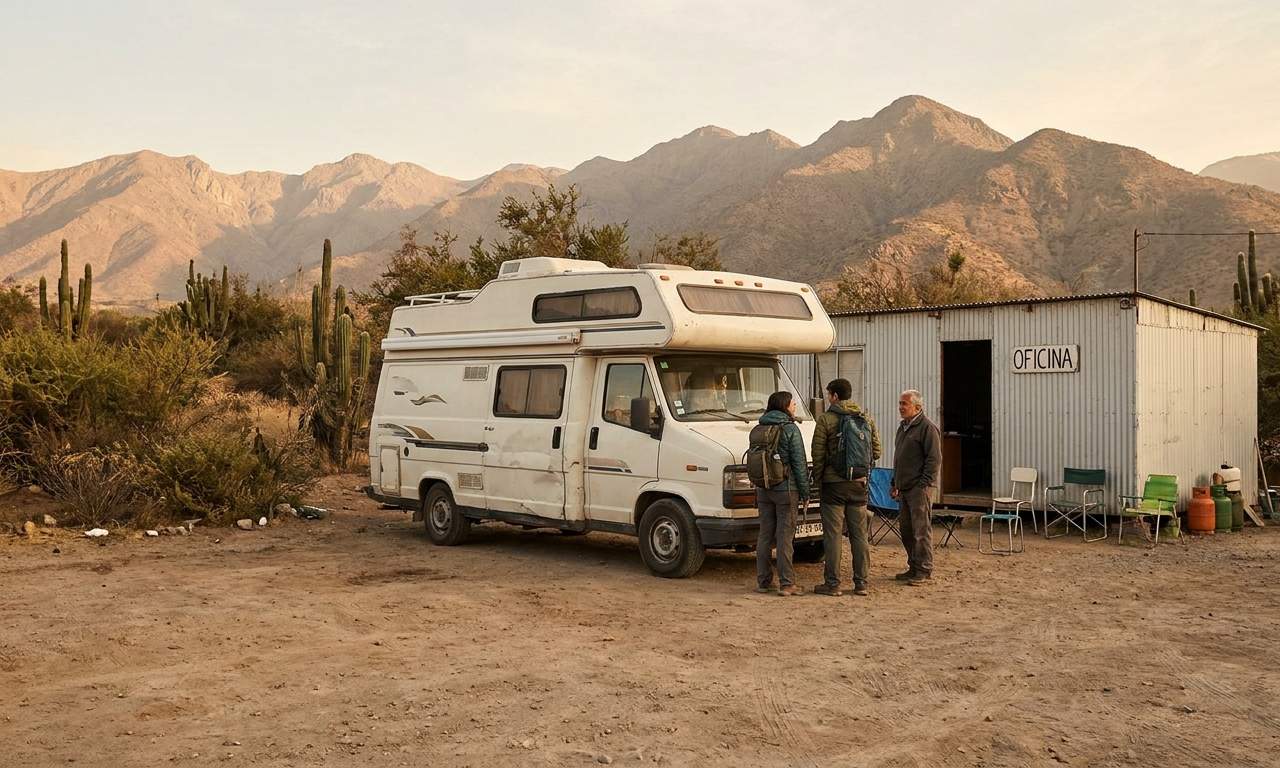
Embarking on your first rented RV adventure in Santiago, Chile, is an exciting way to explore not just the vibrant capital but also the stunning diverse landscapes that surround it. For live availability and current prices, start with our RV Rental Santiago - Complete Guide 2026 guide. Whether you're a family of four, a couple seeking romance, or a group of friends eager for discovery, Santiago offers an excellent starting point for an unforgettable road trip. Imagine waking up to Andean peaks, enjoying breakfast with fresh local produce, and then heading out to discover Chile's rich culture and breathtaking natural beauty, all from the comfort and flexibility of your own mobile home.
Where to Camp in Santiago - Top Options
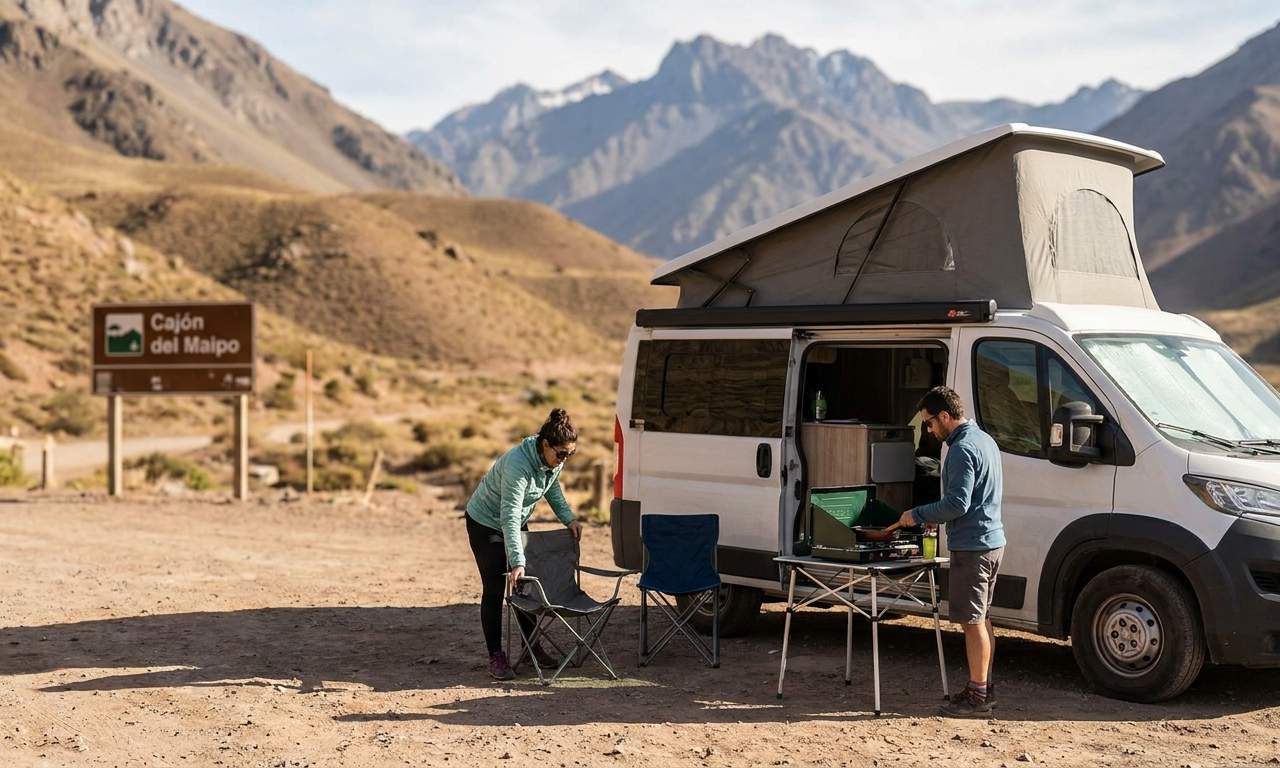
While specific RV campgrounds directly within Santiago's urban core are limited, beginners can find suitable options in the city's outskirts or within a short drive, providing a balance of urban access and natural surroundings. Many first-time RVers choose locations like the Cajón del Maipo, an Andean canyon about an hour southeast of central Santiago, which offers several private campgrounds with basic amenities such as electrical hookups and water. For example, Camping Los Maitenes or Camping Refugio Alemán provide scenic settings and proximity to hiking trails, allowing you to immerse yourself in nature after a day of city exploration. Look for campgrounds situated along key access roads like Route G-25 or near public transport hubs in areas like Puente Alto to facilitate visits into the city center without navigating large RVs through dense traffic.
Campground Types in Santiago (National, Private, Wild)
In and around Santiago, RVers will primarily encounter private campgrounds, offering a range of amenities, while national park options require a short drive out of the immediate metropolitan area, and wild camping (or 'freedom camping') is generally tolerated in remote areas but not legally defined for urban settings. Private campgrounds like those in Cajón del Maipo or near Paine (south of Santiago) typically offer dedicated RV spots with varying hookup levels, security, and facilities such as showers, flush toilets, and often Wi-Fi. National parks (e.g., Parque Nacional La Campana, about 1.5 hours northwest) provide more rustic settings, often with fewer amenities, emphasizing nature immersion. Wild camping within Santiago's city limits is not advisable or generally permitted for safety and legal reasons; for beginners, sticking to established campgrounds ensures safety, security, and access to necessary services like water and waste disposal. Remember to check out RV Rental Chile - Complete Guide 2026 for more info on national park camping across the country.
Featured RV Park or Campground in Santiago
While a specific featured RV park directly within Santiago's immediate urban core may not exist, beginners should look for campgrounds in accessible suburban or peri-urban areas that offer secure parking and essential services, such as Camping El Morado near San José de Maipo, about 70 km from Santiago. This particular campground is known for its serene setting by the El Morado Natural Monument, offering clean facilities and proximity to adventure activities. When choosing your campground in Santiago's vicinity, prioritize locations with good reviews, secure gates for peace of mind, and proximity to major roads for easy access. Look for amenities such as electrical hookups (220V, two-prong Type L or C outlets, common in Chile), potable water, and a dump station for gray and black water, which are essential for a comfortable rented motorhome experience. Many RV-friendly sites outside Santiago will also feature communal areas, picnic spots, and sometimes even pools, making them suitable bases for beginners, such as the sites you can discover through RV PLANET routes. On the routes offered through RV PLANET routes, you can itemize and track every expense along the way for easy budgeting.
Hookups & Amenities - What to Expect
In Santiago's surrounding campgrounds, RVers can typically expect electrical hookups (220V, two-prong Type L or C outlets), potable water connections, and dump stations for waste disposal, alongside other conveniences. Most private campgrounds, especially those catering to international travelers, offer essential amenities like hot showers, flush toilets, and often laundry facilities, which are highly beneficial for week-long trips or longer adventures. Wi-Fi availability varies; while some campgrounds provide it, signal strength can be inconsistent, so having a local SIM card for mobile data is recommended for reliable internet access. Beginners should verify specific hookup types and availability when booking their rental campervan, ensuring their RV's adaptors are compatible with Chilean standards. If you plan to cook delicious meals in your RV's kitchen, remember to check our RV-friendly recipes playlist for inspiration.
Booking Windows & Reservations in Santiago
For RV beginners in Santiago, booking campgrounds in advance is highly recommended, especially during peak seasons like summer (December to February) and long weekends, although last-minute spots can often be found. Planners should aim to book several weeks to a few months ahead for popular private campgrounds or national park sites to secure preferred locations and potentially save money. For example, popular sites in Cajón del Maipo can fill up quickly during January and February. For more spontaneous travelers, calling ahead to check availability on the day of or the day before arrival is a reliable strategy, as many national and state parks reserve 25-30% of their spots for first-come-first-serve arrivals. Reassuringly, "you will almost certainly find a place - if not at the first campground, then the next" holds true in many Chilean regions, especially if you're flexible with your exact location. You can compare various options for your chosen dates through our service to find the best RV Rental Deals in Santiago - Latest Offers 2026.
Nearby Supermarkets & Resupply Points
RV beginners in Santiago can easily resupply at major supermarket chains found throughout the city and its outskirts, offering comprehensive selections for provisions. Look for large chains such as Jumbo, Lider (Walmart), Unimarc, and Santa Isabel, which have numerous locations like those along Avenida Américo Vespucio or near shopping centers such as Costanera Center, and typically offer ample parking suitable for rented motorhomes. Consider stocking up before heading to more remote areas, as options become scarcer outside metropolitan zones, especially when venturing south towards places like Pucón or the Carretera Austral. Many of these supermarkets also have fuel stations and sometimes even banking services, making them convenient one-stop resupply points for RV travelers.
Best RV Class for Camping in Santiago
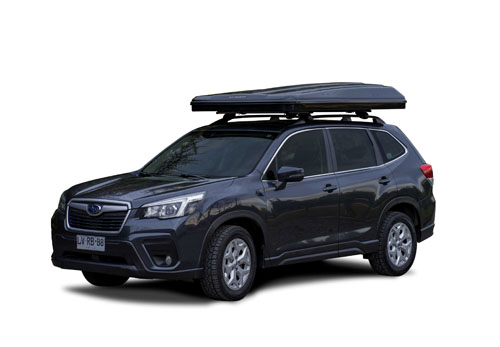
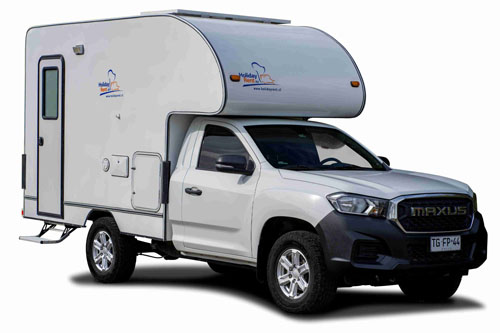
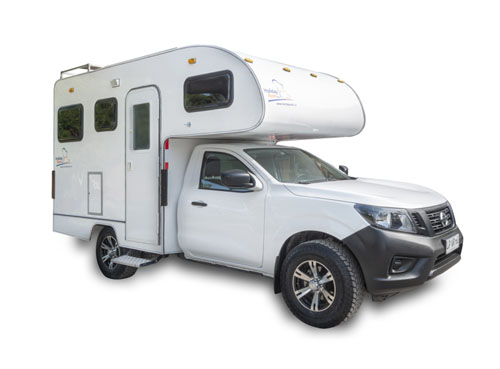
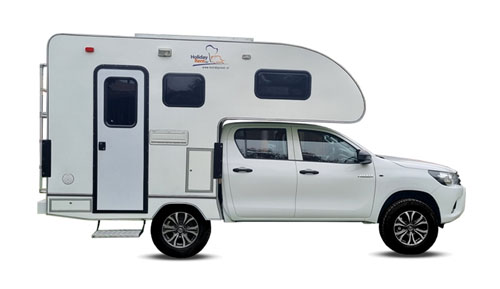
For RV beginners camping in Santiago and exploring its surroundings, a Class TC - Truck Camper, which typically measures around 5.6 meters in length, is often ideal due to its maneuverability and efficiency. Bandana's fleet in Santiago includes models like the 'Patagonia Camper 4x4 double cab' or a similar '4x4 Camper B - TYR,' averaging 2.7 sleeping places and 2.3 adults, consuming about 12-14 liters per 100 km, making them economical and suitable for smaller groups or adventurous couples. These compact RVs are easier to navigate on narrower roads, fit into smaller campsites, and are generally more fuel-efficient compared to larger Class A or C motorhomes, which is a significant advantage for urban fringes and scenic routes, including accessing some of the more rugged areas in Cajón del Maipo. For families or larger groups up to 4-6 people, a Class C motorhome like the 'cruise america rv rental example Explorer' which is 7.1 meters long, offers more space and comfort while still being manageable for new RVers.
How to Save on Campgrounds in Santiago
RV beginners can significantly save on campgrounds in Santiago by leveraging discount cards, opting for shoulder seasons, choosing municipal sites, and staying longer for weekly rates. Many RV rental providers, including Bandana partners, may offer campground discount cards or partnerships that can provide savings on nightly rates at participating sites; inquire about these when booking your rented RV, for example, a 'Cheap RV Rental in Santiago - Budget Guide 2026' will often highlight these options. Traveling during the shoulder seasons (spring: September-November; autumn: March-May) often means lower rates and fewer crowds compared to the peak summer months (December-February). Consider municipal or regional campgrounds over private resorts, as they tend to be more budget-friendly. Additionally, if traveling with friends, sharing hookups at a single site can further reduce ancillary costs, which can be itemized and tracked using RV PLANET routes for easy budgeting.
How to Navigate Santiago with an RV - Driving, Parking, and Restrictions
Navigating Santiago with an RV requires careful planning due to dense traffic, narrow streets, and specific vehicle restrictions, making suburban RV bases often preferable for beginners. When driving your rented motorhome, avoid the city core during peak hours (roughly 7-9 AM and 5-7 PM); instead, utilize ring roads like Autopista Vespucio Norte/Sur. Drive slowly and carefully, and you can drive almost anywhere without issues. No need to stress - just use common sense and pay attention. Dedicated RV parking is scarce in central Santiago; consider parking at your campground or designated public transport hubs on the outskirts (e.g., near Metro stations like Lo Ovalle or Vespucio Norte) and using the Metro, buses, or ride-sharing apps to access attractions. Santiago implements pollution control measures, sometimes restricting vehicles based on license plate numbers ('Restricción Vehicular Santiago') during environmental alerts, especially in winter (May-August); always check current regulations before driving into restricted zones. For places like the historic center or specific museums, it's more practical to park your RV safely outside the immediate urban core and commute in, ensuring a stress-free visit.
Is RV Camping Safe in Santiago and Chile - Security and Emergency Tips
RV camping in Santiago and throughout Chile is generally safe, but beginners should implement specific security protocols and be aware of common road hazards, especially as international travelers. Always choose reputable campgrounds with secure gates and consider extra locks for your rented RV doors and storage compartments; never leave valuables exposed. Road conditions vary significantly: main highways (e.g., Ruta 5 Panamericana) are excellent, but secondary roads, especially to more remote attractions (like parts of Carretera Austral south of Puerto Montt), can be unpaved, narrow, or have sharp curves, requiring slower speeds and heightened caution. Always carry a basic first-aid kit, know the emergency number (131 for ambulance, 132 for fire, 133 for police), and have local roadside assistance contact information, often provided by your rental company. In case of a minor incident or theft, report it to the local Carabineros (police); for accidents, always involve local authorities and your rental company.
RV Services in Santiago - Propane, Repairs, Water, and Dumping
Finding reliable RV services like propane refills, minor repairs, water sources, and dumping stations in and around Santiago is manageable, but requires some foresight for international travelers. For propane/LPG refills, 'Lipigas' and 'Gasco' are major suppliers; you can find their stations on the outskirts of Santiago or in larger towns along your route. For non-Chilean tanks, adaptors may be needed, or look for specific RV-friendly service stations or specialized propane distributors. General automotive shops can handle basic RV issues, but specialized RV parts might require ordering or visiting larger cities; your rental company can provide guidance or support if you encounter issues. Most established private campgrounds offer dump stations for gray and black water; public dumping stations outside campgrounds are less common, so plan your route to utilize campground facilities before venturing into remote areas. Potable water is generally available at campgrounds; for boondocking or dry camping, ensure you fill up from trusted sources, and consider a water filter for extra peace of mind. For finding specific service points along your route, RV PLANET (rvplan.net) is a great resource.
Planning RV Routes from Santiago - Best Trips and Challenging Roads
From Santiago, beginner RVers can plan diverse trips ranging from wine country tours to challenging Patagonia expeditions like the Carretera Austral, requiring specific vehicle suitability and real-time preparation. For beginners, consider a week-long trip to Valparaíso and the Pacific coast, or south to the Wine Valleys (e.g., Colchagua Valley, a 2-hour drive) and the Lake District (e.g., Pucón, about 8 hours drive), which offer good infrastructure and scenic drives. Travel slowly, max 100-150 km per day on average. Take time to feel the place, connect to the culture, the food, and the scenery. The iconic Carretera Austral (Route 7) in Patagonia is a challenging route, largely unpaved in sections, narrow, and requires a robust RV type (like a 4x4 capable Class TC - Truck Camper) and prior experience; check real-time road conditions and ferry booking advice well in advance for segments around Puerto Chacabuco or Caleta Gonzalo. Always assess your chosen rented RV's capabilities against your desired route and check weather forecasts, especially for mountain passes or remote areas, and ensure your RV is mechanically sound before embarking on longer journeys. Our Rent&Plan service can provide professionally pre-planned route itineraries, saving you 25% on planning fees when you book an RV rental through us.
🎬 Video coming soon
Cultural Tips and Essential Spanish Phrases for RVers in Chile
Integrating local cultural tips and knowing essential Spanish phrases significantly enhances the RV experience in Chile, facilitating smoother interactions and showing respect for local customs. Chilean culture is generally warm and friendly; a simple 'Buenos días/tardes/noches' (Good morning/afternoon/evening) and 'Por favor' (Please) / 'Gracias' (Thank you) go a long way; it's polite to greet people before asking questions. Drive defensively on Chilean roads; pay attention to local signage, which may differ slightly from international standards; always yield to pedestrians and respect speed limits, especially in smaller towns. Learn phrases for directions ('¿Dónde está el campamento más cercano?' - Where is the nearest campground?), fuel ('¿Dónde está la bencinera?' - Where is the gas station?), repairs ('Necesito ayuda con mi motorhome' - I need help with my motorhome), prices ('¿Cuánto cuesta?'), and basic greetings to aid in communication. Be polite and cooperative with Carabineros (police) during any checkpoints or stops; they are generally helpful, especially if you show effort in communicating in Spanish.
Exploring Santiago by RV - Authentic Experiences and Hidden Gems
Beyond well-known attractions like Plaza de Armas or Cerro San Cristóbal, a rented RV allows beginners to discover Santiago's authentic local experiences and hidden gems by providing flexibility to explore diverse neighborhoods and markets. Visit La Vega Central for an immersive experience in Santiago's largest fresh produce market, where you can buy ingredients for your RV kitchen; strategic parking outside the immediate market area, perhaps along Avenida Recoleta, is advised. Browse artisanal crafts and unique boutiques in Barrio Italia, a charming neighborhood known for its creative spirit. Use your RV as a base to explore lesser-known areas like the panoramic views from Parque Metropolitano's less-frequented sectors, parking where it's safe and permitted. For a unique culinary adventure, discover local 'picadas' (small, authentic eateries) offering traditional Chilean cuisine. The nearby Maipo Valley wine route offers vineyard tours and tastings, with many wineries welcoming RVers for overnight stays, allowing you to enjoy Chile's renowned wines at your own pace. Consider our "RV Travel Guide to Santiago - Tips and Top Spots 2026" for more ideas.
What You Shouldn't Miss
- Cajón del Maipo Adventure: Drive your rented campervan into the Andes to explore this stunning canyon, featuring hiking, hot springs (Termas Valle de Colina), and river activities.
- Valparaíso and Viña del Mar Coast: Take a scenic coastal drive (approx. 1.5 hours west) to the colorful, bohemian port city of Valparaíso, a UNESCO World Heritage site, and the upscale beach resort of Viña del Mar.
- Maipo Valley Wine Route: Experience Chile's renowned wine country, just an hour south of Santiago, with vineyard tours and tastings. Some vineyards offer RV-friendly parking or small associated campgrounds.
- Andean Thermal Hot Springs: Relax in the natural thermal pools of Baños Morales or Termas Valle de Colina in Cajón del Maipo, accessible by a robust RV like a 4x4 Class TC - Truck Camper.
- La Vega Central Market: Immerse yourself in the bustling atmosphere of Santiago's largest fresh produce and food market for an authentic cultural and culinary experience.
Final Thoughts
Your first RV camping trip in Santiago is more than just a vacation; it's an invitation to freedom and discovery. With the majestic Andes as your backdrop and vibrant culture at your fingertips, a rented campervan offers unparalleled flexibility to create your own unique Chilean story. Remember to plan your route, secure your campsites, and embrace the unexpected adventures that only RV travel can bring.
At Bandana Caravan, we're passionate about helping you embark on these incredible journeys. Our commitment to full transparency, expert support, and comprehensive planning tools ensures that your first-time RV experience in Santiago is seamless and enjoyable. So, pack your bags, choose your perfect motorhome, and get ready for the adventure of a lifetime!
Find Motorhome Rentals in Santiago