In This Guide
- Where to Camp in Japan - Top Options
- Campground Types in Japan (National, Private, Wild)
- Featured RV Park or Campground in Japan
- Hookups & Amenities - What to Expect
- Booking Windows & Reservations in Japan
- Nearby Supermarkets & Resupply Points
- Best RV Class for Camping in Japan
- How to Save on Campgrounds in Japan
- How much does an RV trip in Japan cost?
- What are Michi-no-Eki and how do RVers use them?
- What are the challenges of driving an RV in Japan?
- What cultural etiquette should RVers know in Japan?
- What are the best seasons for RV travel in Japan?
- What technology and apps are essential for RV travel in Japan?
- What unique RV experiences can I have in Japan?
- What are some suggested RV itineraries for Japan?
- Is RV travel in Japan suitable for all traveler types?
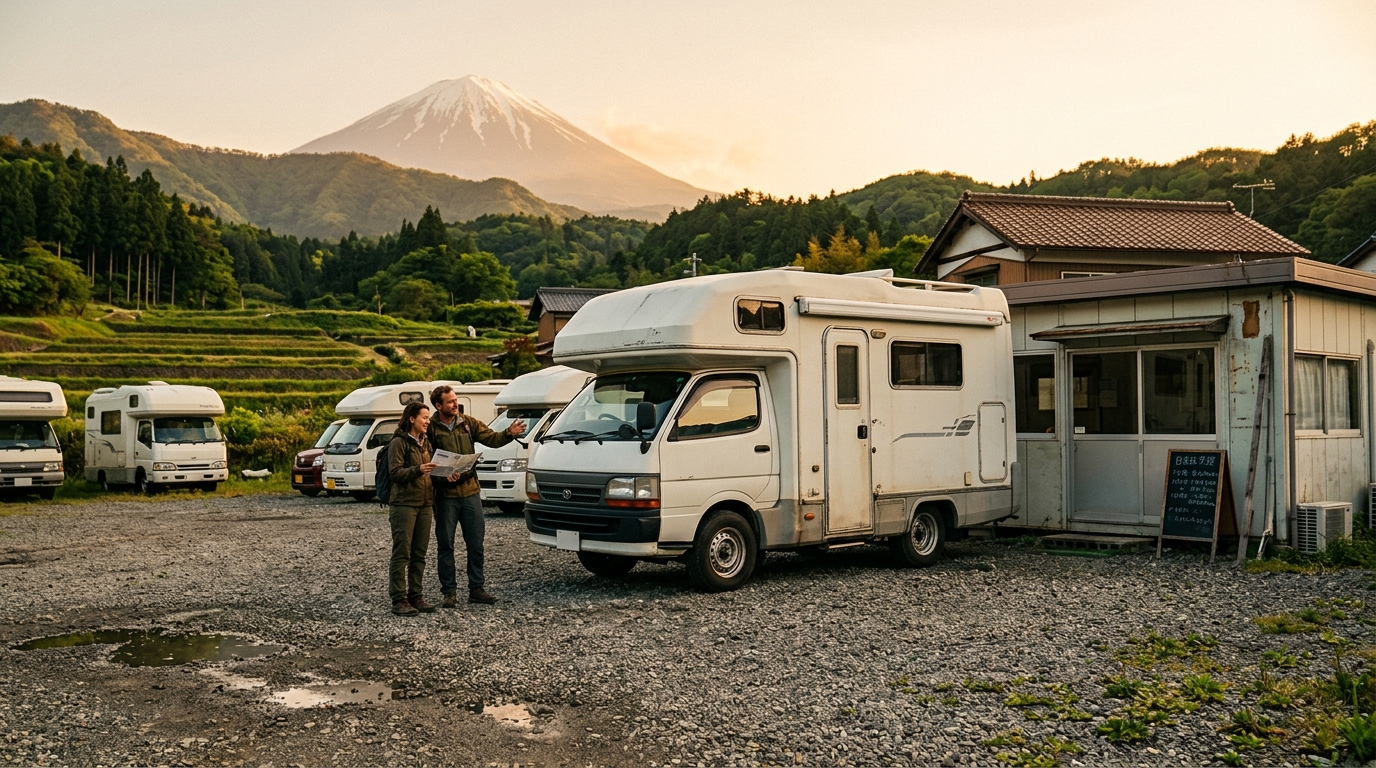
Embarking on a rented motorhome adventure in Japan is an incredible way to experience this captivating country, blending stunning natural beauty with ancient traditions and vibrant modern cities. For first-time RV travelers, Japan offers a unique and surprisingly accessible journey. Imagine yourself waking up to the serene views of Mount Fuji, exploring ancient temples, or soaking in a natural onsen, all from the comfort of your mobile home.
At Bandana Caravan, we are true RV specialists, helping tens of thousands of travelers explore the world by RV since our founding in 2001. We believe in full transparency: what you see is what you get, with no hidden fees or surprises. Our goal is to make your first-time RV camping in Japan as smooth and enjoyable as possible. For live availability and current prices, start with our RV Rental Japan - Complete Guide 2026 guide, which provides comprehensive information for your trip.
Where to Camp in Japan - Top Options
Japan offers diverse camping experiences from serene national parks to bustling private sites, catering to every preference for your rv rental adventure. Beginners can typically find well-equipped campgrounds near popular tourist regions like Hokkaido for nature adventures or around Mount Fuji for iconic views. Municipal campgrounds often provide a balance of facilities and affordability, while private resorts offer more luxury, including amenities like onsen. When researching your options, consider utilizing a dedicated resource like RV PLANET (rvplan.net) to locate available spots and plan your route with ease, and remember that our team is with you before and after your booking to coordinate everything.
Campground Types in Japan (National, Private, Wild)
Japan's campgrounds primarily fall into National Park sites, private campgrounds, and Michi-no-Eki (roadside stations) which serve as legal overnight parking but not official wild camping. National Park campgrounds offer stunning natural settings, often with basic amenities, and are managed by public bodies, ideal for immersing yourself in Japan's breathtaking landscapes. Private campgrounds generally provide more extensive amenities like hot showers, laundry, and sometimes even onsen, catering to a comfortable RV experience for families or those seeking extra conveniences. Wild camping, or 'boondocking,' in Japan is generally not permitted outside of designated areas or private land with explicit permission; Michi-no-Eki offer a safe, legal, and culturally accepted alternative for overnight stops, often providing restrooms and local shops.
Featured RV Park or Campground in Japan
When choosing an RV park in Japan, beginners should prioritize locations that offer clear English instructions, essential hookups, and proximity to local attractions or public transport. An ideal RV park would feature clean restrooms, shower facilities, a dump station, and potentially Wi-Fi access. Many RV parks are situated to give easy access to popular sights, allowing you to park your rented motorhome and explore using local transportation for city areas. For instance, sites around Lake Kawaguchiko offer unparalleled views of Mount Fuji and convenient access to the Five Lakes region. Always ensure the campground can accommodate your specific rented RV size, as some smaller sites may have restrictions, particularly for larger Class C or Class A motorhomes, although many are designed for the popular, compact Japanese campervans. On the routes offered through RV PLANET routes, you can itemize and track every expense along the way for easy budgeting.
Hookups & Amenities - What to Expect
In Japan, RV campgrounds commonly offer electricity (100V, Type A/B outlets), water, and dump stations for both grey and black water, though availability can vary by site, with some more rustic options. Expect to find clean public restrooms and shower facilities at most established campgrounds, often impeccably maintained. Wi-Fi is increasingly common, especially at private campgrounds or Michi-no-Eki, but may not be available at all sites or universally strong, so planning for offline entertainment is a good idea. Laundry facilities are often coin-operated, and many sites feature communal kitchen areas or BBQ pits for guest use, enhancing the social aspect of your camping experience.
Booking Windows & Reservations in Japan
Booking RV campgrounds in Japan is highly recommended, especially during peak seasons like cherry blossom (spring) or autumn foliage periods, or major national holidays such as Golden Week. Planners should aim to book several months in advance for popular spots, securing their preferred locations and dates. However, spontaneous travelers need not worry: many national and even private park campgrounds operate on a dual system, reserving only 25-30% of spots for advance bookings and keeping the rest for first-come, first-served arrivals. This means you will almost certainly find a spot; if not at the first campground, then the next one. Always call ahead to confirm availability before driving to a remote campground, especially if you haven't pre-booked. Our 24/7 support team is here to assist with pre-booking comparisons and coordination, ensuring peace of mind.
Nearby Supermarkets & Resupply Points
RV travelers in Japan can easily resupply at major supermarket chains such as Aeon, Ito-Yokado, Seiyu, or smaller local stores found in towns and cities across the country, typically open from 9 AM to 9 PM. Michi-no-Eki (roadside stations) are also excellent resupply points, often featuring fresh local produce, specialty foods, and sometimes small convenience stores. Look for convenience stores like 7-Eleven, FamilyMart, or Lawson, which are ubiquitous, open 24/7, and useful for quick snacks, drinks, and ATM access. Stocking your rented motorhome's kitchen with local ingredients is a fantastic way to experience Japanese cuisine, and you'll find plenty of inspiration on our RV-friendly recipes playlist.
Best RV Class for Camping in Japan
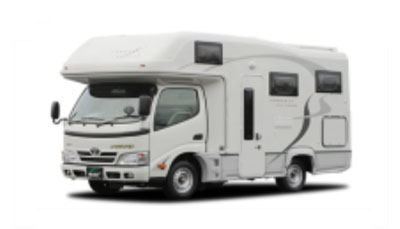
For RV beginners in Japan, the Class B - Camper Van and Class SI - Semi-integrated are generally the best choices due to Japan's narrower roads and urban driving conditions. Class B Camper Vans, averaging 5.8 meters in length with sleeping for around 3.2 people (like a comfy "2 Berth Hi Top" campervan), offer excellent maneuverability and are easier to park in most areas. Class SI Semi-integrated RVs, averaging 6.9 meters in length with sleeping for about 3.8 people (consider a "2 Berth Rover" or "2 Berth Tamar"), provide a good balance of living space and relative ease of driving on Japanese roads. While larger Class C - Alcove (avg. 7.5m, 5.8 sleepers) and Class A - Integrated (avg. 7.5m, 4.4 sleepers) RVs offer more amenities, they can be more challenging to navigate on smaller roads and in city centers. Remember, you can drive slowly and carefully, and you can drive almost anywhere without issues. No need to stress - just use common sense and pay attention. A standard car driver's license is sufficient for all motorhome classes in Japan, making them accessible to most travelers.
How to Save on Campgrounds in Japan
To save on campground costs in Japan, consider utilizing discount cards often available through your RV rental providers or popular camping associations, which can offer reduced rates at participating sites. Booking during the shoulder seasons (early spring before Golden Week, or late autumn after peak foliage) can yield lower prices and fewer crowds compared to peak travel times, which typically see higher demand and dynamic pricing. Opt for municipal or regional campgrounds over private resorts, as they typically offer more budget-friendly rates. Additionally, staying for three or more nights can sometimes qualify you for weekly rates or extended stay discounts, which are more economical per night for your rented campervan. Don't forget that Michi-no-Eki offer free overnight parking, drastically cutting down accommodation costs for those willing to forgo full hookups.
How much does an RV trip in Japan cost?
The total cost of an RV trip in Japan extends beyond just rental fees, encompassing fuel, tolls, groceries, campground fees, and activity expenses, which can range significantly depending on your travel style. Fuel costs, considering Bandana's global fleet averages 10-12 Liters/100 km for most classes of motorhomes, will be a significant variable, as gasoline prices in Japan are moderate but fluctuate. Toll roads, especially expressways with the ETC (Electronic Toll Collection) system, can add substantial costs, with a drive from Tokyo to Osaka potentially exceeding ¥10,000 (about $70-$80 USD) in tolls, making route planning essential to balance scenic routes with cost-efficiency. Budget approximately ¥3,000-¥8,000 (roughly $20-$55 USD) per night for a standard campground, while Michi-no-Eki parking is free. Daily spending on groceries, dining out, and entrance fees for attractions should be factored in, with a suggested budget of ¥5,000-¥10,000 (approx. $35-$70 USD) per person per day. For detailed budgeting and to itemize and track every expense along the way, explore RV PLANET routes, which offer pre-planned itineraries with transparent cost breakdowns.
What are Michi-no-Eki and how do RVers use them?
Michi-no-Eki, or roadside stations, are government-designated rest areas across Japan that often provide free overnight parking for RVs, acting as informal campgrounds for many travelers. These stations typically feature clean, well-maintained restrooms, local product shops selling regional delicacies and souvenirs, restaurants, and sometimes even free Wi-Fi or onsen facilities, offering a taste of local culture. While Michi-no-Eki permit overnight parking, they are not formal campgrounds; etiquette dictates limiting stays to one night, avoiding excessive camping setups like awnings or chairs, and minimizing noise to respect local residents and other visitors. They are invaluable for beginners needing a safe, convenient, and free place to stop, resupply, and experience local culture without requiring full campground amenities.
What are the challenges of driving an RV in Japan?
Driving a rented RV in Japan presents unique challenges, including navigating narrow roads, securing suitable city parking, understanding the complex toll systems, and interpreting Kanji-based road signs. Many rural roads and city streets are significantly narrower than those in Western countries, requiring careful driving, especially with larger RVs. However, you can drive slowly and carefully, and you can drive almost anywhere without issues. No need to stress - just use common sense and pay attention. City parking can be scarce and expensive for RVs; utilizing public transport from outside city centers or parking at larger shopping malls or Michi-no-Eki is often a practical solution. Japan's toll system, primarily ETC (Electronic Toll Collection), can be confusing for foreigners without a compatible card, though cash payments are also possible at most toll booths. Beginners should familiarize themselves with common road signs and consider using a GPS system with English navigation to assist with directions and Kanji interpretation.
What cultural etiquette should RVers know in Japan?
RVers in Japan should be highly mindful of cultural etiquette, including proper waste disposal, maintaining low noise levels, adhering to public bath (onsen) rules, and respecting local customs and private property. Dispose of all waste properly in designated bins or take it with you, as littering is highly frowned upon and recycling rules are often strict. Keep noise to a minimum, especially during evening hours, to respect local residents and fellow travelers. When visiting an onsen, always wash thoroughly before entering the bath, avoid wearing swimsuits (most are nude), and never put towels into the bathing water. Always seek explicit permission before parking or setting up camp on private land, and be respectful when interacting with locals and using shared facilities like restrooms at Michi-no-Eki. An International Driving Permit (IDP) is recommended for visitors from non-English-speaking countries, but a standard car license is sufficient for driving all motorhome classes.
What are the best seasons for RV travel in Japan?
The best seasons for RV travel in Japan are typically spring (March-May) for cherry blossoms and autumn (September-November) for stunning fall foliage, offering pleasant weather and vibrant scenery. Spring allows travelers to witness the iconic cherry blossoms, though it's also a peak season with higher demand for campgrounds and potentially higher costs for rv rental. Autumn provides comfortable temperatures, fewer crowds than spring in some areas, and spectacular views of changing leaves, particularly in mountainous regions like Hokkaido or Nagano. Summer (June-August) can be hot and humid, coinciding with typhoon season (especially July-September), making it less ideal for some, though northern Japan (Hokkaido) remains pleasantly cool. Winter (December-February) offers unique experiences like snow festivals and skiing, but requires specific preparation such as winter tires and knowledge of snow-covered routes, which might be challenging for beginners. Regardless of the season, traveling slowly, perhaps a maximum of 100-150 km per day on average, allows you to truly feel the place, connect to the culture, the food, and the scenery.
What technology and apps are essential for RV travel in Japan?
Essential technology and apps for RV travel in Japan include reliable navigation (e.g., Google Maps, Japan Navi for detailed local information), language translation tools (e.g., Google Translate with its camera function), weather apps, and public transport apps for seamless city visits. Offline maps are crucial, especially in rural areas where data connectivity can be spotty, ensuring you always have directions to your next campground or Michi-no-Eki. Translation apps with camera functionality can help interpret Kanji-only road signs, menus, and local information, bridging any language barriers. Weather apps are vital for monitoring conditions, particularly during typhoon season or when planning routes through mountainous regions where conditions can change rapidly. Apps for public transport (e.g., Japan Transit Planner or Jorudan) are useful for navigating cities when you've parked your rented RV outside the urban core, saving on city driving and parking stress.
What unique RV experiences can I have in Japan?
RV travel in Japan offers unique experiences, including integrating onsen (hot springs) into itineraries, attending local festivals, and sourcing regional delicacies from Michi-no-Eki or local markets. Many campgrounds and Michi-no-Eki are strategically located near natural onsen, allowing for daily relaxation and an authentic Japanese cultural immersion after a day of driving your rented camper. Traveling by RV provides the flexibility to stumble upon and attend local festivals (matsuri) which showcase Japan's rich traditions and community spirit, offering memorable cultural encounters. Michi-no-Eki and local farmers' markets are perfect for discovering and purchasing regional specialties, fresh produce, and unique souvenirs, enhancing your culinary journey. You can also explore diverse landscapes, from the volcanic regions of Kyushu to the snowy peaks of Hokkaido, or the cultural heart of cities like Kyoto and Osaka, all from the comfort and convenience of your mobile home. An extended road trip allows you to delve deep into the country's offerings.
🎬 Video coming soon
What are some suggested RV itineraries for Japan?
Suggested RV itineraries for Japan can be themed around specific interests, such as a 'Volcanoes & Hot Springs RV Tour' through Kyushu or a 'Historical Sites Road Trip' exploring Honshu. A 'Volcanoes & Hot Springs RV Tour' could focus on Kyushu, visiting Mount Aso, Beppu's famed 'Hells,' and numerous onsen towns, utilizing Michi-no-Eki for convenient overnight stops with your rented motorhome. A 'Historical Sites Road Trip' across Honshu might include iconic destinations like Kyoto, Nara, Hiroshima, and the samurai villages of Nagano, offering a rich blend of culture and scenic drives. For nature lovers, an itinerary through Hokkaido could focus on its national parks like Daisetsuzan and Shiretoko, showcasing Japan's wild northern beauty. Remember to travel slowly, max 100-150 km per day on average, to truly appreciate each stop. You can also integrate short detours to local festivals or specific culinary regions for a more immersive and personalized journey. Bandana Caravan offers 1,300+ pre-planned routes across 5 continents via our sister company, RV PLANET (rvplan.net), and you get a 25% planning discount when you use their professional route plans, allowing you to discover top destinations, planning tips, all in one place!
Is RV travel in Japan suitable for all traveler types?
RV travel in Japan can be suitable for a wide range of traveler types, including families with children, pet owners, solo travelers, and those on a budget, though some planning adjustments may be needed. Families with children will appreciate the flexibility and personal space a rented RV offers, with ample room for gear and child-friendly stops at Michi-no-Eki, creating lasting memories. Pet owners will find some campgrounds and Michi-no-Eki are pet-friendly, but strict rules on leashes and waste disposal must be followed, and pets are generally not allowed inside most public buildings or onsen. Solo travelers can enjoy the freedom and independence of a rented RV, with smaller Class B Camper Vans being particularly manageable for single explorers. Budget-conscious travelers can save significantly on accommodation and dining by cooking in their RV kitchen and utilizing free overnight parking at Michi-no-Eki, while luxury seekers can opt for premium RVs and private campgrounds with more amenities, ensuring a comfortable and bespoke journey. Whether you're looking for cheap RV Rental in Japan - Budget Guide 2026 or a Luxury RV Rental in Japan - Premium Prices 2026, Bandana has options for every style of traveler.
What You Shouldn't Miss
- **Hokkaido's Natural Beauty**: Explore the vast wilderness of Hokkaido, from the volcanic landscapes of Daisetsuzan National Park to the stunning blue ponds of Biei, perfect for a week-long trip.
- **Mount Fuji's Five Lakes Region**: Camp near Lake Kawaguchiko to wake up to breathtaking views of Mount Fuji, and easily access nearby hiking trails and onsen.
- **Kyoto's Ancient Temples**: Park your rented motorhome outside the city center and use public transport to immerse yourself in Kyoto's historical sites, including the Golden Pavilion and Fushimi Inari-taisha shrine.
- **Michi-no-Eki Exploration**: Dedicate part of your rv rental journey to discovering the unique local products and cultural experiences offered at various Michi-no-Eki across the country.
- **Onsen Hopping in Kyushu**: Drive through Kyushu, stopping at various onsen towns like Beppu and Kurokawa Onsen, for a relaxing and authentic Japanese hot spring experience.
- **Shikoku's Scenic Coastline**: Discover the less-traveled island of Shikoku with its dramatic coastal roads and 88 Temple Pilgrimage sites, offering a tranquil and spiritual RV journey.
Looking for expert insights from Avi Bandana? Top 5 Adventures - recommendations from Avi Bandana.
Final Thoughts
Embarking on your first-time RV camping trip in Japan is an adventure unlike any other, offering unparalleled freedom and immersion into its unique culture and landscapes. From navigating the charming country roads to discovering hidden onsen and bustling Michi-no-Eki, your rented motorhome becomes your personal gateway to authentic experiences. Don't let initial concerns about driving or planning deter you; with a bit of preparation and common sense, you'll find Japan to be an incredibly welcoming and rewarding destination for RV travelers.
We at Bandana Caravan are here to support you every step of the way, offering transparent pricing, expert advice, and a wide selection of vehicles to ensure your journey is seamless and joyful. So, start dreaming of those cherry blossoms or vibrant autumn leaves, and get ready to create unforgettable memories on the open road. Your Japanese RV adventure awaits!
Discover top destinations, planning tips, all in one place! Plan a trip itinerary in advance with minimal effort and maximum enjoyment.