In This Guide
- Where to Camp in Italy — Top Options
- Campground Types in Italy (National, Private, Wild)
- Featured RV Park or Campground in Italy
- Hookups & Amenities — What to Expect
- Booking Windows & Reservations in Italy
- Nearby Supermarkets & Resupply Points
- Best RV Class for Camping in Italy
- How to Save on Campgrounds in Italy
- What are the rules for RV camping in Italy?
- Is it safe to RV in Italy?
- How much does it cost to RV in Italy?
- What is the best time to RV in Italy?
- What are the best RV routes in Italy for beginners?
- Do you need a special license to drive an RV in Italy?
- What do you need for RV travel in Italy?
- Can you park an RV anywhere in Italy?
- Is RVing popular in Italy?
- What are the pros and cons of RV travel in Italy?
- Can you rent an RV in Italy?
- Is it difficult to drive an RV in Italy?
- Are dogs allowed in RVs in Italy?
- How do you get water for an RV in Italy?
Where to Camp in Italy — Top Options
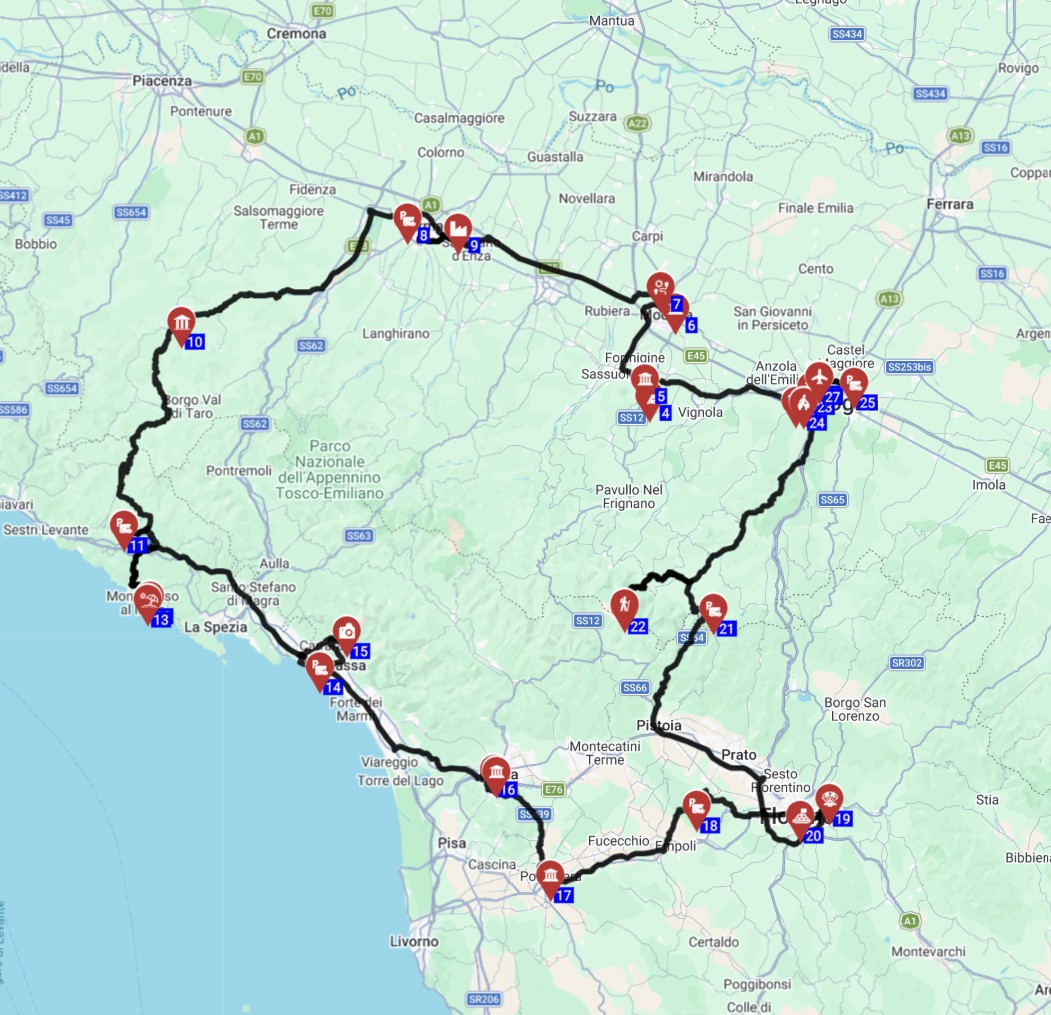
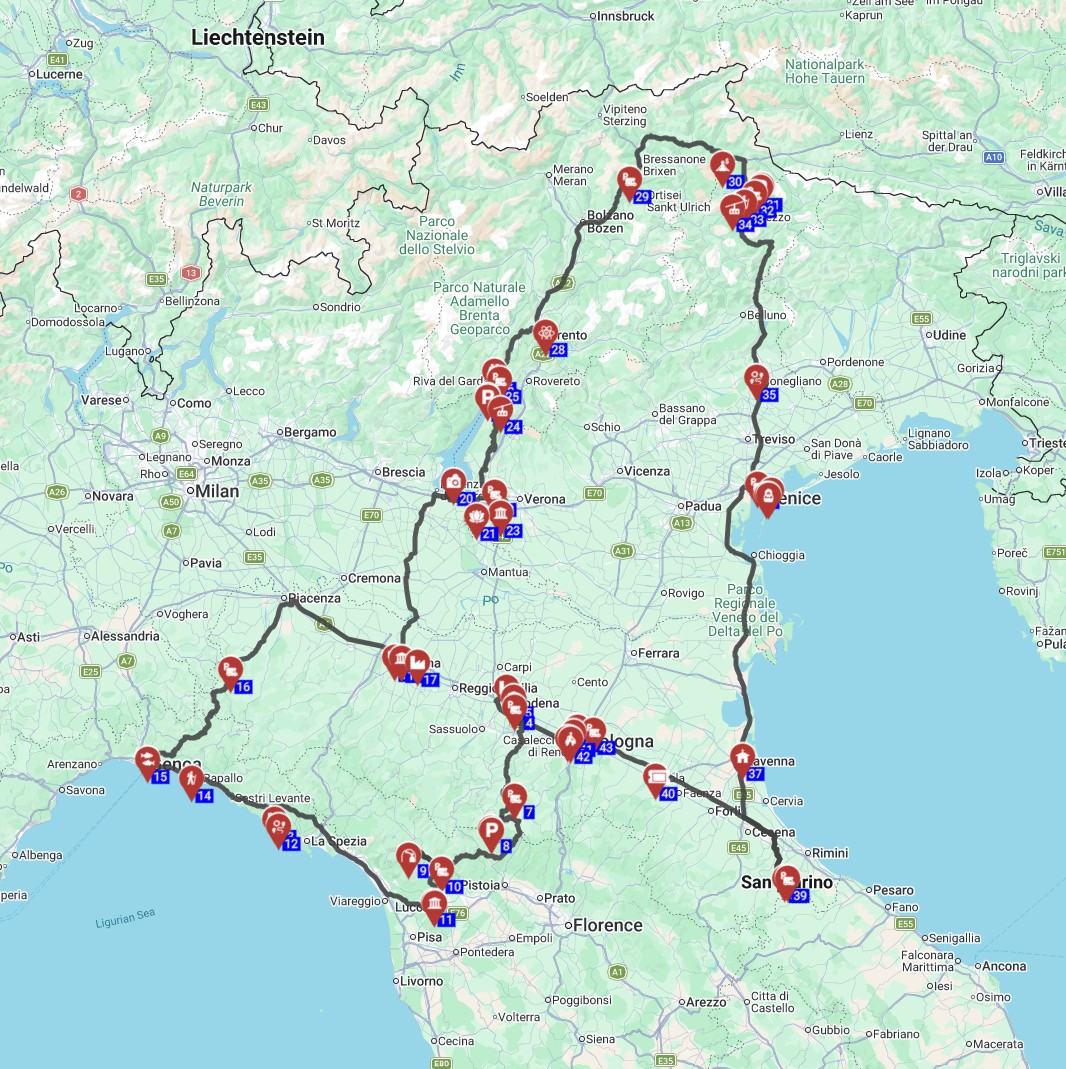
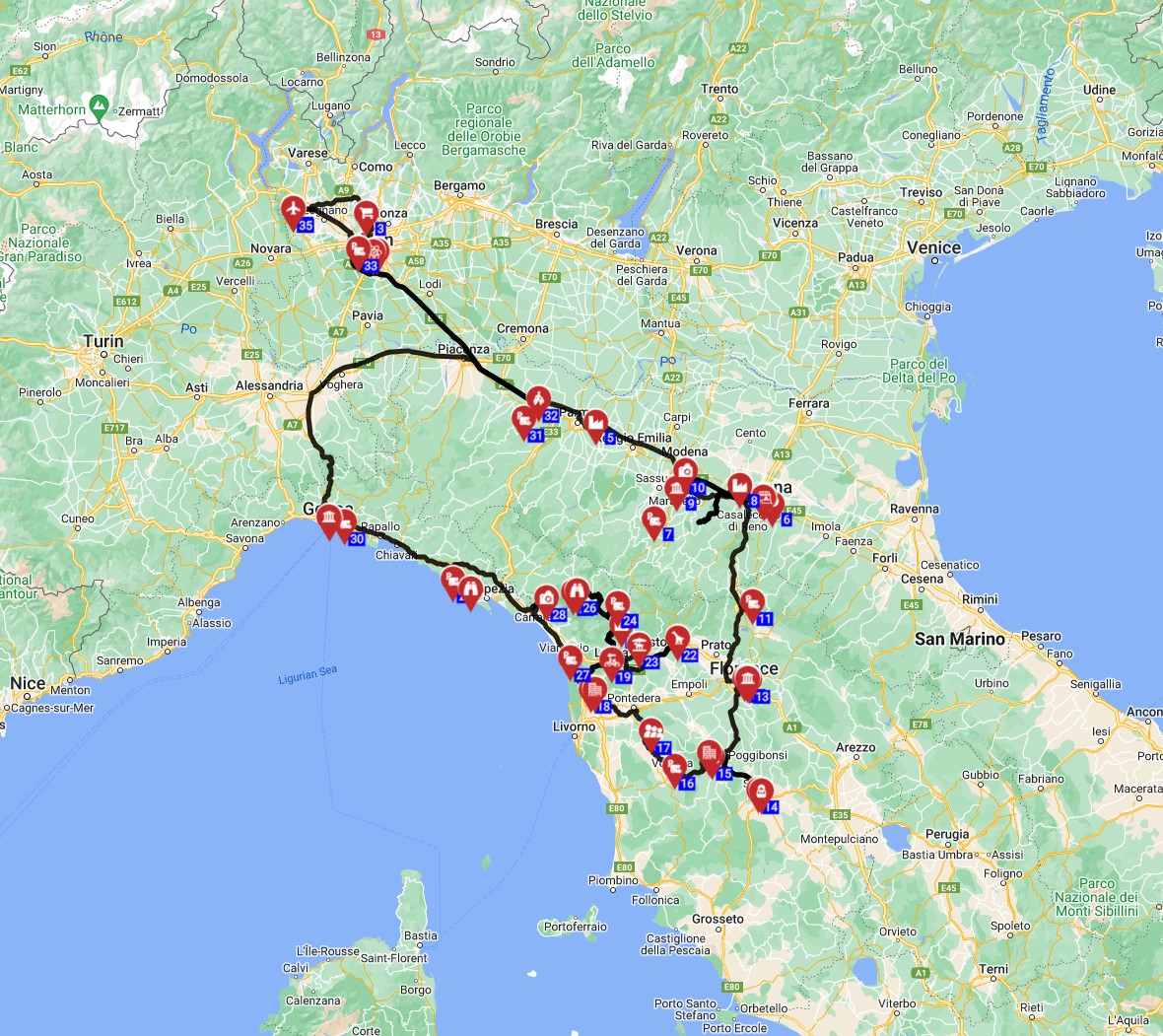
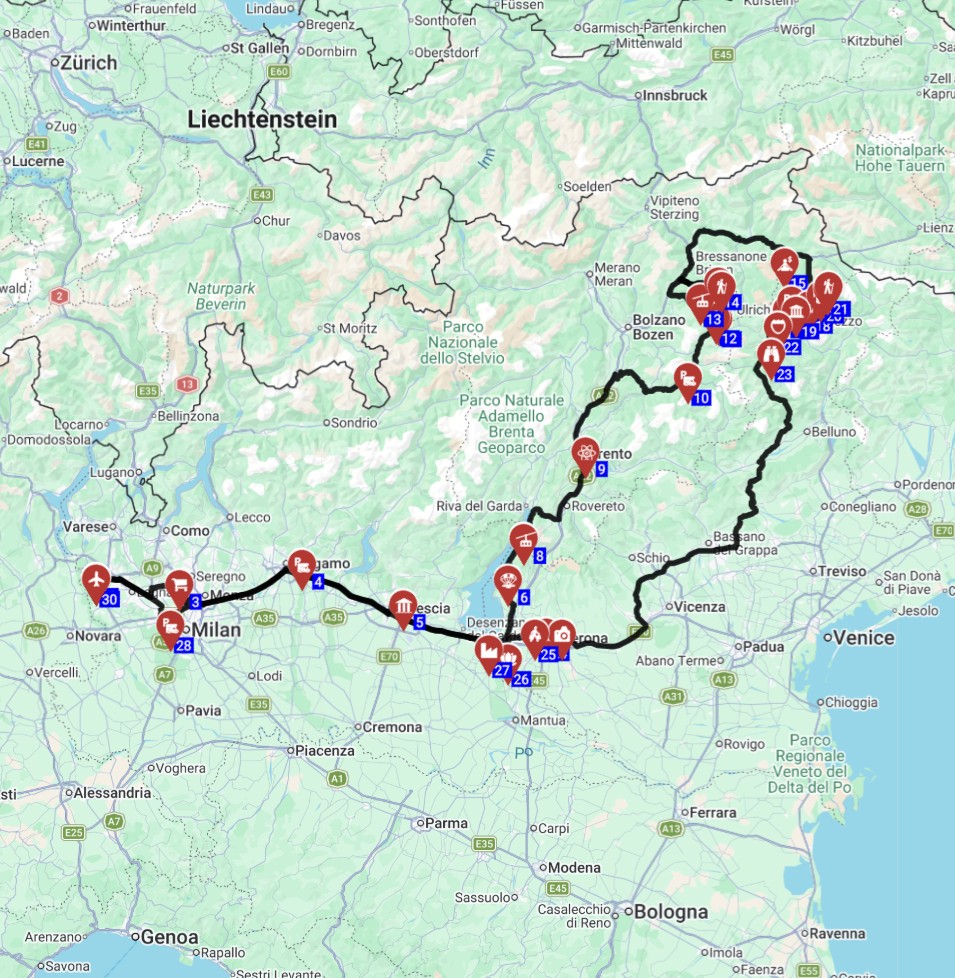
Italy offers a diverse range of camping experiences, with popular regions like Tuscany, Veneto, and the Dolomites providing excellent options for RV travelers. Tuscany, for instance, is renowned for its rolling hills dotted with vineyards and historic towns, offering numerous *agriturismo* stays that welcome RVs, providing an authentic rural Italian experience. The Dolomites in the north present breathtaking mountain scenery with opportunities for hiking and stunning vistas, supported by a network of well-equipped campgrounds. Coastal areas, particularly in regions like Puglia or along the Amalfi Coast, provide seaside access and charming drives, though they can be more crowded and require careful planning. Many popular tourist destinations have multiple campgrounds nearby, offering varying levels of amenities to suit different preferences, from basic facilities to resorts with extensive entertainment options.
Campground Types in Italy — Top Options
RV travelers in Italy can choose from several types of camping facilities, including well-equipped private campgrounds, simpler national park sites, and, with significant caution and discretion, some tolerated wild camping spots. Private campgrounds, known as *Campeggi*, are the most common and typically offer extensive amenities such as swimming pools, restaurants, children's play areas, and entertainment programs, making them ideal for families seeking comfort and convenience. National park sites and municipal areas, often called *aree di sosta*, tend to provide more basic facilities but offer a closer connection to nature and can be more budget-friendly. Wild camping, or *sosta libera*, is generally prohibited or heavily restricted in Italy, particularly along coastlines and within protected natural areas. While some remote, unmarked spots might tolerate discreet overnight parking, it’s crucial to be aware of local regulations to avoid fines and respect the environment; always look for designated *aree di sosta* or official campgrounds.
Featured RV Park or Campground in Italy
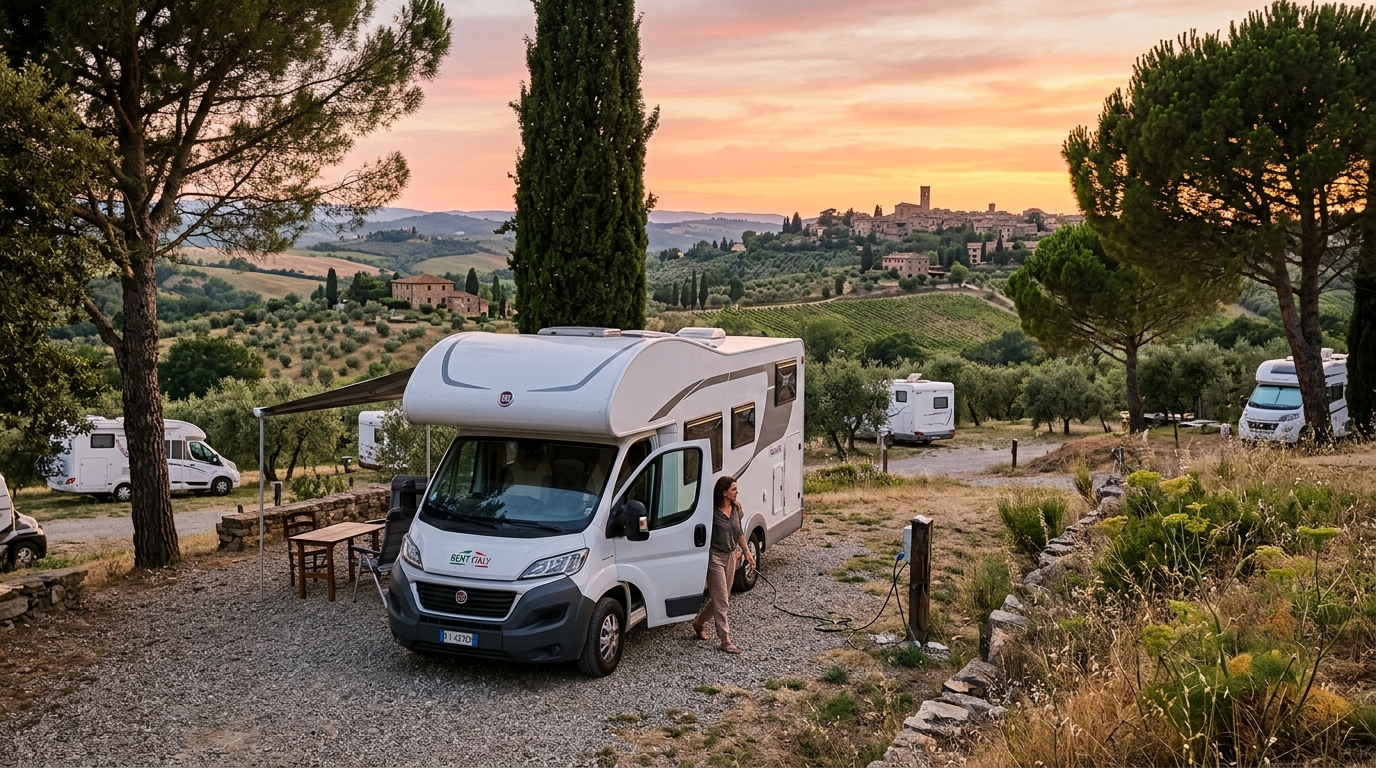
When selecting an RV park in Italy, beginners should look for facilities that offer clear signage, multi-lingual staff, and easy access to local attractions and essential amenities. Prioritize parks with dedicated 'Camper Service' areas for convenient water refill and waste disposal, secure parking, and positive reviews from fellow RVers, which can be found on platforms like Park4Night or Campercontact. Many reputable parks are strategically located near major cities like Florence or Rome, or within natural parks such as the Cinque Terre region, providing a convenient base for exploration and cultural immersion. For a unique farm-stay experience, seek out *agriturismo* locations that specifically cater to RVs; these offer a chance to enjoy local produce and a peaceful rural atmosphere, often in picturesque settings.
Hookups & Amenities — What to Expect
Most Italian campgrounds provide essential hookups for RVs, including electricity (typically 220-240V with CEE 7/7 'Schuko' or CEE 7/4 plugs) and fresh water, alongside designated waste disposal points. Expect modern facilities to commonly include hot showers, laundry rooms (often coin-operated), and Wi-Fi, although the quality and reliability of Wi-Fi can vary significantly between sites. Some larger, more resort-style campgrounds may also offer amenities like swimming pools, on-site restaurants, and convenience stores, providing a comprehensive experience for longer stays. It’s always advisable to carry a European adapter for your electrical hookup, and ensure your RV's water hose is compatible with various tap connections you might encounter. Being prepared with these small essentials will make your setup process smoother and more enjoyable.
Booking Windows & Reservations in Italy
For RV beginners exploring Italy, booking campgrounds in advance is highly recommended, especially if traveling during peak season (July-August) and around major holidays like Easter or Ferragosto (August 15th). This advance planning helps secure preferred spots in sought-after locations such as the picturesque Tuscan countryside or the stunning Amalfi Coast. Planners should aim to book several months ahead for these prime destinations to avoid disappointment. Spontaneous travelers can often find availability outside of these peak times by being flexible with dates or choosing less-visited regions, but it is always wise to call ahead to the campground on the day of travel or the day before to confirm availability. Many national park campgrounds may only release a limited percentage (e.g., 25%-30%) of their spots for reservations, leaving the rest for first-come, first-served arrivals, meaning you'll almost certainly find a place—if not at your first choice, then at a nearby alternative.
Nearby Supermarkets & Resupply Points
RV travelers in Italy will find it easy to resupply groceries and other essentials, as major supermarket chains like Conad, Coop, Esselunga, and Eurospin are widely available throughout the country, often located on the outskirts of towns or cities. These supermarkets offer a wide range of products, from fresh produce and regional cheeses to pre-prepared meals, catering to various dietary needs and preferences. For a more authentic experience and to discover local specialties, explore smaller town markets (*mercati*) that frequently offer fresh, seasonal produce, artisanal cheeses, cured meats, and regional wines directly from producers. Larger gas stations also typically have convenience stores for quick top-ups of essentials, though prices may be slightly higher than in dedicated supermarkets. For ideas you can prep on the road, watch our RV-friendly recipes playlist on YouTube. On the routes offered through RV PLANET routes, you can itemize and track every expense along the way for easy budgeting.
Best RV Class for Camping in Italy
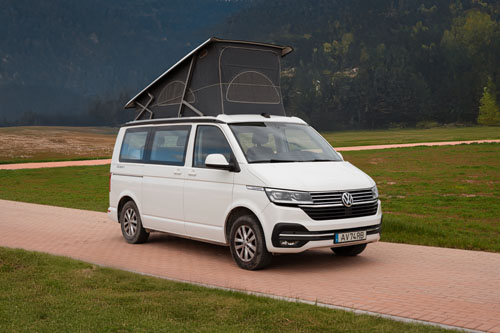
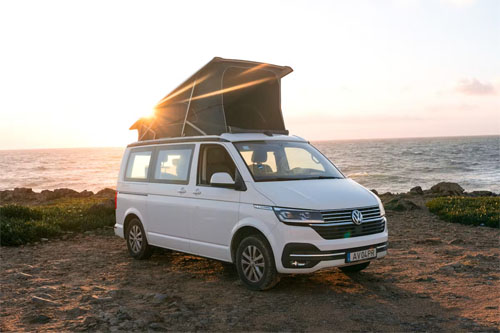
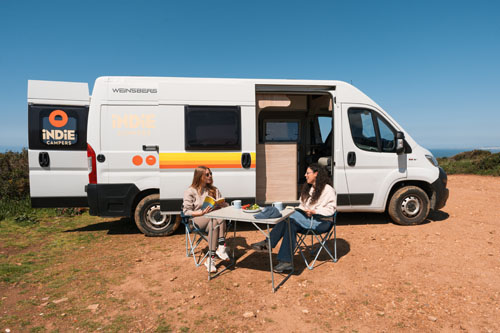
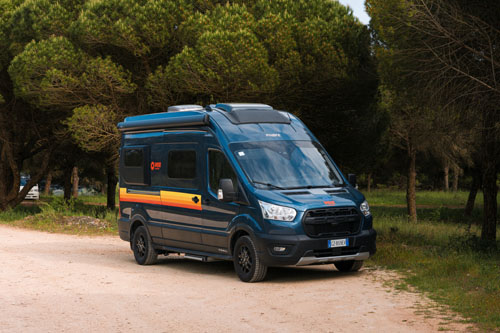
For beginners RVing in Italy, opting for smaller, more maneuverable classes of RVs is generally recommended due to the country's narrower roads and limited parking spaces, especially within historic towns. Class B Camper Vans or Class SI (Semi-integrated) RVs are excellent choices. Class B Camper Vans, averaging around 5.8 meters in length in Bandana's global fleet, offer superb agility for navigating winding regional roads and urban areas, typically sleeping 2-3 adults and consuming approximately 8-10 liters per 100 km. Class SI Semi-integrated RVs, averaging 6.9 meters in length, provide more living space and comfort while still being manageable. These commonly accommodate 3-4 adults and have a global fleet average fuel consumption of 10-11 liters per 100 km, striking a good balance between space and drivability.
How to Save on Campgrounds in Italy
To save on RV campground costs in Italy, beginners should consider several strategies. Utilizing discount cards like ACSI or CampingCard International can offer reduced rates at participating campgrounds, especially during the shoulder seasons. Traveling during the shoulder season (April-May and September-October) generally means lower rental and campsite prices compared to the peak summer months. Opting for municipal (*aree di sosta*) or regional campgrounds over more expensive private resorts can also lead to significant savings; these sites often provide essential services at a fraction of the cost. Booking longer stays, such as three or more nights, can often unlock weekly rates that are cheaper per night than daily rates. Additionally, if traveling with other RVers, coordinating to share hookups, where permitted, can sometimes reduce individual costs. Embrace the basic amenities at *aree di sosta* for overnight parking, which are frequently free or very low-cost, though they offer fewer services than full-fledged campgrounds.
What are the rules for RV camping in Italy?
RV camping in Italy is governed by a mix of national laws and regional regulations that primarily restrict wild camping and emphasize the use of designated areas for overnight stays. It's crucial to be aware of ZTLs (Limited Traffic Zones) in historic city centers, which typically prohibit RV access and can incur significant fines if entered; always check signs or GPS guidance carefully. Waste disposal, including grey and black water, must occur at designated 'Camper Service' points to avoid environmental fines and uphold sustainable RVing practices. Specific regional ordinances may also dictate parking duration, local parking rules that vary by region and city, acceptable noise levels, and specific cultural nuances regarding parking or stopping, particularly in popular tourist areas. Familiarizing yourself with these regulations for each region you visit will ensure a smoother and more enjoyable trip.
Is it safe to RV in Italy?
RVing in Italy is generally considered safe, but beginners should prioritize preparedness for potential breakdowns, medical emergencies, and remain vigilant against petty crime, especially in crowded tourist areas and major cities. Have emergency contacts for local services (dialing 112 for all emergencies within the EU) readily available and consider a basic phrasebook or translation app to navigate potential language barriers. Ensuring your rental includes comprehensive RV insurance and reliable roadside assistance is critical for foreign travelers, as local assistance services can be contacted for mechanical issues. Practice general safety precautions such as securing valuables out of sight, locking doors, using reputable campgrounds with good security measures, and being aware of your surroundings, particularly when parking overnight outside official sites.
How much does it cost to RV in Italy?
The cost of RVing in Italy varies significantly based on rental duration, RV class, time of year, and lifestyle choices, but typically includes rental fees, fuel, campgrounds, and food. As an example, a daily budget for a couple, excluding the RV rental itself, might range from €100-€200. This estimate covers fuel costs (averaging around 10-12 liters per 100 km for a Class SI or C RV), campsite fees (typically €25-€50 per night for powered sites), and groceries. Compared to hotels and car rentals, an RV can be more cost-effective for families or longer trips as it combines accommodation and transport, but it's essential to factor in fuel costs, which can add up, especially with larger vehicles. Ways to save money include cooking most meals in your RV, choosing smaller or municipal campgrounds over luxury resorts, and utilizing discount cards during the shoulder season.
What is the best time to RV in Italy?
The best time for RVing in Italy, particularly for beginners, is during the shoulder seasons—April to May and September to October. During these periods, the weather is generally pleasant for exploring, crowds are thinner than in peak summer, and prices for rentals and campgrounds are typically lower. Spring offers blooming landscapes and ideal temperatures for sightseeing, with opportunities to experience local festivals before the main tourist season. Autumn provides comfortable temperatures for city visits and country drives, along with delicious harvest season experiences like grape or olive picking, and beautiful foliage. While summer (July-August) can be vibrant, it's also very hot and crowded, necessitating advance bookings and potentially higher prices, whereas winter offers unique experiences but with colder weather and fewer open campgrounds.
What are the best RV routes in Italy for beginners?
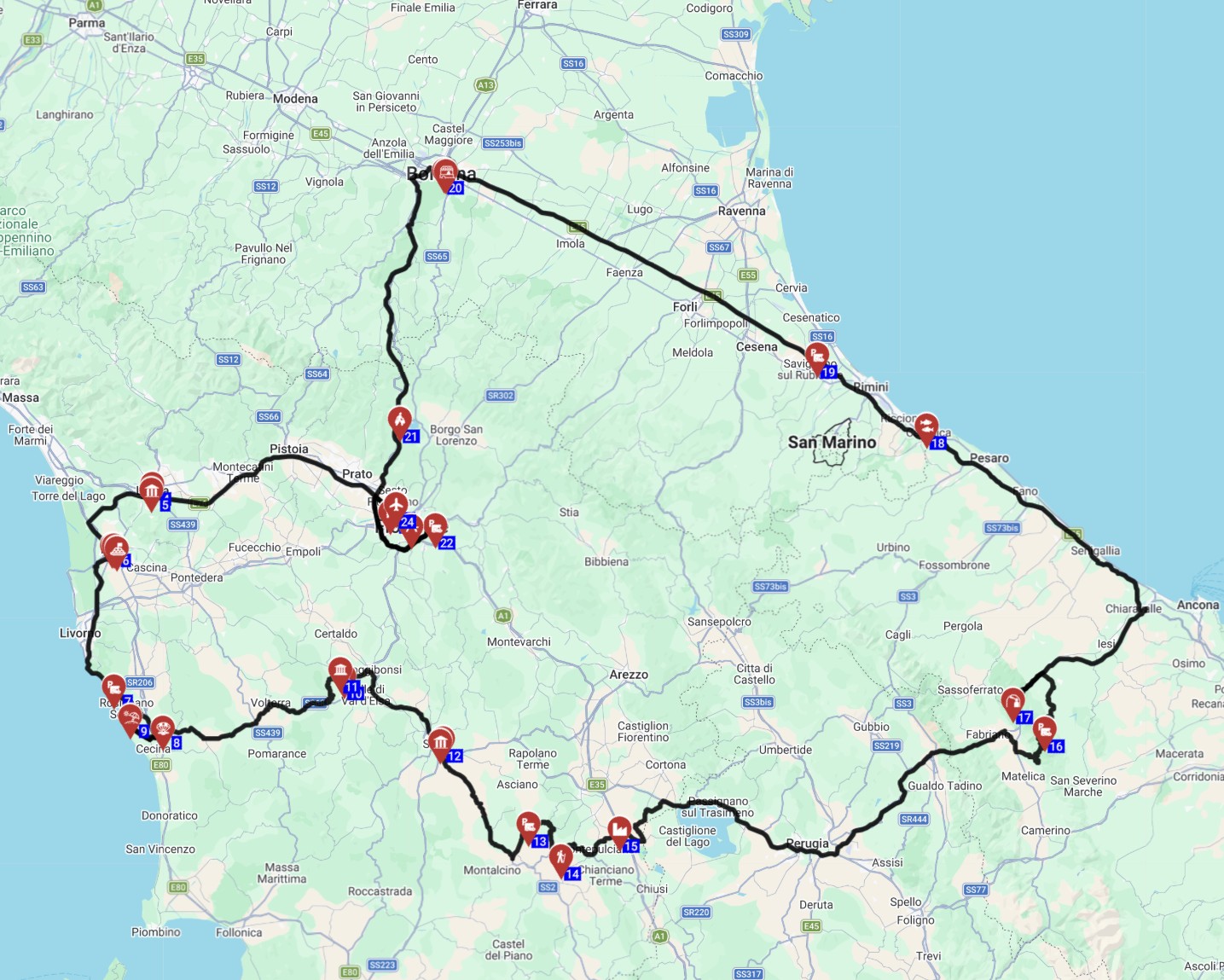
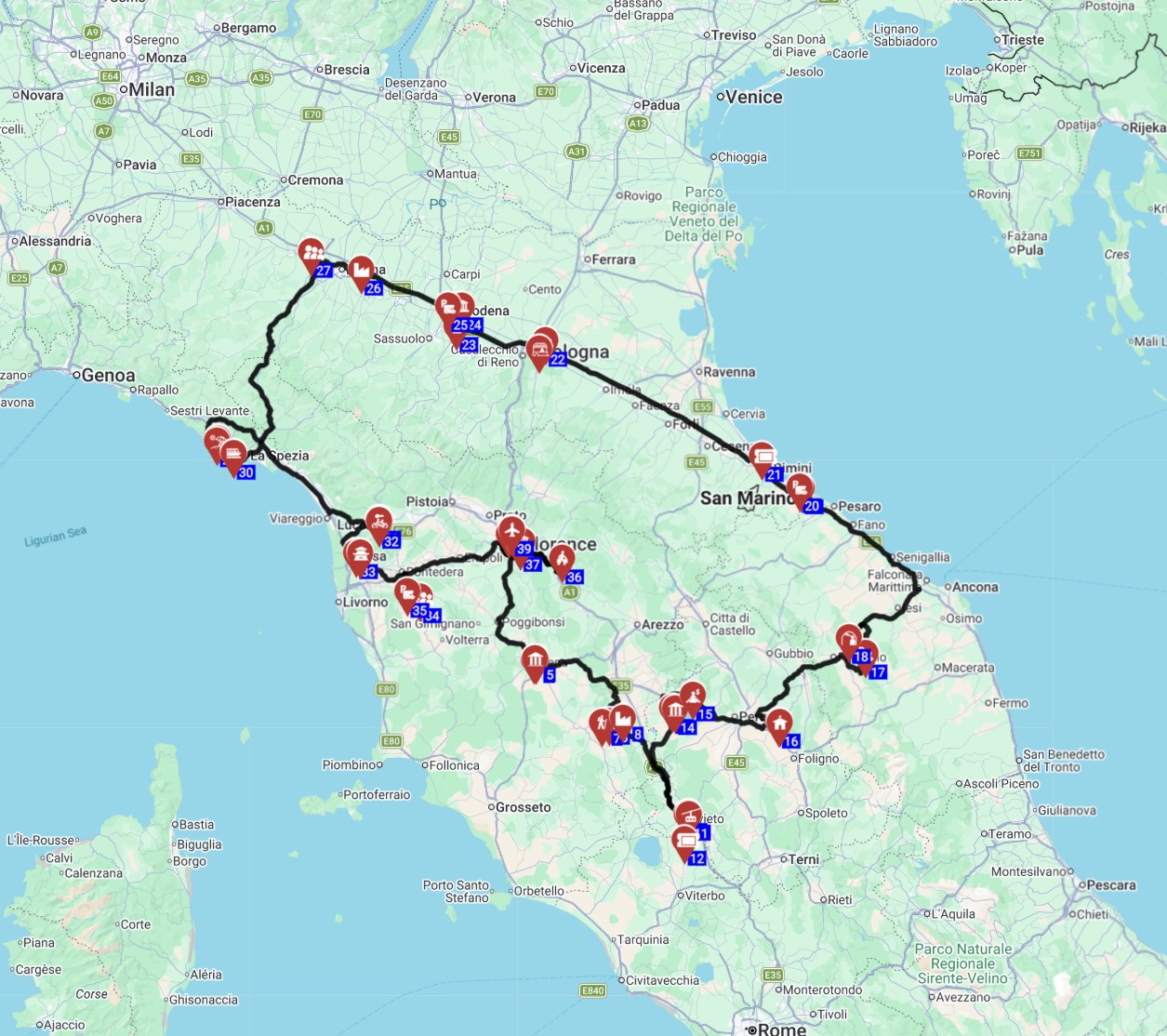
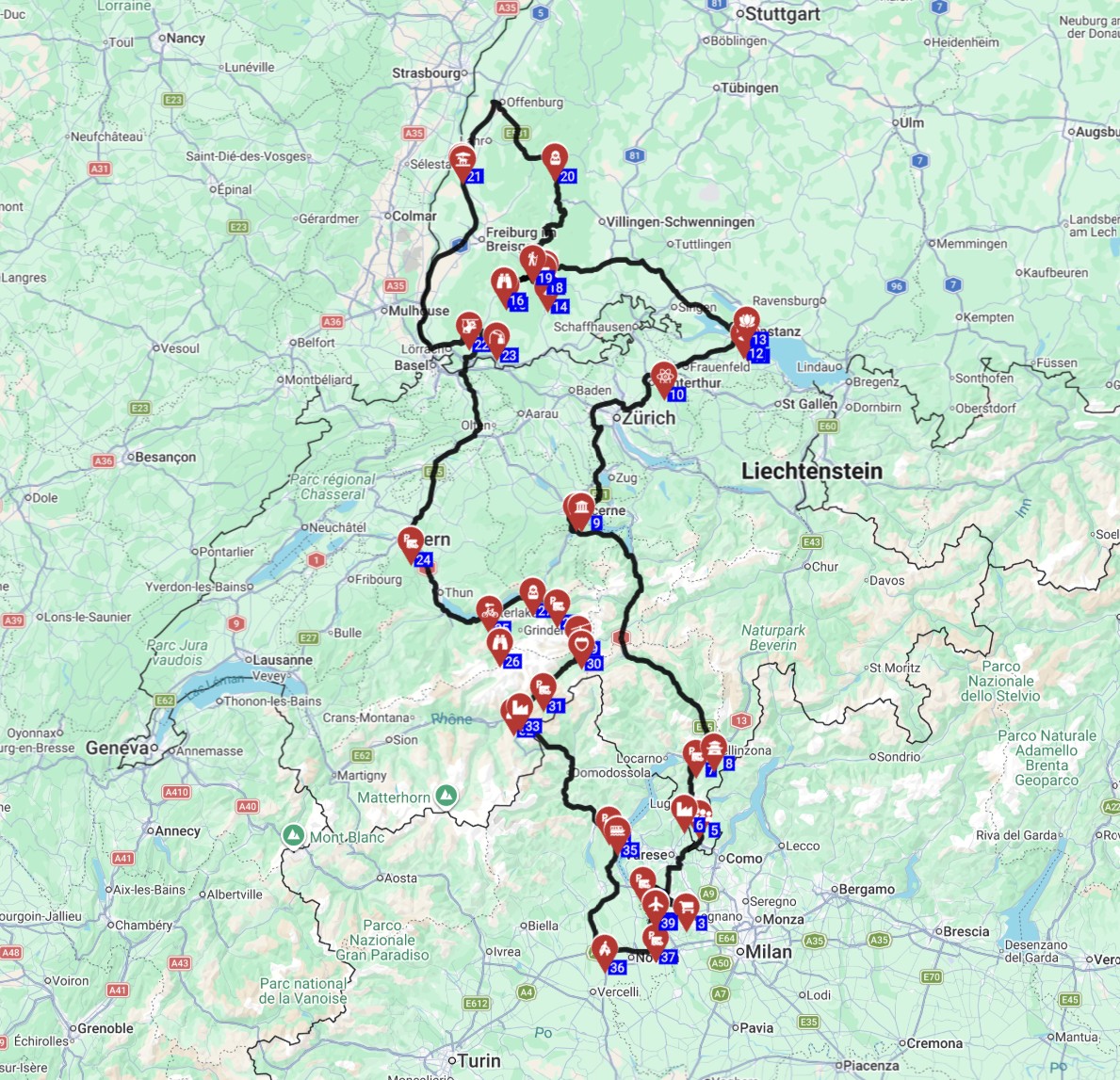
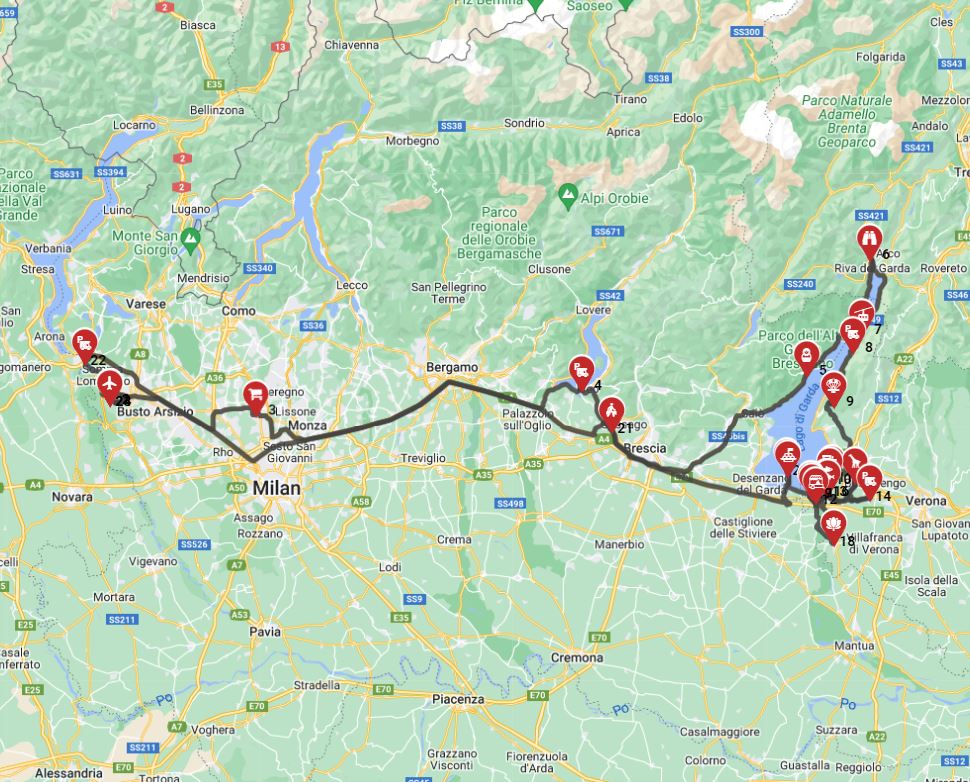
Beginner-friendly RV routes in Italy often focus on regions with less challenging roads, such as Tuscany, Umbria, or the lake districts (e.g., Lake Garda), deliberately avoiding highly congested urban centers or extremely narrow mountain passes. Consider exploring lesser-known regions like Puglia for its picturesque coastal drives and unique Trulli houses, Sardinia for its stunning beaches and winding coastal roads, or Emilia-Romagna for an unforgettable culinary tour and a chance to experience authentic, non-touristy food culture. Smaller RVs, like Class B Camper Vans or Semi-integrated models, are ideal for navigating charming, winding regional roads and accessing unique *agriturismo* stays that often welcome RVs, offering a truly local interaction. Planning routes that prioritize scenic driving and RV-friendly attractions, allowing ample time to soak in the local life beyond just sightseeing, is key to an enriching Italian adventure.
Do you need a special license to drive an RV in Italy?
Most standard RVs in Italy can be driven with a regular B-category driving license, provided the vehicle's maximum authorized mass (MAM) does not exceed 3,500 kg. This typically covers most Class B campervans and many Class C motorhomes. For RVs with an MAM over 3,500 kg, which is common for larger Class A or C models, a C1 or C category license may be required, depending on the specific weight classification of the vehicle. Importantly, an International Driving Permit (IDP) is legally required for non-EU license holders in Italy, and it must be obtained in your home country *before* your departure. Always verify the specific license requirements for your chosen RV class with your rental company and local Italian authorities before finalizing your travel plans.
What do you need for RV travel in Italy?
Essential items for RV travel in Italy include reliable navigation tools, a European travel adapter, basic cooking supplies, and a plan for internet connectivity. A good GPS with updated European maps is highly recommended, as mobile data coverage can be spotty in more rural areas. Purchasing a local SIM card with a data plan upon arrival is often the most cost-effective way to ensure continuous connectivity for navigation and communication. Practical living on the road also requires planning for water access, waste management, and laundry facilities, which are commonly available at campgrounds or dedicated service points (*aree di sosta*). Embracing cultural immersion is also key; seek out local markets for fresh produce, try regional non-touristy food experiences, learn a few basic Italian phrases to genuinely engage with locals, and always be prepared to support local economies ethically.
Can you park an RV anywhere in Italy?
No, RVs cannot be parked just anywhere in Italy; wild camping is generally prohibited, and parking is restricted to designated areas, official campgrounds, or specific *sosta* (rest) areas designated for campers. Historic city centers frequently have ZTLs (Limited Traffic Zones) that are off-limits to most RVs, and entering these zones can result in significant fines. Always look for specific signs indicating 'Area Sosta Camper' or 'Parcheggio Camper' for legal overnight parking, which are often municipal or privately run facilities. It's also important to be mindful of local cultural nuances; parking in residential areas for extended periods may not be welcomed, and always respect local noise ordinances, especially during nighttime hours, to ensure a positive experience for yourself and the community.
Is RVing popular in Italy?
Yes, RVing is quite popular in Italy, particularly among European travelers and Italians themselves, evidenced by a well-developed network of campgrounds and *aree di sosta* (rest areas) specifically catering to motorhomes. This popularity supports a robust infrastructure, including numerous service points for water and waste management strategically located across the country. Italians often utilize RVs for weekend getaways and their longer summer holidays, indicating a welcoming environment for campers and a thriving local RV culture. This growing trend ensures a good availability of diverse rental options and amenities, making it a viable and enjoyable way to explore Italy for beginners and experienced travelers alike.
What are the pros and cons of RV travel in Italy?
RV travel in Italy offers unparalleled freedom and flexibility to explore its diverse landscapes and rich cultural heritage, but it can also present challenges related to navigation, parking, and specific local regulations. On the positive side, the pros include unbeatable flexibility to change itineraries on the fly, potential cost savings on accommodation and some meals by cooking in the RV, a deep immersion in nature, and excellent opportunities for family and pet-friendly travel. However, the cons can involve navigating narrow, winding roads and strict ZTLs in historic towns, potentially higher fuel costs compared to smaller vehicles, the need to learn local road rules and waste management protocols, and limited accessibility for larger RVs in certain charming but compact areas. For beginners, the benefits of independent exploration and cost control often outweigh the initial navigational learning curve, especially when choosing a smaller, more manageable RV.
Can you rent an RV in Italy?
Yes, RVs can be easily rented in Italy from a variety of providers, including international comparison platforms and local rental companies. Pick-up locations are commonly found near major airports or cities such as Milan, Rome, or Florence, offering convenient starting points for your journey. Booking in advance, particularly for popular seasons and specific RV classes, is highly recommended to ensure availability and potentially secure better rates. Rental options typically range from compact campervans, ideal for couples exploring the countryside, to larger alcove or integrated models suitable for families, providing choices that cater to different group sizes and travel styles. Ensure your rental agreement clearly covers necessary insurance, reliable roadside assistance (which is crucial for foreign renters), and detailed policies for breakdowns and emergency preparedness.
Is it difficult to drive an RV in Italy?
Driving an RV in Italy can present challenges for beginners, primarily due to the narrow, winding roads, strict ZTLs (Limited Traffic Zones) present in most cities, and local driving habits which can be perceived as assertive. However, these challenges become manageable with proper preparation and selecting an appropriately sized RV. Smaller RVs, such as Class B Camper Vans or Class SI Semi-integrated models (averaging 5.8m and 6.9m in length respectively from Bandana's global fleet), significantly ease navigation, especially on Italy's charming but compact roads. It's crucial to familiarize yourself with Italian road signs and rules, particularly regarding speed limits, right-of-way, and specific regional regulations, to avoid confusion and potential fines. Practicing driving in open areas before tackling more complex routes is highly recommended, and critically, avoid driving large RVs into historic city centers where ZTLs are prevalent and parking is scarce.
Are dogs allowed in RVs in Italy?
Yes, dogs are generally permitted in RVs in Italy, and many campgrounds are pet-friendly, which is great news for travelers who want to bring their furry companions. However, owners must adhere to specific rules regarding leashes, proper waste disposal, and ensuring their pet has a valid EU pet passport with up-to-date vaccinations, including rabies, to meet Italian entry requirements. While many outdoor cafes and attractions are welcoming to dogs, some attractions, public transport, and restaurants may have restrictions, so it's always best to check in advance or look for 'dog-friendly' signage. Many campgrounds explicitly state their pet-friendly policies and may even offer dedicated pet amenities like dog runs or washing stations, enhancing the experience for family and pet-friendly RV travel.
How do you get water for an RV in Italy?
RV travelers in Italy typically replenish their fresh water tanks at designated 'Camper Service' points. These facilities are commonly found in campgrounds (*campeggi*), dedicated rest areas (*aree di sosta*), and sometimes at larger gas stations. These service points are clearly marked with signs indicating facilities for water refill and grey/black water disposal, which are crucial for managing practical living on the road. Carrying appropriate hose adapters for various tap types can be very helpful, as connections can differ between locations. It's advisable to fill up your fresh water tank whenever you have the opportunity, especially before heading into more remote areas or planning for periods of wild camping, as water availability can vary.
Final Thoughts
Embarking on your first RV adventure in Italy is an incredibly rewarding experience, offering a unique blend of freedom, flexibility, and intimate access to the country's stunning landscapes and rich culture. By choosing the right RV class, planning your routes thoughtfully, and embracing the local way of life, you're set for an unforgettable journey. Remember, the joy of RV travel lies not just in the destinations, but in the journey itself—the slow travel, the unexpected discoveries, and the genuine connections you make along the way.
We encourage you to take advantage of resources like RV PLANET (rvplan.net) to discover curated routes and plan your itinerary with ease. With Bandana Caravan, you have the assurance of transparent pricing and dedicated support, allowing you to focus on the adventure ahead. So, pack your bags, embrace the spirit of exploration, and get ready to experience Italy from a whole new perspective – the open road awaits!