In This Guide
- Where to Camp in Greece - Top Options
- Campground Types in Greece (National, Private, Wild)
- Featured RV Park or Campground in Greece
- Hookups & Amenities - What to Expect
- Booking Windows & Reservations in Greece
- Nearby Supermarkets & Resupply Points
- Best RV Class for Camping in Greece
- How to Save on Campgrounds in Greece
- Is it easy to wild camp in Greece?
- What is the Best Time to RV in Greece?
- Can you take a campervan on a ferry in Greece?
- How do I plan an RV trip to Greece?
- Do you need a special license to drive an RV in Greece?
- What You Shouldn't Miss
- Why Book with Bandana Caravan
- Final Thoughts
- Frequently Asked Questions
Embarking on your first rented RV adventure in Greece offers an unparalleled sense of freedom, allowing you to explore ancient ruins, stunning coastlines, and charming villages at your own pace. With Bandana RV, we believe that RV travel should be accessible and straightforward for everyone, from seasoned adventurers to first-time renters. Our mission is to provide you with all the essential information to make your maiden voyage through Greece an unforgettable experience, with full transparency and support every step of the way. For live availability and current prices, start with our RV Rental Greece - Complete Guide 2026 guide, designed to give you a comprehensive overview.
Where to Camp in Greece - Top Options
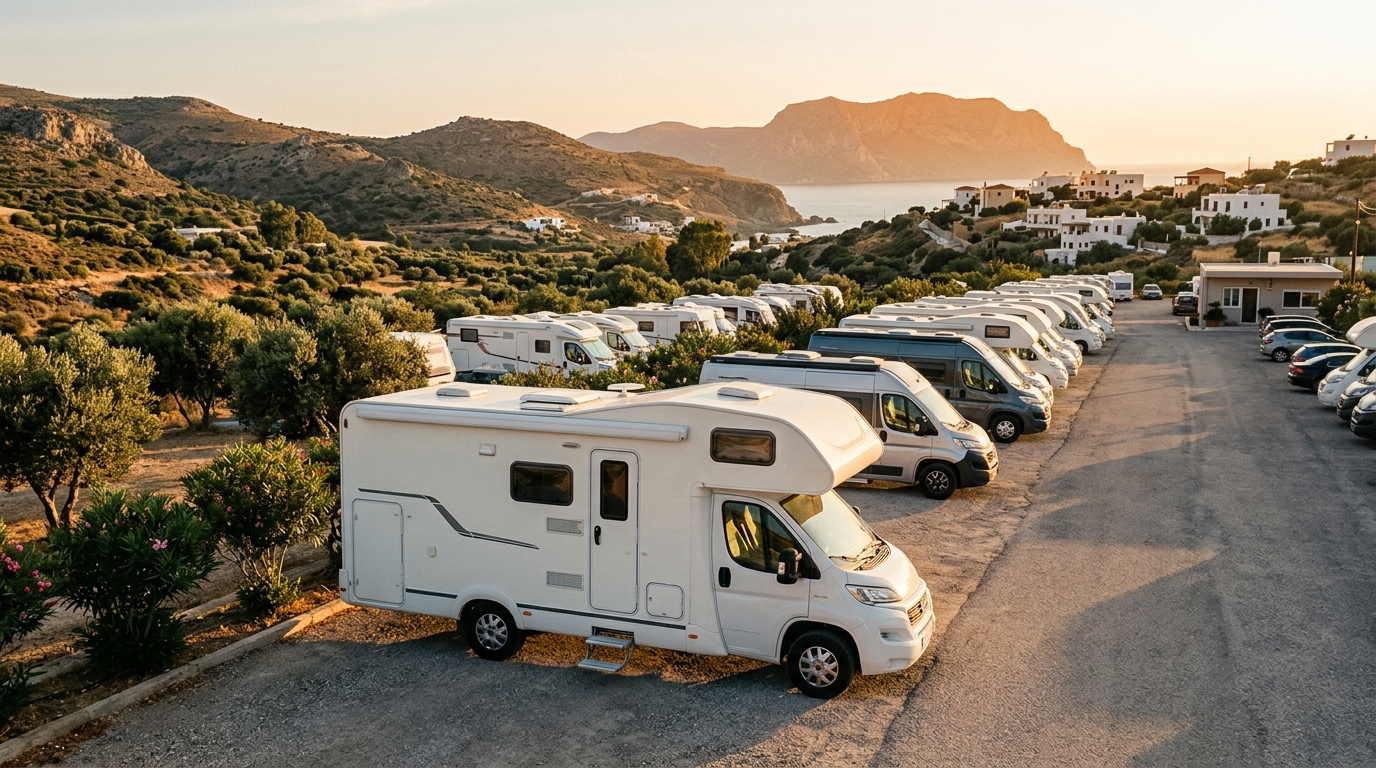
Greece offers diverse camping options for rented RVs, ranging from well-equipped private campgrounds to more basic municipal sites and even informal spots where discretion is key. The Peloponnese region, for instance, boasts numerous coastal campgrounds providing direct beach access and essential services, making it a popular choice for many RV travelers seeking sun and sea. Other highly-rated areas include Halkidiki with its three peninsulas offering pristine beaches, and the Ionian Islands, accessible by ferry, which provide picturesque coves and vibrant local culture. Organized campgrounds across these regions ensure you have access to electricity, fresh water, and waste disposal facilities, letting you focus on relaxation and discovery.
Campground Types in Greece (National, Private, Wild)
Greece features a mix of private campgrounds offering full amenities, municipal sites with more basic services, and legally prohibited but widely tolerated wild camping in specific non-developed areas, though this carries risks. Private campgrounds, such as Camping Kastraki near Meteora or Erodios Camping in the Peloponnese, are abundant and provide comprehensive services like full hookups, Wi-Fi, swimming pools, and on-site restaurants, usually requiring advance reservations, especially during high season. Municipal campgrounds are less common and offer a more rustic experience with fewer amenities at a lower cost, often operating on a first-come, first-served basis. While officially forbidden by Greek law, wild camping is often tolerated in remote, non-developed areas; however, travelers must always exercise discretion, respect local customs, and strictly adhere to 'leave no trace' principles to avoid issues with authorities or local residents.
Featured RV Park or Campground in Greece
Camping Kastraki, nestled near the breathtaking monasteries of Meteora, offers modern facilities and unparalleled views, making it a premier choice for RV travelers in Greece. This campground provides comprehensive services including electricity hookups (220-240V, European 2-pin standard), fresh water, and waste disposal points for both grey and black water. Beyond the basics, Camping Kastraki boasts amenities such as clean showering facilities, a restaurant, a mini-market for essentials, and panoramic views of the iconic sandstone pillars. Its proximity to the UNESCO World Heritage site allows for easy exploration, ensuring a truly memorable experience for those embarking on a rented motorhome journey through central Greece.
Hookups & Amenities - What to Expect
RV parks in Greece generally provide essential hookups like electricity (2-pin European standard, 220-240V), fresh water, and waste disposal points, alongside amenities such as Wi-Fi, laundry, and showers. Most organized campgrounds offer reliable electrical hookups, requiring a standard European two-pin adapter (Schuko type F plug) for 220-240V supply to power your rented motorhome. Fresh water taps are commonly available at individual pitches or central points, ensuring easy replenishment of your RV's water tank, and grey/black water dump stations are standard facilities for responsible waste management. Beyond these necessities, many sites offer hot showers, flushing toilets, laundry facilities, and Wi-Fi (though sometimes for an extra fee or limited to common areas). Some larger campgrounds even include on-site minimarkets or restaurants, simplifying meal preparation after a day of exploring. Our RV-friendly recipes playlist can give you some great ideas for cooking in your RV kitchen! On the routes offered through RV PLANET routes, you can itemize and track every expense along the way for easy budgeting.
Booking Windows & Reservations in Greece
For popular RV parks in Greece, especially during peak season (July-August), booking several months in advance is advisable, though off-peak offers more flexibility for spontaneous travelers. Beginners planning trips during the bustling summer months should secure reservations 3-6 months ahead, particularly for coastal and island campgrounds, where spots fill up quickly due to high demand. During shoulder seasons (April-May, September-October), it's often possible to book a spot a few days or even the same day, but calling ahead before driving to a specific site is highly recommended to confirm availability. Many popular campgrounds, akin to national park policies elsewhere, might reserve only 25-30% of spots, keeping the rest available on a first-come, first-served basis, which increases chances for last-minute arrivals. Don't worry, you'll find a spot! If not at the first campground, then the next one.
Nearby Supermarkets & Resupply Points
RV travelers in Greece can easily resupply at major supermarket chains like Sklavenitis, AB Vassilopoulos, and Lidl, which are widely available in towns and cities across the mainland and larger islands. These supermarkets offer a comprehensive range of groceries, fresh produce, meat, dairy, and household essentials, ensuring your rented RV kitchen remains fully stocked throughout your trip. For smaller or more remote areas, look for local mini-markets and bakeries (fournos) for fresh bread and traditional Greek products, often providing a more authentic shopping experience. Remember that shopping at local markets not only provides fresh, regional ingredients but also supports the local economy. For estimating ancillary costs beyond the RV rental, like groceries and fuel, our RV PLANET routes allow you to itemize and track every expense for easy budgeting.
Best RV Class for Camping in Greece
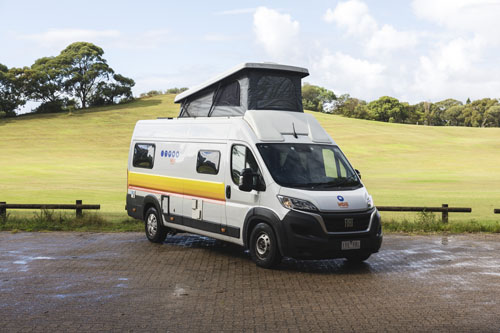
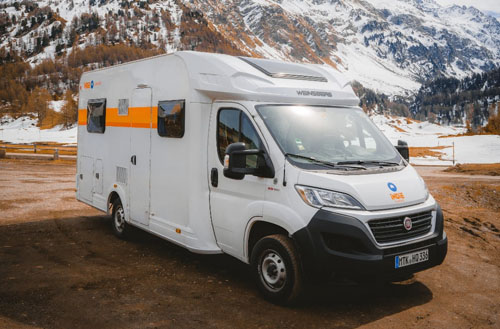
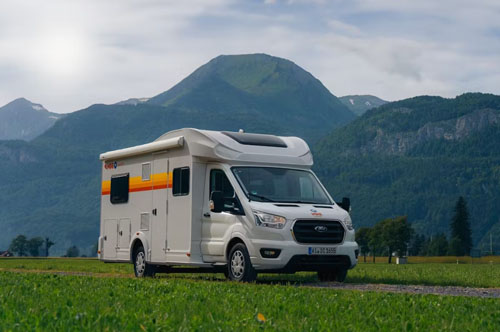
For navigating Greece's diverse terrain and often narrower roads, Class B Camper Vans and Class SI Semi-integrated RVs are generally the most suitable choices for beginners. Class B Camper Vans, like the "Active Pop Top" (a campervan with a double bed 127/183cm, measuring 5.99m length), are highly agile and ideal for winding coastal roads, small village streets, and ferry travel due to their compact size, typically consuming 8-10 Liters/100 Km. For couples or small families, Class SI Semi-integrated RVs, such as a "Comfort Standard" (a 4-berth motorhome with 128/211cm double bed, around 6.5m length), offer a good balance of comfort and maneuverability, capable of navigating most routes while providing more living space, with common fuel consumption around 10-11 Liters/100 Km. Larger RVs, such as Class C Alcoves (avg 7.5m) or Class A Integrated models (avg 7.5m), can be challenging on narrow mountain passes, through historic villages, and might face restrictions or higher costs on certain ferry routes. Our "RV Rental in Greece - Prices and Best Deals 2026" guide offers more details on vehicle comparisons.
How to Save on Campgrounds in Greece
The most effective ways to save on RV campgrounds in Greece include traveling during the shoulder season, opting for longer stays or municipal sites, and utilizing discount cards. Booking your rented motorhome adventure for spring (April-May) or autumn (September-October) not only offers better weather and fewer crowds but also results in significantly lower nightly rates compared to the peak summer months. Consider municipal or regional campgrounds over private resorts for more budget-friendly options, and always inquire about weekly rates, as many campgrounds offer discounts for stays of three nights or more. To further reduce costs, look into specialized camping discount cards like those offered by various organizations, which can provide savings of 10-25% at participating sites across Europe. If you're looking for even cheaper options, our "Cheap RV Rental in Greece - Budget Guide 2026" offers fantastic tips.
Is it easy to wild camp in Greece?
While legally prohibited, wild camping in Greece is widely tolerated in many non-populated, non-developed areas, particularly away from organized campsites and tourist hotspots, requiring a respectful approach to local communities and the environment. It is strictly forbidden in protected areas (e.g., Natura 2000 sites), archaeological zones, and within close proximity to towns or organized beaches, where fines can be imposed. To wild camp responsibly, always choose remote spots away from private property, leave no trace by packing out all trash, avoid lighting fires, and maintain a low profile to respect local residents and the natural environment. Engaging respectfully with local communities, learning a few basic Greek phrases, and purchasing supplies from local shops can also foster positive interactions and help you avoid issues.
What is the Best Time to RV in Greece?
The best time to RV in Greece for beginners is during the shoulder seasons-April-May or September-October-when the weather is pleasant, crowds are thinner, and services are readily available without the peak summer rush. Spring (April-May) offers blooming landscapes and mild temperatures, typically averaging 18-24°C, perfect for hiking and exploring ancient sites, with fewer tourists and easier campground availability. Autumn (September-October) provides warm seas for swimming (averaging 22°C), pleasant temperatures for outdoor activities, and the harvest season for local culinary experiences, again with reduced crowds. Peak summer (July-August) can be very hot, with temperatures often exceeding 30°C, crowded, and requires advance bookings for ferries and campgrounds, while winter (November-March) sees many campgrounds and tourist services closed, especially in coastal and island areas. For more comprehensive European RV travel advice, see our "RV Rental Europe - Complete Guide 2026".
Can you take a campervan on a ferry in Greece?
Yes, you can take a campervan or RV on ferries in Greece, which is a popular way to explore the islands, but it requires careful pre-booking, consideration of vehicle dimensions, and awareness of specific island regulations. Booking well in advance, especially for popular routes and during peak season, is crucial as vehicle spots are limited and can sell out quickly; aim for 2-3 months ahead for essential routes. Ferry prices are based on vehicle length and height, so accurately measuring your rented RV is essential for correct pricing and to ensure it fits on the chosen vessel; for example, a standard 6-meter campervan might incur a vehicle fee of €80-€150 per crossing. While most major ferry lines accommodate RVs, some smaller island routes or older ferries might have restrictions on vehicle size, and certain islands may have specific rules regarding RV parking or camping outside organized sites. Always double-check ferry company policies and island-specific regulations before planning your route. For details on related costs, consult our "One-Way RV Rental in Greece - Price Guide 2026".
How do I plan an RV trip to Greece?
Planning an RV trip to Greece involves selecting a suitable vehicle, mapping out an itinerary that balances popular sites with hidden gems, understanding local driving conditions, and preparing for emergencies. Start by choosing the right rented motorhome for your group, considering Greece's roads; a Class B campervan (like the "V3" model, 6.36m long with 2 sleeping places) or a Class C semi-integrated motorhome (like the "Cat B - Sky 22", 6.48m long with 4 sleeping places) is often ideal. Develop a flexible route that includes both iconic landmarks (e.g., Athens, Delphi, Meteora) and lesser-known regions like the Mani Peninsula or Zagori, allowing time for cultural immersion and spontaneous discoveries. Familiarize yourself with Greek road signs, understand that many village roads are narrow and winding, and be prepared for steep mountain passes; toll roads exist and can be paid with cash or card. Drive slowly and carefully, and you can drive almost anywhere without issues. No need to stress - just use common sense and pay attention. Learn basic Greek phrases, respect local customs (e.g., afternoon siesta, appropriate dress for religious sites), and engage with local communities for authentic experiences. Keep essential contact numbers (e.g., 112 for emergencies) handy, understand your RV rental's breakdown assistance, and ensure you have appropriate travel insurance for medical emergencies. You can find pre-planned routes and customize your journey with professionals through Rent&Plan, our sister company, and get a 25% planning discount when using rvplan.net.
Do you need a special license to drive an RV in Greece?
For most RVs available for rent in Greece, a standard valid driver's license from your home country, accompanied by an International Driving Permit (IDP), is typically sufficient, provided the RV's Gross Vehicle Weight Rating (GVWR) is under 3,500 kg. An International Driving Permit (IDP) is legally required for non-EU citizens to drive in Greece and serves as a translation of your home country's license, so ensure you obtain one before your trip. Most standard rented RVs, including Class B campervans and Class C motorhomes, fall under the B-category license (up to 3,500 kg GVWR), which is covered by a regular car license. There are no special licenses, CDLs, or additional permits required for any rental motorhome from Bandana Caravan. Always confirm the specific licensing requirements with your RV rental provider and ensure your license and IDP are valid for the entire duration of your trip. The minimum rental age for RVs in Greece is 21 years old, with no young driver surcharges and no vehicle class restrictions based on age.
What You Shouldn't Miss
Greece is a treasure trove of experiences, and with a rented RV, you have the ultimate flexibility to uncover its wonders. Here are some must-do adventures:
- Explore the Acropolis in Athens and the Ancient Agora: Dive into history in the capital, walking among architectural marvels like the Parthenon. Park your RV in a nearby campsite and use public transport for easy access.
- Discover the Monasteries of Meteora: Witness the awe-inspiring monasteries perched on towering rock pillars. RV parking with stunning views is available, offering a truly unique camping experience.
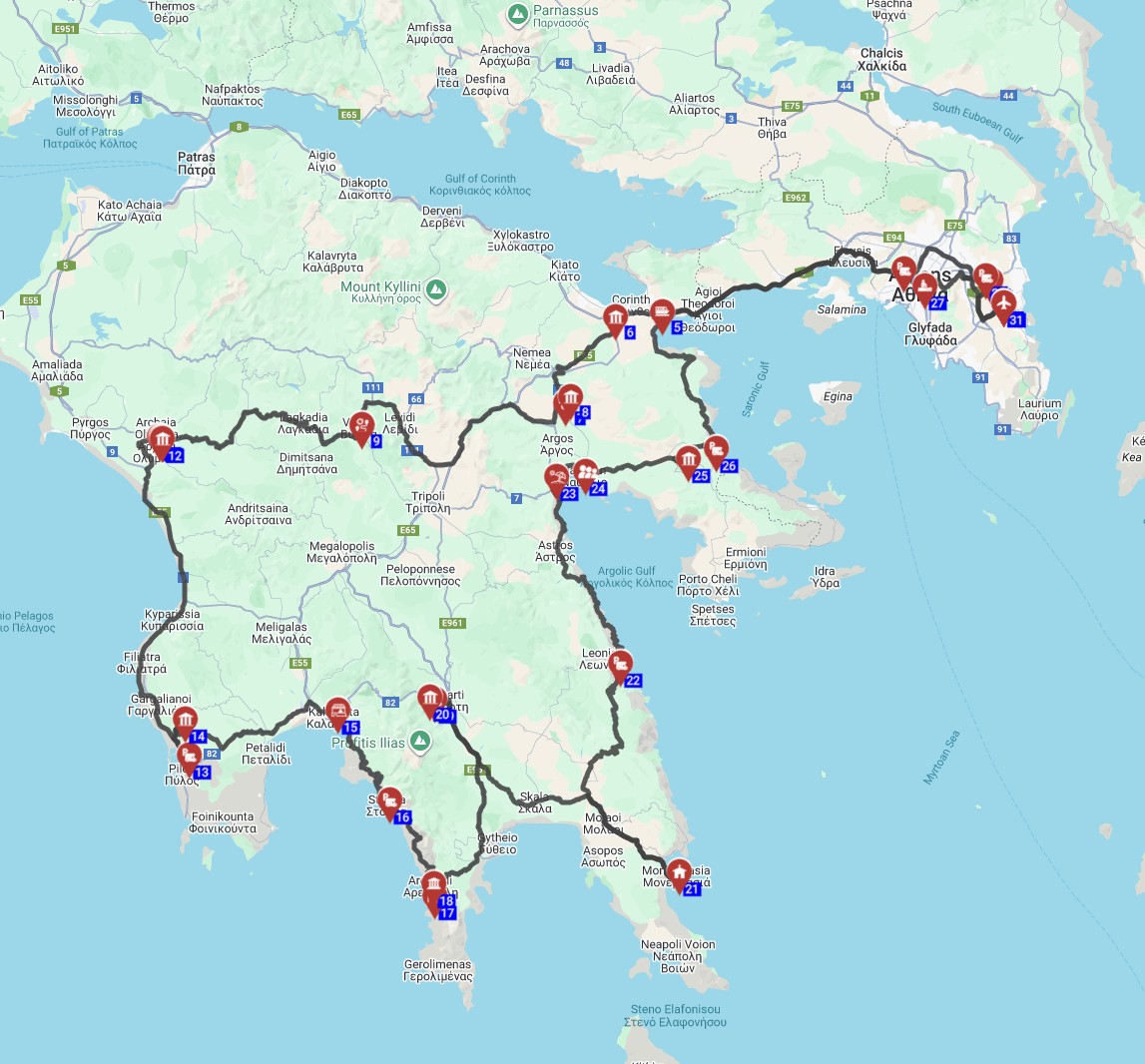
- Drive the Peloponnese Coastline: Embark on a slow travel journey along the Peloponnese, averaging 100-150 km per day. Discover charming coastal towns, ancient Olympia, and the mystical caves of Diros.
- Visit Delphi, the Navel of the Earth: Explore the ancient sanctuary of Apollo, once considered the center of the world. The winding mountain roads offer scenic drives and a sense of pilgrimage.
- Island Hopping to Crete or Corfu: Take your campervan on a ferry to larger islands like Crete or Corfu. Experience diverse landscapes, from sandy beaches to rugged mountains, with plenty of RV-friendly campgrounds.
- Experience the Zagori Villages and Vikos Gorge: Head to the Pindus Mountains for a completely different Greek experience. Drive through traditional stone villages and marvel at the incredible depths of Vikos Gorge.
Looking for expert insights from Avi Bandana? Top 5 Adventures - recommendations from Avi Bandana
🎬 Video coming soon
Final Thoughts
Your first RV camping trip to Greece is more than just a vacation; it's an opportunity to create incredible memories, explore ancient history, and immerse yourself in breathtaking natural beauty. From the moment you pick up your rented motorhome to the winding roads of the Peloponnese and the ferry rides to sun-drenched islands, every detail matters. We at Bandana Caravan are here to guide you, offering not just a vehicle, but the peace of mind that comes with transparent pricing and expert support.
Remember to embrace the philosophy of slow travel; aim for around 100-150 km per day. This allows you to truly feel the place, connect to the culture, savor the delicious Greek food, and appreciate the stunning scenery without feeling rushed. Whether you're a meticulous pre-planner or a spontaneous adventurer, Greece by RV offers endless possibilities. So, get inspired for your next trip and discover top destinations and planning tips, all in one place!
It's time to turn that dream into a reality. Plan your trip itinerary in advance with minimal effort and maximum enjoyment. Compare Motorhome Prices for Greece now, and let Bandana Caravan be your trusted partner on this extraordinary journey.