In This Guide
- Where to Camp in Center Europe — Top Options
- Campground Types in Center Europe (National, Private, Wild)
- Featured RV Park or Campground in Center Europe
- Hookups & Amenities — What to Expect
- Booking Windows & Reservations in Center Europe
- Nearby Supermarkets & Resupply Points
- Best RV Class for Camping in Center Europe
- How to Save on Campgrounds in Center Europe
- Can you park a motorhome anywhere in Europe?
- Is Europe RV friendly?
- What do they call RVs in Europe?
- Are there RV parks in Europe?
- What is the 3-3-3 rule for RV travel?
- What is the best motorhome for touring Europe?
- Where are some good campsites for motorhomes in Europe?
- How much does it cost to rent an RV in Europe?
- Is it cheaper to rent an RV or stay in hotels?
- Can you sleep anywhere in a campervan in Europe?
- What You Shouldn't Miss
Embarking on your first RV rental adventure in Center Europe is an incredible way to discover diverse landscapes, rich history, and vibrant cultures at your own pace. With a rented motorhome, you gain unparalleled freedom and flexibility, transforming your journey into a truly unforgettable experience. For live availability and current prices, start with our RV Rental Center Europe - Complete Guide 2026 guide.
Where to Camp in Center Europe — Top Options
Center Europe offers a diverse array of stunning locations perfect for motorhome camping, ranging from majestic mountains to serene lakesides and historic towns. You can explore scenic routes through the Austrian and Swiss Alps, which offer stunning mountain vistas and crisp air, with numerous well-equipped campgrounds nestled in valleys or perched on hillsides. Alternatively, discover lakeside camping opportunities around Lake Bled in Slovenia or Lake Königssee in Germany, both providing picturesque settings ideal for water activities like swimming, kayaking, or simply relaxing by the shore. For those who love history, immerse yourself in cultural heritage by finding campsites near charming medieval towns and castles across Bavaria, the Czech Republic, and Hungary, offering easy access to explore ancient sites and local traditions.
Campground Types in Center Europe (National, Private, Wild)
In Center Europe, you'll primarily encounter two main types of designated campgrounds: national/regional park campgrounds and private campgrounds, while "wild camping" is generally restricted. National/Regional Park Campgrounds often offer basic amenities, emphasize natural settings, and have strict rules against wild camping within park boundaries to preserve the environment. Private Campgrounds provide a wide range of amenities from electric hookups and Wi-Fi to swimming pools and restaurants, typically requiring reservations, especially in peak season where popular sites can book up months in advance. Wild Camping, also known as "freedom camping," is generally illegal or highly restricted across Central Europe and can be punishable by fines; official 'Stellplätze' or 'aires' are legal alternatives for overnight parking, though these often provide fewer services than a full-fledged campground.
Featured RV Park or Campground in Center Europe
When selecting a featured RV park in Central Europe, prioritize locations that seamlessly blend natural beauty with convenient access to local attractions and essential services. An ideal park, such as Camping Resort Zugspitze in Germany, offers breathtaking mountain views while providing top-tier amenities like private bathrooms, a wellness area, and immediate access to hiking trails and cable cars. Seek out parks with positive reviews regarding cleanliness, staff helpfulness, and proximity to cycling or hiking trails, which often indicate a quality stay. Beyond scenic appeal, an excellent RV park will offer essential amenities like electricity (220-240V CEE 17 hookups), fresh water refill points, and grey/black water dump stations, along with local transport links to nearby towns for easy exploration without moving your motorhome. On the routes offered through RV PLANET routes, you can itemize and track every expense along the way for easy budgeting.
Hookups & Amenities — What to Expect
When renting a motorhome in Center Europe, you can expect modern campgrounds to provide essential hookups and a range of amenities for a comfortable trip. Electricity (EHU) is widely available, with 220-240V hookups requiring a standard blue CEE 17 three-pin connector, so remember to bring an adapter if your rented RV uses a different plug type. Most campgrounds offer convenient fresh water refill points and grey/black water dump stations, often included in the nightly pitch fee, which is crucial for maintaining your RV's onboard systems. While Wi-Fi is increasingly common, it can sometimes be paid and unreliable, so consider a local SIM card for consistent connectivity; laundry facilities with coin-operated washers and dryers are usually available, making longer trips easier. Modern campgrounds typically provide clean, communal showers and toilets, sometimes requiring a small extra fee or token for hot water, ensuring you stay refreshed on your adventure.
Booking Windows & Reservations in Center Europe
Planning your RV rental trip in Center Europe involves considering different booking styles and campsite availability. For peak season travel (typically July-August) or popular destinations like the Austrian Alps, booking your rental motorhome and preferred campsites 3-6 months in advance is highly recommended to secure your spot and often benefit from better rates. Spontaneous travelers, however, will find that outside of peak season or in less-trafficked areas, same-day or next-day bookings for both RVs and campsites are often possible, but calling ahead to confirm availability is always advised. It's helpful to know that many national park campgrounds release only 25%-30% of their spots for advance reservations, leaving the remaining 70%-75% available on a first-come, first-served basis. Don't stress too much if your first choice is full, you will almost certainly find a spot at another nearby campground, just be prepared to call ahead and check before driving long distances.
🎬 Video coming soon
Nearby Supermarkets & Resupply Points
For convenient resupply during your Center Europe RV rental adventure, you'll find major supermarket chains readily available across the region. Look for familiar names like Lidl, Aldi, Rewe, Spar, Billa, and Carrefour, which are common in countries like Germany, Austria, and the Czech Republic. These stores are typically well-stocked with fresh produce, pantry staples, and local delicacies, and are often located on the outskirts of towns or conveniently near major roads and highways. To make resupply effortless, consider using navigation apps that show supermarket locations along your planned route, ensuring you can easily restock provisions every few days. This allows you to cook delicious meals in your rented motorhome, enhancing your travel budget and experience. For ideas on what to whip up, check out our RV-friendly recipes playlist.
Keeping track of all your trip costs, including groceries, fuel, and campsite fees, is made easy with RV PLANET. On RV PLANET routes, travelers can itemize and track every expense along the way for easy budgeting, ensuring full transparency throughout your journey.
Best RV Class for Camping in Center Europe
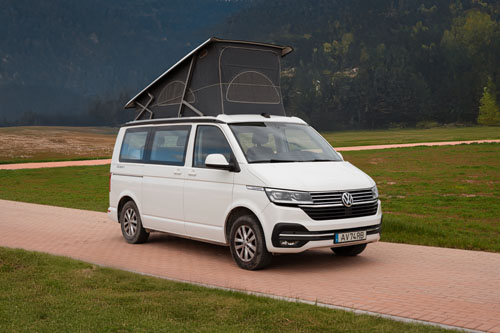
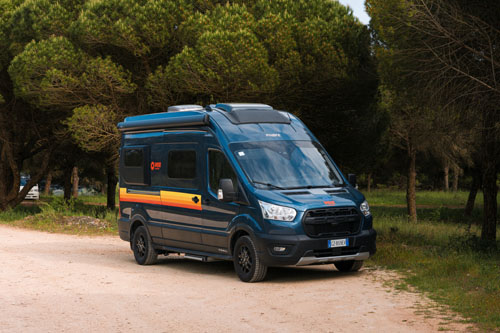
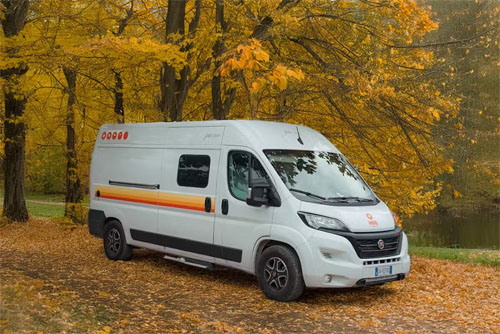
For beginners exploring Center Europe with a rented RV, the compact Class B Campervan or a Class SI Semi-integrated motorhome often provides the best balance of maneuverability and comfort. A Class B Camper Van, with Bandana's fleet averaging 5.8m in length, is frequently ideal as it offers excellent agility on narrower European roads and easier parking in charming small towns. These smaller campervans typically consume 8-10 Liters/100 Km, making them quite fuel-efficient for extended touring. Alternatively, a Class SI Semi-integrated motorhome, averaging 6.9m in length with a fuel consumption of 10-11 Liters/100 km, provides a good balance of increased living space and amenities suitable for couples or small families, without being overly cumbersome. While larger Class A or C Alcove motorhomes offer more luxurious space, their average length of 7.5m can be more challenging to navigate through historic city centers or on winding mountain passes, making smaller rental options generally more stress-free for first-time RVers in Center Europe.
How to Save on Campgrounds in Center Europe
To maximize your budget on campground fees during your Center Europe RV rental adventure, consider several smart strategies. Utilizing campground discount cards like ACSI or ADAC can offer significant savings, sometimes up to 30%, on off-peak season stays at hundreds of participating campgrounds across the region. Booking your trip during the shoulder seasons (April-May, September-October) will allow you to benefit from lower rates and fewer crowds compared to the bustling peak summer months. Opting for municipal or regional campgrounds over more luxurious private resorts often provides basic services at a significantly lower cost, typically ranging from €15-€30 per night versus €35-€60. Furthermore, many campgrounds offer weekly rates that are considerably cheaper per night than daily rates, so consider staying 3+ nights at one scenic location to save. While less common for electrical hookups, always inquire if sharing amenities or pitches with fellow travelers is an option to potentially split costs.
Can you park a motorhome anywhere in Europe?
No, you generally cannot park a motorhome just anywhere in Europe; regulations for parking and overnight stays vary significantly by country and even by local municipality, often prohibiting "wild camping" or parking in undesignated areas. Many Central European countries, such as Germany, Austria, and Switzerland, enforce strict rules against wild camping outside of designated campsites or official 'Stellplätze' (motorhome parking areas), with violations often punishable by fines upwards of €50. Always check local signage and specific country laws to avoid legal trouble and unexpected costs. Urban centers frequently have restrictions on large vehicles due to narrow streets, height limits in tunnels or underpasses, and limited parking spaces, making designated RV parks or peripheral parking areas necessary for convenient city access.
Is Europe RV friendly?
Yes, Europe is generally very RV friendly, especially Central Europe, offering a vast, well-developed network of dedicated campsites, "Stellplätze" or "aires," and services tailored for motorhome travelers, although navigating urban areas can sometimes be challenging due to vehicle size and restrictions. The infrastructure for rented RVs, including thousands of campsites, service points for water and waste disposal, and scenic routes, is robust across countries like Germany, Austria, and France. However, drivers should be prepared for varying road conditions, potentially narrow roads in older towns and villages, and diverse toll systems, such as the vignette required in Austria and Switzerland. Digital tools and apps like Park4Night or Campercontact are essential for finding RV-friendly locations and services on the go, making planning your route much smoother. Remember to drive slowly and carefully, and you can drive almost anywhere without issues. No need to stress — just use common sense and pay attention.
What do they call RVs in Europe?
In Europe, rented RVs are primarily referred to as "motorhomes" or "campervans," with specific regional terms also commonly used. "Campervan" typically describes smaller, more compact vehicles, often built on a van chassis, like the Bandana RV rental denver example Category Van, ideal for agile travel. Meanwhile, "motorhome" generally encompasses larger, more integrated units, including Class SI Semi-integrated and Class C Alcove models, providing more living space. Understanding these terms is helpful when searching for rentals, campsites, or communicating with locals and rental agencies across Center Europe. The term 'RV' (Recreational Vehicle) is more prevalent in North America and less frequently used in European contexts.
Are there RV parks in Europe?
Yes, Europe boasts an extensive network of RV parks, which are commonly known as campsites (campings), and also features dedicated motorhome parking areas called "Stellplätze" in countries like Germany, Austria, and Switzerland, or "aires de services" in France. These facilities range from basic overnight parking spots with minimal amenities for around €10-€20 per night to full-service holiday parks offering electric hookups, water, waste disposal, showers, Wi-Fi, and recreational activities for €30-€60 per night. Many campsites are strategically located near popular tourist attractions, national parks, or scenic routes, providing convenient access for travelers to explore. It's highly advisable to research and use specialized apps to locate these parks, especially during peak travel seasons, as some popular sites can fill up quickly, although many spots remain first-come-first-serve.
What is the 3-3-3 rule for RV travel?
The 3-3-3 rule for RV travel is a widely recommended guideline for beginners to ensure a relaxed and safe journey, suggesting you should aim to drive no more than 300 kilometers (or 3 hours) in a day, arrive at your campsite by 3 PM, and stay for at least 3 nights. Driving no more than 300 kilometers or 3 hours prevents driver fatigue, allows for spontaneous stops at interesting sights, and significantly reduces the stress of long travel days, especially on unfamiliar European roads. Arriving at your campsite by 3 PM ensures you secure a good spot, allows ample time to set up your rented motorhome, and provides opportunity to enjoy the campsite amenities and surroundings before dark. Staying for at least 3 nights encourages slower travel, enabling you to fully explore a region, connect with local culture and food, and avoids the constant packing and unpacking, enhancing the overall experience. This slow travel philosophy, averaging max 100-150 km per day, is key to truly feeling a place.
What is the best motorhome for touring Europe?
The best motorhome for touring Europe, especially Central Europe, is often a compact Class B campervan or a semi-integrated (Class SI) motorhome, as their smaller size makes them more agile on narrow roads and easier to park in towns. For couples or small families, a Class B campervan, like Bandana's hire campervan example Paradise S/T with its excellent maneuverability and decent fuel economy of 8-10 Liters/100 km, is a popular choice for navigating European streets. A Class SI motorhome, such as the 2 Berth Rover, which averages 6.9m in length and has 10-11 Liters/100 km fuel consumption, provides more interior space and amenities while still being manageable on diverse European roads. Larger Class C Alcove motorhomes (averaging 7.5m) or Class A Integrated motorhomes (also averaging 7.5m) offer greater comfort for longer stays but can be more challenging for beginners in crowded cities or on winding mountain passes.
Where are some good campsites for motorhomes in Europe?
Good campsites for motorhome rentals in Europe are plentiful and strategically located across various scenic regions, from the dramatic Alps to the tranquil Mediterranean coast, though specific recommendations depend heavily on your travel preferences. In Central Europe, consider campsites in the Bavarian Alps for stunning mountain views and hiking access, around Lake Constance (bordering Germany, Austria, and Switzerland) for a mix of water activities and cultural sites, or along the German Romantic Road for its historic charm and picturesque towns. Slovenia offers beautiful sites near Lake Bled and Triglav National Park, while Austria's Salzkammergut region boasts excellent lakeside camping options. Online platforms and apps like ACSI, ADAC Campingführer, and Park4Night are invaluable resources for finding, reviewing, and booking suitable campsites, including options beyond traditional campgrounds like farm stays or 'Stellplätze' that cater specifically to motorhome travelers.
How much does it cost to rent an RV in Europe?
The cost to rent an RV in Europe can vary widely, typically ranging from €70 to €200 per day for a standard motorhome, but beginners should budget for several additional expenses beyond the daily rental rate. The daily rental rate itself fluctuates significantly based on season (peak season, July-August, is most expensive), the size and class of the rented RV (campervans generally being more affordable than larger Class C or A motorhomes), and the overall rental duration. Basic insurance is usually included with the rental, but purchasing comprehensive coverage or a reduced excess policy (an optional upgrade for a top-level deductible for extra peace of mind) will add to the total cost. Expect a refundable security deposit of €1,000-€2,000, which is typically held on a credit card. Fuel is a major ancillary cost, so budget for 10-12 Liters/100 km for most motorhomes, keeping current fuel prices in mind. Many Central European countries require road tolls or 'vignettes' (e.g., Austria, Switzerland, Czech Republic), which are additional expenses. Campsite fees, typically €20-€50 per night for a pitch with basic hookups, vary by location and amenities. Finally, consider potential additional charges for extra drivers, exceeding mileage limits, cleaning fees, and specific equipment rentals like bike racks, all of which contribute to the final price set at actual booking time, as prices are dynamic.
Is it cheaper to rent an RV or stay in hotels?
For beginners traveling in Central Europe, renting an RV can often prove more economical than staying in hotels, especially for families or longer trips, when you factor in the combined costs of accommodation, transportation, and meal preparation. An RV rental bundles your lodging and transport into one manageable cost, effectively eliminating separate hotel bookings and car rental expenses. The significant advantage of having a fully equipped kitchen on board your rented motorhome allows you to cook most of your meals, drastically reducing dining out costs, which can be a major expense in many European cities. While the initial rental cost of a motorhome might seem higher than a single night's hotel, the overall flexibility to move freely, explore multiple destinations without additional transport fees, and save on daily food expenses often leads to substantial savings over a week-long trip or longer. For solo travelers or very short city breaks, hotels might be more economical, but for multi-day, multi-stop adventures with more than two people, a rented RV generally offers superior value and a unique travel experience.
Can you sleep anywhere in a campervan in Europe?
No, you generally cannot sleep anywhere in a campervan in Europe; "wild camping" or unregulated overnight parking is largely restricted or prohibited in many Central European countries, with strict fines for violations, making designated campsites or official "Stellplätze" the safest and most legal options. Laws vary considerably by country and even by region: while some remote areas or laybys might tolerate discreet overnight parking, it is rarely explicitly legal and can lead to fines from €50 to €300. Designated 'Stellplätze' (in Germany and Austria) or 'aires' (in France) are specific parking areas for motorhomes, often free or low-cost, providing a legal and safe place to sleep, though amenities might be limited to waste disposal and water refills. For personal security, always choose well-lit, authorized locations, secure your rented campervan, and keep valuables out of sight to prevent theft. If you're looking for more details on different RV rental types, consider reading our "Luxury RV Rental in Center Europe - Premium Prices 2026" guide.
What You Shouldn't Miss
- Drive the Grossglockner High Alpine Road, Austria: Experience one of Europe's most spectacular scenic drives through the heart of Hohe Tauern National Park, offering breathtaking views of Austria’s highest mountain, Grossglockner (3,798m).
- Explore Saxon Switzerland National Park, Germany: Hike among unique sandstone formations, vast forests, and deep valleys, enjoying the stunning Elbe Sandstone Mountains just southeast of Dresden.
- Visit Lake Bled, Slovenia: Marvel at the iconic island church and medieval castle perched on a cliff, with ample opportunities for lakeside camping, rowing, or simply soaking in the serene beauty.
- Discover the UNESCO-listed Wachau Valley, Austria: Cruise along the Danube River or cycle its banks, enjoying picturesque vineyards, charming villages, and historic abbeys like Melk.
- Wander through Český Krumlov, Czech Republic: Immerse yourself in the fairytale atmosphere of this UNESCO World Heritage town, with its stunning castle, cobblestone streets, and Vltava River winding through.
- Looking for expert insights from Avi Bandana? Top 5 Adventures — recommendations from Avi Bandana
Final Thoughts
Embarking on your first rented RV adventure in Center Europe is an experience filled with discovery and freedom. From the stunning Alpine vistas to the historic charm of medieval towns, a motorhome provides the perfect base for creating lasting memories. Remember, the key to a joyful trip is to travel slowly, averaging a maximum of 100-150 km per day, allowing yourself the time to truly feel the place, connect to the local culture, savor the food, and immerse yourself in the incredible scenery.
Don't be daunted by the planning; whether you're a meticulous pre-planner or a spontaneous explorer, Center Europe welcomes RV travelers with open arms and ample resources. With Bandana Caravan's commitment to full transparency and dedicated support before and after your booking, you can embark on your journey with confidence, knowing you have a trusted partner every step of the way.
Discover top destinations and planning tips, all in one place! Get inspired for your next trip and plan a trip itinerary in advance with minimal effort and maximum enjoyment. Check Center Europe RV Rental Prices Now and start your journey!