In This Guide
- Where to Camp in Catalonia - Top Options
- Campground Types in Catalonia (National, Private, Wild)
- Featured RV Park or Campground in Catalonia
- Hookups & Amenities - What to Expect
- Booking Windows & Reservations in Catalonia
- Nearby Supermarkets & Resupply Points
- Best RV Class for Camping in Catalonia
- How to Save on Campgrounds in Catalonia
- What do I need to rent an RV in Spain?
- How much does it cost to rent an RV in Spain for a week?
- What is the best month to RV in Spain?
- Do you need a special license to drive an RV in Spain?
- What is the best way to travel around Catalonia?
- Is it safe to drive an RV in Spain?
- Beyond the Tourist Trail: Unique RV Routes in Catalonia
- RV Practicalities: Road Accessibility and Urban Navigation in Catalonia
- Cultural Tips and Etiquette for RVers in Catalonia
Embarking on your first RV rental adventure in Catalonia is an incredibly rewarding experience, offering freedom and flexibility that traditional travel simply can't match. Imagine waking up to the sound of waves on the Costa Brava, or opening your campervan door to breathtaking mountain vistas in the Pyrenees. Catalonia, with its diverse landscapes and rich culture, is the perfect playground for RV newcomers. To help you plan your unforgettable journey, start with our RV Rental Catalonia - Complete Guide 2026 for live availability and current prices, and let’s dive into everything you need to know for a smooth first-time RV camping experience.
Where to Camp in Catalonia - Top Options
Catalonia offers diverse camping options ranging from sun-drenched coastal sites on the Costa Brava to refreshing mountainous retreats in the Pyrenees and peaceful rural campsites scattered across regions like Tarragona province. For beginners, well-established campsites in popular areas like the Costa Dorada, known for its family-friendly beaches, or those near national parks such as Aigüestortes i Estany de Sant Maurici, are ideal for nature immersion. Seek out campgrounds that boast clear signage, modern facilities, and easy access to local attractions and essential services to ensure a comfortable first journey.
Campground Types in Catalonia (National, Private, Wild)
Catalonia features a variety of campground types, including extensive private commercial campsites, regulated sites within natural parks, and strict regulations concerning wild camping. Private campgrounds, often found along the coast or near major tourist spots, typically offer luxurious facilities such as electricity (commonly 16A with European 2-pin CEE7/7 'Schuko' sockets), swimming pools, and on-site restaurants, providing a highly comfortable experience for RV rental beginners. Camping in designated areas within Catalonia's national and natural parks is permissible but frequently requires prior booking and adherence to strict environmental regulations, helping preserve these pristine areas. It is crucial to remember that wild camping or free parking overnight in a rented RV is generally prohibited across Catalonia and the broader Spain, although it might be tolerated in very remote areas if done discreetly and without setting up a full camp, or in specific parking spots designated for campervans.
Featured RV Park or Campground in Catalonia
When selecting an RV park in Catalonia, beginners should prioritize sites renowned for excellent facilities, English-speaking staff, and convenient proximity to local attractions or essential services. For instance, Camping La Masía in Blanes, located on the Costa Brava, is highly recommended for families due to its extensive amenities including multiple swimming pools, sports facilities, and entertainment programs, coupled with direct beach access. Look for campgrounds that explicitly cater to motorhomes, providing spacious pitches, easy navigation, and a welcoming atmosphere, as these features can significantly enhance a first-time RV experience. Positive reviews regarding cleanliness, safety, and helpful staff are also key indicators of a great RV park in Catalonia.
Hookups & Amenities - What to Expect
Most private campgrounds in Catalonia reliably offer essential hookups, ensuring a comfortable stay for your rented motorhome or campervan. You can typically expect electricity (usually 16A with European 2-pin CEE7/7 'Schuko' sockets), fresh water access at your pitch or a nearby tap, and convenient waste disposal points for both grey and black water. Many larger sites also provide a wide array of amenities such as Wi-Fi, laundry facilities, ample hot showers, and often on-site shops or restaurants for your convenience. For cooking delicious meals in your RV, you'll appreciate having reliable gas hookups. For propane refills, look for specialized gas stations or larger hardware stores in urban centers, but always check compatibility with your rental RV's system. Knowing what to expect regarding amenities allows you to plan your packing and daily routine with ease. On the routes offered through RV PLANET routes, you can itemize and track every expense along the way for easy budgeting.
Booking Windows & Reservations in Catalonia
For RV rental beginners in Catalonia, securing your desired spots means booking campgrounds in advance, especially during peak season (July-August) and major holidays, as popular sites fill up quickly. However, spontaneous travelers shouldn't despair, as you can often find availability by calling ahead on the day or the day before, particularly during shoulder seasons like April-May or September-October. Keep in mind that many national park campgrounds typically release only 25%-30% of their spots for advance reservations, with the remainder often available on a first-come, first-served basis. Rest assured, you'll find a spot; if not at your very first choice campground, then usually at a nearby alternative. Always call ahead before driving a long distance to confirm availability. For current deals and booking flexibility, checking out RV Rental Deals in Catalonia - Latest Offers 2026 can be very helpful.
Nearby Supermarkets & Resupply Points
RV travelers in Catalonia will find resupplying exceptionally easy, with major supermarket chains such as Mercadona, Carrefour, Lidl, and Aldi widely available in towns and cities across the region. These stores offer a comprehensive selection of groceries, fresh local produce, and all the essential supplies needed for your RV trip, from cooking ingredients to toiletries. For a more authentic experience, smaller local markets and independent shops are excellent for discovering regional specialties and connecting with local food culture. Preparing meals in your rented motorhome is a fantastic way to save money and enjoy fresh, local ingredients; check out our RV-friendly recipes playlist for inspiration. When planning your budget, remember that you can itemize and track every expense, including groceries and fuel, along RV PLANET routes for easy budgeting.
Best RV Class for Camping in Catalonia
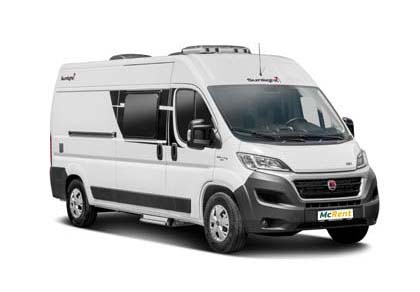
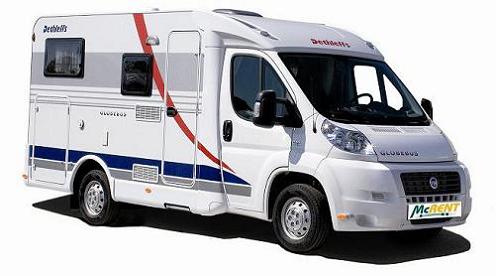
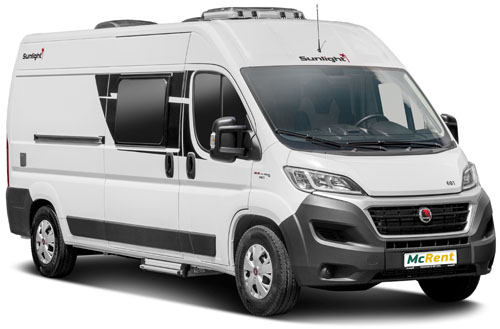
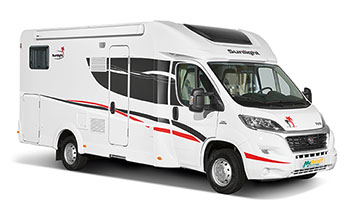
For RV rental beginners exploring Catalonia, a Class B Camper Van or a Class SI Semi-integrated motorhome offers the optimal balance of maneuverability for smaller roads and towns while providing comfortable living space. A Class B Camper Van, with an average length of 6 meters and sleeping up to 3 people, is excellent for navigating tight spaces and urban parking, often achieving good fuel efficiency of 8-10 Liters/100 Km. A Class SI Semi-integrated motorhome, such as the V3 model, averaging 6.36 meters in length and sleeping 2 people, provides more amenities and interior space while remaining relatively manageable for diverse European roads, with a typical fuel consumption of 11-13 Liters/100 Km. While larger Class A Integrated or Class C Alcove vehicles offer more room (e.g., a Class C Alcove might be 7.2 meters long and sleep 6 people with 11-13 Liters/100 km fuel consumption), they can be more challenging on narrow mountain roads or in historic city centers, so it's best to drive slowly and carefully, paying attention to your surroundings.
How to Save on Campgrounds in Catalonia
To significantly save on campgrounds in Catalonia, consider planning your trip during the shoulder seasons (April-May in spring, September-October in autumn), when prices are typically lower and crowds are thinner compared to the bustling summer months. Utilizing discount cards, sometimes offered by your RV rental company or available through camping associations, can also provide noticeable savings on pitch fees. Another smart tip is to opt for municipal or regional campgrounds, which often provide a more budget-friendly alternative to the more amenity-rich private resort-style parks. Additionally, look for weekly rates by extending your stay to three or more nights at the same campground, as many operators offer discounts for longer commitments. And remember, Bandana offers a 25% planning discount when you use our sister company, rvplan.net, to organize your trip details, which can further reduce overall costs.
What do I need to rent an RV in Spain?
To rent an RV in Spain, including the beautiful region of Catalonia, you primarily need to be at least 21 years old, although some specific rental companies might have a minimum age of 25 for certain larger vehicle classes. A valid driving license from your home country is essential; for non-EU licenses, an International Driving Permit (IDP) or an official Spanish translation of your license is usually recommended, though not strictly mandatory in all cases. Finally, a major credit card in the main driver's name is required for both the security deposit and the rental payment. Bandana simplifies this process by comparing options from over 50 leading RV suppliers, ensuring full transparency with no hidden fees, so you always know what you're paying for before you book.
How much does it cost to rent an RV in Spain for a week?
The total cost to rent an RV in Spain for a week, particularly in Catalonia, varies significantly based on factors like the RV class, season, and how far in advance you book, typically ranging from €700 to €1500+ for the rental vehicle itself. Beyond the initial rental fee, you'll need to budget for ancillary costs such as fuel (e.g., a Class B van might consume 8-10 Liters/100 Km, while a larger motorhome could be 11-13 Liters/100 Km), tolls (e.g., on the AP-7 motorway), campground fees (€20-€50 per night), and daily expenses for food and activities. A realistic cost breakdown for a mid-range, week-long RV trip in Catalonia could include approximately €1000 for the rental, €200-€400 for fuel depending on your mileage (we recommend slow travel, max 100-150 km per day on average), €150-€350 for 7 nights of camping, €30-€80 for tolls, and €200-€400 for groceries and basic activities. For comprehensive budgeting and to itemize every expense along the way, we recommend using RV PLANET routes.
What is the best month to RV in Spain?
The best months for RV travel in Catalonia, Spain, are generally April, May, September, and October, considered the shoulder seasons, due to a delightful combination of pleasant weather, fewer crowds, and lower prices compared to the peak summer months. Spring (April-May) offers blooming landscapes, moderate temperatures perfect for hiking, and opportunities to experience local festivals like Sant Jordi, all without the extreme heat of mid-summer. Autumn (September-October) brings comfortably mild weather, vibrant fall colors in inland areas like the Montseny Natural Park, and wine harvest festivals in regions such as Priorat. While summer (June-August) is popular for beach destinations, it comes with high temperatures, significant crowds, and peak prices. Winter (November-March) is quieter with cooler temperatures, suitable for skiing in the Pyrenees, but you might find fewer coastal campsites open. For more seasonal insights, check out our RV Travel Guide to Catalonia - Tips and Top Spots 2026.
Do you need a special license to drive an RV in Spain?
For most standard motorhomes and campervans available for rent in Spain, including popular models like Class B Camper Vans or Class SI Semi-integrated motorhomes, a regular B-category driving license (a standard car license) is perfectly sufficient. This applies as long as the vehicle's Maximum Authorized Mass (MAM), also known as Gross Vehicle Weight (GVW), does not exceed 3,500 kg, which is the case for the vast majority of rental RVs. You will not need a special commercial driver's license (CDL) or additional permits for your rental motorhome. Always confirm the specific license requirements with your rental company based on the exact RV model you choose, but rest assured, Bandana only offers vehicles that can be driven with a standard license for your convenience. An International Driving Permit (IDP) is recommended for visitors from non-English speaking countries, though it is not mandatory in most cases.
What is the best way to travel around Catalonia?
Traveling around Catalonia by a rented RV offers unparalleled flexibility and access to both bustling coastal towns and serene mountainous regions, allowing for a truly personalized itinerary that public transport or standard car rentals simply cannot match. A rented motorhome provides the freedom to explore diverse landscapes at your own pace, from the stunning beaches of Costa Brava to the historic vineyards of Penedès and the dramatic peaks of the Pyrenees. It also offers the incredible convenience of carrying your accommodation, kitchen, and belongings with you, making spontaneous stops at scenic viewpoints and enjoying meals with a view a core part of the experience. While public transport is efficient between major cities like Barcelona and Girona, an RV excels in reaching remote natural parks, charming hidden villages, and a wider array of unique local experiences. Remember to travel slowly, averaging no more than 100-150 km per day, to truly immerse yourself in the culture, food, and scenery.
Is it safe to drive an RV in Spain?
Driving a rented RV in Catalonia, Spain, is generally safe, as the region boasts well-maintained road networks, clear signage, and a high standard of infrastructure. For example, major routes like the AP-7 motorway are modern and efficient. However, specific safety advice includes being extra vigilant about urban parking, especially in larger cities like Barcelona or Girona, where designated RV parking can be limited, and security awareness is always important. When venturing into rural areas or smaller villages, be mindful of narrower roads and winding mountain passes, particularly in regions like the Cadi-Moixeró Natural Park, and watch for local wildlife. No need to stress about city driving - just drive slowly and carefully, and you can drive almost anywhere without issues. In case of any emergencies, Spain has a robust emergency services system (dial 112 for all emergencies), and roadside assistance, often included with your rental, is generally reliable. For one-way options, check One-Way RV Rental in Catalonia - Price Guide 2026.
Beyond the Tourist Trail: Unique RV Routes in Catalonia
For RV travelers seeking to venture beyond Catalonia's most frequented routes, several hidden gems offer unique local experiences and breathtaking scenery. Consider driving through the Priorat region, renowned for its world-class wine tasting, where you can visit vineyards and sample distinctive local vintages. The volcanic zone of La Garrotxa Natural Park, with its ancient craters and lush forests, provides fantastic hiking opportunities and a truly unique landscape to explore. Alternatively, touring the medieval villages of Empordà, such as Peratallada or Pals, offers a charming immersion into Catalonia's rich history and authentic local culture. The Montseny Natural Park, a UNESCO Biosphere Reserve easily accessible by RV, presents stunning mountain scenery and charming rural towns away from the coastal crowds. Another tranquil option is the Terra Alta region, famous for its olive oil and wine, providing opportunities to visit local producers and historic sites at a relaxed pace. These routes often feature quieter roads, authentic culinary experiences, and deeper cultural immersion, epitomizing the slow travel philosophy.
RV Practicalities: Road Accessibility and Urban Navigation in Catalonia
Navigating Catalonia by RV involves understanding road accessibility, especially if you're driving a larger motorhome, as some historic town centers and winding mountain passes may have width or height restrictions. For example, while major highways like the A-2 are broad, the narrow streets of the Gothic Quarter in Barcelona or the old town of Girona are best explored on foot or via public transport. Always verify your rented RV's dimensions (e.g., a Class C Alcove motorhome can be up to 7.2 meters long) and plan your routes using GPS systems that allow for vehicle size input, or consult local maps for alternative routes around restricted areas. Urban parking can be challenging, so look for designated 'área de autocaravanas' (motorhome service areas), which often provide services and are typically located on the outskirts of towns, offering easy access to city centers via public transport. In mountainous regions like the Pyrenees, be prepared for winding roads and potential steep inclines; smaller, more agile RVs like camper vans are often advantageous here. Drive slowly and carefully, and you can drive almost anywhere without issues. No need to stress - just use common sense and pay attention.
Cultural Tips and Etiquette for RVers in Catalonia
Engaging respectfully with local culture in Catalonia significantly enhances your RV travel experience and fosters positive interactions. Learning a few basic Catalan phrases like 'Bon dia' (good day), 'Si us plau' (please), and 'Gràcies' (thank you) goes a long way, though Spanish is also widely understood. Catalans appreciate politeness and a friendly demeanor. When dining, embrace the local rhythm; meals are often unhurried, especially dinner which can start late (around 9 PM). Tipping is not mandatory as in some countries, but a small gratuity (5-10%) for good service is always appreciated. Be mindful of noise levels, particularly when camping in residential areas or near other campers, and always respect private property and local environmental regulations, especially in natural parks. This mindful approach ensures you connect to the culture and scenery in the truest sense.
What You Shouldn't Miss
- Explore the whimsical architecture of Antoni Gaudí in Barcelona, including Sagrada Família and Park Güell, offering a unique blend of nature and art.
- Drive along the scenic coastal roads of the Costa Brava, stopping at charming fishing villages like Cadaqués and Calella de Palafrugell.
- Hike through the dramatic landscapes of the Cadi-Moixeró Natural Park in the Pyrenees, with stunning views of Pedraforca mountain.
- Discover the surreal world of Salvador Dalí at the Dalí Theatre-Museum in Figueres, a truly unforgettable cultural experience.
- Indulge in a "Calçotada" experience in the late winter/early spring, a traditional Catalan onion feast, often found at rural farmhouses or local festivals.
- Wander through the ancient Roman ruins and medieval streets of Tarragona, a UNESCO World Heritage site rich in history.
Looking for expert insights from Avi Bandana? Top 5 Adventures - recommendations from Avi Bandana 2026 provides personalized tips for making the most of your journey.
Final Thoughts
Your first RV camping trip in Catalonia promises to be an incredible journey filled with discovery, freedom, and unforgettable memories. From the moment you pick up your rented motorhome or campervan, you'll have the flexibility to explore Catalonia's stunning coastlines, majestic mountains, and vibrant cultural hubs at your own pace. Don't let being a beginner deter you; with the right planning, vehicle choice, and a sense of adventure, you're set for a fantastic experience.
Remember, Bandana Caravan is with you every step of the way, offering transparent pricing, expert advice, and a selection of top-quality RVs from leading suppliers. We are true RV specialists, dedicated to making your rental vacation truly special. So, pack your bags, choose your route, and get ready to create lasting memories on the open road in Catalonia. Life is now!
Find Motorhome Rentals in Catalonia