In This Guide
- Where to Camp in Alaska — Top Options
- Campground Types in Alaska (National, Private, Wild)
- Featured RV Park or Campground in Alaska
- Hookups & Amenities — What to Expect
- Booking Windows & Reservations in Alaska
- Nearby Supermarkets & Resupply Points
- Best RV Class for Camping in Alaska
- How to Save on Campgrounds in Alaska
- Can I park my RV anywhere in Alaska?
- What is the 3 3 3 rule for RVs and campers?
- Where is the best place to park an RV for free?
- Is boondocking legal in Alaska?
- What does FF mean in camping?
- What is the best time of year to RV to Alaska?
- How much are campsites in Alaska?
- What is the 200 rule for camping?
- What You Shouldn't Miss
- Why Book with Bandana Caravan
- Final Thoughts
- Frequently Asked Questions
Imagine yourself on an unforgettable journey through the vast, untamed wilderness of Alaska, with your very own rented RV as your mobile home base. RV camping in Alaska offers unparalleled freedom, allowing you to chase stunning scenery, spot incredible wildlife, and immerse yourself in nature on your own terms. This comprehensive guide provides first-timers with everything they need to know to plan a seamless and spectacular motorhome adventure in the Last Frontier. For live availability and current prices, start with our RV Rental Alaska - Complete Guide 2026 guide.
Alaska is a destination that rewards slow travel, so plan to cover a maximum of 100-150 km per day on average. This pace allows you ample time to truly feel the place, connect with local cultures, savor the food, and absorb the breathtaking scenery without feeling rushed. Let's dive into how to make your first RV camping trip to Alaska a resounding success!
Where to Camp in Alaska — Top Options
Alaska offers diverse camping experiences, from developed sites in popular parks to remote wilderness areas, making it a dream destination for any rented RV adventure. Travelers often gravitate towards regional hubs like the Kenai Peninsula, known for its coastal views, world-class fishing in Seward and Homer, and abundant wildlife. Exploring the Denali area provides iconic mountain scenery and access to North America's tallest peak, Denali. Meanwhile, Interior Alaska provides vast public lands, perfect for those seeking more solitude and dispersed camping opportunities. Whether you prefer bustling full-service RV parks or quiet, off-grid spots, Alaska delivers a wide array of options for your motorhome rental.
Campground Types in Alaska (National, Private, Wild)
In Alaska, RVers can choose from a variety of campground types, each offering a distinct experience. National and State Park Campgrounds, such as those in Denali National Park or Chugach State Park, typically offer basic to moderate amenities like water spigots and vault toilets, with stunning scenic backdrops. For these popular locations, reservations should be made well in advance during peak season, although many parks hold 25%-30% of sites for first-come, first-served arrivals, offering a chance for spontaneous travelers to find a spot. Private RV Parks, found in towns like Fairbanks, Anchorage, and Seward, generally provide full hookups (electric, water, sewer), showers, laundry facilities, and sometimes Wi-Fi, making them the most convenient, albeit generally the most expensive, option for your rented motorhome. Lastly, wild camping, also known as boondocking, is legal and widespread on vast tracts of federal land (like those managed by the Bureau of Land Management - BLM and National Forests) and some state lands, offering free or low-cost primitive camping without amenities. Always check local regulations, particularly for fire restrictions and waste disposal, and be prepared for limited services and potential wildlife encounters when boondocking, always adhering to Leave No Trace principles.
Featured RV Park or Campground in Alaska
When selecting a caravan park in Alaska for your first time, prioritizing specific features will greatly enhance your adventure. Look for establishments that cater to larger vehicles like Class C motorhomes and offer amenities crucial for longer stays in a remote environment. Key features to prioritize include full hookups (electricity, water, sewer) for maximum comfort, on-site laundry facilities to refresh your wardrobe, and clean restrooms and showers. Reliable waste disposal points are also essential, especially after periods of boondocking. Many top-rated parks in areas like Anchorage or Fairbanks also provide Wi-Fi (though often limited), dump stations, and convenient access to local attractions or resupply points, ensuring your rented RV trip runs smoothly. On the routes offered through RV PLANET routes, you can itemize and track every expense along the way for easy budgeting.
Hookups & Amenities — What to Expect
In Alaska, a wide range of amenities is available, from full hookups at private RV parks to no services at all in many state park campgrounds and boondocking sites. Electrical hookups are typically 30-amp or 50-amp, using standard RV connectors, and are essential for running onboard systems like heating and appliances, especially during cooler evenings. Water hookups provide potable water directly to your motorhome, while sewer hookups allow for convenient wastewater disposal. If these are unavailable, look for designated dump stations; planning your waste management is crucial for responsible RVing. Be aware that Wi-Fi and cell service can be spotty, especially outside major towns and along remote highways. It is highly recommended to consider a satellite communicator for emergency communication when exploring the vast, often isolated areas of Alaska. Laundry facilities and showers are commonly found at private RV parks and some larger state park campgrounds, though they may incur an additional fee.
Booking Windows & Reservations in Alaska
For popular campgrounds, especially within iconic National Parks like Denali, booking windows often open up to six months in advance and fill very quickly, making early planning essential for securing prime dates. However, many national and state park campgrounds operate on a hybrid system, reserving some sites months ahead while holding 25%-30% for first-come, first-served arrivals, offering options for more spontaneous travelers. Don't let booking lead times cause stress; you will almost certainly find a spot to camp in Alaska. If your first-choice campground is full, then the next one along your route will likely have availability. Always call ahead before driving a long distance to confirm a spot. During shoulder seasons, such as late May or early September, availability is generally much better, and spontaneous travel in your rented campervan becomes more feasible, often with fewer crowds and unique opportunities like stunning fall foliage.
Nearby Supermarkets & Resupply Points
For your rented RV adventure in Alaska, planning your resupply stops is essential due to the vast distances and remote nature of many areas. Major towns like Anchorage, Fairbanks, Wasilla, and Soldotna offer large supermarket chains such as Fred Meyer (a Kroger affiliate) and Carrs-Safeway, which are ideal for stocking up on groceries and other necessities. Smaller communities along major routes, like Tok, Valdez, or Homer, will have local grocery stores, but selection may be limited, and prices are generally higher due to transportation costs. Always plan your resupply stops in advance, especially when traveling through remote stretches of highway where services can be hundreds of miles apart, ensuring you have enough fuel, fresh water, and food for your journey. Preparing meals in your motorhome's kitchen is a great way to manage costs and enjoy delicious food on the go; check out our RV-friendly recipes playlist for inspiration. For easy budgeting and tracking every expense for your trip, consider using RV PLANET routes, which allow you to itemize costs along the way.
Best RV Class for Camping in Alaska
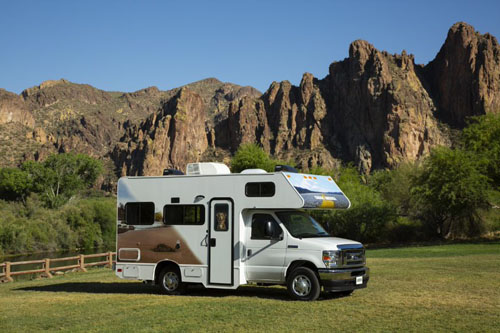
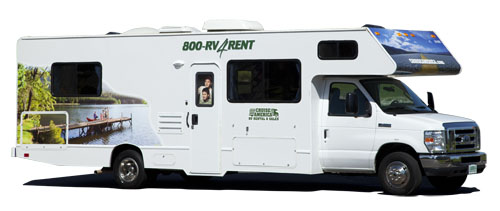
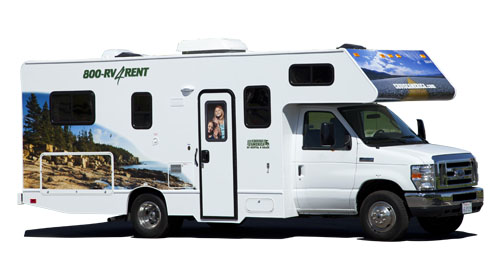
For navigating Alaska's diverse terrains and varying campsite access, Class B Camper Vans and Class C Alcove RVs from Bandana's fleet are often highly suitable options for your rented RV trip. For an adventurous couple or solo traveler, a nimble Class B Camper Van, typically around 5.8 meters long and sleeping 2-3 adults, offers excellent maneuverability and better fuel efficiency, often around 8-10 Liters/100 km. These compact campers are ideal for boondocking or accessing smaller, more remote campgrounds, such as our "rv rental denver example Category Van" model, featuring a front air conditioner, shower, and toilet, making it ideal for a couple. For families or groups seeking more living space and amenities, Class C Alcove RVs, averaging around 7.5 meters long and sleeping 4-5 adults, provide a comfortable choice. These motorhomes, like the "MHC30" model, which boasts 3 double beds (147/190cm over cab, 166/217cm rear, 112/188cm middle) and a 210 Liter fuel tank, consume around 14-18 miles per gallon (approx. 13-17 Liters/100 km), offering plenty of room for extended adventures. While larger, Class C motorhomes handle well and can access most popular Alaskan destinations. Consider a rented RV with robust suspension and sufficient fresh and waste water tanks (e.g., 160 Liter fresh water and 210 Liter waste water tanks on models like our "MHC30") to enhance comfort and self-sufficiency when exploring Alaska's less-developed areas. Remember, you can drive slowly and carefully, and you can drive almost anywhere without issues. No need to stress — just use common sense and pay attention.
How to Save on Campgrounds in Alaska
Managing your budget effectively is key to an enjoyable RV trip in Alaska, and there are several ways to save on campground fees. Utilizing campground discount cards offered by rent-motorhome can significantly reduce accommodation costs across a network of participating RV parks and campgrounds. A smart strategy is to opt for municipal, state, or federal campgrounds (like BLM or Forest Service sites) over private RV resorts, as they are typically more affordable, often costing $20-$30 per night, or even free for dispersed camping. Traveling during the shoulder seasons (May-early June or September) when demand is lower can also lead to reduced rates at some campgrounds. Additionally, many private RV parks provide weekly or monthly rates that offer substantial savings over nightly stays, making them an economical choice for longer visits to a single area. Embracing boondocking, or free camping, on public lands whenever possible will reduce your nightly expenditure to zero, though this requires self-sufficiency and careful planning for water, waste, and power. For detailed route planning and expense tracking, which helps in managing overall trip costs, consider leveraging RV PLANET routes.
Can I park my RV anywhere in Alaska?
No, you cannot park your rented RV just anywhere in Alaska; specific regulations govern parking on public and private lands, especially concerning overnight stays and boondocking. While Alaska boasts vast wilderness, parking is restricted on private property without permission, within city limits (except in designated RV parks), and in certain protected areas. Federal lands managed by the Bureau of Land Management (BLM) and National Forests generally permit dispersed camping (boondocking) for up to 14 days in one location, provided you adhere to Leave No Trace principles, which means packing out all trash and properly disposing of waste. Always consult local regulations, signage, and consider wildlife safety protocols when choosing a parking spot, as rules can vary significantly by borough and land management agency. This also covers the question 'Can you park an RV anywhere in Alaska?'.
What is the 3 3 3 rule for RVs and campers?
The 3-3-3 rule, often adapted for RVers as the 300-3-3 rule, is a helpful guideline that suggests driving no more than 300 miles (approximately 480 km) in a day, arriving at your destination by 3 PM, and staying at least 3 nights to avoid travel burnout and fully experience locations. For Alaskan travel, this rule is particularly beneficial for managing the vast distances, varying road conditions (including frost heaves and gravel sections common on routes like the Dalton Highway), and ensures you have ample time to navigate and set up camp before the "midnight sun" makes it feel less like bedtime. Adhering to this guideline can prevent exhaustion, allowing for more relaxed exploration and mitigating the risks associated with rushed driving on unfamiliar roads. This also covers the question 'What is the 3-3-3 rule for camping?', emphasizing a leisurely pace in your rented motorhome.
Where is the best place to park an RV for free?
The best places to park a rented RV for free in Alaska typically involve designated dispersed camping areas on Bureau of Land Management (BLM) lands, specific national forests, or through programs like Harvest Hosts for self-contained RVs. BLM lands are abundant in Alaska's interior and offer numerous opportunities for free, primitive camping; always look for signage indicating where dispersed camping is permitted and avoid private property. Areas along the Denali Highway, McCarthy Road, and parts of the Kenai Peninsula provide options for free or low-cost dispersed camping, often with stunning scenic backdrops and chances for wildlife viewing. For safe and legal free parking, always check local land management websites or use reputable apps like iOverlander or Campendium, which compile user-submitted information on boondocking spots, to find appropriate locations for your mobile home.
Is boondocking legal in Alaska?
Yes, boondocking is generally legal in Alaska on many federal lands, including those managed by the Bureau of Land Management (BLM) and some National Forests, though specific regulations and restrictions apply and vary by location. The vast majority of Alaska's public lands are open to dispersed camping, offering immense opportunities for free, off-grid RV experiences in your rented campervan. Key considerations for legal boondocking include adhering to stay limits (typically 14 days in one spot), practicing Leave No Trace principles (packing out all trash, proper waste disposal), and checking for fire restrictions, especially during dry summer months. Always be aware of local fire bans, particularly during dry seasons, and ensure your rented RV is self-contained with adequate water and waste tank capacity for extended stays in the wilderness. For specific route plans that incorporate boondocking spots, check out our offerings on RV PLANET (rvplan.net).
What does FF mean in camping?
In camping contexts, "FF" typically stands for "Full Hookups," indicating that a campsite provides electric, water, and sewer connections for your RV. A campsite advertised with FF ensures you have access to either 30-amp or 50-amp electricity, a potable water spigot, and a sewage drain for black and grey water disposal, offering the highest level of convenience for your rented motorhome. Full hookups are most commonly found in private RV parks and some larger, more developed state park campgrounds, providing comfort for those who prefer all amenities. Understanding FF helps RVers quickly identify the level of services available at a campsite, which is particularly important when planning for longer stays or trips requiring constant power and water in a region like Alaska.
What is the best time of year to RV to Alaska?
The best time of year to RV to Alaska is generally from late May through early September, when daylight hours are longest, temperatures are mildest, and most services, attractions, and roads are open. June and July offer peak daylight, including the famous Midnight Sun (nearly 24 hours of daylight), warmer temperatures, and lush landscapes, making it ideal for sightseeing and outdoor activities, though campgrounds and popular spots will be busiest and require early booking. Late May and early September represent the 'shoulder seasons,' providing fewer crowds, potentially lower prices, and stunning fall foliage in September. While some services may have reduced hours or be closed during shoulder seasons, these periods can offer unique wildlife viewing opportunities and a more serene experience for your rented RV journey. Traveling in spring or fall requires preparedness for cooler temperatures and potential snow, but the rewards of quieter trails and vibrant seasonal changes are immense.
How much are campsites in Alaska?
Campsite prices in Alaska vary widely, allowing for diverse budgeting options for your rented motorhome trip. You can find free dispersed camping on public lands, making it a zero-cost option for accommodation. State or national park campgrounds typically cost $20-$30 per night, offering basic amenities like water, vault toilets, and picnic tables; some popular national park sites may charge slightly more. Private RV parks, especially those in popular tourist towns like Seward, Homer, or Anchorage, generally range from $40-$70+ per night for full hookups, showers, laundry, and Wi-Fi. When budgeting your trip, remember to factor in additional ancillary costs beyond just the RV rental and campsite fees. Fuel, which is generally higher in Alaska, especially in remote areas, propane, dump station fees, tolls, and groceries will all contribute to your total trip cost. On the RV PLANET routes offered by our sister company, you can itemize and track every expense along the way for easy budgeting, ensuring no surprises during your Alaskan adventure.
What is the 200 rule for camping?
The 200 rule for camping, often used interchangeably with or as a variation of the 3-3-3 rule, advises RVers to limit their daily driving to approximately 200 miles (around 320 km) to allow for leisurely travel, adequate time to set up camp, and sufficient opportunity for exploration. In Alaska, adhering to the 200-mile rule is particularly beneficial due to the vast distances between towns, variable road quality (which can include gravel sections and frost heaves), and the numerous scenic pull-offs and wildlife viewing opportunities that demand your attention. This rule promotes a more relaxed pace for your rented campervan journey, significantly reducing driver fatigue and allowing for unexpected stops to fully immerse yourself in the Alaskan wilderness. It also provides a buffer for unforeseen delays, such as road construction, animal crossings, or sudden weather changes, all of which are common challenges on Alaskan highways.
What You Shouldn't Miss
- Drive the Seward Highway: This 200 km (125 miles) scenic drive from Anchorage to Seward is routinely listed as one of the most beautiful roads in America, offering stunning views of Turnagain Arm, glaciers, and wildlife.
- Explore Denali National Park: Take the bus tour into the park for a chance to see Denali (Mt. McKinley) and wildlife like grizzlies, moose, caribou, and Dall sheep. Don't miss hiking the Savage River Loop or visiting the Eielson Visitor Center.
- Visit the Kenai Peninsula: Discover the charming coastal towns of Seward and Homer. In Seward, embark on a glacier and wildlife cruise in Kenai Fjords National Park to witness tidewater glaciers and marine life. Homer, the "Halibut Fishing Capital of the World," offers a vibrant art scene and fresh seafood.
- Experience Fairbanks and the Arctic Circle: Journey north to Fairbanks for a taste of interior Alaska. From here, you can even venture up the Dalton Highway to cross the Arctic Circle, a truly unique experience.
- Take an Alaska Marine Highway System Ferry: For a unique perspective, put your rented motorhome on a state ferry to explore coastal communities like Valdez, Cordova, or Kodiak Island, combining road tripping with a scenic cruise.
Looking for expert insights from Avi Bandana? Top 5 Adventures — recommendations from Avi Bandana
🎬 Video coming soon
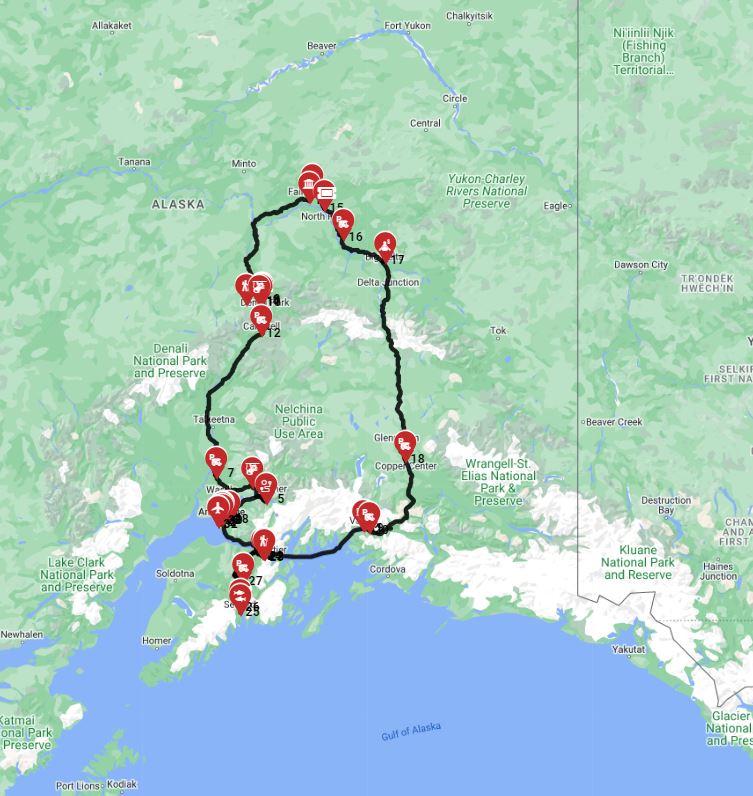
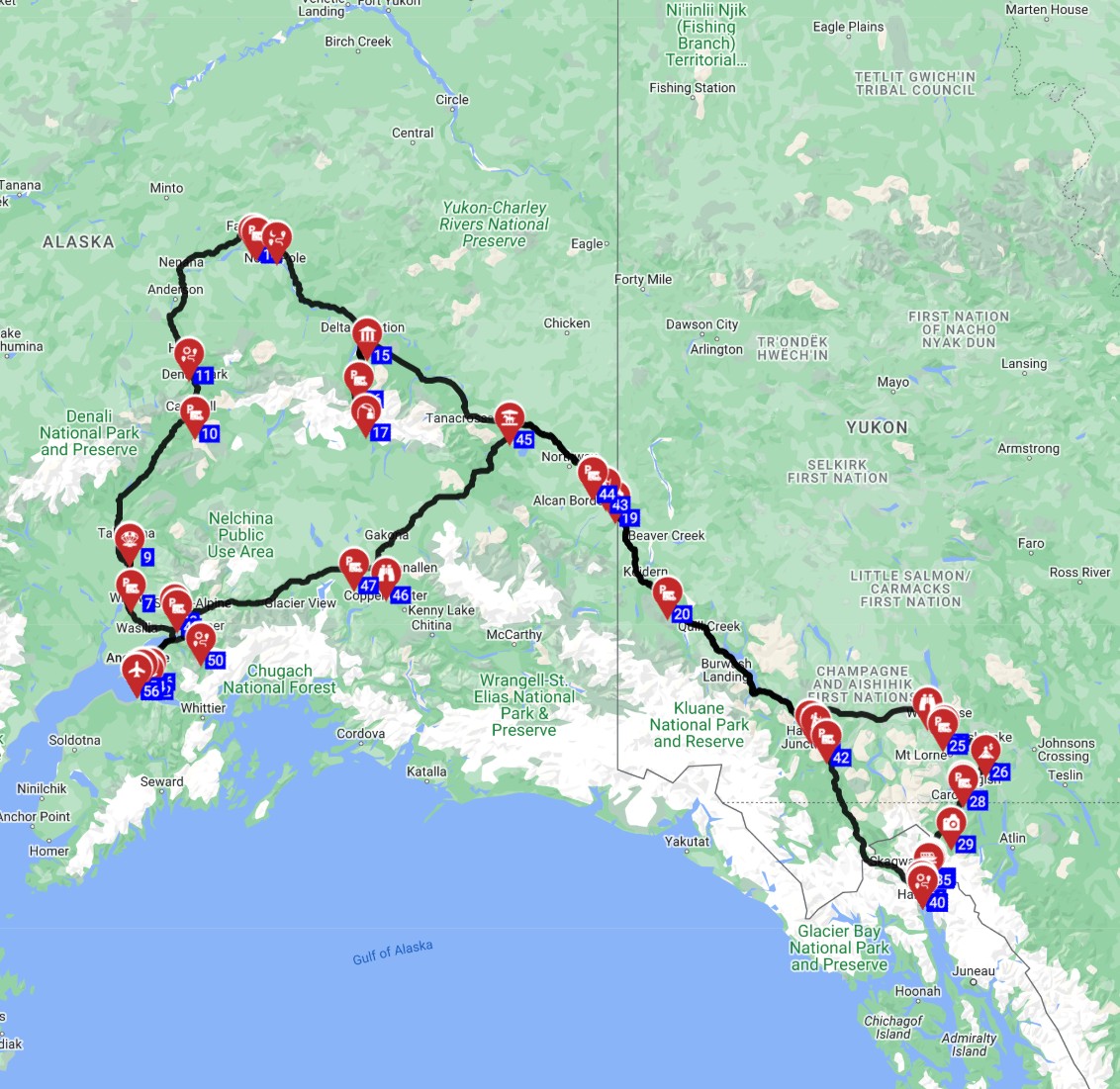
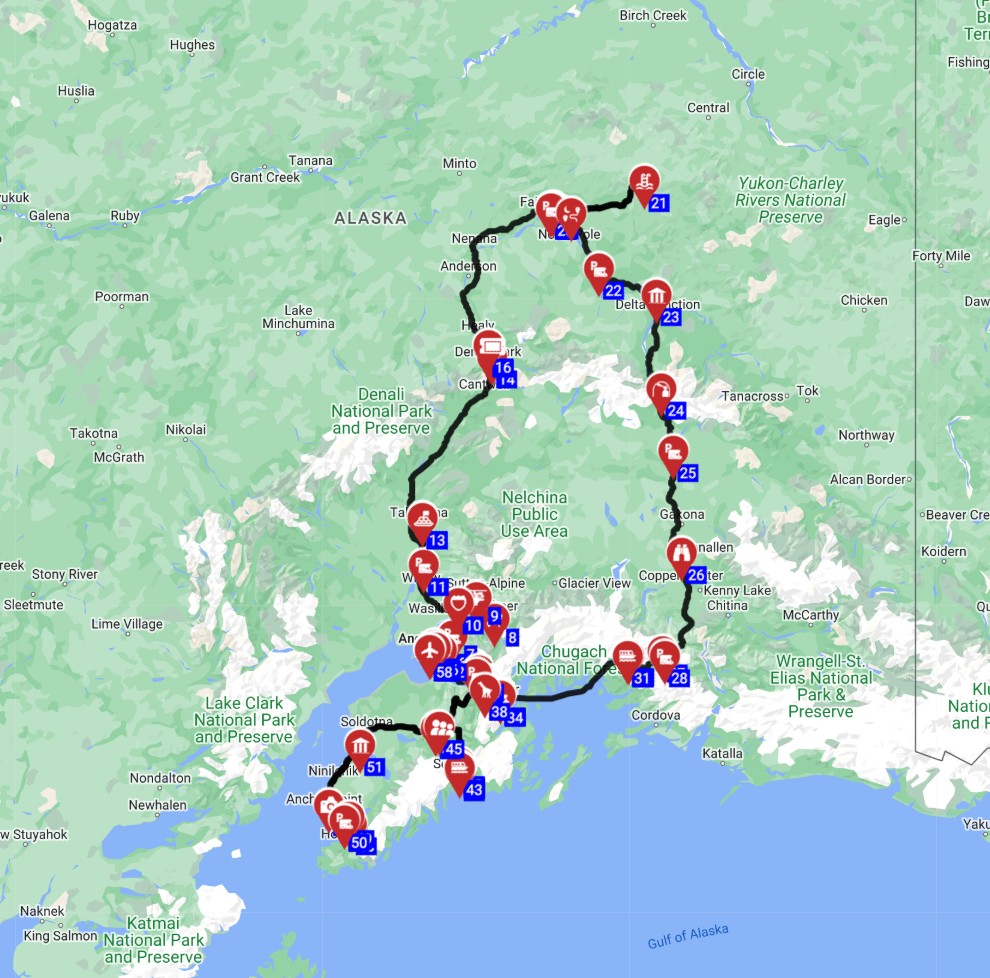
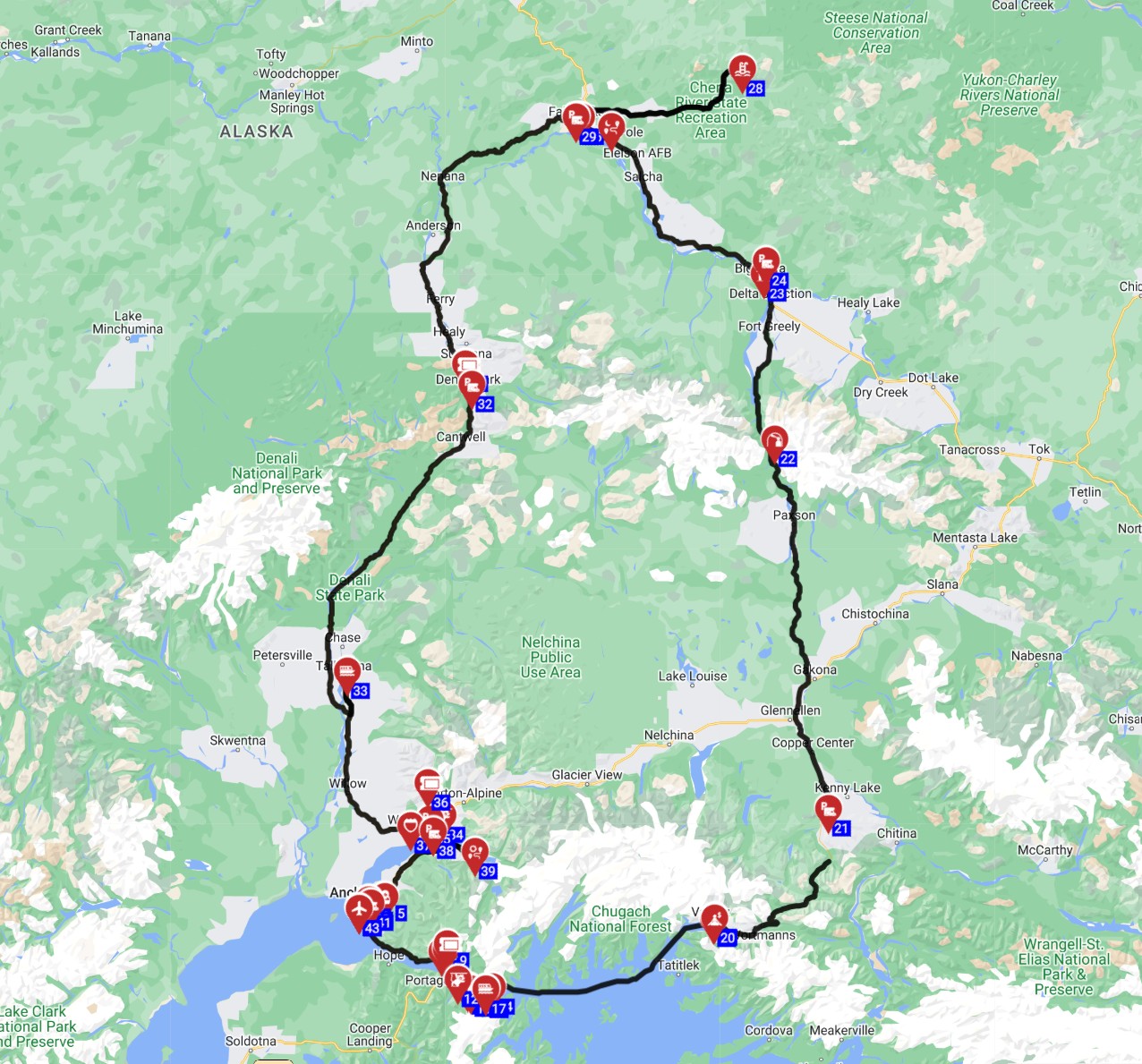
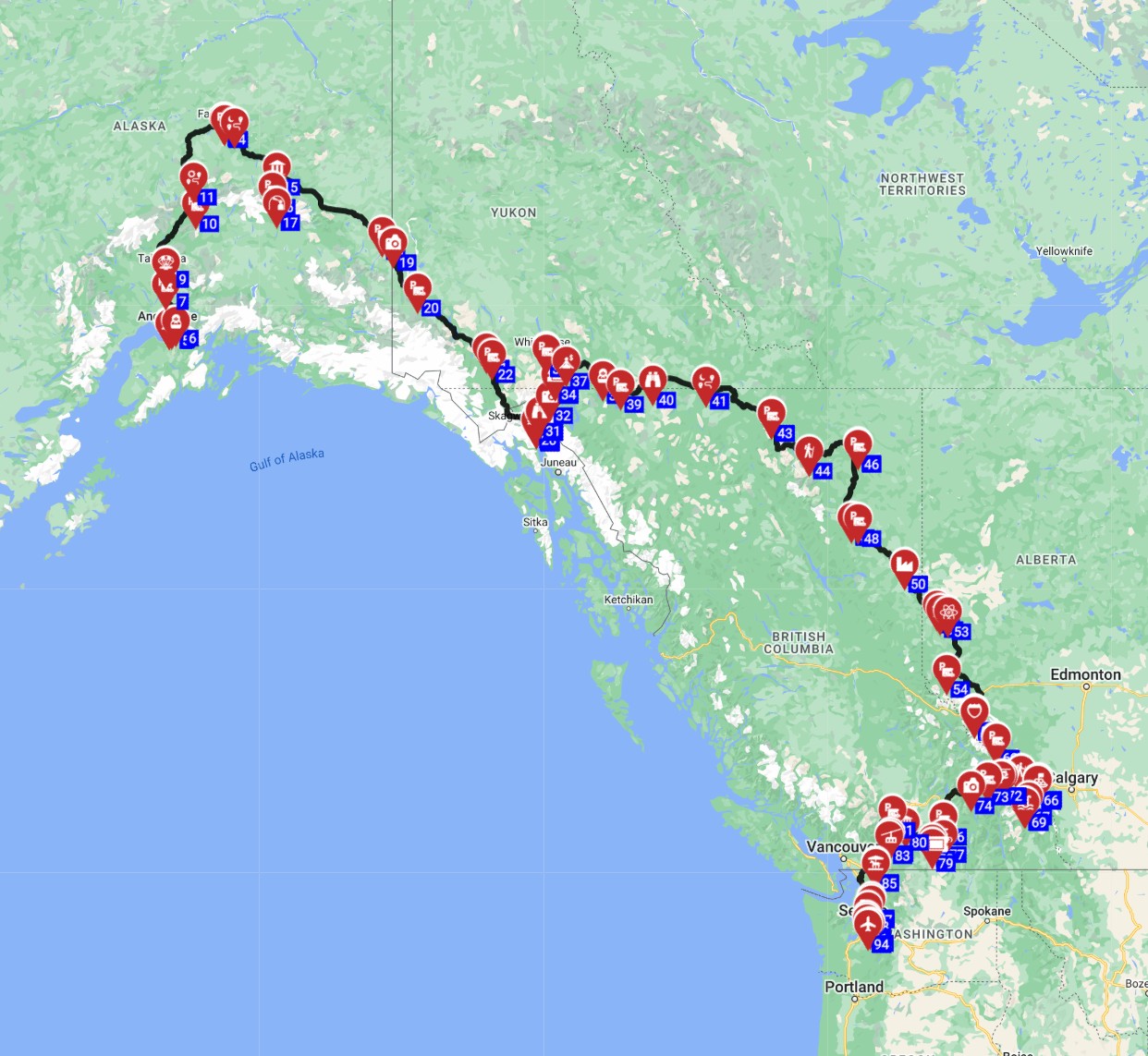
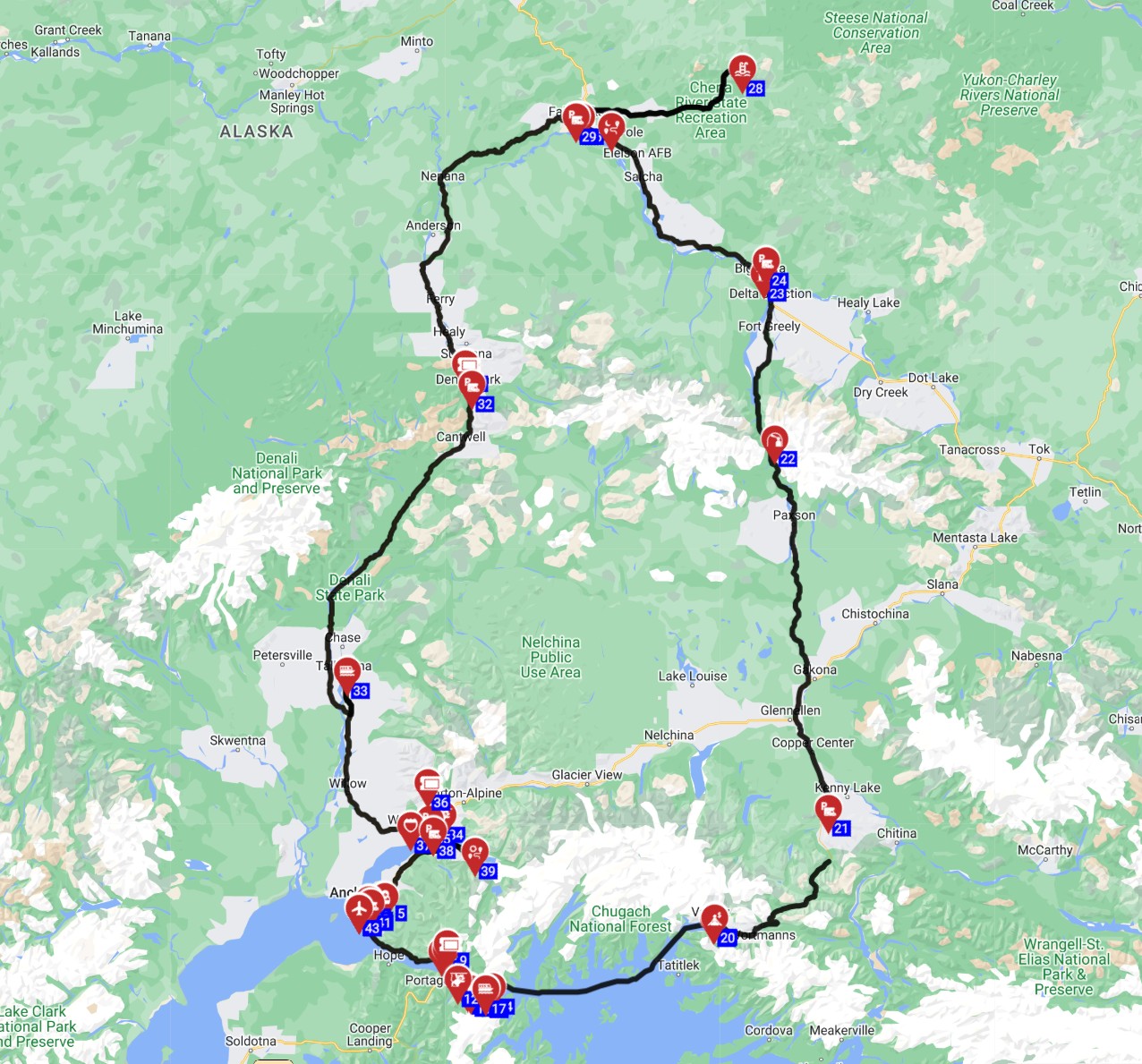
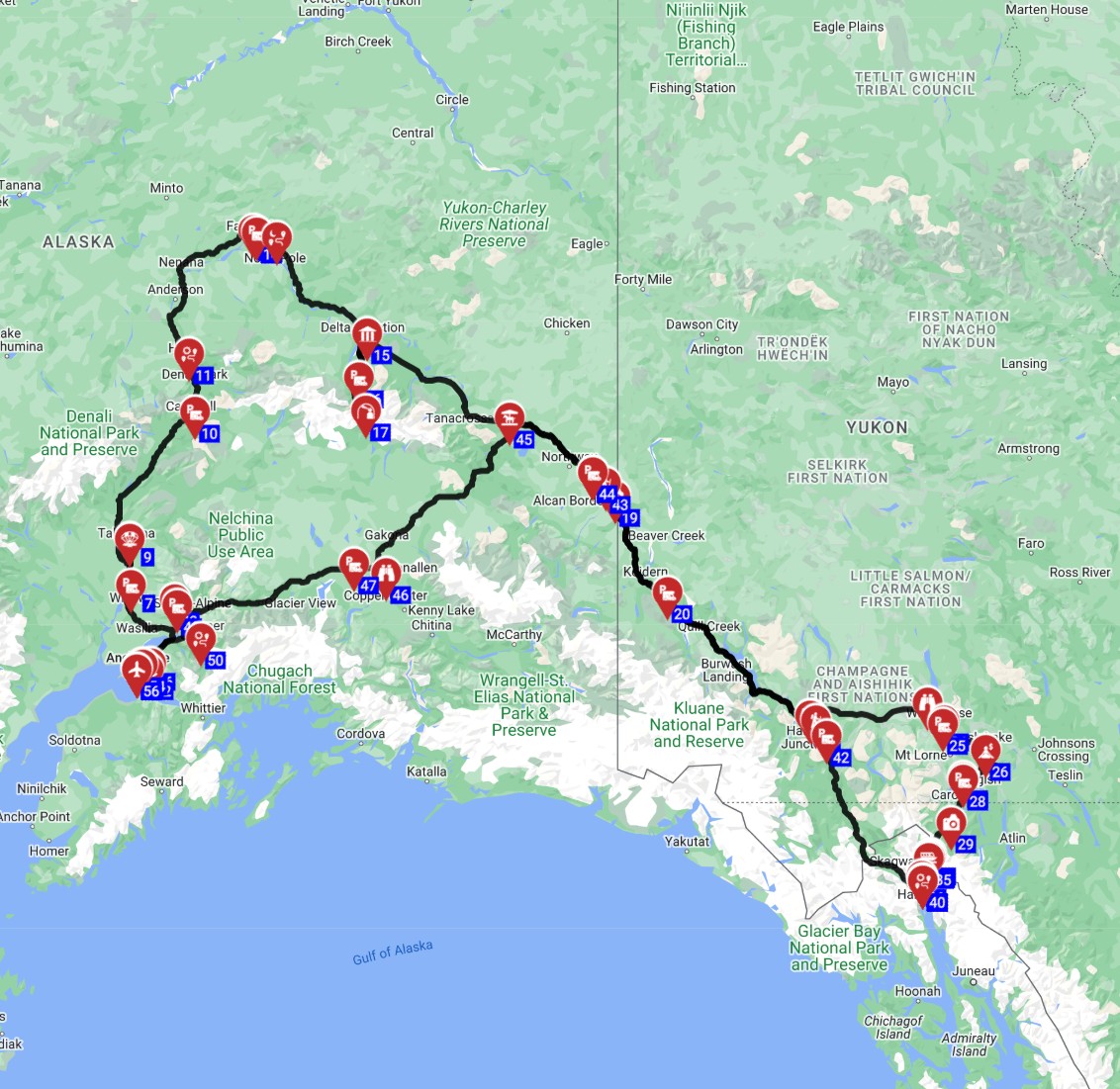
Ready to plan your dream route? Our sister company, RV PLANET, offers expertly crafted itineraries to help you make the most of your Alaskan RV rental. For instance:
This 15-day, 1929.9 km
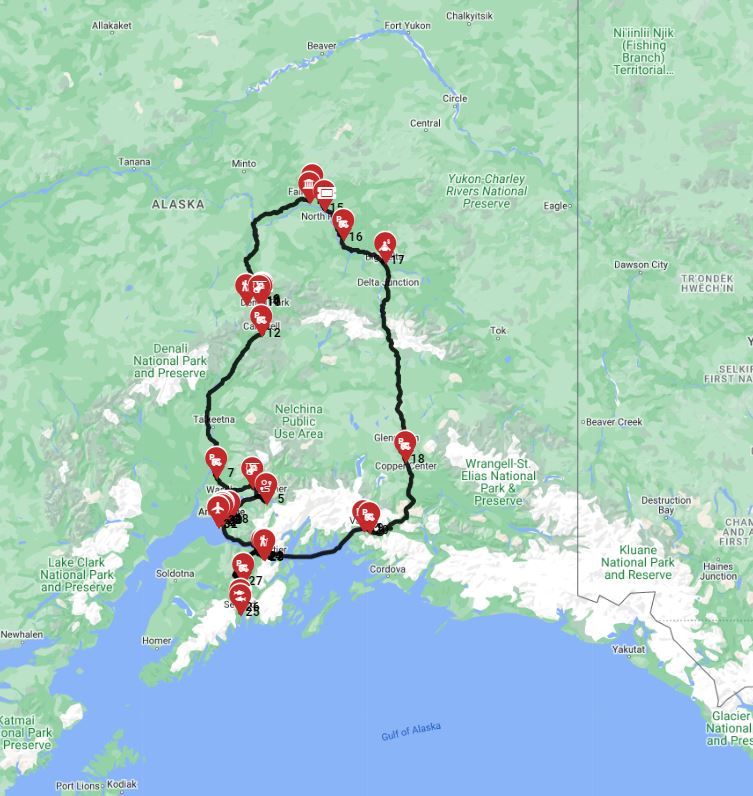
Alternatively, the 11-day, 1928.5 km
For an extended journey, the 23-day, 3539.2 km
Final Thoughts
Embarking on your first rented RV camping trip in Alaska is an adventure of a lifetime, promising unparalleled beauty and unforgettable experiences. From the towering peaks of Denali to the rugged coastlines of the Kenai Peninsula, having your own mobile home gives you the freedom to explore at your own pace. Remember to embrace slow travel, allowing 100-150 km per day on average, to truly connect with the vast landscapes and unique charm of this incredible state.
With careful planning for campgrounds, understanding local regulations around boondocking, and choosing the right size motorhome for your group, your Alaskan journey will be smooth and deeply rewarding. At Bandana RV, we're here to support you every step of the way, providing transparent pricing and expert guidance to ensure your first RV camping trip in Alaska is everything you've dreamed of and more. Don't wait - your Alaskan adventure is calling!
Get inspired for your next trip and discover top destinations, planning tips, all in one place. Plan a trip itinerary in advance with minimal effort and maximum enjoyment through RV PLANET (rvplan.net).