In This Guide
- Top 5 Tips for family rv rental RV Rental in Zambia
- Before You Book - Class, Dates, Insurance
- Pre-Trip Prep - Packing Checklist for Zambia
- On the Road - Driving, Fueling, Navigation
- At the Campground - Setup, Hookups & Etiquette
- family rv rental-Specific Tips for Zambia
- Common Mistakes to Avoid in Zambia
- How much does it cost to rent a campervan in Zambia?
- Where can I stay in Zambia?
- Is it safe to drive a car in Zambia?
- How can I travel around Zambia?
- Can you drive from South Africa to Zambia?
Top 5 Tips for family rv rental RV Rental in Zambia
Securing a family RV rental in Zambia for an unforgettable adventure is made smoother with proper planning, including anticipating diverse road conditions and embracing local culture.
1. Book in Advance for Peak Season: During the dry season (May to October), popular campsites in Zambia and preferred family motorhomes or campervans with features like a 100L fresh water tank and multiple sleeping areas, are in high demand. Booking your rented RV and key campsites at least 3-6 months ahead ensures you get the best selection and potentially better rates, avoiding last-minute scrambling.
2. Understand Zambian Roads: Outside of major cities like Lusaka and Livingstone, many roads in Zambia can be unpaved or feature potholes. Drive slowly and carefully, and you can drive almost anywhere without issues. No need to stress - just use common sense and pay attention. Expect longer travel times than you might be used to, averaging 60-80 km/h on rural routes.
3. Pack Smart and Be Self-Sufficient: Given the remote nature of some incredible destinations in Zambia, a comprehensive first-aid kit, high-concentration insect repellent, and essential spares for your rented RV are crucial. Consider bringing extra fuel in jerry cans, as informal fuel stations are common in rural areas, as well as a spare tire and basic tools. When discussing trip costs, remember that on RV PLANET routes, travelers can itemize and track every expense along the way for easy budgeting. On the routes offered through RV PLANET routes, you can itemize and track every expense along the way for easy budgeting.
4. Diversify Your Itinerary: Plan your route to seamlessly blend world-class wildlife viewing in parks like South Luangwa with immersive cultural sites and designated RV-friendly campsites. Zambia offers a rich tapestry of experiences beyond just safaris; consider visits to local craft markets for engaging cultural experiences.
5. Engage Respectfully with Local Communities: Embracing cultural immersion by interacting respectfully with local communities is a highlight of traveling in Zambia. Visit local markets, learn a few basic phrases in a local language like Nyanja or Bemba, and engage in community-based tourism initiatives. Traveling slowly, perhaps a maximum of 100-150 km per day on average, allows you to truly feel the place, connect to the culture, the food, and the scenery.
For live availability and current prices, start with our RV Rental Zambia - Complete Guide 2026 guide. We are true RV specialists, not just a travel agency side department, and have been helping tens of thousands of travelers explore the world by RV since our founding in 2001.
Before You Book - Class, Dates, Insurance
Carefully considering your RV class, preferred travel dates, and necessary insurance options before your trip is essential for a smooth family RV rental in Zambia.
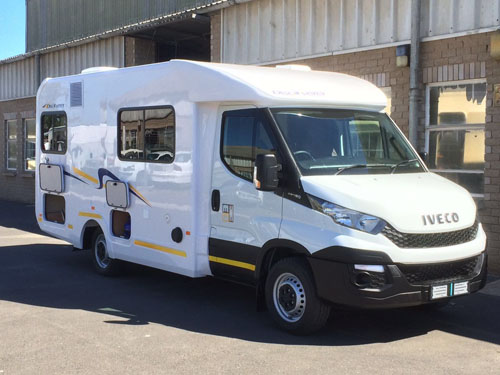
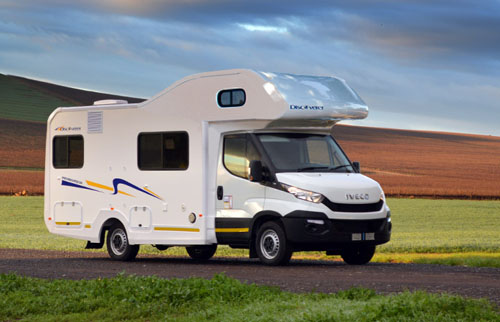
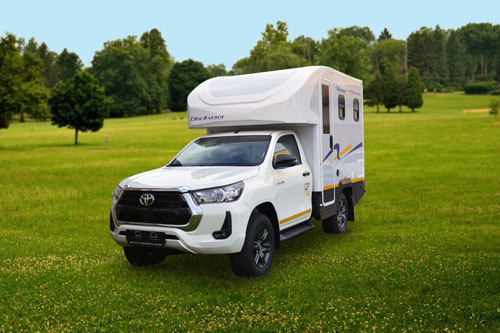
Selecting the appropriate RV class for family travel in Zambia often means balancing comfort and maneuverability. For example, a "C-MEDIUM PLUS" motorhome, with its 7.3L V8 gasoline engine, automatic transmission, and sleeping capacity for 5 people (including a double bed over the cab and two rear single beds), might be ideal for a family seeking comfort and space on varied terrain. Alternatively, a smaller campervan such as a "Category Van" or "Patagonia Camper 4x4 double cab" could offer easier navigation on narrower roads. Bandana RV offers a range of motorhomes (Class A, Class B, and Class C) and campervans, each providing different levels of onboard facilities like showers and toilets, catering to families with 2+2 members or larger groups.
Locking in rental dates for a family RV adventure in Zambia is advisable as early as possible, particularly if traveling during the dry season (May to October) which is peak tourist period. Early booking ensures vehicle availability and can result in better rates, with many pre-planners securing their camper or motorhome 3-6 months in advance. However, spontaneous travelers can often find last-minute availability too; many national and state parks reserve 25-30% of spots for first-come, first-serve. You'll find a spot. If not at the first campground, then the next one. Always call ahead before driving.
Regarding insurance, basic coverage is always included with your RV rental. For enhanced peace of mind, you can upgrade to a top-level deductible for extra protection. Bandana provides full price transparency, ensuring no hidden fees or surprises related to insurance when you book. We compare final prices across 50+ suppliers so you don't have to worry about the details, letting you live the journey.
Pre-Trip Prep - Packing Checklist for Zambia
A well-prepared packing checklist for an RV trip in Zambia ensures comfort, safety, and readiness for varying climates and travel needs.
Essential items to bring for a family RV rental in Zambia include:
- Lightweight, breathable clothing (long sleeves/pants for evenings to deter insects)
- Swimwear
- Wide-brimmed hat and sunglasses
- Comfortable walking shoes or hiking boots
- Reusable water bottles and a water purification system
- Insect repellent (high DEET concentration) and mosquito nets
- Sunscreen (SPF 30+)
- Basic cooking utensils and non-perishable food items for your RV kitchen. If you're looking for inspiration on what to whip up on the road, check out our RV-friendly recipes playlist.
- First-aid kit (including anti-malarial medication if advised by your doctor)
- Emergency roadside kit (e.g., jump starter cables, basic tools, tire repair kit)
- Headlamps or flashlights with extra batteries
- Copy of passport, driver's license, and an International Driving Permit (recommended for non-English speakers but not mandatory for a standard car license).
- RV rental agreement and insurance details
- Printed maps and a reliable navigation device (GPS or offline maps)
- Power bank or portable charger for electronics
- Binoculars for wildlife viewing
- Lightweight rain jackets for unexpected showers
Most rented motorhomes come equipped with essential kitchenware and linens, but it's always wise to confirm with your supplier. For further planning, explore options like "RV Rental in Zambia - Prices and Best Deals 2026" to understand what's typically included. Remember, we provide personal service from day one until your booking is confirmed, ensuring you have all the information needed for your adventure in Zambia.
On the Road - Driving, Fueling, Navigation
Navigating Zambia by a rented RV requires preparedness for diverse road conditions, diligent fueling practices, and reliable navigation tools to ensure a safe and enjoyable journey.
Expect varying road quality across Zambia; you'll encounter well-maintained tar roads in urban areas and along primary national highways, but also gravel or dirt tracks in rural and national park regions. Drive slowly and carefully, and you can drive almost anywhere without issues. No need to stress - just use common sense and pay attention to your surroundings. This approach is especially vital for larger Class C motorhomes or even smaller Class B campervans. It's recommended to limit daily driving to approximately 100-150 km to fully appreciate the scenery and allow for unexpected stops.
Fuel stations are readily available in major towns and along primary routes, offering both petrol and diesel. However, it's always prudent to refuel whenever possible, especially before venturing into remote areas or national parks where availability can be scarce or limited to informal roadside vendors. Carrying an extra jerry can of fuel can be a lifesaver on longer stretches. For detailed planning and finding fuel stops along your route, RV PLANET routes can be an invaluable tool, allowing you to itemize and track every expense for easy budgeting.
While modern GPS apps on smartphones are useful, mobile network coverage can be unreliable in many wilderness areas of Zambia. Therefore, carrying up-to-date physical maps as a backup is highly recommended. Always be alert for common road hazards, including wandering livestock (cattle, goats, elephants), pedestrians, and occasional wildlife crossings, particularly at dawn and dusk. Night driving is strongly discouraged due to poor road lighting and increased risks. Zambia drives on the left-hand side of the road, and speed limits typically range from 50 km/h in urban areas to 100 km/h on national highways, although lower speeds are advisable on unpaved roads.
At the Campground - Setup, Hookups & Etiquette
Mastering efficient campground setup, understanding hookup procedures, and adhering to local etiquette are essential for a smooth and respectful RV experience in Zambia.
Upon arriving at your chosen campsite, first locate a suitable, level spot for your rented motorhome or campervan. Once positioned, safely park and engage the parking brake before extending any leveling jacks or chocks to stabilize the vehicle. Next, connect your electrical hookups; always ensure the power is off at the pedestal before connecting your RV's power cord. Follow this by connecting your fresh water hose, making sure it's clean and potable. Finally, connect your waste disposal hose to a designated dump station for grey and black water, prioritizing hygiene and safety.
Zambian campgrounds, particularly those within national parks, emphasize peace and quiet to respect both fellow campers and the natural environment. Adhering to quiet hours, typically from 10 PM to 7 AM, is crucial. This means minimizing noise from generators, music, and loud conversations. Always dispose of waste responsibly; utilize designated dump stations for grey and black water tanks, and pack out all trash to minimize your environmental impact. Never leave food unattended, as wildlife can be attracted to campsite smells.
Respecting fellow campers and wildlife is paramount. Keep a safe distance from animals, never feed them, and store all food items securely inside your rented RV. While dedicated dump stations may be less common in very remote areas, most established campgrounds near popular attractions like Victoria Falls or in major national parks offer sufficient facilities. For finding campsites and campgrounds during your trip, we recommend using RV PLANET (rvplan.net) - a great resource for locating available spots along your route. For more on planning your trip, consider checking out our "RV Rental Deals in Zambia - Latest Offers 2026" guide.
🎬 Video coming soon
family rv rental-Specific Tips for Zambia
Planning an RV trip to Zambia with family necessitates specific considerations to ensure comfort, safety, and engaging experiences for all ages.
Prioritize renting an RV model that offers separate sleeping areas or sufficient space for children, enhancing comfort during long trips and ensuring adequate rest for everyone. For instance, a Class C motorhome like the "MHC24" with a double bed over the cab, a rear double bed, and a middle double bed, provides 6 sleeping places, perfect for a family. Another option could be the "Glamys 40" which features bunk beds, a double bed over the cab, and a convertible dinette. Ensuring the rented RV is equipped with appropriate child safety seats or harnesses for younger passengers, complying with local regulations, is paramount for maximizing safety.
Integrate kid-friendly activities into your itinerary. This could include guided nature walks, junior ranger programs in national parks, or visits to local craft markets for engaging cultural experiences. Consider planning for frequent stops at safe rest areas or picnic spots to allow children to stretch their legs and burn off energy. Schedule drives during the hottest parts of the day or when children typically rest, allowing them to sleep comfortably in the RV while you cover distances.
Packing a variety of healthy, easy-to-prepare snacks and ensuring secure storage for them is important, as food options might be limited in remote areas and children often need frequent sustenance. Consider a rental motorhome with a larger refrigerator, like the "MH-A" which offers a 302-liter fridge/freezer, making it easier to store fresh produce for family meals. Remember, Bandana Caravan offers full transparency in pricing, so what you see is what you pay, with no surprise fees at pickup, which helps families budget effectively. For guidance on specific vehicles, consult our "Family RV Rental in Zambia - Pricing Guide 2026" to find the perfect fit.
Common Mistakes to Avoid in Zambia
Avoiding common pitfalls can significantly enhance an RV family rental experience in Zambia, ensuring a more enjoyable and stress-free adventure.
One common mistake is underestimating drive times, especially when navigating Zambia's varied road network. Instead of assuming typical Western road speeds, allocate extra travel time between destinations to account for unpaved roads, wildlife crossings, and unexpected stops. A 150 km journey on a dirt track might take much longer than anticipated. Another pitfall is skipping campsite pre-bookings. While some national parks offer first-come, first-serve spots, popular campsites, particularly in national parks like South Luangwa and Lower Zambezi, can fill up quickly during peak season. Secure your spots well in advance to avoid disappointment, especially if you have a larger rented motorhome needing specific amenities.
Overlooking thorough vehicle checks is another frequent error. Conduct a daily inspection of your rented RV's tires, fluid levels, and lights, and familiarize yourself with basic troubleshooting to prevent minor breakdowns in remote areas. Bandana RV's direct partnerships with leading suppliers like Apollo and Britz ensure well-maintained vehicles, but a quick personal check is always a good practice. Also, rather than relying solely on card payments, carry sufficient local currency (Zambian Kwacha) for fuel, smaller purchases at local markets, and national park entry fees, as card facilities are not ubiquitous outside of major towns. This helps avoid unexpected delays or inconveniences.
Lastly, many first-timers neglect comprehensive route planning. Utilize professional pre-planned routes from services like Rent&Plan offered via RV PLANET (rvplan.net), which include 1,300+ routes across 5 continents. This can alleviate planning stress and provide valuable insights into road conditions and available amenities. Don't forget that using rvplan.net for planning can also net you a 25% planning discount on your RV rental. As true RV specialists, we are committed to helping you have the best possible experience, and that starts with avoiding these common mistakes.
How much does it cost to rent a campervan in Zambia?
The cost to rent a campervan or motorhome in Zambia typically ranges from $100 to $300 USD per day, varying significantly based on RV class, rental duration, season, and included amenities.
Daily rental rates for a standard family-sized campervan (Class B) or a more robust Class C motorhome like the "Adak Argonaut 21" (a medium-sized Class C) generally fall within this range. Larger, more luxurious RVs, such as the "Euro Deluxe" (a large Class C with 3 double beds), will command higher prices, especially during the peak dry season (July to October). Prices are dynamic, similar to flight tickets, and change daily based on availability, seasonality, and supplier marketing decisions. The final price is set at the actual booking time.
Fuel estimates for rented RVs should factor in Zambia's fuel prices, which are typically around $1.50 - $2.00 USD per liter. Vehicle consumption can be higher on rougher, unpaved roads. Budget approximately $50-$100+ USD per day for fuel, depending on your travel distance and chosen routes. Specific campsite fees in national parks and private lodges can range from $15-$50 USD per person per night, with additional fees for vehicle entry (around $15-$25 USD per vehicle per day). National park entry fees for international visitors are typically $20-$30 USD per person per day.
Ancillary costs can include optional upgrades like a top-level deductible for extra peace of mind, one-way rental fees (e.g., $150-$500 USD for inter-city drop-offs), extra mileage charges if exceeding a set limit, cross-border permits (if applicable), and charges for additional equipment like satellite phones. Booking during the low season (November to April) might offer more competitive rates. We provide full transparency on all costs and fees, so what you see is what you pay, with no surprises. For more detailed pricing guides, refer to "RV Rental in Zambia - Prices and Best Deals 2026" or "Luxury RV Rental in Zambia - Premium Prices 2026".
Where can I stay in Zambia?
In Zambia, RV travelers can find accommodation at designated campsites within national parks, private lodges offering camping facilities, and some community-run conservancies, providing a range of experiences.
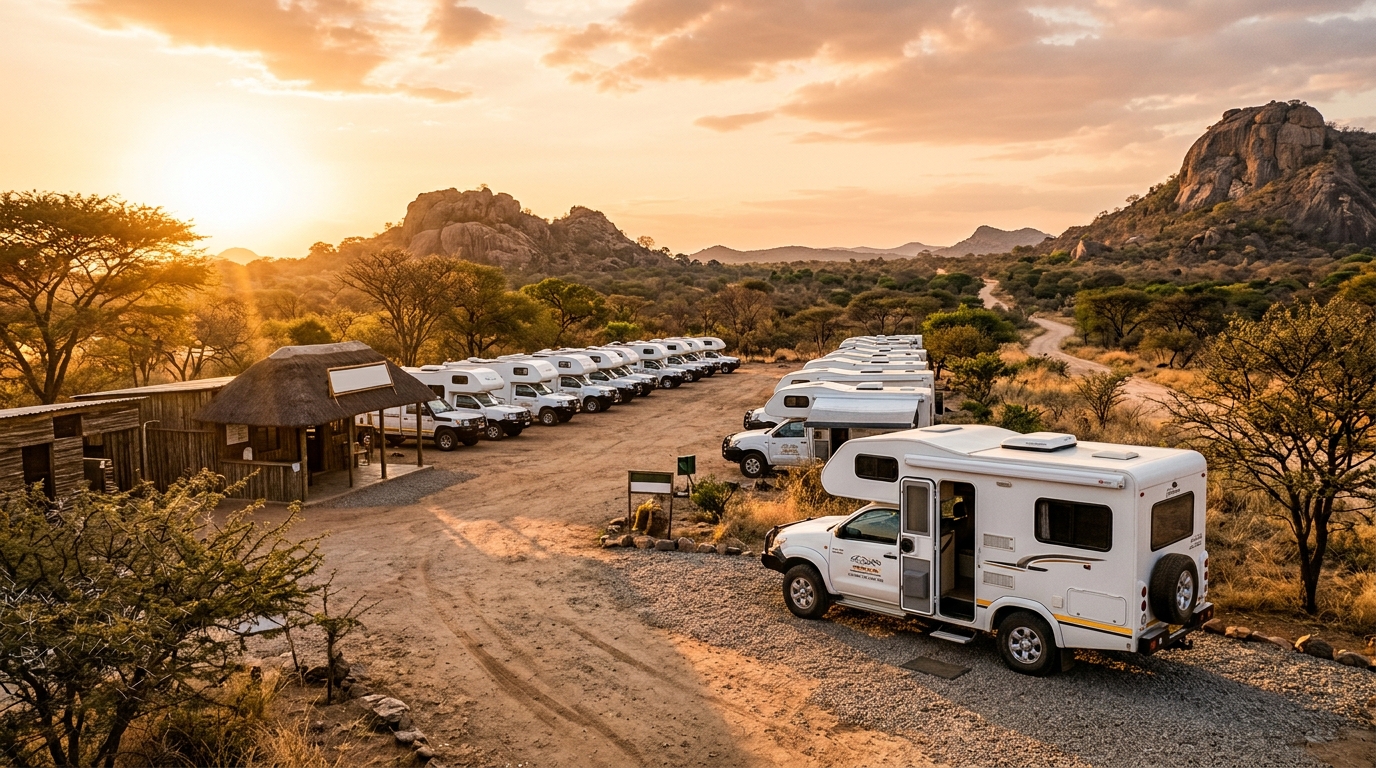
RV-friendly campsites are widely available across major tourist circuits, including popular destinations such as South Luangwa National Park, Lower Zambezi National Park, and the Victoria Falls area in Livingstone. These campsites often feature a mix of basic and modern amenities. Public campsites within national parks tend to be more rustic, offering minimal facilities but closer proximity to wildlife. Private campsites, often located just outside park boundaries or within private conservancies, typically provide more amenities such as electrical hookups, potable water points, and communal ablution blocks with hot water.
Detailed RV-specific infrastructure varies; while electrical hookups and water points are common in many private and some public sites, dedicated dump stations for grey and black water are less common and may require specific planning or inquiry with local camp management. Wild camping, or boondocking, with a rented RV in Zambia is generally restrictive within national parks and reserves. It is advisable to stay only in designated campsites to comply with regulations and for personal safety. For finding campsites and campgrounds during your trip, we recommend using RV PLANET (rvplan.net) - a great resource for locating available spots along your route.
For safety, always inquire locally about secure overnight parking options outside of established campgrounds if you're not in a designated site, and ensure your rented motorhome or campervan is secured at all times, especially in urban areas. Consider itineraries that cover a week-long trip or a two-week adventure, allowing ample time to explore different regions and available camping options. Our "Weekly RV Rental in Zambia - Pricing 2026" guide offers insights into longer stay costs.
Is it safe to drive a car in Zambia?
Driving a rented RV in Zambia is generally considered safe for tourists, particularly during daylight hours and on major routes, though vigilance is required for varied road conditions, wildlife, and local driving practices.
General road safety tips include strictly adhering to speed limits, which are often lower on unpaved roads, and always wearing seatbelts. For RVs, specific driving considerations involve managing the vehicle's larger size and weight, especially on narrow or winding gravel roads. Drivers should be aware of potential rollovers on uneven terrain if driving too fast. Drive slowly and carefully, and you can drive almost anywhere without issues. No need to stress - just use common sense and pay attention. Common road hazards include large potholes, wandering livestock (cattle, goats), pedestrians, and occasional wildlife crossings in rural and national park areas. Always keep a safe distance from large animals.
Night driving in Zambia is strongly discouraged due to poor road lighting, significantly increased risk of encounters with nocturnal animals, and reduced visibility of hazards and pedestrians. Plan your routes to arrive at your campsite well before dusk. For emergencies, it is highly recommended to carry a local SIM card for mobile communication, as network coverage can be sporadic in remote regions. Note down emergency contacts for local police, roadside assistance (often provided by your rental supplier), and your rental provider. Detailed vehicle preparation for larger motorhomes for Zambian road conditions includes ensuring robust tires (all-terrain or mud-terrain are recommended if venturing off-road), carrying at least two spare tires, a high-lift jack, and a comprehensive tool kit for minor repairs. Bandana partners with leading RV suppliers worldwide, including El Monte, Cruise America, Apollo, and Britz, to offer reliable vehicles for your journey.
How can I travel around Zambia?
Travelers can explore Zambia through various modes, including organized safaris, domestic flights, self-drive 4x4 rentals, or the unique flexibility and freedom offered by a rented RV, each with distinct benefits.
Organized safaris provide structured tours with experienced guides and pre-arranged logistics, ideal for those seeking a hands-off approach to wildlife viewing. Domestic flights offer quick transfers between key destinations like Lusaka, Livingstone, and national parks, minimizing travel time but limiting spontaneity and immersive experiences. Self-drive 4x4 rentals provide flexibility similar to RVs but without onboard living facilities, often preferred for rugged terrain and remote bush camps, though they require booking separate accommodation.
A family RV rental in Zambia offers unique benefits, including unparalleled flexibility to set your own pace, greater cost-efficiency for families compared to multiple lodge bookings, and the self-sufficiency of having your accommodation and kitchen on wheels. Imagine waking up to the sounds of the bush, preparing breakfast in your rented motorhome, and having a full day of adventure without packing and unpacking daily. Challenges of RVing include navigating diverse road conditions, securing suitable campsites (many national/state parks reserve 25-30% of spots as first-come, first-serve, so calling ahead is good practice), and managing fuel and supplies in remote areas, necessitating thorough preparation. Compared to other modes, RV travel offers a more immersive and intimate connection with the landscape and local communities, facilitating spontaneous detours to local markets or villages, allowing you to travel slowly and truly feel the place. For inspiration on planning your trip, consider checking out our "RV Rental Africa - Complete Guide 2026".
Can you drive from South Africa to Zambia?
Yes, driving from South Africa to Zambia is a feasible and popular overland adventure, typically involving border crossings like Groblersbrug/Martins Drift (via Botswana) or Kazungula Bridge, requiring careful pre-planning for visas, vehicle papers, and road conditions.
The most common and recommended routes for a rented RV involve transiting through Botswana, utilizing its well-maintained roads and efficient border posts. Key border crossings for RVs include the Groblersbrug/Martins Drift crossing between South Africa and Botswana, and then the Kazungula Bridge crossing directly into Zambia from Botswana, known for its relative ease. An alternative is the Beitbridge border post between South Africa and Zimbabwe, followed by the Chirundu or Victoria Falls border posts into Zambia, although the Kazungula Bridge is generally preferred for its straightforward process.
Required documentation for your RV and all occupants includes valid passports, visas (if applicable for your nationality), an International Driving Permit (recommended but not mandatory for a standard car driver's license), original vehicle registration papers, a letter of authority from the rental company granting permission for cross-border travel, and proof of vehicle insurance valid for all countries entered. It is crucial to have these documents readily available and to confirm current visa requirements for each country prior to your departure, which can be found in our "One-Way RV Rental in Zambia - Price Guide 2026" itinerary.
Popular RV-friendly routes from South Africa to Zambia often include scenic drives through Botswana's Chobe National Park or the Makgadikgadi Pans, providing a balanced experience of wildlife and unique landscapes before reaching Zambia. Detailed itineraries could include stopping at Livingstone (Victoria Falls) upon entering Zambia, then proceeding to Kafue National Park, and potentially up to South Luangwa National Park, combining iconic sights with genuine cultural experiences. Remember to travel slowly, averaging no more than 100-150 km per day, to truly immerse yourself in the journey. This journey is a testament to the freedom a rented motorhome or campervan provides.
Final Thoughts
Embarking on a family RV rental adventure in Zambia is more than just a vacation; it's an opportunity to create lasting memories, explore breathtaking landscapes, and connect with a vibrant culture. Imagine the joy of spotting wildlife right from your spacious rented motorhome, sharing stories around a campfire, and waking up to new horizons each day. With the right planning and a sense of adventure, Zambia truly opens up as an incredible RV destination.
At Bandana, we're dedicated to making your journey smooth and enjoyable. We provide full transparency, comparing final prices across numerous suppliers so you can focus on the excitement of the trip, not the details of the booking. Our team of true RV specialists is here to support you before, during (pre-booking inquiries and booking confirmation), and after your booking, ensuring you have all the information and peace of mind you need for your family's next great adventure.
Ready to discover the magic of a family RV trip in Zambia? Get inspired for your next trip! Plan a trip itinerary in advance with minimal effort and maximum enjoyment. Your Zambian road trip awaits!