For live availability and current prices, start with our RV Rental Stavanger - Complete Guide 2026 guide.
In This Guide
- Top 5 Tips for family RV rental RV Rental in Stavanger
- Before You Book - Class, Dates, Insurance
- Pre-Trip Prep - Packing Checklist for Stavanger
- On the Road - Driving, Fueling, Navigation
- At the Campground - Setup, Hookups & Etiquette
- family rv rental-Specific Tips for Stavanger
- Common Mistakes to Avoid in Stavanger
- What is the 444 rule for RVs?
- What is the 3 3 3 rule for RV camping?
- Is Norway RV friendly?
- What are common RV rental hidden fees?
- How much does it cost to rent an RV in Norway?
- How many days do you need in Stavanger?
- How do you travel with kids in an RV?
- What is the prettiest town in Norway?
- What do I need to know before renting an RV?
- How much per day does it cost to rent a camper van in Norway?
Top 5 Tips for family rv rental RV Rental in Stavanger
Renting an RV for your family adventure in Stavanger offers unparalleled freedom and the chance to explore Norway's breathtaking landscapes at your own pace. To make the most of your experience, here are five essential tips for a successful family RV rental in Stavanger.
- Book your RV well in advance, especially for summer travel: To secure your preferred models and better rates, booking your family RV rental in Stavanger 6-12 months ahead of time is highly recommended.
- Familiarize yourself with Norway's unique road system: This includes understanding the AutoPASS toll system, which is automated and billed by the rental company, and being prepared for numerous ferry crossings essential for navigating the fjords.
- Plan your family itinerary with flexibility: Incorporate shorter driving days and frequent stops at kid-friendly attractions or scenic viewpoints to keep children engaged and minimize travel fatigue.
- Pack versatile clothing layers: Norway's weather can be unpredictable, so packing layers suitable for various conditions, including waterproof and windproof outerwear, is crucial, even during summer.
- Understand and respect 'allemannsretten' (the right to roam): This Norwegian tradition allows for responsible wild camping, so ensure you leave no trace, respect private property, and adhere to local guidelines for a positive experience.
Before You Book - Class, Dates, Insurance
Choosing the right RV class for your family trip in Stavanger is a key decision that impacts both comfort and maneuverability. When considering your options, think about passenger capacity, sleeping arrangements, and the types of roads you'll be navigating.
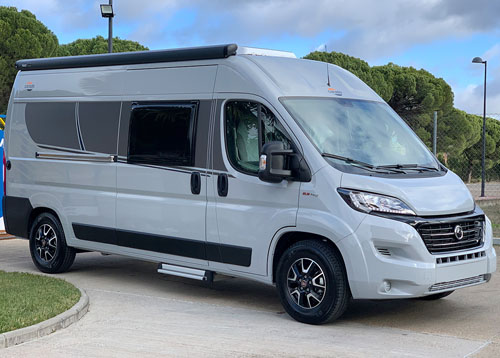
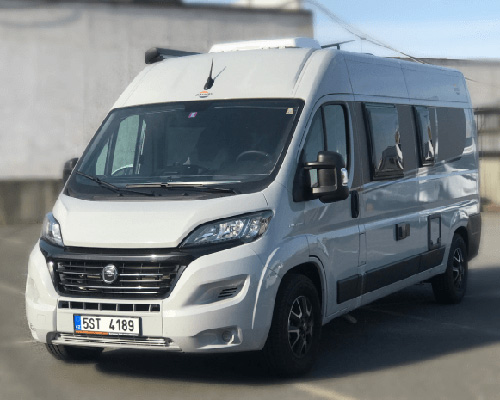
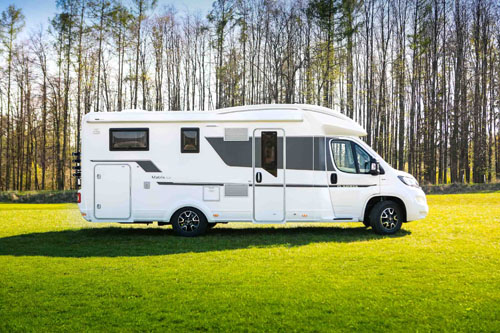
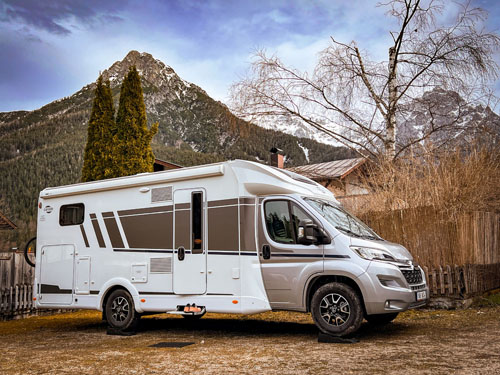
Larger motorhomes, like Class A or C models, offer more living space and amenities, which can be a significant advantage for families. However, they can also be more challenging to handle on Norway's narrower roads and in smaller towns. A family of four might find a Class C motorhome, such as the "cruise america rv rental example Explorer" with sleeping for 4, a good balance of space and manageability. For those seeking a more compact option, campervans like the "hire campervan example Paradise S/T" are easier to maneuver and often more fuel-efficient, though they offer less living space.
Locking in your rental dates early, ideally 6-12 months in advance for peak season (June-August), is crucial for securing better availability and potentially more favorable rates for family-friendly vehicles. When it comes to insurance, most rentals include basic coverage, which is always included. You can then opt for additional tiers to provide more comprehensive protection against damage or incidents that might impact your security deposit.
Insider tip: Basic insurance is always included. To see prices including the most comprehensive coverage, select that option during search — then all relevant insurance options will be shown.
Pre-Trip Prep - Packing Checklist for Stavanger
A well-prepared packing list is essential for a smooth and enjoyable family RV adventure in Stavanger, ensuring you have everything needed for varying weather conditions and RV living.
- Waterproof and windproof outerwear (jackets, pants)
- Warm layers (fleeces, wool sweaters, hats)
- Comfortable walking shoes and sturdy hiking boots
- Swimsuits (for fjord dips, hotel pools, or local baths)
- Reusable water bottles and coffee cups
- Compact cooking utensils and basic spices for RV kitchen
- Travel-size dish soap, sponges, and kitchen towels
- First-aid kit (with pain relievers, plasters, bug spray, motion sickness remedies)
- High-visibility vests (for roadside emergencies)
- Valid driver's license and International Driving Permit (if applicable)
- RV rental confirmation and insurance documents
- Passports/IDs for all travelers
- Offline maps (e.g., Google Maps downloaded, Maps.me)
- Portable chargers and European power adapters
- Entertainment for kids (books, games, downloaded movies/shows, headphones)
- Binoculars for wildlife and scenic viewing
On the Road - Driving, Fueling, Navigation
Navigating Norway in a rented RV offers a unique adventure, but it requires a bit of local know-how. Driving an RV around Stavanger and the surrounding areas means being aware of the country's characteristic narrow, winding fjord roads, steep inclines, and frequent ferry crossings. While the scenery is undeniably stunning, it can also be a delightful distraction, so always prioritize safe driving.
Fueling up is straightforward thanks to widespread gas stations, with diesel being the most common fuel type for RVs. However, be prepared for fuel prices that are notably higher than in many other European countries, so factor this into your budget considerations. Navigation is best managed using a combination of GPS, ideally with an RV mode that accounts for vehicle dimensions, and physical maps or downloaded offline maps, as cellular service can be spotty in remote fjord areas.
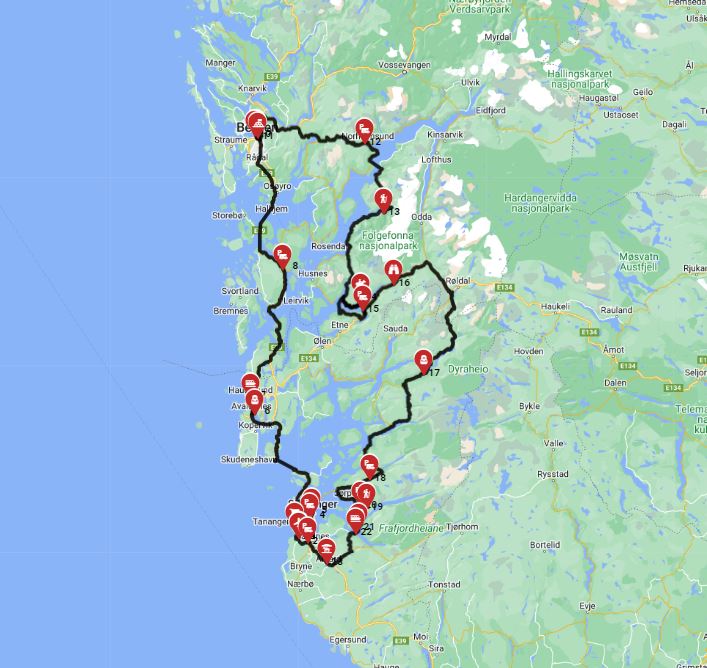
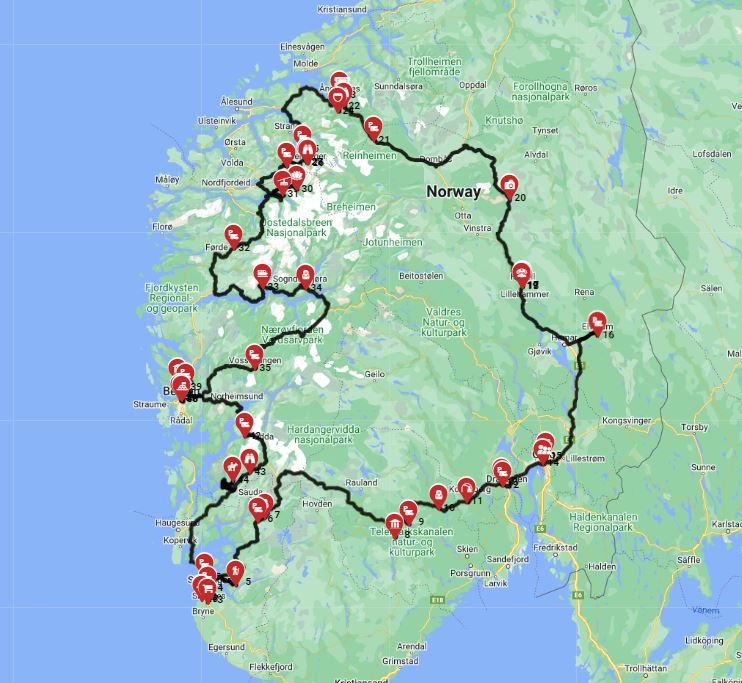
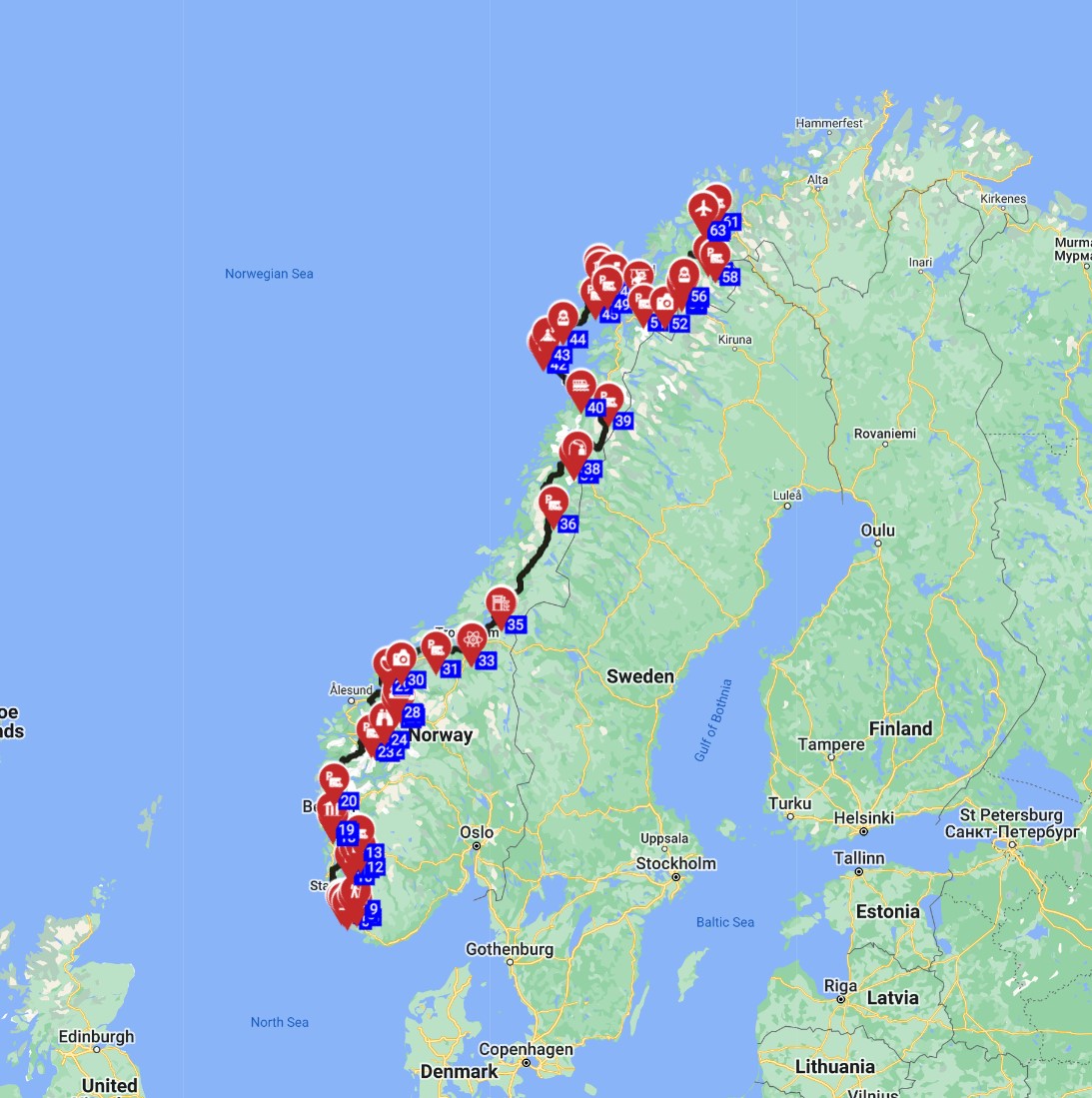
Norway utilizes an automated toll system called AutoPASS. Tolls are automatically registered and billed to the rental company, who will then charge you, eliminating the need to stop at toll booths. Always be mindful of speed limits, which are often lower for heavier vehicles like RVs, and be prepared for frequent road signs indicating winding roads, tunnels, and ferry points. For example, exploring the Ryfylke Scenic Route from Stavanger involves several ferries and narrow passages. On the routes offered through RV PLANET routes, you can itemize and track every expense along the way for easy budgeting.
At the Campground - Setup, Hookups & Etiquette
Setting up your RV at a Norwegian campground is a straightforward process designed to be efficient and respectful of the natural environment and fellow campers. Typically, you'll park your rented RV on a designated pitch, using leveling ramps if necessary to ensure a stable and comfortable setup.
When connecting utilities, there's a specific order for safety and ease: connect the electrical cable first, ensuring the power is off at the pedestal, followed by the fresh water hose. If your campsite offers full hookups, you'll then attach the waste and grey water hoses. Most Norwegian campgrounds are well-equipped and cater to RV travelers, offering a variety of pitches, some with enhanced amenities.
Campground etiquette in Norway emphasizes a strong sense of respect for quiet hours, which are often observed from 10 PM to 7 AM. It’s also important to maintain the cleanliness of your pitch and any shared facilities, and to be mindful of your neighbors by keeping noise levels down. This cooperative approach ensures a peaceful environment for everyone. Familiarize yourself with the campground's waste disposal procedures, as there are typically designated points for grey water, black water, and general rubbish, all part of responsible environmental practice.
family rv rental-Specific Tips for Stavanger
Traveling with children in an RV around Stavanger can be a fantastic family bonding experience, but it requires tailored planning to ensure everyone, especially the kids, has a great time. Planning shorter driving days with frequent stops at playgrounds, beaches, or engaging attractions like Kongeparken amusement park ensures a more enjoyable trip for children and reduces travel fatigue.
Consider incorporating designated 'nap-friendly' driving times into your itinerary. Utilize travel time for quiet rest periods in the RV for younger children, making sure they are safely buckled in their car seats. For added comfort and a sense of routine, consider an RV with a separate sleeping area or bunk beds to give children their own space. This can be particularly helpful for managing bedtime and creating a home-away-from-home feel.
To combat boredom during drives or on potentially rainy days, pack a variety of entertainment options. This could include books, games, art supplies, and pre-downloaded movies or audiobooks. When selecting campsites, prioritize those with family-friendly amenities. Many Norwegian campgrounds offer swimming pools, play areas, or even organized activities, providing children with opportunities to burn energy and socialize.
Common Mistakes to Avoid in Stavanger
To ensure your RV trip around Stavanger is as smooth as possible, it’s helpful to be aware of common pitfalls that first-time renters might encounter. Avoiding these mistakes can significantly enhance your travel experience.
- Underestimating driving times: Norway's scenic roads, often characterized by winding passages, lower speed limits, and frequent ferry crossings, mean that travel times can be longer than anticipated. Always factor in generous extra time for spontaneous stops at viewpoints and potential unexpected delays.
- Failing to pre-book popular campsites: Especially during peak season (June-August), popular campgrounds can fill up quickly. Securing your overnight spots in advance provides peace of mind and ensures you get the best locations. For finding great spots, RV PLANET routes can be very helpful.
- Overpacking: RVs have limited storage and payload capacity. Overpacking can quickly make the living space cramped and impact the vehicle's performance. Pack efficiently with versatile clothing layers and only essential items, utilizing the RV's storage smartly.
- Ignoring local regulations for wild camping: While Norway's 'allemannsretten' (right to roam) is a wonderful privilege, it comes with responsibilities. Always adhere to guidelines, respect private property, and ensure you leave absolutely no trace behind.
- Neglecting vehicle dimensions: Not checking your RV's height, width, and length can lead to issues with tunnels, ferries, or parking garages. Always be aware of your vehicle's specifications and pay close attention to road signs.
What is the 444 rule for RVs?
The "444 rule" is a popular guideline for RV travel that prioritizes a relaxed and immersive experience, suggesting drivers adhere to specific daily limits to avoid burnout and maximize enjoyment.
This rule advises limiting daily driving to around 400 miles (approximately 640 km). This limit helps prevent driver fatigue and allows more time to truly savor the journey, which is particularly relevant in Norway, where scenic drives often demand more attention and frequent stops. Adhering to this mileage ensures you're not just covering ground but experiencing the places you pass through.
Stopping driving by 4 PM is another key component, ensuring you arrive at your campsite or desired overnight spot with ample daylight. This allows families to comfortably set up, explore the immediate surroundings, and settle in before dusk, promoting a less rushed evening routine.
Finally, the rule suggests staying for at least 4 nights at each location. This encourages a slower pace of travel, enabling families to fully experience destinations around Stavanger, engage in local activities, and avoid the constant cycle of packing and unpacking. This deeper immersion fosters a stronger connection with the culture and scenery, making the RV trip more rewarding.
What is the 3 3 3 rule for RV camping?
The "3-3-3 rule" for RV camping offers a slightly more relaxed alternative to the 444 rule, focusing on a balanced pace for a more immersive travel experience.
This guideline suggests driving no more than 300 miles (approximately 480 km) per day. This limit is designed to reduce driving fatigue and create more opportunities for spontaneous stops and enjoyment of the journey, which is ideal for navigating Norway's diverse terrain and scenic routes with a family.
Arriving at your destination by 3 PM is the second tenet, allowing ample time for setting up camp, exploring the local area before evening, and settling into a comfortable routine. This timing is particularly beneficial for families with children, ensuring a stress-free transition into the evening.
The final part of the rule recommends staying for a minimum of 3 nights at each location. This promotes a less rushed travel experience, enabling deeper exploration of local attractions and reducing the stress associated with frequently moving between campsites. Staying longer fosters a stronger connection with the Stavanger region and its surroundings.
Is Norway RV friendly?
Norway is generally considered very RV friendly, offering a welcoming environment for motorhome travelers with its stunning scenery and well-maintained infrastructure.
The country boasts a comprehensive network of well-equipped campsites, many of which are situated in picturesque settings and offer facilities suitable for families, ensuring comfortable overnight stays. Additionally, Norway's unique "right to roam" (allemannsretten) permits responsible wild camping on uncultivated land for up to two nights, provided you are at least 150 meters from inhabited houses and leave no trace. This offers authentic, unique experiences when practiced responsibly.
While major roads are excellent, RVers should be prepared for narrower, winding fjord roads and steep mountain passes, especially when venturing off main routes. Many areas also feature numerous tunnels. RVs must also account for frequent ferry crossings along the coast and fjords, which are an integral part of Norwegian travel and contribute to the overall trip cost and planning. It's also important to note that Norway's automated toll system, AutoPASS, is in effect, with tolls collected via the rental company.
What are common RV rental hidden fees?
While reputable rental companies strive for transparency, it's wise to be aware of potential RV rental "hidden fees" that can increase the overall cost if not properly understood or managed.
Common charges that aren't always clearly itemized in initial quotes include fees for exceeding mileage limits, adding additional drivers, specific cleaning requirements upon return, propane refills, and optional add-ons like kitchen kits or linens. Many rentals include a certain number of free kilometers, but exceeding this limit incurs a per-kilometer fee, so always check the mileage allowance and plan your itinerary accordingly.
One-time "preparation" or "service" fees are often separate from the base rental rate and cover the costs of getting the RV ready for your trip, including initial cleaning and stocking. While you're expected to return the RV in a reasonably clean state, excessive dirtiness can lead to additional cleaning charges. Therefore, a thorough tidying before drop-off can save money.
Remember that tolls and ferries, managed via the AutoPASS system in Norway, are typically not direct rental fees but are often charged post-rental by the company. These can significantly add to the total cost, so budget for them accordingly. Ensure you understand your insurance coverage; while basic coverage is standard, options to reduce your deductible or increase protection will add to the upfront cost but provide greater peace of mind.
How much does it cost to rent an RV in Norway?
The cost to rent an RV in Norway can vary significantly, typically ranging from 1000 NOK to 3500 NOK per day (approximately €90-€320 or $100-$350 USD), depending on several key factors.
The RV's size, model year, the season of rental, and the rental duration all play a role in the daily price. Peak summer months (June-August) generally see the highest rental prices due to demand, while shoulder seasons (May, September) can offer more affordable rates and potentially better availability. Smaller campervans are typically more budget-friendly than large, fully equipped motorhomes, which offer more space and amenities but come at a higher daily price.
Beyond the base rental fee, a comprehensive cost breakdown for an RV trip in Norway should include daily estimates for fuel, which is notably high in Norway. You should also budget for tolls managed by the AutoPASS system, ferry tickets, campsite fees (which typically range from 250-500 NOK per night), and food expenses. Longer rental periods often result in lower daily rates, and booking well in advance can also secure better deals and wider availability for your preferred family RV models.
How many days do you need in Stavanger?
To comfortably experience Stavanger and its immediate, world-famous surroundings like Preikestolen (Pulpit Rock) via RV, a minimum of 3 to 5 days is recommended, allowing for both city exploration and iconic fjord hikes.
A 3-day itinerary could focus on exploring Stavanger city's charming Old Town and the Norwegian Petroleum Museum, followed by a dedicated day trip for the Preikestolen hike. This provides a solid introduction to the region's highlights.
For families seeking a more relaxed pace, a 5-7 day itinerary is ideal. This allows for the city exploration and Preikestolen hike, along with excursions to Kjeragbolten (suitable for older children or fit parents), the beautiful beaches near Jæren, or exploring picturesque towns along the scenic Ryfylke Route. For instance, the "
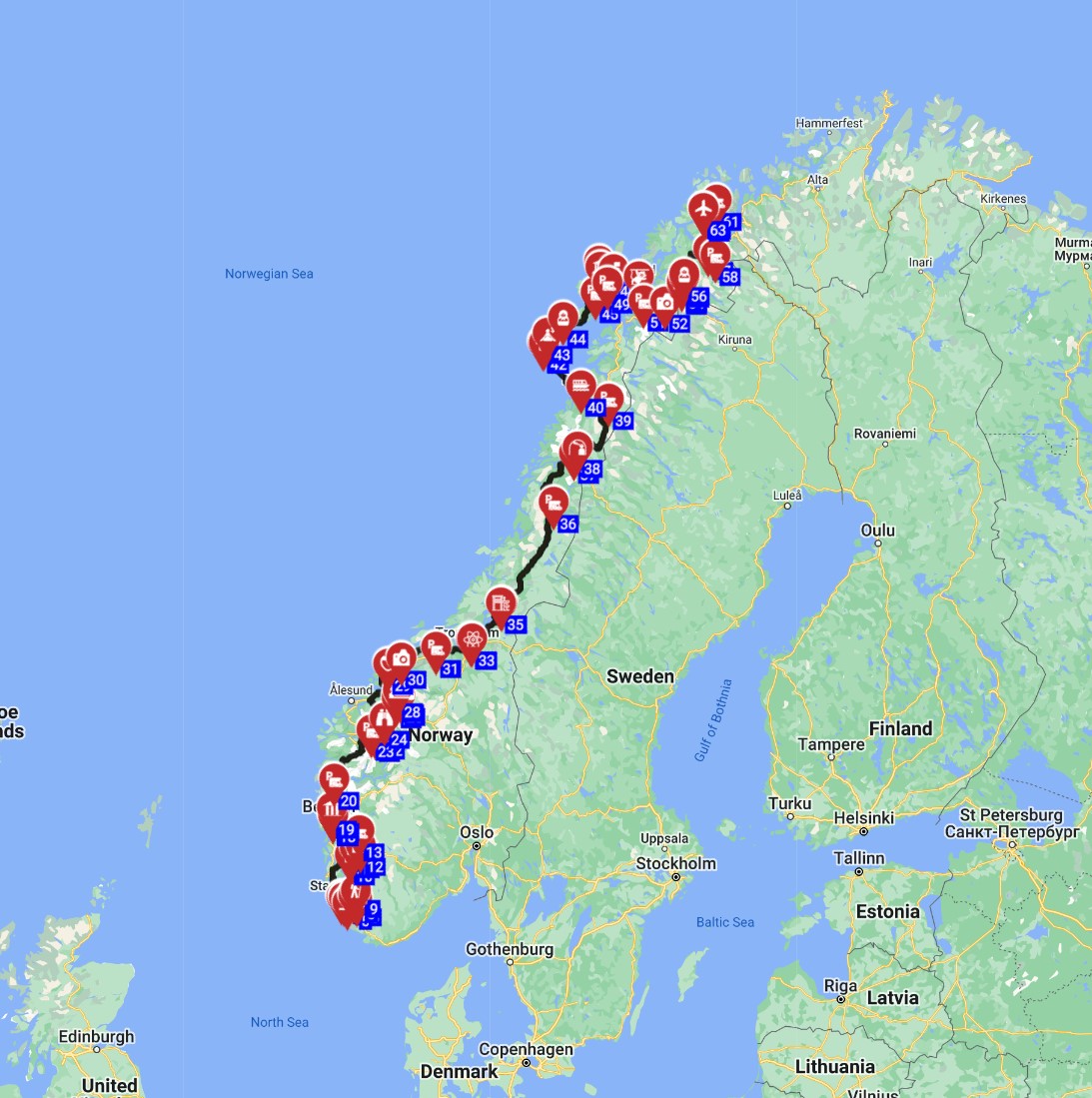
Extending your trip to 7-10+ days provides ample time to combine the Stavanger region with longer RV routes, such as a journey towards Bergen or exploring the Atlantic Road, offering a broader experience of Fjord Norway and deeper local immersion beyond just the immediate Stavanger area.
How do you travel with kids in an RV?
Traveling with children in an RV offers a unique and rewarding experience, but it requires thoughtful planning and strategies to keep everyone comfortable, entertained, and safe.
Build a flexible itinerary that allows for spontaneous stops at playgrounds, beaches, or interesting roadside attractions. Aim for shorter driving days that align with children's attention spans to prevent restlessness. This flexibility is key to a successful family RV adventure.
Packing a variety of age-appropriate entertainment is crucial. Include books, games, art supplies, and pre-downloaded movies or audiobooks, along with headphones, to combat boredom during drives or downtime. The RV's kitchen also allows for preparing familiar meals and snacks, which can be comforting for kids and help manage dietary needs. Having plenty of healthy snacks and drinks readily available is always a good idea. For ideas you can prep on the road, watch our RV-friendly recipes playlist on YouTube.
Safety is paramount: ensure all car seats are properly installed and all passengers are securely buckled while the RV is in motion. Review basic RV safety rules with older children. Involving children in simple trip tasks, such as choosing a campsite activity or navigating using a map, can also give them a sense of ownership and make them feel like active participants in the adventure.
What is the prettiest town in Norway?
While beauty is subjective and Norway is brimming with picturesque towns, several locations consistently capture the hearts of visitors for their charm and stunning settings.
Many consider towns like Reine in the Lofoten Islands, Ålesund with its distinctive Art Nouveau architecture, or Bergen with its historic Bryggen Wharf to be among Norway's prettiest. However, Stavanger itself offers a unique blend of historic urban charm and immediate access to dramatic natural beauty, serving as a perfect starting point for any RV exploration.
Stavanger's Gamle Stavanger (Old Stavanger) is particularly noteworthy. This exceptionally well-preserved wooden house settlement features over 170 pristine white wooden houses along cobblestone streets, offering a quaint and historic atmosphere that contrasts beautifully with the rugged fjord landscapes awaiting just outside the city. For a broader perspective on Norway's most beautiful towns, exploring resources like travel guides can offer more insights.
Reine, nestled in the dramatic Lofoten Islands, is frequently cited as one of Norway's most picturesque villages, famous for its iconic red fishing huts (rorbuer) set against towering mountains. Ålesund, rebuilt after a fire in 1904, stands out for its unique and cohesive Art Nouveau architecture, making it an urban gem. Bergen, with its UNESCO World Heritage Bryggen Wharf and stunning mountain backdrop, offers a vibrant mix of history and natural beauty.
What do I need to know before renting an RV?
Before embarking on your Norwegian RV adventure, understanding the fundamentals of RV rental is crucial for a seamless experience. This includes familiarizing yourself with different vehicle classes, comprehensive rental costs, insurance options, and the specific procedures for picking up and dropping off your motorhome.
Research the various RV classes available – from compact campervans to larger Class A motorhomes – to ensure you select one that suits your family size, comfort preferences, and the types of roads you anticipate encountering in Norway. Keep in mind that while larger RVs offer more space, they can be more challenging to navigate on narrow Norwegian roads.
Beyond the daily rental rate, it's essential to thoroughly budget for all potential expenses. This includes fuel, which is quite expensive in Norway, tolls managed by the AutoPASS system, ferry tickets, campsite fees, and propane costs. Always inquire about any potential mileage overage or cleaning charges to avoid surprises.
Understand your insurance coverage: know what basic insurance includes and consider additional options to reduce your deductible or increase protection for greater peace of mind. Verify your driver's license validity in Norway and confirm if an International Driving Permit (IDP) is required based on your country of origin's agreements. Plan to spend adequate time at the rental depot during pickup to familiarize yourself with the RV's specific systems – water, electric, waste, heating/cooling – and driving controls.
How much per day does it cost to rent a camper van in Norway?
Renting a camper van in Norway typically costs between 900 NOK to 2500 NOK per day (approximately €80-€230 or $90-$250 USD), making it generally a more budget-friendly option than larger motorhomes.
Similar to larger RVs, peak season (June-August) will command higher daily rates due to increased demand. Conversely, booking during the shoulder seasons, such as May or September, can often result in more affordable rates and better availability for your chosen camper van model. Longer rental periods can also contribute to a lower per-day cost, so inquire about potential discounts for extended trips.
Camper vans are often easier to drive on Norway's narrower roads, consume less fuel due to their smaller size, and are generally simpler to park, which can potentially reduce overall trip expenses and stress compared to larger RVs. Always confirm what is included in the daily rate, such as basic insurance, initial mileage allowance, and essential kitchen equipment, as many rental companies offer optional add-ons at an extra cost.
What You Shouldn't Miss
- Hike to Preikestolen (Pulpit Rock): This iconic Lysefjord hike is a must-do, offering breathtaking views. Ensure you check the weather and trail conditions, especially if traveling outside peak summer months.
- Explore Gamle Stavanger: Wander through the charming, preserved old town with its historic wooden houses, offering a glimpse into the city's past and a delightful contrast to the natural landscapes.
- Drive the Ryfylke Scenic Route: This route showcases Norway's stunning fjords, mountains, and waterfalls, with plenty of opportunities for RV travelers to stop and admire the views.
- Visit the Norwegian Petroleum Museum: Located in Stavanger, this museum offers fascinating insights into the country's oil and gas industry, providing a cultural anchor to the region.
- Experience the beaches of Jæren: South of Stavanger, the Jæren region offers a unique coastal landscape with long, sandy beaches – a refreshing change from the fjord scenery.
- Discover the Magma Geopark: For an otherworldly experience, drive through this unique geological park, featuring lunar-like landscapes of bare rock formations.
Final Thoughts
Renting a family RV for your trip to Stavanger and the surrounding Norwegian fjords promises an unforgettable adventure, blending the convenience of a mobile home with the freedom to explore at your own pace. By planning ahead, packing wisely, and embracing the Norwegian way of travel, you're set for an incredible journey.
Remember to leverage resources like RV PLANET (rvplan.net) for detailed route planning and to discover the best campsites along your chosen path. With Bandana Caravan's commitment to transparency and support, you can focus on creating lasting memories. Get inspired for your next trip and discover top destinations and planning tips all in one place!
Find Motorhome Rentals in Stavanger