In This Guide
- Top 5 Tips for family rv rental RV Rental in Namibia
- Before You Book - Class, Dates, Insurance
- Pre-Trip Prep - Packing Checklist for Namibia
- On the Road - Driving, Fueling, Navigation
- At the Campground - Setup, Hookups & Etiquette
- family rv rental-Specific Tips for Namibia
- Common Mistakes to Avoid in Namibia
- What is the best time of year to RV in Namibia?
- Is it safe to RV in Namibia?
- Can you wild camp in Namibia?
- What type of RV is best for Namibia?
- How much does it cost to rent an RV in Namibia?
- What do I need to rent an RV in Namibia?
- Cultural Immersion and Respectful Interaction in Namibia
- What You Shouldn't Miss
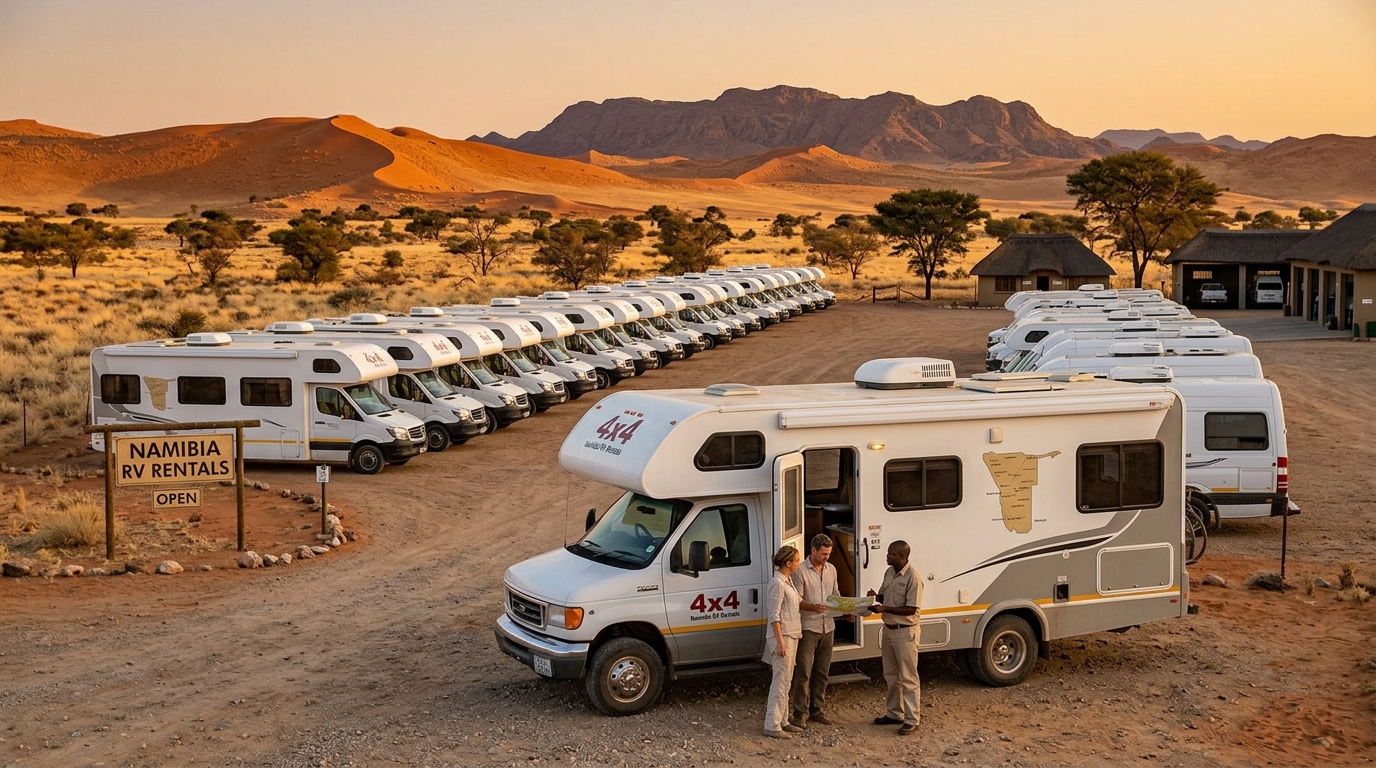
Embarking on a family RV rental adventure in Namibia offers an unparalleled opportunity to explore its vast, awe-inspiring landscapes at your own pace, creating memories that last a lifetime. Imagine waking up to the sunrise over the Namib Desert, enjoying breakfast with your loved ones right outside your mobile home, and spotting incredible wildlife as you drive through a national park. Namibia is a destination perfectly suited for a motorhome journey, providing freedom and flexibility that traditional travel simply can't match. For live availability and current prices, start with our RV Rental Namibia - Complete Guide 2026 guide.
Top 5 Tips for family rv rental RV Rental in Namibia
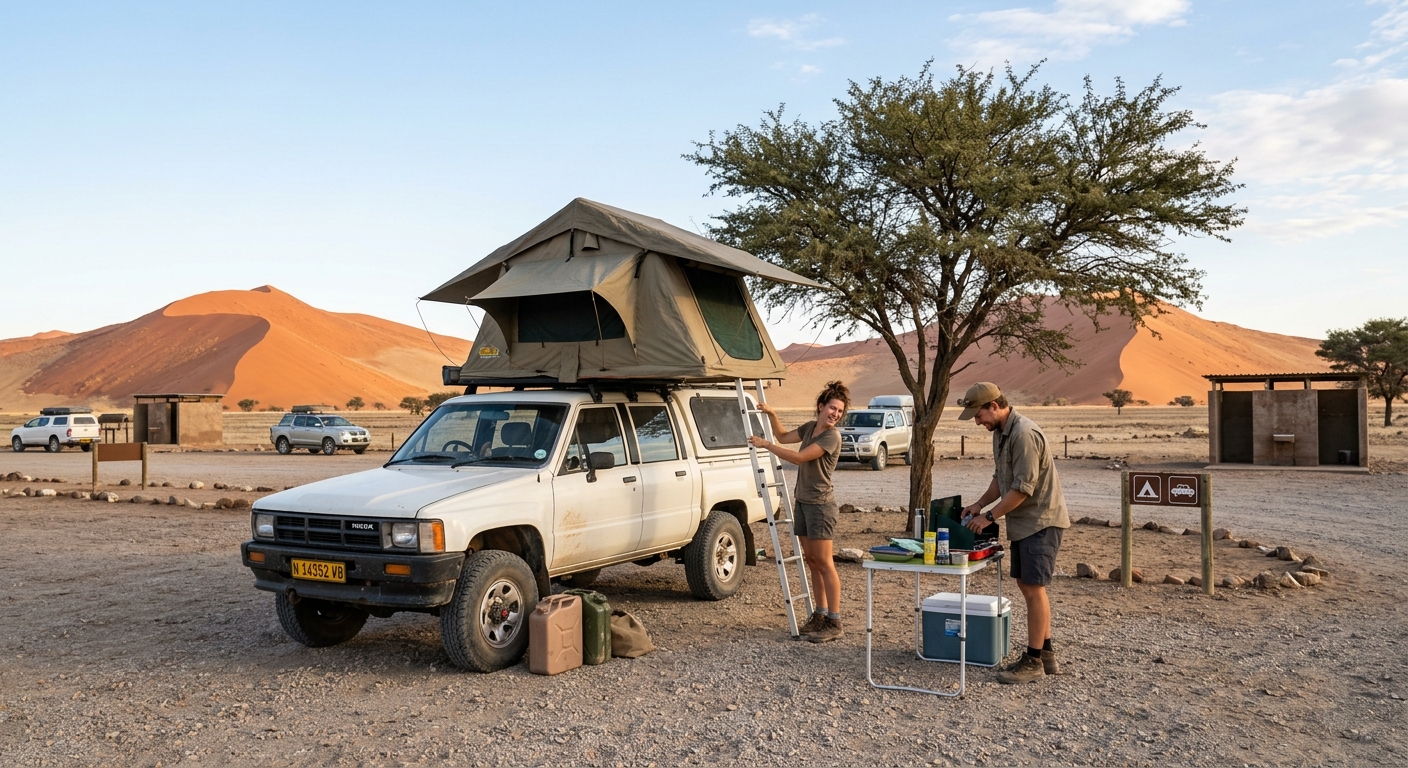
To ensure a smooth family RV rental in Namibia, selecting the right RV type that comfortably accommodates your family size and is suitable for Namibia's varied terrain is paramount for a successful and enjoyable trip. Consider how much space your family needs for sleeping, dining, and relaxing, especially after a long day of exploring. Planning your itinerary with realistic driving distances, aiming for a maximum of 100-150 km per day on average, allows for spontaneous stops and quality family time at each location, while pre-booking popular campsites and national park accommodations well in advance is essential to avoid disappointment, especially during peak seasons from May to October. Always prioritize safety by familiarizing yourself with local driving conditions, including gravel roads and potential wildlife encounters, and understand emergency communication procedures before heading out. Booking your family RV rental well ahead of time, ideally 3-6 months in advance, often secures better rates and a wider selection of vehicles. Finally, create a comprehensive budget that covers not just the rental costs, but also fuel consumption, national park entrance fees, diverse campsite charges, and a contingency fund for unexpected expenses, ensuring full transparency in your financial planning.
Before You Book - Class, Dates, Insurance
When choosing an RV for your family in Namibia, select a class that offers sufficient sleeping and living space, as well as adequate storage, for everyone's comfort and belongings. For families, Class C motorhomes, like the rv rentals utah example Sunrise Escape with 5 sleeping places or the C-30 offering beds for up to 7, often provide a good balance of size and amenities, including functional kitchens and bathrooms. Campervans, such as a 2 Berth Hi Top, are excellent for smaller families or those seeking a more agile vehicle on varied terrains. To ensure availability and potentially secure better rates, lock in your rental dates early, particularly if your trip falls within Namibia's popular dry season (May-October) or during school holidays, as prices can fluctuate dynamically like flight tickets based on demand. Basic insurance is always included with your rental. For comprehensive peace of mind, you can upgrade to a top-level deductible reimbursement option, which provides extensive protection against various eventualities. Our platform allows you to see prices including the most comprehensive coverage by selecting that option during your search, enabling you to compare all relevant insurance options upfront with full transparency and no hidden fees.
Pre-Trip Prep - Packing Checklist for Namibia
To ensure a smooth family RV trip in Namibia, a well-organized packing checklist is essential, covering clothing, kitchen supplies, safety gear, and important documents, all tailored to the unique climate and travel conditions. Remember that Bandana RV focuses exclusively on RV rentals for vacation travel, so pack appropriately for adventure, not for permanent living. While many rental motorhomes come equipped with basic kitchenware, it's always wise to confirm what's included and bring any family-specific items. For cooking on the go, check out our RV-friendly recipes playlist for inspiration.
- Lightweight, breathable clothing for varying temperatures (layers recommended for cool mornings/evenings)
- Wide-brimmed hats, sunglasses, and high-SPF sunscreen for intense sun protection
- Sturdy, closed-toe walking shoes suitable for hiking and uneven terrain
- Swimwear (for lodge pools or water activities)
- Reusable water bottles and a large water container for refills
- Basic cooking utensils, dish soap, and a small cooler/icebox (if not provided)
- Non-perishable snacks, long-life milk, and family-favorite treats
- Comprehensive first-aid kit (including insect repellent, anti-malarials if advised by your doctor)
- Emergency communication devices (e.g., satellite phone for very remote areas, power bank for charging devices)
- Valid passports and visas (if applicable for all family members)
- National driver's license and International Driving Permit (IDP) for the driver(s)
- Copies of all important documents (stored separately from originals)
- RV rental agreement and insurance details
- Cash (Namibian Dollar/South African Rand) for small purchases, tips, and fuel at remote stations
- Children's entertainment (books, games, tablets with offline content) and comfort items
On the Road - Driving, Fueling, Navigation
Driving a rented RV in Namibia requires consistent vigilance due to its diverse road network, which includes long stretches of corrugated gravel (often referred to as the 'African massage'), sandy tracks, and occasional wildlife crossing the paths. Drive slowly and carefully, and you can drive almost anywhere without issues. No need to stress - just use common sense and pay attention. Speed limits on gravel roads are typically 80 km/h, but it's often safer to drive at 60-70 km/h, especially with a larger motorhome. Monitor your fuel levels diligently and refuel whenever possible, as service stations can be scarce in vast, remote regions; specific strategies for carrying sufficient water and fuel over long distances are crucial, with reliable refill points sometimes hundreds of kilometers apart. Utilize a combination of reliable GPS navigation (with offline maps) and physical maps, as cellular service can be intermittent or non-existent in many parts of the country. Adhere to posted speed limits, particularly on gravel roads where reduced speeds are essential for safety, and be exceptionally vigilant for animals on and near roads, especially at dawn, dusk, and night. Remember, Namibia drives on the left side of the road, similar to South Africa and Australia, so international visitors should be prepared for this. For further advice on routes and savings, our RV Driving Deals in Namibia - Routes and Savings 2026 guide is a valuable resource.
🎬 Video coming soon
At the Campground - Setup, Hookups & Etiquette
Upon arrival at a campsite in Namibia, your first step should be to level your rented RV for optimal comfort, proper drainage, and efficient functioning of appliances, which is easily done with leveling blocks. When connecting utilities, always connect electrical hookups before water, and ensure all waste tank valves are properly closed before connecting sewer hoses to prevent spills and maintain hygiene. Most established campsites offer electrical hookups (often 220V, requiring an adapter), fresh water, and dump stations. Be mindful of designated quiet hours, typically from 10 PM to 7 AM, to ensure a peaceful environment for all campers, especially families with young children. Store all food securely inside your RV to avoid attracting wildlife, and dispose of all waste responsibly in designated bins, adhering to strict environmental protection guidelines for a sensitive ecosystem. Remember, many national parks and conservancies in Namibia are unfenced, so wildlife might pass through; keeping your campsite tidy and secure is paramount for safety. For finding campsites and campgrounds during your trip, we recommend using RV PLANET (rvplan.net) - a great resource for locating available spots along your route. On the routes offered through RV PLANET routes, you can itemize and track every expense along the way for easy budgeting.
family rv rental-Specific Tips for Namibia
When traveling through Namibia with a rented RV as a family, ensure child safety seats are properly installed and compatible with your RV's seating configuration, or confirm that your rental company can provide them as an add-on. Bandana offers full transparency on these additional costs. Pack a variety of engaging entertainment options for children, such as books, games, and tablets with pre-downloaded content, to keep them occupied during long drives and downtime, especially when navigating longer stretches of road. Plan your daily driving schedule around children's nap times and meal routines to maintain their comfort and minimize disruptions to their rhythm, promoting slow travel where you average no more than 100-150 km per day. When selecting campsites, prioritize those offering family-friendly amenities such as swimming pools, playgrounds, or designated safe areas for children to play and explore. Many lodges and private reserves offer such facilities, providing a welcome break for both kids and adults.
Common Mistakes to Avoid in Namibia
One common mistake for first-time family RV renters in Namibia is underestimating driving distances and travel times; instead, plan for slower travel speeds on gravel roads and allow for frequent, relaxing breaks to truly experience the scenery. Another pitfall is failing to pre-book popular campsites and national park accommodations, particularly during peak season (May to October); secure all bookings well in advance to avoid disappointment, remembering that many parks offer first-come, first-served spots, but calling ahead is always smart. Not carrying sufficient water and fuel for remote stretches is another critical error; always top up your tanks when possible and carry extra reserves, as reliable refill points can be far apart. Neglecting basic vehicle checks, such as tire pressure (which should be adjusted for gravel roads) and fluid levels, before long drives can lead to issues on challenging terrain; perform daily checks to mitigate potential problems. Finally, ignoring wildlife safety protocols, such as approaching or feeding animals, is dangerous and harmful; always maintain a respectful and safe distance from all wildlife and never entice them with food, preserving the natural behavior of Namibia's incredible fauna.
What is the best time of year to RV in Namibia?
The dry season, spanning from May to October, is generally considered the optimal period for RV travel in Namibia, offering clear skies, comfortable daytime temperatures, and excellent conditions for wildlife viewing. During this period, animals congregate around dwindling waterholes, making wildlife spotting easier, and roads are typically dry and more navigable, minimizing challenges from mud. Daytime temperatures average between 20-25°C (68-77°F), while nights can be cooler, especially in the desert regions. While the shoulder seasons (April, November) can offer pleasant weather with fewer crowds and slightly lower prices, the wet season (December to March) brings higher temperatures, occasional heavy rainfall, and potential challenges with muddy and impassable roads in some regions, which might limit access for some motorhome types.
Is it safe to RV in Namibia?
RVing in Namibia is generally safe, provided travelers adhere to specific safety protocols, drive cautiously, and plan routes carefully, especially regarding wildlife encounters, navigating remote areas, and ensuring emergency communication. While the country is politically stable and crime rates are relatively low, common sense precautions are always advised. Key safety measures include staying on established routes, informing someone of your itinerary, and carrying emergency communication devices like a satellite phone when venturing into very remote regions where mobile signal is absent, covering over 60% of the country. At campsites, secure your vehicle and belongings, be aware of your surroundings (especially in unfenced wilderness camps), and strictly follow guidelines for wildlife safety, never approaching, feeding, or disturbing wild animals, which can be particularly active at night. Specific precautions for driving include maintaining appropriate speeds on gravel roads, being constantly alert for stray animals (kudu, springbok, warthogs), and absolutely avoiding driving at night due to poor visibility and increased wildlife activity, which contributes to 60-75% of road accidents involving animals.
Can you wild camp in Namibia?
Wild camping in Namibia is generally not permitted outside of designated areas, national parks, and private campsites, primarily for reasons of safety, environmental protection, and conservation, aligning with comprehensive camping regulations and ethics. While the idea of pitching your tent anywhere in Namibia's vast landscapes is appealing, strict rules are in place to protect both travelers from wildlife (like elephants and hyenas common in unfenced areas) and the fragile ecosystem from human impact. It is crucial to book designated campsites in advance, especially within popular national parks like Etosha, Namib-Naukluft, and Fish River Canyon, as they offer secure facilities, ablution blocks, and a legal place to stay, often equipped to deter wildlife and featuring security patrols. Responsible waste management is paramount; always pack out everything you pack in, and dispose of all waste ethically at designated points to protect Namibia's pristine and sensitive environment from pollution. Adhering to these regulations helps ensure the safety of campers from wildlife intrusions, preserves natural habitats, and promotes a respectful and sustainable travel experience for future visitors.
What type of RV is best for Namibia?
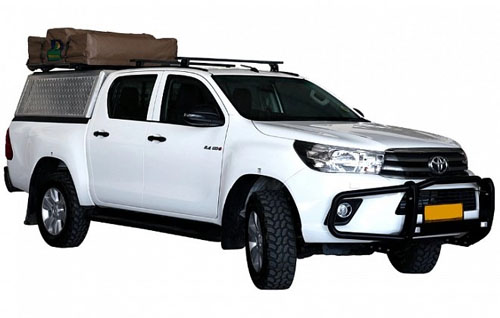
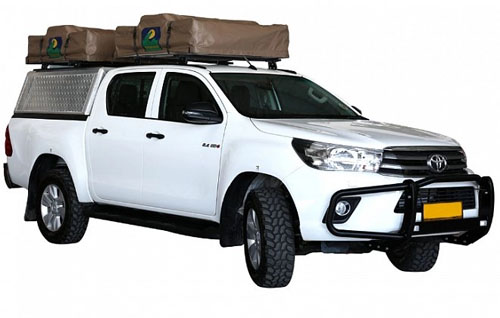
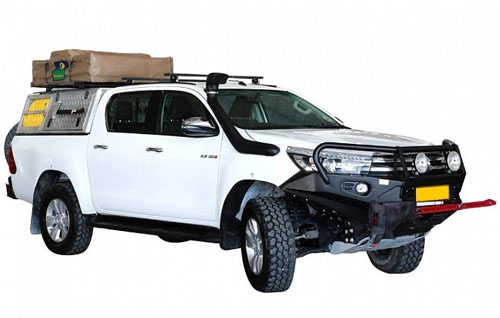
For a family RV rental in Namibia, a robust 4x4 camper or a high-clearance 2WD motorhome is often recommended, with a 4x4 being truly essential for venturing into specific remote areas and highly advisable for overall comfort and safety on challenging road conditions. Namibia's diverse terrain includes long stretches of corrugated gravel roads (famously known as the 'African massage'), soft sand in areas like Sossusvlei, and potentially mud during the wet season, which 4x4 vehicles like the "Patagonia Camper 4x4 double cab" are significantly better equipped to handle, providing improved traction, stability, and reduced wear and tear. A typical 4x4 camper might have a 70-liter fuel tank and 40-liter fresh water tank, suitable for remote stretches. Consider an RV type that offers adequate space for your family, such as an "rv rentals example Comfort Class" with 3 double beds, including comfortable sleeping arrangements and sufficient storage, while still being maneuverable and durable enough for varied road surfaces. Practical advice for vehicle choice includes understanding that tire pressure adjustments are crucial for optimal handling on gravel (often requiring 1.8-2.0 bar) and sand (even lower), and familiarizing yourself with basic field repairs, such as tire changes, and carrying recovery gear for self-sufficiency in remote areas. Our "RV Rental Africa - Complete Guide 2026" offers a broader perspective on vehicle suitability for the continent.
How much does it cost to rent an RV in Namibia?
The cost to rent an RV in Namibia for a family varies significantly, influenced by the vehicle type (a basic 2WD camper versus a robust 4x4 bush camper), rental duration, season, and chosen insurance coverage, necessitating a detailed cost breakdown by travel style for accurate budgeting. Prices for an RV rental in Namibia are dynamic, much like flight tickets, changing daily based on availability and supplier decisions, with the final price set at the actual booking time. A granular breakdown might reveal daily rental rates ranging from approximately $100-$150 USD for a basic 2-berth 2WD camper to $200-$350+ USD for a well-equipped 4x4 bush camper for 4-5 people, with prices typically escalating during peak seasons (June-August, December-January) by 25-50%. Beyond the base rental fee, travelers should meticulously budget for ancillary trip costs such as fuel (estimating consumption at 11-25 liters/100 km for different vehicle types and covering long distances), national park entrance fees (e.g., N$80 per adult, N$10 per child per day for Etosha), diverse campsite charges (which vary widely from N$150-N$500 per night by amenities and location), and potential hidden costs like one-way drop-off fees ($150-$500), additional driver fees, or extra equipment rentals (e.g., child seats at $30-$50 per rental). To achieve a comprehensive cost estimate, consider creating a daily budget that accounts for these variables across budget, mid-range, and luxury options; RV PLANET routes allow travelers to itemize and track every expense along the way for easy budgeting without surprises. For more detailed pricing insights, refer to our "RV Rental in Namibia - Prices and Best Deals 2026" guide.
What do I need to rent an RV in Namibia?
To rent an RV in Namibia, you typically need a valid national driver's license, an International Driving Permit (IDP), a major credit card for deposit and payments, and you must meet the minimum age requirement, which is usually 21 years old across most suppliers. A standard car driver's license is sufficient for all motorhome classes (Class A, Class B, and Class C); no special license, CDL, or additional permits are required. Ensure your national driver's license is in English or accompanied by a certified translation, though an IDP is strongly recommended for visitors from non-English-speaking countries and often required by rental agencies for legal and insurance purposes. For families, confirmation of child seat availability or requirements should be made in advance with the rental company, and all required travel documentation for each family member (passports, visas) must be in order. It is also advisable to have a printed copy of your rental agreement, insurance details, and emergency contact information readily accessible throughout your entire trip, especially given Bandana's 24/7 support for pre-booking inquiries and coordination.
Cultural Immersion and Respectful Interaction in Namibia
Engaging respectfully with local communities significantly enriches your family's RV travel experience in Namibia; always ask for permission before taking photographs of people, especially in rural areas or when visiting traditional communities like the Himba or San. Supporting local economies by purchasing products directly from artisans and vendors, such as Himba craft markets or roadside stalls, contributes directly to their livelihoods and offers authentic souvenirs. Learning basic greetings and polite phrases in local languages like Otjiherero or Oshiwambo can open doors for more positive and meaningful interactions with Namibians. When visiting indigenous groups, it is highly recommended to go with a reputable local guide who understands cultural protocols, and be mindful of local customs, traditions, and sensitive topics to ensure ethical and responsible tourism, fostering genuine connections rather than mere observation. Embrace slow travel, spending time in smaller villages to connect to the culture, the food, and the scenery.
What You Shouldn't Miss
- Sossusvlei & Deadvlei: Witness the towering red dunes and ancient camel thorn trees, particularly breathtaking at sunrise or sunset. Hike Big Daddy, one of the world's highest dunes, for panoramic views.
- Etosha National Park: Embark on self-drive safaris from your rented RV, especially during the dry season (May-October), to observe diverse wildlife congregating around waterholes, including elephants, lions, and rhinos.
- Skeleton Coast National Park: Drive a portion of this eerie yet beautiful coastline, known for its shipwrecks and seal colonies, offering a stark contrast to Namibia's desert interior.
- Fish River Canyon: Explore the second largest canyon in the world (after the Grand Canyon), offering stunning viewpoints and hiking opportunities.
- Swakopmund & Walvis Bay: Enjoy coastal towns offering adventure activities like quad biking, sandboarding, and dolphin cruises, a refreshing break from desert landscapes.
- Damaraland: Discover ancient rock art at Twyfelfontein (a UNESCO World Heritage site) and search for desert-adapted elephants, showcasing unique resilience in a harsh environment.
Final Thoughts
Namibia truly is an incredible destination for a family RV adventure, offering vast open spaces, unique wildlife encounters, and unforgettable landscapes. The freedom that comes with a rented motorhome or campervan allows you to create a personalized itinerary that perfectly suits your family's pace and interests. From the dramatic dunes of Sossusvlei to the wildlife-rich plains of Etosha, every day brings a new discovery.
We understand that planning such a trip requires careful consideration, and that's exactly why Bandana Caravan is here to support you every step of the way. With our transparent pricing, extensive selection of vehicles from top suppliers, and expert guidance, you can feel confident and excited about your upcoming Namibian journey. Remember to embrace slow travel, savor the moments, and immerse yourselves in the magic of this remarkable country.
Ready to start planning your dream family RV trip? Discover top destinations, planning tips, all in one place! Find Family RV Rentals in Namibia and create memories that will last a lifetime.