In This Guide
- Top 5 Tips for RV Rental in Madrid
- Before You Book - Class, Dates, Insurance
- Pre-Trip Prep - Packing Checklist for Madrid
- On the Road - Driving, Fueling, Navigation in Madrid
- At the Campground - Setup, Hookups & Etiquette
- RV Rental-Specific Tips for Madrid Travelers
- Common Mistakes to Avoid in Madrid
- What are the new motorhome rules in Spain?
- Is Spain campervan friendly?
- What do I need to take my motorhome to Spain?
- Can you rent an RV in Spain?
- What is the 3-3-3 rule when RVing?
- What do I need to know before renting an RV?
- What are the drawbacks of renting an RV?
Embarking on a family RV rental adventure in Madrid promises an unforgettable journey, blending the vibrant culture of Spain's capital with the freedom of the open road. As true RV specialists, Bandana Caravan has been helping tens of thousands of travelers explore the world by RV since 2001, providing expertise and support for trips like your upcoming Madrid escapade. To ensure a smooth experience, it's essential to plan thoughtfully, understanding local nuances and making informed choices about your motorhome or campervan rental.
For live availability and current prices, start with our RV Rental Madrid - Complete Guide 2026 guide. We’ll cover everything from local driving tips to finding the perfect camping spot, so you can focus on creating lasting family memories.
Top 5 Tips for RV Rental in Madrid
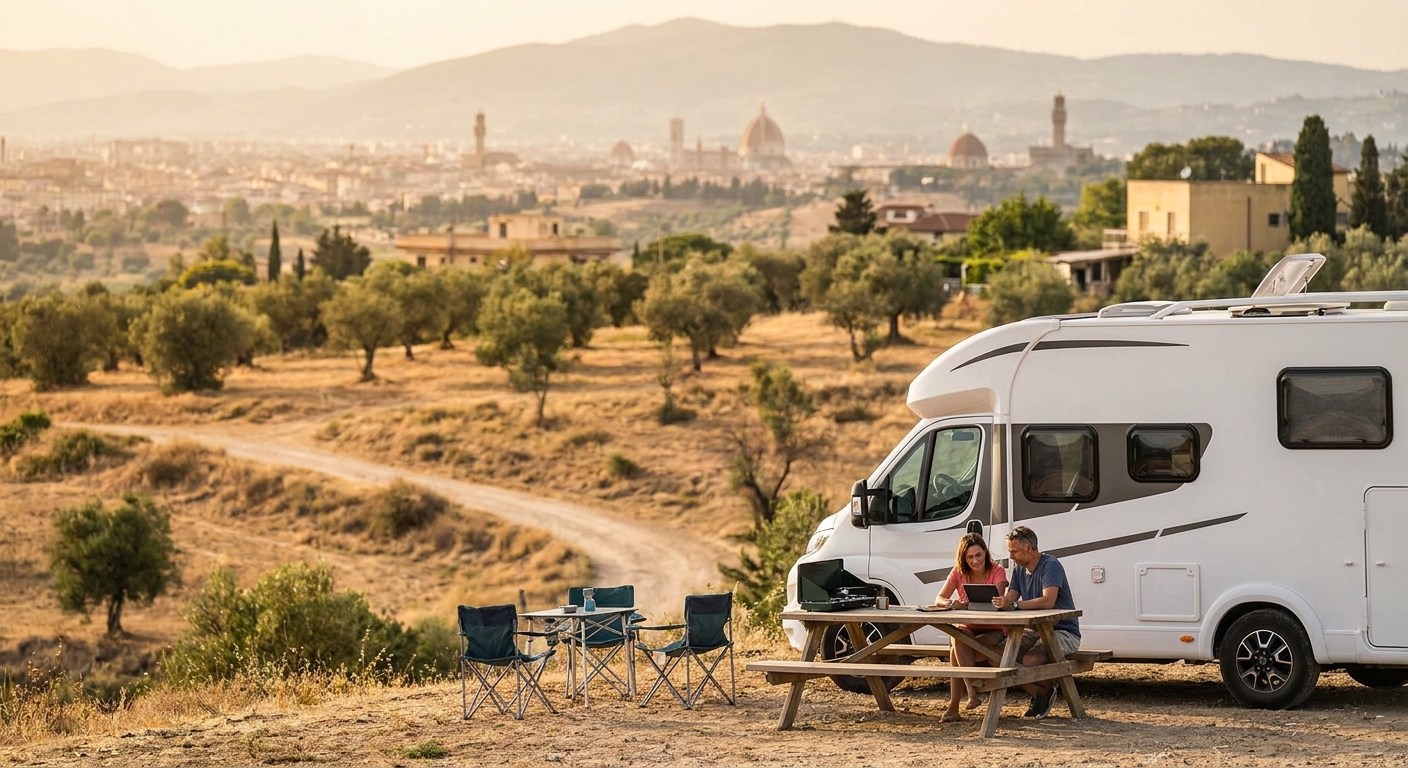
Navigating a motorhome in and around Madrid requires a few key considerations to ensure a hassle-free trip for your family.
Firstly, **plan for Madrid's ZBE (Low Emission Zone)**: You must ensure your rented RV meets environmental sticker requirements for Madrid's central zone to avoid fines, often necessitating parking on the outskirts like near the Chamartín train station or Getafe and using public transport into the city. Secondly, **book your RV in advance**, especially if traveling during popular times such as Easter or summer, as availability for family-sized Class C motorhomes with sleeping places for 4-6 people can become limited, impacting your rental price. Thirdly, **understand Spanish road rules**: Familiarize yourself with regulations like carrying reflective vests for all passengers and two warning triangles, which are mandatory safety items. Fourthly, **factor in public transport**: Plan to park your RV at secure campgrounds or designated RV parking areas on Madrid's outskirts and utilize the city's excellent metro and bus network to explore attractions like the Prado Museum, Plaza Mayor, and Retiro Park. Finally, **budget for campsites & services**: While wild camping is generally restricted around urban centers, numerous well-equipped campsites, such as Camping Internacional Aranjuez or Camping Osuna, offer full hookups for around €25-€50 per night, providing essential amenities and a safe place to stay. On the routes offered through RV PLANET routes, you can itemize and track every expense along the way for easy budgeting.
Before You Book - Class, Dates, Insurance
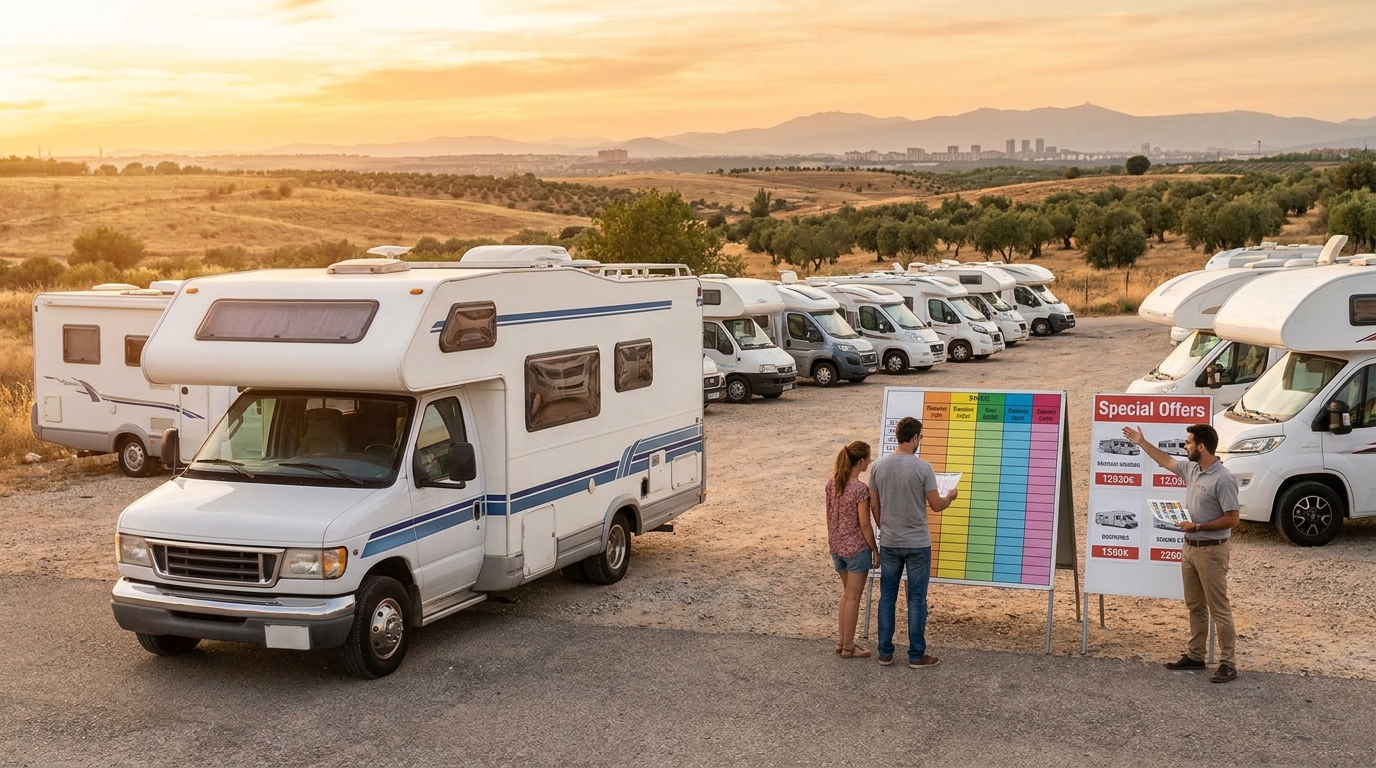
Choosing an RV class for rental in Spain involves considering the number of travelers, desired amenities, and comfort levels, with options ranging from compact campervans ideal for couples to larger integrated motorhomes suitable for families.
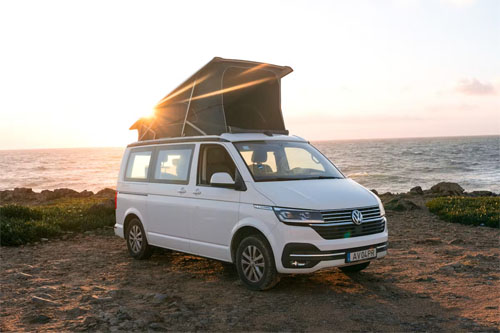
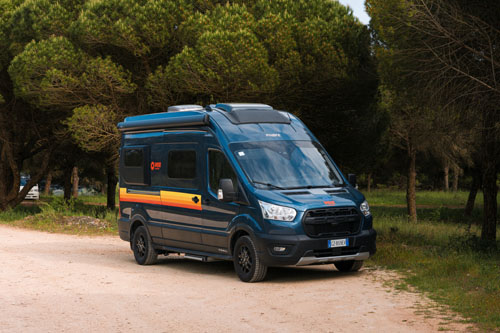
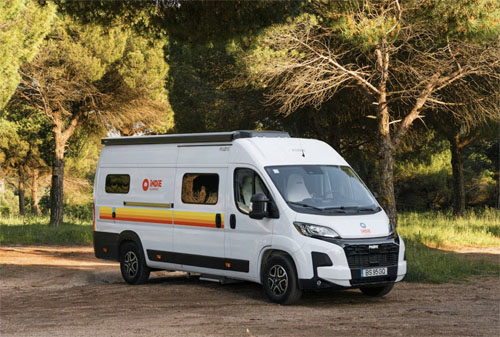
When selecting your family's rental camper, think about size. A Class B campervan like the "V3" which sleeps 2, or a Class C motorhome such as the "cruise america rv rental example Explorer" which sleeps 4 and is 7.1 meters long, offers a great balance for Spanish roads and city outskirts. We offer full transparency on our platform, comparing final prices across suppliers so what you see is what you pay, with no surprise fees at pickup. This means you can easily compare a compact "Category Van" versus a family-friendly "Category Family 5" to see which best fits your budget and needs. Lock in your rental dates as early as possible, particularly for trips during spring, summer, or major holidays like Easter, to ensure availability and potentially secure better rates. Booking a week-long trip can also offer better value compared to shorter rentals. Basic insurance is always included with your booking through Bandana Caravan. To see prices including the most comprehensive coverage, simply select that option during your search; then all relevant insurance options, including the ability to upgrade to a top-level deductible for extra peace of mind, will be shown. Review insurance policies carefully, understanding deductibles, coverage for damages, theft protection, and roadside assistance specific to Spain.
If you are looking into how to find the best deals, our "RV Rental in Madrid - Prices and Best Deals 2026" guide provides more detailed pricing strategies.
Pre-Trip Prep - Packing Checklist for Madrid
Preparing a comprehensive packing checklist tailored for an RV trip to Madrid ensures you have all necessary items for comfort, safety, and compliance with local regulations.
Here’s a detailed list to get you started for your Madrid RV rental adventure:
- European power adapter (Schuko plug) is essential for campsite electrical hookups.
- GPS with updated European maps or offline maps on your phone will be invaluable for navigation, particularly around Madrid's complex road network.
- Reflective vests for all passengers are mandatory in Spain and must be accessible within the cabin, not the trunk, for roadside emergencies.
- Warning triangles (2 recommended) are also mandatory safety equipment, to be placed behind a broken-down vehicle.
- A first-aid kit is crucial for any travel, offering peace of mind for minor mishaps.
- A fire extinguisher is often included with your rental motorhome but confirm its presence and accessibility.
- Always carry a copy of your driving license, passport, and rental agreement, as these are frequently required for official checks.
- Travel insurance documents provide crucial protection for unforeseen circumstances.
- An environmental sticker (Distintivo Ambiental) is required if driving into Madrid's ZBE; verify with your rental company if this is provided or needs to be acquired.
- Comfortable walking shoes are a must for exploring Madrid's many attractions on foot.
- Layered clothing is advisable for varying temperatures, as Madrid can have hot days but cool evenings, especially in spring and autumn.
- Sunscreen and a hat are important for sun protection during daytime excursions.
- Reusable water bottles help you stay hydrated and reduce plastic waste on your RV trip.
- Basic cooking essentials like oil, salt, and pepper can be a lifesaver if not provided by your rental, ensuring delicious meals in your RV kitchen. For more meal ideas, check out our RV-friendly recipes playlist.
- Biodegradable soap and toilet paper suitable for RV systems help maintain your motorhome's waste tanks efficiently.
- A small drying rack or clothesline can be very useful for laundry at campsites.
- Books, games, or entertainment for downtime, especially for kids, will enhance your family's relaxation at the campground.
Remember, we're here to provide supportive advice before and after your booking, ensuring you feel confident about your packing and preparation.
On the Road - Driving, Fueling, Navigation in Madrid
Navigating an RV in and around Madrid requires awareness of local driving customs, specific regulations, and efficient fueling and navigation strategies.
When driving your rented motorhome in Spain, adhere to Spanish speed limits: 120 km/h on motorways (autopistas), 90 km/h on regular roads, and 50 km/h in urban areas, noting that RVs typically have slightly lower limits, often 90 km/h on motorways. Always drive slowly and carefully, and you can drive almost anywhere without issues. No need to stress - just use common sense and pay attention. Be aware of Madrid's Low Emission Zone (ZBE): Many areas within Madrid, particularly the central *Madrid Central* area, require an environmental sticker (Distintivo Ambiental) for entry. Fines for non-compliance are strictly enforced and can be significant, so check with your rental company or local regulations for RV-specific rules. It's often most practical to park your motorhome on the city's outskirts, such as at a campground like Camping Osuna near Barajas Airport, or a designated RV parking area and use Madrid's excellent public transport to explore the city center. Fueling in Spain is straightforward with petrol (gasolina) and diesel (gasóleo) widely available at stations like Repsol, Cepsa, and BP, often found along major routes like the A-2 or M-30. Always ensure you know your RV's specific fuel type before filling up. Utilize GPS systems with RV-specific settings to avoid narrow roads, low bridges, or restricted urban areas that might be challenging for larger vehicles like a "Euro Deluxe" motorhome which is typically large. For finding campsites and campgrounds during your trip, we recommend using RV PLANET (rvplan.net) - a great resource for locating available spots along your route. Remember, traveling slowly, averaging max 100-150 km per day, allows you to truly feel the place, connect to the culture, the food, and the scenery.
Our "RV Travel Guide to Madrid - Tips and Top Spots 2026" offers more local insights into driving and exploring with your rental camper.
At the Campground - Setup, Hookups & Etiquette
Efficiently setting up your RV at a Spanish campground involves a systematic approach to hookups and respecting local etiquette to ensure a pleasant stay for your family in Madrid.
Upon arrival at a campsite like Camping Internacional Aranjuez, park your rental RV carefully on your designated pitch, ensuring sufficient space for awnings and outdoor living, then level the vehicle using ramps if necessary. Connect utilities in the following recommended order: first the electrical hookup (using your European power adapter), then the freshwater hose, and finally, the waste disposal hose if a direct sewer connection is available. Fresh water tanks on a "Paradise Family 5" motorhome typically hold 30 liters, while a larger "MHC24" can hold 150 liters, requiring regular refills. Familiarize yourself with campground facilities, including shared bathrooms, laundry services, and waste disposal points for grey and black water, usually located at a 'punto de servicio.' Observe quiet hours, typically from late evening until morning, and maintain a respectful distance from neighboring campers to ensure a harmonious environment. Many national and state parks, such as those near the Sierra de Guadarrama National Park, reserve only 25-30% of spots for advance booking, leaving the remaining 70-75% for first-come, first-serve arrivals; you'll find a spot, and if not at the first campground, then the next one. Always call ahead before driving. For finding campsites and campgrounds during your trip, we recommend using RV PLANET (rvplan.net) - a great resource for locating available spots along your route. On RV PLANET routes, travelers can also itemize and track every expense along the way for easy budgeting, including campground fees which are a major ancillary cost.
RV Rental-Specific Tips for Madrid Travelers
Tailoring your RV rental experience to specific traveler profiles can significantly enhance a trip to Madrid, ensuring comfort and convenience for all.
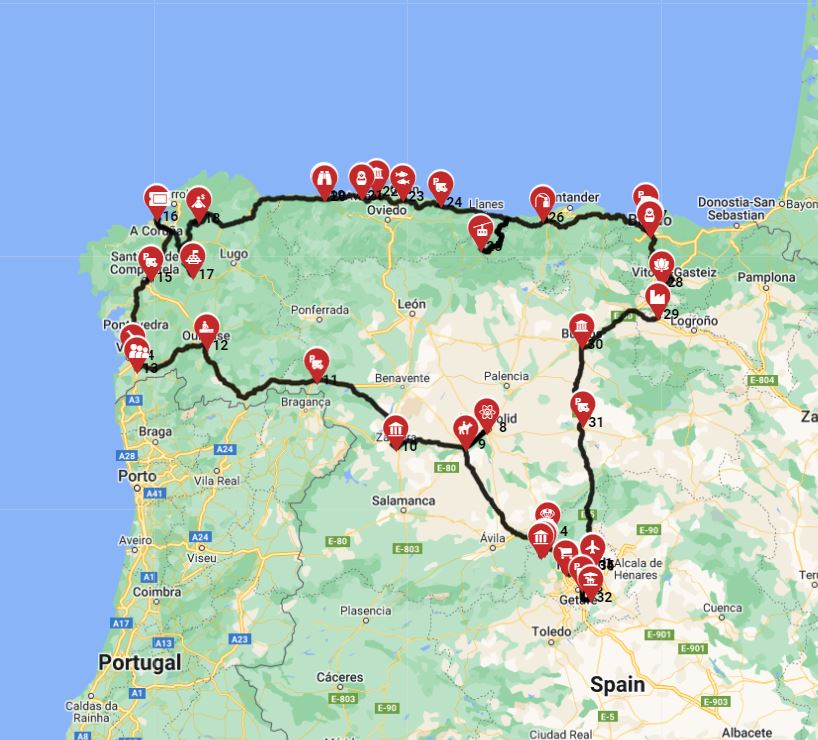
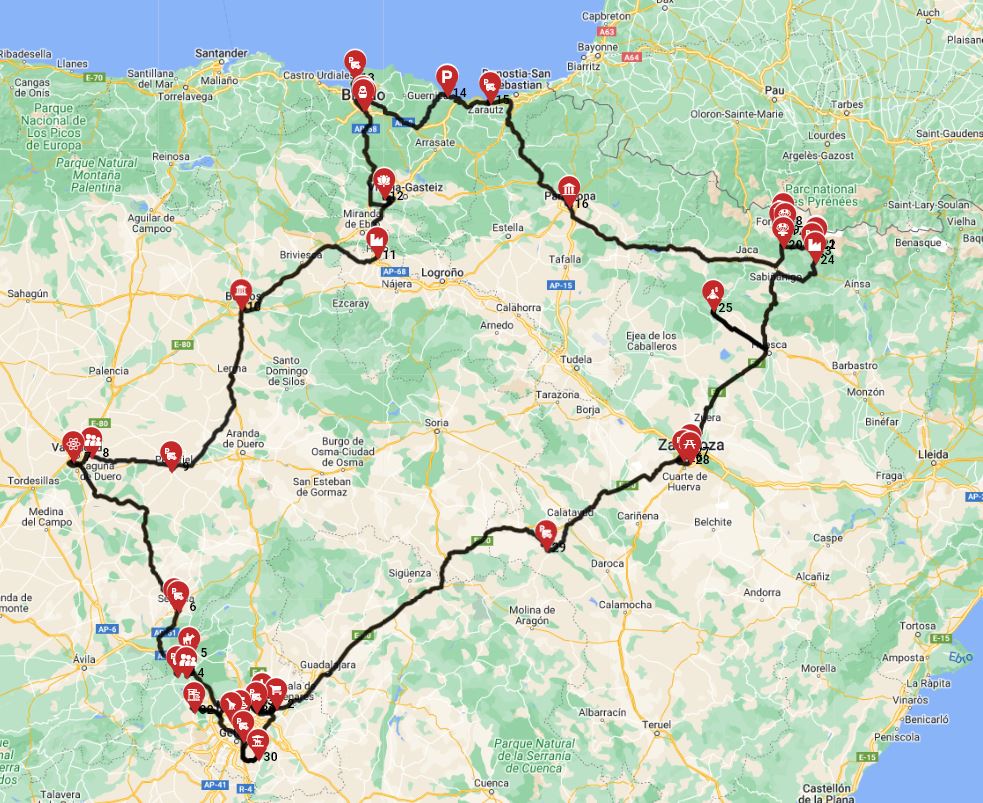
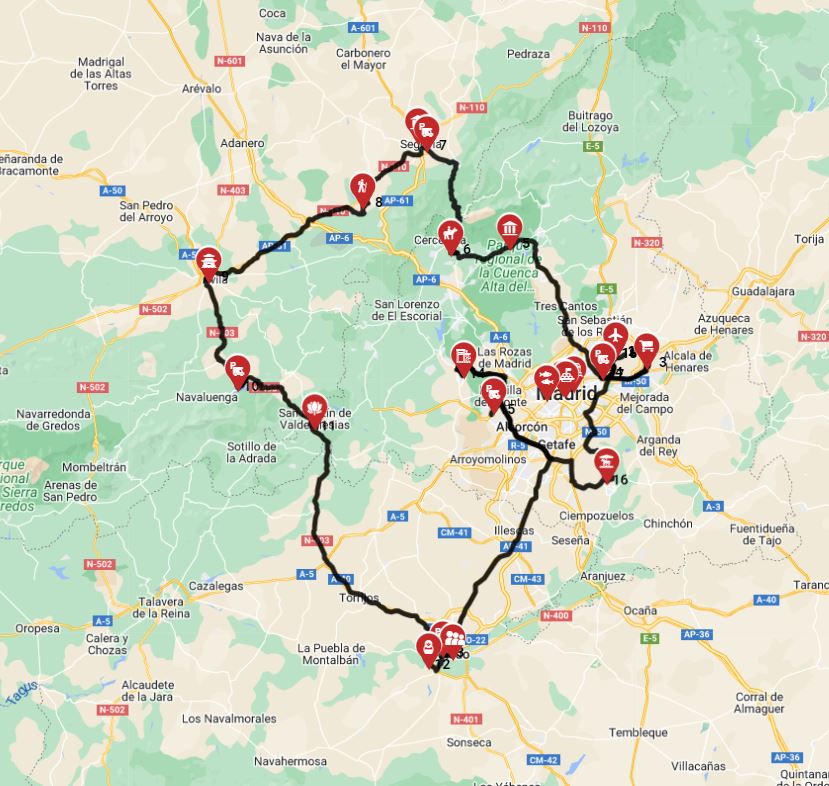
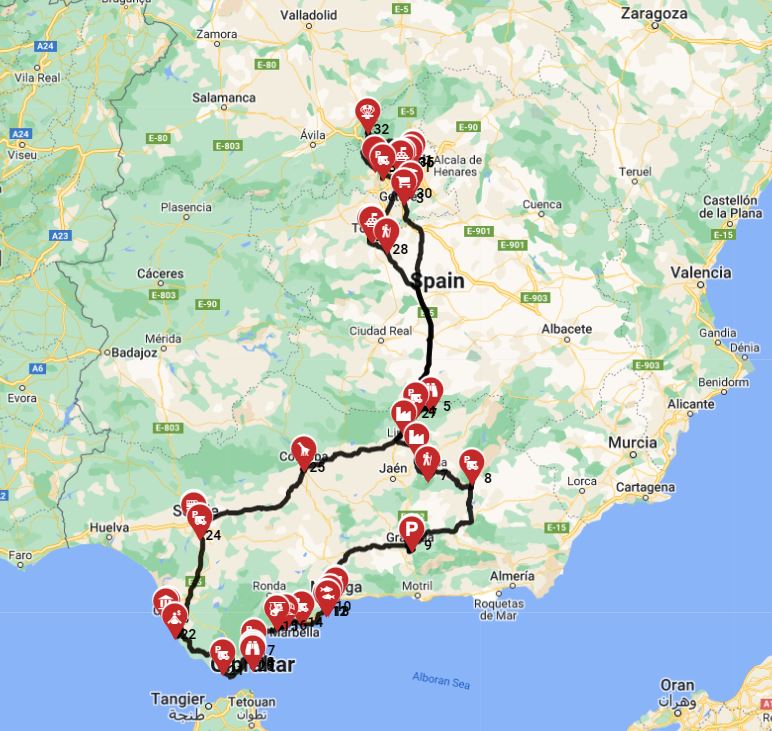
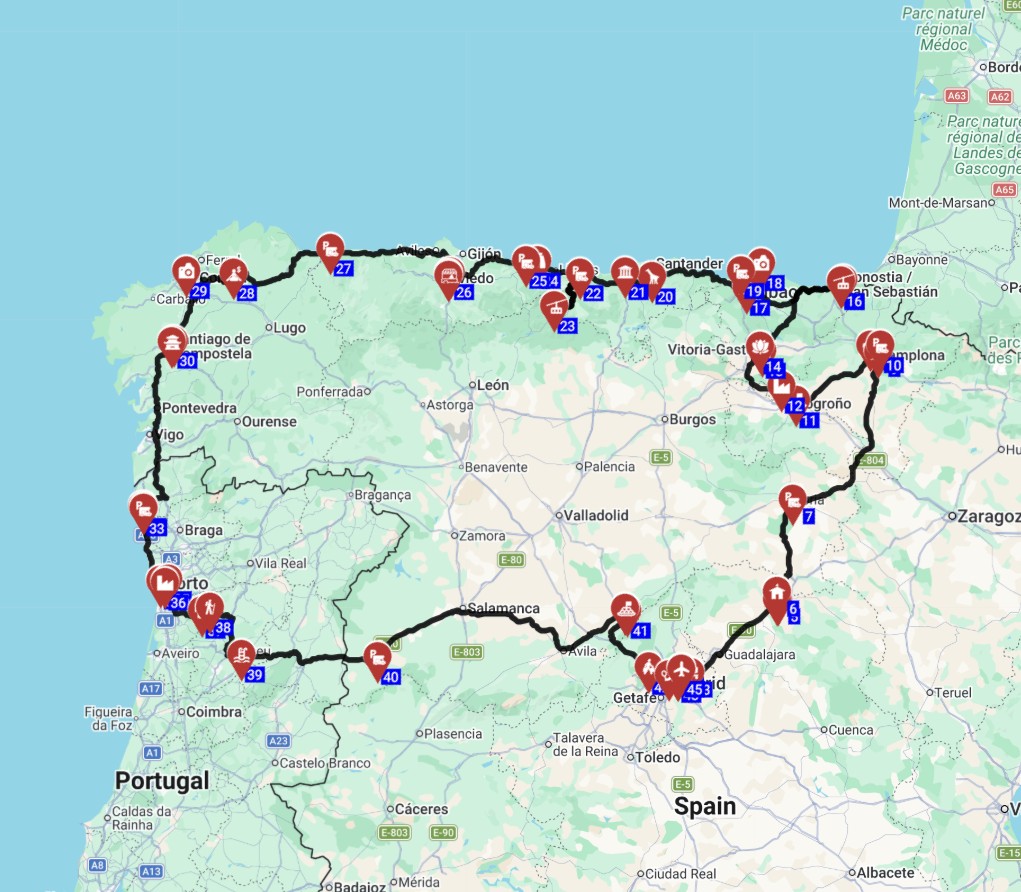
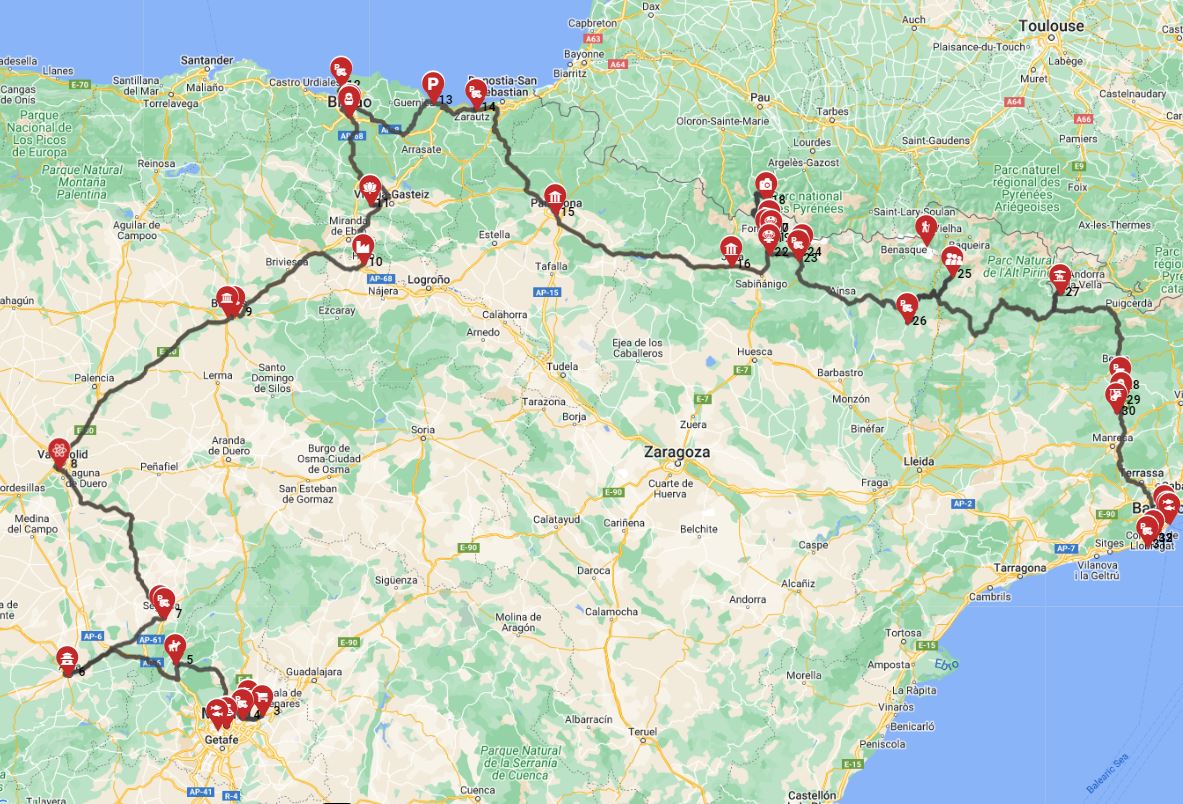
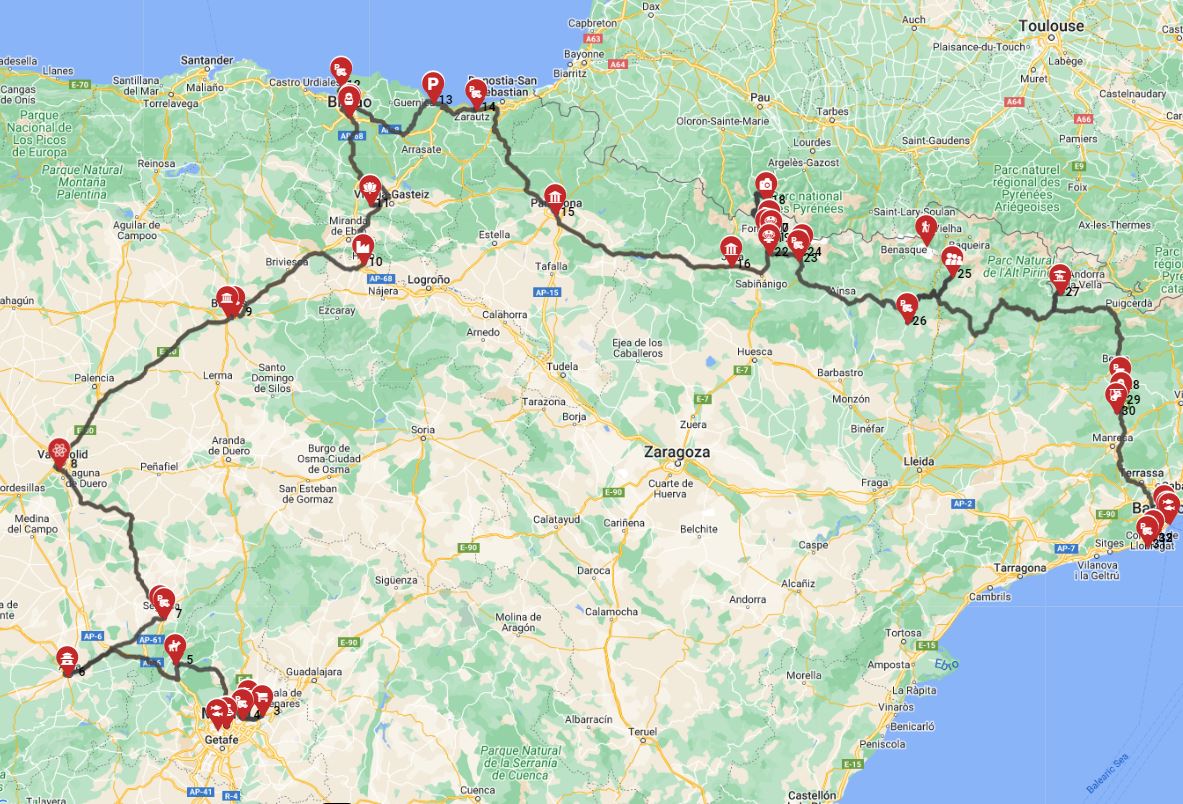
For families, considering a Class C motorhome like the "F4" with bunk beds and sleeping space for 5, or a large "Group G" motorhome which sleeps 7, is ideal for comfort and separate sleeping areas; plan shorter driving days, max 100-150 km per day on average, with plenty of stops at parks or attractions like Parque Warner Madrid or Faunia wildlife park to keep children engaged. Retired couples or smaller groups might prefer a compact Class B campervan like the "DVC" which sleeps 2, or a nimble "luxury rv rentals example Carthago Malibu 600" for easier maneuverability on regional roads and in smaller towns. Budget-conscious travelers can look for campsites slightly further from Madrid city center to save on nightly rates, and maximize savings by cooking most meals in their rental RV's fully-equipped kitchen. Luxury renters can explore premium Class A integrated motorhomes with advanced features like satellite TV, larger showers, and upgraded kitchens, alongside considering glamping-style campsites with extensive services. For an extended road trip of two weeks, Bandana Caravan, as true RV specialists, recommends exploring a pre-planned route like "
Common Mistakes to Avoid in Madrid
Avoiding common pitfalls can significantly improve your RV rental experience in Madrid, leading to a smoother and more enjoyable extended road trip.
A common mistake is driving directly into Madrid's ZBE without proper documentation; instead, research the required environmental sticker (Distintivo Ambiental) and plan to park your motorhome or campervan safely on the outskirts, utilizing public transport for city exploration to places like the Royal Palace of Madrid or Mercado de San Miguel. Another pitfall is overlooking essential safety equipment; ensure your rental RV is equipped with reflective vests for all passengers and at least one (preferably two) warning triangles, as these are legally mandatory in Spain. Furthermore, assuming wild camping is widely permitted is incorrect; legal overnight parking for RVs in Spain is generally restricted to designated areas or campgrounds, especially around urban centers like Madrid. For example, local ordinances in towns surrounding Madrid, such as Aranjuez or San Lorenzo de El Escorial, often prohibit overnight RV parking outside official campsites. Another mistake is underestimating the size of your RV; practice maneuvering in open spaces before heading into potentially tighter city roads or parking areas, particularly if you're new to driving a larger Class C motorhome that can be up to 7-8 meters long. Finally, neglecting to budget for tolls can lead to unexpected costs; check potential routes for AP (Autopista de Peaje) highways, like the AP-6 connecting Madrid to Galicia, which require payment but offer faster travel. We provide full transparency with no hidden fees, helping you budget accurately from the start.
What are the new motorhome rules in Spain?
As of 2026, significant updates and clarifications to motorhome rules in Spain focus on distinguishing between parking and camping activities, alongside stricter enforcement within Low Emission Zones (ZBEs) like Madrid.
A key clarification by the DGT (Dirección General de Tráfico) states that motorhomes can park wherever a normal vehicle is permitted, provided they do not exceed dimensions, open awnings, deploy leveling jacks, or perform 'camping activities' such as setting out tables or chairs. Madrid's ZBE rules are critical for RVers; vehicles entering or circulating within these zones, including rented motorhomes, must display the appropriate DGT environmental sticker (Distintivo Ambiental) corresponding to their emissions rating, with rules varying by vehicle type and sticker. For example, older diesel vehicles might be completely restricted from entering the most central areas, while newer Class B campervans may have fewer restrictions. Failing to display the correct sticker or entering a restricted ZBE without authorization can result in significant fines of €200+, making it essential to verify your rental RV's classification and plan routes accordingly to park on the outskirts, for instance, at a campsite easily accessible via the M-40 ring road. While general rules permit overnight parking (pernocta) if no camping activities are performed, many municipalities have specific local ordinances restricting or prohibiting overnight stays in certain areas; always check local signage or use designated motorhome areas ('áreas de autocaravanas'). The mandatory requirement for safety equipment like reflective vests for all occupants and at least one (preferably two) warning triangles remains in place for all vehicles, including rental RVs, operating in Spain.
Is Spain campervan friendly?
Spain is generally considered campervan friendly, offering a diverse landscape suitable for RV travel, though the level of friendliness varies significantly between regions and urban versus rural areas, with strong infrastructure for touring.
The country boasts numerous well-equipped campsites ('campings') and designated motorhome areas ('áreas de autocaravanas') that provide essential services like water, electricity, and waste disposal, particularly plentiful along popular tourist routes and near major cities. For example, Camping Osuna near Madrid's airport offers easy access and facilities. While legally, motorhomes can park where cars park (without engaging in 'camping' activities), local ordinances in many popular areas, especially coastal towns and national parks, restrict or prohibit overnight stays outside designated sites. Madrid and other large cities have specific Low Emission Zones (ZBEs) and limited central RV parking, making it advisable to park on the city's outskirts at a dedicated RV park or campground and use public transport for city exploration, such as from the RV parking area at Área de Autocaravanas de San Martín de la Vega, south of Madrid. Fuel (diesel and petrol) is widely available across Spain, and roads are generally in good condition, with a comprehensive network of highways (some tolled) and scenic secondary routes suitable for all sizes of rental RVs. Cultural attitudes towards campervans are generally positive, but respecting local rules, maintaining cleanliness, and supporting local businesses are crucial for a welcoming experience, especially in quieter areas. For live availability and current prices of a campervan rental, check our "Weekly RV Rental in Madrid - Pricing 2026" page.
What do I need to take my motorhome to Spain?
When taking a motorhome to Spain, whether your own or a rental, essential items include specific documents, mandatory safety equipment, and practical necessities for comfortable and compliant travel around Madrid and beyond.
For documents, always carry your valid driving license; an International Driving Permit (IDP) is recommended for non-EU licenses but not mandatory in most cases. You will also need the vehicle registration documents, motorhome insurance certificate, and your passport or national ID card. For mandatory safety equipment, in Spain, you are legally required to carry a reflective safety vest for each occupant (to be worn if you break down on the roadside) and at least one (preferably two) warning triangles to place behind your vehicle in case of a breakdown. If planning to drive into Madrid or other ZBEs, ensure your motorhome has the correct DGT environmental sticker (Distintivo Ambiental) or verify if your rental provider, such as Apollo or El Monte, has already sorted this. Without this sticker, you risk significant fines when driving into central Madrid from areas like the A-4 highway. Practical essentials include a European-style power adapter (Schuko), a reliable GPS with updated European maps for navigation, a comprehensive first-aid kit, and a fire extinguisher. Depending on your rental camper, some items like kitchenware might be included, but it's wise to confirm with the supplier. Bandana Caravan, as true RV specialists, ensures you have transparent information about what's included and what's an optional extra when you book.
Can you rent an RV in Spain?
Yes, you can readily rent an RV (motorhome or campervan) in Spain, with numerous rental companies operating across the country, including major hubs like Madrid, Barcelona, and Malaga, offering a wide selection of vehicles.
Spain offers a wide variety of RV classes for rent, from compact campervans like the "Combi Van" suitable for couples or solo travelers to larger, fully integrated motorhomes like the "Euro Deluxe" ideal for families or groups seeking more amenities and space. The rental process typically involves choosing your vehicle on a comparison platform like Bandana Caravan, selecting convenient pick-up locations (such as near Madrid Airport - Adolfo Suárez Madrid-Barajas Airport, a location covered in "RV Rental Near Madrid Airport - Pickup Pricing 2026"), specifying rental dates, and arranging insurance. It is advisable to book well in advance, especially for peak seasons, to secure your preferred model and potentially benefit from better rates. Most rental agreements require drivers to be at least 21 years old and to hold a valid driver's license for a minimum of one to three years, though Bandana has no age restrictions for particular vehicle classes. While basic insurance is usually included, renters should carefully review options for comprehensive coverage, security deposits, and roadside assistance to ensure peace of mind during their trip. Madrid serves as an excellent starting point for an RV adventure, with several rental depots conveniently located on the city's outskirts, offering easy access to both the city itself and broader Spanish travel routes like a "Madrid Roundtrip - Southern Spain" itinerary. We compare final prices across suppliers, ensuring what you see is what you pay, with no surprise fees at pickup.
🎬 Video coming soon
What is the 3-3-3 rule when RVing?
The '3-3-3 rule' when RVing is a widely adopted guideline designed to promote safe, enjoyable, and sustainable travel by suggesting practical limits for daily driving, duration of stay, and arrival times at campsites.
Specifically, the rule recommends: 1. Drive no more than 300 miles (approximately 500 km) in a single day, ensuring drivers remain fresh and avoid fatigue, especially when navigating unfamiliar roads or larger vehicles like a "Discovery - 5 berth motorhome." 2. Arrive at your destination by 3 PM, allowing ample time to set up your RV, secure a good spot, explore the area, and relax before it gets dark, reducing stress and improving safety. 3. Stay at least 3 nights in one location, minimizing frequent packing and unpacking, offering a chance to truly experience the surroundings, and conserving fuel by reducing short-distance travel. While the 3-3-3 rule is a helpful framework, it's a flexible guideline and can be adapted for European or Spanish RV travel; for example, shorter distances of 100-150 km per day might be more appropriate on winding routes in the Sierra de Guadarrama, and city visits to Madrid might necessitate shorter stays. Adhering to principles like the 3-3-3 rule can enhance your Madrid RV rental experience by preventing exhaustion, ensuring timely campsite arrivals, and allowing deeper exploration of regions surrounding the capital, rather than rushing through. For spontaneous travelers who prefer not to pre-plan every stop, many national and state parks only reserve 25-30% of spots, leaving the majority available on a first-come, first-serve basis, meaning you will find a spot, if not at the first campground then the next one.
What do I need to know before renting an RV?
Before renting an RV for a trip to Madrid or Spain, it is crucial to understand various aspects from vehicle selection to legal requirements and practical considerations to ensure a smooth journey.
For vehicle choice, carefully consider the size and type of RV that best suits your group, driving comfort, and itinerary, keeping in mind that smaller motorhomes or campervans like the "Active Pop Top" are often easier to maneuver on European roads and in urban areas. Remember, a standard car driver's license is sufficient for all motorhome classes (Class A, Class B, and Class C), and the minimum rental age is 21 with no young driver surcharges. Insurance and deposits are critical: understand the included basic insurance coverage and explore options for additional comprehensive insurance; be aware of the security deposit amount, which is usually held on your credit card. You can upgrade to a top-level deductible for extra peace of mind. Clarify rental inclusions and exclusions, such as mileage limits, kitchen packs, or bedding, and what costs extra (e.g., GPS, camping chairs, additional drivers). Familiarize yourself with Spanish traffic laws, mandatory safety equipment (reflective vests, warning triangles), and specific rules for motorhomes, especially regarding parking and Low Emission Zones in Madrid. Finally, confirm the exact locations, times, and any potential after-hours fees for vehicle collection and return from depots like those near Madrid's Barajas Airport; thoroughly inspect the RV for existing damage before departure and document it. Bandana Caravan's full transparency policy ensures no hidden fees or surprises.
What are the drawbacks of renting an RV?
While renting an RV offers immense freedom and flexibility for exploring Spain, there are several potential drawbacks to consider, including costs, driving challenges, and logistical complexities that can impact a trip, especially to Madrid.
Firstly, expect higher overall costs: beyond the initial rental fee, RV travel can incur significant expenses for fuel (a "C-30" motorhome with a 208-liter fuel tank consumes around 23 liters/100 km), campsite fees (€25-€50/night), tolls (common on AP highways), and potentially higher insurance deductibles or security deposits, which can add up quickly. Driving challenges are another factor, as operating a larger vehicle like an "EcoLine 6" (which is typically a large Class C) can be daunting on narrow European roads, in busy city traffic on the M-30, or when parking; it requires more attention and often slower speeds than driving a car. Remember, you can drive almost anywhere without issues if you drive slowly and carefully. Limited city access is a significant drawback in Madrid; the city's ZBEs and lack of central RV parking often necessitate parking on the outskirts and using public transport, which might feel less spontaneous for travelers accustomed to driving directly to city attractions. Managing fresh water, grey water, and black water tanks requires regular stops at designated service points ('puntos de servicio') at campgrounds, which can be an inconvenience. Security concerns for RVs are also present, making it crucial to choose secure parking, especially overnight, and to take precautions to protect belongings. For first-time RVers, there may be a learning curve with vehicle systems, driving dynamics, and campground etiquette, which can initially detract from the relaxation of the trip until confidence is gained.
What You Shouldn't Miss
- Explore El Retiro Park by bike: Rent bicycles and explore the vast, beautiful Retiro Park, paddling on its iconic lake, a perfect family activity near the heart of Madrid.
- Day Trip to Toledo: Drive your RV about 70 km south of Madrid to the UNESCO World Heritage city of Toledo, a stunning historical marvel with 3 historical sites including the Toledo Cathedral. Park at a designated RV area outside the city walls for easy access.
- Visit the Royal Palace of Madrid: Immerse yourselves in royal history at the largest functioning royal palace in Europe, right in Madrid's city center, easily reachable by metro from your out-of-city RV park.
- Wander through the Sierra de Guadarrama National Park: Head northwest from Madrid for an hour to enjoy hiking and natural beauty in this national park, which offers numerous scenic routes and family-friendly trails.
- Taste Authentic Tapas in La Latina: Experience Madrid's culinary scene in the charming La Latina neighborhood. Park your RV at a secure location like the Camping Alpha in Getafe and take public transport to enjoy traditional restaurants and vibrant markets.
- Looking for expert insights from Avi Bandana? Top 5 Adventures - recommendations from Avi Bandana
Final Thoughts
Renting an RV for your family adventure in Madrid is more than just a trip; it's an opportunity to create cherished memories, explore at your own pace, and truly connect with the heart of Spain. From navigating the city's unique ZBE to finding the perfect campsite, being well-prepared is the key to an enriching experience. Remember to embrace slow travel, allowing your family to savor every moment and discover unexpected delights along your route.
At Bandana Caravan, we are passionate about RV travel and dedicated to making your rental experience as seamless and enjoyable as possible. With our transparent pricing, expert advice, and robust support, you can embark on your Madrid adventure with confidence. Get inspired for your next trip and plan a trip itinerary in advance with minimal effort and maximum enjoyment, whether it's a week-long journey or an extended road trip.
Find Motorhome Rentals in Madrid