In This Guide
- Top 5 Tips for family rv rental RV Rental in Japan
- Before You Book - Class, Dates, Insurance
- Pre-Trip Prep - Packing Checklist for Japan
- On the Road - Driving, Fueling, Navigation
- At the Campground - Setup, Hookups & Etiquette
- family rv rental-Specific Tips for Japan
- Common Mistakes to Avoid in Japan
- RV Sizing & Practicality
- Cultural Nuances & Etiquette for RVers
- Deep Dive into Michi-no-Eki Etiquette
- Connectivity & Technology on the Road
- Emergency Preparedness & Support
- Beyond Major Tourist Hubs
- Themed Itineraries & Specialized Experiences
- Pet Travel Considerations
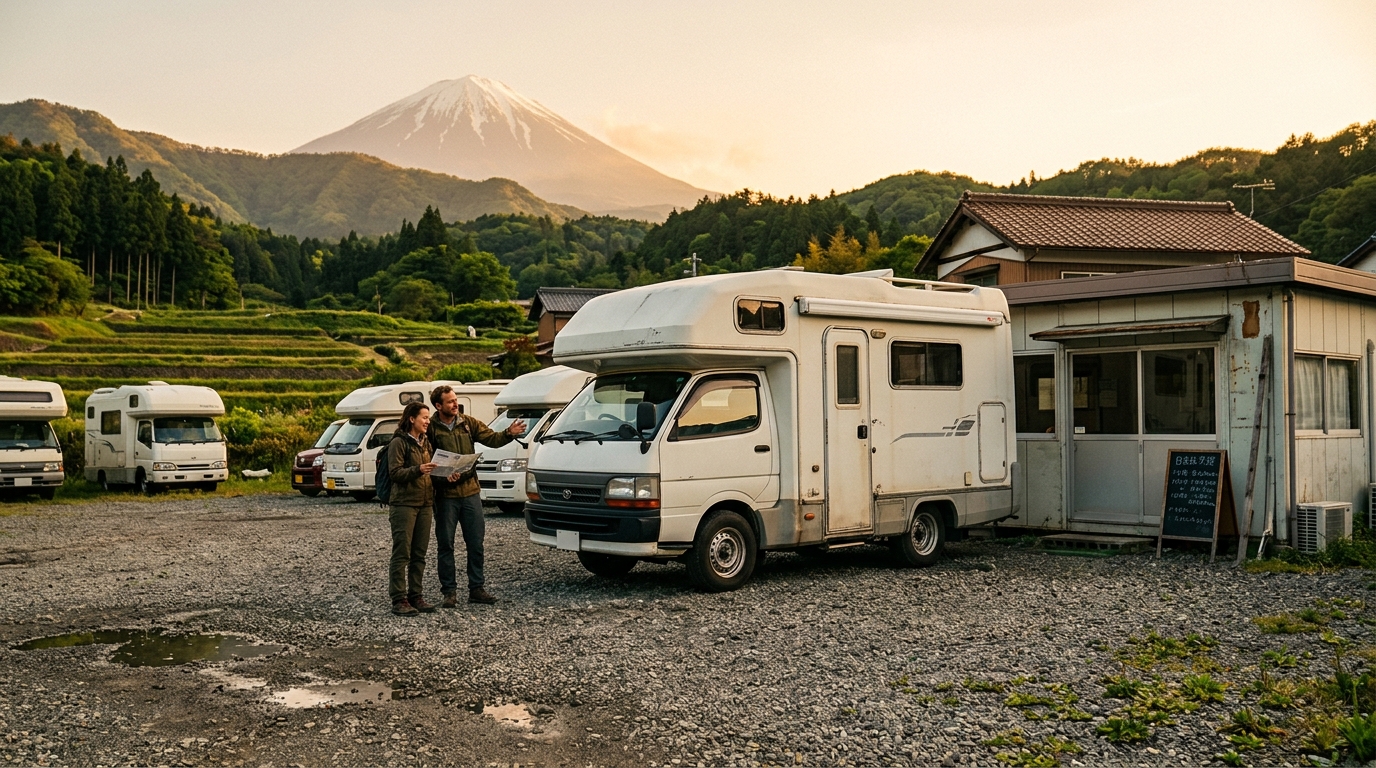
Traveling through Japan with your family in a rented RV offers an incredibly unique and flexible way to explore this captivating country. Imagine waking up to the serene views of Mount Fuji, cooking breakfast together in your mobile home, and then setting off to discover ancient temples or bustling modern cities, all at your own pace. With a rented motorhome, you truly create your own adventure, enjoying the freedom that conventional travel simply can't match. For live availability and current prices, start with our RV Rental Japan - Complete Guide 2026 guide.
Top 5 Tips for family rv rental RV Rental in Japan
Navigating Japan in a rented RV is an experience filled with discovery, and these five tips will help ensure a smooth journey for your family. First, securing a compact RV like a campervan or a smaller Class C motorhome (e.g., a "rv rental denver example Category Van" or a "hire campervan example Paradise S/T" model) is essential for Japan's narrower urban streets and many scenic rural routes, which were not designed for oversized vehicles. Second, familiarize your family with Japanese road signs and driving customs, remembering to drive on the left side of the road, as this is critical for safety and adherence to local laws. Third, Michi-no-Eki (roadside stations) are invaluable resources, providing safe and convenient spots for overnight resting, clean restrooms, and access to local products, making them a cornerstone of RV travel in Japan.
Fourth, reliable connectivity is paramount for navigation and communication, so invest in a portable Wi-Fi device or a local SIM card, ensuring your family stays connected throughout your adventure. Finally, embracing and respecting local customs, particularly regarding noise levels and proper waste disposal at campgrounds and Michi-no-Eki, is fundamental to a respectful and enjoyable trip. Adhering to these principles enhances your family's travel experience and contributes positively to the local communities you visit.
Before You Book — Class, Dates, Insurance
Planning your family's RV rental in Japan involves careful consideration of vehicle class, travel dates, and insurance coverage. Smaller RVs like campervans or compact Class C motorhomes are consistently the best choice for families exploring Japan, typically ranging from 5 to 7 meters in length, offering easier maneuverability on local roads and in parking areas. For instance, a campervan for 2 with features like "Front Air condition" and "Shower" (like a "rent rv example A1" model) can offer comfort without being unwieldy. We strongly recommend booking your motorhome 6-9 months in advance, especially if your trip coincides with peak seasons such as spring (March-May) for cherry blossoms or autumn (September-November) for fall foliage, as early booking can often secure better rates and a wider selection of vehicles. This proactive approach can lead to savings of up to 20-25% on your rental.
When it comes to insurance, a basic level of coverage is always included with your motorhome rental, but comprehensive options are available during the booking process for added peace of mind. You can upgrade to a top-level deductible for extra protection, ensuring that unexpected events don't impact your family's budget. Remember, at Bandana RV, we offer full transparency with no hidden fees or surprises, so what you see is what you pay. This clear approach extends to insurance, ensuring you understand all your options from the start.
Pre-Trip Prep — Packing Checklist for Japan
A well-prepared packing checklist for your family RV rental in Japan ensures comfort and readiness for varied experiences. Essential clothing includes layers to adapt to Japan's diverse climates, comfortable walking shoes for exploring, and reliable rain gear regardless of the season. For the RV kitchen, consider bringing basic cooking utensils if your rental doesn't specify they're included, along with non-perishable snacks and instant meals, which can be particularly useful for quick stops or in areas with limited grocery access. Don't forget an RV-friendly recipes playlist to inspire your meals on the road: RV-friendly recipes playlist.
Critically, ensure you have all crucial documents: your passport, a valid International Driving Permit (IDP) obtained in your home country before departure (highly recommended for non-English speaking visitors, though not always mandatory for all nationalities, it’s best to have one), and all copies of your rental agreements and insurance details. For connectivity, a portable Wi-Fi device or a local SIM card is indispensable for navigation and staying in touch. Lastly, pack a first-aid kit and entertainment options like books, small games, or tablets for children during drives, making travel more enjoyable for everyone.
On the Road — Driving, Fueling, Navigation
When driving your rented motorhome in Japan, always remember to drive on the left side of the road and meticulously adapt to Japanese traffic laws, which are strictly enforced. Expressway tolls are common and often substantial, so utilizing an Electronic Toll Collection (ETC) card, typically available for rent with your RV, offers seamless and convenient payment. Fueling up requires attention to detail: Japan primarily offers regular gasoline (レギュラー, *regyuraa*), high-octane gasoline (ハイオク, *haioku*), and diesel (軽油, *keiyu*), so always double-check your vehicle's requirement before filling up. Many larger Class C motorhomes, for example, like a "cruise america rv rental example Explorer" with a "75 Liter" fuel tank and "2.5 Liter Turbo diesel" engine, will require diesel. It’s also wise to keep an eye on fuel levels, especially in rural areas where stations might be spaced farther apart. On the routes offered through RV PLANET routes, you can itemize and track every expense along the way for easy budgeting.
For navigation, relying on apps like Google Maps is highly effective; however, be prepared to input phone numbers or MapCodes for specific destinations as traditional street addresses can sometimes be complex or non-existent in Japan. Many Michi-no-Eki and attractions are easily found using phone numbers. Remember to drive slowly and carefully, and you can drive almost anywhere without issues. No need to stress - just use common sense and pay attention. When considering all these ancillary costs beyond the RV rental itself, such as fuel and tolls, remember that RV PLANET routes allow travelers to itemize and track every expense along the way for easy budgeting.
🎬 Video coming soon
At the Campground — Setup, Hookups & Etiquette
Upon arriving at your chosen campsite in Japan, a proper setup ensures a comfortable and respectful stay for your family. The first step is to level your RV, which prevents discomfort and ensures appliances function correctly. Following this, connect your electricity (if available), fresh water, and waste tanks in the appropriate sequence, being mindful of the color-coded connections common in many campgrounds. Many Japanese campgrounds, particularly at popular Michi-no-Eki, may not offer full hookups (water, sewer, electricity), so arriving with sufficient fresh water and an empty gray/black water tank is a smart strategy. For finding campsites and campgrounds during your trip, we recommend using RV PLANET (rvplan.net) - a great resource for locating available spots along your route.
Cultural etiquette is crucial at Japanese campgrounds. Adhere strictly to quiet hours, which typically begin in the late evening (around 9:00 PM or 10:00 PM) and extend until early morning (around 7:00 AM), ensuring everyone can enjoy a peaceful environment. Furthermore, Japan has rigorous waste separation rules; practice responsible waste disposal by carefully separating recyclables (e.g., plastics, glass, paper) according to the specific guidelines provided at each site. This attention to detail shows respect for the local environment and community, enhancing your overall experience. Always remember to "travel slowly, max 100-150 km per day on average. Take time to feel the place, connect to the culture, the food, and the scenery."
family rv rental-Specific Tips for Japan
Tailoring your family RV trip to Japan with kids in mind enhances everyone's enjoyment and minimizes stress. Pack plenty of engaging activities like travel games, coloring books, or tablets for children to keep them entertained during drives and downtime. Planning stops at Michi-no-Eki, many of which feature play areas, local snacks, and interesting diversions, can break up long travel days and offer unique cultural experiences. Schedule drives to coincide with children's nap times or after they've had sufficient rest, utilizing the RV's comfortable sleeping facilities for on-the-go naps.
Safety is paramount: always ensure car seats are correctly installed for younger children and that all loose items within the motorhome are securely stowed before driving. Using the RV kitchen for easy, budget-friendly meals is a significant advantage, allowing you to cater to specific dietary needs or picky eaters while saving on dining costs. Finally, prepare children for public bath (onsen) etiquette, explaining the importance of cleanliness and quiet, or seek out private family onsen options for a more relaxed experience. For example, a 6-berth RV like the "Category Family 5" or "Group G" with "Bunk Bed 2X" offers ample space for a family of up to 6.
Common Mistakes to Avoid in Japan
Avoiding common pitfalls ensures a more enjoyable and seamless family RV trip in Japan. One critical mistake is failing to obtain an International Driving Permit (IDP) before your trip, as it is often mandatory for foreign drivers and cannot be acquired once in Japan. Another common error is choosing an oversized RV; always opt for a compact motorhome or campervan suitable for Japan's infrastructure, which features narrower roads and smaller parking spaces compared to many Western countries. Class B campervans, such as the "Active Bunk Auto" or "Active Standard Auto" are excellent choices for their maneuverability.
Strictly adhering to designated parking areas and local regulations is non-negotiable; illegal parking can lead to fines and significant inconvenience. During peak seasons, booking campgrounds well in advance is essential to secure a spot, as first-come-first-serve options are limited, with many national parks only reserving 25-30% of spots. You'll find a spot. If not at the first campground, then the next one. Call ahead before driving. Familiarize yourself with Japan's specific waste separation rules to avoid issues, and always carry sufficient cash, as some smaller establishments, especially in rural areas, may not accept credit cards. Remember, Bandana RV offers full price transparency, so there are no hidden fees or surprises.
RV Sizing & Practicality
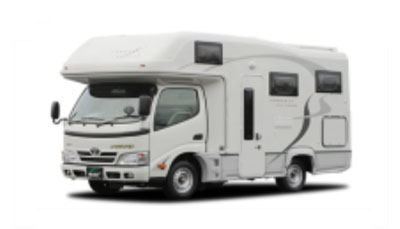
The practicality of your RV choice in Japan significantly impacts your family's travel experience, with compact RVs being the clear winner. Campervans (Class B) and small Class C motorhomes, typically under 6 meters in length, are ideal for navigating Japan's infrastructure. These smaller vehicles, for instance, a "Juliette 2-3" or a "campervan hire new zealand example Aquila", offer excellent maneuverability in urban areas, at popular attractions, and on the country's often narrow rural roads. They also simplify parking, which can be a challenge with larger vehicles.
Many Japanese-designed RV models are specifically optimized for local road conditions and parking constraints, offering clever interior layouts to maximize living space within a compact footprint. For families of 4-5, a model like the "Paradise Family 5" with a "5.6m" length offers a comfortable balance. While a larger "6 Berth Discovery" (7.4m in length) might seem appealing for extra space, its larger dimensions could limit your access to certain scenic drives or smaller town parking spots. Smaller rented RVs enhance the freedom to explore almost anywhere without issues, emphasizing that driving slowly and carefully makes any RV size manageable.
Cultural Nuances & Etiquette for RVers
Understanding and respecting Japan's cultural nuances is vital for RVers to have an authentic and positive experience. At Michi-no-Eki and campgrounds, maintaining low noise levels, especially during designated quiet hours (often 10 PM to 7 AM), is a sign of respect for other travelers and local residents. Japan has strict rules regarding waste disposal and recycling, often requiring meticulous separation of garbage into various categories; familiarizing yourself with these rules at each location is crucial to avoid any misunderstandings. For example, a "2 Berth Sandpiper" with "85 Liter" waste water tank requires diligent emptying and cleaning.
When visiting a public bath (onsen), which is a common and cherished cultural activity, always follow the specific etiquette, including showering thoroughly before entering the communal bath and being mindful of covering tattoos if they are extensive or easily visible. Displaying politeness and consideration in all interactions with local communities, from bowing slightly to offering simple greetings, goes a long way in fostering positive cultural exchange. Remember, your rented motorhome is a guest in this beautiful country, and thoughtful behavior enhances everyone's journey.
Deep Dive into Michi-no-Eki Etiquette
Michi-no-Eki, Japan's extensive network of over 1,100 roadside stations, are much more than simple rest stops for RVers; they are cultural hubs offering a safe and often free option for overnight resting. It's crucial to understand that Michi-no-Eki are specifically for overnight *resting*, not full-scale camping. This means you should not set up awnings, outdoor furniture, or barbecues, which are activities typically reserved for designated campgrounds. Maintaining a low profile and leaving no trace is the expected etiquette, respecting the communal nature and purpose of these stations.
Utilize Michi-no-Eki for their excellent amenities, which often include impeccably clean restrooms, local product markets (selling fresh produce, regional delicacies, and crafts), and dining facilities offering authentic Japanese cuisine. Engaging with the local culture through these markets and savoring regional foods is a highlight of the Michi-no-Eki experience. Always ensure your rented RV is parked in a way that does not obstruct traffic or disrupt the station's operations, even for popular models like a "Combi Van" or "Van - Economy". By observing these unwritten rules, you contribute to the harmonious spirit of RV travel in Japan and ensure these valuable resources remain available for all.
Connectivity & Technology on the Road
Staying connected while on your family RV trip in Japan is simplified with the right technology, ensuring smooth navigation and communication. Securing a local SIM card (for unlocked phones) or renting a portable Wi-Fi device (often called a 'pocket Wi-Fi') is highly recommended for reliable internet access across most of Japan, even in more rural areas. These devices generally offer sufficient data for mapping, research, and keeping in touch with family and friends.
For navigation, popular apps like Google Maps are very effective. However, a local tip is to use phone numbers or specific 'MapCodes' for destinations, as traditional Japanese addresses can sometimes be tricky to input or interpret. Many rental RVs, like the "Paradise Family 5" or "Chaser", come with in-built navigation systems that also accept these codes. Downloading essential apps before your trip, such as those for finding campgrounds, Michi-no-Eki locations, and even translation tools, can prove invaluable. Having a digital travel planner is also great. For instance, with the 1,300+ pre-planned route plans available via RV PLANET (rvplan.net) - our sister company - you can access detailed information about facilities and points of interest right from your device.
Emergency Preparedness & Support
Preparing for potential emergencies is a crucial aspect of any family RV trip in Japan, ensuring peace of mind for all travelers. In the event of an RV breakdown, your first point of contact should always be your rental company's emergency number, which will be provided at pickup. For medical emergencies, dial 119 directly; this number connects you to ambulance and fire services. For English-speaking medical assistance and general travel advice, the Japan National Tourism Organization (JNTO) offers a helpful hotline at 050-3816-2787. Bandana provides personal service from day one until your booking is confirmed, making sure you have all these details ready.
Japan is prone to natural disasters such as earthquakes and typhoons, so monitoring local alerts via weather apps or news channels like NHK World-Japan is advisable. Most rental insurance packages provide basic coverage, but verifying the specifics of your rental insurance and considering additional personal travel insurance is smart for comprehensive protection against unforeseen events. At Bandana, we believe in full transparency, offering a top-level deductible reimbursement option to provide extra peace of mind for your family's journey.
Beyond Major Tourist Hubs
RV travel in Japan unlocks unparalleled access to the country's hidden gems and lesser-explored regions, offering a richer cultural immersion for your family. While popular cities like Tokyo and Kyoto are essential, a rented motorhome or campervan allows you to venture seamlessly into Japan's stunning national parks, such as Fuji-Hakone-Izu National Park or Shiretoko National Park in Hokkaido, providing breathtaking scenery and outdoor activities away from the crowds. Exploring beyond these major tourist hubs can lead your family to secluded onsen towns, where you can experience traditional hot springs in tranquil settings, or to authentic rural communities where ancient traditions are still vibrant.
Planning itineraries that diverge from well-worn tourist paths, possibly utilizing resources from RV PLANET (rvplan.net), allows for a more immersive and intimate experience of Japanese life and landscapes. For example, rather than just visiting Osaka, consider exploring the "RV Rental in Osaka - Explore Kansai 2026" region at a slower pace, discovering charming coastal villages or mountain retreats. This slow travel philosophy, averaging max 100-150 km per day, encourages you to truly feel the place, connect to the culture, savor the local food, and absorb the stunning scenery, creating lasting family memories.
Themed Itineraries & Specialized Experiences
Creating themed itineraries offers a unique way for your family to experience Japan's diverse offerings in a rented RV, transforming a simple road trip into a specialized adventure. Imagine embarking on an "Onsen Hopping by RV" route, moving from one thermal hot spring town to another, sampling different mineral waters and local delicacies. Or, plan a "Cherry Blossom RV Routes" itinerary during spring, chasing the ephemeral beauty of *sakura* across different regions, from Tokyo to the northern prefectures.
For breathtaking coastal views and unique island experiences, consider routes like "Japan's Best Coastal Drives," perhaps exploring the Shimanami Kaido with its stunning bridges and cycling paths. Foodie families might prefer "Culinary Adventures by Campervan," stopping at local markets, small fishing villages, and renowned food regions to savor regional delicacies and cook up fresh meals in their RV kitchen. Our sister company, RV PLANET (rvplan.net), offers 1,300+ pre-planned routes across 5 continents, including specific route plans for Japan that can be customized to your family's interests, complete with campsites and points of interest. These specialized experiences deepen your family's connection to Japan's rich culture and natural beauty.
Pet Travel Considerations
Traveling with pets in a rented RV in Japan requires careful planning due to strict regulations and varying local policies. Complying with Japan's rigorous pet entry regulations is paramount; this typically involves obtaining specific health certificates, ensuring up-to-date vaccinations, and potentially undergoing quarantine periods, so start this process well in advance. Upon arrival, adhering to Japanese pet etiquette is essential: always keep pets leashed in public areas, clean up meticulously after them, and be mindful of their noise levels at campgrounds and Michi-no-Eki.
When booking campgrounds, confirm their pet-friendly policies, as rules can vary widely, with some sites imposing restrictions on pet size, breed, or designated areas. For instance, some RVs like the "24' Class C Motorhome" and "29′ Class C Motorhome" are listed as "Pet Friendly." Be aware that pet-friendly attractions, restaurants, and shops are less common in Japan than in many Western countries, so plan your activities accordingly and always carry sufficient pet food, water, and waste bags. Thorough research and preparation will ensure a smoother and more enjoyable journey for your entire family, including your furry companions.
What You Shouldn't Miss
- Hokkaido's Scenic Drives: Discover the vast, untouched landscapes of Hokkaido, driving through lavender fields in summer or enjoying the snow festivals in winter, with plenty of Michi-no-Eki along the way.
- Kyoto's Temple Trails by Day, RV Retreat by Night: Experience the historical wonders of Kyoto, parking your RV a short distance from the city and using public transport to explore, returning to the comfort of your mobile home for the night. Our guide to "RV Rental in Kyoto - Historical Adventures 2026" has more ideas.
- The Japanese Alps: Drive through the breathtaking mountain passes, stopping at traditional villages like Shirakawa-go and enjoying hikes.
- Okinawa's Tropical Paradise: Explore the stunning beaches and unique culture of Okinawa's islands, easily accessible with a smaller campervan.
- Mt. Fuji's Five Lakes Region: Park your RV with a majestic view of Mount Fuji, exploring the serene lakes, hot springs, and hiking trails in the surrounding area.
Looking for expert insights from Avi Bandana? Top 5 Adventures - recommendations from Avi Bandana
Final Thoughts
A family RV rental in Japan is an adventure that promises unforgettable memories, blending the comfort of home with the excitement of discovery. From the bustling streets of Tokyo to the serene temples of Kyoto and the majestic peaks of the Japanese Alps, a rented motorhome offers the flexibility to immerse yourselves in Japan's rich culture and stunning natural beauty at your own pace. With careful planning, a compact RV, and an open mind to local customs, your family can embark on a truly unique and enriching journey.
Remember that Bandana RV is here to support you every step of the way, ensuring full transparency in pricing and offering dedicated assistance before and during your booking. Embrace the spirit of slow travel, allowing your family to deeply connect with each destination, its people, and its cuisine. Your Japanese RV adventure awaits, ready to inspire and delight every member of your family!
Compare Family RV Rental Prices for Japan Now and start planning your dream adventure!