In This Guide
- Top 5 Tips for family rv rental RV Rental in Greece
- Before You Book - Class, Dates, Insurance
- Pre-Trip Prep - Packing Checklist for Greece
- On the Road - Driving, Fueling, Navigation
- At the Campground - Setup, Hookups & Etiquette
- Family RV Rental-Specific Tips for Greece
- Common Mistakes to Avoid in Greece
- How much does it cost to rent an RV in Greece?
- Is it easy to drive an RV in Greece?
- Can you wild camp in Greece?
- Are there RV parks in Greece?
- Do you need an international driver's license for Greece?
- What is the best way to travel around Greece for families?
- What is the best time to visit Greece for RV?
- Is Greece good for RVing?
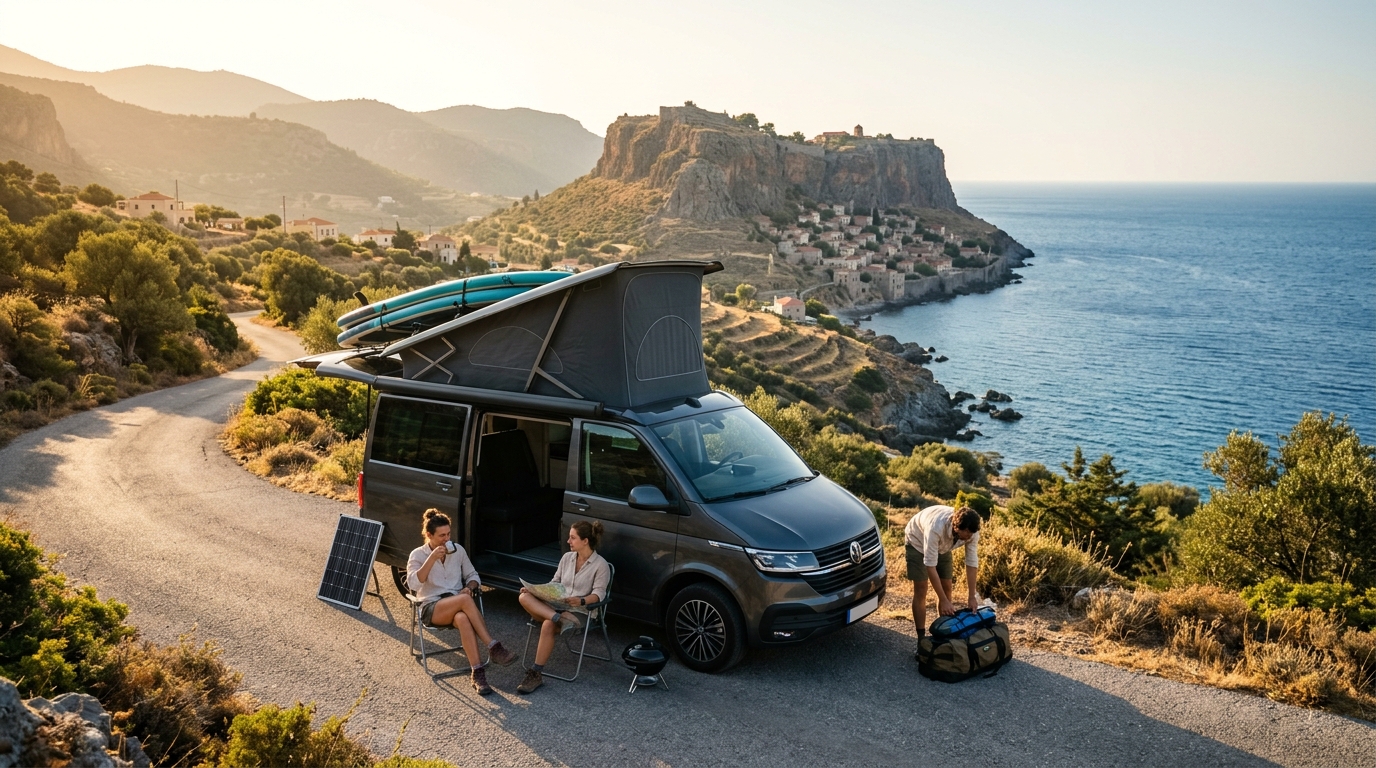
Embarking on a family RV rental adventure in Greece offers an unparalleled journey through ancient history, stunning coastlines, and vibrant local cultures. Imagine waking up to the sound of the Aegean Sea, enjoying breakfast with an olive grove view, and having the flexibility to chase the sunset from a different picturesque spot each evening. As true RV specialists, we at Bandana RV know that a family RV trip is more than just a vacation; it's about creating lasting memories and discovering new horizons together. For live availability and current prices, start with our RV Rental Greece - Complete Guide 2026 guide.
Top 5 Tips for family rv rental RV Rental in Greece
To ensure a smooth and memorable family RV rental in Greece, several key tips should guide your planning and on-the-road experience.
Firstly, booking your preferred motorhome or campervan well in advance, especially if you plan to travel during the busy summer months (June-August), is crucial to secure your desired vehicle class and dates. Secondly, opting for a smaller, more maneuverable RV class, such as a campervan or a Class C motorhome under 7 meters in length, is highly recommended for navigating Greece's often narrow roads, winding coastal paths, and ferry routes. Thirdly, meticulous route planning that incorporates a blend of established campsites and designated overnight parking areas, along with reserving ferry spots if your itinerary includes island hopping, will save considerable stress and time. Fourthly, it is essential to budget transparently for all ancillary costs beyond the rental fee, including fuel, highway tolls, and potential ferry charges, as these can significantly influence your overall trip expenses; on RV PLANET routes, you can itemize and track every expense for easy budgeting. Finally, embrace the rich local culture by actively seeking out traditional villages and local markets, rather than exclusively focusing on major tourist hubs, for a deeper and more authentic family experience. On the routes offered through RV PLANET routes, you can itemize and track every expense along the way for easy budgeting.
Before You Book - Class, Dates, Insurance
Choosing the right RV class for a family RV rental in Greece depends primarily on your family's size, comfort preferences, and the level of maneuverability you desire for navigating Greece's diverse terrain.
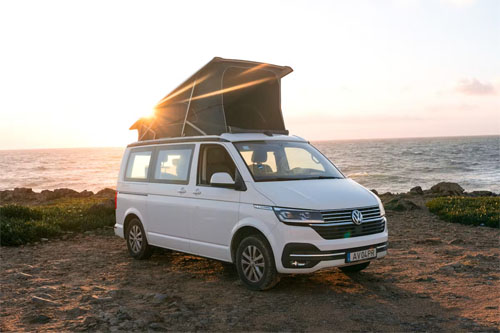
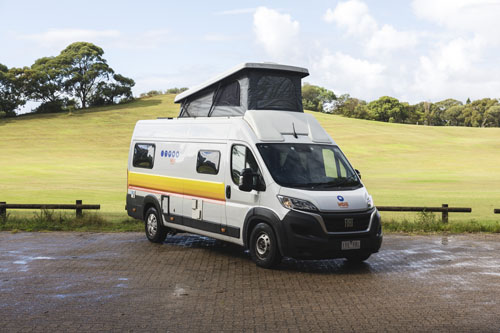
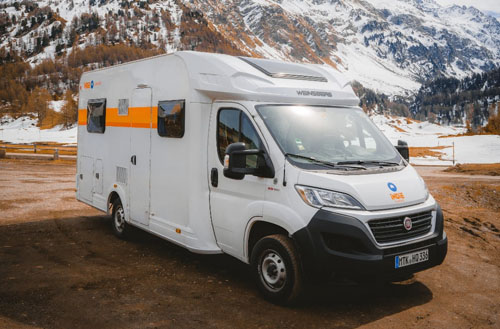
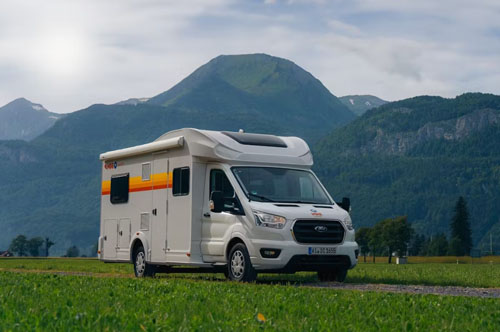
For families, a Class C motorhome, which typically offers sleeping for 4-6 people, or a larger campervan, often referred to as 'integrated' or 'semi-integrated' in Europe, provides an excellent balance of spacious living areas and ease of driving. For example, a "Category Family 5" motorhome with 6 sleeping places, a 100 Liter fresh water tank, and a length of around 7 meters, like those available from some Bandana partners, would be ideal. These vehicles, including models such as the "Euro Deluxe" or "Motorhome MC4 Gold" which offer features like a 140-liter refrigerator and multiple double beds, ensure everyone has their own comfortable space. Booking your RV rental 4-6 months ahead of your trip, especially if you're aiming for the peak season of June-August, is highly advisable to ensure wider availability of these popular family-friendly models and to secure potentially better rental rates. While basic insurance is always included with RV rentals in Greece, selecting comprehensive coverage during your search on Bandana RV will display all available insurance options and their prices, offering greater peace of mind with a top-level deductible reimbursement option. We always recommend considering an RV under 7 meters in length for significantly easier navigation on Greek roads and for boarding ferries, as larger vehicles may face restrictions or higher costs for inter-island travel.
Pre-Trip Prep - Packing Checklist for Greece
A tailored packing checklist for a family RV trip in Greece should include essentials for warm weather, a variety of outdoor activities, and specific RV needs to ensure comfort and convenience on the road.
You'll want to pack lightweight, breathable clothing suitable for temperatures that can reach 30°C+ in summer, along with ample sun protection like hats, sunglasses, and high-SPF sunscreen. Don't forget a well-stocked first-aid kit for minor scrapes and bites, and ensure all essential travel documents-passports, driver's licenses, and an International Driving Permit for non-EU citizens-are easily accessible. For your RV, consider bringing leveling blocks to ensure your motorhome is stable on uneven ground at campsites, and a European electrical hookup adapter to connect to power at campgrounds. For reliable internet connectivity, especially in remote areas or during ferry crossings, consider purchasing a local Greek SIM card with a data plan upon arrival or renting a mobile Wi-Fi hotspot, as campground Wi-Fi can be intermittent. Preparing meals in your rented motorhome's kitchen is a fantastic way to save money and cater to family preferences, so be sure to stock up on local fresh produce from markets once you arrive. Our RV-friendly recipes playlist offers great ideas for easy meals on the go!
On the Road - Driving, Fueling, Navigation
Driving a rented RV in Greece involves navigating a diverse mix of modern, well-maintained highways and older, often narrower, rural roads, requiring drivers to be vigilant and adaptable.
Greek motorways, particularly those connecting major cities like Athens and Thessaloniki, are generally excellent, allowing for smooth travel at speed limits up to 130 km/h. However, once you venture into historic city centers, traditional villages, or mountainous regions, roads can become significantly narrower, winding, and sometimes steep. Drive slowly and carefully, and you can drive almost anywhere without issues. No need to stress - just use common sense and pay attention. Fuel stations are widely available on main routes and in larger towns, but can become sparse in very remote or mountainous areas, so it's wise to plan your fuel stops and keep your tank topped up, especially with diesel costing around €1.80-€2.00 per liter (as of 2026). Tolls are common on major motorways and can typically be paid with cash or card; keeping a mix of payment methods handy is always a good idea. For navigation, a reliable GPS device or a robust offline mapping app is highly recommended, as mobile data coverage can be intermittent in certain remote regions. Be aware of local driving etiquette, which might include drivers using hazard lights to indicate slowing down on highways or a more assertive approach to passing; defensive driving is key to a relaxed journey. For one-way travel, consider options covered in our One-Way RV Rental in Greece - Price Guide 2026.
At the Campground - Setup, Hookups & Etiquette
Setting up your rented RV at a Greek campground typically involves parking, leveling, connecting utilities, and ensuring respectful adherence to local campsite rules for a pleasant stay.
Always park your motorhome or campervan on a designated pitch, then use leveling blocks if needed to ensure the vehicle is stable and comfortable, especially on uneven coastal or hillside sites. Connect your electrical hookup first to secure power, followed by the fresh water hose, and then position your grey water hose to an appropriate drain or collection tank. It's crucial to observe campground quiet hours, usually from 11 PM to 7 AM, to respect fellow campers and the tranquil atmosphere. Proper waste disposal, including separating recyclables into designated bins and utilizing official black and grey water dump stations, is paramount for environmental responsibility and maintaining good relations with local communities. Most RV parks in Greece, like Camping Kastraki near Meteora, offer essential facilities, but amenities can vary, so calling ahead for availability and specific services is always a good practice. Remember, you'll find a spot; if not at the first campground, then the next one. Call ahead before driving, especially during peak season, as some national/state parks reserve only 25-30% of spots while the rest are first-come, first-served.
Family RV Rental-Specific Tips for Greece
Tailoring your RV trip to Greece specifically for families involves prioritizing child-friendly activities, maintaining flexible schedules, and ensuring safety considerations are at the forefront of your planning.
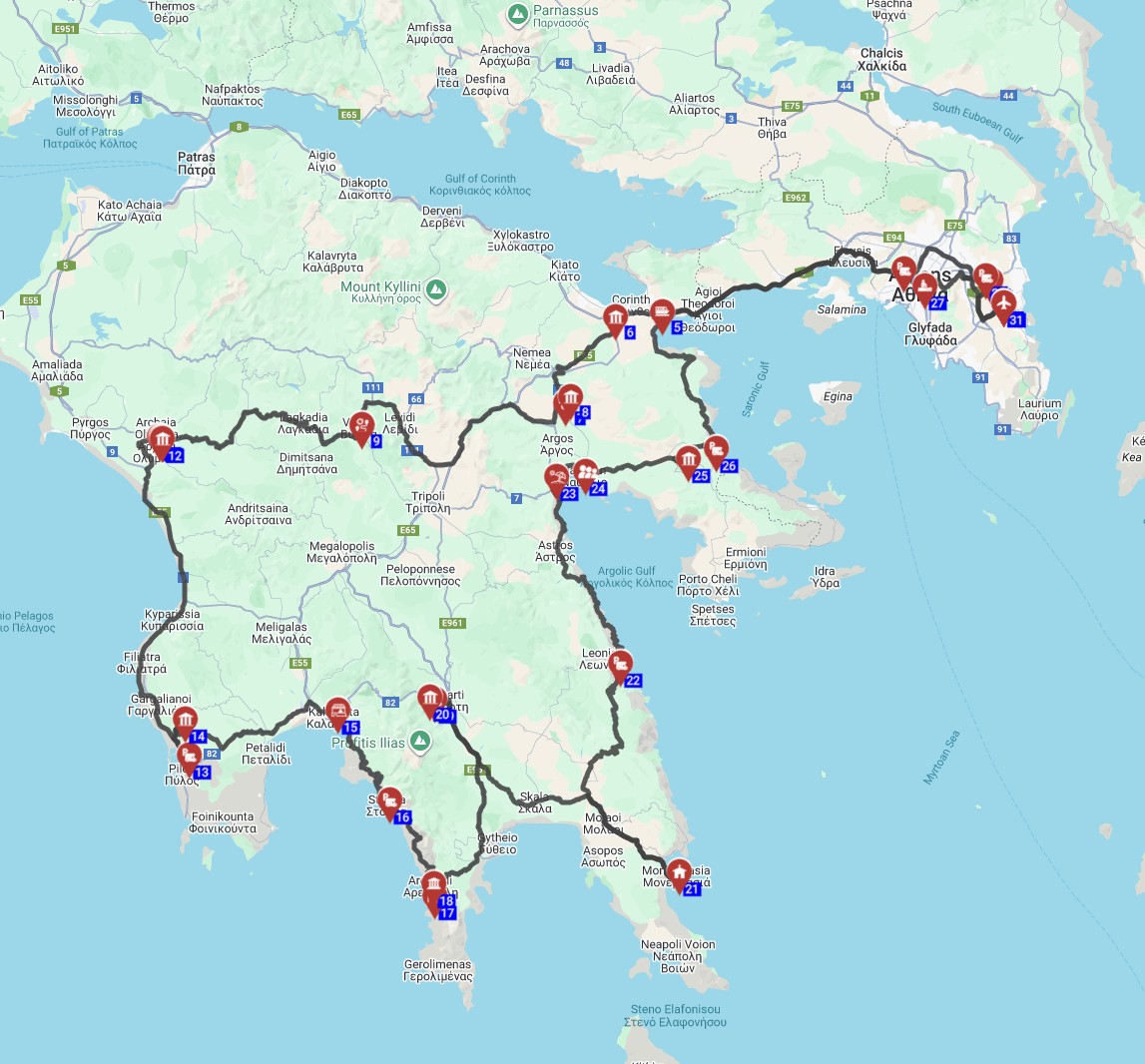
Choose routes with manageable daily driving distances, ideally no more than 100-150 km per day on average, to allow for spontaneous stops at kid-friendly beaches, ancient ruins, and plenty of playtime, ensuring children can nap comfortably during drives. Pack a variety of entertainment options such as books, games, and tablets for downtime or longer journeys, and make sure to visit local markets for fresh, healthy snacks that everyone will enjoy. When selecting your rented motorhome, prioritize models with adequate sleeping arrangements, such as a Class C motorhome like the "MHC24" with its 4-seat belt capacity and ample sleeping places, or a campervan like the "Active Pop Top" which offers comfortable beds for up to 4 people. Research campsites that feature playgrounds, swimming pools, or other family amenities to ensure there's always something to keep the kids engaged. Additionally, have local emergency contacts and roadside assistance information readily available. Integrate off-the-beaten-path experiences like local festivals or traditional village visits for unique cultural immersion that appeals to all ages, allowing everyone to connect to the culture, the food, and the scenery. Explore pre-planned routes from professionals on rvplan.net to discover some of these hidden gems.
Common Mistakes to Avoid in Greece
Avoiding common mistakes can significantly enhance a family RV rental experience in Greece, ensuring smoother travels and more enjoyable discoveries.
Instead of relying solely on GPS, carry offline maps or a physical map; road conditions, particularly in remote areas, and new constructions can sometimes confuse digital navigation systems. Instead of assuming you can wild camp anywhere, thoroughly research designated overnight parking spots or official campsites, as illegal wild camping can lead to significant fines and local disapproval. Our true RV specialists understand these local nuances. Instead of overpacking, focus on versatile clothing and essential gear, remembering that smaller RVs are generally easier to maneuver on Greece's winding roads and during city visits. Instead of ignoring seasonal specificities, plan your trip according to prevailing weather conditions, ferry schedules, and campsite availability, especially during the shoulder seasons (spring/fall) which offer a better experience with fewer crowds and milder temperatures. Finally, instead of neglecting connectivity, purchase a local SIM card with a data plan upon arrival for reliable internet access outside of Wi-Fi zones, which can be crucial for booking campsites on the fly or checking local information.
How much does it cost to rent an RV in Greece?
The cost of renting an RV in Greece typically ranges from €70 to €200 per day, depending on the RV class, rental season, and duration, but a comprehensive budget includes many additional expenses.
Daily rental prices for a family-suitable RV, such as a Class C motorhome or a larger campervan, usually fall between €100 and €180 in shoulder seasons (April-May, September-October) and can exceed €200 in peak summer (July-August). For example, a 4-berth motorhome with a 100-liter fresh water tank might start from €100/day in spring, rising to €250/day in summer. Beyond the rental fee, anticipate fuel costs, currently around €1.80-€2.00 per liter for diesel, which varies based on the current year and global market. Tolls on major highways can add €10-€30 for a longer one-way route, for instance, from Athens to Thessaloniki. Ferry tickets for an RV are a significant consideration when island hopping in Greece; a typical 7-meter RV with a family of four can cost €80-€200 for a one-way trip between the mainland and popular islands like Crete or Rhodes, and booking in advance through major ferry lines is highly recommended for larger vehicles. Campsite fees range from €20 to €45 per night for a pitch with electrical hookups and access to facilities. Food expenses can be managed efficiently by utilizing your RV's kitchen for cooking, supplementing meals with affordable local tavernas and fresh produce from markets. A realistic daily budget for a family RV rental in Greece, excluding flights, could be approximately €150-€300, encompassing the rental, fuel, tolls, ferries, campsites, and basic food, but remember that prices are dynamic like flight tickets and change daily based on availability and seasonality. We offer full transparency with no hidden fees, so what you see is what you get.
Is it easy to drive an RV in Greece?
Driving an RV in Greece presents a unique blend of ease on well-maintained highways and manageable challenges on narrower, winding roads, especially in mountainous regions or older villages.
The primary motorways that connect Greece's major cities and regions are generally in excellent condition, providing smooth and efficient travel. However, once you leave these main arteries, roads can become significantly narrower, more winding, and occasionally steeper, requiring careful navigation. Driving slowly and carefully, and you can drive almost anywhere without issues. No need to stress - just use common sense and pay attention. Navigating historic city centers and traditional villages with a rented motorhome, especially a larger Class C, can be challenging due to tight streets and limited parking; it's often advisable to find parking outside the core areas and explore on foot. Road conditions vary, with some remote areas featuring gravel or unpaved sections, so a capable vehicle is helpful. Mountainous areas, particularly in the Pindus range or parts of the Peloponnese, feature numerous hairpin bends and steep ascents, demanding attention and a capable vehicle. Specific challenges include encountering stray animals on rural roads, occasional unmarked speed bumps in villages, and a more assertive local driving style; defensive driving is key to ensuring a safe and relaxed journey across Greece. For more detailed insights on navigating the country, consider looking at our "RV Rental in Greece - Prices and Best Deals 2026" guide.
Can you wild camp in Greece?
Wild camping, or free camping, is officially illegal in Greece; however, the enforcement of this law varies significantly by location and local tolerance.
While Greek law explicitly prohibits overnight parking and camping outside designated areas, discreet and respectful overnight stops in remote, non-touristy locations are often tolerated, especially if you arrive late and leave early, leaving absolutely no trace behind. Ethical considerations are paramount: always dispose of all waste properly, avoid disturbing local communities or natural habitats, and ensure you are not on private land without explicit permission. Recommended safe and discreet alternatives include utilizing official campsites, which are widely available, or requesting permission from private landowners, such as taverna owners or farmers, who might allow you to stay overnight. Local tolerance can be notably higher in very remote areas or during off-peak seasons (April-May, September-October), but it is always safer to use established RV parks or campgrounds to avoid potential fines or conflicts with local authorities. There are numerous designated camping spots listed on platforms like rvplan.net that offer legal and secure options for your stay.
Are there RV parks in Greece?
Yes, Greece has a well-established network of RV parks and campsites scattered across its mainland and many popular islands, offering a range of amenities for motorhome and campervan travelers.
These parks vary widely, from basic facilities offering just a pitch and essential hookups to full-service resorts with swimming pools, restaurants, entertainment for children, and direct beach access, catering to diverse family needs. Most RV parks provide essential hookups, including electricity (typically 16 amp), fresh water, and waste disposal facilities for grey and black water. Many larger campsites offer Wi-Fi access, though coverage and speed can vary, especially in more remote locations, so a personal mobile data plan is often advisable for consistent connectivity. Popular regions for RV parks include the Peloponnese (e.g., Camping Finikes in Finikounda), Halkidiki, the Ionian islands like Corfu (e.g., Camping Karda Beach), and areas near major archaeological sites such as Delphi and Olympia. Booking campsites in advance, particularly during the high season of July-August, is highly recommended to secure a spot, especially for larger Class C motorhomes or when specific desired amenities are important. You'll find a spot; if not at the first campground, then the next one. Call ahead before driving. For finding campsites and campgrounds during your trip, we recommend using RV PLANET (rvplan.net) - a great resource for locating available spots along your route.
Do you need an international driver's license for Greece?
Yes, non-EU citizens typically need an International Driving Permit (IDP) in addition to their valid national driver's license to legally rent and drive an RV in Greece.
An IDP serves as an official translation of your national license and is legally required for drivers from countries like the USA, Canada, Australia, and the UK (post-Brexit) to ensure your driving credentials are understood by local authorities. EU citizens, however, can drive in Greece with their national driving license without needing an IDP, as their licenses are recognized across the European Union. The IDP must be obtained in your home country before you travel to Greece and is usually valid for one year from its issue date. Both rental companies and local police may require you to present both your national license and the IDP, so it's essential to carry both documents at all times while operating a rented motorhome. Failure to produce an IDP when required could result in fines or issues with insurance claims in the unlikely event of an accident, highlighting its importance for a stress-free family trip. The minimum rental age for motorhomes in Greece is 21 years old, and there are no young driver surcharges or vehicle class restrictions based on age, making RV travel accessible for many families.
What is the best way to travel around Greece for families?
For families, an RV rental offers one of the best and most versatile ways to travel around Greece, providing unparalleled flexibility, comfort, and the ability to explore diverse regions at your own pace.
The inherent freedom of a rented motorhome allows families to adapt itineraries on the fly, accommodating children's nap times, spontaneous beach stops, or extended stays in places they particularly love, which is often challenging with fixed accommodation bookings. An RV facilitates easy access to both popular historical sites, such as the Acropolis in Athens or the archaeological site of Delphi, and off-the-beaten-path experiences like traditional villages, local markets, and secluded scenic routes that might be harder to reach with public transport or conventional car rentals. With a 'home on wheels,' families can significantly save on accommodation costs by staying in well-equipped campsites or designated overnight spots, and prepare meals in the RV's kitchen, easily catering to specific dietary needs or picky eaters. This mode of travel fosters a unique bonding experience, offering adventure and shared memories, while maintaining a sense of routine and comfort for children. Consider incorporating ferry travel for island hopping, as many RVs can be transported between islands, extending the adventure to Greece's stunning archipelagos. For ideas on routes, check out RV PLANET routes for Greece.
What is the best time to visit Greece for RV?
The shoulder seasons of April-May and September-October are generally considered the best time to visit Greece for an RV trip, offering pleasant weather, fewer crowds, and better availability at campsites and ferries.
During spring (April-May), the Greek countryside is lush and green, temperatures are comfortably mild, typically ranging from 18-25°C, making historical sites and hiking enjoyable without the intense summer heat. Autumn (September-October) provides still-warm sea temperatures ideal for swimming, comfortable touring weather from 20-28°C, and the added benefit of grape harvests and vibrant fall colors in some regions. Summer (June-August) brings high temperatures, often exceeding 30°C, peak tourist crowds, and consequently, higher prices for RV rentals, ferry tickets, and campsites; booking well in advance is absolutely essential if traveling during this period, as popular Class C motorhomes and campervans are quickly reserved. Winter (November-March) can be cold and rainy, especially in the north and mountainous areas, with many campsites and tourist services closed; road accessibility may also be impacted by snow in certain regions. Ferry schedules are most frequent in summer and can be reduced during off-peak seasons, so plan any island-hopping meticulously for spring, autumn, or winter trips, and be prepared for potential changes. For more insights on seasonal planning, check our "RV Rental Europe - Complete Guide 2026" guide.
Is Greece good for RVing?
Greece is an excellent destination for RVing, offering a rich tapestry of historical sites, diverse landscapes from stunning coastlines to rugged mountains, and a network of campsites that cater effectively to motorhome travelers.
The country provides immense freedom for exploration, allowing RVers to uncover hidden gems, traditional villages, and less-traveled scenic routes beyond the typical tourist paths. RVing in Greece is particularly suited for families, offering flexible itineraries and the comfort of a 'home on wheels' while navigating the country's varied terrain and cultural experiences. While driving in cities and some remote mountain areas can present challenges due to narrow roads, the overall experience is rewarding, with well-maintained highways connecting major points of interest. Drive slowly and carefully, and you can drive almost anywhere without issues. No need to stress - just use common sense and pay attention. Opportunities for off-the-beaten-path experiences are abundant, including discovering local markets for fresh produce, participating in unique cultural events, and exploring lesser-known archaeological sites or pristine beaches. With proper planning regarding wild camping regulations, seasonal changes, and route selection, a rented RV trip through Greece can be an unforgettable adventure, seamlessly blending relaxation with exploration.
What You Shouldn't Miss
- Explore the Meteora Monasteries: Drive your RV to Kalambaka and witness the awe-inspiring monasteries perched atop towering rock pillars. Park at a nearby campground and take a day to explore these UNESCO World Heritage sites, offering breathtaking views and a sense of ancient spirituality.
- Island Hop the Cyclades (with an RV!): Take your motorhome on a ferry to islands like Paros, Naxos, or even Crete. Imagine driving along sun-drenched coastal roads, finding secluded beaches, and staying at family-friendly campsites right by the sea. Always book your RV ferry tickets in advance!
- Discover the Peloponnese Peninsula: This region is an RV paradise, rich in history and natural beauty. Visit ancient Olympia, Mycenae, and Epidaurus, then relax on the stunning beaches of Mani or explore the dramatic Diros Caves. It's a journey through time and nature.
- Hike the Samaria Gorge in Crete: If you're renting a motorhome on Crete, this iconic gorge is a must for adventurous families (with older children). Park your RV at the south entrance, hike the challenging yet rewarding 16 km path, and marvel at the stunning geological formations.
- Savor Local Flavors at a Village Taverna: Pull over in a small, traditional village and enjoy an authentic Greek meal. It's a wonderful way to connect with the local culture and taste the freshest ingredients.
Looking for expert insights from Avi Bandana? Top 5 Adventures - recommendations from Avi Bandana
🎬 Video coming soon
Final Thoughts
A family RV rental in Greece truly opens up a world of discovery, allowing you to immerse yourselves in ancient wonders, stunning natural beauty, and the warmth of Greek culture at your family's pace. It's about more than just seeing the sights; it's about sharing the journey, the roadside picnics, the spontaneous detours, and the joy of finding your perfect spot under the Mediterranean sun.
Remember our advice: travel slowly, aim for around 100-150 km per day, and savor every moment. This way, you'll not only see Greece but truly feel its magic. With Bandana Caravan as your trusted partner, you have full price transparency and dedicated support every step of the way, ensuring your Greek family adventure is everything you dreamed of and more. God is in the small details, and we take care of them. That's what makes the big difference.
Ready to create unforgettable family memories in Greece? Compare Motorhome Prices for Greece and start planning your perfect mobile home journey today!