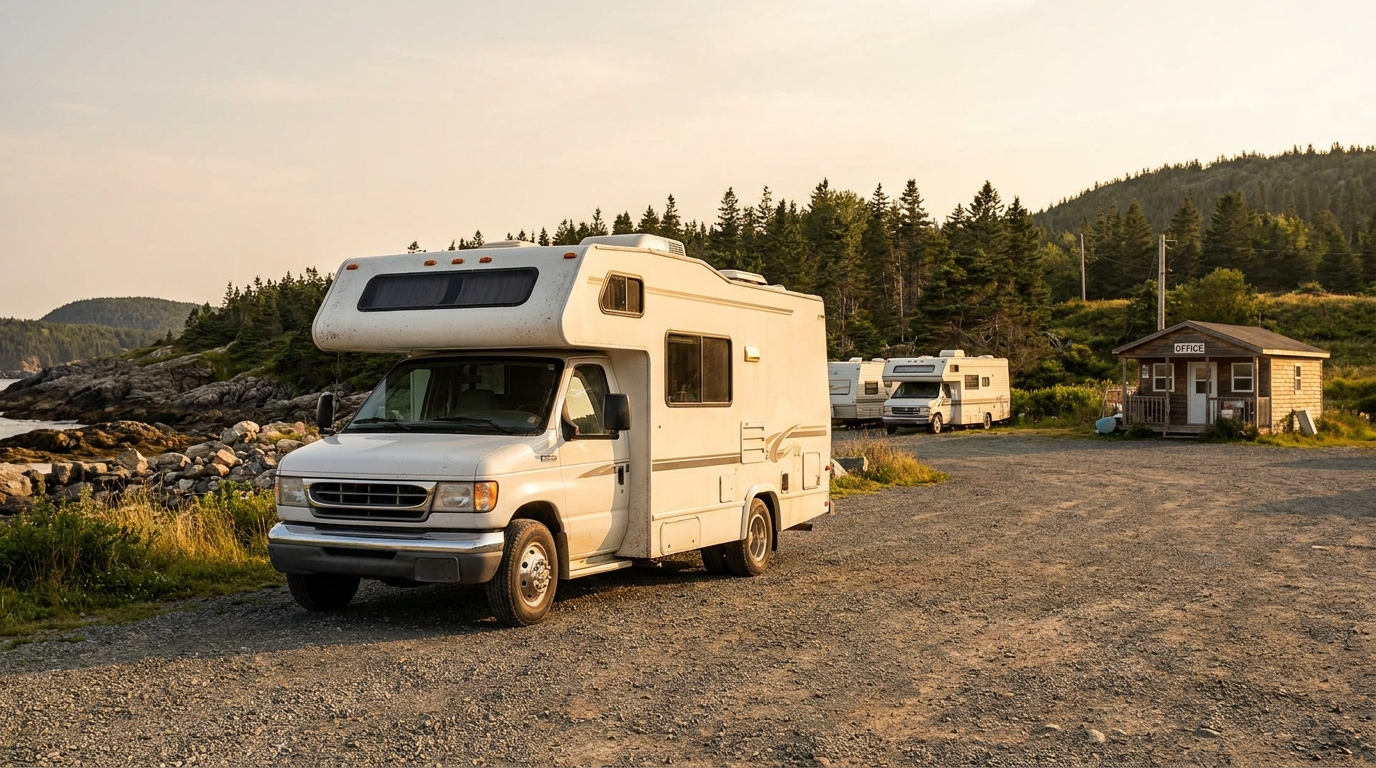
In This Guide
- Top 5 Tips for family rv rental RV Rental in East Canada
- Before You Book - Class, Dates, Insurance
- Pre-Trip Prep - Packing Checklist for East Canada
- On the Road - Driving, Fueling, Navigation
- At the Campground - Setup, Hookups and Etiquette
- family rv rental-Specific Tips for East Canada
- Common Mistakes to Avoid in East Canada
- How much does it cost to rent an RV for a week in Canada?
- Can Americans RV in Canada?
- Can you rent an RV for a family road trip?
- What is the 3-3-3 rule for RVs?
- What do I need to know before renting an RV?
- Do I have to declare rental income from a family member in Canada?
- What You Shouldn't Miss
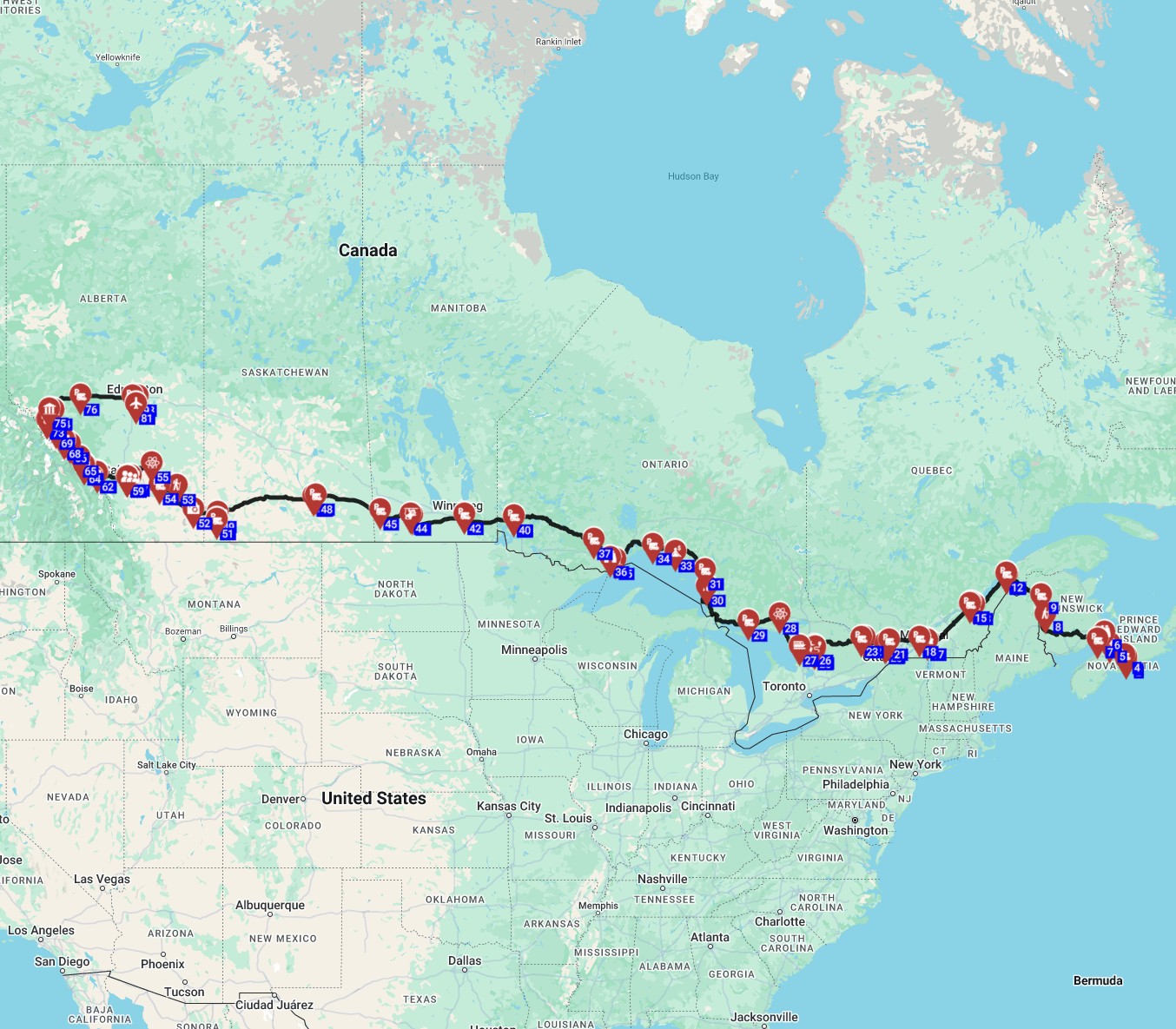
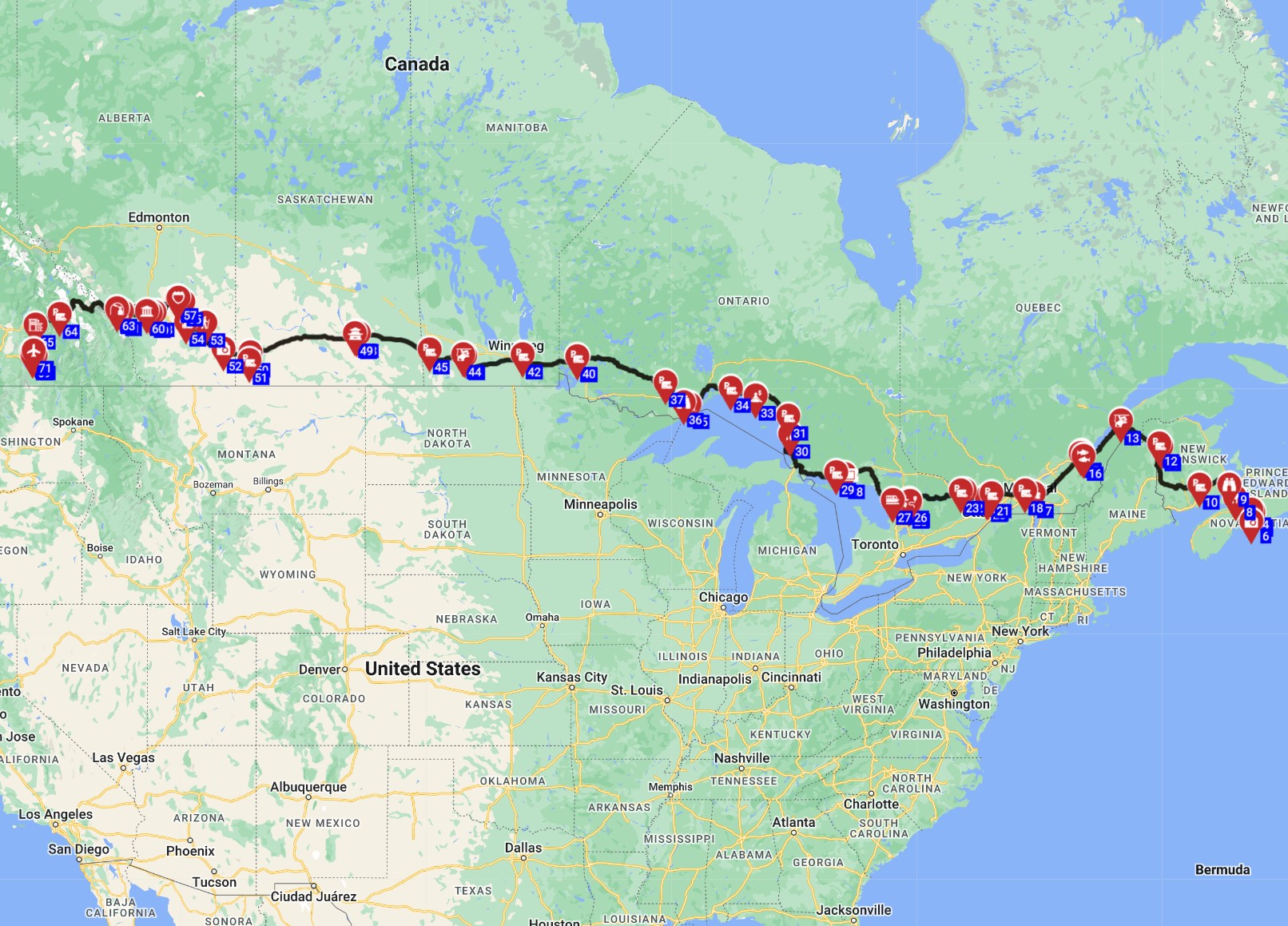
East Canada offers an incredible landscape for family RV adventures, combining rugged coastlines, historic cities, and charming small towns. Renting a motorhome or campervan here means unlocking unparalleled freedom to explore at your family's own pace, from the dramatic Bay of Fundy tides to the picturesque Cabot Trail.
For live availability and current prices, begin your planning with our RV Rental East Canada - Complete Guide 2026 for a detailed overview of everything you need to know about navigating this stunning region. Our aim at Bandana RV is to provide full transparency, so you'll encounter no hidden fees or surprises throughout your booking process, making your family's East Canada adventure stress-free from the start.
Top 5 Tips for family rv rental RV Rental in East Canada
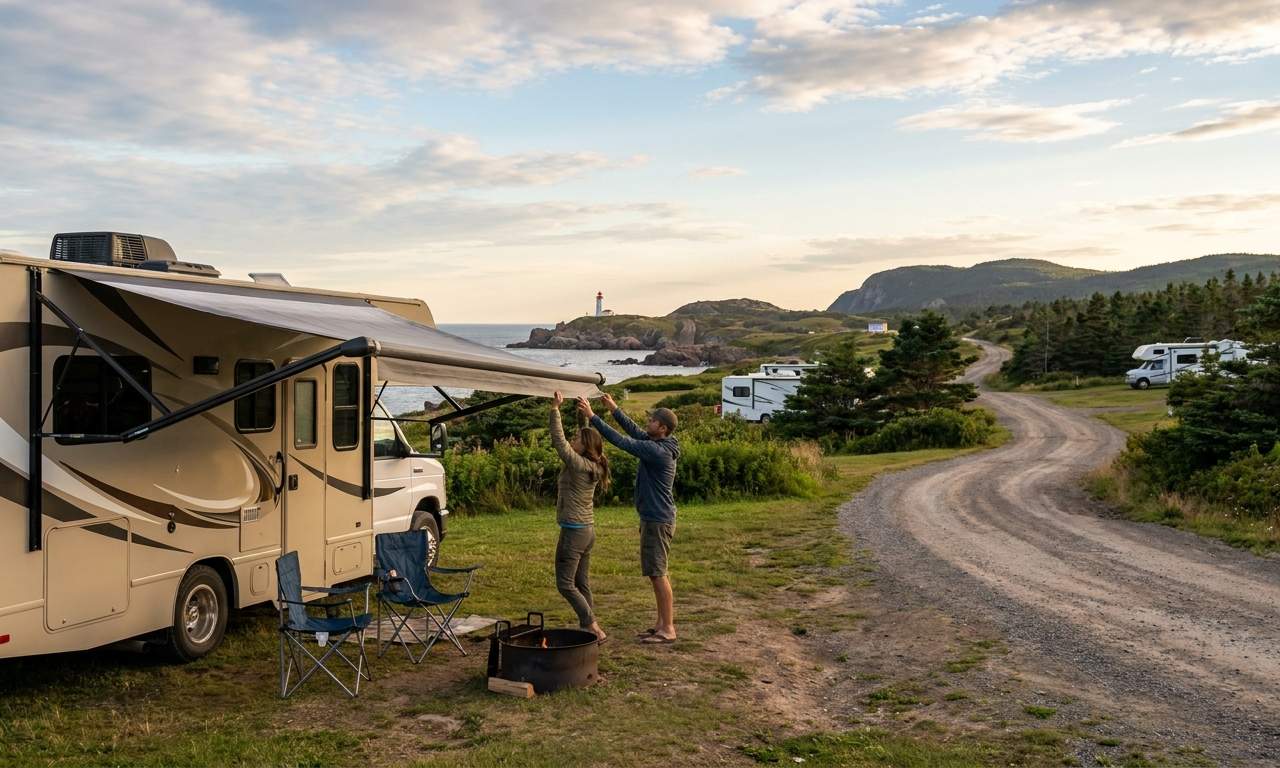
Navigating East Canada in a rented motorhome with your family becomes a seamless and enjoyable experience with these five essential tips. First, selecting an RV size appropriate for your family's comfort and East Canada's roads is key; while larger Class A motorhomes like the "Class A - Thor ACE 30" with 6-7 sleeping places offer ample space, a Class C RV provides a good balance for most families with its compact size and features like a 150-liter fresh water tank.
Second, booking popular campgrounds and essential ferries well in advance, especially for the peak summer months of July and August, is highly recommended to secure your preferred spots. Third, planning a flexible itinerary allows for spontaneous stops at hidden beaches or local festivals, letting your family truly connect with the culture, food, and scenery at a relaxed pace of about 100-150 km per day.
Fourth, being aware of East Canada's specific driving challenges, such as the winding roads of the Cabot Trail, occasional coastal fog, and frequent wildlife encounters like moose, is crucial for a safe journey. Lastly, packing layers and essential rain gear will prepare your family for East Canada's famously unpredictable coastal weather, ensuring comfort regardless of the forecast.
Before You Book - Class, Dates, Insurance
Before confirming your family RV rental in East Canada, several important considerations will shape your adventure, from vehicle selection to crucial insurance coverage. For families, Class C motorhomes or larger Class A RVs are popular choices due to their generous space and amenities, offering comfortable sleeping arrangements and a functional kitchen, such as the "MHC24" (7.3m length, 6 sleeping places) or a spacious "C-30" (9.1m length, 7 sleeping places) for bigger groups.
To secure the best selection and rates for your preferred dates, especially during peak season (July-August and the vibrant fall foliage period of September-October), it's highly recommended to book your rental motorhome 6 to 12 months in advance. While basic insurance is always included with your rental, it's wise to select comprehensive coverage during your search to fully understand all options. Consider additional protections like supplemental liability, collision damage waivers, and personal effects coverage to travel with maximum peace of mind; remember, top-level deductible reimbursement is an optional upgrade you can purchase for extra protection.
Bandana RV, as true RV specialists, is here to support you before, during, and after your booking, helping you compare final prices across 50+ suppliers worldwide, ensuring no hidden fees or surprises. If you are looking for specific pricing details, check out our "RV Rental in East Canada - Prices and Best Deals 2026" guide.
Pre-Trip Prep - Packing Checklist for East Canada
A well-organized packing list ensures your family enjoys maximum comfort and convenience during your East Canada motorhome adventure. Your rented RV typically includes essential kitchenware and basic linens, but personal items and specific gear are your responsibility. For clothing, pack diverse layers such as t-shirts, long-sleeved shirts, and sweaters, as East Canada's coastal weather can shift quickly from warm sun to cool breezes. Waterproof and windproof jackets are indispensable, alongside comfortable walking shoes, sandals, and rain pants, especially if you plan on hiking the numerous scenic trails.
In terms of provisions, reusable water bottles are environmentally friendly and practical, while non-perishable food items and your favorite spices ensure familiar meals on the road. Don't forget dish soap, sponges, dish towels, aluminum foil, plastic wrap, and storage containers for your onboard kitchen – preparing meals in your RV kitchen can be a delightful family activity. You can find inspiration and ideas for delicious meals in our RV-friendly recipes playlist.
Essential health and safety items include a well-stocked first-aid kit, insect repellent (crucial for mosquitoes and black flies in forested areas), sunscreen, and hats. Flashlights or headlamps are vital for campground navigation after dark. For navigation and entertainment, a portable charger for electronics is highly recommended, and downloading offline maps is a smart move as cellular service can be spotty in East Canada's remote regions. Lastly, ensure you have all critical documents, including your original driver's license (a standard car license is sufficient for all motorhome classes), RV rental agreement, insurance documents, passport/ID, health cards, and any pre-booked campground reservations.
On the Road - Driving, Fueling, Navigation
Driving a rented motorhome in East Canada offers breathtaking scenery but requires awareness of specific road conditions and logistical considerations. You should be prepared for winding roads, particularly on iconic routes like the Cabot Trail in Cape Breton Island, and be vigilant for coastal fog that can reduce visibility unexpectedly. Encounters with wildlife, especially moose, are common in many rural areas and require slow, careful driving, particularly at dawn and dusk. Remember, you can drive almost anywhere without issues; just use common sense and pay attention.
Fueling your RV requires foresight, especially when exploring more remote areas such as Newfoundland or northern New Brunswick, where gas stations can be scarce. It's a good practice to refuel when your tank is half-full to avoid unexpected shortages. For navigation, relying solely on cellular service is risky due to spotty coverage in East Canada's vast wilderness areas; therefore, downloading offline maps like those available through RV PLANET (rvplan.net) is invaluable, and a physical map serves as a reliable backup. For better internet connectivity solutions in remote areas, consider investing in a Wi-Fi booster or purchasing a local SIM card upon arrival, ensuring your family stays connected when needed. For tips on managing all your expenses, including fuel, explore RV PLANET routes, where you can itemize and track every cost.
At the Campground - Setup, Hookups and Etiquette
Setting up your rented motorhome at an East Canada campground is a straightforward process that becomes second nature after a few tries. Follow a systematic approach: first, position your RV carefully on the site, then ensure it's level using leveling blocks. Next, connect your electrical power, followed by your fresh water supply (always use a water pressure regulator). Finally, connect your sewer hose. Provincial and National Parks in East Canada, such as Fundy National Park or Kejimkujik National Park, offer rustic, nature-focused experiences with varying levels of hookups, while private campgrounds typically provide more amenities like full hookups, Wi-Fi, and laundry facilities.
Adhering to campground etiquette is essential for a pleasant experience for everyone. This includes respecting designated quiet hours, usually from 10 PM to 7 AM, observing all pet rules, and using generators only during specified times. Always check for local fire bans before starting a campfire, and ensure any fires are fully extinguished before leaving your site or going to bed; utilize designated waste disposal and recycling bins to keep the natural beauty pristine. Boondocking, or dispersed camping, regulations vary significantly by province and are generally restricted within National and Provincial Parks, so always consult local guidelines or park authorities if you plan to camp outside designated areas. To find available spots and detailed information about campsites and campgrounds during your trip, we highly recommend using RV PLANET (rvplan.net).
family rv rental-Specific Tips for East Canada
An RV adventure in East Canada is ideal for families, offering both comfort and endless opportunities for discovery. To maximize enjoyment with children, plan shorter driving days, ideally no more than 100-150 km, with frequent stops at playgrounds, accessible beaches, or family-friendly attractions to keep everyone entertained and prevent cabin fever. Choosing a rented motorhome or campervan with sufficient separate sleeping areas and a large bathroom and kitchen, such as a Class C model with bunk beds or a "Group G" (7 sleeping places) for a big family, significantly enhances family convenience and privacy.
East Canada abounds with kid-friendly activities. Explore accessible hiking trails in national parks like Prince Edward Island National Park, build sandcastles on the expansive beaches, or embark on exciting whale watching tours from towns like Tadoussac or Pleasant Bay. Utilizing the RV kitchen to prepare meals together not only saves money but also allows you to cater to specific dietary needs and provides a cozy family experience; you can find fantastic local ingredients, especially fresh seafood, to cook up delicious onboard dinners. Be mindful of seasonal nuances; while summer (July-August) is perfect for outdoor activities, fall offers stunning foliage but colder weather, requiring extra layers for outdoor play. Our "RV Travel Guide to East Canada - Tips and Top Spots 2026" offers more tailored recommendations for family fun.
Common Mistakes to Avoid in East Canada
Avoiding common pitfalls ensures a smoother and more enjoyable family RV rental experience in East Canada. A frequent mistake is over-scheduling your itinerary; instead, embrace flexibility and allow ample time for spontaneous discoveries, aiming for a leisurely pace of maximum 100-150 km per day. Another pitfall is underestimating travel times; account for slower speeds on East Canada's scenic, winding routes, frequent stops for photos, and potential ferry delays, especially for crossings to PEI or Newfoundland, which require booking well in advance.
Ignoring wildlife warnings is a significant error; be vigilant for moose and deer on roads, particularly at dawn and dusk, and always secure food properly at campgrounds to avoid attracting animals. Neglecting to book campgrounds, especially during peak seasons and for popular locations like those along the Cabot Trail, can leave you without a spot; while many parks hold 25-30% of sites for first-come, first-served, calling ahead is always wise. Lastly, relying solely on cell service for navigation in East Canada's remote areas is unreliable; download offline maps and consider alternative connectivity solutions to stay on track. For budget-conscious travel, explore "Cheap RV Rental in East Canada - Budget Guide 2026" which offers more tips on maximizing your value.
How much does it cost to rent an RV for a week in Canada?
A week-long RV rental in East Canada typically costs CAD $1,200 to over $3,500, with prices heavily influenced by the RV class, season, and included features. Smaller Class B campervans, like a "Combi Van" (4 sleeping places) are generally the most affordable, ranging from CAD $1,200 to $2,000 for a week, making them ideal for couples or small families. Family-friendly Class C motorhomes, such as the "MH-B" (6 sleeping places), usually fall within CAD $1,500 to $2,500 per week, offering more space and amenities.
Larger Class A motorhomes or luxury models like the "MHLUX" (7 sleeping places) can range from CAD $2,500 to $3,500 or more for a week, providing spacious living areas and premium comforts. Peak season, spanning July-August and the vibrant fall foliage months, sees the highest rental rates due to demand, while shoulder seasons (May-June, September-October) often offer better value and fewer crowds. Additional costs beyond the base rental include mileage packages, convenience kits (linens, kitchen supplies), generator fees (if applicable), extra drivers, and the optional top-level deductible reimbursement for comprehensive insurance. For weekly rental cost breakdowns, you can refer to our "Weekly RV Rental in East Canada - Pricing 2026" guide. Booking 6-12 months in advance can significantly secure better rates and a wider selection for your 2026 travel plans. On the routes offered through RV PLANET routes, you can itemize and track every expense along the way for easy budgeting.
Can Americans RV in Canada?
Yes, U.S. citizens can absolutely travel by rented RV in Canada for tourism purposes, requiring a valid passport and adherence to Canada's border entry requirements. When driving a US-registered RV, it's crucial to confirm that your existing U.S. RV insurance policy extends to Canada; carrying proof of coverage, sometimes referred to as a "yellow card," is recommended by some insurers, so check with your provider well in advance.
At the border, you must declare all goods you are bringing into Canada, as certain food items, particularly fresh produce, meats, and dairy, are subject to restrictions to prevent the spread of pests and diseases. Pets require valid rabies vaccination certificates and clear identification for entry into Canada. U.S.-registered RVs for temporary visits generally meet Canadian safety standards without issue. The "10-year rule" often mentioned applies to the *permanent importation* of vehicles into Canada, not to temporary tourism, so it's not a concern for your RV rental vacation. For cross-border logistical insights, our "RV Rental USA - Complete Guide 2026" also provides general information useful for planning.
Can you rent an RV for a family road trip?
Renting an RV is an excellent choice for family road trips, providing a unique blend of comfort, flexibility, and mobile amenities in East Canada. Imagine waking up to a different scenic view every morning without the hassle of packing and unpacking luggage at multiple hotels. RVs offer ample living, sleeping, and dining space, eliminating the need for separate hotel rooms and keeping the family together.
The onboard kitchen, equipped with a refrigerator, stove, and sink (like those found in a "Group I" motorhome with its 103-liter fridge and 3-burner stove), allows for convenient and cost-saving meal preparation, easily accommodating any dietary needs your family might have. This also provides the flexibility to set your own pace, stopping whenever a picturesque spot or a kid-friendly attraction catches your eye, truly exploring East Canada's diverse destinations. The wide variety of RV classes, from compact campervans ideal for smaller families to large Class C motorhomes with bunk beds (e.g., "Family Sleeper (FS)" for big families), ensures there are options to suit different family sizes and budgets. Discover top destinations and planning tips to make your family RV trip unforgettable!
What is the 3-3-3 rule for RVs?
The "3-3-3 rule" is a popular guideline suggesting that RV travelers drive no more than 300 miles (approximately 480 km) in a day, arrive at their destination by 3 PM, and ideally stay for at least 3 nights to ensure relaxed and enjoyable travel. While this rule is a fantastic starting point, its application in East Canada benefits from slight adjustments due to the region's unique geography and road conditions.
For East Canada, the "300 miles" aspect might be better interpreted as limiting daily driving to 3-4 hours or 150-200 miles (240-320 km) on average, especially given the slower speeds on incredibly scenic, winding routes like the Cabot Trail in Cape Breton or the coastal highways of Newfoundland. Arriving by 3 PM remains an excellent practice, as it allows ample time to set up your rented motorhome, explore the campground, and relax before evening. Staying for at least 3 nights encourages deeper exploration of destinations like Cape Breton Island, Prince Edward Island, or the Bay of Fundy, reducing the stress of constant movement and allowing your family to fully immerse in the local culture and attractions. Remember, the 3-3-3 rule is a flexible guideline; adapting it to East Canada's diverse road conditions and unique attractions will enhance your family's experience.
What do I need to know before renting an RV?
Before embarking on your family RV rental adventure, several key steps ensure a smooth and informed booking process. First, research different RV classes, such as Class B campervans, Class C motorhomes, or larger Class A models, to find one that perfectly suits your family's size and comfort preferences for East Canada. Understand all potential rental costs, which are dynamic like flight tickets, including the base rental fee, any mileage packages, optional add-ons like convenience kits or bike racks, and cleaning or dumping policies. Prices can vary daily based on availability and seasonality.
Review insurance options thoroughly, clarifying what basic coverage is included and if additional comprehensive coverage, like top-level deductible reimbursement, is recommended for your peace of mind. Ensure your standard car driver's license is valid and that you meet the rental company's minimum age requirements, which is typically 21 years old across our partner suppliers, with no young driver surcharges or vehicle class restrictions based on age. At pickup, pay close attention during the RV familiarization tour to learn about its systems, including water, power, and waste. Finally, carefully read the entire rental agreement for details on cancellation policies, security deposits, and roadside assistance. Planning your East Canada route, estimating fuel costs using RV PLANET routes, and making campground reservations well in advance will greatly contribute to a seamless trip.
Do I have to declare rental income from a family member in Canada?
In Canada, individuals who own an RV and rent it out, even to a family member, are required to declare all rental income to the Canada Revenue Agency (CRA) for tax purposes. This rule applies to any money earned from renting out property or an asset. Bandana RV, however, focuses exclusively on helping travelers *rent* RVs for vacation, not on providing advice for RV ownership or personal rental income. Therefore, this tax obligation is relevant to RV owners who are acting as landlords, not to those who are renting an RV from a commercial company for a trip.
For RV owners, eligible expenses directly related to earning the rental income, such as insurance, maintenance, and a portion of fuel, can typically be deducted, so maintaining detailed records is important. If an RV is rented to a family member below its fair market value, the CRA may limit the amount of expenses that can be deducted to the amount of rental income actually earned. This specific tax information pertains to the obligations of an RV owner generating income, and is not applicable to travelers simply renting a motorhome or campervan for their East Canada vacation.
What You Shouldn't Miss
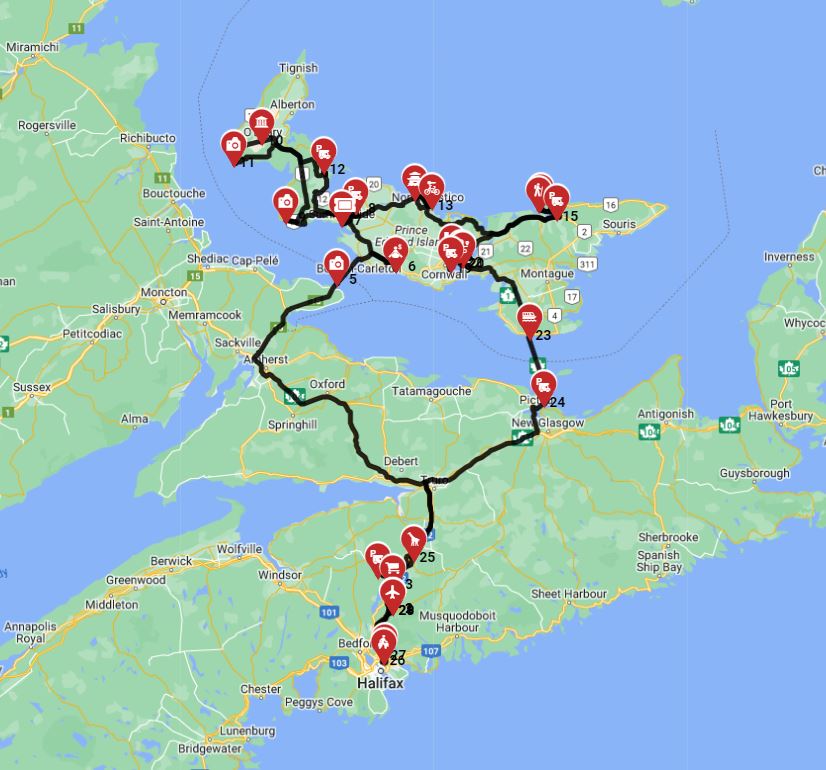
- **Cabot Trail, Cape Breton Island:** Drive one of the world's most scenic routes, winding through the Cape Breton Highlands National Park with coastal vistas and charming Acadian villages. It's especially stunning in October for fall foliage.
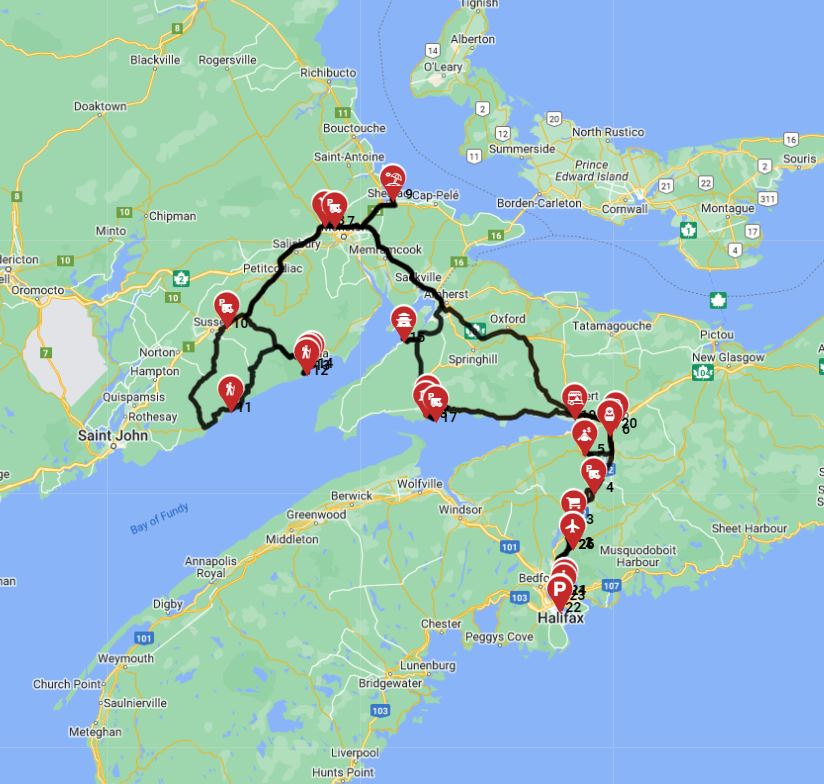
- **Bay of Fundy, New Brunswick & Nova Scotia:** Witness the planet's highest tides, which rise and fall by over 50 feet. Explore the Hopewell Rocks at low tide and kayak or stand-up paddleboard at high tide.
- **Prince Edward Island:** Cross the Confederation Bridge (free entry, fee to exit) to discover Anne of Green Gables' home, red sand beaches, and delicious seafood. Many RV-friendly campgrounds dot the coastline.
- **Gros Morne National Park, Newfoundland:** A UNESCO World Heritage site offering dramatic fjords, ancient mountains, and unique geological formations like the Tablelands. Allow at least 3-4 days to fully explore with your rented RV.
- **Whale Watching:** Join a tour from numerous coastal communities across East Canada, including Tadoussac, Pleasant Bay, or the Bay of Fundy, to spot humpbacks, fin whales, and minke whales, especially from July to September.
- **Lighthouses of Nova Scotia:** Drive along the South Shore to visit iconic lighthouses like Peggy's Cove, often with RV-friendly parking and picturesque coastal access.
🎬 Video coming soon
Looking for expert insights from Avi Bandana? Top 5 Adventures — recommendations from Avi Bandana.
Final Thoughts
Embarking on a family RV rental adventure in East Canada is an experience that promises cherished memories, incredible sights, and the unparalleled freedom of the open road. By embracing the flexibility, planning for unique regional challenges, and utilizing a reliable platform like Bandana RV for your booking, you're setting the stage for an unforgettable journey.
Remember that the key to a fantastic RV trip in this stunning region is to travel slowly, savoring every moment, every local interaction, and every breathtaking landscape. We handle the details, so you can truly live the journey, supported by our comprehensive service from day one until your booking is confirmed.
Ready to plan your family's ultimate East Canada road trip? Discover top destinations, planning tips, all in one place! Find family rv Rentals in East Canada and compare motorhome prices now to find the perfect rental for your adventure!