In This Guide
- Top 5 Tips for Family RV Rental in Central South US
- Before You Book - Class, Dates, Insurance
- Pre-Trip Prep - Packing Checklist for Central South US
- On the Road - Driving, Fueling, Navigation
- At the Campground - Setup, Hookups & Etiquette
- Family RV Rental-Specific Tips for Central South US
- Common Mistakes to Avoid in Central South US
- What is the 3-3-3 rule for RV travel?
- What is the 4-4-4 rule for RV travel?
- What RVs to stay away from?
- Is it cheaper to rent an RV or stay in a hotel?
- What is the cheapest way to rent an RV?
- What is the 2-2-2 rule for RV travel?
- Which state is the most RV friendly?
- What I wish I knew before renting an RV?
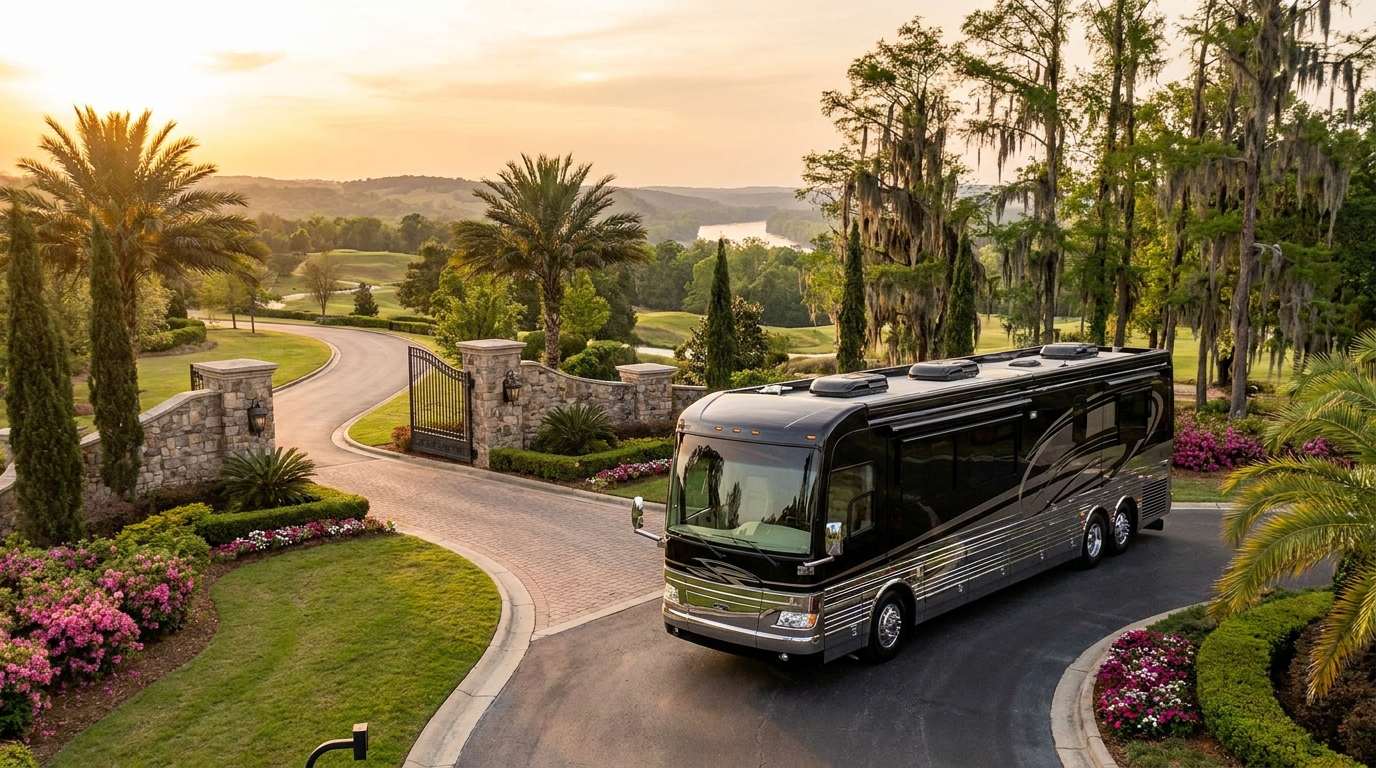
Imagine your family waking up to the gentle sounds of nature, surrounded by the stunning landscapes of the Central South US. With a rented RV, this dream is easily within reach! The Central South US, encompassing states like Tennessee, Arkansas, Mississippi, Louisiana, and Alabama, offers a diverse tapestry of mountains, bayous, historic cities, and vibrant cultures. It's an ideal region for a family RV adventure, providing unparalleled freedom and flexibility.
At Bandana RV, we are true RV specialists, with over 20 years of experience since our founding in 2001, helping tens of thousands of travelers explore the world. We pride ourselves on full transparency - no hidden fees, no surprises - so you can plan your family trip with confidence. For live availability and current prices, start with our RV Rental Central South US - Complete Guide 2026 guide.
Top 5 Tips for Family RV Rental in Central South US
Ensuring a smooth family RV rental in the Central South US requires careful planning, starting with selecting the right vehicle and route. A suitable RV class will comfortably accommodate your family and offer amenities like a dinette that converts to a bed or extra sleeping space, ensuring everyone has their own spot.
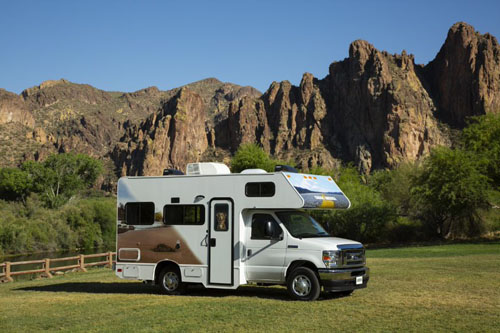
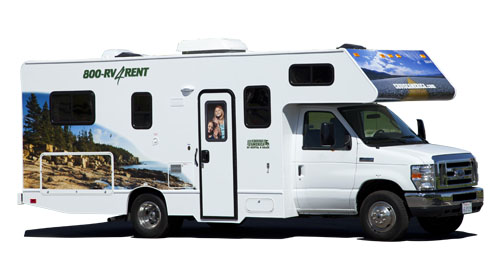
- Choose the Right RV Size: For families, a Class C motorhome like the "cruise america rv rental example Explorer" with sleeping places for 4 or the "rv rentals utah example Sunrise Escape" for 5 people (7.6 meters long) often strikes the perfect balance between spacious living and ease of driving. Consider features like bunk beds for kids if available, such as in the "MHC24" motorhome, which can sleep up to 6 people.
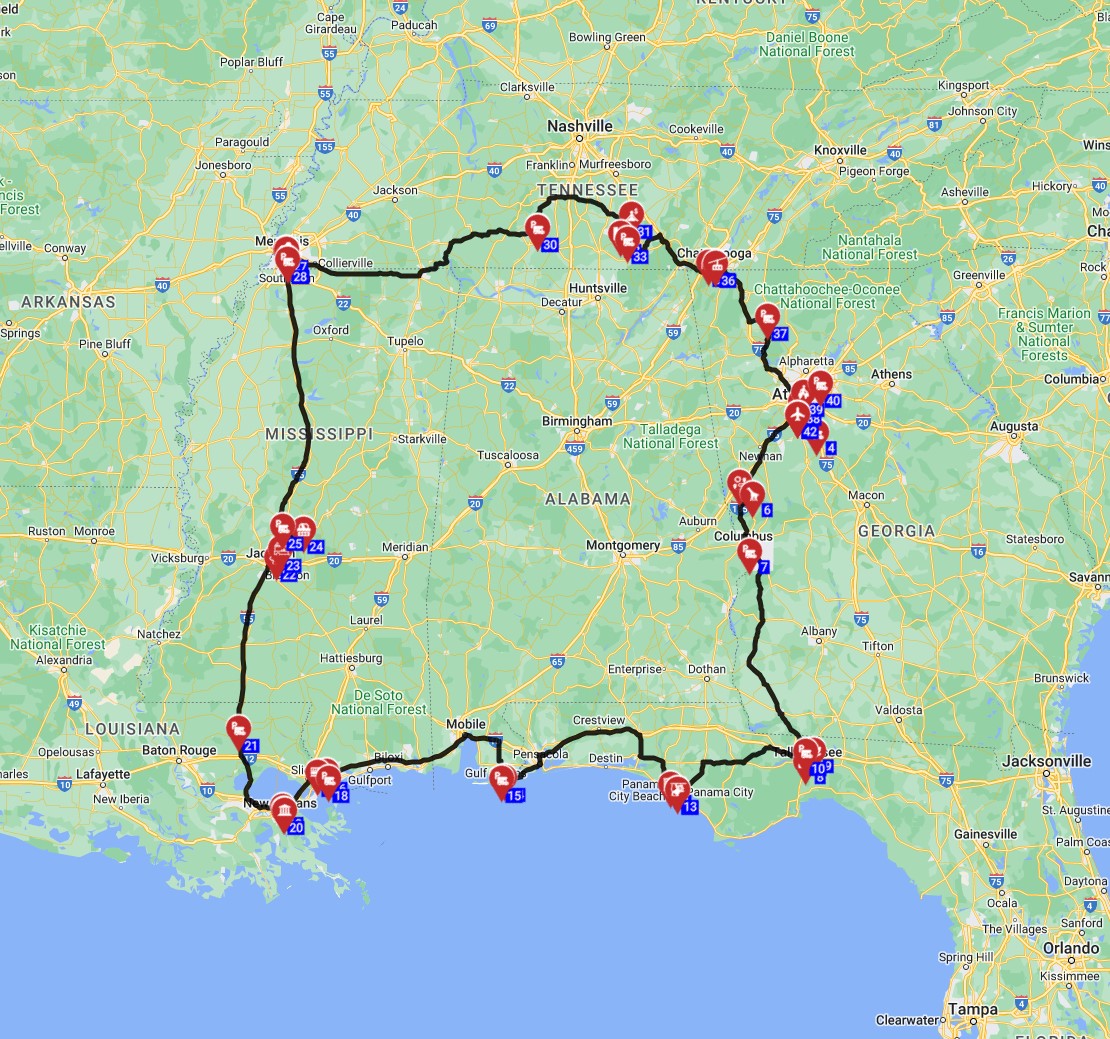
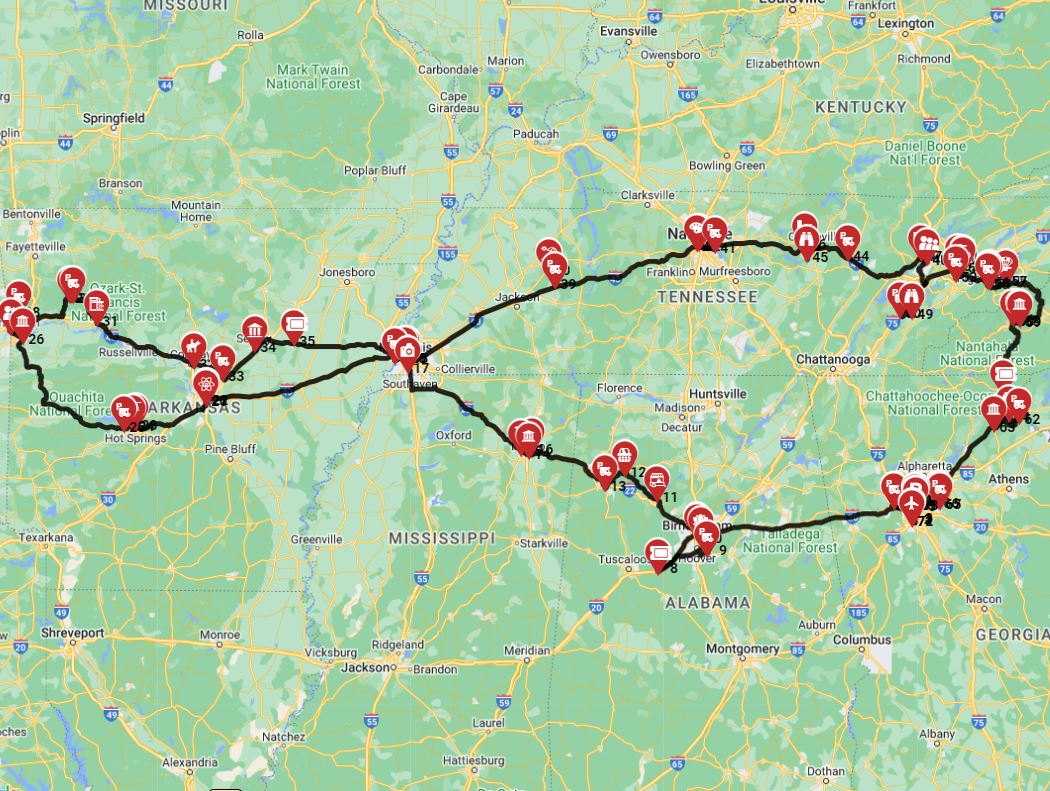
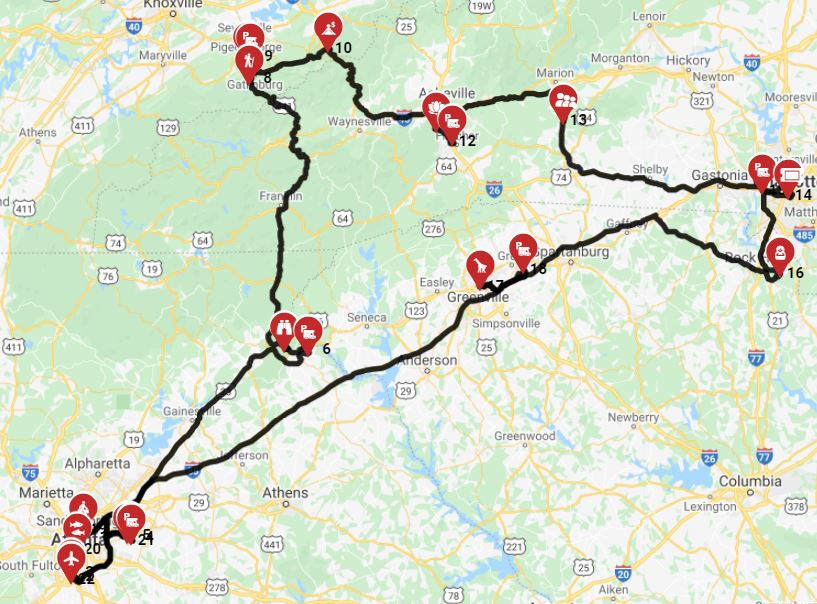
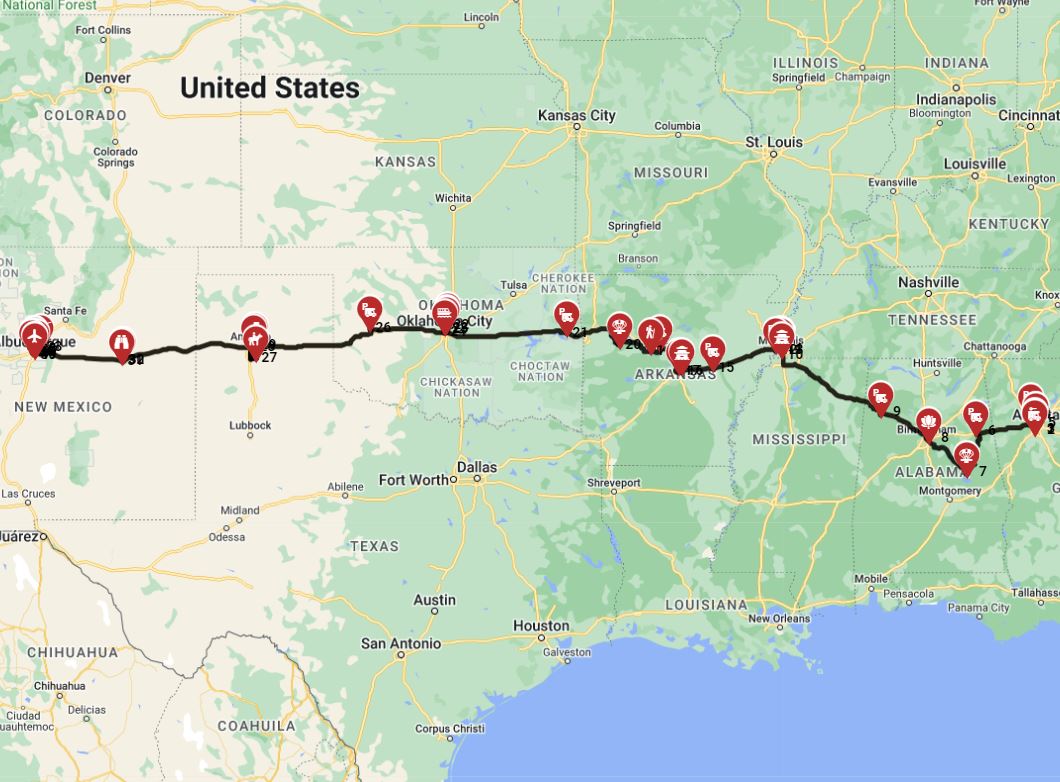
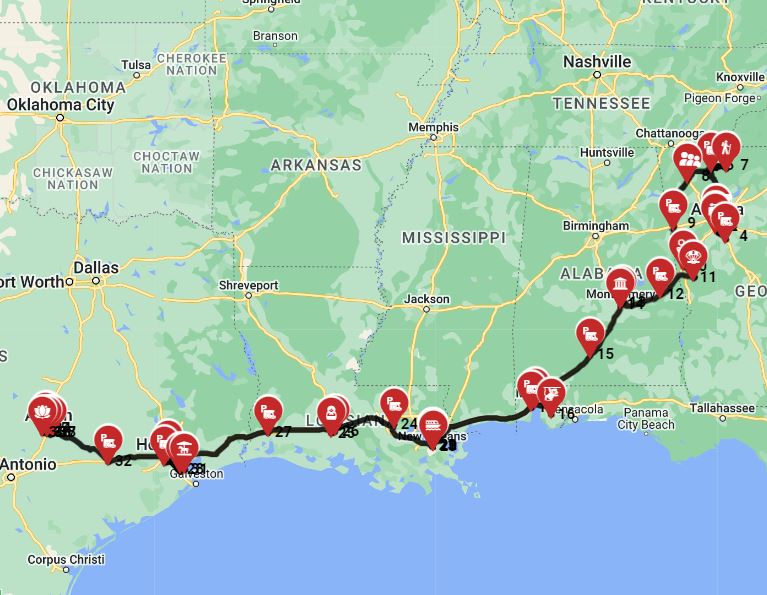
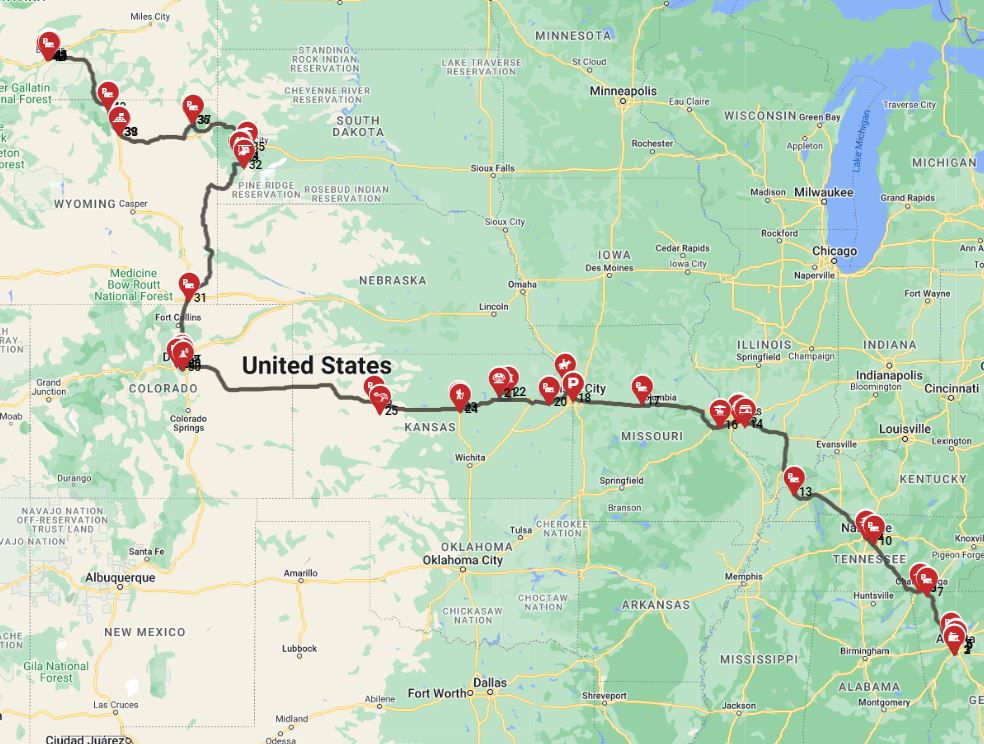
- Plan Family-Friendly Routes: Researching destinations with playgrounds, hiking trails, and interactive museums along your route will keep kids engaged. States like Tennessee offer numerous state parks and attractions such as Dollywood, while Alabama has beautiful Gulf Coast beaches. RV PLANET (rvplan.net) offers over 1,300 pre-planned routes across 5 continents, including options specifically designed for families in the Central South US.
- Book Ahead for Peak Seasons: Popular destinations and events, like the Memphis in May festival or fall foliage in Arkansas, mean campgrounds fill up quickly. Secure your RV and campground reservations several months in advance to avoid disappointment.
- Create a Comprehensive Budget: Beyond the rental fee, factor in fuel costs (a Class C motorhome like the "cruise america rv rental example Explorer" has a 75-liter fuel tank and consumes about 11 liters/100km), campground fees, groceries, and activity admissions. For easy budgeting, remember that on RV PLANET routes, travelers can itemize and track every expense along the way.
- Familiarize Yourself with Your RV: Before departing, take time to understand your rented motorhome's features, including how to operate the freshwater and waste water tanks, turn on the stove, and connect shore power. A thorough walk-through at pickup will boost your confidence.
Before You Book - Class, Dates, Insurance
Choosing an RV class for a family RV rental in the Central South US involves balancing space, ease of driving, and amenities, with Class C motorhomes often being a popular choice for families due to their maneuverability compared to larger Class A units and integrated living spaces.
For a family of 4-6, a Class C motorhome, typically 24-32 feet in length, offers comfortable sleeping areas, a functional kitchen, and a restroom. Options like the "24' Class C Motorhome" provide sleeping places for 5 and features like a generator, making them versatile for various camping styles. Campervans (Class B) are more compact, perfect for smaller families or couples, offering easier navigation in cities but with less living space. While a Class A motorhome, such as the "Class A - Thor ACE 30" (9.37 meters long) offers luxury and ample space for up to 6 people, it might be more challenging for first-time RVers to maneuver.
Locking in rental dates for a family RV trip, particularly during school holidays or events like the Memphis in May festival, should be done several months in advance to ensure availability and potentially secure better rates. For example, booking 3-6 months ahead can often yield a 15-25% discount. However, if you're a spontaneous traveler, many national and state parks reserve 25-30% of their spots for first-come-first-serve arrivals, so you'll find a spot. If not at the first campground, then the next one; just call ahead before driving.
Regarding insurance options for RV rentals, basic liability coverage is typically included with your rental. You can upgrade to a top-level deductible for extra peace of mind, which covers a higher percentage of potential damages. Our full transparency policy means all relevant insurance options are shown during the search and booking process, so there are no surprises. We aim to offer the easiest, safest, and most affordable way to rent an RV by comparing final prices across 50+ suppliers globally.
Pre-Trip Prep - Packing Checklist for Central South US
A comprehensive packing checklist tailored for a family RV rental in the Central South US ensures comfort and preparedness for diverse weather and activities, from humid summers to mild winters.
- Clothing: Pack lightweight, breathable clothing for hot days (especially June-August, with average temperatures of 85-95°F/29-35°C). Include layers for cooler evenings (spring/fall average 50-70°F/10-21°C) or air-conditioned RVs, rain gear (jackets, umbrellas) for sudden thunderstorms common in spring, swimsuits for lakes, rivers, and campground pools, and comfortable walking shoes and hiking boots for exploring national parks.
- Kitchen Essentials: Most rented motorhomes, like a "Class C - Alcove" model with a 3-burner gas stove and a 150-liter refrigerator, come with basic cooking utensils and pots/pans. Still, consider bringing reusable water bottles, a cooler for extra drinks and snacks, your family's favorite food staples and non-perishables, and biodegradable dish soap and sponges. Preparing meals in your RV’s kitchen is a great way to save money and bond as a family. Check out our RV-friendly recipes playlist for inspiration!
- Safety & Comfort: Always carry a first-aid kit with any necessary prescription medications, sunscreen and insect repellent (especially important in humid areas like Louisiana), flashlights or headlamps for evening walks, a roadside emergency kit (jumper cables, basic tools), and confirm a fire extinguisher is provided with your rental.
- Documents & Navigation: Bring your standard car driver's license (sufficient for all motorhome classes), RV rental agreement, campground reservation confirmations, physical maps (as cell service can be spotty in remote areas), and children's birth certificates or passports (if applicable for certain activities or international visitors). An International Driving Permit (IDP) is recommended for visitors from non-English speaking countries, though not always mandatory.
On the Road - Driving, Fueling, Navigation
Navigating the Central South US in a family RV requires awareness of varied terrain, from the rolling hills of the Ozarks in Arkansas to the flat delta regions of Mississippi and Louisiana, necessitating cautious driving and route planning.
When driving your rented motorhome, remember that a standard car driver's license is sufficient for all classes (A, B, C), and there are no young driver surcharges for those aged 21 and above. Speed limits generally range from 55-70 mph on interstates, though smaller roads will have lower limits. Drive slowly and carefully, and you can drive almost anywhere without issues. No need to stress - just use common sense and pay attention. Take advantage of spacious Class C motorhomes, which offer features like automatic transmission for easier driving.
When fueling, always check the height clearance at gas stations, as some canopies are too low for larger RVs, and plan stops strategically as RVs consume more fuel than cars (e.g., a "MHC28" might consume 14-18 miles/gallon or approximately 25 liters/100km). Keep an eye on your fuel gauge, especially in rural areas, to avoid running low.
Utilize RV-specific GPS navigation systems or apps that account for vehicle dimensions and weight, helping avoid low bridges (many overpasses are around 13 feet, so be cautious with taller RVs) or restricted roads, especially when exploring scenic byways in states like Alabama and Mississippi. This ensures a stress-free journey and prevents unexpected detours.
At the Campground - Setup, Hookups & Etiquette
Setting up your rented RV at a campground involves a sequential process to ensure safety and functionality, typically starting with leveling the vehicle, connecting to shore power, then water, and finally the sewer.
Upon arrival at your campsite, find a level spot. Use leveling blocks if necessary to ensure your RV is stable and comfortable. Once leveled, connect your electrical cord to the shore power pedestal; many campgrounds offer 30-amp or 50-amp connections. Next, connect your freshwater hose (after flushing it briefly) to the spigot. Finally, attach your sewer hose, ensuring the black tank valve is closed until ready to dump. Always empty your black tank before your grey tank; the grey water helps rinse out the hose. Learning these basics can feel like a lot, but it's simpler than it sounds, and many campgrounds have helpful staff.
Observing campground etiquette, such as adhering to quiet hours (often 10 PM to 7 AM), keeping your site tidy, respecting privacy by not walking through other sites, and managing pet waste, contributes to a pleasant experience for everyone. Many RV parks in Central South US offer excellent amenities like pools, laundry facilities, and even dog parks. For finding campsites and campgrounds during your trip, we recommend using RV PLANET (rvplan.net) - a great resource for locating available spots along your route.
Family RV Rental-Specific Tips for Central South US
To ensure a successful family RV rental in the Central South US, plan routes with frequent stops at child-friendly attractions, like state parks with playgrounds or interactive museums in cities like Nashville or New Orleans.
Consider an RV layout that provides separate sleeping areas or a comfortable dinette for children's naps or downtime, crucial for maintaining peace on long trips. Many Class C motorhomes offer an over-cab bunk and a convertible dinette, providing flexible sleeping arrangements for 4-6 people. For instance, the "C-MEDIUM PLUS" motorhome can sleep 5 and has a refrigerator with freezer and a 3-burner gas stove for convenient family meals.
Pack a dedicated "entertainment kit" with books, games, and art supplies for travel days and evenings, especially for unexpected rain showers common in the region during summer. This keeps boredom at bay and provides much-needed downtime. Research campgrounds with amenities like pools, splash pads, or nature centers, which can be invaluable for keeping kids engaged and active after driving. Additionally, incorporate regional food experiences, such as stopping at a classic BBQ joint in Memphis, trying fresh seafood in Louisiana, or enjoying southern comfort food in Alabama, making meal times an adventure for the whole family.
🎬 Video coming soon
Common Mistakes to Avoid in Central South US
A common mistake is underestimating driving times, especially through winding roads in the Appalachian foothills or busy city traffic in Atlanta or New Orleans; instead, build in extra travel time and frequent breaks for young travelers.
Failing to book campgrounds in advance, particularly during spring (Mardi Gras, spring break) or fall (leaf-peeping, college football), can lead to scrambling for last-minute sites; instead, secure reservations months ahead, especially for popular destinations in Central South US like the Great Smoky Mountains National Park. Even so, remember that many national and state parks reserve 25-30% of their spots for first-come, first-served arrivals, so if you're flexible, you can often find a spot.
Overpacking can quickly consume valuable RV space and weigh down the vehicle; instead, create a minimalist packing list and utilize laundromats often available at campgrounds. A typical Class C motorhome (e.g., the "cruise america rv rental example Explorer") is around 7.1 meters long and has limited storage. Ignoring weather forecasts can lead to unexpected challenges, as the Central South US can experience hot summers with temperatures over 90°F (32°C), sudden thunderstorms, and occasional severe weather; check forecasts daily and plan accordingly.
Neglecting to learn RV basics before hitting the road, such as how to operate hookups or appliances, can cause frustrating delays; instead, watch instructional videos or ask for a thorough walk-through during pickup. Our 24/7 support ensures you have real people behind you before, during, and after your booking to help with any pre-trip coordination questions.
What is the 3-3-3 rule for RV travel?
The 3-3-3 rule for RV travel is a widely recommended guideline for safe and enjoyable road trips, suggesting that RVers drive no more than 300 miles (approximately 480 km) a day, arrive at their destination by 3 PM, and stay for at least 3 nights.
Adhering to the "300 miles a day" principle helps prevent driver fatigue, especially for those new to handling a large rented motorhome, and allows for more spontaneous stops and exploration of local attractions. The "arrive by 3 PM" component provides ample daylight hours to set up camp, connect utilities, and familiarize yourself with the campground amenities before dark, which is particularly helpful when traveling with children. Staying "at least 3 nights" at a location reduces the feeling of constantly packing and unpacking, offering more time to relax, explore the local area, and truly settle into your surroundings, perhaps enjoying local festivals or natural wonders of the Central South US region.
What is the 4-4-4 rule for RV travel?
The 4-4-4 rule for RV travel is another practical guideline designed to promote safe and leisurely journeys, recommending that RVers drive no more than 400 miles (approximately 640 km) a day, stop driving by 4 PM, and stay for at least 4 nights.
This rule is a slightly more extended version of the 3-3-3 rule, suitable for RVers who are more comfortable with longer driving days but still prioritize safety and relaxation. Driving no more than 400 miles daily helps manage fatigue while covering significant ground, making it possible to traverse larger regions like the Central South US more efficiently. The "stop driving by 4 PM" aspect provides plenty of time for campground setup and evening activities, ensuring you're not rushing or setting up in the dark. Staying "at least 4 nights" at each stop allows for a deeper exploration of destinations, such as the numerous state parks and historic sites across Alabama, Mississippi, and Louisiana, fostering a slower, more immersive travel experience.
What RVs to stay away from?
When considering a motorhome rental for a family trip, it's generally advisable to be cautious about certain RV types or models that may not align with a family's comfort, safety, or budget needs, rather than outright "staying away" from them.
Very large Class A motorhomes, often exceeding 35 feet in length, might be challenging for first-time RVers to drive and maneuver, especially in tight campground spots or busy city streets prevalent in Central South US cities like Nashville or Atlanta. For families, selecting a well-maintained, recent model is crucial for safety and reliability, as older, poorly maintained rentals can lead to unexpected breakdowns. Tiny campervans or smaller Class B motorhomes might offer insufficient space and amenities for a family of 4-6, potentially leading to discomfort during extended trips or inclement weather. Vehicles like the "Van - Economy" might be ideal for a couple, but a family might require a Class C like the "MHC24" with its 166-liter freshwater tank and multiple sleeping areas. Consider the "Family RV Rental in Central South US - Pricing Guide 2026" for more on size considerations.
Is it cheaper to rent an RV or stay in a hotel?
Whether it is cheaper to rent an RV or stay in a hotel largely depends on the duration of your trip, the number of people traveling, your itinerary, and how you manage costs like fuel and food.
For larger families (e.g., 4-6 people) or longer week-long trips, an RV rental can often be more cost-effective than booking multiple hotel rooms, especially when factoring in the significant savings from cooking your own meals onboard. An RV provides a full kitchen setup, like the "rv rentals utah example Sunrise Escape" which has a 3-burner gas stove and a 170-liter refrigerator, allowing families to save on restaurant expenses. The total cost of an RV trip includes the rental fee (which can range from $150-$300/day for a Class C), fuel (large RVs consume about 20-25 liters/100km), campground fees (typically $30-$70/night for full hookups), and groceries. In contrast, hotel stays typically only cover lodging, with dining out adding substantially to daily expenses. Many RV campgrounds also offer amenities like pools and playgrounds, providing entertainment comparable to hotels, while national and state parks offer affordable access to nature, making the RV experience a value-driven choice for outdoor-oriented families. Our "RV Rental in Central South US - Prices and Best Deals 2026" guide offers detailed cost breakdowns. On the routes offered through RV PLANET routes, you can itemize and track every expense along the way for easy budgeting.
What is the cheapest way to rent an RV?
The cheapest way to rent an RV often involves booking during the off-peak shoulder seasons, choosing a smaller RV class, being flexible with dates and locations, and taking advantage of early bird or last-minute deals.
Booking a rented motorhome during the shoulder seasons (spring or fall) in the Central South US can offer significantly lower rates than the popular summer months or holiday periods, with potential savings of 15-25%. Opting for a smaller, more fuel-efficient RV like a Class C or a campervan can reduce both rental costs and fuel expenses over the duration of your trip; for instance, a compact campervan like the "rv rental denver example Category Van" might offer better fuel economy than a large Class A motorhome. Exploring comparison platforms like Bandana RV allows you to easily compare prices across 50+ trusted suppliers including El Monte, Cruise America, Apollo, and Britz, ensuring full transparency with no hidden fees. Consider one-way rentals or "relocation deals" if your travel plans align with a company's need to move an RV from one location to another, as these can be heavily discounted. While last-minute availability can occur, prices are dynamic and generally lower for pre-booked rentals. Flexibility is key when looking for "RV Rental Deals in Central South US - Latest Offers 2026".
What is the 2-2-2 rule for RV travel?
The 2-2-2 rule for RV travel is a conservative guideline for maintaining a leisurely pace and ensuring ample rest, recommending that RVers drive no more than 200 miles (approximately 320 km) a day, arrive at their destination by 2 PM, and stay for at least 2 nights.
This rule is particularly well-suited for families with young children, first-time RVers, or those who prefer a very relaxed travel style, allowing more time for exploration and less time on the road. Driving no more than 200 miles daily minimizes driver fatigue and provides frequent opportunities to stop at attractions, playgrounds, or scenic overlooks in the Central South US. Arriving by 2 PM offers maximum daylight for campground setup, allowing children to play and settle in before the evening, reducing stress for parents. Staying at least 2 nights at each location provides a full day to enjoy the local area, whether it's hiking in an Arkansas state park or exploring a small town in Mississippi, without the rush of immediate departure, encouraging slow travel at a maximum of 100-150 km per day on average.
Which state is the most RV friendly?
While "most RV friendly" can be subjective and depend on individual preferences, states like Florida, Texas, and Arizona are often cited for their abundant RV parks, favorable weather, and numerous attractions.
Within the Central South US, states such as Tennessee, Arkansas, and Alabama are highly RV-friendly, offering diverse landscapes, extensive state park systems, and numerous private campgrounds that cater to motorhome travelers. Tennessee provides a rich blend of cultural sites (like Nashville's music scene), natural beauty (Great Smoky Mountains National Park), and well-equipped RV parks, making it a top choice for family RV travel. Arkansas boasts "The Natural State" moniker for good reason, with vast wilderness, national forests, and plenty of RV-accessible campsites for outdoor enthusiasts. States like Mississippi and Louisiana offer unique cultural experiences, blues trails, and Cajun country, with RV parks that cater to visitors seeking to explore their distinct heritage and cuisine, making the entire Central South US region a fantastic choice for a family RV adventure.
What I wish I knew before renting an RV?
Many first-time RV renters wish they had a more thorough understanding of the rented vehicle's unique quirks and operational procedures before embarking on their trip, emphasizing the importance of pre-trip education.
A common sentiment is the desire to have known more about the actual fuel consumption of a rented RV, as it is significantly higher than a standard car, directly impacting the overall trip budget (e.g., a large Class C motorhome might average 20-25 liters/100km). Renters often realize too late the importance of practicing driving and backing up the RV in an empty lot before heading out on busy roads, especially when navigating unfamiliar cities. Understanding the specific order and process for hooking up and disconnecting utilities (electricity, water, sewer) at campgrounds is a frequent learning curve for beginners. Many also wish they had packed fewer items, realizing that RV space and cargo capacity are limited, and that most essentials can be acquired on the road if needed. Our true RV specialists at Bandana RV offer extensive pre-booking support to answer all these questions and more, ensuring you feel prepared and confident for your family RV rental in Central South US. We believe God is in the small details, and we take care of them to make your trip enjoyable.
What You Shouldn't Miss
Looking for expert insights from Avi Bandana? Top 5 Adventures - recommendations from Avi Bandana:
- Explore the Great Smoky Mountains National Park (TN): Drive scenic routes, hike kid-friendly trails, and look for wildlife. Many nearby RV parks offer family amenities, with average campground fees ranging from $25-$50 per night.
- Immerse in Nashville's Music City Vibe (TN): Enjoy live music, visit the Country Music Hall of Fame, and find RV-friendly campgrounds a short drive from downtown, often with shuttle services for convenience.
- Discover the Ozarks in Arkansas: Hike stunning trails in Buffalo National River area, go fishing, or explore caves. RV camping is plentiful in state parks, many offering full hookups for around $30-$45 per night.
- Experience New Orleans' French Quarter (LA): Enjoy vibrant culture, delicious food (like beignets!), and consider RV parks just outside the city with easy public transport access to avoid city driving. Remember to travel slowly, max 100-150 km per day on average, to truly connect with the culture and food.
- Relax on Alabama's Gulf Coast Beaches: Spend days building sandcastles, swimming, and enjoying fresh seafood. RV resorts in places like Gulf Shores and Orange Beach offer beachfront access and abundant family activities.
Final Thoughts
A family RV rental in the Central South US offers an incredible way to create lasting memories, combining adventure with the comforts of home. From the music-filled streets of Nashville to the serene bayous of Louisiana and the natural wonders of Arkansas and Kentucky, the region is perfectly suited for exploration in a rented motorhome or campervan.
Remember that planning is key, but so is flexibility. Don't stress the small stuff; embrace the journey, take your time, and let the unique charm of the Central South unfold around you. With Bandana RV, you have a trusted partner every step of the way, providing transparent pricing and expert support.
So, gather your loved ones, pack your bags, and get ready for an unforgettable family adventure on the open road! Compare family RV Rentals in Central South US today and start planning your perfect itinerary.