For live availability and current prices, start with our RV Rental Canada - Complete Guide 2026 guide.
In This Guide
- Top 5 Tips for family rv rental RV Rental in Canada
- Before You Book - Class, Dates, Insurance
- Pre-Trip Prep - Packing Checklist for Canada
- On the Road - Driving, Fueling, Navigation
- At the Campground - Setup, Hookups & Etiquette
- Family RV Rental-Specific Tips for Canada
- Common Mistakes to Avoid in Canada
- How much does it cost to rent an RV in Canada?
- What is the cheapest way to rent an RV in Canada?
- Is it cheaper to rent an RV or stay in hotels in Canada?
- Do you need a special license to drive an RV in Canada?
- What do I need to cross the Canadian border in an RV?
- What is the best time of year to RV in Canada?
- Where can you go RVing in Canada?
- Are RVs allowed in Canadian National Parks?
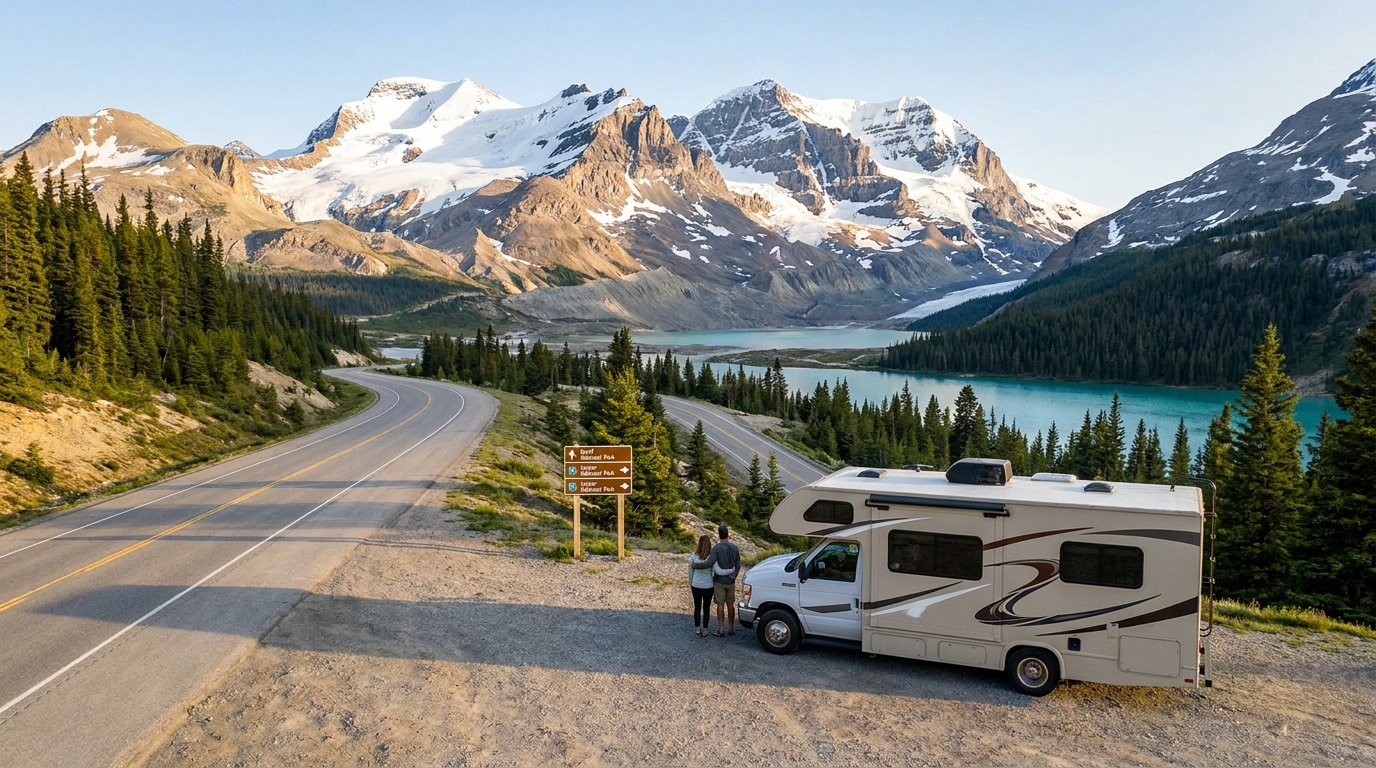
Canada offers an unparalleled playground for family RV adventures, from majestic mountains to pristine coastlines and vibrant cities. Imagine waking up to the fresh scent of pine in a national park, with your kids eager to explore the wonders outside your temporary home. Planning a family RV rental in Canada allows for incredible flexibility and creates lasting memories. With a rented RV, you have a mobile headquarters to venture out to national parks, charming small towns, and breathtaking natural features.
To help you navigate your journey, we've put together comprehensive tips and advice. For live availability and current prices, start with our RV Rental Canada - Complete Guide 2024 guide, which provides extensive information to kickstart your Canadian adventure. Bandana Caravan is dedicated to making your family RV trip smooth and enjoyable, offering full transparency with no hidden fees, and expert guidance every step of the way.
Top 5 Tips for family rv rental RV Rental in Canada
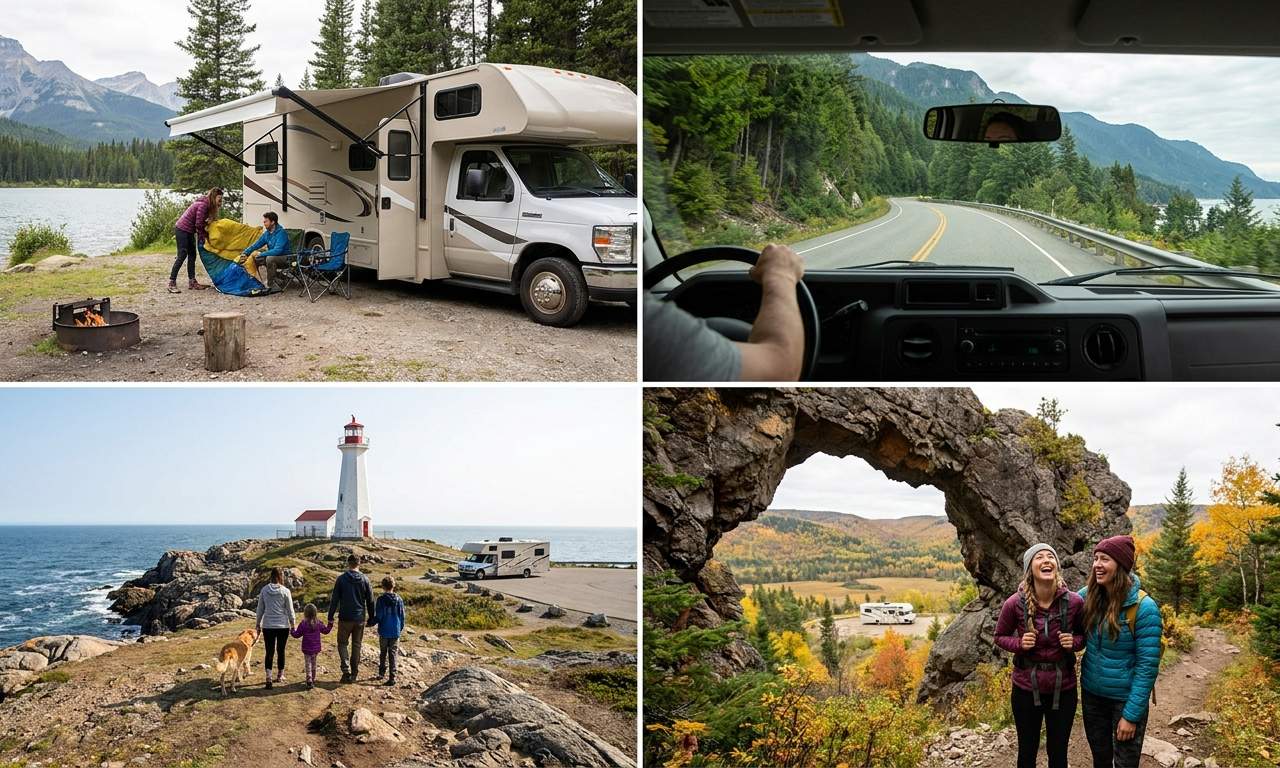
Planning a family RV rental in Canada can be streamlined by following key preparatory tips, ensuring a smooth and enjoyable journey for everyone. These expert recommendations will help you maximize your adventure and minimize stress.
1. Book Early: Secure your preferred RV model and dates, especially for peak season (June-August), to ensure availability and potentially better rates. Many popular Class C motorhomes, like the CA-25, which accommodates up to 5 people, can be booked out quickly. Aim for 3-6 months in advance for optimal choices.
2. Choose Wisely: Select an RV class that comfortably accommodates your family's size and needs, considering maneuverability and amenities. A Class C motorhome, like the MHC24 with its 147/190cm bed over cab, often provides a good balance of space and ease of driving for families of 4-6.
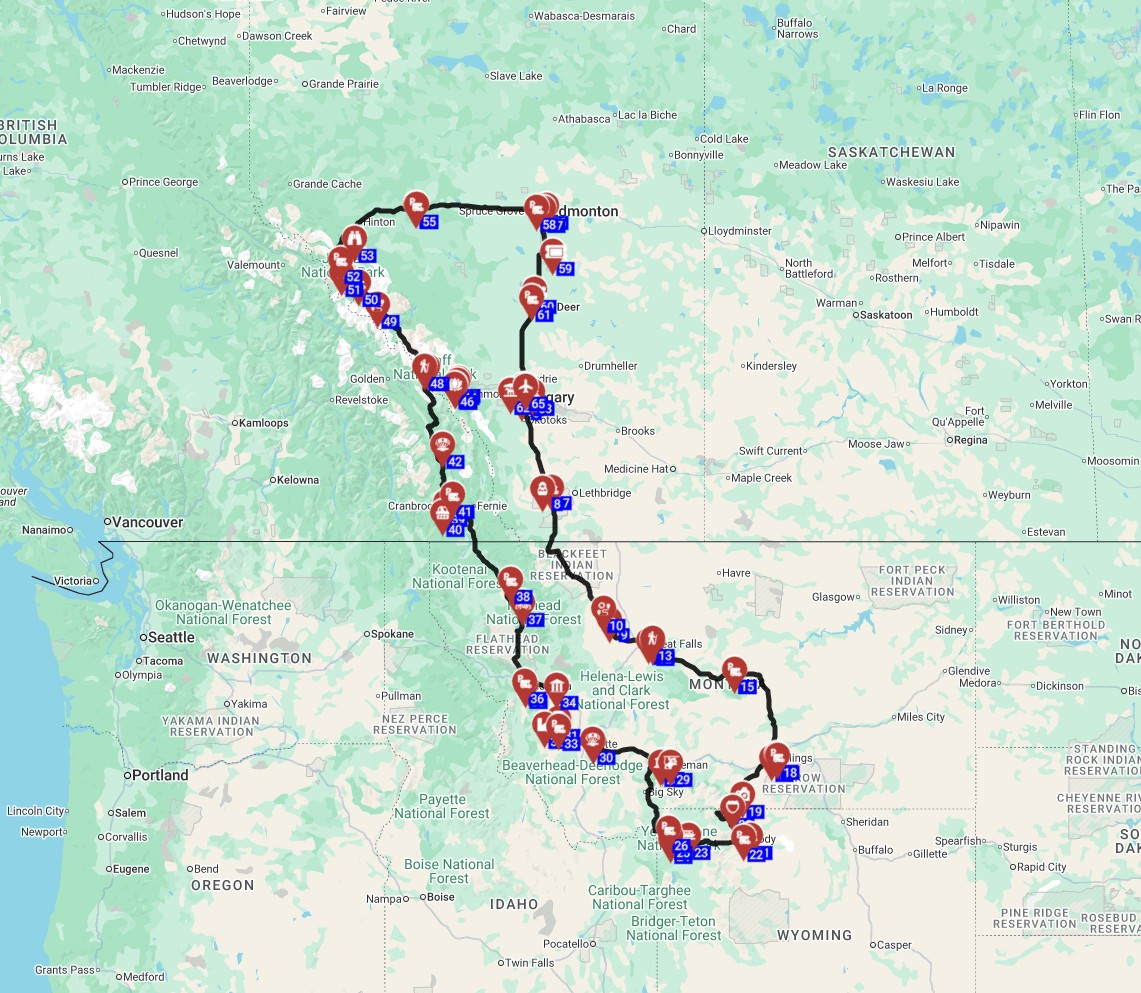
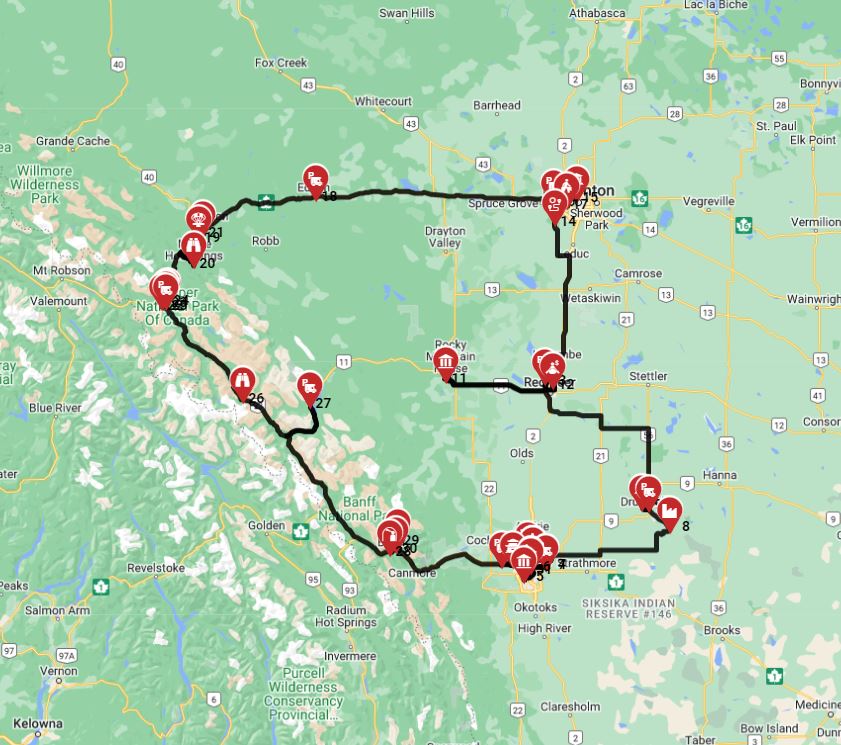
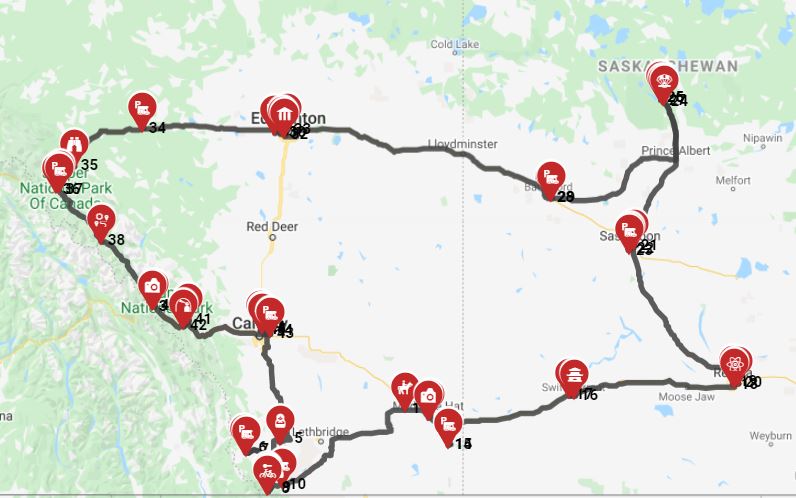
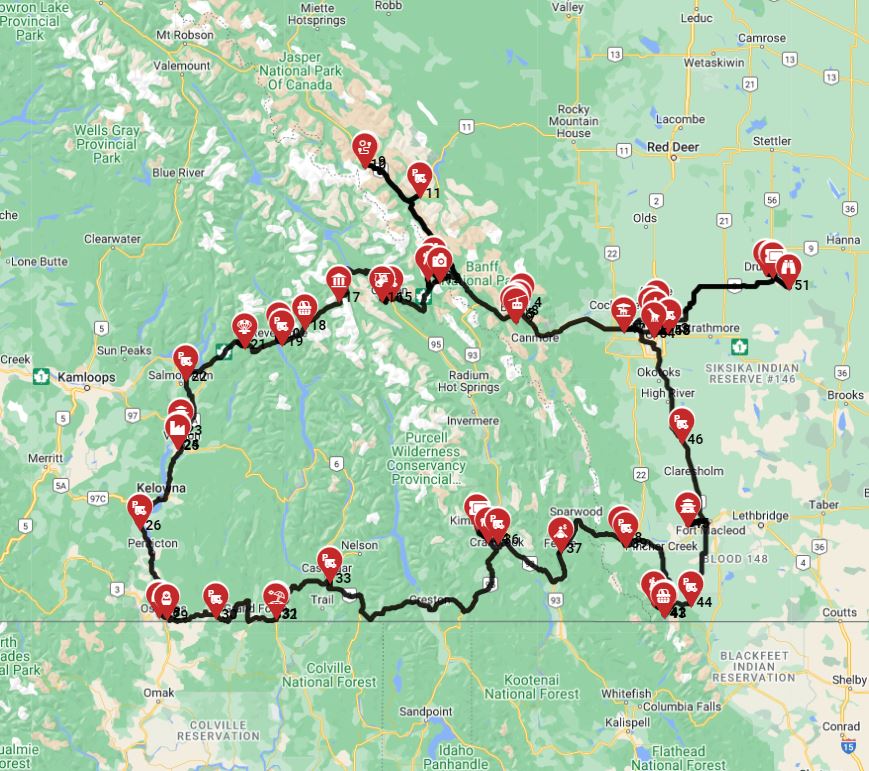
3. Budget Comprehensively: Factor in all potential costs, including rental fees, fuel, camping site charges, activity passes, and insurance upgrades. Fuel prices in Canada can range from CAD $1.70-$2.00 per liter, so accurately estimating your mileage is crucial for budgeting. Remember that on RV PLANET routes, travelers can itemize and track every expense along the way for easy budgeting. On the routes offered through RV PLANET routes, you can itemize and track every expense along the way for easy budgeting.
4. Understand Regulations: Familiarize yourself with Canadian road rules, speed limits (which are in km/h), and specific park regulations for RVs. For instance, a standard car driver's license is sufficient for all motorhome classes in Canada, but knowing park-specific rules can prevent surprises.
5. Pack Smart: Prepare for Canada's diverse climates by packing layers and essentials for both outdoor adventures and comfortable indoor living. Even in summer, evenings can be cool, especially in mountainous regions like the Canadian Rockies. Consider RV-friendly meals and check our RV-friendly recipes playlist for inspiration.
Before You Book - Class, Dates, Insurance
Before finalizing your family RV rental in Canada, careful consideration of RV class, booking dates, and insurance options is essential for a stress-free trip. At Bandana, we believe in full transparency, ensuring no hidden fees and no surprises.
For families, a Class C RV often provides a good balance of space, amenities, and easier driving compared to larger Class A models. Vehicles such as the MH-B, offering a 152/188cm rear double bed and seating for 6, are popular choices. Campervans (Class B motorhomes) like the DVC are excellent for smaller families or those seeking more agile travel, typically measuring around 6-7 meters in length.
Booking 3-6 months in advance is recommended, particularly for popular summer travel periods or specific regional festivals, to secure your preferred vehicle and potentially better rates. While spontaneous travel is possible, especially in shoulder seasons, pre-planners often benefit from wider availability and lower prices, sometimes saving up to 25% by booking early. Many national and provincial parks reserve only 25-30% of their spots in advance, leaving the rest for first-come, first-served arrivals; however, it's always wise to call ahead for current availability.
Basic insurance is always included with your rental. For enhanced peace of mind, you can upgrade to a top-level deductible reimbursement option during your search, which will display all relevant insurance options from our direct partners, including major suppliers like El Monte, Cruise America, Apollo, and Britz. Our role as true RV specialists means we’re with you before, during, and after your booking, providing support and clear information.
🎬 Video coming soon
Pre-Trip Prep - Packing Checklist for Canada
A comprehensive packing checklist for a family RV rental in Canada ensures preparedness for various climates and activities, making your trip more comfortable and enjoyable. Canada's vast landscape means you might experience different weather patterns even within a single extended road trip.
- Layers of clothing (rain gear, warm sweaters, t-shirts, shorts) - essential for adapting to changing temperatures, especially when traveling through regions like the Canadian Rockies.
- Comfortable walking shoes and sandals - vital for exploring national parks and city attractions.
- Swimsuits and towels - for lake swimming or campground pools.
- Cooking utensils, pots, pans, plates, cutlery - most RVs come with basic kitchenware, but personalized items or specialty tools can enhance your RV-friendly recipes playlist cooking experience.
- Non-perishable food items and snacks - stock up on essentials to save money and time, particularly when heading to remote areas where stores are sparse.
- Reusable water bottles and coffee cups - good for the environment and convenient for hydration on the go.
- First-aid kit and personal medications - always a priority for any travel, especially with family.
- Flashlights or headlamps - indispensable for nighttime walks around the campground or unexpected power outages.
- Bear spray (if venturing into wilderness areas; understand legalities and safe use) - crucial for safety in bear country; always research proper usage and storage.
- Roadside assistance contact information - included with most rentals for peace of mind.
- Passports and visas (if applicable) - essential for border crossings.
- Driver's licenses and RV rental agreement - keep these readily accessible. A standard car driver's license is sufficient for all motorhome classes in Canada.
- Travel insurance documents - highly recommended for international travel.
- Campground reservation confirmations - print or save digital copies, especially for popular national parks.
- Offline maps or GPS device - cell service can be spotty in remote Canadian regions.
- Portable power bank for devices - keeps phones and tablets charged.
- Entertainment for kids (books, games, tablets) - for downtime and longer drives.
Packing smart means considering the size of your rented motorhome or campervan. For example, a "Category Van" may offer ample sleeping for a couple with a 139/192cm bed, but storage space will be more limited than a larger "Family Plus" Class C motorhome.
On the Road - Driving, Fueling, Navigation
Successful RV travel in Canada requires attention to driving techniques, strategic fueling, and reliable navigation, especially with a family on board. Canada's expansive roads are generally well-maintained, but distances can be vast.
Practice driving your RV in various conditions, including turns and backing up, before embarking on long distances, remembering that speed limits are always in kilometers per hour (km/h) across Canada. Drive slowly and carefully, and you can drive almost anywhere without issues. No need to stress - just use common sense and pay attention. For instance, a medium-sized Class C motorhome like the "Explorer" (7.1 meters long, 2.78 meters wide) handles differently than your personal car.
Plan your fuel stops carefully, especially in remote regions like parts of the Yukon or Northern Ontario, where gas stations can be sparse and cell service limited. Always fill up when you see a station in less populated areas, even if your tank isn't empty. Fuel consumption for a large Class C RV, like the C-30, can be around 23 liters per 100 km, so budgeting for fuel is a major part of your overall trip cost. You can track these expenses seamlessly with RV PLANET routes.
Utilize offline maps or a dedicated GPS device, as cell service can be unreliable in vast areas of Canada's wilderness. Consider a satellite communication device for emergencies when traveling truly off-grid. Be prepared for diverse road conditions, which can range from well-maintained Trans-Canada Highway sections to gravel roads in provincial parks or mountain passes. Always exercise caution and reduce speed on unmaintained routes or during adverse weather. Ferry travel with an RV is also common for accessing islands like Manitoulin Island or Vancouver Island; book these in advance, especially in peak season.
We strongly recommend slow travel in Canada, averaging a maximum of 100-150 km per day. This allows your family to truly feel the place, connect to the local culture, savor the food, and immerse yourselves in the stunning scenery.
At the Campground - Setup, Hookups & Etiquette
Efficient campground setup and adherence to local etiquette contribute significantly to a smooth and respectful RV experience in Canada, whether you're at a bustling National Park or a quiet provincial site. Campground fees usually range from CAD $30-$70 per night for serviced sites.
Follow a systematic setup sequence: first, park and level your RV using blocks or a leveling system; then, connect electricity to your 30 or 50-amp shore power hookup, followed by the fresh water hose, and finally, the sewer hose. Always ensure your wastewater tanks (grey and black) are properly secured before emptying. Our expert team ensures you're prepared for all technical aspects before you hit the road.
Observe quiet hours, typically from 10 PM to 7 AM, to ensure a peaceful environment for all campers, and keep generator use within designated times, usually restricted to a few hours in the morning and evening. This is a common courtesy throughout Canadian campgrounds, which typically offer 170+ campsites, many with electrical hookups.
Store food securely in your RV or designated bear-proof lockers to prevent attracting wildlife, especially bears, which are common in many Canadian wilderness areas. Always dispose of garbage properly in bear-resistant bins provided by the campground. Familiarize yourself with and respect local cultural nuances and Indigenous land acknowledgments, where applicable, to foster positive community interactions and learn about the rich heritage of the land.
Family RV Rental-Specific Tips for Canada
Tailoring your RV trip to a family in Canada involves prioritizing comfort, engagement, and safety for all ages, creating a truly memorable experience. Canada's vastness offers endless opportunities for family fun.
Choose a motorhome or campervan with adequate sleeping and living space, ensuring that children have comfortable areas for resting and play. Consider options like a "Family Plus" Class C motorhome or a larger Class A with multiple beds, such as the MHLUX, which can sleep up to 7 with its various bed configurations, including a 166/217cm rear double bed. These often include features like a refrigerator with freezer and ample dining seats for family meals.
Plan shorter driving days with frequent stops at playgrounds, parks, or family-friendly attractions to keep children entertained and prevent travel fatigue. Remember our recommendation to travel slowly, max 100-150 km per day, allowing ample time for exploration and relaxation.
Pack a variety of entertainment options like books, games, movies, and crafts for down-time or long stretches where cell service might be unavailable. Many RVs come equipped with a TV, which can be a lifesaver on rainy days.
Incorporate outdoor activities that cater to different age groups, leveraging Canada's national and provincial parks for hiking, swimming, and wildlife viewing opportunities. There are over 40 national parks and national park reserves in Canada, offering a staggering number of trails and natural features for exploration.
Consider a rented RV with an awning or outdoor space, providing a comfortable shaded area for family meals and relaxation outside the vehicle. This feature enhances the experience of enjoying Canada's beautiful scenery directly from your campsite.
Common Mistakes to Avoid in Canada
Avoiding common pitfalls can significantly enhance a family RV rental experience in Canada, turning potential setbacks into smooth sailing. Our role as true RV specialists is to help you navigate these common challenges.
Instead of underestimating driving distances and time, build in buffer time for unexpected delays, scenic stops, and kid-friendly breaks to prevent rushing. Canada is vast; distances like Vancouver to Toronto (4,886.2 km) require careful planning over many days, as highlighted in our "
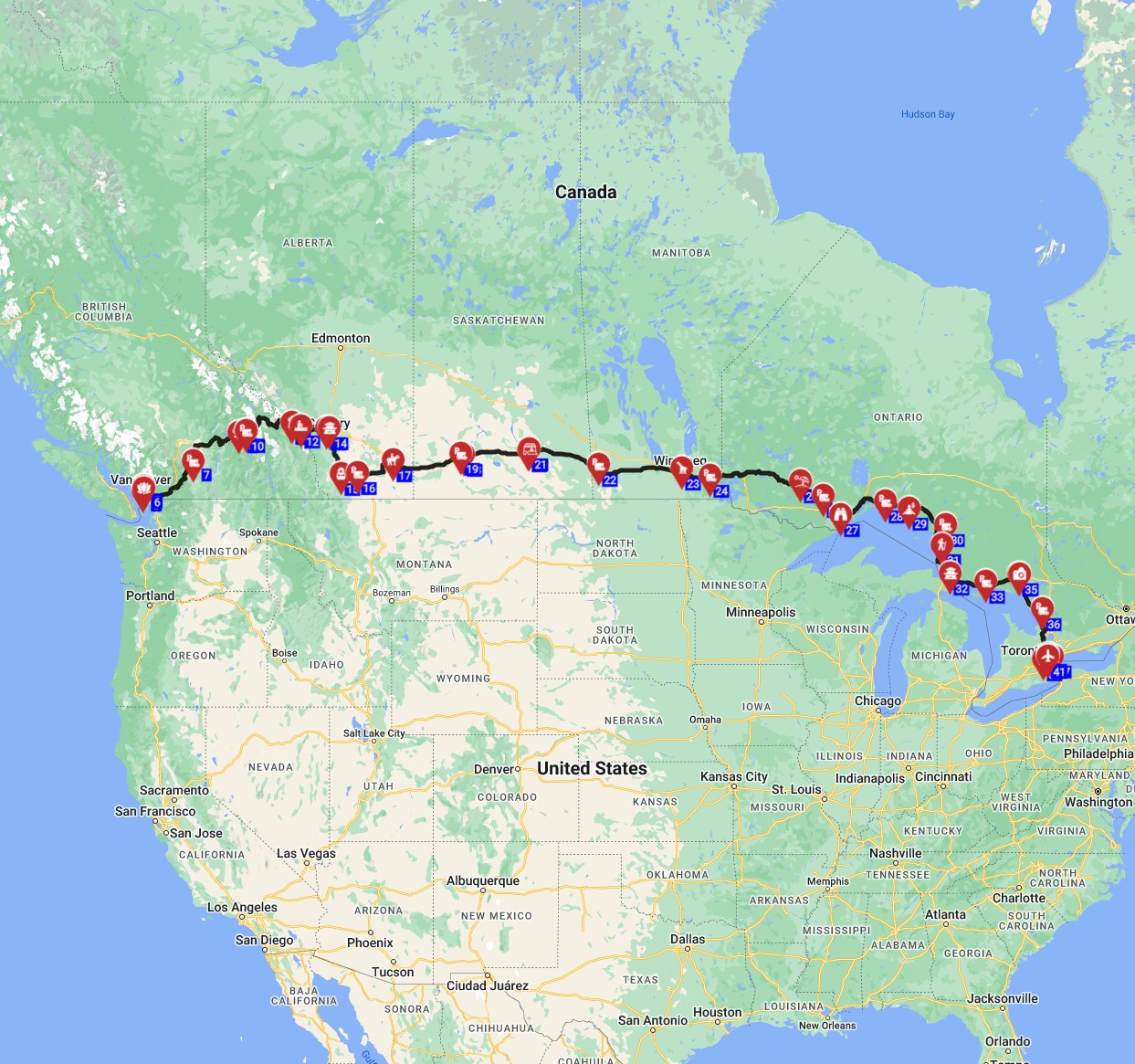
Rather than not booking campsites in advance, especially in popular National or Provincial Parks, secure reservations well ahead of time, particularly for summer travel. While some spots are first-come, first-served (often 70-75% in national parks), booking guarantees your spot, eliminating stress after a long drive. If your first choice is full, simply call ahead to the next campground. For finding campsites and campgrounds during your trip, we recommend using RV PLANET (rvplan.net) - a great resource for locating available spots along your route.
Instead of ignoring wildlife safety protocols, learn and practice bear safety (e.g., proper food storage, carrying bear spray, making noise on trails) and other animal encounter guidelines. Never leave food unattended outside your RV, and always secure your trash. Education is key to safely enjoying Canada's incredible wildlife.
Rather than over-packing, pack efficiently with versatile, layered clothing and only essential items to maximize space and reduce weight. An RV's storage, while generous, is finite. Consider that many rental motorhomes offer between 100-160 liters of fresh water tank capacity, meaning you'll need to manage resources carefully.
Instead of relying solely on cell service, bring alternative navigation (offline maps) and communication tools (satellite devices or two-way radios) for remote areas with limited connectivity. Our support extends before, during, and after your booking, ensuring you have the resources to prepare, but on-the-road connectivity is your responsibility. Remember, our "24/7 Support" focuses on pre-booking comparison, booking assistance, and post-booking coordination, not in-trip logistical help for finding parking or immediate roadside assistance that your rental company will provide.
How much does it cost to rent an RV in Canada?
RV rental costs in Canada typically range from CAD $100 to $400 per night, depending on the RV class, season, rental duration, and pick-up location. For instance, a compact Class B campervan for two, like an "rv rental denver example Category Van," might start at the lower end, while a large 7-berth Class C motorhome like the MHC30 for a big family would be at the higher end, especially during peak season (June-September). Prices are dynamic, much like flight tickets, changing daily based on availability and supplier marketing decisions.
Additional expenses include fuel (CAD $1.70-$2.00 per liter is a common estimate, varying by region and global prices), camping fees (CAD $30-$70 per night for serviced sites), insurance upgrades, and national/provincial park permits (e.g., a Parks Canada Discovery Pass for annual access, costing around CAD $145.25 for a family). Ancillary costs like propane refills, dump fees, and tolls should also be factored in.
For a typical 1-week family RV trip, total costs, including rental, an estimated CAD $500-800 for fuel (assuming 1500-2000 km at 18L/100km), and CAD $210-490 for 7 nights of camping, can range from CAD $1,500 to $3,500. A two-week adventure might cost CAD $3,000-$7,000, while a month-long journey could easily reach CAD $6,000-$15,000, with luxury options or extensive mileage costing more. For couples vs. families with kids, smaller campervans (like the K2D, ideal for 2-3 people with a 130/205cm double bed) offer lower rental and fuel costs compared to a larger family motorhome such as the "Discovery 6" with capacity for 6 and a 190-liter refrigerator. To track all these expenses easily, remember that RV PLANET routes allow travelers to itemize and track every cost along their journey.
What is the cheapest way to rent an RV in Canada?
The cheapest way to rent an RV in Canada often involves booking during the shoulder seasons (May-early June and September-October) or leveraging early bird discounts, potentially saving you 15-25% compared to peak summer rates. These periods offer pleasant weather, fewer crowds, and lower prices for rental campervans and motorhomes.
Opting for smaller, older RV models, such as a compact campervan like "Duo," can significantly reduce costs compared to a large, newer Class C motorhome. While Bandana Caravan exclusively features direct partnerships with leading RV suppliers, our platform allows you to compare prices across a wide range of vehicles, ensuring full price transparency. You can often find great deals by checking our "Cheap RV Rental in Canada - Budget Guide 2024" or "RV Rental Deals in Canada - Latest Offers 2024" for current promotions. Renting for an extended duration, such as a month-long trip, can also lower the average daily rate, as detailed in our "Long-Term RV Rental in Canada - Monthly Rates 2024" guide.
Saving on accommodation by seeking out free overnight parking (often called boondocking or dry camping) on Crown land (where permitted) or in designated spots can lower overall trip expenses, though regulations vary by province and specific location. Always research provincial and municipal rules regarding overnight parking to avoid fines. Another cost-saving strategy is to be flexible with your pick-up and drop-off locations; one-way rentals, while sometimes incurring a fee, can open up cheaper options or specialized "relocation deals." You might find deals if you check for a "One-Way RV Rental in Canada - Price Guide 2024."
Is it cheaper to rent an RV or stay in hotels in Canada?
For families or longer trips in Canada, renting an RV can often be more cost-effective than staying in hotels, primarily due to combined accommodation and transportation savings, plus reduced meal costs from cooking in the RV. For example, a family of four staying in hotels and eating out for two weeks could easily spend CAD $5,000-$8,000, while a comparable RV trip might cost CAD $3,000-$7,000.
Hotels may be cheaper for solo travelers, short city breaks (1-3 days), or when RV parking and fuel costs are unusually high in urban centers like Vancouver or Toronto. However, the true value of an RV rental lies in its flexibility and convenience. With a rented motorhome, you have your sleeping arrangements, bathroom facilities, and kitchen always at hand, eliminating the need to pack and unpack daily.
An RV offers the flexibility to prepare your own meals, significantly cutting down on restaurant expenses, especially with a fully equipped kitchen typically found in Class C motorhomes. This allows families to manage their food budget effectively, using the RV's refrigerator and stove for daily cooking. Imagine fresh breakfast every morning without restaurant prices! This freedom also provides the unique experience of continuous travel and access to diverse natural landscapes, which hotels simply cannot offer.
Do you need a special license to drive an RV in Canada?
No, generally, a standard provincial, state, or international driver's license is sufficient for driving most RVs, including Class C, Class B (campervans), and even many smaller Class A models, in Canada. This applies to all our rented motorhomes and campervans at Bandana Caravan.
Canada's licensing requirements are largely similar across its provinces, and for the vast majority of recreational vehicles available for rent, your regular car license is all you need. There are no special endorsements or Commercial Driver's Licenses (CDL) required for these vehicles. If you're visiting from a non-English-speaking country, an International Driving Permit (IDP) is recommended to supplement your home country's license, though it is not strictly mandatory in all provinces for short-term visitors. The minimum rental age for all our vehicles is 21 years old, and there are no young driver surcharges or vehicle class restrictions based on age.
For exceptionally large Class A RVs exceeding a specific gross vehicle weight (GVW), typically around 11,000 kg (24,250 lbs) in some provinces like Ontario (such as our MHLUX with a dry weight of 10,000 lbs), a non-commercial Class D or equivalent license may be required. However, these are rare for typical recreational rentals. It is always advisable to verify the specific licensing requirements for your chosen RV's GVW with the relevant provincial transportation authority or your rental company before your trip, to ensure you meet all legal requirements. Rest assured, our true RV specialists will guide you through this process, providing all necessary information.
What do I need to cross the Canadian border in an RV?
To cross the Canadian border in an RV, all occupants require valid passports or equivalent travel documents, along with the RV rental agreement and proof of vehicle insurance. U.S. citizens need a passport, while visitors from other countries may need an Electronic Travel Authorization (eTA) or a visa, in addition to their passport. Ensure your rental agreement clearly states you are permitted to take the RV across the border into Canada.
You must declare all goods, including food items (some fresh fruits, vegetables, and meats are restricted to prevent agricultural pests and diseases), alcohol (limits apply, e.g., 1.5 liters of wine or 1.14 liters of spirits per adult), tobacco, firearms (highly restricted and often require advance permits for temporary import), and cannabis (illegal to import, even if legal in your departure state/country). Being transparent about your possessions will expedite the process.
For pets, you will need current rabies vaccination certificates issued by a licensed veterinarian, clearly stating the vaccine's date and duration of immunity, and potentially a veterinarian-issued health certificate from within 30 days of entry. It's crucial to check the Canadian Food Inspection Agency (CFIA) website for the latest pet import regulations well in advance of your trip, ensuring all requirements are met for a smooth process at the border. Always have these documents organized and easily accessible for inspection.
What is the best time of year to RV in Canada?
The best time of year to RV in Canada is primarily during the summer months, from June to September, offering the warmest weather, longest daylight hours, and full accessibility to parks and attractions nationwide. During this period, temperatures generally range from 20-30°C (68-86°F) in most regions, making it ideal for outdoor activities like hiking and swimming. However, it's also the peak season, meaning higher rental prices and more crowded campgrounds; booking 3-6 months in advance is crucial.
Shoulder seasons (May-early June and September-October) provide a compelling balance of pleasant weather, fewer crowds, and often lower rental and camping rates, potentially saving you 10-20% on costs. While some services or roads might have limited availability in early May or late October, most major attractions remain open. This is an excellent time for those seeking a more tranquil experience with mild temperatures and vibrant fall foliage in many areas.
Winter RVing (November-April) is possible in certain regions, especially for snow sports enthusiasts, but requires a specialized winterized RV (which Bandana offers) and preparedness for cold conditions (often below 0°C or 32°F) and potential road closures due to heavy snowfall. Many campgrounds close for the season, and driving conditions can be challenging, making it suitable only for experienced RVers.
Where can you go RVing in Canada?
Canada offers diverse and extensive opportunities for RVing, from the rugged Pacific Rim in British Columbia to the iconic Cabot Trail in Nova Scotia, and the vast wilderness of the Yukon. The country's immense size, at nearly 10 million square kilometers, means endless routes and destinations for your family RV rental.
Popular destinations include the iconic Canadian Rockies in Alberta (Banff, Jasper, Yoho National Parks) with their stunning mountain vistas and abundant wildlife; the scenic coastal routes of Atlantic Canada like the Cabot Trail, offering breathtaking ocean views; and the lake-filled regions of Ontario and Manitoba, perfect for water activities. Cities like Abbotsford, Bolton, Halifax, and Vancouver also serve as excellent starting or ending points for your adventures, often offering diverse RV rental options.
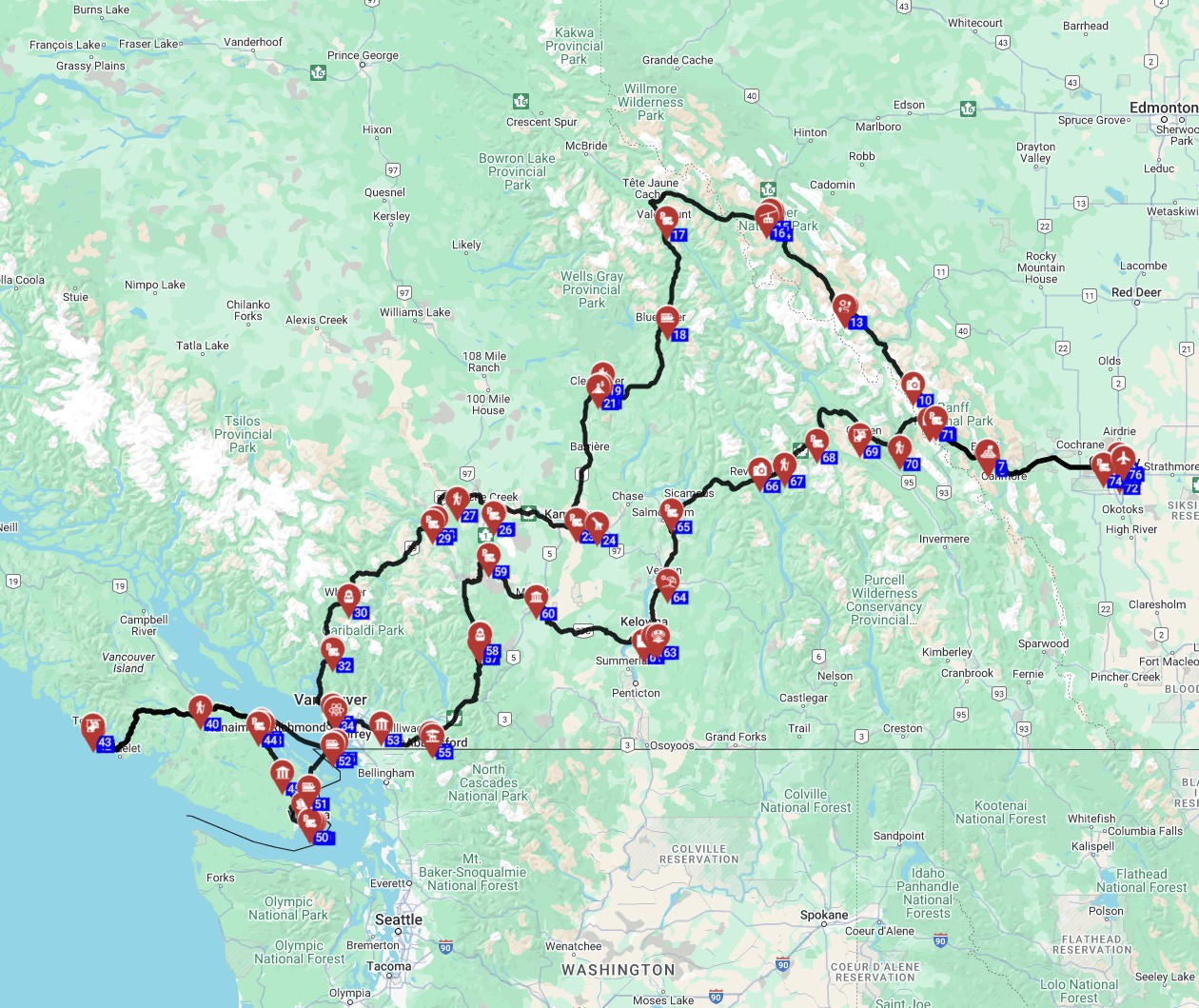
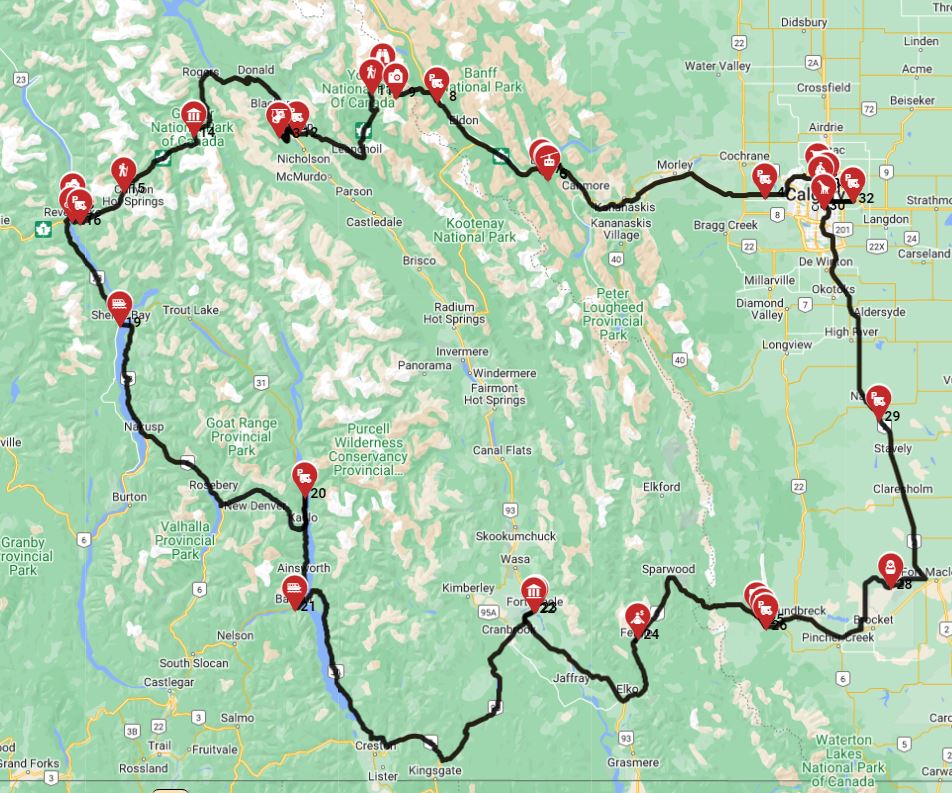
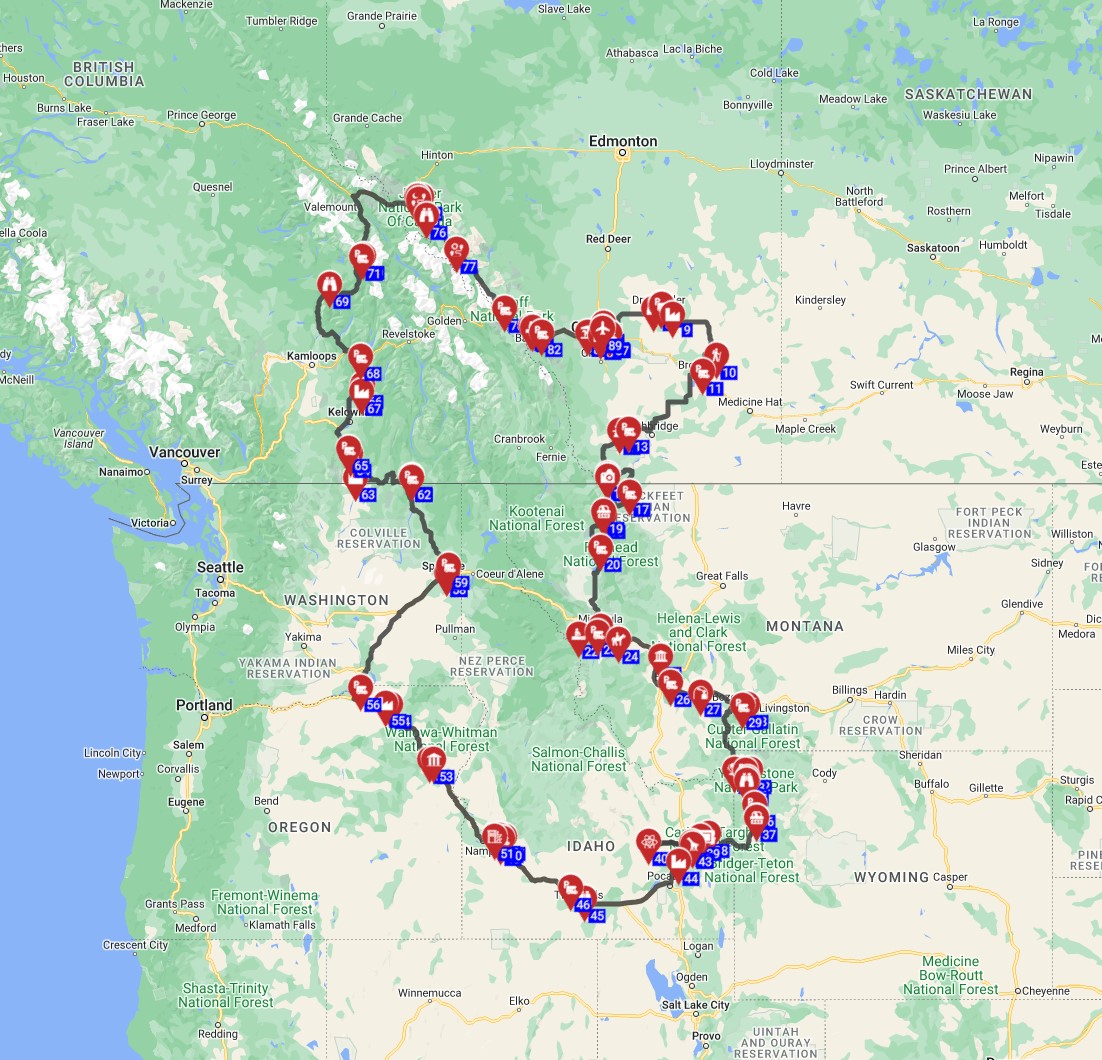
RV travelers can explore a wide network of National Parks, Provincial Parks, and private campgrounds, many of which accommodate various RV sizes and offer hookups (electrical, water, sewer). Opportunities for off-grid camping (boondocking) on Crown land are also available in many provinces, subject to local regulations, allowing for deeper immersion in nature. For comprehensive route plans and itineraries, remember to check RV PLANET (rvplan.net), which offers over 1,300 pre-planned routes across 5 continents, including many tailored for Canada.
Top Cities for RV Rental in Canada
- Abbotsford, British Columbia: A gateway to the Fraser Valley and Coast Mountains, offering easy access to nature and a relaxed pace.
- Bolton, Ontario: Located near Toronto, it's a great starting point for exploring Southern Ontario's lakes, provincial parks, and charming small towns.
- Halifax, Nova Scotia: A vibrant coastal city, ideal for starting an RV trip through Atlantic Canada's scenic fishing villages and historic sites.
- Vancouver, British Columbia: A major hub for West Coast adventures, providing access to the Pacific Rim, Vancouver Island, and the stunning Sea-to-Sky Highway.
- Coquitlam, British Columbia: Part of Metro Vancouver, offering convenient access to both city amenities and the natural beauty of British Columbia.
- Dartmouth, Nova Scotia: Across the harbor from Halifax, it's another excellent choice for exploring the diverse landscapes of Nova Scotia and beyond.
- Delta, British Columbia: Situated south of Vancouver, ideal for connections to ferries for Vancouver Island or trips south towards the USA.
- Burlington, Ontario: A beautiful city on Lake Ontario, offering a blend of urban attractions and natural escapes, perfect for exploring the Golden Horseshoe region.
- Gibsons, British Columbia: A charming coastal town on the Sunshine Coast, accessible by ferry, perfect for a peaceful RV getaway with stunning ocean views.
- Churchville, Ontario: A smaller community offering a quiet start to explore Ontario's countryside and nearby conservation areas.
Are RVs allowed in Canadian National Parks?
Yes, RVs are generally allowed in Canadian National Parks, which feature numerous campgrounds designed to accommodate a range of RV sizes and offer various hookup options. Parks Canada manages an extensive network of campsites, with many offering electrical and water hookups suitable for motorhomes and campervans. For example, Banff National Park alone has several large campgrounds, including Tunnel Mountain Village II, which offers full hookups.
Reservations for National Park campgrounds, especially in high-demand parks like Banff, Jasper, or Pacific Rim, are highly recommended and can be made through the Parks Canada website, often opening months in advance. However, many parks reserve only 25-30% of their spots for advance booking, with the remaining 70-75% available on a first-come, first-served basis. This means spontaneous travelers can often find a spot; if not at the first campground, then at the next one. Always call ahead before driving to confirm availability.
Visitors should be aware of specific length restrictions in some park campgrounds or on certain scenic routes. For instance, some smaller loop roads or older campgrounds might not accommodate larger Class A motorhomes (e.g., those over 10 meters long) or Class C models with extra slides, so always check in advance. Additionally, understand the distinct booking and permit systems for federal (National Parks) versus provincial park systems, as these are managed separately and may have different fee structures and regulations. For example, a "Discovery Pass" is required for entry into National Parks, while provincial parks have their own permit systems.
What You Shouldn't Miss
- Drive the Icefields Parkway: Traverse the 232 km (144 mi) scenic highway between Banff and Jasper National Parks in Alberta, renowned for its glaciers, turquoise lakes, and abundant wildlife viewing opportunities.
- Explore the Cabot Trail, Nova Scotia: Circle Cape Breton Island on this 298 km (185 mi) coastal highway, offering dramatic ocean vistas, charming fishing villages, and hiking trails in Cape Breton Highlands National Park.
- Experience Niagara Falls: Visit the Horseshoe Falls in Ontario, one of the world's most powerful waterfalls. Numerous RV campgrounds are available nearby, providing easy access to this natural wonder.
- Witness the Bay of Fundy Tides: Visit Hopewell Rocks in New Brunswick to see the world's highest tides, with water rising and falling up to 16 meters (53 feet) twice daily, creating unique sea stack formations.
- Discover Old Quebec City: Park your RV at a nearby campground and explore the only walled city in North America north of Mexico, a UNESCO World Heritage Site with charming cobblestone streets and historic architecture.
- Journey on the Dempster Highway: For the truly adventurous, drive the 737 km (458 mi) gravel road in Yukon and Northwest Territories, crossing the Arctic Circle to experience the raw beauty of the Canadian Arctic.
Looking for expert insights from Avi Bandana? Top 5 Adventures - recommendations from Avi Bandana.
Final Thoughts
Embarking on a family RV adventure in Canada offers a unique blend of freedom, flexibility, and unforgettable memories. From the moment you pick up your rented motorhome or campervan, you're not just traveling; you're creating a mobile home base from which to explore Canada's incredible natural beauty and vibrant culture. Whether you dream of mountain vistas, coastal drives, or lakeside retreats, an RV allows you to tailor your journey to your family's pace and interests.
Remember to plan slowly, allowing yourselves the time to truly immerse in each destination, rather than rushing through the stunning landscapes. With Bandana Caravan, you have a supportive partner every step of the way, providing transparent pricing, expert advice, and peace of mind. We are true RV specialists, passionate about helping families like yours discover the joy of the open road in Canada. So, gather your loved ones, choose your ideal RV, and get ready for an extraordinary Canadian adventure!
Discover top destinations, planning tips, all in one place! Find family rv Rentals in Canada now.