In This Guide
- Top 5 Tips for family rv rental RV Rental in Botswana
- Before You Book - Class, Dates, Insurance
- Pre-Trip Prep - Packing Checklist for Botswana
- On the Road - Driving, Fueling, Navigation
- At the Campground - Setup, Hookups and Etiquette
- family rv rental-Specific Tips for Botswana
- Common Mistakes to Avoid in Botswana
- How much does it cost to rent an RV in Botswana
- What is the best time of year to RV in Botswana
- How do I ensure wildlife safety when RV camping in Botswana
- What are essential emergency preparations for RV travel in remote Botswana
- How can families experience local culture during an RV trip in Botswana
- What are ethical tourism practices for RVers in Botswana
- Top Cities for RV Rental in Botswana
- Botswana RV Road Rules and Essential Driving Information
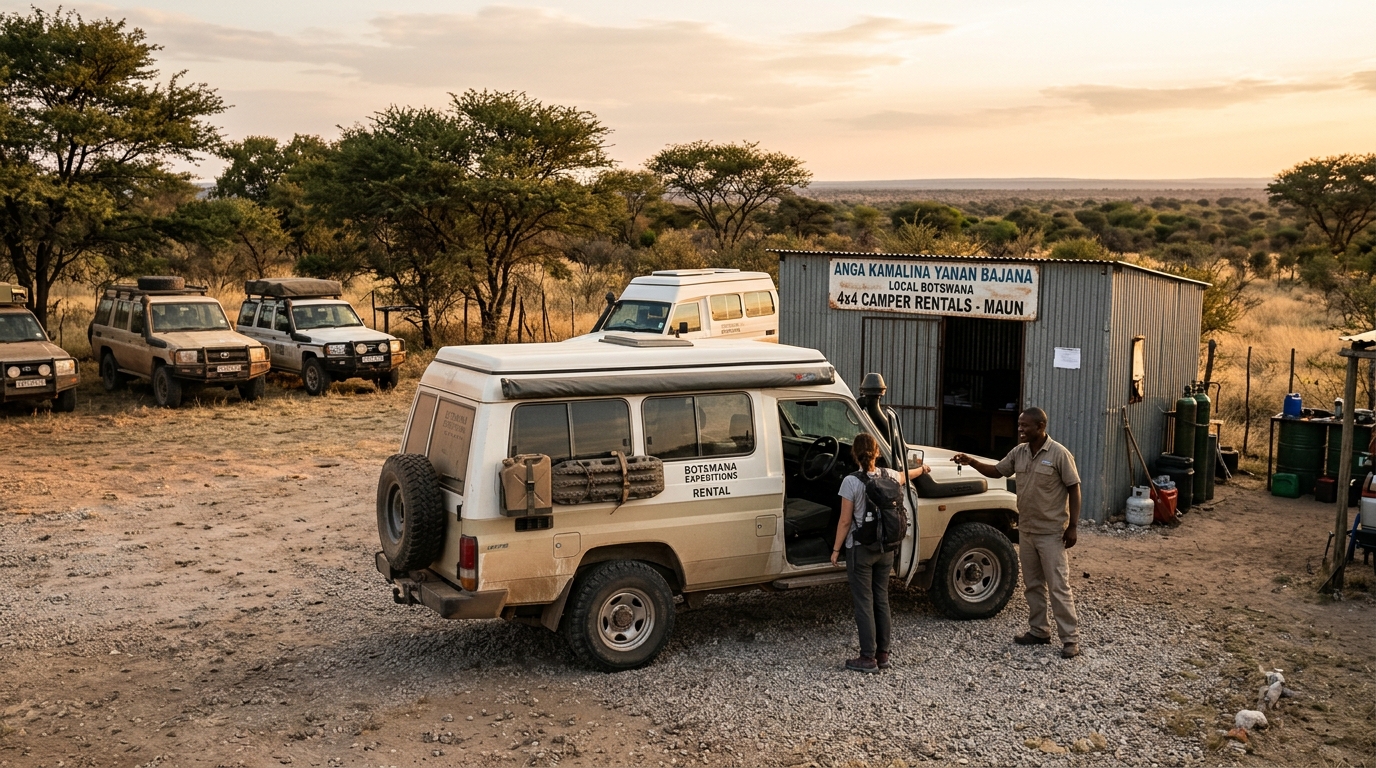
Imagine your family waking up to the sounds of the African bush, a herd of elephants perhaps grazing just beyond your rented motorhome in Botswana. RV travel with kids in Botswana offers an unparalleled adventure, combining the thrill of a safari with the comfort and flexibility of your own mobile home. This guide shares expert tips to help you plan an unforgettable family RV rental in Botswana, ensuring a smooth and joyful journey through one of Africa's most spectacular wildernesses.
For live availability and current prices, start with our RV Rental Botswana - Complete Guide 2026 guide. It's your comprehensive resource to begin mapping out this incredible family adventure.
Top 5 Tips for family rv rental RV Rental in Botswana
Choosing a reliable 4x4 RV suitable for diverse terrains is paramount to ensuring comfort and capability for the whole family across Botswana's varied landscapes. These robust vehicles, often Class C motorhomes or specially equipped campervans, are designed to handle everything from sandy tracks to gravel roads, essential for reaching remote national parks. Planning your itinerary to include both major national parks like Chobe and quieter community areas, such as the Okavango Delta panhandle villages, provides a balanced experience for all ages and offers rich cultural interaction opportunities. Booking your family RV rental well in advance, especially for the peak dry season (May-October), is crucial to secure preferred layouts and ensure availability, given the high demand for suitable vehicles during this popular travel window. Familiarizing your family with local driving rules, including the 120 km/h speed limit on major highways and 60 km/h in urban areas, and critical wildlife safety protocols before your trip will prepare everyone for encounters with Botswana's abundant fauna. Finally, packing versatile clothing and essentials for varying weather conditions and activities, suitable for all family members, from lightweight long sleeves for sun protection to warmer layers for cool desert nights, ensures comfort throughout your adventure. As true RV specialists, we at Bandana are dedicated to helping you make these informed choices, providing support before, during, and after your booking to ensure peace of mind.
Before You Book - Class, Dates, Insurance
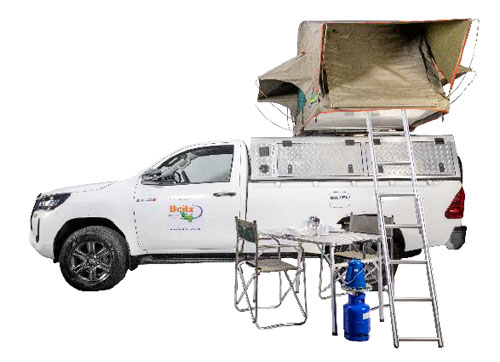
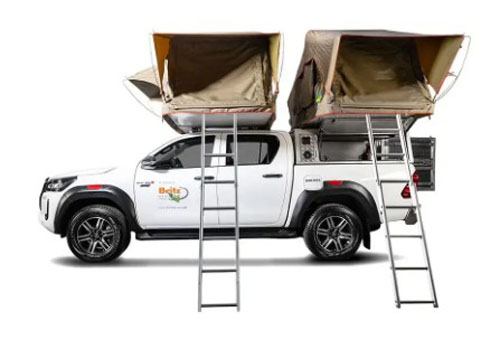
Choosing an RV class for a family RV rental in Botswana typically involves selecting a robust 4x4 campervan or a larger expedition vehicle that offers sufficient space and off-road capability for up to 4-6 people. Many of these vehicles, such as an "Active Pop Top" or a "4x4 Camper B - THOR", come equipped with features like front air conditioning, a compact kitchen with a gas stove, and comfortable sleeping arrangements for families. A standard driver's license is all that's required to operate these motorhomes, regardless of their size, making them accessible to most travelers. An International Driving Permit (IDP) is recommended for visitors from non-English speaking countries, as it can be helpful for identification, but it's not strictly mandatory in most cases. To lock in your preferred dates, especially during Botswana's peak dry season (May-October), it is advisable to book 6 to 12 months in advance, while green season (November-April) bookings can often be made 3-6 months prior, sometimes offering better rates due to lower demand. Prices for RV rentals in Botswana are dynamic, changing daily based on availability and seasonality, similar to flight tickets, so booking earlier can often secure more favorable rates. Regarding insurance options, basic insurance is always included; to see prices including the most comprehensive coverage, select that option during your search on Bandana, and all relevant insurance options will be shown. You can also upgrade to a top-level deductible for extra peace of mind, an optional enhancement for your trip. We believe in full transparency, so what you see is what you pay, with no hidden fees or surprises at pickup.
🎬 Video coming soon
Pre-Trip Prep - Packing Checklist for Botswana
A comprehensive packing checklist for an RV trip in Botswana includes essentials for clothing, kitchen, safety, and documents, tailored to the local climate and conditions. When planning your RV PLANET routes, remember to account for varied temperatures from hot days to cool nights. For meal prep, consider our RV-friendly recipes playlist for delicious and easy meals on the go. Many rented motorhomes come with basic kitchen equipment, but a few extra items like a good set of knives or a portable grill can enhance your cooking experience.
Clothing Essentials:
- Lightweight, breathable clothing (long sleeves/pants for sun/insects)
- Sun hats and sunglasses
- Swimwear
- Comfortable walking shoes/sandals
- Warm layers for evenings and early mornings
- Rain jacket (especially for green season travel)
Kitchen & Food Essentials:
- Non-perishable food items (dry goods, canned goods)
- Portable water filtration system/purification tablets
- Reusable water bottles
- Basic cooking essentials (spices, oil)
- Cooler/ice chest (for extra fresh food storage)
- Durable plates, cups, and cutlery
Safety & Vehicle Essentials:
- Comprehensive first-aid kit with personal medications
- Satellite phone or HF radio (for remote areas where cell service is non-existent)
- Headlamps/flashlights with spare batteries
- Basic vehicle recovery equipment (e.g., tow strap, spade, air compressor)
- High-strength insect repellent
- Binoculars for wildlife viewing
- GPS device with offline maps (e.g., Tracks4Africa)
Documents & Miscellaneous:
- Passports and visas (if required)
- International Driving Permit and national driving license
- Vehicle rental agreement and insurance documents
- Copies of all important documents (physical and digital backups)
- National park permits and campsite bookings
- Chargers for electronic devices and power bank
We are with you every step of the way, from pre-booking comparisons to post-booking coordination, ensuring you have all the information you need for a well-prepared trip.
On the Road - Driving, Fueling, Navigation
Practical road tips for RV travel in Botswana involve adhering to speed limits, maintaining situational awareness for wildlife, and practicing defensive driving techniques, especially on unpaved roads. Botswana drives on the left-hand side of the road, and the national speed limit is generally 120 km/h on tarred roads outside of urban areas, dropping to 60 km/h in towns and villages. On gravel and dirt roads within national parks, speed limits are usually much lower, often around 40 km/h. Drive slowly and carefully, and you can drive almost anywhere without issues. No need to stress - just use common sense and pay attention. For fueling, it is crucial to plan stops in advance, particularly when heading into remote areas like the Central Kalahari Game Reserve or Moremi Game Reserve, and consider carrying extra fuel if recommended for your specific route as fuel stations can be hundreds of kilometers apart. Diesel is the predominant fuel type for larger motorhomes and campervans. Effective navigation relies on utilizing reliable GPS systems with downloaded offline maps, such as Tracks4Africa, complemented by physical maps as a crucial backup in areas with no signal. Remember that mobile network coverage is limited to major towns and certain developed areas. For finding campsites and campgrounds during your trip, we recommend using RV PLANET (rvplan.net) - a great resource for locating available spots along your route. Additionally, RV PLANET routes allow you to itemize and track every expense along the way for easy budgeting of your ancillary trip costs, including fuel and park fees. On the routes offered through RV PLANET routes, you can itemize and track every expense along the way for easy budgeting.
At the Campground - Setup, Hookups and Etiquette
Upon arrival at a campsite in Botswana, a step-by-step setup involves safely parking and leveling your RV, extending awnings for shade, and securing any outdoor items to prevent wildlife interference. When connecting hookups, the recommended order is typically power, then water, followed by waste disposal if available at your site. Many campsites in national parks offer basic facilities, sometimes including water points and ablution blocks, but electrical hookups are less common in truly remote areas. It’s a good idea to confirm specific facilities when making bookings. Regarding etiquette, it is important to observe quiet hours, typically from 10 PM to 6 AM, respect the privacy of fellow campers, and always adhere to 'leave no trace' principles to minimize environmental impact. This means packing out all your trash, using biodegradable soaps, and ensuring no food scraps are left behind. Remember that many national and state parks reserve only 25-30% of spots for advance booking, with the rest being first-come-first-serve. You'll find a spot. If not at the first campground, then the next one. Always call ahead before driving to confirm availability, especially if you're exploring destinations like the Okavango Delta or Chobe National Park where campsites are limited.
family rv rental-Specific Tips for Botswana
For family RV rentals in Botswana, pack a variety of kid-friendly entertainment options like books, games, and tablets to keep children engaged during long drives and downtime, especially when wildlife viewing might require quiet patience. Choosing an RV layout with separate sleeping areas or flexible bed configurations, such as a "Glamys 40" or "F4" model with bunk beds or convertible dinettes, can enhance privacy and ensure comfortable nap times for younger family members. Prioritize planning shorter driving days, max 100-150 km per day on average, with frequent stops at interesting points or rest areas to accommodate the energy levels and attention spans of children. This slower pace allows everyone to truly feel the place, connect to the culture, the food, and the scenery. Consider a rented motorhome equipped with good insulation and air conditioning, or robust ventilation, to maintain a comfortable interior climate, which is crucial for families in Botswana's varying temperatures, from hot afternoons to surprisingly cool desert nights. When selecting campsites, look for those offering facilities such as swimming pools, designated play areas, or guided nature walks suitable for all ages, which can be found at some private reserves or larger public campsites near towns like Maun or Kasane. A longer trip, such as a week-long or two-week adventure, allows more time for these family-friendly activities and relaxation.
Common Mistakes to Avoid in Botswana
Underestimating fuel and water needs for remote areas is a common mistake; instead, always carry sufficient reserves and plan ahead for resupply points, especially when venturing into the Makgadikgadi Pans or the deeper parts of the Okavango Delta. Failing to book national park campsites and permits in advance can lead to disappointment, particularly for popular spots like Savuti or Ihaha in Chobe; instead, secure your spots well before your travel dates, especially if your trip includes peak season months. Ignoring wildlife safety guidelines, such as approaching animals on foot or leaving food unsecured outside your rented RV, is dangerous and can lead to severe consequences; instead, maintain safe distances from all wildlife and secure your camp at all times, making sure all windows and doors are closed. Overpacking unnecessary items adds weight and reduces maneuverability, impacting your fuel consumption and ability to navigate challenging tracks; instead, pack light, versatile clothing and essentials tailored to the Botswana climate and remember that laundry facilities are available in larger towns. Not researching seasonal road conditions can lead to unexpected delays or impassable routes, especially during the green season (November-April) when heavy rains can turn dry tracks into muddy quagmires; instead, check current reports and plan your itinerary accordingly, often opting for more accessible routes or higher-clearance 4x4 campervans during these times.
How much does it cost to rent an RV in Botswana
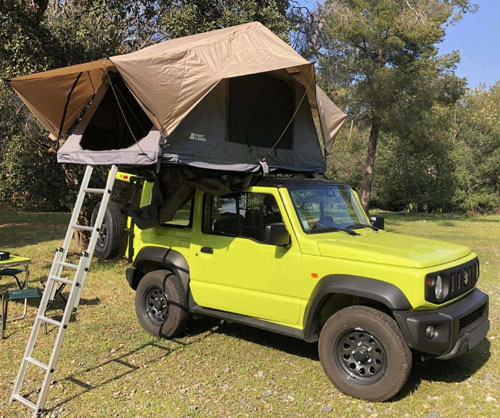
RV rental costs in Botswana typically range from $150 to $400 USD per day for a family-suitable vehicle, varying significantly based on the RV class, rental season, and duration of the trip. For example, a compact 4x4 campervan like a "4x4 Jimny" might be at the lower end, while a larger, well-equipped expedition motorhome (e.g., a "Discoverer FunXA 4x4") could be at the higher end. This daily rental price generally includes basic insurance, but it is crucial to budget for additional expenses such as national park entry fees (e.g., approx. $30 USD per person per day for non-residents), daily conservation levies, and campsite fees (often $20-$50 USD per night per site), which can accumulate quickly. Fuel costs are a significant component of the overall budget, particularly for covering long distances in remote areas with a 4x4 RV that may have higher consumption rates, usually around 12-18 liters per 100 km depending on the vehicle and terrain. Food expenditure can be managed by utilizing the rented RV's self-catering facilities, though opportunities to purchase fresh produce and local goods are available in larger towns like Maun and Kasane. Consider the cost of optional extras like comprehensive insurance, which you can upgrade to a top-level deductible for extra peace of mind, satellite phone rentals (essential for safety in remote regions), or specific recovery equipment, which can enhance safety but add to the total. Remember, prices are dynamic, just like flight tickets, changing daily based on availability and supplier marketing decisions; the final price is always set at the actual booking time. Bandana Caravan is dedicated to full transparency, offering bookings in 30+ currencies with no hidden fees. For more detailed pricing guides, explore our "RV Rental in Botswana - Prices and Best Deals 2026" or "Family RV Rental in Botswana - Pricing Guide 2026".
What is the best time of year to RV in Botswana
The dry season, from May to October, is generally considered the best time for RV travel in Botswana, offering cooler, clear weather, minimal rainfall, and more accessible road conditions for your rented motorhome. During this period, wildlife congregates around diminishing water sources, making viewing more predictable and concentrated, especially in major parks like Chobe and Moremi. While excellent for wildlife and driving, the dry season is also peak tourist season, meaning popular campsites and RV rentals require booking many months in advance due to high demand. Travelers who like to plan everything organized should consider booking their "Weekly RV Rental in Botswana - Pricing 2026" or extended trip at least 6-12 months ahead to secure the best options. The green season, spanning November to April, presents a different experience with lush landscapes, abundant birdlife, and lower visitor numbers, often resulting in more affordable rental rates and a greater chance to find last-minute availability. However, green season travel requires careful planning as heavy rains can make some roads, particularly in floodplains and black cotton soil areas, extremely challenging or impassable for RVs, emphasizing the need for a capable 4x4 motorhome or campervan. Many national parks still keep 25-30% of their spots as first-come-first-serve, so you'll usually find a spot, even if it's not the first campground you try; just call ahead before driving.
How do I ensure wildlife safety when RV camping in Botswana
To ensure wildlife safety when RV camping in Botswana, especially in unfenced national parks or wilderness areas, it is paramount to always maintain a respectful distance from animals and never attempt to feed them. Human-fed animals can become aggressive and dangerous, leading to tragic outcomes for both animals and people. Secure all food, garbage, and scented items inside your rented RV, or in designated animal-proof containers, to prevent attracting predators and scavengers like hyenas, jackals, and baboons, which are highly intelligent and opportunistic. Avoid walking alone, particularly at night; always use a strong flashlight or headlamp to illuminate your surroundings before stepping out of the RV after dark, as many of Botswana's most dangerous animals are nocturnal. Keep all RV windows and doors securely closed, especially when sleeping or leaving the vehicle unattended, as curious or hungry animals like monkeys, baboons, or even larger predators can easily enter. Familiarize yourself and your family with local park regulations regarding wildlife interactions and heed any advice or warnings provided by park rangers or your rental company, as these guidelines are in place for your safety and the preservation of Botswana's wildlife.
What are essential emergency preparations for RV travel in remote Botswana
Essential emergency preparations for RV travel in remote Botswana include carrying a reliable satellite phone or a high-frequency (HF) radio, as mobile network coverage is often non-existent outside of major towns like Gaborone or Maun. These communication devices are crucial for calling for assistance in case of a breakdown, medical emergency, or any unexpected situation. Compile a comprehensive list of emergency contacts, which should include local park rangers, the nearest police station (emergency number 999), and your RV rental company's 24/7 roadside assistance or emergency number, readily accessible within the vehicle. Ensure your travel insurance includes medical evacuation coverage, specifically for air rescue from remote areas, and understand the activation protocols for such services, as medical facilities can be very far from many popular RV destinations. Carry a thoroughly stocked first-aid kit capable of handling common injuries, snake bites, and allergic reactions, along with any necessary personal prescription medications, and make sure at least one family member is trained in basic first aid. Inform a trusted contact person, such as family or friends back home, of your detailed itinerary, including expected campsite locations and check-in times, and adhere closely to your planned route to aid in potential search and rescue efforts. Planning a trip itinerary in advance with minimal effort and maximum enjoyment is key, and resources like RV PLANET can help organize these details.
How can families experience local culture during an RV trip in Botswana
Families can enrich their RV trip in Botswana by experiencing local culture through visiting traditional villages, supporting community-based tourism initiatives, and engaging with local artisans, moving beyond just wildlife viewing. Seek out opportunities for guided village walks, cultural tours, or traditional cooking demonstrations in places like the Okavango Delta panhandle or areas surrounding the Makgadikgadi Pans, which often offer authentic insights into the daily lives and customs of local communities. Purchasing souvenirs and crafts directly from local markets or artisans in towns and villages ensures that your financial contribution directly benefits the community members, rather than going to larger intermediaries. Learning a few basic Setswana phrases, such as 'Dumela' (hello), 'Go siame' (it's good/okay), and 'Ke a leboga' (thank you), can facilitate warmer interactions and show respect for local customs, opening doors to more genuine connections. Consider staying at campsites or lodges that are community-owned or actively employ local staff, as these often provide more structured opportunities for cultural exchange and engagement, offering a deeper understanding of Botswana's rich heritage.
What are ethical tourism practices for RVers in Botswana
Ethical tourism practices for RVers in Botswana primarily involve minimizing environmental impact, respecting local customs and communities, and contributing positively to the local economy, crucial for preserving its pristine wilderness. Always adhere to the 'leave no trace' principle by ensuring all waste, including greywater and blackwater, is properly disposed of at designated dump stations or carried out of sensitive areas, and avoid disturbing local flora and fauna, including collecting souvenirs from nature. Respect local communities by dressing modestly in villages, asking permission before photographing people, and being mindful of noise levels, especially when camping near populated areas or communal lands. Support the local economy by purchasing supplies, fuel, and souvenirs from community-owned businesses and local vendors rather than large, international chains, which ensures money stays within Botswana. Conserve precious resources like water and electricity, which can be scarce in many parts of Botswana, by taking shorter showers and being mindful of your power consumption, and stick to designated roads and tracks to prevent damage to fragile ecosystems. This mindful approach helps ensure Botswana remains a beautiful and thriving destination for future generations.
Top Cities for RV Rental in Botswana
Botswana offers several key locations for picking up your rented motorhome or campervan, serving as excellent starting points for your family adventure. These cities provide access to essential services and convenient routes to the country's famous wildlife destinations.
- Gaborone: As the capital city, Gaborone is a primary entry point and offers various RV rental options. From here, you can easily access the southern and central parts of Botswana, including the Kalahari Desert.
- Gaborone Airport: Renting directly from Gaborone Airport (Sir Seretse Khama International Airport) provides seamless access to your vehicle upon arrival, perfect for families eager to start their journey without delay.
- Kasane: Located in the north, Kasane is the gateway to Chobe National Park and the popular Chobe Riverfront. It's an ideal pickup location if your itinerary focuses on northern Botswana's rich wildlife. You might find excellent "RV Rental Deals in Botswana - Latest Offers 2026" starting from here.
- Kasane - Airport: Similar to Gaborone, picking up your RV at Kasane Airport offers convenience for accessing the Chobe region and connecting to destinations like Victoria Falls (just a short drive away).
- Maun: Maun is widely known as the "tourism capital" of Botswana and the primary gateway to the Okavango Delta. It's a crucial hub for arranging delta excursions and serves as a popular starting point for RV trips into the delta and Moremi Game Reserve.
- Maun - Airport: Collecting your motorhome from Maun Airport allows for immediate departure into the wilderness, especially convenient for travelers flying in directly to explore the Okavango region.
These hubs ensure that whether you're looking for a "One-Way RV Rental in Botswana - Price Guide 2026" or a circular route, you have practical starting and ending points for your journey.
Botswana RV Road Rules and Essential Driving Information
Botswana operates on a left-hand drive system, meaning you drive on the left side of the road, and vehicles are right-hand drive, which can take some adjustment for drivers from right-hand drive countries. Speed limits are generally 120 km/h (approximately 75 mph) on major national highways, reducing to 60 km/h (approximately 37 mph) in urban areas and 40 km/h (approximately 25 mph) within national parks and reserves. Speed limits on gravel roads are often lower and should be adhered to for safety, especially with wildlife present. Road conditions vary significantly; while major arteries connecting cities like Gaborone, Francistown, and Maun are paved, most roads within national parks and to smaller communities are gravel, sand, or dirt tracks, often requiring a 4x4 capable motorhome or campervan. Always carry your valid national driver's license and an International Driving Permit (IDP) is highly recommended for visitors, making interactions with local authorities smoother. Emergency services can be reached by dialing 999 for police, fire, and ambulance. Mobile phone connectivity is limited to populated areas and major routes, making a satellite phone or HF radio essential for remote travel. When planning an extensive trip, consider our "RV Rental Africa - Complete Guide 2026" for broader regional driving insights. Ensure you have sufficient cash (Botswana Pula) for smaller vendors and emergencies, as card facilities are not always available in remote locations.
What You Shouldn't Miss
- Chobe National Park Game Drives: Experience world-class wildlife viewing, particularly large elephant herds, from your rented RV or on guided safari drives along the Chobe Riverfront.
- Okavango Delta Mokoro Safari: Take a traditional dugout canoe (mokoro) trip into the Okavango Delta from Maun for a serene, immersive experience among hippos, birds, and lush waterways.
- Nxai Pan National Park's Baines Baobabs: Visit these iconic, ancient baobab trees that stand majestically on the edge of the Nxai Pan, offering incredible photographic opportunities and a sense of timelessness.
- Makgadikgadi Pans Stargazing: Spend a night RV camping on the vast, surreal salt pans, far from light pollution, to witness some of the most spectacular starry skies on Earth.
- Khama Rhino Sanctuary: Contribute to rhino conservation efforts by visiting this community-run wildlife project near Serowe, where you can see both black and white rhinos up close.
- Savuti Marsh Exploration: Drive your 4x4 motorhome through the legendary Savuti Marsh in Chobe National Park, known for its dynamic wildlife populations and predator sightings.
Looking for expert insights from Avi Bandana? Top 5 Adventures - recommendations from Avi Bandana.
Final Thoughts
A family RV rental in Botswana promises an extraordinary adventure, a unique blend of thrilling wildlife encounters and the freedom of the open road, all from the comfort of your rented home-on-wheels. With careful planning, the right vehicle, and an adventurous spirit, you and your kids will create memories that last a lifetime, forging a deeper connection with nature and each other. We at Bandana Caravan are passionate about making these incredible experiences accessible, offering full transparency and dedicated support every step of the way.
Don't just dream about it – start planning your ultimate family safari. Discover top destinations, planning tips, all in one place!
Compare Family RV Rentals for Botswana now and embark on an unforgettable journey into the heart of Africa!