In This Guide
- Top 5 Tips for RV Rental in Alaska
- Before You Book - Class, Dates, Insurance
- Pre-Trip Prep - Packing Checklist for Alaska
- On the Road - Driving, Fueling, Navigation
- At the Campground - Setup, Hookups and Etiquette
- RV Rental-Specific Tips for Alaska
- Common Mistakes to Avoid in Alaska
- What is the 3-3-3 rule for RVs?
- What is the 4-4-4 rule for RV travel?
- Should I rent an RV in Alaska?
- What do I need to know before renting an RV?
- How much does RV rental in Alaska average cost?
- Is it cheaper to rent an RV or stay in a hotel?
- What is the best time of year to RV to Alaska?
- What not to forget on an RV trip?
🎬 Video coming soon
Top 5 Tips for RV Rental in Alaska
Planning a family RV adventure in Alaska requires a blend of preparation and flexibility to truly embrace the Last Frontier. To maximize your journey, remember to book your preferred motorhome class and dates well in advance, especially if you're traveling during the peak season from June to August when availability can be limited. A comprehensive budget is essential, extending beyond just rental fees to cover fuel for Alaska's vast distances, campground fees, activity costs, and potential ferry expenses, which you can itemize easily on RV PLANET routes. Familiarize yourself with Alaska's unique driving conditions, such as unexpected gravel sections and long stretches between service stations, to ensure a smooth and safe trip. Don't forget versatile layers for rapidly changing weather, high-quality insect repellent for those famously large mosquitoes, and crucial safety gear like bear spray and offline maps for areas with limited cell service. By keeping these tips in mind, your family trip will be an unforgettable exploration of Alaska's natural wonders. On the routes offered through RV PLANET routes, you can itemize and track every expense along the way for easy budgeting.
For live availability and current prices, start with our RV Rental Alaska - Complete Guide 2026 guide. We are true RV specialists, with over 20 years of experience helping tens of thousands of travelers explore the world by rented RV.
Before You Book - Class, Dates, Insurance
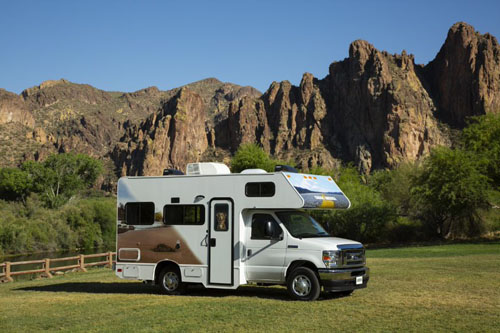
Selecting the right rented RV for your Alaska adventure involves careful consideration of your group size, comfort needs, and driving experience, with Class C motorhomes often striking a great balance between maneuverability and ample amenities for families.
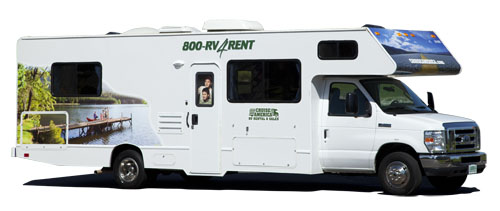
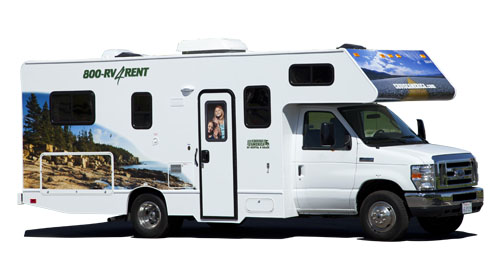
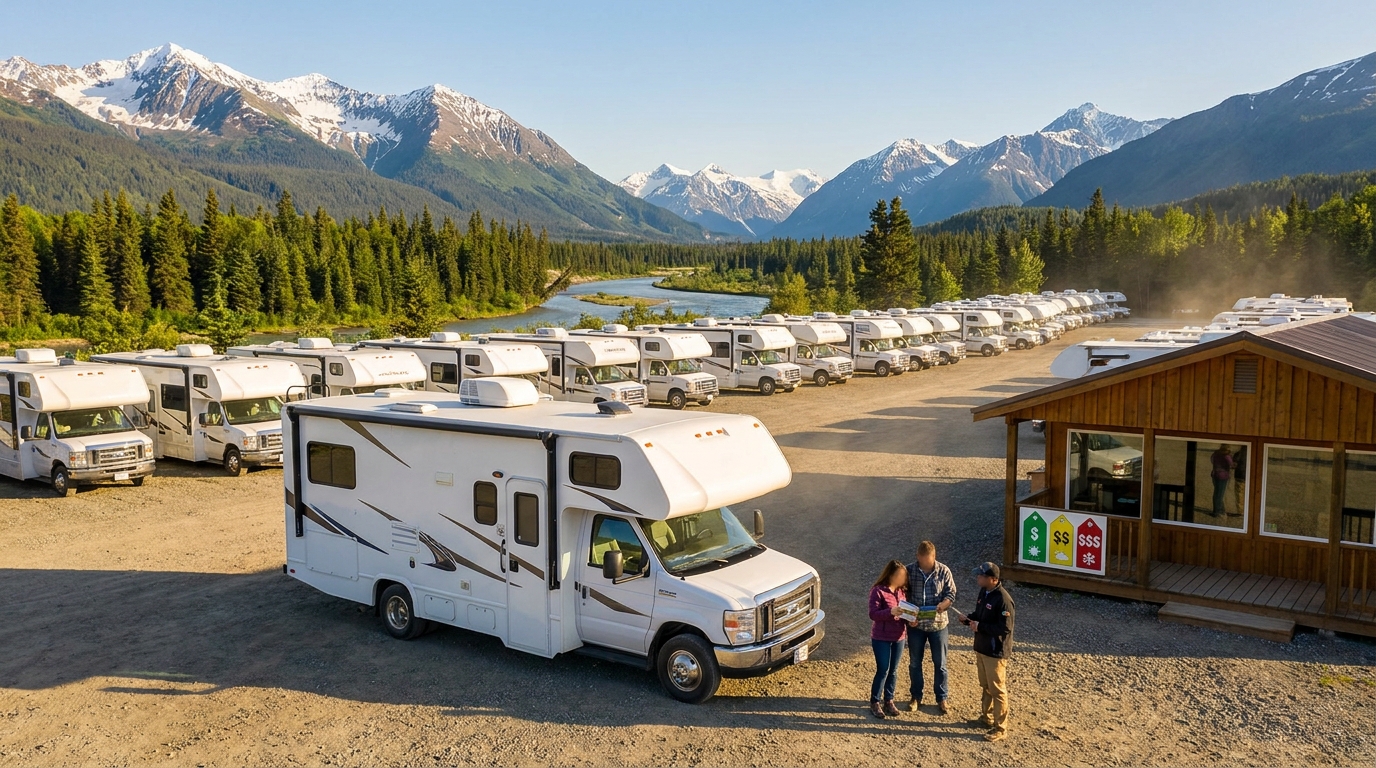
Locking in your RV rental dates as early as possible is crucial for an Alaska trip, particularly if traveling during the popular summer months (June-August) when demand is highest and prices can be steeper. For example, a "cruise america rv rental example Explorer" Class C motorhome, ideal for 4 people with a 75-liter fuel tank, is much easier to secure with advance booking. This helps ensure you get the perfect motorhome for your family, whether it's a compact campervan like an "alaska rv rental example Paradise S/T" for a couple or a larger Class C like an "alaska rv rental example Category C" with 3 double beds for a big family. While many popular campgrounds, especially in national and state parks, might see bookings open 6-12 months ahead, remember that 25-30% of spots are often kept for first-come, first-served arrivals. So, while pre-planning is smart, spontaneous travelers can still find spots; just call ahead.
Understanding your insurance options is key; basic insurance is always included, but you can upgrade to a top-level deductible for extra peace of mind. To see prices including the most comprehensive coverage, simply select that option during your search on our platform. At Bandana, we believe in full transparency, so there are no hidden fees or surprises when you pick up your rented RV.
Pre-Trip Prep - Packing Checklist for Alaska
A tailored packing checklist for Alaska ensures you're prepared for diverse weather, wildlife encounters, and remote conditions, making your rented RV experience as comfortable as possible. Essential clothing includes waterproof outer layers, warm fleece, wool socks, and sturdy hiking boots, alongside high-quality insect repellent and a headlamp for varying daylight hours, especially when experiencing the 24 hours of daylight north of the Arctic Circle. Safety items like a first-aid kit, bear spray (and knowing how to use it safely), binoculars for wildlife viewing, and a satellite messenger are highly recommended, particularly when exploring Alaska's remote backcountry, where cell service is often non-existent.
When preparing meals in your RV's kitchen, consider our RV-friendly recipes playlist for easy, delicious meal ideas on the go. Additionally, having copies of all important documents, including driver's licenses (a standard car license is sufficient for all motorhome classes, but an International Driving Permit is recommended for non-English speakers), passports (if crossing into Canada), and your RV rental agreement, is crucial for smooth travel and any unforeseen circumstances. Remember to pack a bear-resistant food container for proper food storage when camping in areas with active bear populations.
On the Road - Driving, Fueling, Navigation
Driving a rented RV in Alaska requires awareness of unique road conditions, including gravel sections on some routes (such as parts of the Denali Park Road) and significant distances between gas stations, necessitating proactive fueling of your 200-liter fuel tank.
Always drive slowly and carefully, and you can drive almost anywhere without issues. No need to stress - just use common sense and pay attention. Navigation in Alaska's vast landscapes often means limited to no cell service, making offline maps, a dedicated GPS device, or traditional physical maps essential backups for staying on your chosen route. Exercising extreme caution for wildlife crossings is paramount, especially during dawn and dusk, when animals like moose (which can stand over 7 feet tall) and bears are most active. Being prepared for long stretches without immediate services also means carrying extra water, emergency food supplies, and a basic tool kit for minor roadside repairs. Remember, we always recommend slow travel in your rented motorhome, averaging a maximum of 100-150 km per day, allowing you to truly feel the place, connect to the culture, the food, and the scenery.
At the Campground - Setup, Hookups and Etiquette
Setting up your rented RV at an Alaskan campground typically involves leveling your vehicle, connecting to utility hookups in a specific order (sewer first, then water, then electricity), and ensuring proper waste disposal according to Leave No Trace principles.
Observing campground etiquette is vital, which includes adhering to quiet hours, keeping your site tidy, and respecting the abundant Alaskan wildlife by storing all food and scented items in bear-resistant containers or your locked vehicle. Understanding how to correctly connect and disconnect your RV's hookups is fundamental for safe and sanitary use of campground amenities, especially when dealing with freshwater tanks (e.g., 158 liters on a "C-MEDIUM PLUS" motorhome) and waste water tanks (e.g., 113 liters). Many national and state parks offer a mix of full-hookup sites and dry camping (boondocking), so always check campground details in advance. For finding campsites and campgrounds during your trip, we recommend using RV PLANET (rvplan.net) - a great resource for locating available spots along your route.
RV Rental-Specific Tips for Alaska
Families renting an RV in Alaska might consider larger Class C or Class A models to provide ample space for kids, with vehicles like the "rv rentals utah example Sunrise Escape" (sleeping 5 with a 167-liter fresh water tank) being ideal for comfort.
Planning nap-friendly driving schedules, especially during summer's extended daylight hours, can help keep younger travelers happy. Seniors may benefit from ergonomic RV class selections, such as Class B campervans or smaller Class C models, offering easier maneuverability and step-in access, like a "luxury rv rentals example Carthago Malibu 600" that is ideal for a couple. Budget-conscious travelers can maximize savings by researching free overnight parking spots (e.g., specific Walmart locations or Bureau of Land Management lands) and cooking most meals in their rented RV's kitchen. For a luxury experience, consider premium RV rentals with added amenities like satellite TV, upgraded kitchens, and more spacious living areas, along with guided tours or premium campground reservations. Our partners, such as El Monte, Cruise America, Apollo, and Britz, offer a wide range of options to suit every budget and travel style.
Common Mistakes to Avoid in Alaska
Underestimating driving distances and time is a common error in Alaska; instead, factor in slower speeds due to winding roads, frequent photo stops at scenic overlooks, and unexpected wildlife delays to create a realistic itinerary.
Failing to book campgrounds in advance, especially for popular national parks or state recreation areas during peak season (July-August), can lead to difficulty finding overnight spots; always reserve ahead, particularly for must-see locations like Denali National Park. Neglecting bear safety protocols is dangerous; instead, store all food and scented items in bear-resistant containers, carry bear spray, and know how to use it effectively, following Leave No Trace principles. Overpacking or under-preparing for extreme weather is also a common mistake; instead, pack versatile layers for all conditions, including waterproof gear, and be prepared for sudden temperature changes. Remember to verify the specific restrictions of your rented RV, such as limits on gravel roads, to avoid violating your rental agreement.
What is the 3-3-3 rule for RVs?
The 3-3-3 rule for RVs is a popular guideline suggesting travelers drive no more than 300 miles a day, arrive at their destination by 3 PM, and stay for at least 3 nights to foster a relaxed pace.
Adhering to this rule helps prevent driver fatigue, allows ample time for setting up camp and exploring the local area, and promotes a more enjoyable and less rushed travel experience. For an Alaska RV trip, the "300 miles a day" portion might need flexibility due to varying road conditions, slower average speeds, and numerous scenic overlooks that invite stops, but the core principles of not rushing and taking time to enjoy your stops remain invaluable.
What is the 4-4-4 rule for RV travel?
The 4-4-4 rule for RV travel is an alternative to the 3-3-3 rule, proposing travelers drive no more than 400 miles a day, aim to arrive by 4 PM, and stay for at least 4 nights, allowing for slightly longer journeys.
This guideline suits those with more aggressive itineraries or who want to cover greater distances between attractions while still maintaining a balanced travel rhythm. When applied to Alaska, travelers should still prioritize safety and flexibility, as vast wilderness, unpredictable weather, and limited services might necessitate adjusting daily mileage goals to ensure a comfortable and secure journey.
Should I rent an RV in Alaska?
Renting a motorhome or campervan in Alaska is highly recommended for travelers seeking unparalleled flexibility, immersive nature experiences, and the ability to explore both popular and off-the-beaten-path destinations at their own pace.
A rented RV allows for spontaneous detours to lesser-known attractions and enables travelers to adapt itineraries based on weather changes or exciting wildlife sightings, offering a unique level of freedom compared to traditional tours or hotel-based trips. Considering Alaska's unique seasons and extreme daylight, a motorhome provides a mobile base to experience 24-hour summer daylight (with good window coverings for sleep) or the quiet beauty of shoulder seasons, while also facilitating adherence to vital wildlife and bear safety protocols by keeping food securely stored. We've been helping travelers plan their adventures since 2001, making us true RV specialists who genuinely know the ropes.
Looking for expert insights from Avi Bandana? Top 5 Adventures - recommendations from Avi Bandana
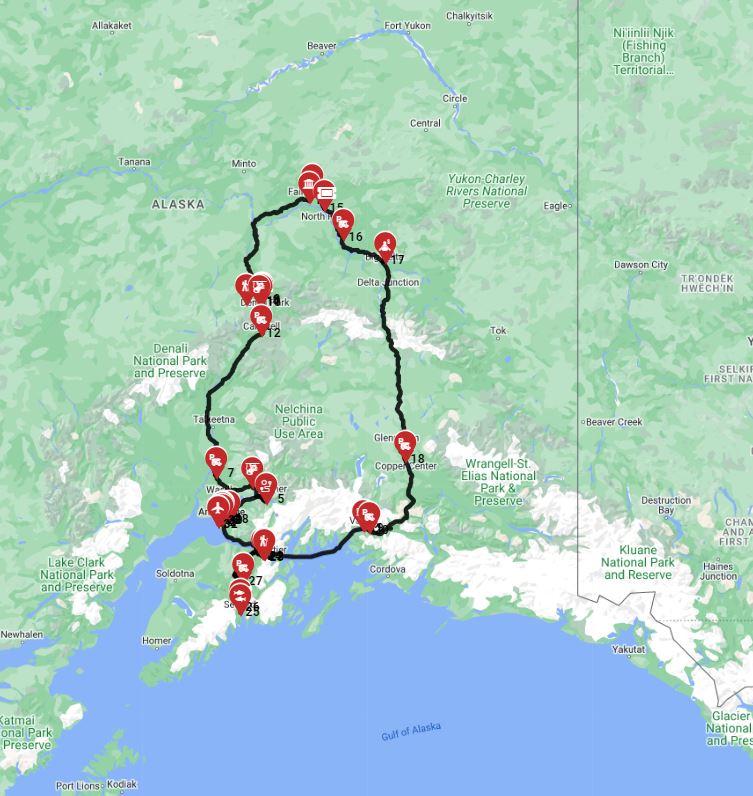
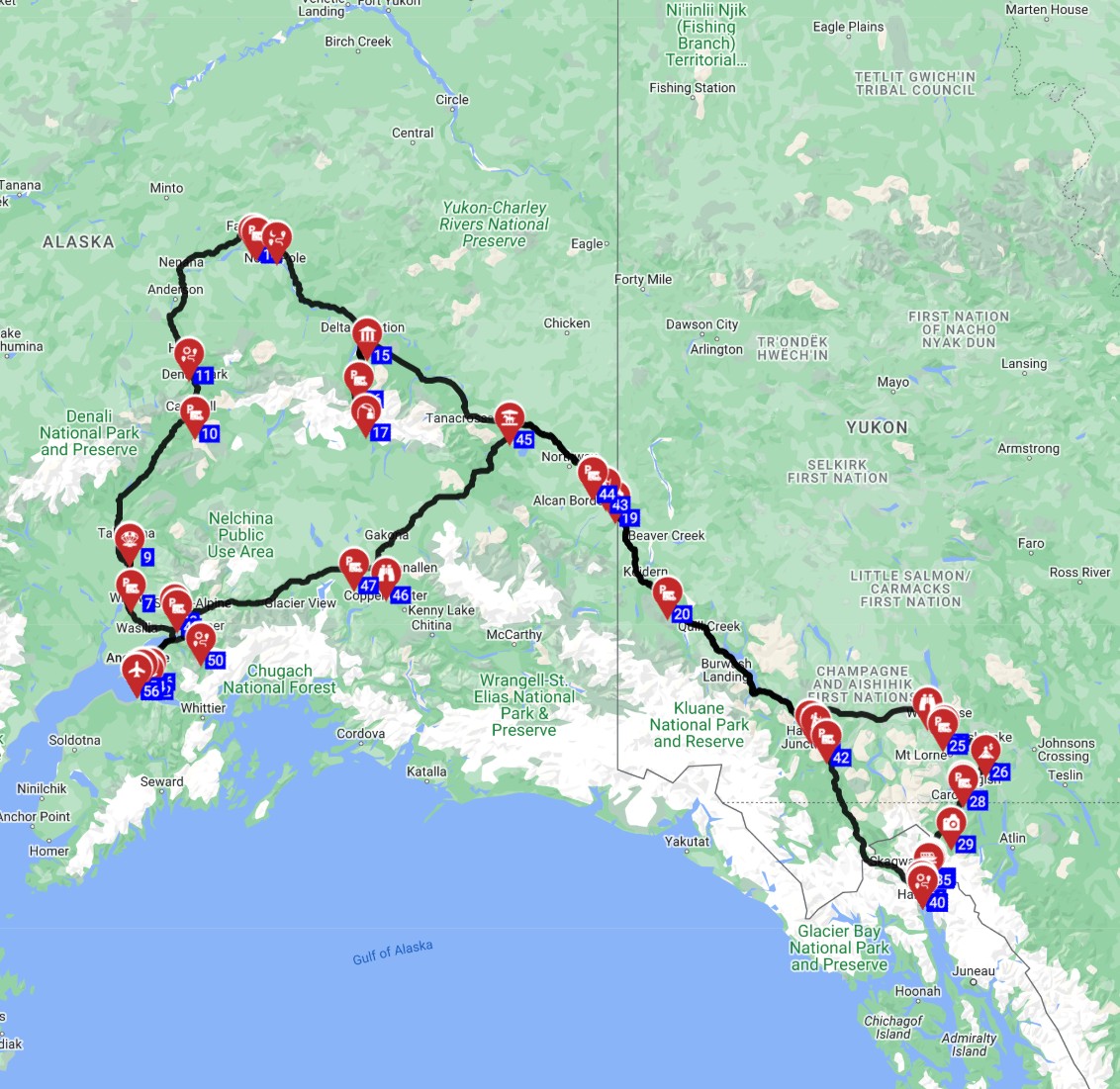
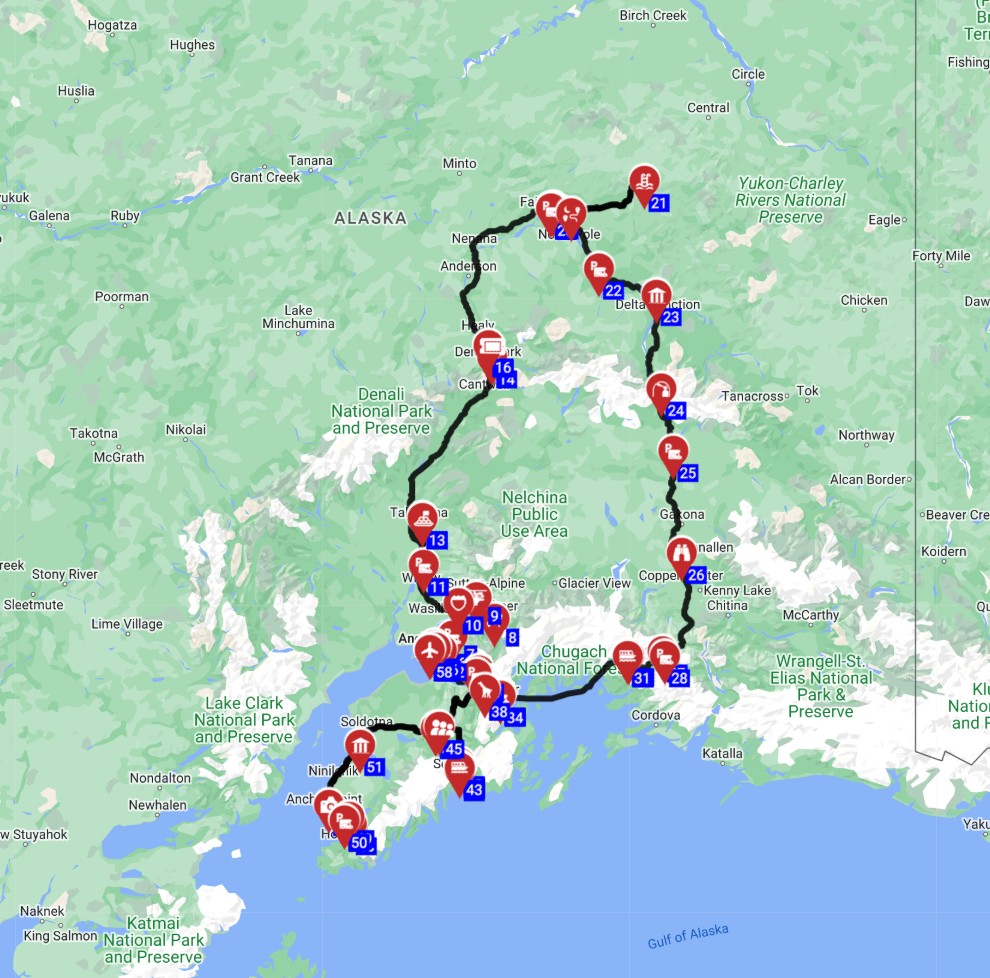
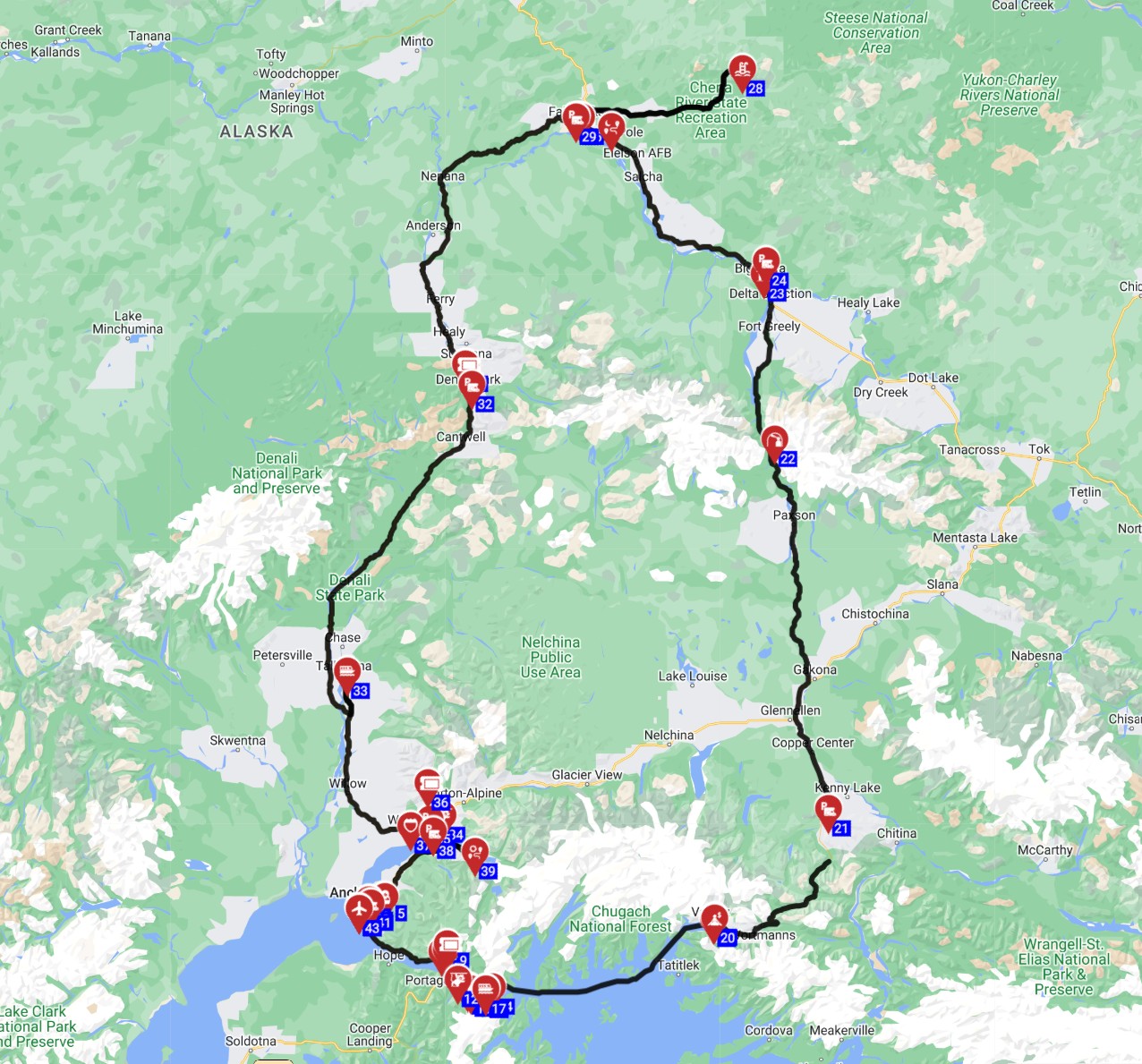
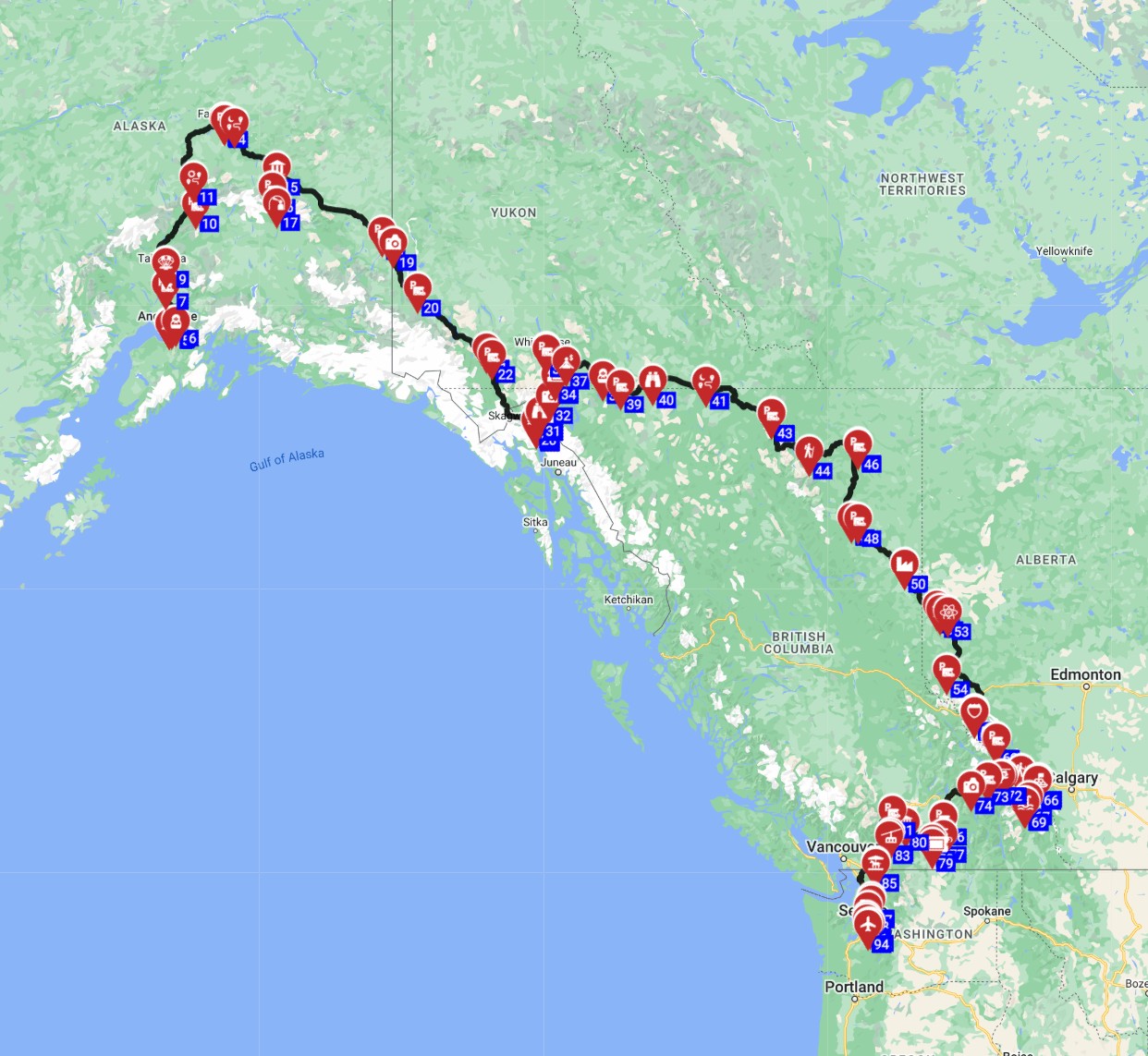
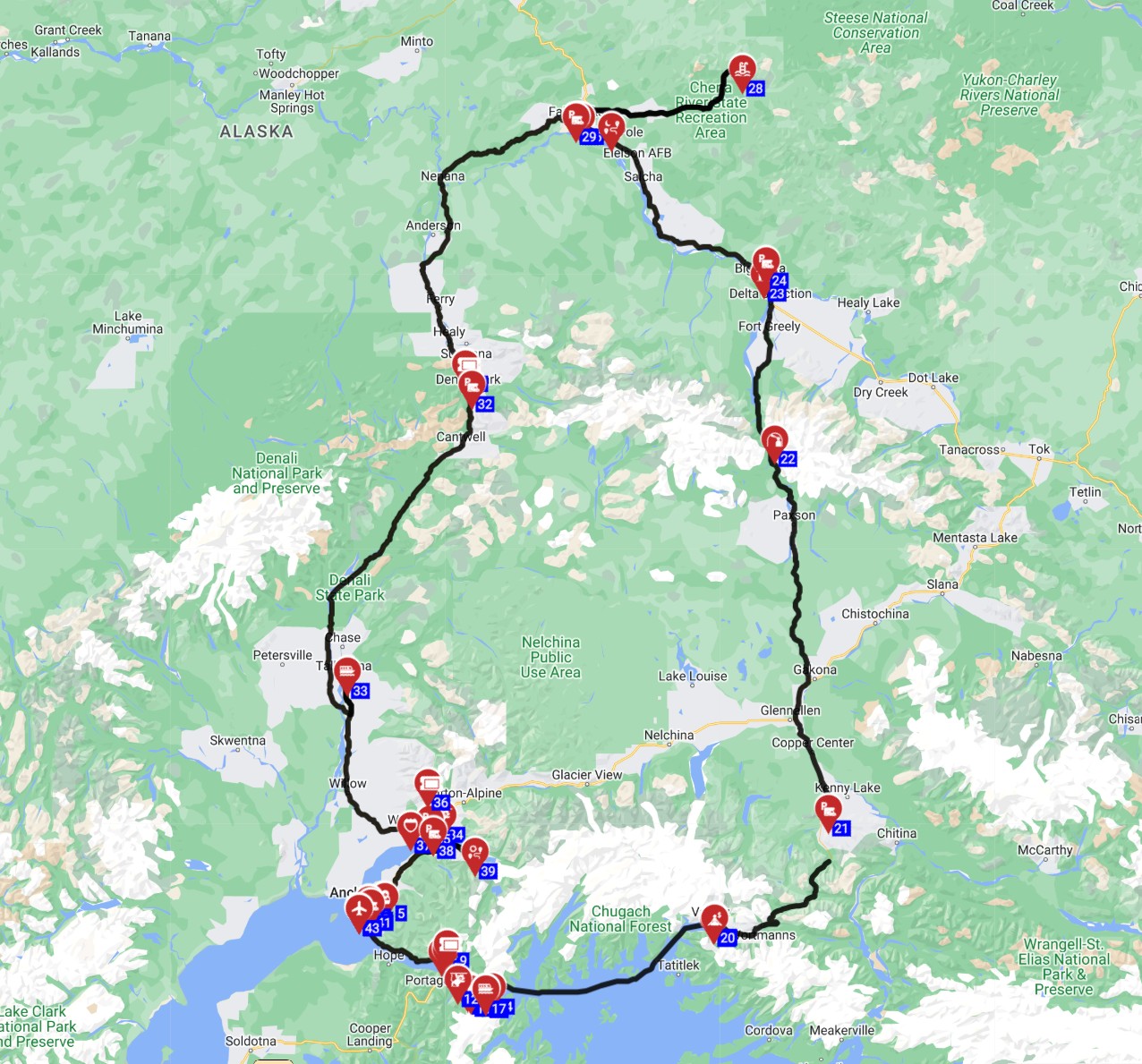
Avi Bandana, our founder, is passionate about helping you discover the perfect RV adventure. Here are some fantastic routes our professionals at RV PLANET have crafted for exploring Alaska:
This extensive "
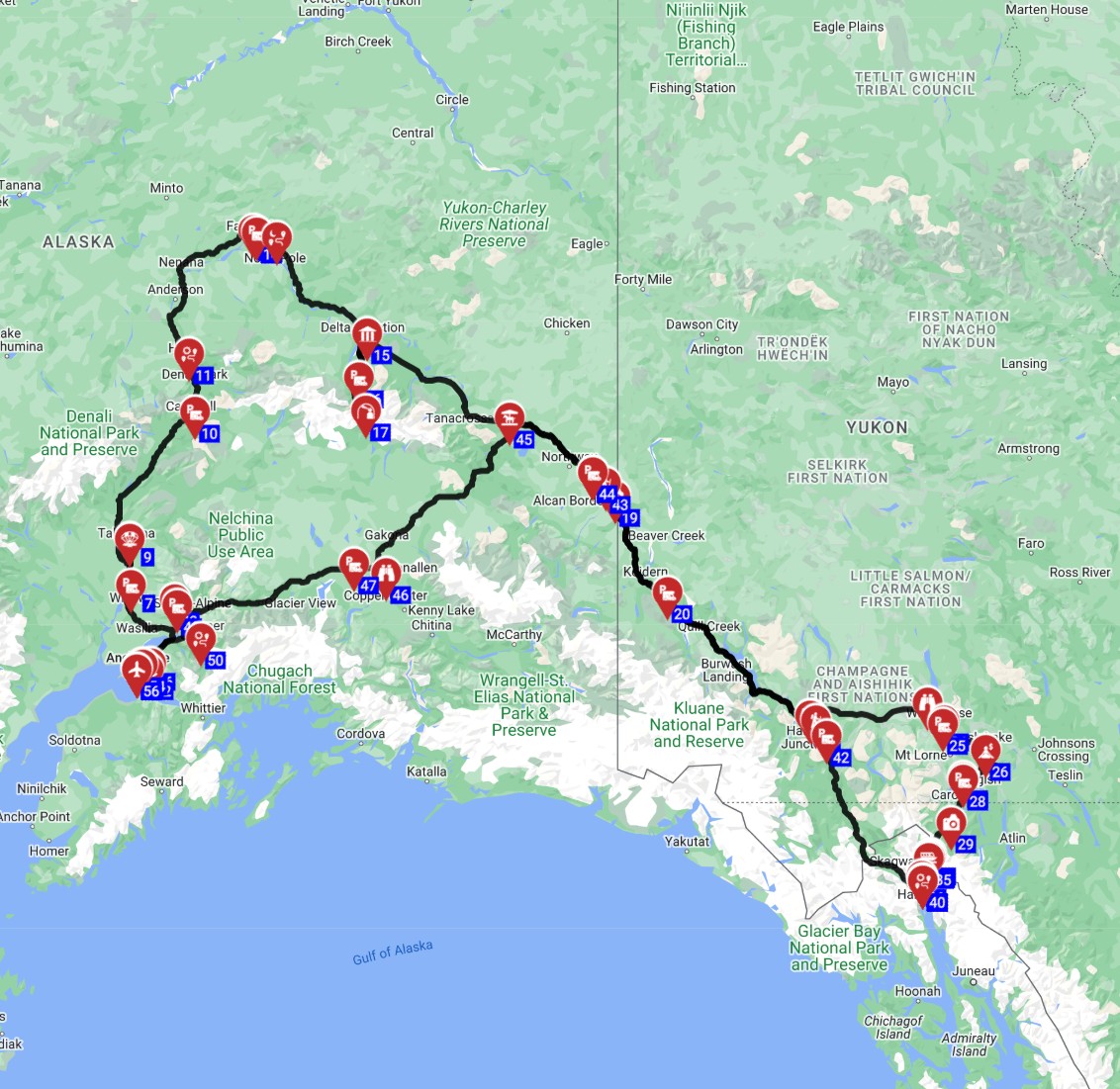
For a shorter but equally enriching experience, the "
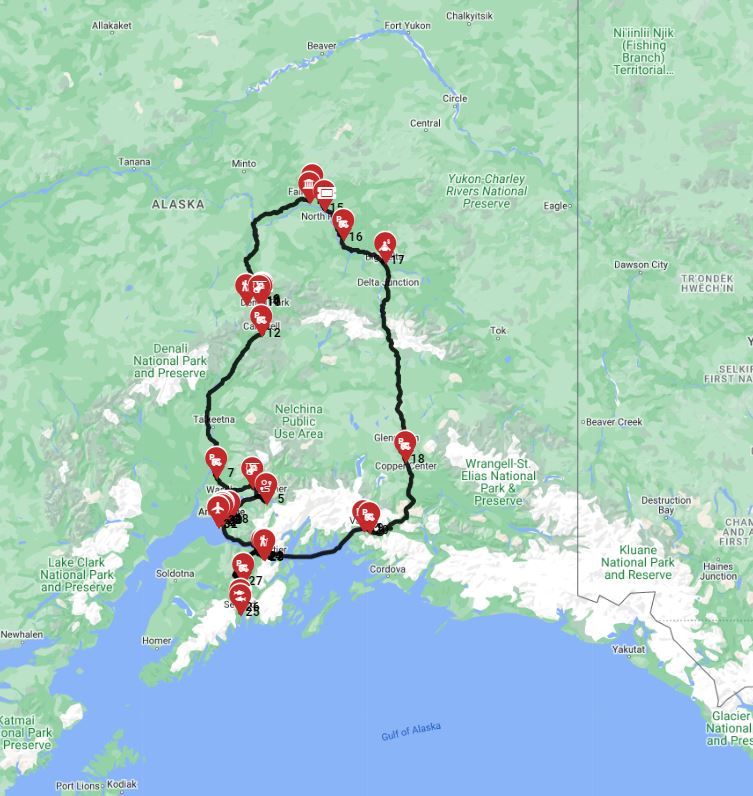
The "
What do I need to know before renting an RV?
Before renting an RV for Alaska, it's crucial to understand the different RV classes available, typical rental costs, comprehensive insurance options, and the specific requirements for navigating Alaska's often remote and unpaved roads.
Travelers should research specific vehicle preparation for Alaskan conditions, including understanding limitations on gravel roads due to insurance clauses (many rentals restrict driving on unpaved roads like the Dalton Highway), and be aware of long stretches without services, making it wise to carry essential spare parts and basic roadside repair knowledge. For example, a "cruise america example P 23-26" motorhome, measuring around 7.6m in length, might have different handling characteristics than a smaller campervan. Emergency preparedness is vital for Alaska, meaning you should plan for limited cell service by considering satellite communicators, understanding medical facility access in remote areas, and knowing Canadian border crossing logistics if your trip involves driving through Canada. You only need a standard car driver's license for all motorhome classes, but an International Driving Permit (IDP) is recommended for visitors from non-English-speaking countries.
How much does RV rental in Alaska average cost?
The average cost to rent an RV in Alaska varies significantly based on factors like RV class, rental duration (e.g., a week-long vs. a month-long trip), time of year, and how far in advance you book, with daily rates typically ranging from $150 for a smaller campervan to over $400 for a large Class A motorhome during peak season.
Beyond the rental fee, a comprehensive financial plan for an Alaska RV trip should include fuel projections for common routes, specific national park entry fees (like the $30 vehicle entrance fee for Denali National Park), potential ferry costs (e.g., Alaska Marine Highway fees can add hundreds of dollars), food budgeting for remote areas, activity expenses, and a contingency fund for unexpected repairs. Peak season (June-August) generally sees higher rental prices and lower availability, while shoulder seasons (May, September) can offer more competitive rates and fewer crowds. Remember, prices are dynamic, much like flight tickets, changing daily based on availability and supplier decisions, with the final price set at actual booking time. Our full transparency means you'll see what you pay, with no hidden fees, and can even compare "RV Rental Deals in Alaska - Latest Offers 2026".
Is it cheaper to rent an RV or stay in a hotel?
Whether it's cheaper to rent an RV in Alaska or stay in a hotel largely depends on the length of your trip, the number of travelers, and your chosen travel style, as a rented RV uniquely combines accommodation and transportation costs.
For families or groups of 4-7 people, a rented motorhome can often be more cost-effective than booking multiple hotel rooms, especially when factoring in the significant savings from preparing your own meals in the RV's kitchen. For example, a typical "MH23 Medium - Economy" motorhome designed for 5 people has a large refrigerator to store groceries. However, when comparing costs, it's crucial to include all RV-related expenses beyond the rental price, such as fuel for long distances in Alaska (e.g., an average 20-25 liters per 100 km), campground fees ($20-$75 per night), propane, dump fees, tolls, and potential insurance add-ons. You can upgrade to a top-level deductible for enhanced peace of mind. Conversely, a hotel-based trip would involve separate costs for accommodation, dining out, and often a rental car, making a detailed budget comparison essential for your "RV Rental USA - Complete Guide 2026" planning.
What is the best time of year to RV to Alaska?
The best time of year to RV to Alaska for most travelers is during the peak summer months of June, July, and August, offering the warmest weather, longest daylight hours (up to 24 hours north of the Arctic Circle), and full accessibility to roads and services.
While summer provides optimal conditions for wildlife viewing, hiking in areas like Kenai Fjords National Park, and enjoying activities, it also means higher prices, larger crowds, and essential advance bookings for RV rentals and campsites, sometimes 6-12 months ahead for popular spots. The shoulder seasons of May and September can also be excellent, offering fewer crowds, potentially lower costs (e.g., for "Weekly RV Rental in Alaska - Pricing 2026"), unique wildlife viewing opportunities (like spring bear sightings or fall aurora borealis), and the striking beauty of changing foliage, though some services and roads in remote areas might be limited. Our "RV Travel Guide to Alaska - Tips and Top Spots 2026" offers more seasonal advice.
What not to forget on an RV trip?
When preparing for a rented RV trip, especially to a unique destination like Alaska, essential items to remember include vehicle maintenance supplies, comprehensive first-aid kits, reliable navigation tools, and personal comfort items tailored to the environment.
For Alaska specifically, do not forget specialized gear such as heavy-duty mosquito repellent and head nets (as Alaska's mosquitoes are famously abundant in summer), appropriate layering clothing for rapidly changing weather conditions, high-quality binoculars for wildlife viewing (such as spotting grizzly bears or bald eagles), specific fishing licenses and gear if planning to fish, and bear-resistant food containers for responsible food storage. Additionally, ensure you have important documents like your standard driver's license (an International Driving Permit is recommended for non-English speakers), passport if crossing into Canada, RV rental agreement, and proof of optional top-level deductible insurance readily accessible for a hassle-free journey. Compare "One-Way RV Rental in Alaska - Price Guide 2026" if you plan to drop off at a different location.
What You Shouldn't Miss
- **Drive the Seward Highway:** This 204 km scenic byway from Anchorage to Seward offers stunning views of Turnagain Arm, towering mountains, and potential wildlife sightings, including beluga whales.
- **Explore Denali National Park:** Witness North America's tallest peak, Denali, and embark on a bus tour for unparalleled wildlife viewing of grizzly bears, moose, caribou, and Dall sheep.
- **Visit Kenai Fjords National Park:** Take a boat cruise from Seward to witness tidewater glaciers, marine wildlife like orcas and sea otters, and dramatic coastal landscapes.
- **Experience the Alaska Marine Highway:** Consider a ferry trip along parts of the Inside Passage, allowing you to explore coastal towns inaccessible by road with your RV, like Juneau or Sitka.
- **Hike in Chugach State Park:** Just outside Anchorage, this vast park offers numerous hiking trails for all skill levels, from gentle walks to challenging alpine ascents, with breathtaking vistas.
- **Spot Wildlife on the Kenai Peninsula:** Drive the Sterling Highway and explore towns like Soldotna and Homer, renowned for salmon fishing, bear viewing excursions, and vibrant local culture.
Final Thoughts
An RV adventure through Alaska is truly an experience of a lifetime, offering families, couples, and friends the freedom to explore breathtaking landscapes and connect with nature on their own terms. From the towering peaks of Denali to the abundant wildlife around every bend, having your own mobile home allows you to create an itinerary as unique as the Last Frontier itself. Embrace the spirit of slow travel, allowing 100-150 km per day on average, to fully soak in the vibrant culture, delicious local food, and stunning scenery that Alaska proudly offers.
Remember that careful planning, especially regarding your choice of rented motorhome, booking dates, and understanding local conditions, will ensure a smooth journey. We're here to support you every step of the way, from comparing prices across top suppliers to helping you plan the perfect route with RV PLANET. So, imagine yourself on the route, children's laughter filling the air, as you discover the wild beauty of Alaska from the comfort of your rented RV. Get inspired for your next trip!