In This Guide
- What family rv rental RV Rental Costs in Germany (CurrentYear)
- Seasonal Pricing - Peak vs. Shoulder vs. Off-Season in Germany
- What's Included vs. What's an Add-On
- Hidden Costs to Budget For in Germany
- How to Save on family rv rental RV Rental in Germany
- Is it worth renting an RV in Germany?
- What is the best month to rent an RV in Germany?
- What are Stellplatze in Germany?
- Can you sleep anywhere in a campervan in Germany?
- Are RVs allowed in German cities?
- What is the speed limit for an RV in Germany?
- What side of the road do Germans drive on?
- How do tolls work in Germany?
- Do you need an international driver's license to rent an RV in Germany?
- What is the minimum age to rent an RV in Germany?
- Key Practical Tips and Challenges for US RV Travelers in Germany
- Essential Apps and Practicalities for RV Travel in Germany
- How much is camping in Germany?
- Understanding German RV Culture and Etiquette
- RV-Friendly Food and Drink Experiences in Germany
- Exploring Off-the-Beaten-Path Destinations by RV in Germany
What family rv rental RV Rental Costs in Germany (2026)
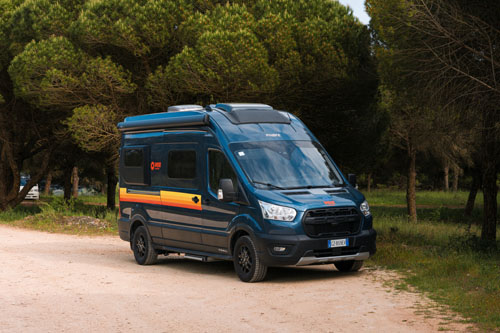
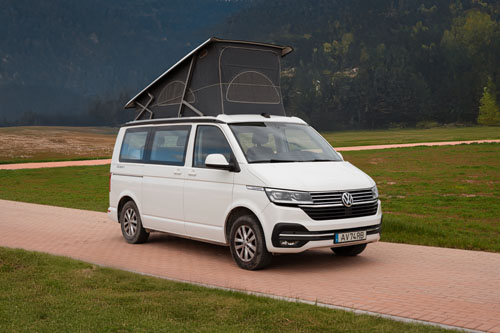
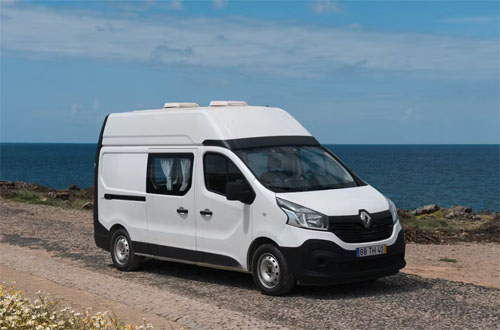
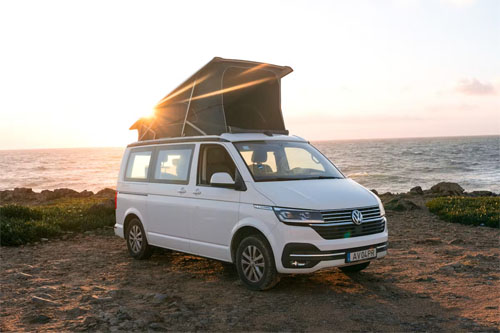
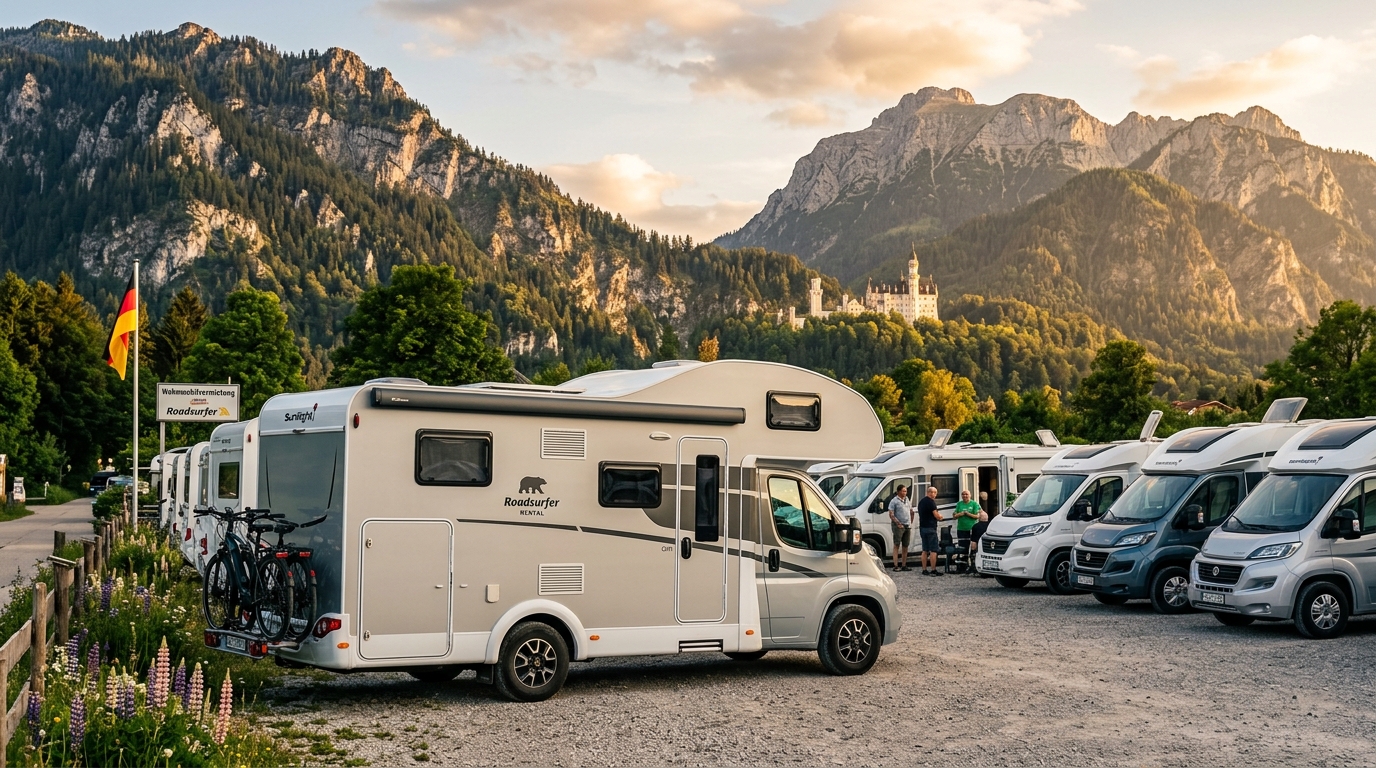
Motorhome rental prices in Germany vary significantly, influenced by factors like vehicle class, rental duration, seasonality, and even the supplier's dynamic pricing. For a typical family-sized Class C motorhome, generally seating 4-6 people, daily rates can range from approximately €80-€150 in the low season, climbing to €180-€300 or more during peak summer months. Compact campervans, ideal for a couple or small family, might start around €70-€120 per day in the off-season. Larger Class A motorhomes, offering more luxury and space for a big family, could cost upwards of €250-€450+ per day. Remember, prices are dynamic, similar to flight tickets, and change daily based on availability and supplier marketing decisions, so checking live prices with your specific dates is always the most accurate approach.🎬 Video coming soon
Seasonal Pricing - Peak vs. Shoulder vs. Off-Season in Germany
Peak season in Germany, which spans July and August, sees the highest demand and prices for RV rentals due to school holidays and optimal warm weather for outdoor activities. During these months, expect to pay premium rates, often 50-100% higher than the off-peak average for a comfortable 4-berth camper. Shoulder seasons, typically May-June and September-October, offer an excellent balance of pleasant weather and more moderate prices, making them ideal for families who can travel outside strict school breaks. Off-season, from November to March (excluding holidays like Christmas and Easter), presents the lowest rental rates, with April often being the most affordable month. Traveling during these quieter periods not only saves money but also provides a more serene experience at popular attractions and campgrounds.What's Included vs. What's an Add-On
When you rent a motorhome in Germany, basic insurance covering essential liability is always included, providing a foundational layer of protection. Standard inclusions often cover a certain mileage allowance, basic vehicle equipment like a refrigerator and stove, and roadside assistance for mechanical issues. For example, a "hire campervan example Paradise S/T" suitable for 2 couples might include an automatic transmission and front air conditioning. However, many items are typically considered add-ons and will incur extra costs. These can include comprehensive insurance tiers, additional mileage packages beyond the standard allowance, kitchen kits with cooking utensils and tableware, bedding sets, camping chairs, and even bicycle racks. To ensure full price transparency, Bandana allows you to compare final prices across suppliers, explicitly showing what's included and what's extra, so what you see is truly what you pay with no surprise fees at pickup. You can also upgrade to a top-level deductible for extra peace of mind.How to Save on family rv rental RV Rental in Germany
To find the cheapest family RV rental in Germany, consider flexibility and strategic booking. Booking during the shoulder season (May-June or September-October) often provides the best balance of good weather and lower prices, with potential savings of 20-30% compared to peak months. Opting for a slightly smaller Class B campervan or a compact Class C motorhome if your family fits comfortably, such as an "rv rentals example Comfort Class" that's "Ideal for family of 2+2," can result in lower rental fees and better fuel efficiency. Longer rental durations typically reduce the daily rate, offering better value for extended road trips. Additionally, if you plan your route with RV PLANET (rvplan.net), you'll receive a 25% planning discount on their professional route plans, helping you optimize your trip and save money.Is it worth renting an RV in Germany?
Renting an RV in Germany is an incredibly worthwhile way to travel, offering unparalleled flexibility and access to the country's diverse landscapes and rich culture. Germany boasts an excellent road infrastructure, with well-maintained highways and scenic routes that make driving a pleasure. Its unique and extensive network of Stellplatze (dedicated motorhome parking spaces) makes overnight stays convenient and often very affordable, distinguishing it from many other European destinations. With a rented motorhome, you have a mobile headquarters to venture from the stunning Bavarian Alps to the tranquil Baltic Sea coast, stopping at charming villages and historic sites along the way. Efficient public transport in many German cities also complements RV travel, allowing you to park your camper on the outskirts and explore urban centers without worrying about city driving or parking issues.What is the best month to rent an RV in Germany?
April is typically the best month for budget-conscious RV rental in Germany, offering significantly lower prices and fewer crowds compared to the summer. If you're seeking a balance of pleasant weather and moderate pricing, the shoulder seasons of May-June and September-October are ideal, providing comfortable temperatures for outdoor activities and more relaxed travel. July and August are the peak months, guaranteeing the warmest weather for swimming and sunbathing, but also come with the highest prices and busiest campgrounds due to European school holidays. Families looking to avoid peak crowds and benefit from lower rates should definitely consider a trip in the late spring or early autumn, when you can still enjoy festivals and vibrant city life.What are Stellplatze in Germany?
Stellplatze are designated motorhome parking spaces unique to Germany, providing a fundamental and beloved aspect of RV travel within the country. These sites, which number over 4,000 nationwide, are often equipped with basic services such as water, electricity hookups, and waste disposal points. They differ from full-service campgrounds in that they typically offer fewer amenities (like playgrounds or extensive shower blocks) but are often more conveniently located near towns, attractions, or scenic spots. Stellplatze offer a legal and cost-effective option for overnight stays, sometimes free or for a modest fee of €5-€25 per night. They foster a friendly community among RVers and are easy to locate using specialized apps or our route plans from RV PLANET. Embracing the Stellplatz phenomenon is key to experiencing German RV culture authentically.Can you sleep anywhere in a campervan in Germany?
While wild camping is generally prohibited in Germany, it is usually tolerated to park overnight in a rented campervan to restore driving fitness, provided you do not exhibit "camping behavior." This means you can typically stop for a single night in a non-prohibited public parking lot to rest, but you shouldn't set out awnings, tables, chairs, or cook outside. It's a fine line between simply parking and setting up camp, and authorities expect you to keep a low profile. Always check local signage, as some areas, especially popular tourist spots or nature reserves, explicitly forbid overnight parking for RVs. For extended or multiple-night stays, it's always best and most respectful to use the extensive network of Stellplatze or official campgrounds.Are RVs allowed in German cities?
RVs are generally allowed in German cities, but travelers must be aware of specific regulations, primarily environmental zones (Umweltzonen) and urban parking rules. Many larger cities, including Berlin and Munich, have designated Umweltzonen that require a low-emission sticker (Feinstaubplakette) to enter. Rental motorhomes usually come equipped with the necessary green sticker, but it's always wise to confirm with your supplier. While driving in cities, remember to drive slowly and carefully, and you can drive almost anywhere without issues. No need to stress - just use common sense and pay attention. Parking can be challenging for larger vehicles; therefore, utilizing 'Park-and-Ride' facilities on the city outskirts and then using Germany's efficient public transport is often the most practical and stress-free approach for city exploration.What is the speed limit for an RV in Germany?
The speed limit for a rented RV in Germany primarily depends on its Gross Vehicle Weight (GVW), typically differentiated by vehicles under or over 3.5 metric tons. For motorhomes and campervans under 3.5 tons, the standard limits apply: 50 km/h (31 mph) in built-up areas, 100 km/h (62 mph) on rural roads (outside built-up areas), and no general speed limit on sections of the Autobahn, though a recommended limit of 130 km/h (81 mph) is widely observed. For RVs over 3.5 tons, the limits are stricter: 50 km/h in built-up areas, 80 km/h (50 mph) on rural roads, and 100 km/h on the Autobahn (if permitted by local signage). Always pay close attention to road signs, as these can impose lower speed limits due to specific road conditions or weather.What side of the road do Germans drive on?
Germans drive on the right-hand side of the road, meaning the steering wheel in most German-spec vehicles, including your rented RV, will be on the left. This is consistent with the driving conventions across most of continental Europe. Travelers from countries that drive on the left, such as the UK or Australia, will need to make a conscious adjustment, especially when navigating intersections and roundabouts, which flow counter-clockwise. Overtaking is always done on the left. Familiarizing yourself with these fundamental driving conventions before you start your motorhome adventure is essential for safe and confident navigation on Germany's excellent road network.How do tolls work in Germany?
Germany does not operate a comprehensive vignette system for passenger vehicles or rented RVs under 3.5 tons on its Autobahns, distinguishing it from several neighboring European countries. This means most German Autobahns and federal roads are free of charge for typical family-sized motorhomes. Tolls are primarily levied on heavy goods vehicles (HGVs) over 7.5 tons via the 'Toll Collect' system. However, there are exceptions for specific infrastructure projects, such as certain tunnels or privately operated roads, where a small toll may apply. For instance, some alpine tunnels might have a charge. While not a frequent concern for most RV travelers, being aware of these rare instances prevents unexpected charges, especially if your route takes you through specific mountainous regions.Do you need an international driver's license to rent an RV in Germany?
US citizens and other non-EU residents planning to drive a rented RV in Germany are strongly advised to carry an International Driving Permit (IDP) alongside their valid national driver's license. While a valid US driver's license is generally accepted for short-term tourist stays (typically up to 6 months), an IDP serves as an official, multi-language translation of your domestic license. This can help prevent potential misunderstandings with local authorities and rental agencies, making your trip smoother and less stressful. It is always best to check with your specific RV rental company, as some may explicitly require an IDP for their insurance or internal policy reasons. The IDP must be obtained in your home country before you travel and is typically valid for one year.What is the minimum age to rent an RV in Germany?
The minimum age to rent an RV in Germany is typically 21 years old. This applies to all classes of motorhomes and campervans, from compact models ideal for a couple to larger family-friendly units designed for 4-6 people. Crucially, Bandana Caravan's partners generally do not impose young driver surcharges, nor are there vehicle class restrictions based on age for drivers 21 and over. In addition to meeting the minimum age, most rental agencies require drivers to have held a valid driver's license for at least 1-3 years. Always confirm the specific age and license requirements directly with your chosen rental provider through Bandana before finalizing your booking to ensure a smooth pickup process.Key Practical Tips and Challenges for US RV Travelers in Germany
US travelers renting an RV in Germany will need to adapt to the metric system for all measurements, including distances (kilometers), weights (kilograms), and fuel (liters), requiring a mental adjustment from imperial units. While many Germans speak English, especially in tourist areas, overcoming language barriers beyond basic phrases can be greatly eased by using translation apps. Be aware of payment methods: while credit and debit cards are widely accepted, cash is still prevalent for smaller purchases, at local markets, and at some rural establishments or Stellplatze. European RV hookups for electricity (typically Schuko plugs, 2-pin for 230V), water, and waste disposal may differ from US standards, so inquire about necessary adapters or prepare accordingly. Using GPS navigation specifically designed for European roads or RVs is crucial for avoiding low bridges, narrow streets, and restricted zones, as standard GPS might not account for vehicle dimensions. Familiarize yourself with European fuel types: "Benzin" or "Super" for gasoline and "Diesel" for diesel, and note their prevalence at various fuel stations.Essential Apps and Practicalities for RV Travel in Germany
To navigate RV travel in Germany smoothly, downloading dedicated RV navigation apps is essential. Apps like Campercontact or Promobil Stellplatz-Radar are invaluable for easily finding Stellplatze, campgrounds, and service points with details on amenities and costs. While general navigation apps like Google Maps are useful for overall routing, always cross-reference with RV-specific apps to ensure roads are appropriate for your vehicle size. Another important practical tip for Germany is understanding the "Pfand" (deposit) system for most plastic bottles, glass bottles, and aluminum cans. Returning empties to supermarkets not only helps with recycling but also provides a small refund, a practical aspect of waste management on the road. Separate recycling is mandatory, and facilities for grey and black water disposal are common at Stellplatze and campgrounds, so manage your waste responsibly. Keep a small amount of cash on hand for vending machines, small shops, or fees at unstaffed Stellplatze. Ensure you have the necessary adapters for European electrical hookups (typically Schuko plugs for 230V).How much is camping in Germany?
The cost of camping in Germany varies significantly depending on the type of site, location, and amenities. Basic Stellplatze, dedicated motorhome parking spaces, often cost between €10-€25 per night and may include basic services like water and electricity. Full-service campgrounds, offering more amenities such as showers, playgrounds, and sometimes even pools, can range from €25-€50 or more per night, especially in popular tourist areas like Bavaria or along the Romantic Road. Some quieter Stellplatze may even offer free overnight parking, though these typically lack extensive facilities. Many campgrounds also offer discount cards, like the ADAC CampCard or ACSI Card, which can provide savings, particularly during shoulder seasons. Always inquire about included services, as fees for water, electricity, or showers might be extra at certain sites. For finding campsites and campgrounds during your trip, we recommend using RV PLANET (rvplan.net) - a great resource for locating available spots along your route.Understanding German RV Culture and Etiquette
Adhering to local RV culture and etiquette is crucial for an enjoyable and respectful trip in Germany. Observing quiet hours, especially at Stellplatze and campgrounds, is highly valued; noise restrictions often apply during midday (Mittagsruhe, usually 1-3 PM) and late evening. Germans maintain high standards of cleanliness, so ensure your campsite and public facilities are left spotless. When interacting with locals, a polite "Guten Tag" (good day) or "Hallo" is always appreciated, and "Bitte" (please) and "Danke" (thank you) go a long way. Be mindful of personal space and privacy at Stellplatze; avoid encroaching on neighboring spots or setting up elaborate outdoor living areas that resemble a permanent camp. Familiarizing yourself with local customs at Wochenmärkte (weekly markets) or regional festivals can also enhance your cultural immersion. Learning a few basic German phrases will greatly enhance your interactions and show respect for the local culture during your rented motorhome adventure.RV-Friendly Food and Drink Experiences in Germany
Exploring Germany by rented RV opens up a world of delicious food and drink experiences. Grocery shopping is convenient with a variety of supermarket types, such as Edeka and Rewe for a wide selection, or Aldi and Lidl for budget-friendly options. Just be aware that most stores are closed on Sundays and public holidays. Seek out local farmers' markets (Wochenmärkte) in towns for fresh, seasonal produce, artisanal cheeses, and regional specialties - perfect for cooking in your RV kitchen. Embrace cooking German specialties on board, such as a hearty Kartoffelsalat (potato salad), preparing a simple Schnitzel, or enjoying a traditional Brotzeit (bread and cold cuts). Many traditional eateries and especially beer gardens (Biergärten) in Bavaria are very RV-friendly, often offering ample parking nearby. Don't miss visiting local bakeries (Bäckereien) for fresh bread rolls (Brötchen) and pastries, a staple of a German breakfast. For more culinary inspiration on the road, check out our RV-friendly recipes playlist.Exploring Off-the-Beaten-Path Destinations by RV in Germany
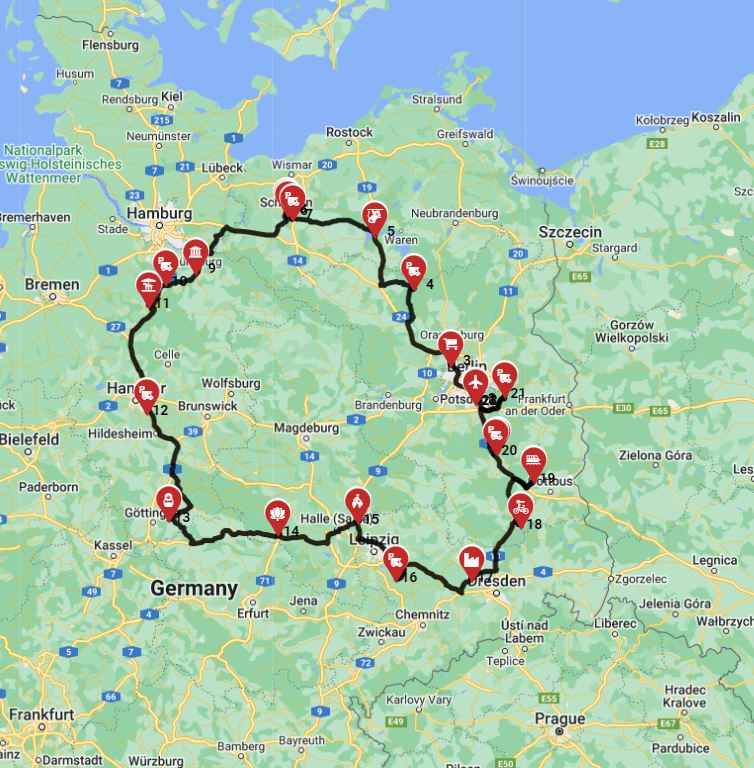
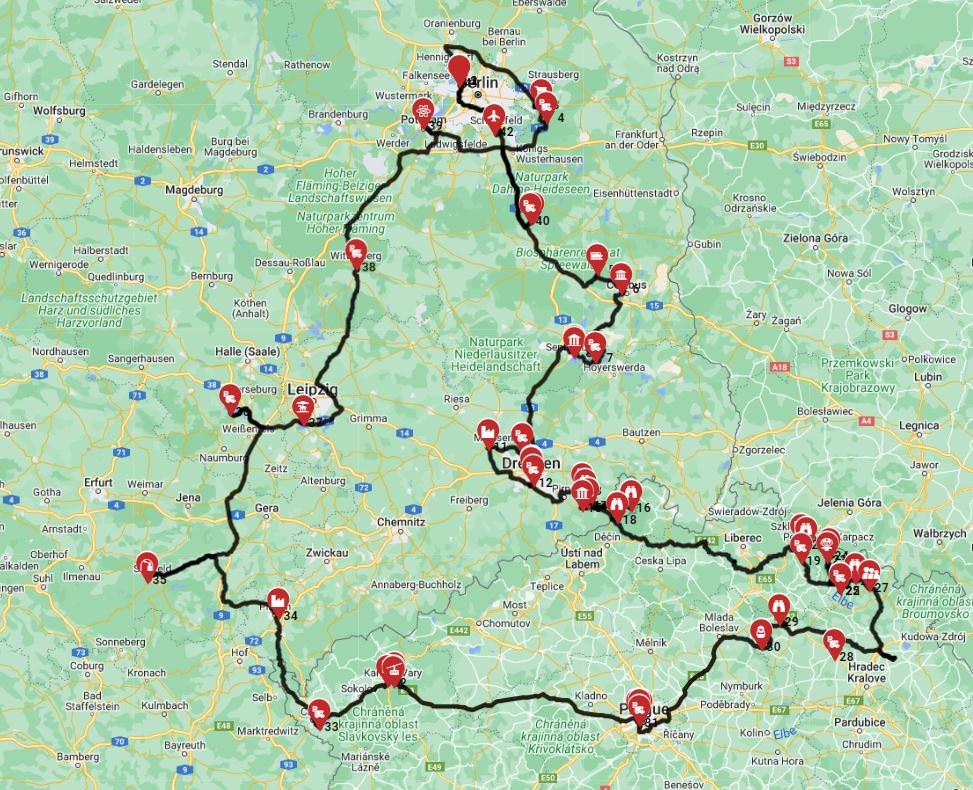
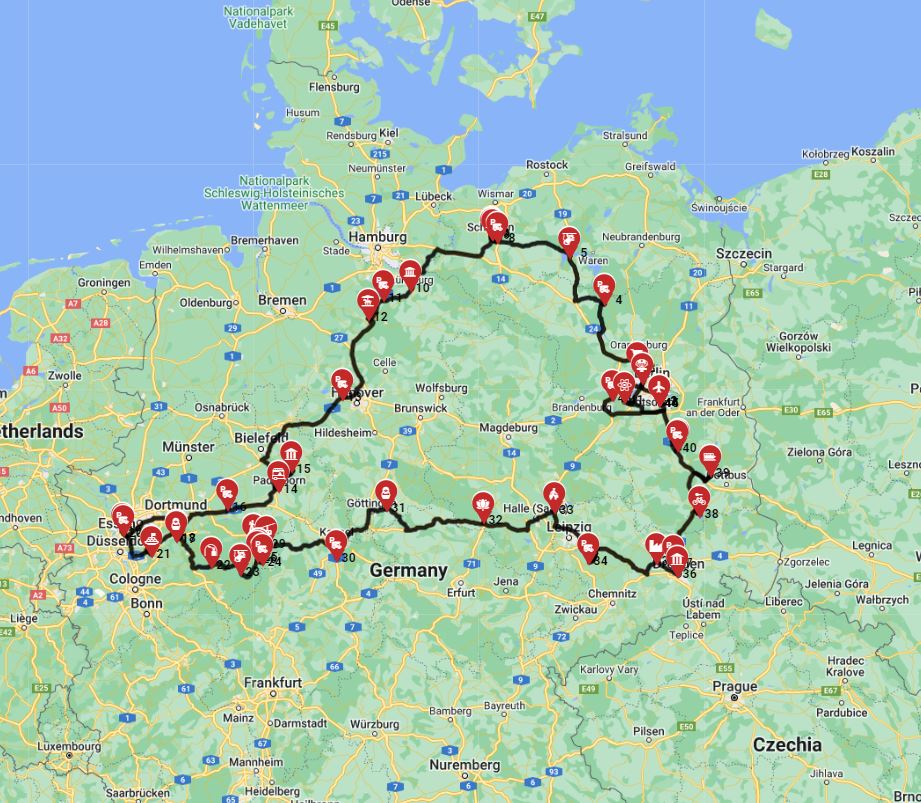
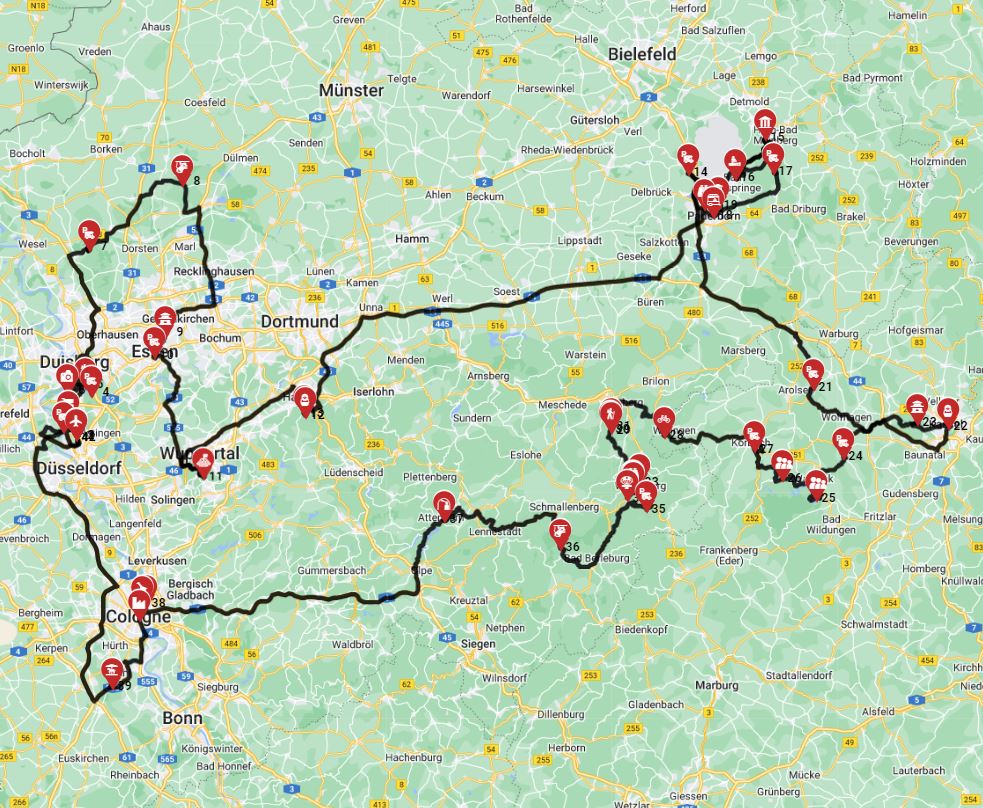
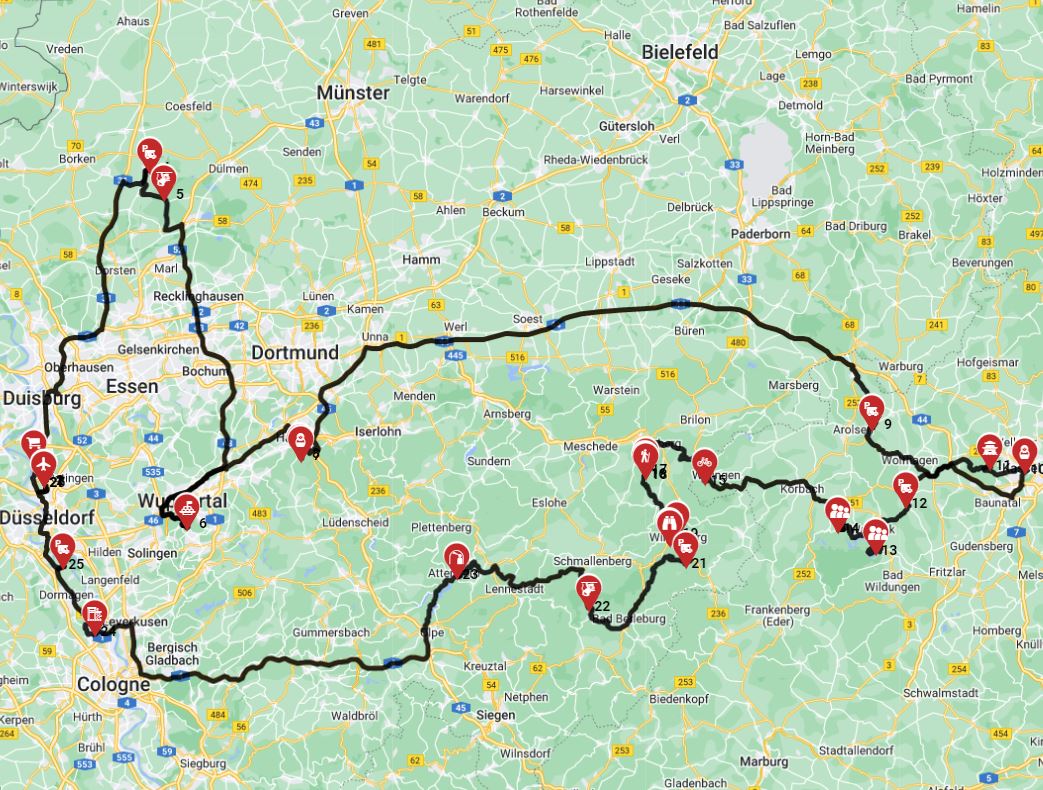
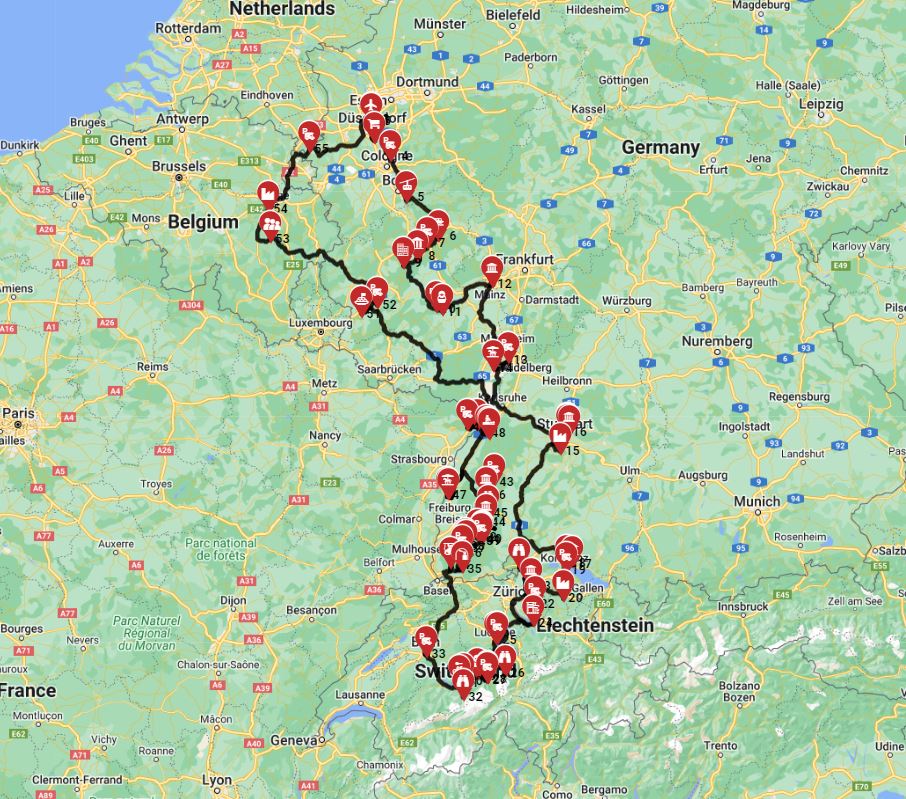
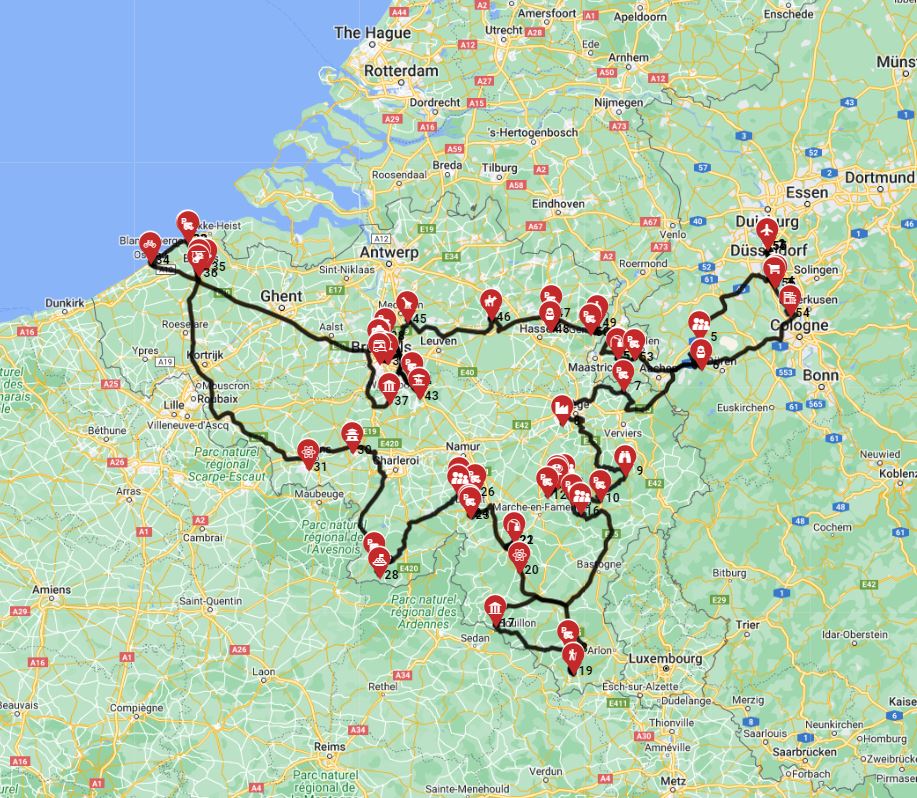
Beyond the well-trodden paths of the Romantic Road or the Black Forest, Germany offers countless off-the-beaten-path destinations perfect for a rented RV adventure. Explore the enchanting Harz Mountains for incredible hiking trails and historical towns like Goslar and Quedlinburg, both UNESCO World Heritage sites. Discover the unique rock formations and challenging hiking in Saxon Switzerland National Park (Sächsische Schweiz) in eastern Germany, offering breathtaking views and over 400 km of trails. The Mecklenburg Lake District (Mecklenburgische Seenplatte) in the northeast boasts extensive waterways and pristine nature, ideal for water-based activities and peaceful lakeside Stellplatze. Plan your RV route to include some of Germany's famous cycling paths (Radwege), such as the Weser Cycle Path or those weaving through the Rhine Valley. You can also visit specific historical sites accessible by motorhome, like the numerous castles of the Pfalz region or the ancient Roman ruins in Trier, Germany's oldest city. For a longer adventure, consider the "Frankfurt Roundtrip - North Germany - Including Hamburg & Berlin" route plan, which covers 2230.1 km over 15 days, featuring attractions like an amusement park, wildlife watching, and multiple museums. If you prefer a more focused journey, the "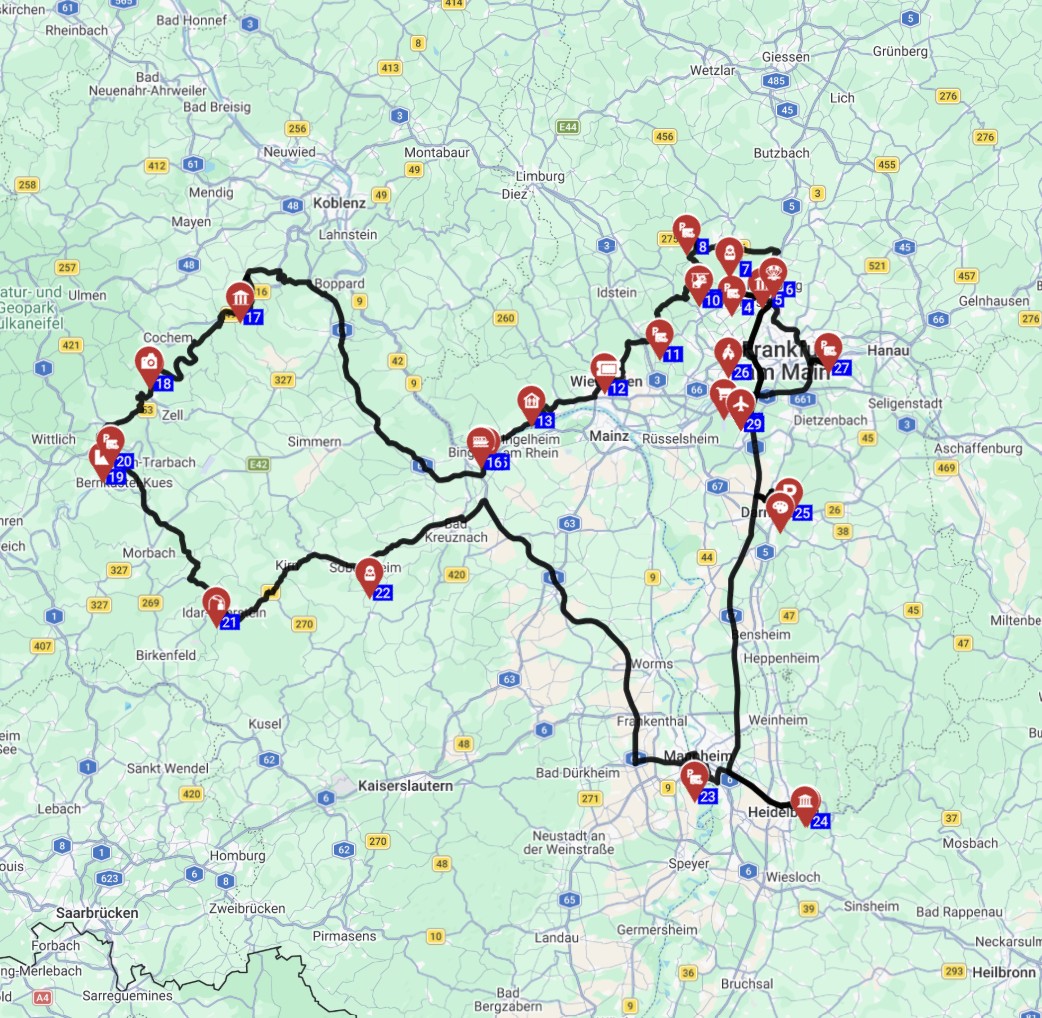
Frankfurt Round Trip - The Heart of Germany
Final Thoughts
Embarking on a family RV rental in Germany promises an unforgettable adventure, offering the freedom to explore ancient castles, charming villages, and stunning natural landscapes at your own pace. With Bandana Caravan, you're not just booking a vehicle; you're gaining a partner dedicated to transparency, support, and helping you craft the perfect journey. Remember to travel slowly, averaging no more than 100-150 km per day, allowing ample time to truly feel the place, connect to its rich culture, savor the delicious food, and immerse yourself in the breathtaking scenery. Whether you're a meticulous planner or prefer spontaneity, Germany's RV-friendly infrastructure, especially its extensive Stellplatz network, ensures you'll always find a comfortable spot to rest. So, gather your family, envision yourselves cruising through picturesque valleys, and start planning your German motorhome experience today. Discover top destinations, planning tips, all in one place and let Bandana RV help you make those dreams a reality.On the routes offered through RV PLANET routes, you can itemize and track every expense along the way for easy budgeting.