For live availability and current prices, start with our RV Rental East Canada - Complete Guide 2026 guide.
In This Guide
- What family rv rental RV Rental Costs in East Canada (2024)
- live price comparison
- Seasonal Pricing - Peak vs. Shoulder vs. Off-Season in East Canada
- What's Included vs. What's an Add-On
- Hidden Costs to Budget For in East Canada
- How to Save on family rv rental RV Rental in East Canada
- How much does it cost to rent an RV in Canada?
- How much does a family size RV cost?
- Is RV rental cheaper than hotel?
- What is the cheapest way to rent an RV?
- Can you sleep anywhere in a campervan in Canada?
- What is the 3-3-3 rule for RV living?
- Where can I camp with my RV in eastern Canada?
- Can Americans RV in Canada?
- What You Shouldn't Miss
- Why Book with Bandana Caravan
- Final Thoughts
- Frequently Asked Questions
What family rv rental RV Rental Costs in East Canada (2024)
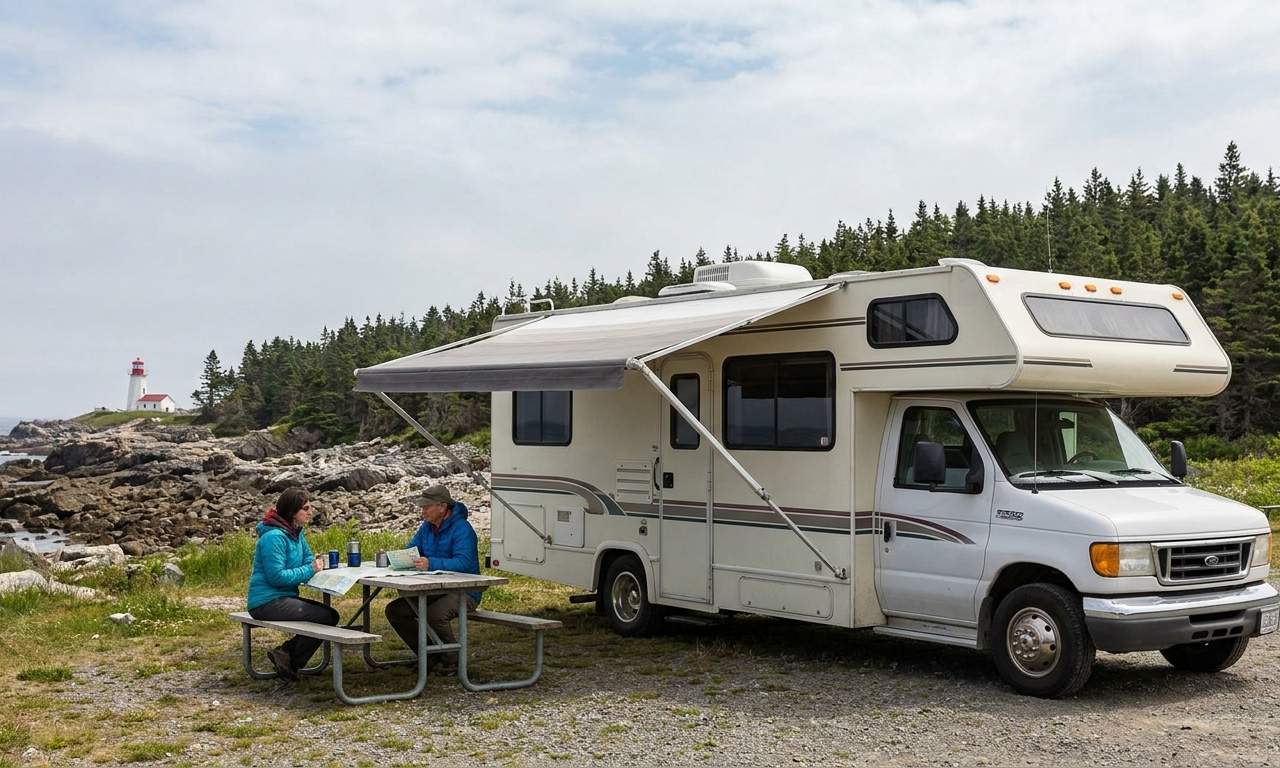
The cost of a family RV rental in East Canada for 2024 varies dynamically, influenced by factors like RV class, rental duration, and seasonal demand. For instance, April is typically the cheapest month for renting a motorhome in East Canada, with daily rates for a Class C family RV potentially starting from $150 CAD, while peak season rates can climb to $350 CAD or more per night. A week-long trip might cost between $1050-$2450 CAD for the rental itself, a two-week adventure could be $2100-$4900 CAD, and a month-long journey might range from $4500-$10,000+ CAD, before factoring in additional expenses. Bandana Caravan operates with full transparency, ensuring no hidden fees or surprises sneak into your booking, allowing you to see the exact price upfront.
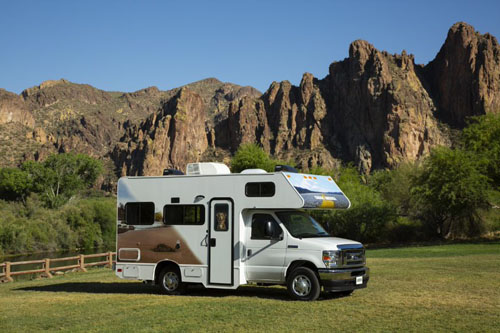
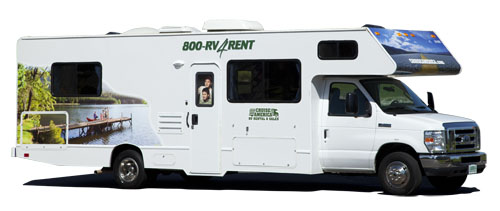
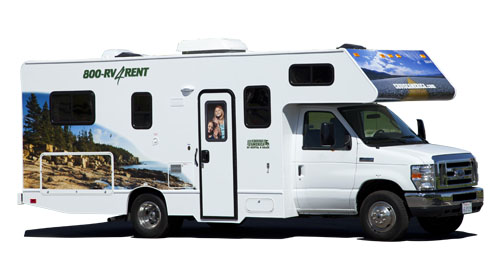
When considering different vehicle sizes, a smaller campervan or Class B motorhome like the "rv rental denver example Category Van" is ideal for a couple, offering agility and lower rental costs, perhaps starting around $100-$200 CAD per night in shoulder season. Larger family-friendly Class C motorhomes, such as the "cruise america rv rental example Explorer" with 4 sleeping places and a 82-liter fresh water tank, are popular for families with kids and typically fall within the $150-$350 CAD range per night, providing comfortable space for 4-6 people. For bigger groups or those seeking more amenities, a Class A motorhome like the "Class A - Thor ACE 30" can accommodate up to 6 people and comes with a higher price point, potentially $250-$500+ CAD daily, but offers spacious living areas and larger tanks, such as a 189-liter fresh water tank.
Prices are akin to flight tickets, changing daily based on availability and supplier marketing decisions, so the final price is always set at the actual booking time. To get the most accurate and current pricing for your ideal family RV rental in East Canada, we recommend using our comparison platform. Our goal is to make RV travel accessible, transparent, and joyful for everyone. For live availability and current prices, start with our RV Rental East Canada - Complete Guide 2024 guide, offering a comprehensive overview.
live price comparison
As true RV specialists, we know that understanding rental costs is key to planning your adventure. Our pricing is dynamic, just like airline tickets, and is influenced by real-time availability, demand, and seasonality. The table below offers estimated costs for various RV classes and rental periods in East Canada, but these are flex-rate estimates and can change daily. For the most precise, real-time pricing tailored to your specific travel dates and preferences, we highly recommend using the search tool at the top of the page.
(Dynamic pricing table content, reflecting real-time market rates for various RV classes and durations in East Canada, would be displayed here.)
Remember, we're dedicated to full transparency. What you see during your search is what you get, with no hidden fees or surprises when you're ready to book your family RV rental in East Canada.
Seasonal Pricing - Peak vs. Shoulder vs. Off-Season in East Canada
RV rental prices in East Canada vary significantly by season, with peak rates occurring in July and August due to high demand and warm weather. During this bustling summer period, a family RV rental might cost 25-50% more than in the shoulder season, making early booking crucial to secure a vehicle and potentially save money. For example, a "24' Class C Motorhome" might average $250-$350 CAD/night in July, but only $150-$200 CAD/night in May.
Shoulder seasons, typically May-June and September, offer a delightful balance of pleasant weather, fewer crowds, and more moderate prices, often with better availability for all vehicle types, from a nimble campervan rental to a spacious Class A motorhome. Daily rates during these periods could be 15-30% lower than peak summer. Many national and provincial parks are fully operational, yet the tourist rush is less intense, allowing for a more relaxed exploration of East Canada's stunning landscapes.
The off-season, including April, October, and November, generally provides the lowest rental rates, sometimes dropping by as much as 40-50% compared to peak season. This is ideal for budget-conscious travelers or those seeking solitude, though some campgrounds and attractions might operate on reduced hours or be closed. Winter-ready options, like the "Active Bunk Auto" or "2 Berth Hi Top" campervans with heating, can extend your travel window if you're prepared for colder conditions and fewer services. Regardless of the season, a standard car driver's license is sufficient for all motorhome classes, provided the driver is at least 21 years old.
What's Included vs. What's an Add-On
RV rental agreements typically include basic insurance coverage and essential vehicle functions, ensuring your family RV is road-ready. For instance, the "MHC24" motorhome, with its 150-liter fresh water tank and 200-liter fuel tank, will always come with the fundamental components to get you started. To travel with extra peace of mind, you can upgrade to a top-level deductible for enhanced coverage, which is an optional add-on that protects against higher out-of-pocket costs in case of an incident. We believe in full transparency, so you'll always know exactly what's included and what's extra.
Common add-ons for a family rv rental in East Canada often include mileage packages, ranging from per-kilometer charges to unlimited options, which are highly recommended for longer trips to avoid unexpected fees. Generator usage might incur hourly fees, so clarify this if you plan to use appliances without shore power. Convenience kits, which typically contain kitchen utensils and tableware, and bedding packages are frequently offered for an additional charge. Additional drivers can also be added to the rental agreement for a small fee, ensuring everyone over the age of 21 with a standard driver's license can share the driving duties.
The specific inclusions and available add-ons can vary significantly by RV model and rental supplier. When searching on our platform, you can easily toggle options like kitchen utensils, tableware, and bedding during the search process to see the total costs clearly. This allows you to customize your family rv rental in East Canada to perfectly suit your needs without any hidden surprises. Our platform is designed to handle the details, so you can focus on living the journey. On the routes offered through RV PLANET routes, you can itemize and track every expense along the way for easy budgeting.
How to Save on family rv rental RV Rental in East Canada
To significantly save on your family RV rental in East Canada, consider booking during the shoulder seasons (May-June, September) or the off-season (April, October), where daily rates can be 15-40% lower than in peak summer. Renting for longer durations, such as a two-week adventure or a month-long excursion, often reduces the average daily cost. For example, a 1-week rental for a Class C motorhome might be $250 CAD/day, but a 4-week rental could drop to $180 CAD/day.
Choosing an RV class that perfectly suits your family's needs without being excessively large can also lead to savings on both rental fees and fuel expenses. A compact Class C or a spacious Class B campervan like the "Van - Economy," which has a fuel tank of 90 liters and sleeping places for 3, can be more economical for a family of 2+2 than a large Class A. Always compare options carefully to find the balance between comfort and cost. Remember that a standard car driver's license is sufficient for all motorhome classes, provided the driver is 21 or older.
While some travelers prefer pre-planning every detail months in advance, others enjoy spontaneous day-to-day bookings. East Canada's national and provincial parks often reserve only 25-30% of their spots, leaving the majority available on a first-come, first-serve basis. This means you'll typically find a spot, and if not at the first campground, then at the next one. Always call ahead before driving to confirm availability, especially if you're exploring a popular region like the Maritime provinces. For crafting detailed itineraries and comparing various family RV rental deals in East Canada, explore RV PLANET (rvplan.net) to find pre-planned routes by professionals and enjoy a 25% planning discount when you utilize their services.
How much does it cost to rent an RV in Canada?
The average cost to rent an RV in Canada typically ranges from $100 to $400 CAD per night, largely depending on the RV class, rental duration, season, and specific region within East Canada. For instance, a basic Class B campervan such as the "Combi Van," designed for 4 people with a 60-liter fresh water tank, might start at $100-$180 CAD per night in the spring. In contrast, a larger Class A motorhome, offering more amenities and space, could easily be $300-$500 CAD per night during peak summer season in popular destinations like Nova Scotia.
Smaller campervans (Class B) and compact Class C motorhomes are generally on the lower end of the pricing spectrum, making them excellent choices for couples or small families looking for a more budget-friendly adventure. Larger motorhomes (Class A and longer Class C models) command higher prices due to increased space, luxury features, and greater sleeping capacity. For example, a "MH-A" motorhome, sleeping 6 with a 208-liter fuel tank and generator, will naturally cost more than a compact option.
Prices for RV rentals in East Canada can vary significantly by province, with demand in popular tourist areas like Nova Scotia or Prince Edward Island influencing rates. The overall cost is also affected by add-ons such as insurance upgrades (we recommend considering a top-level deductible for peace of mind), mileage packages, and convenience kits. It's essential to factor these into your total budget when comparing options for your family rv rental in East Canada to ensure full transparency of your trip expenses.
How much does a family size RV cost?
A family-size RV, typically a Class C motorhome or a larger Class B campervan, usually costs between $150 and $350 CAD per night in East Canada, with prices varying based on amenities, the age of the vehicle, and the specific rental period. For example, a modern 4-5 berth Class C model like the "MHC24" with its 147/190cm bed over the cab and 132/188cm double bed, designed for up to 6 people, will fall within this range. These vehicles provide a comfortable balance of space and drivability, making them ideal for exploring Eastern Canada's diverse landscapes.
Class C RVs are popular for families due to their balanced size, ample sleeping capacity (often 4-6 people), and relative ease of driving compared to larger Class A models. They typically include a kitchen area with a refrigerator (e.g., 283-liter capacity in a "24 Class C Motorhome"), dining seats for the whole family, and often a bathroom with a shower and toilet, which are key for family comfort on longer trips. The "MHC28" for instance, offers sleeping places for up to 7, a 3-burner gas stove, and a 4 cubic ft. 2-way refrigerator, ensuring all your family's needs are met.
When choosing an RV for your family in East Canada, consider not just the daily cost but also its suitability for varying road sizes, common camping styles, and the specific terrain you plan to explore, such as coastal roads in the Maritimes or national park access. A smaller Class C might be easier to maneuver into tighter campsites, while a larger one provides more living space for extended trips. Remember, a standard driver's license is all you need to drive any of our motorhomes in Canada, provided you are at least 21 years old.
Is RV rental cheaper than hotel?
RV rental can be cheaper than a traditional hotel stay for families, especially on longer trips in East Canada, when considering the combined costs of accommodation, transportation, and cooking meals, but this depends on careful budgeting for fuel and campground fees. For a family of four, the daily cost of multiple hotel rooms, a rental car, and eating out for every meal can quickly exceed the average daily rate of a rented motorhome and its associated costs.
While the initial RV rental fees might seem higher than a single hotel night, an RV, such as a "Family Standard" model, effectively combines lodging and transportation into one, eliminating the need for a separate rental car. Furthermore, the ability to prepare your own meals in a fully equipped RV kitchen, like using the 3-burner gas stove and 150-liter refrigerator found in a "CA-25" motorhome, can lead to significant savings on dining expenses compared to eating out for every meal. This culinary flexibility is a major advantage for families, and if you're looking for inspiration, check out our RV-friendly recipes playlist.
However, accurately comparing costs requires factoring in fuel consumption for an RV, which is higher than a standard car (e.g., a large Class C might consume 20-25 liters per 100 km), and daily campground fees (typically $30-$70+ CAD/night). When planning your adventure, also consider other incidentals like propane, dump fees, and any optional add-ons like mileage packages or a top-level deductible. By carefully planning your route and budgeting for these variables, an RV trip in East Canada can often provide better value and a more immersive experience for families than traditional hotel stays.
What is the cheapest way to rent an RV?
The cheapest way to rent an RV in East Canada often involves booking far in advance or last-minute during the shoulder or off-season, choosing a smaller RV class, and seeking out special deals or long-term rental discounts. Booking during low-demand periods like April or October can yield significantly lower daily rates, sometimes saving up to 40% compared to peak summer prices. For example, a "C-Small" motorhome with 3 sleeping places might be available for $100-$150 CAD/night in spring, versus $200-$280 CAD/night in August.
Opting for a smaller, more fuel-efficient RV type, such as a Class B campervan like the "DVC" with its 94-liter fuel tank or a compact Class C, can significantly reduce both the initial rental rates and ongoing fuel costs. These smaller vehicles, which still offer comforts like a shower and toilet, are also easier to maneuver, especially on some of East Canada's narrower coastal roads. Longer rental durations, such as a three-week or month-long trip, frequently result in a lower average daily rental cost compared to shorter weekly rentals.
While booking 3-6 months in advance generally secures better rates and availability, especially for popular family-sized RVs during peak times, last-minute deals can sometimes appear due to cancellations. However, relying on last-minute availability, particularly for larger RVs during busy seasons, can be risky. Utilize comparison platforms like Bandana Caravan to monitor flex-rate drops and compare final prices across 50+ suppliers, ensuring you find the best value without hidden fees. Exploring a "Budget RV Driving in East Canada - Save on Fuel 2024" guide can also offer valuable insights for economical travel.
Can you sleep anywhere in a campervan in Canada?
No, you cannot legally sleep anywhere in a campervan in Canada; while 'boondocking' or 'wild camping' is permitted in some remote Crown land areas, it is generally illegal in urban centers, provincial parks, national parks, and private property without explicit permission. In Eastern Canada, the legality of dispersed camping varies by province, with vast Crown land available in less populated regions of Quebec and Northern Ontario, but less so in the more developed Maritime provinces.
Overnight parking in unauthorized areas, including most store parking lots (unless explicitly permitted for RVs), can result in fines or being asked to move by local authorities. It is crucial to respect local bylaws and property rights. Always seek designated campgrounds, private RV parks, or authorized overnight parking spots for your rented motorhome, such as the "Active Classic" campervan that is ideal for a couple and easy to park. Websites and apps like iOverlander can be invaluable resources for identifying potential overnight parking locations and available services throughout your East Canada journey.
When planning your route, especially for a week-long RV driving tour in East Canada 2024, researching campgrounds in advance is highly recommended. Many national and provincial parks offer beautiful, well-maintained sites with various hookup options. However, these popular spots often require booking months in advance, especially during peak season (July-August). While 25-30% of park spots might be first-come, first-served, calling ahead to confirm availability before driving is always a smart move to prevent disappointment.
What is the 3-3-3 rule for RV living?
The 3-3-3 rule for RV living suggests driving no more than 300 miles (approximately 480 kilometers, but often adapted to 300 kilometers for Canadian travel), arriving at your destination by 3 PM, and staying for at least 3 nights, promoting a relaxed and safer travel pace. Adhering to the '300 km' guideline helps prevent driver fatigue, which is especially important when navigating East Canada's varied road conditions, including winding coastal roads in the Maritimes or rural routes in Quebec and Ontario.
Arriving by '3 PM' allows ample time to set up camp before dark, settle into your rented motorhome, and explore your surroundings. This is crucial for securing desirable spots in popular Eastern Canadian campgrounds and for safely hooking up utilities. It also reduces the likelihood of driving during dusk and dawn, times when wildlife encounters with animals like deer or moose are more common on rural roads, improving safety for vehicles like the "MHC30," which has a 210-liter fuel tank.
The '3 nights' recommendation encourages a slower travel pace, aligning perfectly with Bandana's philosophy of slow travel, recommending a maximum of 100-150 km per day on average. This pace offers more time to feel the place, connect to the local culture, savor unique local foods, and fully experience off-the-beaten-path destinations without the constant rush of packing and unpacking. This approach allows families and couples renting a motorhome to truly immerse themselves in the beauty of East Canada, rather than just passing through.
Where can I camp with my RV in eastern Canada?
RV campers in Eastern Canada have diverse options including National Parks, Provincial Parks, private campgrounds, and some designated Crown land areas, each offering different amenities, booking requirements, and scenic experiences. National Parks like Fundy in New Brunswick, Kejimkujik in Nova Scotia, or Gros Morne in Newfoundland offer stunning natural beauty and well-maintained sites, but often require booking several months in advance, especially for larger Class C or Class A RVs during peak season (July-August).
Provincial Parks across Ontario, Quebec, New Brunswick, Nova Scotia, and Prince Edward Island provide excellent value, often featuring electric hookups, potable water, and dump stations. For example, Ontario Parks or Nova Scotia Provincial Parks offer online reservation systems that open early in the year and fill up quickly for prime spots. Private campgrounds, such as those found throughout the beautiful small towns along the coast, typically offer more extensive amenities like full hookups, swimming pools, Wi-Fi, and often have more flexible booking options suitable for various motorhome sizes, including a family rv rental.
While dispersed camping (boondocking) on Crown land is possible in certain areas, particularly in parts of Quebec and Northern Ontario, understanding and respecting specific provincial regulations is essential. It's not permitted in urban areas or within established parks. Booking strategies should account for popularity; for guaranteed spots in popular destinations, plan ahead. For finding campsites and campgrounds during your trip, we recommend using RV PLANET (rvplan.net) - a great resource for locating available spots along your route and even planning detailed itineraries, like a "Luxury RV Driving in East Canada - Scenic Routes 2024" adventure.
Can Americans RV in Canada?
Yes, Americans can absolutely RV in Canada, provided they meet standard border crossing requirements for identification, vehicle registration, and insurance, and are aware of Canadian driving regulations and import restrictions. All travelers must present a valid passport, and it's essential to carry your rented RV's registration and proof of U.S. insurance, verifying that it provides adequate coverage for travel in Canada. Many U.S. insurance policies extend coverage into Canada, but confirmation with your provider is always recommended.
Be aware of Canadian import restrictions, particularly regarding firearms (most are prohibited) and cannabis (it is illegal to bring cannabis across the border, even if legal in your state). Always declare all goods as required by Canada Border Services Agency. Driving a rented motorhome in Canada requires adherence to Canadian road rules, including speed limits posted in kilometers per hour, which is a key difference from the U.S. Our "Driving an RV in East Canada - Complete Guide 2024" offers detailed advice on local road regulations and customs.
When planning your family rv rental in East Canada, factor in cell service and internet connectivity, as coverage can be spotty in more remote areas of provinces like Newfoundland or rural Quebec. Consider a Canadian SIM card or an international roaming package for seamless communication. For travel to islands like Prince Edward Island or Newfoundland, research and book ferry travel logistics well in advance, especially for an RV during peak season, as spots can fill up quickly. For a broader perspective on cross-border travel, consult our "RV Rental USA - Complete Guide 2024."
What You Shouldn't Miss
- Explore the Bay of Fundy: Witness the world's highest tides in New Brunswick and Nova Scotia. Walk on the ocean floor at Hopewell Rocks during low tide and kayak among the flowerpot rocks at high tide.
- Drive the Cabot Trail, Nova Scotia: Experience one of the most scenic drives globally, circling Cape Breton Island. Keep an ear out for the "singing road" and enjoy panoramic ocean views and charming coastal towns.
- Spot Icebergs in Newfoundland's Iceberg Alley: Plan your trip for late spring to early summer (April-June) to see majestic icebergs drifting along the coast, especially near Twillingate and St. Anthony.
- Cycle or Hike Prince Edward Island's Confederation Trail: Rent bikes or hike portions of this picturesque 470 km trail, built on abandoned railway lines, offering gentle slopes and stunning island scenery. Remember to plan for the Confederation Bridge toll when leaving the island.
- Discover the Historic charm of Quebec City: Park your RV at a nearby campground and explore North America's only walled city on foot, immersing yourself in its European ambiance, cobbled streets, and rich history.
- Indulge in Lobster Rolls along the Acadian Coast: Savor fresh seafood direct from the source. The Acadian regions of New Brunswick and Nova Scotia are renowned for their delicious lobster rolls and seafood chowders.
Looking for expert insights from Avi Bandana? Top 5 Adventures - recommendations from Avi Bandana.
Final Thoughts
Embarking on a family RV rental adventure through East Canada promises unforgettable memories, from coastal wonders to historic cities. We hope this guide has demystified the pricing and planning process, equipping you with the knowledge to make informed decisions. Remember that flexibility with your travel dates and vehicle choice can unlock significant savings, while our transparent pricing ensures you're always in control of your budget.
Imagine your family waking up to the sound of ocean waves in Nova Scotia, or enjoying a homemade breakfast in your comfortable motorhome before heading out to explore a charming village in Quebec. That's the freedom and joy an RV trip offers! Drive slowly and carefully, and you can drive almost anywhere without issues. No need to stress - just use common sense and pay attention to enjoy every moment.
We're here to support you every step of the way, from comparing the best deals across over 50 suppliers to helping you plan the perfect route. Your incredible journey through East Canada awaits. Discover top destinations, planning tips, all in one place!