In This Guide
- What family rv rental RV Rental Costs in Durban (2026)
- Seasonal Pricing — Peak vs. Shoulder vs. Off-Season in Durban
- What's Included vs. What's an Add-On
- Hidden Costs to Budget For in Durban
- How to Save on family rv rental RV Rental in Durban
- What RV Types or Gear are Best for Durban's Terrain and Climate?
- What are the RV Safety and Security Tips for Durban, South Africa?
- What are the Driving Conditions and Road Rules for RVs in Durban, South Africa?
- Where can I find RV Dump Stations, Water Refills, and LPG in Durban?
- How to Manage RV Utilities (Waste, Water, Power) in Durban?
- Is Wild Camping or Off-Grid RVing Possible in Durban?
- How can RV Travelers Experience Local Culture in Durban?
- What are the Best RV Road Trip Itineraries Around Durban?
What family rv rental RV Rental Costs in Durban (2026)
The cost of renting an RV for your family in Durban is dynamic and depends on several factors, typically starting from around $70 to $150 USD per day for a Class C motorhome. For live availability and current prices, start with our RV Rental Durban - Complete Guide 2026 guide. Rates fluctuate based on the RV class, the duration of your rental, and the season, with prices flexing daily like airline tickets. For example, Class C motorhomes, often ideal for families of 2+2, like the 'Comfort Class' which offers 3 double beds, provide a good balance of space and amenities.
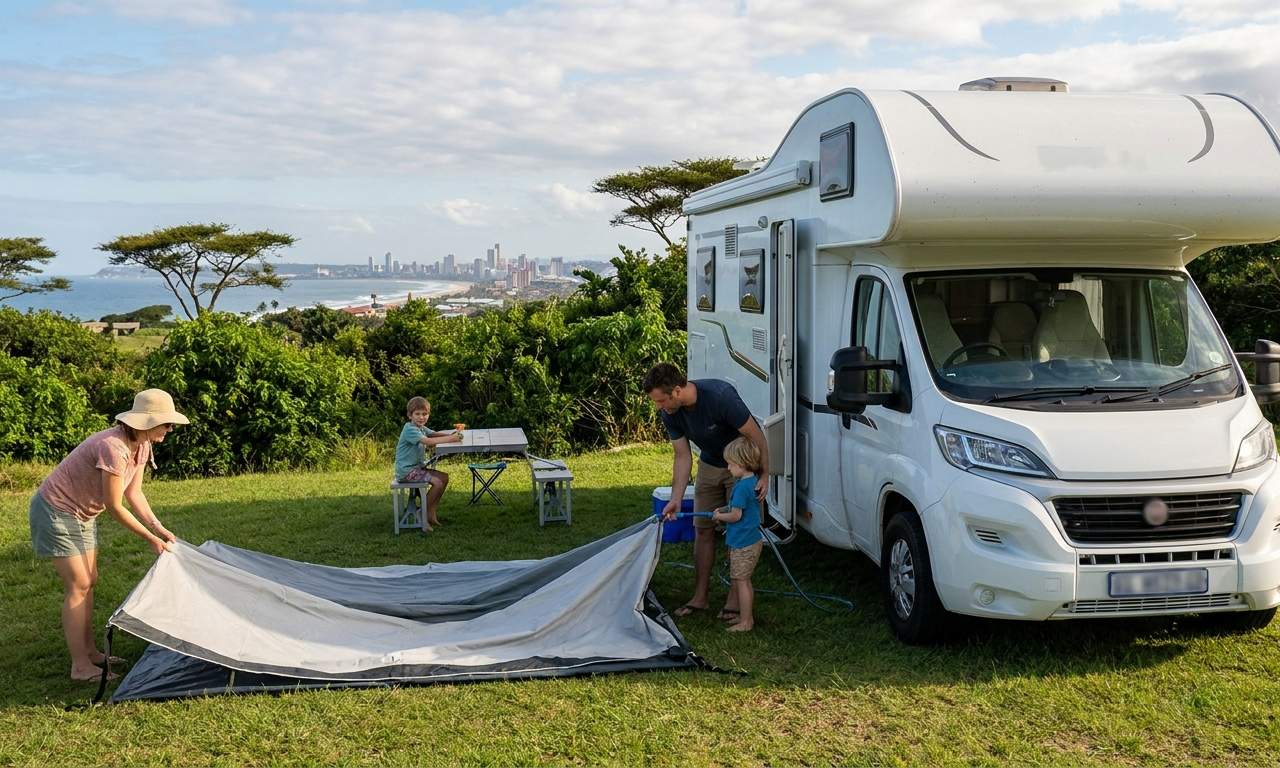
When comparing rental options, consider that larger RVs might have higher fuel consumption. For instance, a 'Cruise America RV rental example Explorer' which sleeps 4, has a fuel tank of 75 liters and consumes approximately 11 liters per 100 Km. For families, a 'Category Large' motorhome, which often includes multiple beds and accommodates larger groups, will naturally have a higher rental cost and potentially higher fuel expenses than a smaller campervan like a 'Category Van' ideal for couples.
It's always best to compare final prices across multiple suppliers to ensure you're getting the best value. Remember that the quoted price is usually for the base rental and may not include optional extras like comprehensive insurance, generators, or kitchen kits, which are discussed further in the 'Included vs. Add-On' section. Planning your trip with RV PLANET routes can help you itemize and track all these costs for easy budgeting. For ideas you can prep on the road, watch our RV-friendly recipes playlist on YouTube. On the routes offered through RV PLANET routes, you can itemize and track every expense along the way for easy budgeting.
Seasonal Pricing — Peak vs. Shoulder vs. Off-Season in Durban
Understanding Durban's seasonal pricing for RV rentals is key to maximizing your budget. Peak season, typically from July to August and again during December to January, sees the highest demand and, consequently, the highest rental prices due to school holidays and general vacation travel. If you're looking for Budget RV Driving in Durban - Save on Fuel 2026, aiming for shoulder seasons can be advantageous.
The shoulder seasons, generally from May to June and again from September to November, offer a good balance between pleasant weather and more moderate rental rates. This period often presents a sweet spot for travelers seeking a balance of good weather and manageable costs. For the absolute lowest rental prices, consider visiting during the off-season, which in Durban typically includes months like April, February, and March. Booking during these times can lead to significant savings, allowing your Family RV Driving in Durban - Safe Routes 2026 to be more affordable.
What's Included vs. What's an Add-On
When renting a family RV in Durban, understanding what’s typically included versus what’s an optional add-on is crucial for budgeting. Basic insurance coverage and a standard mileage allowance are usually part of the base rental package, providing essential protection and a degree of freedom for your travels. However, many desirable features come as extras.
Common add-ons that enhance your RV experience include comprehensive insurance options for greater peace of mind, generators for off-grid power, kitchen kits containing essential cookware and utensils, and bedding packages for added comfort. For instance, a 'Category Family' RV might include basic sleeping arrangements, but linen packs would likely be an additional cost. It’s vital to verify the specific inclusions for each RV and rental station before finalizing your booking. Many rental companies offer package deals or allow you to customize your rental with these items. Utilizing the search filters on comparison platforms can help you easily compare different packages and identify RVs that best suit your needs and budget, ensuring you get the most value from your RV Driving Deals in Durban - Routes and Savings 2026 adventure.
Hidden Costs to Budget For in Durban
Beyond the daily rental rate, several other costs need to be factored into your RV budget for a trip around Durban. Toll road fees are common on major routes, and while some rentals may offer pre-purchase options or discount cards at pickup, it's wise to inquire about these to manage expenses. For instance, traveling from Johannesburg to Durban will involve several toll points.
Campsite fees can vary significantly depending on the location and the amenities offered, so researching and booking campgrounds in advance is recommended, especially during peak seasons. Fuel consumption is another major variable cost, particularly for larger RVs; understanding the typical fuel efficiency of your chosen vehicle, like a Class A motorhome which might consume 20-25 liters per 100 Km, is essential for accurate budgeting. Additionally, while many campsites offer waste disposal, some private dump stations might charge a small fee.
How to Save on family rv rental RV Rental in Durban
Saving money on your family RV rental in Durban is achievable through strategic planning and booking. Opting for rental durations that are longer often unlocks better daily rates, so consider extending your trip if possible. For example, a two-week adventure might offer a lower per-day cost than a one-week rental.
Choosing an RV class that appropriately suits your family size is also crucial for saving on both the rental cost and fuel consumption. A smaller campervan, like a 'Category Van' or a 'Class B Campervan', will typically be more fuel-efficient than a larger 'Class A' motorhome. Monitoring the flex-rate pricing can also be beneficial; prices change daily based on availability, and you might snag a better deal by booking at the right moment. Leveraging pre-purchase options for tolls or campground discount cards, if available, can also contribute to overall savings, making your Durban RV Driving Deals - Routes and Savings 2026 exploration more budget-friendly.
What RV Types or Gear are Best for Durban's Terrain and Climate?
When selecting an RV for your Durban adventure, consider both the local terrain and climate. Class C RVs often provide a great balance of space, comfort, and maneuverability, making them a popular choice for families. These are akin to a comfortable apartment on wheels, offering separate sleeping areas and ample living space. If you anticipate navigating tighter urban streets or more winding coastal roads, a campervan, also known as a Class B RV, is exceptionally agile and can be easier to maneuver.
Durban's warm and humid climate makes good air conditioning a crucial feature for any RV rental. Ensure the vehicle you choose is equipped with a robust AC system to keep you comfortable during your travels. Additionally, while South Africa's main roads are generally well-maintained, some secondary routes or attractions might have varied road conditions. Considering an RV with robust suspension could be beneficial. An awning is also a highly practical piece of gear, offering welcome shade during sunny days, perfect for enjoying the outdoor lifestyle that comes with RVing.
What are the RV Safety and Security Tips for Durban, South Africa?
Ensuring your safety and security while traveling in an RV around Durban is paramount. Always book and stay at reputable, secure campsites that offer guarded parking and good lighting. This provides a secure base for your vehicle and peace of mind during your stay. Familiarize yourself with your specific RV's utility systems and safety features upon pickup; your rental company can guide you through this.
When you're inside the RV, even for short periods, make it a habit to keep all windows and doors locked. This simple precaution deters opportunistic theft. It's also wise to share your itinerary with family or friends back home, providing them with your general route and expected check-in times for added safety. Always be aware of your surroundings and avoid driving or parking in isolated or unfamiliar areas, especially after dark. When planning your route, review resources like Family RV Driving in Durban - Safe Routes 2026 for insights into safe travel practices.
What are the Driving Conditions and Road Rules for RVs in Durban, South Africa?
Navigating Durban and its surrounding areas in an RV requires an understanding of local driving conditions and road rules. Remember that driving is on the left-hand side of the road, and seatbelts are mandatory for all occupants. Be mindful of larger RV dimensions when making turns or changing lanes, as stopping distances are also increased compared to a standard car.
Road conditions in South Africa can vary; while major routes are generally well-maintained, be prepared for potential potholes, especially on less-traveled roads. Watch out for pedestrians, cyclists, and occasionally stray animals on or near the roadway. Always adhere to posted speed limits, which are typically around 120 km/h on highways and 60 km/h in urban areas, but always check local signage. Be prepared for toll roads, and know that the emergency services contact number from a cell phone is 112. For more detailed advice, consult Driving an RV in Durban - Complete Guide 2026.
Where can I find RV Dump Stations, Water Refills, and LPG in Durban?
Locating essential services like RV dump stations, potable water refills, and LPG (propane) refills is straightforward in and around Durban. Established caravan parks and dedicated campsites are your primary resource for both dump stations and water refills. Many of these facilities are well-equipped to cater to RV travelers.
Larger petrol stations, particularly those affiliated with major fuel brands, typically offer LPG or propane refills for your RV's gas bottles. It’s always a good practice to confirm the availability of these services, especially if you plan to venture into more rural or remote areas, as facilities may be less frequent. Your RV rental company can also be an excellent source of recommendations for specific service centers or repair shops that cater to RVs in the Durban region.
How to Manage RV Utilities (Waste, Water, Power) in Durban?
Effectively managing your RV's utilities—waste, water, and power—is key to a comfortable and sustainable journey in Durban. Conserve fresh water by taking shorter showers and using it judiciously for cooking and cleaning. This practice not only helps manage your water supply but is also a responsible habit.
Dispose of grey water (from sinks and showers) and black water (from the toilet) only at designated dump stations. Never discharge waste water into storm drains or natural waterways, as this is illegal and environmentally harmful. Monitor your battery levels, especially if you plan to use amenities like air conditioning frequently, and utilize campsite hook-ups whenever possible to recharge your batteries. Upon pickup, take the time to familiarize yourself with your specific RV's utility systems; the rental company should provide a demonstration, ensuring you know how everything operates.
Is Wild Camping or Off-Grid RVing Possible in Durban?
For those dreaming of escaping to nature, true wild camping or extensive off-grid RVing is generally not legal or widely permitted within urban Durban itself. The city's infrastructure and regulations typically require RVs to use designated campgrounds and facilities. However, limited opportunities for off-grid experiences might exist in specific private reserves or on private land outside the immediate urban area, and these often require permits or prior arrangement.
It is crucial to meticulously check local regulations and obtain any necessary permits before attempting any form of off-grid camping. For families prioritizing safety and legal compliance, sticking to reputable, established campsites remains the most reliable and recommended option for your RV adventures. These locations provide essential services and a secure environment, aligning with the spirit of a relaxing family road trip.
How can RV Travelers Experience Local Culture in Durban?
Experiencing Durban's vibrant local culture is an enriching part of any RV journey. Visiting authentic local markets, such as the famous Victoria Street Market, offers a fantastic opportunity to find unique goods, spices, and local produce. It’s a sensory delight and a great place to interact with local vendors and learn about their crafts.
Immerse yourself in Durban’s lively atmosphere by attending local festivals and community events when possible; check local listings for happenings during your visit. For deeper insights into Zulu traditions and history, consider booking guided township tours with reputable local operators. These tours often provide a respectful and informative perspective. When engaging with communities, always prioritize respectful interaction, support local businesses by purchasing goods or services, and remain mindful of safety recommendations.
What are the Best RV Road Trip Itineraries Around Durban?
Durban serves as an excellent starting point for exploring the diverse landscapes of KwaZulu-Natal by RV. A popular choice is to explore the scenic coastal drives, heading either south to the KwaZulu-Natal South Coast (popular spots include Margate) or north to the fascinating St Lucia region, known for its wildlife and wetlands.
For those who prefer inland adventures, the majestic Drakensberg Mountains are within reach, offering incredible hiking opportunities and breathtaking natural beauty that are well-suited for RV exploration. You might also consider the classic Johannesburg to Durban route, planning strategic overnight stops in charming towns along the way. When planning any itinerary, always prioritize attractions that are RV-accessible and ensure reliable campsites are available along your chosen route. For curated route plans, explore the resources available through RV PLANET routes.
Final Thoughts
Renting a family RV for your Durban adventure offers unparalleled freedom and flexibility to explore South Africa's stunning coastline and diverse landscapes. By understanding the costs, seasonal variations, and what to expect, you can plan a seamless and memorable journey.
We're here to support you every step of the way, ensuring your RV rental experience is as smooth as possible. From comparing prices to coordinating details, we handle the complexities so you can focus on the adventure. Get inspired for your next trip and discover the joy of RV travel!
Find Motorhome Rentals in Durban