For live availability and current prices, start with our RV Rental California - Complete Guide 2026 guide.
In This Guide
- What RV Rental Costs in California (2024)
- Seasonal Pricing - Peak vs. Shoulder vs. Off-Season in California
- What's Included vs. What's an Add-On
- Hidden Costs to Budget For in California
- How to Save on RV Rental in California
- Fun Facts About California
- What are the typical campsite fees for RVs in California?
- Where can I find free camping for an RV in California?
- When is the best time to RV in California's diverse climate zones?
- What specific challenges should I anticipate when RVing in California?
- What You Shouldn't Miss
- Why Book with Bandana Caravan
- Final Thoughts
- Frequently Asked Questions
California, with its breathtaking coastline, majestic national parks, and diverse landscapes, offers an unparalleled adventure for families traveling by rented RV or motorhome. Imagine waking up to the sound of crashing waves, brewing coffee in your mobile kitchen, and setting off to explore redwood forests or sun-drenched deserts – all from the comfort of your own temporary home on wheels. For live availability and current prices, start with our RV Rental California - Complete Guide 2024 guide, which covers everything from initial planning to on-the-road tips.
Here at Bandana RV, we understand that planning a family RV rental in California involves more than just picking a destination. It's about finding the right balance of cost, comfort, and unforgettable experiences. With our extensive knowledge of RV travel, built over 23 years helping tens of thousands of travelers explore the world by RV, we're here to offer transparent insights and support every step of the way. We believe that life is now, and your California adventure awaits!
What RV Rental Costs in California (2024)
April is typically the cheapest month for RV rental in California, offering travelers a prime opportunity to secure more budget-friendly rates for their family adventures. RV rental prices are dynamic, much like flight tickets, and vary daily based on factors like RV class, rental duration (e.g., a one-week trip compared to a two-week adventure), season, and current availability. For a family of four, a comfortable Class C motorhome might average $150-$300 per day in 2024, while a smaller, more agile campervan could start from $90-$180 daily.
The final price is always set at the actual booking time, reflecting real-time market conditions. This is why using a comprehensive comparison tool is crucial to find the most accurate pricing without any hidden fees or surprises. At Bandana RV, we provide full transparency across our direct partnerships with over 50 leading RV suppliers worldwide, including trusted names like El Monte and Cruise America. We are true RV specialists, not just a travel agency side department, ensuring you get expert advice and straightforward pricing.
🎬 Video coming soon
Seasonal Pricing - Peak vs. Shoulder vs. Off-Season in California
RV rental prices in California fluctuate significantly by season, with peak demand during summer months (July-August) leading to rates that can be 30-50% higher than off-peak periods. Shoulder seasons, typically May-June and September-October, offer a wonderful balance of pleasant weather and more affordable prices, with potential savings of 10-20% on your total rental cost.
The off-season, generally from November to April (excluding major holidays like Thanksgiving or Christmas), usually provides the lowest prices for renting a motorhome or campervan. For example, April often emerges as the cheapest month for rentals, with daily rates sometimes dipping as low as $100-$150 for a standard Class C motorhome like the "Adak Argonaut 21". Considering a two-week adventure during these periods in a smaller, fuel-efficient campervan, such as the "Active Pop Top" with its compact 5.99m length, can lead to a more cost-effective family trip. Planning your travels during these shoulder seasons not only saves money but also means fewer crowds at popular attractions and campgrounds.
Savvy travelers who plan ahead are often rewarded. Remember, you can earn a 25% planning discount by utilizing rvplan.net for your route planning, helping you secure your ideal campervan or motorhome rental at a better price.
What's Included vs. What's an Add-On
Basic insurance and essential vehicle functions, such as an automatic transmission and front air condition, are typically included with any motorhome rental in California. However, understanding what constitutes an "add-on" is key to transparent budgeting. Common add-ons often include kitchen kits (ranging from basic cookware to full sets for cooking many meals on board), bedding, generator usage (typically an extra charge, for example $5-$10 per hour of use for a Class C), and additional mileage packages (e.g., if a rental includes 100 miles/day, extra miles might cost $0.30-$0.50/mile). On the routes offered through RV PLANET routes, you can itemize and track every expense along the way for easy budgeting.
Roadside assistance upgrades and a top-level deductible reimbursement for extra peace of mind are also optional additions. What's included varies significantly by RV model and rental station. For instance, a "cruise america rv rental example Explorer" might come with an 82-liter fresh water tank, while a "Paradise Family 5" has a 30-liter tank. Always verify the specifics of what's provided for your chosen RV rental before confirming your booking. Bandana RV's comparison platform makes this easy by allowing you to view and compare detailed inclusions and optional add-ons. If you plan to prepare your own meals on the road, exploring our RV-friendly recipes playlist can be a great way to budget and enjoy your travel even more.
How to Save on RV Rental in California
To maximize savings on your California RV rental, consider booking during the shoulder or off-season, such as April or late September, which can lead to reductions of 10-25% on daily rates for a Class C motorhome. Opt for longer rental durations, as daily rates are frequently more favorable for week-long or extended road trips compared to shorter periods.
Choosing a smaller RV class, such as a campervan or a compact Class B motorhome like the "Active Original" (which sleeps 4), can significantly cut down on both rental costs and fuel expenses. For instance, a campervan typically consumes 8-12 liters per 100 km, much less than a large Class A motorhome. Always inquire about pre-purchased toll passes or available fuel/campground discount cards from your rental provider, as these can further reduce overall trip expenditures. While last-minute deals can sometimes be found during off-peak times, prices are dynamic and availability for popular models like the "MHC24" can be limited, making early booking generally the more reliable strategy. Finally, utilizing campground discount programs can reduce nightly fees, which can range from $20 to $120.
What are the typical campsite fees for RVs in California?
Typical campsite fees for RVs in California range from $20-$30 per night for basic dry camping or primitive state park sites to $70-$100+ per night for full-hookup sites at private RV resorts or popular national park campgrounds. State and National Parks generally charge $35-$75 per night for developed sites, with full hookups often costing more. Private RV resorts, offering more amenities like pools and laundry facilities, can range from $50-$120+ per night, particularly in prime locations or during peak season. Bureau of Land Management (BLM) and National Forest lands often provide free or low-cost ($5-$20) dispersed camping or basic campgrounds, which are excellent options for budget-conscious travelers. Branded campgrounds like KOA typically fall in the $40-$80 range, offering a balance of amenities and accessibility. When booking, keep in mind that many national/state parks only reserve 25-30% of spots, leaving the rest for first-come-first-serve. You'll find a spot; if not at the first campground, then the next one. Always call ahead before driving.
Where can I find free camping for an RV in California?
Free camping for RVs in California, often referred to as boondocking or dispersed camping, is primarily available on designated lands managed by the Bureau of Land Management (BLM) and the U.S. Forest Service (USFS). Vast tracts of BLM land in desert regions, such as the Mojave Desert and areas near the Salton Sea, permit dispersed camping with a 14-day stay limit. National Forests across California, including Inyo and Sequoia National Forests, also offer numerous dispersed camping opportunities along forest service roads, providing a rugged, off-grid experience.
Additionally, some retail parking lots (e.g., Walmart, Cracker Barrel) and casinos may permit overnight RV parking, but always confirm with management beforehand to ensure compliance with local regulations. Utilizing online resources and apps like iOverlander, Campendium, and FreeCampsites.net is highly recommended to locate and research specific free camping spots, verifying current local rules and restrictions before your arrival. These resources often include user reviews and tips, which are invaluable for discovering hidden gems for your motorhome rental adventure.
When is the best time to RV in California's diverse climate zones?
The best time to RV in California depends entirely on the specific region you plan to explore, as the state boasts vastly different climate zones. Generally, spring (April-May) and fall (September-October) are ideal for coastal and desert areas, offering mild temperatures and fewer crowds. Coastal regions, stretching from San Diego to the Redwood forests, are particularly pleasant during these shoulder seasons, with average temperatures ranging from 15-25°C and minimal rainfall. Desert regions, including Death Valley National Park and Joshua Tree National Park, are best enjoyed in fall (October-November) and spring (March-April) to avoid the extreme summer heat, which can exceed 40°C.
Mountain regions, such as the Sierra Nevada and its iconic national parks like Yosemite and Sequoia, are most accessible and pleasant during summer months (June-September) when mountain passes are open and snow has largely melted. Winter in these areas is reserved for snow sports, making RVing challenging unless you are equipped for cold weather. Always consider crowd levels alongside weather conditions; shoulder seasons often provide a perfect balance of pleasant conditions and fewer tourists, enhancing your travel experience. To make the most of your journey, remember to travel slowly, aiming for a maximum of 100-150 km per day on average, allowing you to truly feel the place, connect to the culture, the food, and the scenery.
What specific challenges should I anticipate when RVing in California?
When RVing in California, travelers should anticipate a few specific challenges, including navigating steep mountain passes, potential impacts from wildfire season, managing water conservation during droughts, and securing popular campground reservations. Larger motorhomes, particularly Class A models, may find some mountain roads challenging due to their size and grade; always check road conditions (like those found in our "Driving an RV in California - Complete Guide 2024" itinerary) and use appropriate gears, but remember, you can drive slowly and carefully almost anywhere without issues.
Wildfire season, typically extending from summer into fall, requires vigilant monitoring of alerts and having contingency plans for potential park or road closures, especially in areas with dense forests. Due to frequent drought conditions, be mindful of water usage and potential restrictions at campgrounds. Additionally, popular national and state park campgrounds often require reservations 6-12 months in advance, particularly for larger rigs or during peak times; however, many parks reserve only 25-30% of spots, leaving the rest for first-come-first-serve. You'll find a spot. If not at the first campground, then the next one. Always call ahead before driving. Researching routes for RV accessibility is also wise, considering height/weight restrictions and urban congestion, particularly when planning to drive in cities like San Francisco or Los Angeles. Our guides like "Budget RV Driving in California - Save on Fuel 2024" can help you plan effectively.
What You Shouldn't Miss
- Yosemite National Park: Explore this iconic park with over 800 miles of hiking trails and breathtaking views of landmarks like El Capitan and Half Dome. Its beauty is unparalleled, and a rented motorhome offers the flexibility to explore surrounding areas at your own pace.
- Pacific Coast Highway (Highway 1): Drive a portion of this legendary 1,000-kilometer scenic route from Leggett to Dana Point. It offers dramatic coastal vistas, charming beach towns, and endless photo opportunities.
- San Francisco and Los Angeles: Experience the vibrant city life of San Francisco, riding a cable car and visiting Alcatraz Island. Then head south to Los Angeles, exploring Hollywood, its famous beaches, and diverse neighborhoods. Remember, drive slowly and carefully, and you can drive almost anywhere without issues. No need to stress - just use common sense and pay attention. You can even plan your arrival or departure with our "Driving an RV From California Airport - Routes 2024" guide.
- Death Valley National Park: Discover the unique and extreme landscapes of Death Valley, home to Badwater Basin, the lowest point in North America at -282 feet. The stark beauty and dramatic contrasts make it an unforgettable stop.
- Redwood National and State Parks: Marvel at the world's tallest trees in Northern California. These ancient forests offer serene walks and a profound sense of scale that only a visit can truly convey.
- For finding campsites and campgrounds during your trip, we recommend using RV PLANET (rvplan.net) - a great resource for locating available spots along your route.
Looking for expert insights from Avi Bandana? Top 5 Adventures - recommendations from Avi Bandana
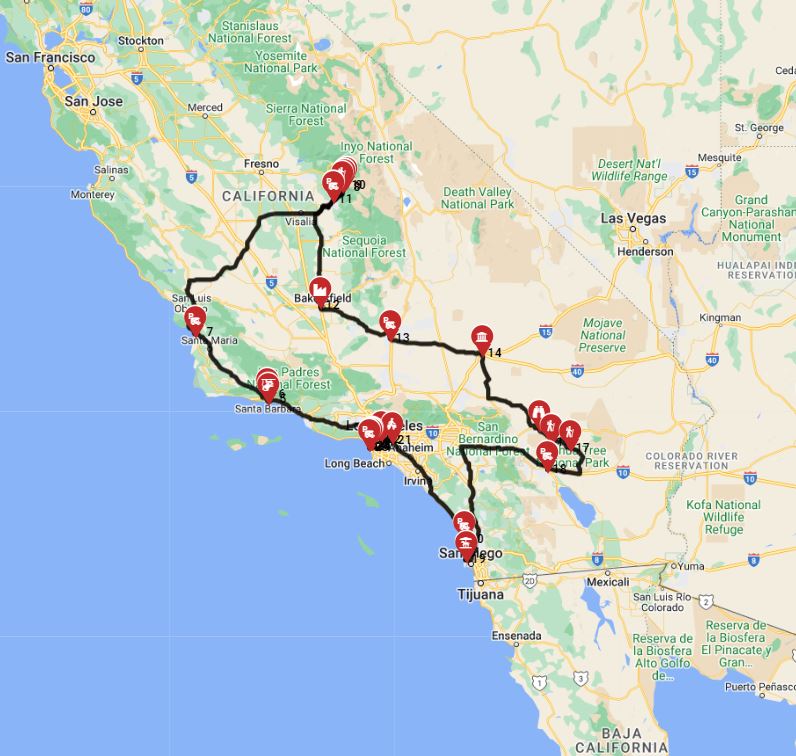
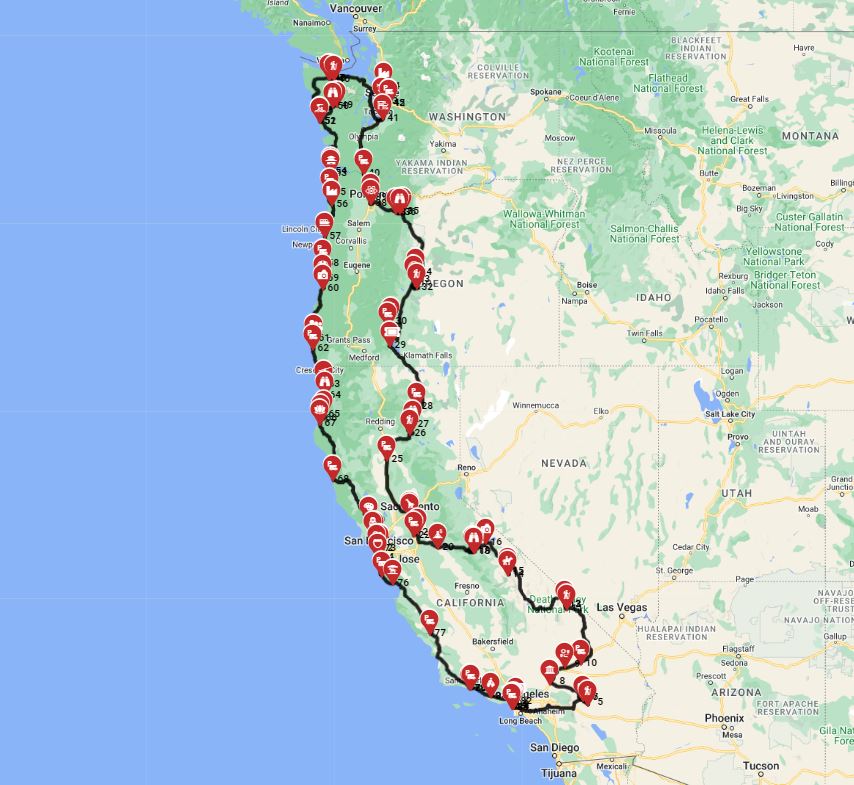
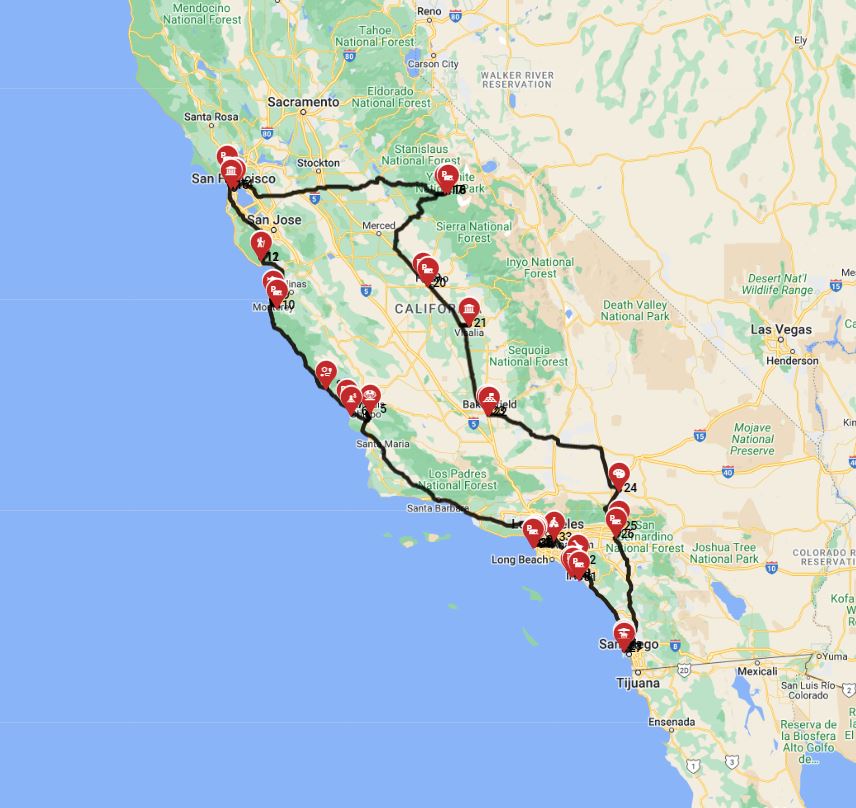
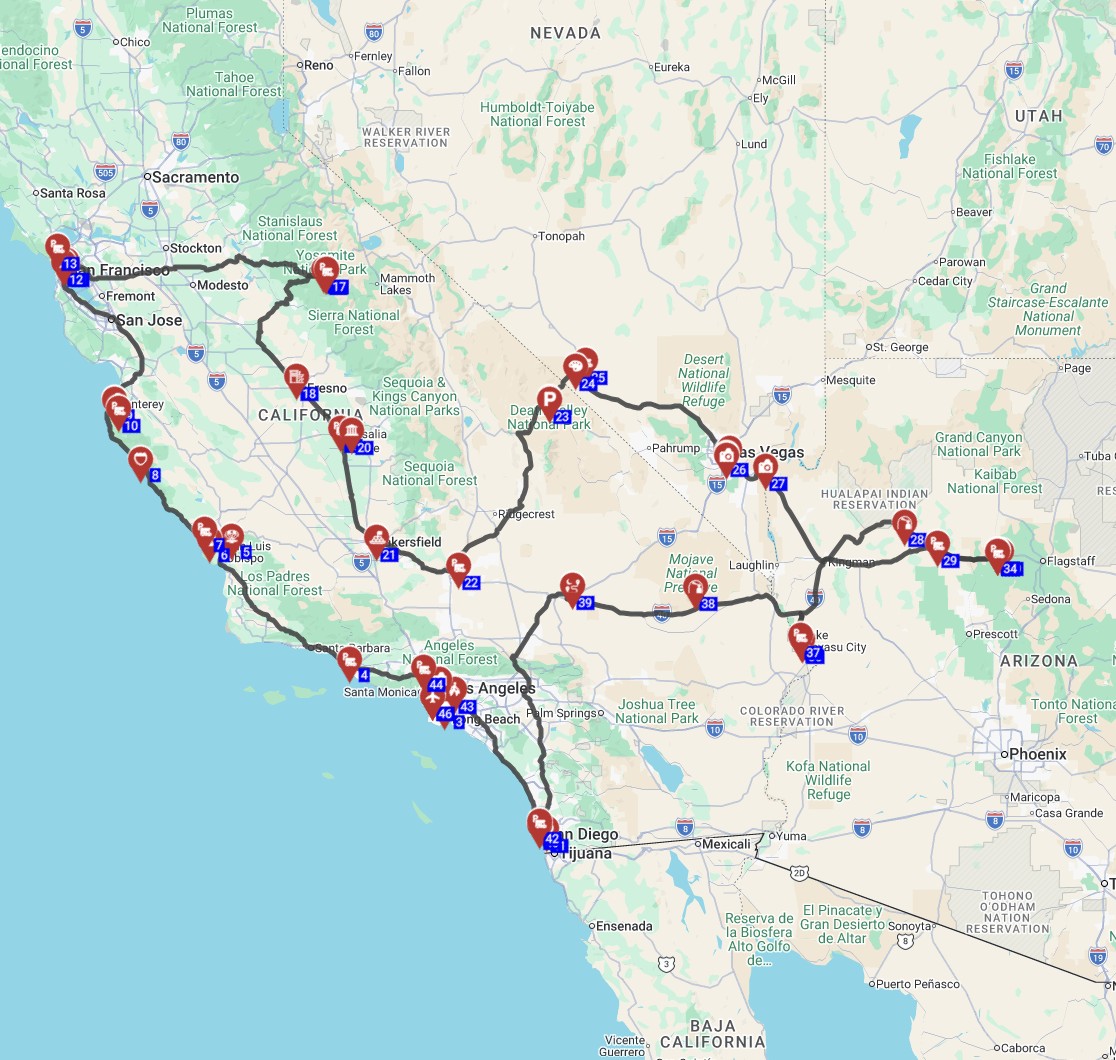
Avi Bandana, our founder, has personally traversed countless routes across five continents. He recommends these curated itineraries to truly experience the depth and diversity of California and beyond:
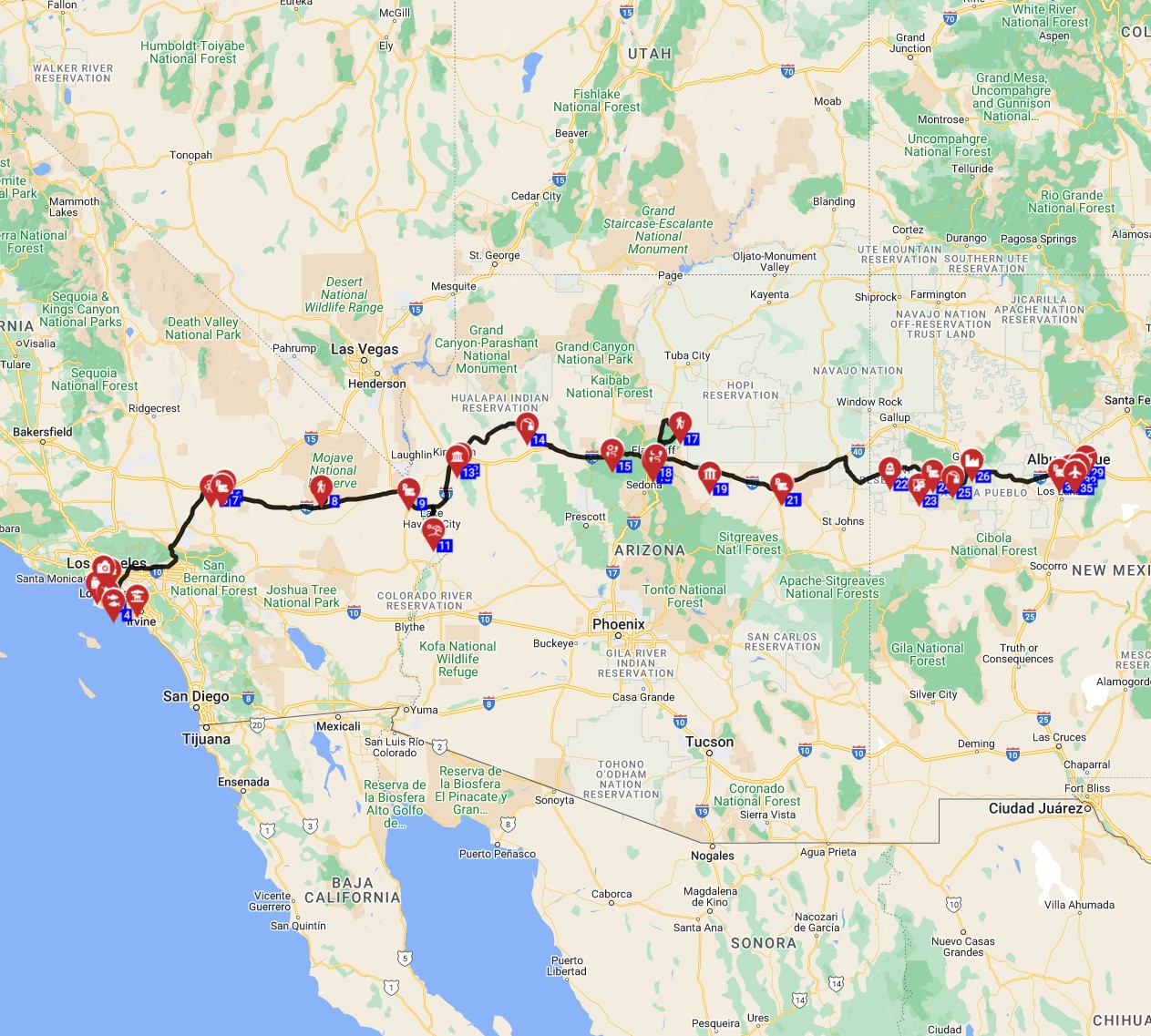
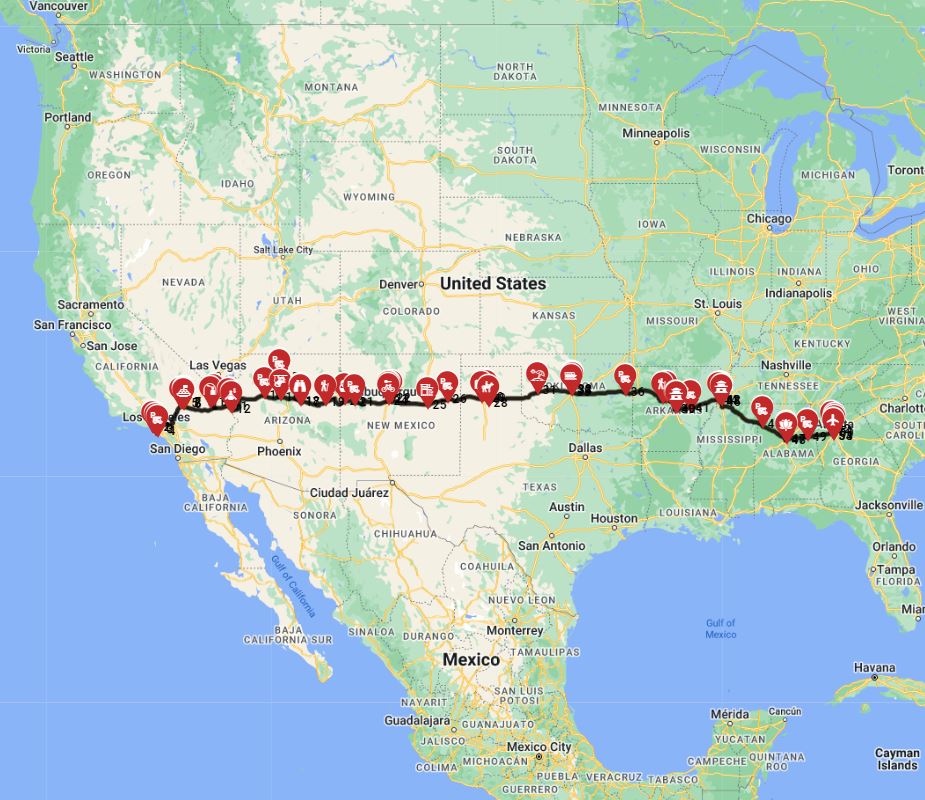
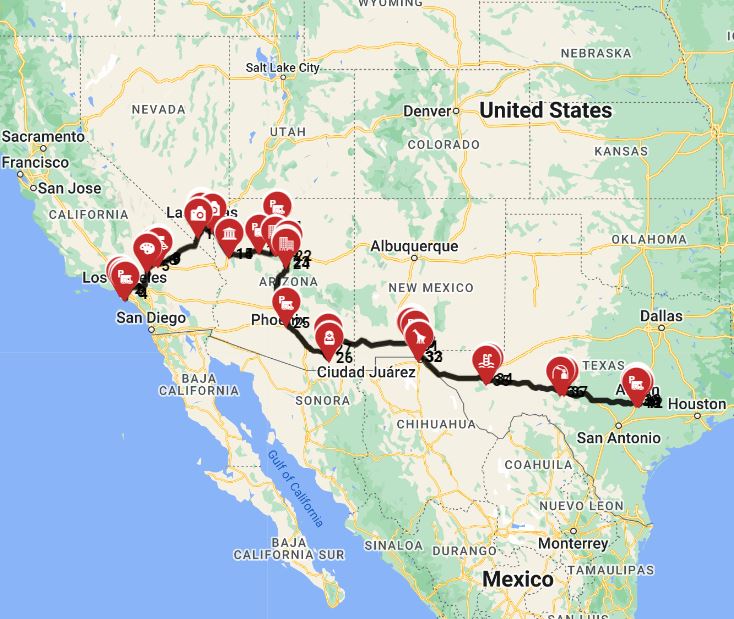
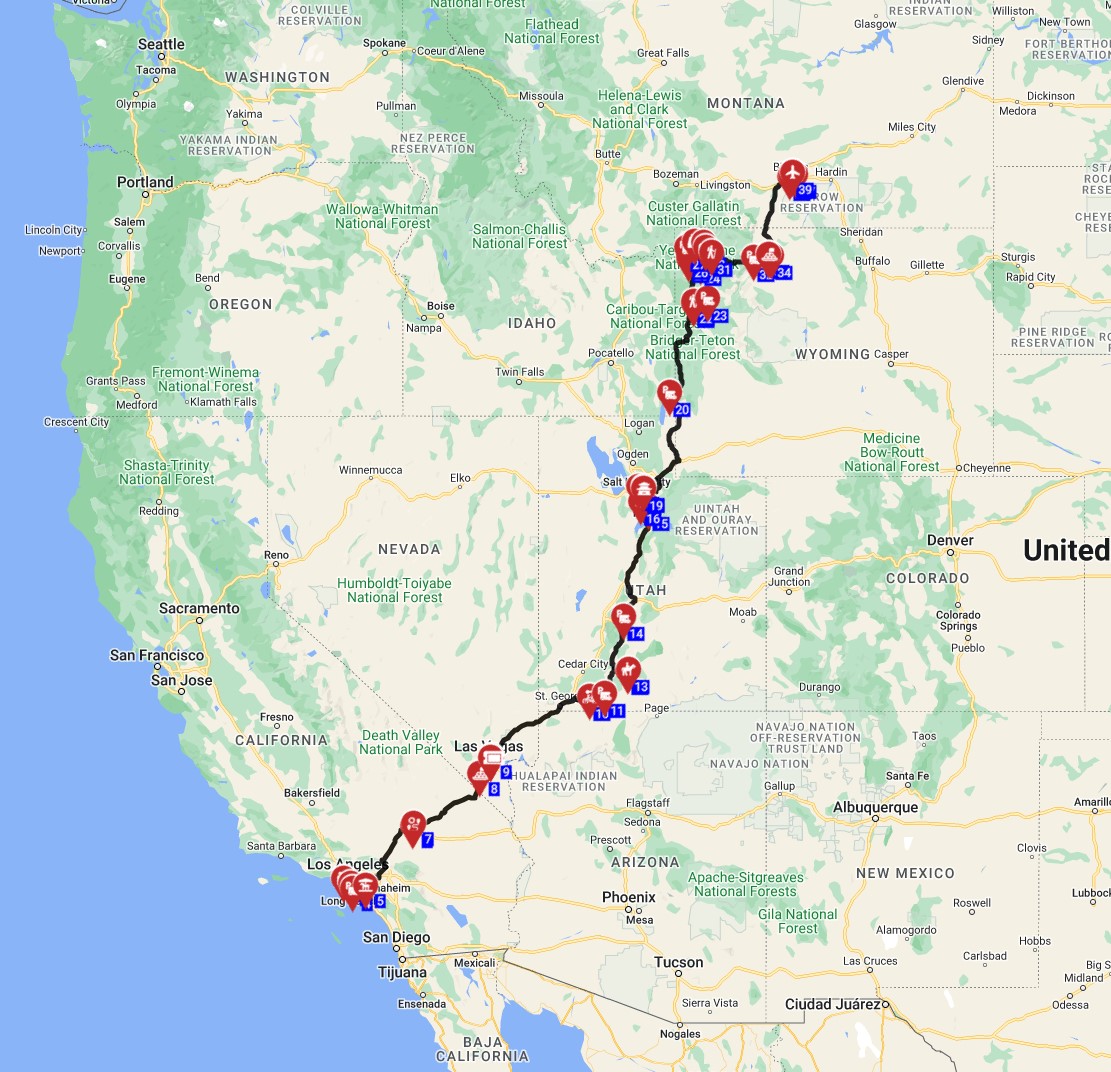
This extensive 18-day route covers 3,370 kilometers from San Diego to Seattle, including 6 hiking areas, 2 museums, and 1 water park. It's an epic journey for those who want to see both the California coast and the Pacific Northwest.
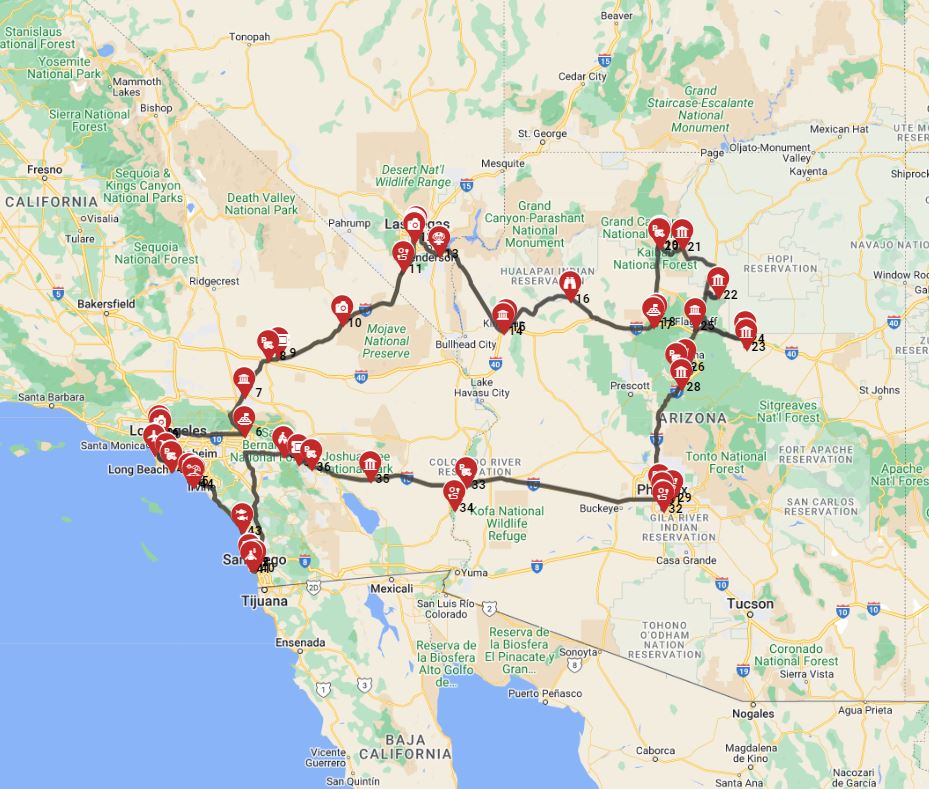
Embark on this 25-day, 4,463 km roundtrip from San Francisco, taking in California's coast and Arizona's stunning canyons. This route is packed with diverse attractions, from an amusement park and 8 hiking areas to 4 scenic routes and 2 historical sites.
For more inspiration and detailed itineraries, check out our pre-planned routes at RV PLANET, designed by professionals to make your travel planning effortless. You might also find our "RV Driving Deals in California - Routes and Savings 2024" guide helpful for finding the best values.
Final Thoughts
A family RV rental in California offers an unparalleled way to explore this incredible state, from its towering Redwoods to its sun-drenched beaches and dramatic deserts. By understanding the dynamic pricing, considering seasonal travel, and budgeting for all potential costs, you can plan an affordable and memorable adventure. Remember that a standard driver's license is all you need, and the minimum age to rent is 21, opening up possibilities for many families and groups.
Whether you opt for a week-long trip through wine country or an extended road trip covering the entire state, Bandana RV is here to support you. We pride ourselves on full transparency and expert guidance, ensuring your booking process is as smooth as your journey on the open road. Start comparing Motorhome Prices for California today and embark on the trip of a lifetime!