In This Guide
- The 5 RV Families Compared for North Canada
- Class A (Integrated) - Best For
- Class SI (Semi-Integrated) - Best For
- Class C (Alcove) - Best For
- Class B (Campervan) - Best For
- Class TC (Truck Camper) - Best For
- Price Comparison by RV Class in North Canada
- Side-by-Side Comparison Table
- Our Recommendation for family rv rental Travelers in North Canada
- How much does it cost to rent an RV for a week in Canada?
- What's the best RV rental site?
- Can you rent an RV for a family road trip?
- What are the best RVs for families?
- What is the best RV route planner app in Canada?
- What is the 3-3-3 rule for RV living?
- Top Cities for RV Rental in North Canada
- Country-Wide Practical Information for RVing in North Canada
- What You Shouldn't Miss
- Why Book with Bandana Caravan
- Final Thoughts
- Frequently Asked Questions
Exploring the vast, untamed beauty of North Canada with your family in a rented RV promises an adventure unlike any other. Imagine waking up to panoramic views of Yukon's mountains, the Northwest Territories' pristine lakes, or Nunavut's Arctic tundra, all from the comfort of your mobile home.
Choosing the right vehicle for your family RV rental in North Canada is a key decision that shapes your entire experience in this extraordinary region. From compact campervans perfect for agile exploration to spacious Class A motorhomes designed for ultimate comfort, we'll walk you through the options. For live availability and current prices, start with our RV Rental North Canada - Complete Guide 2026 guide.
At Bandana Caravan, we've been helping tens of thousands of travelers discover the world by RV since 2001, and we're here to help you navigate the unique considerations of a family trip to North Canada. We offer full transparency with no hidden fees, and our dedicated team of true RV specialists is ready to support you before, during, and after your booking.
The 5 RV Families Compared for North Canada
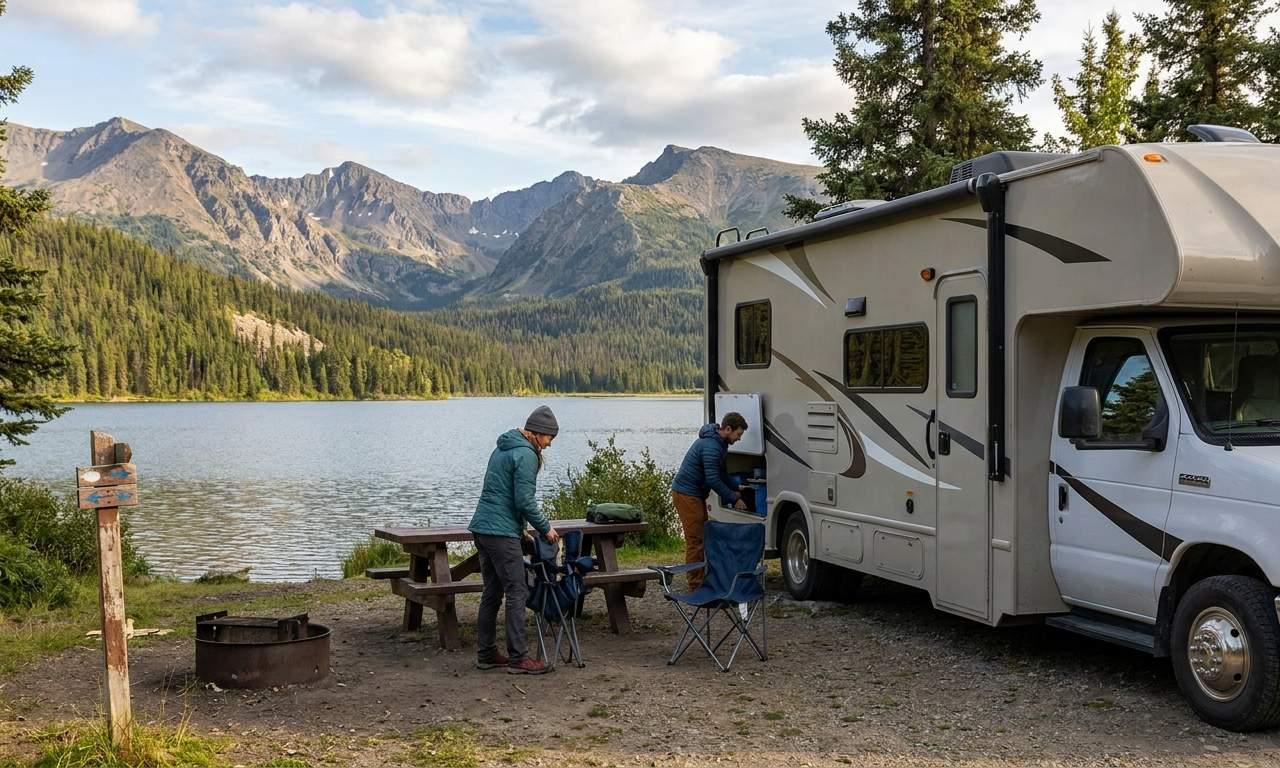
Choosing the right RV family is critical for adapting to North Canada's diverse terrain, from paved highways to expansive gravel roads like the Dempster Highway.
Climate variations, including potential cold snaps even in summer and extensive mosquito seasons, necessitate rented RVs with reliable heating, good insulation, and adequate shelter for comfortable family travel. Long distances between services and limited fuel availability in the North require choosing RVs with sufficient fresh water (e.g., 100+ Liter tanks), waste water (e.g., 80+ Liter tanks), and fuel tank capacities (e.g., 70+ Liter fuel tanks), along with considering fuel efficiency for journeys between remote communities. Family size, averaging 4-6 people for typical families, and intended activities significantly influence the optimal RV choice for comfort and practicality, ensuring everyone has enough sleeping space and living area.
Class A (Integrated) - Best For
Class A integrated motorhomes are best for larger families or groups, typically accommodating 4-8 adults, seeking luxury, ample space, and extensive amenities for extended trips through North Canada, especially on major routes like the Alaska Highway.
Bandana's fleet typically shows Class A RVs averaging 7.5 to 10.7 meters in length, providing considerable living and storage space, suitable for families who prioritize comfort and don't plan extensive off-road excursions into areas like the Canol Road. These grand vehicles, such as the `Class A - Thor ACE 30` with its 189 Liter fresh water tank and 302 Liter fuel tank, offer a true "home on wheels" experience, often featuring multiple beds (e.g., a queen bed and convertible dinette), a full kitchen, and a spacious bathroom.
While offering superior comfort and generous load capacity (often exceeding 500 kg), these larger rented RVs (averaging fuel consumption of 20-30 Liter/100 km) can be less maneuverable on narrower Northern roads or in smaller communities like Dawson City, requiring careful planning for fuel stops, parking, and tight turns. Drive slowly and carefully, and you can drive almost anywhere without issues. No need to stress - just use common sense and pay attention to road signs, especially when navigating areas where wildlife encounters are frequent.
Class SI (Semi-Integrated) - Best For
Class SI semi-integrated motorhomes offer a balanced blend of comfort, maneuverability, and efficiency, making them ideal for families, typically 3-5 people, seeking a versatile option for exploring North Canada's diverse landscapes.
With Bandana's fleet averaging 6.9 to 7.5 meters in length and a common fuel consumption of 10-14 Liter/100 km, these RVs strike a good balance, offering more amenities than a campervan while being easier to navigate than larger Class A models on routes such as the Klondike Highway. Vehicles like the `K3` are equipped with 140 Liter fresh water tanks and can carry 3 bicycles, providing excellent utility for active families. They outperform Class A in agility on varied Northern roads, including some well-maintained gravel sections, and offer more living space and amenities than a Class B, making them a robust choice for families not needing the largest sleeping capacity but valuing comfort and ease of driving in remote areas.
These models often feature a comfortable dining area, a well-equipped kitchen perfect for preparing RV-friendly recipes playlist, and a fixed bed, providing a cozy retreat after a day of Northern exploration. For example, a `Comfort Standard` RV rental for families typically offers a refrigerator of 100 Liter capacity and heating, essential amenities for North Canada's cooler evenings.
Class C (Alcove) - Best For
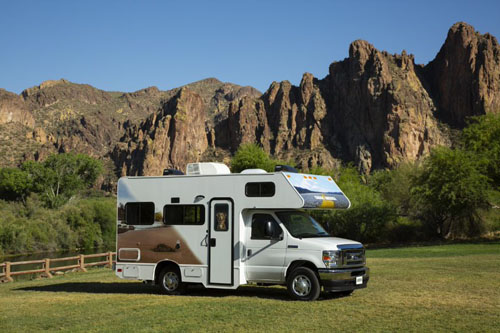
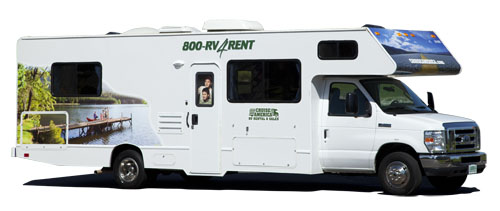
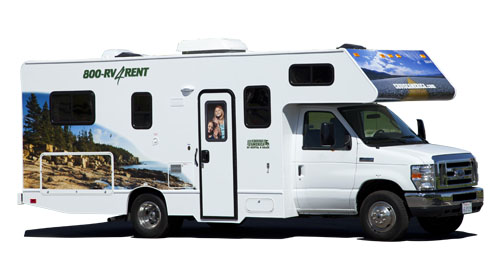
Class C alcove motorhomes are generally considered the best all-around choice for families, typically 4-7 people, traveling in North Canada due to their optimal balance of sleeping capacity, comfort, and relative ease of driving compared to larger RVs.
Bandana's fleet typically shows Class C RVs averaging 7.1 to 9.1 meters in length with an advantageous overhead sleeping alcove, often a 147/220cm bed, perfect for children, and common fuel consumption around 11-23 Liter/100 km, offering practical spaciousness. Vehicles like the `MHC24` (7.3m length, 150 Liter fresh water tank) and `C-30` (9.1m length, 151 Liter fresh water tank) are popular options among Bandana's partners like Cruise America and Motorhome Travel. Their robust chassis handles varied North Canada road conditions well, providing a reliable and cost-efficient option for family RV rental, with an average load capacity sufficient for essentials plus gear like bicycles.
These motorhomes are ideal for extended road trips, offering amenities such as full kitchens with refrigerators (e.g., 150 Liter in the `CA-25`), showers, and toilets, ensuring self-sufficiency which is crucial in remote Northern areas where facilities can be sparse. With a rented Class C motorhome, families can comfortably navigate the scenic routes of the Yukon and Northwest Territories, enjoying both the journey and the destination.
Class B (Campervan) - Best For
Class B campervans are best for small families (e.g., 2 adults and 1-2 children) or couples seeking extreme maneuverability, superior fuel efficiency, and the flexibility to access more remote or tighter spots within North Canada's wilderness areas.
Bandana's fleet shows these compact RVs averaging 4.7 to 6.5 meters in length with common fuel consumption around 9-12 Liter/100 km, making them highly economical and easy to drive on all types of Northern roads, including some unpaved sections of provincial parks. Models like the `DVC` (6.7m length, 114 Liter fresh water tank) and `Combi Van` (5m length, 60 Liter fresh water tank) provide a cozy yet fully functional living space. They are ideal for families prioritizing agile exploration, quick stops, and blending in more easily in towns or less developed campsites, though limited interior space and load capacity (e.g., 30-60 kg for smaller models) requires efficient packing for Northern conditions.
While often lacking the extensive amenities of larger motorhomes, many campervans still offer a basic kitchen with a small refrigerator (e.g., 60 Liter in the `Group B`), a bed (e.g., 140/185cm double bed), and often a portable toilet, allowing for comfortable and self-sufficient week-long trips. Consider an RV Rental in North Canada for Couples - Pricing 2026 for smaller options.
Class TC (Truck Camper) - Best For
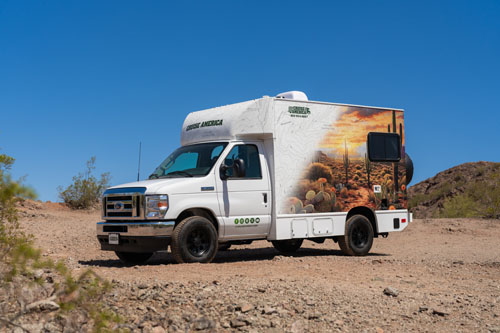
Class TC truck campers are ideal for adventurous small families (e.g., 2 adults, 1 child) or couples desiring off-grid capabilities, robust handling for challenging North Canadian terrain, and the flexibility of a detachable living unit.
Bandana's fleet indicates these units average 4.75 to 7.5 meters in length and feature common fuel consumption ranging from 12-17 Liter/100 km, often on a 4x4 truck base, which is crucial for tackling gravel roads like parts of the Dempster Highway or remote wilderness access. The `TC-A` model (7m length, 125 Liter fresh water tank) from a Bandana partner like CanaDream, with its 144 Liter fuel tank and 32 Kg propane tank, exemplifies the self-sufficiency needed in the North. Positioned as the most rugged option, they are perfect for families seeking a true Northern adventure where off-road capability and self-sufficiency are paramount, allowing access to areas larger RVs cannot reach. On the routes offered through RV PLANET routes, you can itemize and track every expense along the way for easy budgeting.
These campers, while compact, usually include a functional kitchen (e.g., 2-3 burner gas stove, refrigerator with freezer), a comfortable sleeping area (e.g., 152/203cm bed over cab), and a small bathroom with a shower and toilet, making them suitable for intrepid family journeys in North Canada where durability is key.
Price Comparison by RV Class in North Canada
The cost to rent an RV in North Canada varies significantly by class, rental duration, season, and supplier, with prices dynamically updated daily based on availability and demand.
For example, a Class B campervan might range from $150-$250 CAD per day in the shoulder season, while a large Class A motorhome could cost $300-$500+ CAD per day during peak summer. Week-long trips typically offer a better daily rate than shorter rentals. To find the best family RV rental in North Canada, flexibility with your travel dates (e.g., choosing early June or late September) can lead to considerable savings. Using comparison platforms like Bandana allows you to compare final prices across numerous suppliers like CanaDream and Fraserway RV, ensuring you see exactly what you pay with no surprise fees at pickup.
Ancillary costs, such as fuel (which can be up to 50% higher in remote Northern locations), campground fees ($25-$70 CAD/night), and potential mileage charges, should also be factored into your total budget. For easy budgeting and detailed expense tracking along the way, we highly recommend planning your route with RV PLANET routes, which offers 1,300+ pre-planned itineraries across 5 continents. You can even get a 25% planning discount when using rvplan.net for your route planning.
Can I find last-minute family RV rental deals in North Canada? While prices are dynamic and change daily, last-minute availability does exist, especially in the shoulder seasons. However, for a family RV rental in North Canada during peak summer, booking 3-6 months in advance generally secures better rates and availability. Compare Motorhome Prices for North Canada to see current options.
Side-by-Side Comparison Table
A side-by-side comparison of RV classes helps families quickly identify the best fit for their North Canada adventure based on key characteristics like size, sleeping capacity, and typical fuel economy.
Here’s a general overview of the various motorhome types available for rent, highlighting their suitability for families exploring North Canada:
| RV Class | Typical Length (meters) | Sleeping Capacity (people) | Fuel Consumption (L/100km) | Ideal For | Key Features for North Canada |
|---|---|---|---|---|---|
| Class A (Integrated) | 7.5 - 10.7 | 4-8 | 20 - 30 | Large families, luxury trips | Spacious living, full amenities, large tanks for self-sufficiency on major routes. |
| Class SI (Semi-Integrated) | 6.9 - 7.5 | 3-5 | 10 - 14 | Medium families, balanced comfort | Good maneuverability, solid amenities, efficient for varied roads. |
| Class C (Alcove) | 7.1 - 9.1 | 4-7 | 11 - 23 | Most families, versatile travel | Overhead bunk for kids, durable, good balance of space and handling for remote exploration. |
| Class B (Campervan) | 4.7 - 6.5 | 2-3 | 9 - 12 | Small families, agile explorers | Excellent maneuverability, fuel-efficient, fits into smaller spots, discreet. |
| Class TC (Truck Camper) | 4.75 - 7.5 | 2-3 | 12 - 17 | Adventurous small families, off-grid | Rugged 4x4 capability, high clearance for rough gravel roads, self-contained. |
Remember that specific models within each class from Bandana partners like El Monte, Apollo, or Britz may vary slightly in their features and exact specifications, so always check the details of your chosen rented RV.
Our Recommendation for family rv rental Travelers in North Canada
For most family RV rental travelers in North Canada, a Class C (Alcove) motorhome is the primary recommendation, offering an optimal blend of space, comfort, and robust performance for varied Northern conditions.
The Class C is favored for its dedicated sleeping areas, including the convenient overhead alcove for children (e.g., 147/220cm bed), and its durable construction, which is well-suited for the sometimes unpaved or challenging roads encountered throughout the Yukon, Northwest Territories, and Nunavut. This class, such as the `MHC28` from a Bandana partner, typically features a 160 Liter fresh water tank and 200 Liter fuel tank, ensuring sufficient resources for extended stays between service points. As a strong runner-up, the Class SI (Semi-Integrated) motorhome is recommended for slightly smaller families or those prioritizing a bit more fuel efficiency (e.g., 10-14 Liter/100 km) and a sleeker design, still providing excellent amenities and improved maneuverability for Northern exploration. Both options provide the self-sufficiency critical for remote Northern travel, balancing comfort with practicality for extended family trips where services can be sparse.
Ultimately, the best choice depends on your family’s specific needs, budget, and the level of adventure you seek. Comparing options thoroughly on Bandana is the best way to find the perfect rented mobile home for your North Canada journey.
How much does it cost to rent an RV for a week in Canada?
Renting an RV for a week in Canada, specifically in the North, typically ranges from $1,000 to $3,500 CAD, depending on the RV class, season, rental company, and specific location, with North Canada rentals often incurring additional costs due to remoteness.
Beyond the base rental fee, travelers must budget for higher fuel prices in the North (especially for larger RVs like Class A or TC, which can consume 20-30 Liter/100 km), comprehensive insurance, potential permits for certain Indigenous lands or protected areas, and specialized supplies like bear spray or satellite communication. Seasonal variations play a significant role, with peak summer months (July-August) offering the best weather and longest daylight hours but also the highest demand and prices. Shoulder seasons (June, September) can provide a balance of decent conditions and lower costs, potentially saving 15-20% on daily rates. Factor in costs for food, campground fees (which can be limited and vary from $25-$70 CAD per night in the North), dump stations, and an emergency fund to cover unexpected repairs or delays in remote areas. On average, a family of four might spend an additional $100-$200 CAD per day on these ancillary expenses.
For more detailed insights into various budgets, explore "RV Rental in North Canada - Prices and Best Deals 2026" or "Family RV Rental in North Canada - Pricing Guide 2026".
What's the best RV rental site?
Bandana is widely considered a leading RV rental site for North America, offering a diverse fleet of family-friendly RVs suitable for navigating the unique challenges and beauty of North Canada.
Bandana stands out for its extensive network, partnering with over 50 leading RV suppliers worldwide including respected names like CanaDream and Fraserway RV, ensuring you have access to a wide selection of motorhomes and campervans. Our platform provides full transparency in pricing, allowing you to compare final prices across suppliers with no hidden fees or surprises at pickup, directly addressing a common pain point for travelers. The user-friendly interface allows travelers to easily compare different RV classes, read reviews, and book directly, ensuring a smooth planning process for your Northern adventure. While other platforms exist, Bandana’s focus on connecting travelers with reliable RV owners, combined with our dedicated pre-booking and post-booking support from true RV specialists, makes us a preferred choice for securing a well-equipped vehicle capable of handling the demands of Yukon, Northwest Territories, or Nunavut.
We sell the way we'd like to buy - focused exclusively on RV travel, unmatched personal experience, and attention to the smallest details. This means you get honest advice and reliable service every step of the way.
Can you rent an RV for a family road trip?
Yes, renting an RV for a family road trip is a highly recommended and practical way to explore North Canada, offering unparalleled flexibility, comfort, and self-sufficiency compared to traditional hotel stays.
A rented RV provides a mobile home base, which is invaluable in regions like the Yukon or Northwest Territories where accommodation options can be sparse and spread out, allowing families to explore at their own pace without constant worries about booking rooms. For families, an RV means always having access to private restrooms, a fully equipped kitchen for preparing meals (crucial for managing budgets and dietary needs in areas with limited restaurant choices), and comfortable sleeping arrangements for everyone, regardless of your remote location. This mode of travel encourages deeper engagement with nature and offers greater control over your itinerary, especially important when traveling with children through vast wilderness landscapes where impromptu stops for wildlife viewing (e.g., bison along the Alaska Highway) or play are common.
You can even pick up a family RV in Whitehorse and return it in a different city like Calgary, as one-way rentals are available with most suppliers, though a drop-off fee may apply depending on the route and distance.
What are the best RVs for families?
The best RVs for families typically include Class C (Alcove) motorhomes and Class SI (Semi-integrated) motorhomes, offering a robust combination of space, sleeping capacity, and practical features ideal for group travel in North Canada.
Class C RVs excel with their dedicated sleeping areas, including the distinctive overhead bunk (e.g., a 147/220cm bed), which is often a favorite for kids, alongside a full kitchen and bathroom, making them a comfortable and cost-effective option for families of 4-7 people. Vehicles like the `24 Class C Motorhome` (7.46m length, sleeps 5) or `MHC30` (9.15m length, sleeps 9) are excellent choices from our partners. Class SI RVs provide a more aerodynamic and often more fuel-efficient alternative, suitable for families of 3-5 people who appreciate a slightly sleeker design while still accommodating them comfortably with essential amenities. For smaller, more adventurous families, Class B campervans offer exceptional maneuverability and fuel economy (e.g., 9-12 Liter/100 km), while Class TC truck campers provide rugged 4x4 capability for truly remote explorations in North Canada, though with less interior space. Both the `C-MEDIUM` and `Comfort Family` are great options for family RV rental in North Canada, depending on your group size.
What is the best RV route planner app in Canada?
The best RV route planner apps for Canada, especially when venturing into the North, are those that offer RV-specific navigation, offline mapping capabilities, and community-driven points of interest, with popular choices including RV Life Pro, iOverlander, and judicious use of Google Maps.
RV Life Pro is highly rated for its RV-safe GPS routes, accounting for vehicle height and weight restrictions, which is critical for navigating diverse Northern road conditions, including gravel sections on routes like the Dempster Highway or portions of the Alaska Highway. iOverlander is indispensable for finding wild camping spots, fuel stations (which are sparse in the North), dump stations, and local services, relying on user-generated content vital for extremely remote travel logistics. While Google Maps provides general navigation, supplementary apps are necessary to highlight unique Northern hazards like limited cell service, abundant wildlife crossings, or seasonal road closures (e.g., Inuvik-Tuktoyaktuk Highway access), and to plan for higher fuel consumption and availability between remote communities. For comprehensive route planning, including expert-designed itineraries for regions like the Yukon and Northwest Territories, and to track all your expenses, consider using rvplan.net.
What is the 3-3-3 rule for RV living?
The '3-3-3 rule' is a widely adopted guideline encouraging RV travelers to drive no more than 300 kilometers (approx. 185 miles) a day, arrive at their destination by 3 PM, and stay for at least 3 nights, promoting a more relaxed and enjoyable travel pace.
In the context of North Canada, adhering to the 3-3-3 rule is particularly beneficial due to the vast distances between services, variable road conditions (including extensive gravel sections on routes like the Nahanni Range Road), and the high likelihood of wildlife encounters (e.g., grizzly bears, moose, caribou, muskox). Arriving by 3 PM allows ample time to set up camp, prepare for evening wildlife safety, assess surroundings, and enjoy the midnight sun during summer months, reducing the stress of navigating unfamiliar territory in fading light. Staying for at least 3 nights provides a deeper cultural immersion with Indigenous communities, more opportunities for local exploration (e.g., hiking in Tombstone Territorial Park), and less time spent packing and unpacking, which is crucial for maximizing the experience in remote and unique Northern destinations.
We always recommend slow travel, averaging max 100-150 km per day, to truly feel the place, connect to the culture, the food, and the scenery. This pace is especially rewarding in North Canada, allowing for unhurried exploration and appreciation of the vast wilderness.
Top Cities for RV Rental in North Canada
North Canada offers several gateway cities for your RV adventure, each providing access to unique landscapes and experiences. While the North is vast, these locations serve as key starting points for a family RV rental:
- Whitehorse, Yukon: As the capital of Yukon, Whitehorse is the largest city in Northern Canada and a popular starting point for the Alaska Highway and routes to Kluane National Park. Many major suppliers, including CanaDream and Fraserway RV, have depots here, offering a range of motorhomes and campervans.
- Yellowknife, Northwest Territories: Yellowknife, situated on the Great Slave Lake, is the capital of the Northwest Territories and an excellent base for aurora borealis viewing (especially in late summer/early fall) and exploring the wilderness surrounding the city. RV rental options are available, though less numerous than in Whitehorse.
- Dawson City, Yukon: Rich in Gold Rush history, Dawson City offers a blend of historical charm and rugged wilderness access. It's a key point for exploring the Dempster Highway, though RV rental options might be more limited to pick-up points in Whitehorse.
- Inuvik, Northwest Territories: At the end of the Dempster Highway and near the Arctic Ocean via the Inuvik-Tuktoyaktuk Highway, Inuvik offers a truly Arctic RV experience. Renting an RV from Whitehorse or Yellowknife for a one-way trip to Inuvik is a popular, albeit adventurous, option.
- Fort Nelson, British Columbia: Often considered the gateway to the Northern Rockies and a crucial stop on the Alaska Highway, Fort Nelson provides essential services for RVers heading further North into Yukon.
- Prince George, British Columbia: While further south, Prince George is a significant hub for RV rentals before embarking on the long drive north towards the Yukon and NWT, with several Bandana partner suppliers operating here.
Remember that RVs are easy to drive. Drive slowly and carefully, and you can drive almost anywhere without issues. No need to stress - just use common sense and pay attention to speed limits and road conditions, especially on unpaved roads which require extra vigilance.
Country-Wide Practical Information for RVing in North Canada
Navigating North Canada in a rented RV requires specific practical knowledge beyond standard road trips to ensure a smooth and safe adventure for your family.
Road Rules and Conditions: In North Canada, you drive on the right side of the road, and standard Canadian speed limits apply, generally 90-100 km/h on highways, but often lower on gravel roads or through communities. Be aware that many Northern roads, especially in Yukon and NWT, feature long stretches of well-maintained gravel. Drive slower on these roads, reduce tire pressure slightly for better traction, and watch out for potholes and wildlife. No special driver's license, CDL, or additional permits are required for any rental motorhome class; your standard car driver's license is sufficient. An International Driving Permit (IDP) is recommended for international visitors from non-English speaking countries, but not mandatory.
Fuel and Services: Gas stations can be few and far between, sometimes with 200-300 km gaps, especially on routes like the Dempster Highway. Always fill up your rented motorhome's 70-200+ Liter fuel tank whenever possible. Fuel types are standard unleaded gasoline or diesel. Keep emergency supplies, including extra fuel and water, on board. Connectivity is limited; many areas will have no cell service, so consider a satellite communicator for emergencies. Emergency numbers (911) are consistent across Canada.
Camping Laws and Permits: Wild camping (boondocking) is generally permitted on Crown Land in Canada, but rules vary by territory and municipality in the North. Always look for signage or check with local visitor centers. National and territorial parks require permits, and many campgrounds offer 25-30% of their spots on a first-come, first-served basis. Don't worry, you'll find a spot; if not at the first campground, then the next one. Call ahead before driving to confirm availability. For finding campsites and campgrounds during your trip, we recommend using RV PLANET (rvplan.net) - a great resource for locating available spots along your route.
Insurance and Deductibles: All Bandana RV rentals come with basic insurance. You can upgrade to a top-level deductible for extra peace of mind, which is highly recommended for the unpredictable conditions of Northern travel, protecting your family against unexpected costs from minor incidents like gravel damage. Our full transparency policy ensures you know all costs upfront, with no hidden fees.
Wildlife Safety: Bear sightings are common. Keep food stored properly in your rented RV, use bear-proof containers at campsites, and carry bear spray. Ensure your family knows how to react to wildlife encounters. For specific advice, consider resources in our "RV Travel Guide to North Canada - Tips and Top Spots 2026" video.
What You Shouldn't Miss
North Canada is a land of unparalleled natural beauty and cultural richness. Here are some must-do experiences for your family RV rental adventure:
- Drive the Dempster Highway to the Arctic Ocean: Experience the true Arctic by driving Canada's only public road to the Arctic Ocean at Tuktoyaktuk. This 737 km gravel road is an epic journey, requiring a robust rented RV like a Class TC truck camper.
- Explore Kluane National Park and Reserve, Yukon: Home to Canada's highest peak, Mount Logan, and massive icefields, Kluane offers spectacular hiking, wildlife viewing (grizzly bears, Dall sheep), and breathtaking scenery.
- Witness the Midnight Sun in Dawson City, Yukon: During summer, enjoy 24 hours of daylight, perfect for extended explorations of this historic Gold Rush town. You might even want to try a Sourtoe Cocktail!
- Experience the Northern Lights in Yellowknife, NWT: In late summer or early fall, Yellowknife is one of the best places in the world to see the aurora borealis dance across the sky from your comfortable rented motorhome.
- Visit the Signpost Forest in Watson Lake, Yukon: Add your own sign to this quirky and ever-growing collection of over 100,000 signs left by travelers from around the globe.
- Take a ferry across the Peel River and Mackenzie River, NWT: These free ferry crossings on the Dempster Highway offer a unique perspective on the vastness of the Northern landscape and a taste of remote travel.
Looking for expert insights from Avi Bandana? Top 5 Adventures - recommendations from Avi Bandana
Final Thoughts
A family RV rental in North Canada is more than just a vacation; it's an immersive journey into one of the world's last great wildernesses. It offers the freedom to chase the midnight sun, witness the aurora, and explore vast, pristine landscapes at your own pace. With the right preparation and the perfect rented motorhome or campervan, your family can create truly unforgettable memories.
Whether you opt for the robust comfort of a Class C, the adventurous spirit of a truck camper, or the agile efficiency of a campervan, Bandana Caravan is here to ensure your booking process is seamless and transparent. We're dedicated to providing you with the best options and support for your Northern adventure.
Don't just dream about it - make it happen! Compare family RV Rentals in North Canada and start planning your extraordinary journey today.