In This Guide
- The 5 RV Families Compared for Canada
- Class A (Integrated) - Best For Canadian Family RV Trips
- Price Comparison by RV Class in Canada
- Class SI (Semi-Integrated) - Best For Moderate-Sized Families in Canada
- Class C (Alcove) - Best For Canadian Family RV Adventures
- Class B (Campervan) - Best For Agile Canadian Adventures
- Class TC (Truck Camper) - Best For Rugged Canadian Exploration
- Side-by-Side RV Class Comparison Table for Canada
- Our Recommendation for family rv rental Travelers in Canada
- What is the best RV for families exploring Canada?
- How much does it cost to rent an RV in Canada?
- Is it cheaper to rent an RV or stay in hotels in Canada?
- What documents do I need to rent an RV in Canada?
- Do I need insurance for an RV rental in Canada?
- Can you cross the Canadian border in a rented RV?
- Can I take my dog in a rented RV in Canada?
- Do you need a special license to drive an RV in Canada?
- What are the rules for RV camping in Canada?
- Is it easy to find campsites in Canada?
- What should I pack for an RV trip in Canada?
- How do I get internet in an RV in Canada?
- What should I do if I see a bear in Canada?
- What is the best time to RV in Canada?
- Top Cities for RV Rental in Canada
- What You Shouldn't Miss
- Why Book with Bandana Caravan
- Final Thoughts
- Frequently Asked Questions
The 5 RV Families Compared for Canada
Choosing the right RV family is critical for a Canadian family adventure, as the vast terrain, varied climate, and potential trip lengths significantly impact comfort, fuel efficiency, and maneuverability. Group size, desired amenities, and the type of destinations (urban centers like Vancouver or remote national parks) should guide your selection. This comparison covers five distinct RV classes, helping families find their ideal match for exploring Canada with ease and enjoyment. For live availability and current prices, start with our RV Rental Canada - Complete Guide 2026 guide.🎬 Video coming soon
Class A (Integrated) - Best For Canadian Family RV Trips
Class A integrated motorhomes, typically averaging 7.5 meters (24.6 feet) in length across Bandana's fleet, are best for larger families seeking a luxurious and spacious 'home on wheels' experience in Canada. These RVs usually sleep around 4.4 people, with capacity for 4 adults, offering ample living space and a generous average load capacity of 209.5 kg for luggage and supplies. Their larger size provides superior comfort for extended trips and colder Canadian shoulder seasons, though they consume more fuel, averaging 11-12 Liters/100 km, and require careful driving and parking in tighter urban areas or some smaller provincial parks. Imagine your family enjoying a truly grand Canadian adventure in a Class A motorhome, like the "MHLUX" model which comfortably sleeps 7 people and has a fuel tank of 320 Liters, allowing for longer stretches between refueling stops.Price Comparison by RV Class in Canada
RV rental prices in Canada are dynamic, fluctuating based on demand, season, location, and the RV class, making it essential to compare current rates for your planned travel dates. Because pricing is flex-rate, the table below pulls real example prices from Bandana's live search for various durations and RV classes. These prices are estimates and update daily; for the most accurate and current availability and pricing, use the live search tool at the top of the page. You'll find that a family of four could expect to pay between $150 and $350 CAD per night for a comfortable Class C motorhome during the shoulder season, whereas a luxury Class A could exceed $500 CAD per night in peak summer. Remember that ancillary costs like fuel, campground fees (typically $30-$70 CAD/night for serviced sites), and national park permits also contribute to the total trip budget. For easy budgeting and tracking every expense along the way, we recommend exploring RV PLANET routes.Live April Price Comparison — RV Class × Trip Length
| Trip length | Class A | Class B | Class C | Class SI | Class TC |
|---|---|---|---|---|---|
| 1 week 15/04 → 22/04 | [Price_ClassType-A_PickupID-129_DropoffID-129_PickupDate-15/04_DropoffDate-22/04] | [Price_ClassType-B_PickupID-129_DropoffID-129_PickupDate-15/04_DropoffDate-22/04] | [Price_ClassType-C_PickupID-129_DropoffID-129_PickupDate-15/04_DropoffDate-22/04] | [Price_ClassType-SI_PickupID-129_DropoffID-129_PickupDate-15/04_DropoffDate-22/04] | [Price_ClassType-TC_PickupID-129_DropoffID-129_PickupDate-15/04_DropoffDate-22/04] |
| 2 weeks 15/04 → 29/04 | [Price_ClassType-A_PickupID-129_DropoffID-129_PickupDate-15/04_DropoffDate-29/04] | [Price_ClassType-B_PickupID-129_DropoffID-129_PickupDate-15/04_DropoffDate-29/04] | [Price_ClassType-C_PickupID-129_DropoffID-129_PickupDate-15/04_DropoffDate-29/04] | [Price_ClassType-SI_PickupID-129_DropoffID-129_PickupDate-15/04_DropoffDate-29/04] | [Price_ClassType-TC_PickupID-129_DropoffID-129_PickupDate-15/04_DropoffDate-29/04] |
| 1 month 01/04 → 30/04 | [Price_ClassType-A_PickupID-129_DropoffID-129_PickupDate-01/04_DropoffDate-30/04] | [Price_ClassType-B_PickupID-129_DropoffID-129_PickupDate-01/04_DropoffDate-30/04] | [Price_ClassType-C_PickupID-129_DropoffID-129_PickupDate-01/04_DropoffDate-30/04] | [Price_ClassType-SI_PickupID-129_DropoffID-129_PickupDate-01/04_DropoffDate-30/04] | [Price_ClassType-TC_PickupID-129_DropoffID-129_PickupDate-01/04_DropoffDate-30/04] |
Estimates only — flex-rate prices change daily based on availability and season.
Class SI (Semi-Integrated) - Best For Moderate-Sized Families in Canada
Class SI semi-integrated motorhomes, averaging 6.9 meters (22.6 feet) in length across Bandana's fleet, offer a balanced choice for families seeking comfort and manageable driving in Canada. These RVs typically sleep around 3.8 people (suitable for 3.4 adults), providing a good compromise between space and maneuverability, with an average load capacity of 72.2 kg. Outperforming Class A in agility and Class C in fuel efficiency (averaging 10-11 Liters/100 km), they are ideal for families exploring Canada's national parks and scenic routes without feeling overwhelmed by a larger vehicle, while still offering robust amenities. Consider models like the "2 Berth Tamar" or "Active Long Select" which provide automatic transmission and winter readiness, perfect for shoulder-season travel in Canada. This category is often chosen by those looking for a blend of home-like comfort and easier navigation through varied landscapes, from the bustling streets of Montreal to the winding roads of the Rocky Mountains.Class C (Alcove) - Best For Canadian Family RV Adventures
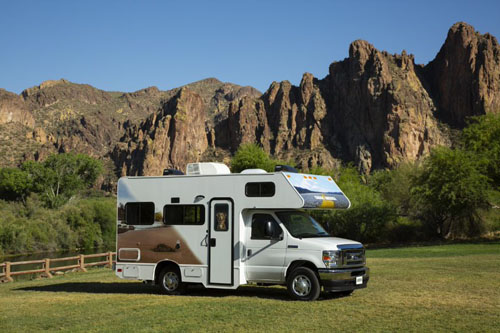
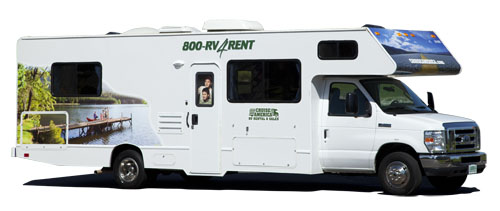
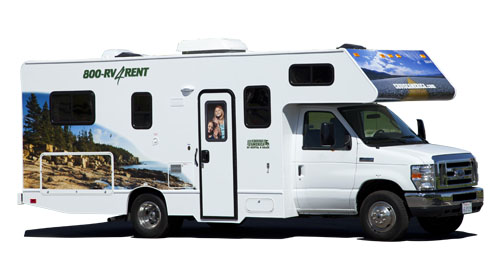
Class C alcove motorhomes, averaging 7.5 meters (24.6 feet) in length across Bandana's fleet, are highly recommended for Canadian family RV rentals due to their excellent balance of space, comfort, and cost-efficiency. These RVs are designed with families in mind, typically sleeping 5.8 people (suitable for 4.4 adults) thanks to the characteristic overhead alcove bed, and have an average load capacity of 42.4 kg. With common fuel consumption of 10-12 Liters/100 km, they are well-suited for Canada's diverse road conditions, offering a robust platform for family adventures while providing a familiar driving experience. Many models, such as the "29' Class C Motorhome" or "MHC24", come with generators and slide-outs, enhancing comfort during longer stops or cooler evenings in Canada's vast wilderness. For a family of 2 adults and 2 children, this class offers ample space for sleeping, dining, and daily activities, making it a popular choice for week-long trips or even a two-week adventure.Class B (Campervan) - Best For Agile Canadian Adventures
Class B campervans, averaging a compact 5.8 meters (19 feet) in length across Bandana's fleet, are best for small families or couples seeking maximum maneuverability and fuel economy for their Canadian adventure. These nimble RVs typically sleep 3.2 people (suitable for 2.7 adults), with an average load capacity of 37 kg, making them easy to drive, park in cities like Toronto, and navigate smaller roads or ferry crossings. With an excellent fuel consumption of around 10 Liters/100 km, campervans are perfect for adventurers prioritizing spontaneity, stealth camping, or accessing remote areas where larger RVs might struggle, albeit with less interior living space. Models like the "Active Pop Top" offer flexibility with a pop-top roof for extra head space, while the "HiTop Campervan" provides all the essentials for a cozy mobile home on the road. Campervans are great for those who love to cook their own meals on the go, and our RV-friendly recipes playlist offers plenty of inspiration.Class TC (Truck Camper) - Best For Rugged Canadian Exploration
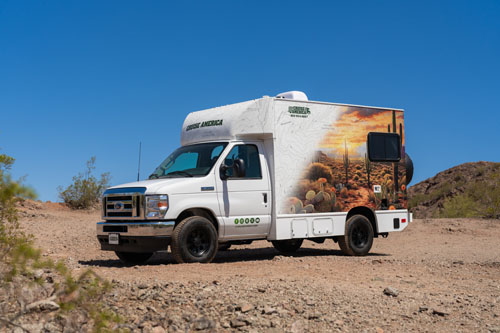
Class TC truck campers, with an average length of 5.5 meters (18 feet) across Bandana's fleet, are ideally suited for adventurous small families or groups prioritizing off-grid capabilities and exploring Canada's rugged terrain. These flexible RVs typically sleep 2.4 people (suitable for 2.1 adults) and offer the unique advantage of being detachable from the truck, allowing for off-road excursions or easy setup at a campsite while using the truck for day trips. Known for their robustness and ability to handle varied Canadian landscapes, including gravel roads and more remote access points, they are a great choice for those seeking a true wilderness experience, though their fuel consumption can be higher, averaging 12-17 Liters/100 km. The "Patagonia Camper 4x4 double cab" is an excellent example, offering 4 Wheel Drive capability for accessing more remote camping spots across Canada.Side-by-Side RV Class Comparison Table for Canada
This table provides a quick overview of the key specifications for each RV class, enabling families to easily compare options based on their specific needs for a Canadian RV rental. Consider factors like length for maneuverability, sleeping capacity for family size, fuel efficiency for budgeting, and the best use case to align with your desired adventure style across Canada's diverse provinces.| Family | Avg Length (m) | Sleeps | Fuel Use (L/100 km) | Best Use Case in Canada |
|---|---|---|---|---|
| Class A - Integrated | 7.5 | 4.4 | 11-12 | Luxury, large groups, extended comfort, full-hookup parks |
| Class SI - Semi-integrated | 6.9 | 3.8 | 10-11 | Balanced comfort, moderate groups, national parks, scenic routes |
| Class C - Alcove | 7.5 | 5.8 | 10-12 | Families with kids, extra sleeping, general touring, good value |
| Class B - Camper Van | 5.8 | 3.2 | ~10 | Couples/small families, maneuverability, urban/remote access, fuel economy |
| Class TC - Truck Camper | 5.5 | 2.4 | 12-17 | Adventurous small groups, off-grid exploration, rugged terrain access |
Our Recommendation for family rv rental Travelers in Canada
For most family RV rental travelers in Canada, the **Class C (Alcove)** is our primary recommendation due to its ideal combination of spacious sleeping arrangements (averaging 5.8 people), comfortable living, and relatively manageable driving on Canadian roads, all while offering good value for money. Its dedicated over-cab bed is perfect for children, and its size allows access to a wide range of campgrounds and attractions. The **Class SI (Semi-integrated)** is an excellent runner-up, particularly for slightly smaller families or those who prioritize a bit more driving agility and fuel efficiency (10-11 Liters/100 km) without sacrificing too much comfort, making it perfect for exploring diverse Canadian landscapes. Both options provide a home-away-from-home feel, ensuring your family trip through Canada is comfortable and memorable.What is the best RV for families exploring Canada?
The best RV for families in Canada typically depends on the family's size, budget, and desired level of comfort, but Class C (Alcove) motorhomes are generally considered ideal due to their dedicated sleeping areas and ample living space. Class C RVs, like those in Bandana's fleet averaging 7.5 meters and sleeping 5.8 people, offer an overhead bunk perfect for children, separate dining and living areas, and a full bathroom and kitchen, making them comfortable for extended trips. For smaller families or those seeking more maneuverability, a Class SI (Semi-integrated) or even a larger Class B (Campervan) could be suitable, balancing comfort with easier driving and better fuel economy, especially when navigating cities like Montreal or Halifax. Imagine the freedom of pulling into a scenic viewpoint and preparing a fresh meal in your rented motorhome kitchen.How much does it cost to rent an RV in Canada?
The cost to rent an RV in Canada varies significantly based on factors like RV class, rental duration, season, pickup location, and included amenities, with prices ranging from approximately $100-$200 CAD per night for smaller units to $300-$500+ CAD for larger, luxury models. Beyond the daily rental fee, a comprehensive budget for an RV trip to Canada should account for fuel (which can be substantial given Canada's vast distances and RV fuel consumption of 10-17 L/100 km), campground fees ($30-$70 CAD/night for serviced sites), national park permits (e.g., $10-$20 CAD/day per person for a Parks Canada Discovery Pass), activity costs, food, and an emergency fund. Hidden costs can include mileage charges, preparation fees, insurance add-ons, generator usage fees (often $3-$5 CAD/hour), propane refills, and dumping station fees, all of which should be clarified with the rental provider before booking to ensure full transparency, a core Bandana value.Is it cheaper to rent an RV or stay in hotels in Canada?
Whether renting an RV is cheaper than staying in hotels in Canada depends heavily on trip duration, group size, and travel style; generally, for families or longer trips (one week or more), an RV can be more cost-effective when factoring in accommodation, transportation, and cooking savings. While the upfront rental cost of an RV, plus fuel and campground fees, can seem high, it often offsets the expense of multiple hotel rooms, restaurant meals, and separate vehicle rentals for a family of 4-6 people. An RV also offers the flexibility to cook your own meals, significantly reducing food costs compared to dining out, and provides a unique travel experience that combines lodging and transport into one convenient package. For families planning an extended road trip through Canada, like the Halifax to Whitehorse - Exploring Canada’s Heartland in a Motorhome itinerary which spans 37 days and 9199.1 km, the savings on accommodation and food can be substantial, making RV travel an economically smart choice.What documents do I need to rent an RV in Canada?
To rent an RV in Canada, you will typically need a valid driver's license (from your home country if international, often with an International Driving Permit for non-English licenses), a major credit card for the deposit, and identification such as a passport. Most rental companies require drivers to be at least 21 years old and hold a full, non-probationary license, though specific age and license class requirements may vary slightly by province and RV size; rest assured, a standard car license is sufficient for all motorhome classes we rent. It's crucial to confirm all required documentation with your specific rental company well in advance, especially if you are an international traveler, to ensure a smooth pickup process for your family rv rental.Do I need insurance for an RV rental in Canada?
Yes, insurance is mandatory for an RV rental in Canada, typically including basic liability coverage provided by the rental company, though additional collision damage waiver (CDW) or supplemental liability insurance (SLI) is highly recommended for comprehensive protection and peace of mind. Standard rental agreements usually come with minimal provincial liability coverage, but this may not adequately protect against all damages to the RV or third-party claims, making extra coverage a wise investment for peace of mind during your Canadian journey. Bandana offers top-level deductible reimbursement as an optional upgrade, allowing you to travel with added security. For cross-border travel between the US and Canada, it's essential to confirm that your insurance coverage extends to both countries, as some policies may have geographical limitations, and consider roadside assistance specifically for RVs to handle potential breakdowns in remote areas.Can you cross the Canadian border in a rented RV?
Yes, you can typically cross the Canadian border in a rented RV, provided you have explicit permission from the rental company and all necessary documentation for both the vehicle and its occupants. Ensure your rental agreement clearly states that cross-border travel is permitted, and carry a copy of the rental contract, vehicle registration, and proof of insurance, as border officials may request these documents. All travelers, including pets, must adhere to standard customs and immigration requirements; for pets, this means valid vaccination records (especially rabies), a health certificate, and potentially microchipping, with specific rules varying by province for entry into Canada. Planning an extended road trip that takes you into the USA? Our RV Rental USA - Complete Guide 2026 offers helpful tips for cross-border adventures.Can I take my dog in a rented RV in Canada?
Yes, many RV rental companies in Canada offer pet-friendly vehicles, allowing you to bring your dog, but it's crucial to confirm this policy and any associated fees or breed restrictions when booking. When traveling with pets in Canada, ensure your dog's vaccinations are up-to-date (especially rabies), carry their health records, and be aware of specific pet policies in national parks, provincial parks, and private campgrounds, many of which are pet-friendly but require leashes. Always prioritize your pet's safety during wildlife encounters by keeping them on a leash, storing food securely, and knowing what to do if an animal approaches, as some areas may have restrictions on pets to protect wildlife. Your furry family member can certainly join your Canadian adventure!Do you need a special license to drive an RV in Canada?
Generally, you do not need a special license to drive most RVs in Canada if you hold a valid standard driver's license from your home province or country, as typical rental RVs fall under the weight limits for a Class 5 (or equivalent) license. This applies to all motorhome classes - Class A, Class B, and Class C - available for rent. However, driving an RV in Canada, particularly through mountain passes or on gravel roads common in rural areas, requires extra caution due to the vehicle's size and weight; be mindful of road conditions, signage, and prepare for potentially longer stopping distances and wider turns, especially in urban areas when finding suitable parking. Drive slowly and carefully, and you can drive almost anywhere without issues. No need to stress - just use common sense and pay attention to make your family rv rental journey smooth.What are the rules for RV camping in Canada?
RV camping in Canada follows specific rules that vary by type of campground (National Park, Provincial Park, private) and local municipal bylaws, generally requiring reservations during peak season, adherence to quiet hours, and proper waste disposal. National and Provincial Parks often have strict regulations regarding campfires, generator use, and wildlife safety (e.g., food storage in bear-proof containers), while private campgrounds usually offer more amenities but also have their own set of rules. Boondocking, or dispersed camping, is generally permitted on Crown land (public land) in Canada, but rules vary by province and specific area; always check local land use regulations for restrictions, ethical considerations (leave no trace principles), and ensure you leave no trace, as accessible campgrounds with amenities are more common. You'll find thousands of camping spots to choose from.Is it easy to find campsites in Canada?
Finding campsites in Canada can be easy or challenging depending on the season, location, and type of campground; during peak summer months (July-August) and in popular national parks like Banff or Jasper, reservations are highly recommended and often essential well in advance. However, many national and provincial parks reserve 25-30% of their spots for first-come-first-serve arrivals, so don't despair if you're a spontaneous traveler; you'll find a spot. If not at the first campground, then the next one. Always call ahead before driving, especially in popular areas. For spontaneous travelers, utilizing apps like iOverlander or websites dedicated to boondocking (Crown land camping) can help locate dispersed camping spots, but always verify accessibility, rules, and services (or lack thereof) beforehand. For pre-planned routes and campground research, rvplan.net is a fantastic resource.What should I pack for an RV trip in Canada?
For an RV trip in Canada, essential packing includes versatile clothing layers suitable for varied climates (even in summer, evenings can be cool, especially in the mountains), sturdy hiking shoes, and specific gear tailored for outdoor activities and potential wildlife encounters. Beyond standard camping gear, consider packing bear spray (and knowing how to use it safely and legally), appropriate power adapters if coming from outside North America, and cold-weather readiness items like extra blankets or thermal wear if traveling in shoulder seasons (spring/fall). Don't forget essentials like a comprehensive first-aid kit, navigation tools (offline maps are vital for remote areas), sun protection, insect repellent, and a basic emergency kit including roadside flares, a flashlight, and basic tools. A rented motorhome from Bandana typically includes kitchen essentials, so you won't need to pack pots and pans.How do I get internet in an RV in Canada?
Getting internet in an RV in Canada, especially in remote areas, often requires a multi-pronged approach combining local SIM cards, mobile hotspots, and dedicated RV Wi-Fi solutions, as public Wi-Fi can be unreliable or nonexistent outside of urban centers. Purchasing a Canadian SIM card with a data plan from providers like Bell, Telus, or Rogers for your smartphone or a portable hotspot is often the most reliable option for staying connected, though coverage diminishes in very remote or mountainous regions. While some campgrounds offer Wi-Fi, and a few national parks have limited hotspots in visitor centers, investing in a cellular booster can significantly improve connectivity for those needing consistent internet access during their Canadian RV adventure. Remember, Canada is vast, and cell service can be spotty, so download offline maps and entertainment in advance.What should I do if I see a bear in Canada?
If you encounter a bear in Canada, the primary rule is to remain calm, avoid eye contact, and never run; slowly back away while speaking in a low, firm voice to let the bear know you are human. Always carry bear spray (and know how to use it safely) when hiking in bear country, keep a clean campsite by storing all food and scented items in bear-proof containers or inside your RV, and never approach or feed any wildlife. Familiarize yourself with specific actions for black bear versus grizzly bear encounters: for black bears, try to appear large and make noise; for grizzlies, play dead if attacked, but generally, slowly retreat and avoid confrontation. Following these simple guidelines ensures a safe and respectful interaction with Canada's majestic wildlife during your family rv rental trip.What is the best time to RV in Canada?
The best time to RV in Canada for most families is during the summer months, from late June to early September, when the weather is warmest, all attractions and campgrounds are open, and road conditions are optimal across the country. However, to avoid peak crowds and higher prices, the shoulder seasons of late May to mid-June and mid-September to early October offer beautiful scenery, fewer tourists, and often lower rental rates. RV travel during winter or colder shoulder seasons (late fall/early spring) is possible but requires a 'winterized' RV, specialized gear, and readiness for snow, ice, and limited campground availability, making it more suitable for experienced cold-weather RVers. When planning, consider the
Top Cities for RV Rental in Canada
Canada boasts numerous fantastic cities to begin your RV adventure, offering convenient access to stunning natural landscapes and vibrant urban experiences.- **Vancouver, British Columbia:** A bustling west coast city, Vancouver serves as an ideal starting point for exploring the Canadian Rockies and the Pacific coastline, with routes like
beginning here. Its mild climate makes it a popular year-round destination for rented campervan and motorhome pickups.
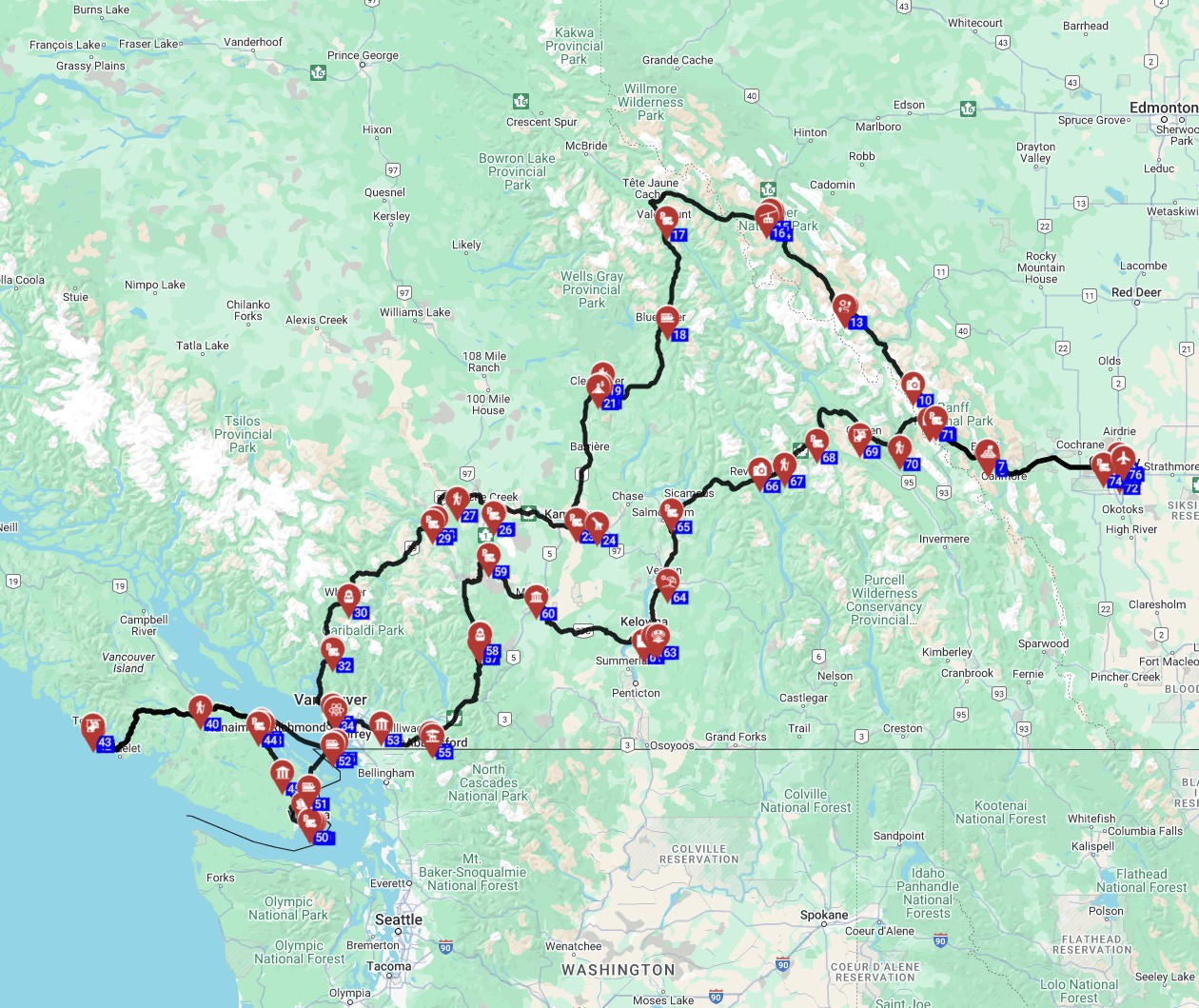
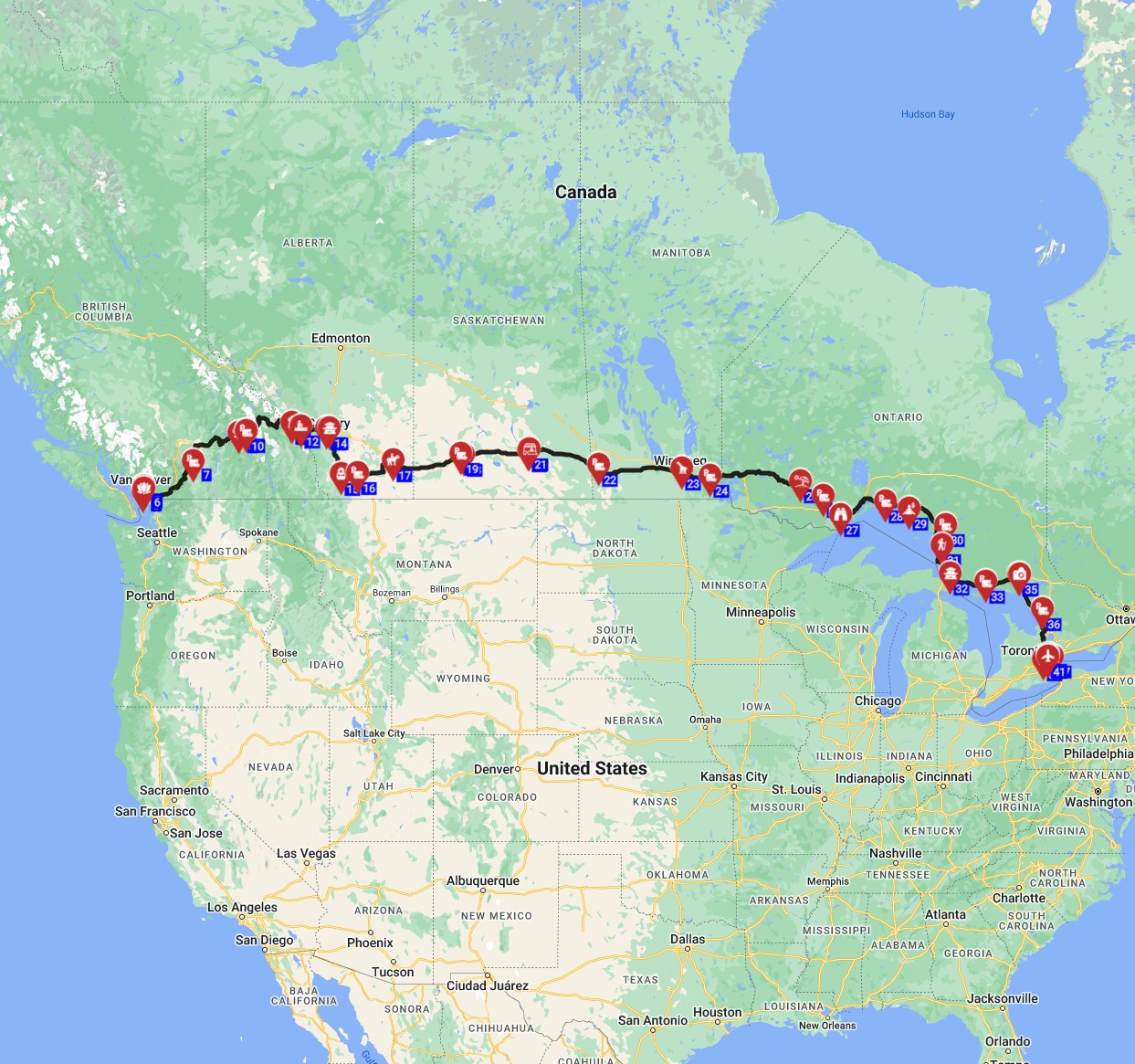 Vancouver to Toronto - Trans Canada West to East
 - **Toronto, Ontario:** As Canada's largest city, Toronto provides excellent access to the Great Lakes region, Niagara Falls, and the beautiful Algonquin Provincial Park. It’s a key hub for exploring eastern Canada in a family rv rental.
- **Calgary, Alberta:** Perfectly situated at the doorstep of the Canadian Rockies, Calgary is a prime location for quick access to Banff and Jasper National Parks. Many Class C motorhome rentals are available here, offering comfort for mountain excursions.
- **Montreal, Quebec:** Rich in history and European charm, Montreal is a great base for exploring Quebec's national parks, the scenic Eastern Townships, or even embarking on longer adventures further east.
- **Halifax, Nova Scotia:** This maritime city offers a captivating starting point for an RV trip through the rugged beauty of Atlantic Canada, including the Cabot Trail and numerous coastal campgrounds.
- **Edmonton, Alberta:** North of Calgary, Edmonton offers another convenient gateway to the northern Rockies and less-traveled routes, providing a slightly different flavor of Alberta's natural wonders for your rented RV journey.
- **Whitehorse, Yukon:** For the ultimate northern adventure, Whitehorse is the entry point to the Dempster Highway and experiences truly unique to the Canadian North.
What You Shouldn't Miss
- **Driving the Icefields Parkway, Alberta:** This 232 km (144 mile) scenic highway between Banff and Jasper National Parks offers breathtaking views of glaciers, turquoise lakes, and wildlife. Plan at least 2-3 days to truly soak it all in.
- **Exploring Banff National Park:** Canada's first national park is a UNESCO World Heritage site, famous for Lake Louise, Moraine Lake, and the town of Banff. It offers over 2,500 km of hiking trails and numerous campgrounds suitable for your family rv rental.
- **The Cabot Trail, Nova Scotia:** A world-renowned 298 km (185 mile) scenic drive around Cape Breton Island, featuring stunning coastal views, charming fishing villages, and abundant opportunities for hiking and whale watching.
- **Visiting Niagara Falls, Ontario:** Witness the awe-inspiring power of Niagara Falls, a natural wonder that also offers family-friendly attractions and beautiful parklands around the area, easily accessible with a rented motorhome from Toronto.
- **Spotting Wildlife in the Rockies:** Keep your eyes peeled for grizzly bears, black bears, elk, moose, and bighorn sheep in national parks. Always observe from a safe distance and never feed animals.
- **Looking for expert insights from Avi Bandana?** Top 5 Adventures - recommendations from Avi Bandana.
Why Book with Bandana Caravan
Full Transparency, No Surprises
At Bandana, we believe in honest pricing. What you see is what you pay, with no hidden fees or surprise costs at pickup. We compare final prices across 50+ leading RV suppliers worldwide, including trusted partners like El Monte, Cruise America, Apollo, and Britz, ensuring you get the best deal for your family rv rental in Canada.
True RV Specialists
We're not just another travel agency. Founded in 2001, Bandana has over 20 years of dedicated experience, helping tens of thousands of travelers explore the world by RV. Our team comprises true RV enthusiasts who genuinely understand motorhome travel and are here to support you before, during, and after your booking.
Peace of Mind on the Road
Travel through Canada with confidence. You can upgrade to a top-level deductible reimbursement for extra peace of mind, protecting you against unforeseen circumstances. Plus, our extensive network covers 50+ countries, offering local expertise and support wherever your adventure takes you.
Effortless Planning with RV PLANET
Take the stress out of route planning. Our sister company, RV PLANET (rvplan.net), offers 1,300+ pre-planned routes across 5 continents, designed by professionals. As a bonus, you receive a 25% planning discount when you use rvplan.net to create your perfect itinerary.
Final Thoughts
An RV adventure through Canada is more than just a trip; it's an opportunity to create lasting family memories, immerse yourselves in breathtaking nature, and experience the freedom of the open road. From the majestic Rockies to the charming Atlantic coast, a rented motorhome or campervan offers unparalleled flexibility and comfort. Whether you choose a spacious Class C for a family of five or a nimble Class B for a couple's retreat, the perfect vehicle awaits. Remember, planning is part of the fun! Take your time, discover hidden gems, and embrace the slow travel philosophy - aiming for no more than 100-150 km per day on average. Bandana is here to support you every step of the way, ensuring your booking process is transparent and your journey across Canada is everything you dreamed it would be. Get ready to embark on an unforgettable family rv rental journey in Canada!On the routes offered through RV PLANET routes, you can itemize and track every expense along the way for easy budgeting.